
The rhythmic clink-clink-clink of a small tea spoon against a tulip-shaped glass is, to me, the true heartbeat of Istanbul. But back in 2009, during my first week living in this sprawling, chaotic, and beautiful city, I hadn’t yet learned to listen to its pulse. I was still a Londoner at heart, programmed to treat food as fuel and time as a scarce commodity.
I remember sitting on my tiny balcony in Cihangir, frantically shoving a piece of bread and some olives into my mouth so I could catch the ferry. My neighbor, Hakan—a man who seemed to have mastered the art of existing in a state of permanent, dignified calm—watched me from across the terrace. He shook his head, pointed a weathered finger at my half-empty tea glass, and said, “Berk, the sun isn’t going anywhere, and neither is the cheese. Sit. Breathe.”
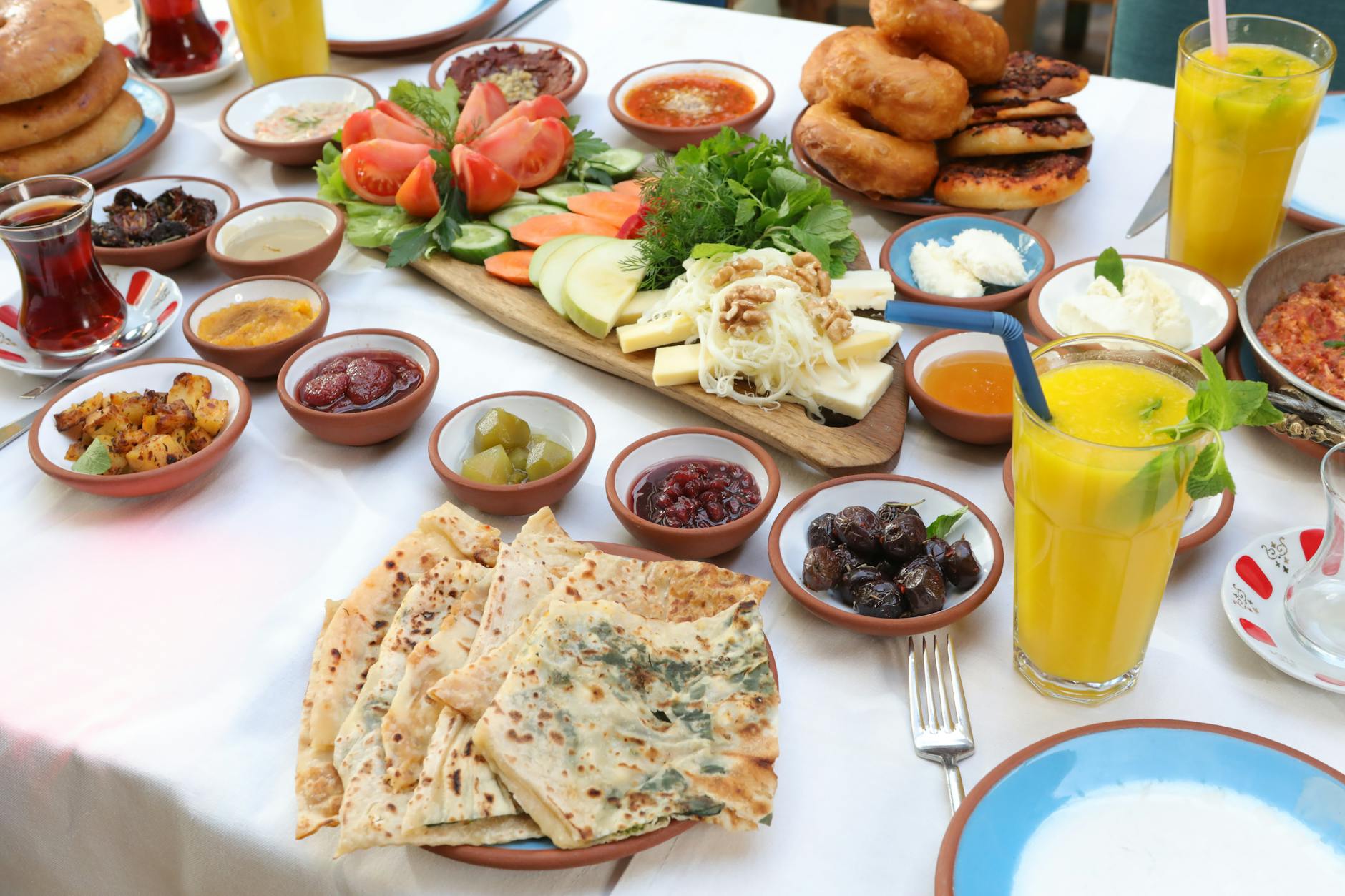
That was the morning I realized that in Turkey, breakfast isn’t just a meal—it’s a social contract, a slow-motion symphony, and a total commitment to the people sharing your table. The word itself, kahvaltı, literally translates to “under coffee,” signifying the foundation you build before the day’s first strong cup of caffeine. But a true serpme kahvalti (the spread) is so much more than a foundation. It’s a vibrant mosaic of salty white cheeses, honey-drenched cream known as kaymak, sun-ripened tomatoes, and eggs poached in spicy tomato sauce (menemen), all designed to be lingered over for hours.
Over the last 15 years, I’ve navigated every corner of Istanbul’s food culture, from the high-end terraces of Nişantaşı to the hidden, dusty backstreets of Kadıköy. I’ve learned that the “best breakfast in Istanbul” isn’t found at a lukewarm hotel buffet; it’s found in the places where the tea never stops flowing and the conversation flows even faster.
If you’re ready to stop rushing and start savoring, let’s go beyond the tourist traps. Here is my personal guide to mastering the slow art of the Turkish breakfast, and the secret spots where the locals actually go to feast.
More Than a Meal: The Linguistic and Cultural Roots of Kahvaltı
I’ve lived in this city for fifteen years, and if there’s one thing I’ve learned while navigating the winding streets of Kadıköy or the steep hills of Cihangir, it’s that you cannot rush an Istanbulite in the morning. To the uninitiated, the Turkish breakfast—or kahvaltı—looks like an exercise in beautiful excess. But to those of us who call this city home, it is a sacred ritual, a philosophical stance against the frantic pace of modern life.
To truly understand why we spend three hours passing plates of brined olives and honeycomb, you have to look at the word itself.
The Etymology of the “Under-Coffee”
The word kahvaltı is a fascinating linguistic window into the Turkish soul. It is a portmanteau of two words: kahve (coffee) and altı (under, or below). Literally, it translates to “under-coffee.”
Historically, this wasn’t the sprawling feast we see today. In the Ottoman era, the morning meal was a modest affair—perhaps some soup, some bread, and a bit of cheese—designed specifically to provide a “lining” for the stomach before the first strong cup of Turkish coffee was consumed. Because Ottoman coffee is unfiltered, thick, and incredibly potent, drinking it on an empty stomach was considered a recipe for a jittery, unproductive day. Thus, the kahvaltı was born as the essential foundation for the caffeine to follow.
From Coffee to Tea: A Historical Pivot
It is one of the great ironies of Turkish culture that while the meal is named after coffee, the drink that fuels the modern Turkish breakfast is almost exclusively çay (tea).
This transition is rooted in the early days of the Turkish Republic. After the fall of the Ottoman Empire, coffee—which was largely imported from territories the new Republic no longer controlled—became prohibitively expensive and scarce. In an act of brilliant pragmatism, the state encouraged the cultivation of tea in the humid, emerald-green hills of the Black Sea region, specifically in Rize.
The result? Coffee moved to the end of the meal as a celebratory punctuation mark, while tea became the endless, flowing river that connects every dish on the table. Today, if your tea glass is empty for more than two minutes, your host or waiter will look at you with genuine concern, as if you’ve suddenly lost your zest for life.
The Philosophy of Keyif
In the West, we often view breakfast as a logistical hurdle—a “grab-and-go” granola bar or a quick espresso while checking emails. In Istanbul, that approach is considered a tragedy. Here, breakfast is the ultimate expression of keyif.
Keyif is a word that doesn’t have a direct English equivalent, but it roughly translates to “the art of idle pleasure.” It is the act of being present, of savoring the moment without the itch of “what comes next.” When you sit down for a Turkish breakfast, you are entering a time-warp. The world outside might be honking its horns and rushing toward deadlines, but at the breakfast table, the only priority is whether the kaymak (clotted buffalo cream) is paired perfectly with the right swirl of pine honey.
| Feature | The Rushed Western Breakfast | The Turkish Kahvaltı |
|---|---|---|
| Primary Goal | Fuel and efficiency | Connection and Keyif |
| Duration | 10–15 minutes | 2–4 hours |
| The Drink | Coffee to-go (Paper cup) | Endless Tea (Thin-waisted glass) |
| Atmosphere | Functional and solitary | Social, shared, and sensory |
| End Goal | Getting to work | Reaching the final cup of coffee |
This multi-hour ritual is the social fabric of our city. It is where families resolve disputes, where friends plot new business ventures, and where we locals reconnect with the slow rhythm of the Bosphorus. To eat a real Turkish breakfast is to declare that your time belongs to you, and your joy belongs to those sitting across from you.
The Anatomy of the Table: Decoding the ‘Serpme’ Spread
In my fifteen years of navigating the winding streets of this city, I’ve learned that a Turkish breakfast is less a meal and more of an architectural feat. If you walk into a cafe and see a person eating a single croissant and a coffee, they are likely a tourist or a very rushed expat. To eat like a local—to eat like a Sultan, really—you need to understand the Serpme Kahvaltı.
The Spread vs. The Plate: A Matter of Philosophy
The first thing you’ll notice on a menu is the distinction between a Kahvaltı Tabağı and a Serpme Kahvaltı.
The Kahvaltı Tabağı is the “Breakfast Plate.” It’s a curated, individual portion. You’ll get a slice of feta, a couple of olives, a hard-boiled egg, and perhaps a slice of tomato. It’s practical, it’s quick, and it’s what we locals eat on a Tuesday before heading to the office.
But you didn’t come to Istanbul for a Tuesday morning commute. You came for the Serpme Kahvaltı. The word serpme literally translates to “sprinkled” or “scattered.” It refers to an endless array of small ceramic bowls and plates that eventually cover every square inch of the table. It is a communal experience designed to last hours. In a true serpme spread, the table is the canvas, and the food is the art. There is no “portion control” here; if a bowl of olives runs low, it is replenished. It is an exercise in abundance and the ultimate expression of Turkish hospitality.
The Holy Trinity of Cheeses
You cannot have a Turkish breakfast without a dizzying variety of cheeses (peynir). After a decade and a half here, I’ve realized that the cheese course is where the regional diversity of Turkey really shines.
First, there is Beyaz Peynir (White Cheese). This is the foundation. It’s similar to Greek feta but varies wildly in texture—from sert (hard) to yumuşak (soft). A discerning traveler looks for the “full-fat” version from Ezine; it’s creamy, slightly sheepy, and has a salty punch that wakes up the palate.
Then we move to Kaşar. The young version (taze) is mild and buttery, but the Eski Kaşar (old/aged) is the star. It’s been aged in sheepskin or sacks, resulting in a tangy, sharp, and slightly crystalline texture that rivals a good Parmesan.
Finally, for the texture-seekers, there is Telli Peynir (or Örgü). This is a stringy, hand-pulled cheese from the Black Sea or Southeastern regions. It’s fun to pull apart with your fingers, and its mild, milky flavor is the perfect foil to the stronger, saltier options.
| Cheese Type | Texture | Flavor Profile | Best Paired With |
|---|---|---|---|
| Beyaz Peynir (Ezine) | Crumbly to creamy | Salty, acidic, rich | Fresh tomatoes and Simit |
| Eski Kaşar | Firm and flaky | Nutty, sharp, complex | A drizzle of pine honey |
| Telli Peynir | Stringy and elastic | Mild, milky, light | A dollop of spicy Acuka |
| Lor Peyniri | Soft, curd-like | Very mild, unsalted | Mixed with herbs or jam |
From the Garden: The Essentials
Between the cheeses and the breads, you’ll find the “garden” section of the table. In Istanbul, we don’t just “eat” vegetables; we celebrate them.
The olives (zeytin) are sacred. You will always see at least two kinds: the wrinkly, sun-dried black olives (sele) and the cracked green ones (kırma), often marinated in lemon and thyme. A pro tip: never use a fork for the olives. Use your fingers or a small toothpick, and always check for the pit.
Then come the tomatoes and cucumbers. This might sound basic, but the difference between a supermarket tomato and a Turkish field-grown tomato is like the difference between a postcard and the real thing. Look for the small, bumpy Çengelköy cucumbers—they are extra crunchy and incredibly fragrant. Drizzled with high-quality olive oil and a pinch of dried oregano, these vegetables provide the necessary acidity to cut through the richness of the cheeses.
Bal Kaymak: The Ultimate Indulgence
If there is one thing that defines the “Slow Art” of this breakfast, it is Bal Kaymak.
Kaymak is clotted cream, typically made from water buffalo milk (manda kaymağı). It is thick, velvety, and so rich it’s almost illegal. It is served submerged in a pool of golden Bal (honey). You take a piece of warm, crusty bread, swipe it through the cream and honey, and let it melt on your tongue. It is, quite simply, the food of the gods. If a restaurant serves you commercial, runny cream, they aren’t respecting the ritual. Look for the Kaymak that has visible “layers” or ripples—that’s the sign of the real deal.
5 Must-Have Condiments for a Real Spread
To round out your serpme experience, look for these five side-kicks that bridge the gap between sweet and savory:
- Acuka: A spicy, savory paste made from walnut, garlic, tomato paste, and a blend of peppers. It’s the “umami bomb” of the table.
- Vişne Reçeli (Sour Cherry Jam): The tartness of the cherries is the perfect companion to a salty piece of Beyaz Peynir.
- Tahin-Pekmez: A mixture of sesame tahini and grape molasses. Think of it as the Turkish version of peanut butter and jelly, but far more sophisticated.
- Tereyağı (Trabzon Butter): Usually yellow and deeply flavorful, sourced from the high plateaus of the Black Sea.
- Zeytinyağı & Zahter: A small bowl of premium olive oil topped with a blend of wild thyme, sesame seeds, and sumac for dipping your bread.
When your table is so full that the waiter has to play “Tetris” just to fit your tea glass, you’ll know you’ve finally arrived at a real Turkish breakfast. Now, take a breath, pour your first glass of tea, and begin. There is no rush.
From the Pan to the Heart: The Hot Staples You Can’t Ignore
While the cheeses and olives provide the foundation, the true soul of a Turkish breakfast—the part that makes you linger until the tea turns cold—is the sizzle of the sahan (the traditional small copper frying pan). This is where the magic happens. In my fifteen years here, I’ve learned that a Turkish breakfast isn’t just a meal; it’s a series of warm invitations to dip your bread into something spectacular.
The Great Menemen Debate: A National Dilemma
If there is one dish that defines the Turkish morning, it is Menemen. On the surface, it’s simple: eggs, tomatoes, green peppers, and spices. But don’t let the simplicity fool you. There is a fierce, ongoing national debate that even the most famous food critics weigh in on: With or without onions?
Purists will tell you that onions turn it into a lunch dish, while the “pro-onion” camp argues they provide a necessary depth of flavor. Personally? After a decade and a half in Istanbul’s backstreets, I say go onion-free for breakfast to let the sweetness of the summer tomatoes shine.
The secret to a world-class Menemen is the texture. It should never be dry or rubbery like a standard omelet. The perfect Menemen is a silken, shimmering landscape. The tomatoes should be cooked down until they form a rich, jammy sauce, and the eggs should be folded in at the last possible second, remaining soft and slightly runny. When you drag a piece of crusty ekmek through it, the yolk should marry with the tomato juice to create a vibrant, orange-hued nectar.
Sucuklu Yumurta: The King of the Table
If Menemen is the soul, then Sucuklu Yumurta is the king. Sucuk is a dry, spicy, and fermented beef sausage heavily seasoned with garlic, cumin, and sumac. When it hits the hot copper pan, the fat renders out, turning into a spicy, aromatic red oil.
Two eggs are usually cracked directly over the sizzling slices. The whites set firmly around the meat, while the yolks remain liquid gold. This dish is the ultimate test of your bread-dipping skills. You haven’t truly lived in Istanbul until you’ve fought a friend for the last piece of sucuk soaked in that spicy garlic oil. It’s bold, it’s heavy, and it’s absolutely essential.
Berk’s Insider Tip: Don’t settle for the hotel buffet. If you see a place where the locals are dipping bread into a communal copper pan of menemen, that’s your spot. If they have ‘manda kaymağı’ (water buffalo cream) on the menu, you’ve hit the jackpot.
Gözleme and Sigara Böreği: The Art of the Dough
You cannot have a proper spread without the hamur işi (pastry) element. Most often, you’ll see Sigara Böreği—thin, cigar-shaped rolls of phyllo dough stuffed with salty lor cheese and parsley, fried until they shatter like glass when you bite them.
Then there is Gözleme. This is a flatbread, hand-rolled until it’s paper-thin, filled with spinach, cheese, or minced meat, and cooked on a convex griddle called a sac.
How to spot hand-rolled yufka: Look closely at the edges and the thickness. If the dough is perfectly uniform and circular, it’s likely factory-made. Authentic, artisanal yufka will have slight irregularities, “blisters” from the heat of the griddle, and a translucency that only comes from a skilled teyze (auntie) wielding a thin wooden rolling pin (oklava). The flavor of hand-rolled dough is nuttier and far more tender.
The Regional Star: Muhlama (Mıhlama)
Finally, if you see Muhlama (sometimes called Mıhlama or Kuymak) on a menu, order it immediately. Hailing from the lush, rainy Black Sea region, this is essentially a Turkish cheese fondue. It’s made by slowly cooking coarse cornmeal with local butter until the oil rises to the top, then adding massive amounts of “string” cheese.
The goal is the “stretch.” A good Muhlama should stretch from the pan to the ceiling as you lift your spoon. It’s incredibly rich, savory, and warming—the kind of food that makes you want to cancel your afternoon plans and take a long nap by the Bosphorus.
| Dish | Primary Ingredients | Flavor Profile |
|---|---|---|
| Menemen | Eggs, Tomato, Green Pepper | Savory, juicy, and bright |
| Sucuklu Yumurta | Spicy Beef Sausage, Eggs | Bold, garlicky, and rich |
| Gözleme | Yufka, Spinach/Cheese | Toasted, salty, and comforting |
| Muhlama | Cornmeal, Butter, Kolot Cheese | Buttery, nutty, and very cheesy |
The Bosphorus Breakfast: Where View Meets Flavor
If the soul of a Turkish breakfast lies in the slow movement of the morning, its most breathtaking stage is undoubtedly the shoreline of the Bosphorus. After fifteen years in this city, I’ve found that while a neighborhood kahvaltı is wonderful for a Tuesday, a weekend morning requires the majesty of the strait. There is a specific ritual here, a pilgrimage of sorts, that takes us to the narrowest point of the Bosphorus: Rumeli Hisarı.
Known to locals as the “fortress row,” this stretch of road sitting in the shadow of the massive 15th-century stone towers is, in my professional opinion, the epicenter of Istanbul’s breakfast culture. Here, the water isn’t just a backdrop; it’s an active participant in your meal. The current, known as the Şeytan Akıntısı (Devil’s Current), churns just meters from your table, and the salt-tinged air acts as the perfect palate cleanser between bites of rich, creamy kaymak.
The Legends of the “Fortress Row”
When you arrive at the Rumeli Hisarı bus stop, you’re greeted by a competitive yet friendly row of cafes, each claiming to have the freshest olives or the fluffiest bread. However, for a truly “Berk-approved” experience, you have to choose your camp.
If you want the undisputed institution, you go to Kale Café. It has been there since 1982, and honestly, not much has changed—which is exactly why we love it. There is no pretension here. You sit on stools that have seen decades of Sunday chatter, and you order the serpme (spread). Their hellim cheese is grilled to a squeaky perfection, and their acılı ezme (spicy pepper walnut paste) has just enough kick to wake up your senses.
If you’re looking for something with a slightly more boutique, “hidden garden” feel, I often point my friends toward Nar Dükkan. It’s nestled slightly back but offers an intimacy that the larger waterfront spots sometimes lack. Their homemade jams—especially the bergamot and sour cherry—are like liquid gold. Whether you choose the bustling energy of Kale or the curated charm of Nar Dükkan, the common denominator is the unhurried pace. In this part of town, if you finish your breakfast in under two hours, you’ve done it wrong.
Why the Bosphorus Breeze Makes the Tea Taste Better
There is a local theory I’ve developed over my decade and a half here: Turkish tea (çay) is scientifically 20% better when consumed in a Bosphorus breeze.
I’m only half-joking. There is something about the way the wind sweeps down from the Black Sea, carrying the scent of pine and salt, that cuts right through the heat of the tea. In the height of summer, that breeze is your best friend. In the winter, you wrap your hands around the thin-waisted ince belli glass, watching the tankers glide past through the steam. The tea at Rumeli Hisarı is usually brewed in large samovars, resulting in a deep, mahogany color (tavşan kanı or “rabbit’s blood”) that is robust enough to stand up to the strongest of cheeses.
A Comparative Look at the “Fortress” Breakfast Experience
To help you decide which vibe suits your morning, I’ve broken down what you can expect from the two titans of the area:
| Feature | Kale Café (The Classic) | Nar Dükkan (The Boutique) |
|---|---|---|
| Vibe | Nostalgic, bustling, high-energy | Artistic, cozy, refined |
| Must-Order | Sucuklu Yumurta (Eggs with Spicy Sausage) | House-made Seasonal Marmalades |
| Seating | Waterfront or cozy interior nooks | Garden terrace and vintage-chic indoor |
| Best For | Feeling like a 1980s Istanbulite | A romantic, quiet morning |
| Bread Factor | Famous sourdough and warm pide | Artisanal baskets with whole grains |
Conquering the Fortress: The Essential Post-Meal Ritual
The trap many visitors fall into is eating their fill of honey, cream, and fried dough, and then immediately hopping into a taxi. In Istanbul, we have a better way. After a heavy breakfast, you must “walk it off,” and there is no better place than the Rumeli Fortress (Rumeli Hisarı) itself.
This massive fortification was built by Mehmed the Conqueror in just four months back in 1452, and its stone walls rise steeply from the water’s edge. I always recommend my guests pay the modest entrance fee and make the climb. Be warned: the steps are steep and there are few railings—it’s an authentic medieval experience! However, once you reach the top of the ramparts, the view of the Fatih Sultan Berk Bridge stretching across to Asia is unparalleled. It provides the physical exertion needed to justify that second helping of bal-kaymak you had an hour earlier.
For a deep dive into the history of the stones you’re climbing, check out my detailed Rumeli Fortress guide, which covers everything from the secret inscriptions to the best photography angles.
There is a specific kind of peace that comes from standing atop those walls, looking down at the blue expanse of the Bosphorus, knowing that you’ve started your day exactly the way an Istanbulite should: with a full stomach, a clear head, and the wind in your hair.
Across the Water: Kadıköy’s Vibrant Breakfast Street
After fifteen years of navigating this city’s chaotic beauty, I’ve learned one absolute truth: if you want to see where the heart of modern Istanbul beats, you have to cross the Bosphorus. While the European side holds the history, the Asian side—specifically Kadıköy—holds the soul. Taking the ferry from Karaköy to Kadıköy is my favorite morning ritual; it’s a twenty-minute palate cleanser that transitions you from the imperial grandeur of the Old City to the bohemian, high-energy pulse of the East.
The Energy of Kahvaltıcılar Sokağı
Once you step off the ferry and weave through the fish market, you’ll find yourself drawn toward a narrow stretch known locally as Kahvaltıcılar Sokağı (Breakfast Street). Officially located around the Caferağa neighborhood, this isn’t just a place to eat; it’s a sensory explosion. Unlike the sprawling, quiet gardens of the northern Bosphorus, breakfast here is communal, loud, and incredibly vibrant.
Tables spill out onto the pavement, and the air is thick with the aroma of sucuk (spicy Turkish sausage) sizzling in copper pans and the sweet scent of freshly baked pisi (fried dough). What I love about this street is the lack of pretension. You’ll see students huddling over shared plates next to retirees who have been coming to the same spot for forty years. It’s the ultimate “neighborhood” vibe. If you’re looking to explore the area further after your meal, I highly recommend checking out this comprehensive Kadıköy & Moda walking tour guide to make sure you don’t miss the hidden murals and antique shops tucked away in the side streets.
Innovation on the Plate: The Youthful Asian Side
Why does the Asian side feel so different? It’s younger. Kadıköy is the epicenter of Istanbul’s creative class, and that reflected in the breakfast culture. While the European side often sticks to the “Standard Serpme” (the traditional spread), Kadıköy is where the experimental breakfast scene thrives.
Here, the traditional Turkish breakfast is a canvas for innovation. You’ll find chefs playing with regional ingredients in ways you won’t see in Sultanahmet. Think menemen topped with caramelized onions and aged Kaşar cheese, or sourdough bread paired with artisanal jams made from seasonal Anatolian fruits like green walnuts or spicy peppers. This “New Wave Turkish Breakfast” retains the core philosophy of variety and quality but injects a sense of culinary adventure that appeals to the city’s hip, younger crowd.
| Breakfast Feature | European Side (Traditional) | Asian Side (Kadıköy/Moda) |
|---|---|---|
| Vibe | Formal, Imperial, Scenic | Casual, Artistic, Fast-paced |
| Bread | Standard White Sourdough/Simit | Sourdough, Croissants, Artisan Rye |
| Star of the Show | Classic Honey & Clotted Cream | Fusion Menemen & Regional Cheeses |
| Price Point | Mid-to-High | Budget-to-Mid (Local prices) |
The Moda Ritual: Simit, Tea, and the Bosphorus Breeze
If the Breakfast Street feels a bit too hectic for you, do what the locals do: take it to go. This is the Moda Ritual. Moda is the residential, leafy extension of Kadıköy, and it offers a different kind of “Slow Art.”
Grab a couple of hot simit from a street vendor—look for the ones with the darkest, most toasted sesame seeds—and head to a local şarküteri (delicatessen) for some fresh beyaz peynir (white cheese) and olives. Carry your haul down to the Moda seaside rocks.
There is something profoundly peaceful about sitting on those giant rocks, legs dangling toward the Marmara Sea, while the ferries glide past toward the Princes’ Islands. It’s the ultimate “low-cost, high-reward” breakfast. You’ll be surrounded by locals walking their dogs, joggers, and young couples sharing a thermos of tea. This is where you truly feel the “Slow Art” I’ve been talking about—it’s not just about the food, but the unhurried appreciation of the moment.
My Handpicked Moda Bakery Circuit
To get the best out of a Moda morning, you need to know where the ovens are hottest. These are the spots I personally vouch for after a decade and a half of “research”:
- Naan Bakeshop: Their sourdough is legendary. Try the ‘Moda Breakfast’ platter for a perfect mix of traditional and modern.
- Brekkie Croissant & Cookie: The place that sparked the “croissant breakfast” craze in Istanbul. Their savory croissant sandwiches are a game-changer.
- 700 Gram: A tiny, cozy spot known for its incredible homemade breads and unique spreads.
- Pazar Moda: Perfect for those who want a quiet, courtyard atmosphere with top-tier regional ingredients sourced directly from producers.
- Moda Kup: A classic neighborhood haunt where the tea is always hot and the poğaça (savory pastries) are melt-in-your-mouth soft.
Kadıköy reminds us that Turkish breakfast isn’t a static tradition stuck in a museum; it’s a living, breathing culture that evolves with the people who eat it. Whether you’re rubbing elbows on Breakfast Street or watching the waves in Moda, you’re participating in the real Istanbul.
The Regional Giant: The Famous Van Breakfast in Istanbul
If you spend enough time roaming the streets of Istanbul with me, you’ll eventually hear a phrase uttered with a certain reverence: Van Kahvaltısı. In the hierarchy of Turkish morning meals, the breakfast from the eastern city of Van isn’t just a meal; it’s a cultural heavyweight. While a standard Turkish breakfast is a spread, a Van breakfast is an unapologetic feast.
The history of the ‘Van Kahvaltı Evi’ (Van Breakfast House) is fascinating. It traces back to the 1940s when the city of Van, situated on the old Silk Road, became a hub for travelers. Local milkmen and backsmiths began opening shops specifically for breakfast, serving the high-protein, calorie-dense foods needed to endure the harsh Anatolian winters. By the 1970s, these shops had evolved into a social institution, eventually breaking the Guinness World Record in 2014 for the world’s largest breakfast attendance. It was this reputation for abundance that brought the tradition to Istanbul, where it has since become the gold standard for a weekend “long-table” gathering.
The Medicinal Alchemy of Otlu Peynir
You cannot talk about Van without talking about Otlu Peynir (Herbed Cheese). For the uninitiated, the first bite is a shock to the system—it’s pungent, salty, and incredibly complex. As a self-proclaimed culinary historian of these streets, I can tell you this cheese is more than just dairy; it’s ancient medicine.
Traditionally produced in the spring, the cheese is packed with over 20 varieties of wild herbs—including sirmo (wild garlic), mende, and heliz—collected from the high altitudes of the eastern mountains. These herbs aren’t just for flavor; they are rich in vitamins and have historically been used for their antibacterial and digestive properties. The cheese is then aged in earthenware jars buried underground for months. When it arrives at your table in Istanbul, you are tasting the concentrated essence of the Eastern Anatolian peaks.
East vs. West: The Van and Aegean Duel
To understand the diversity of Turkish cuisine, you have to compare the Van style with the Aegean (Western) style. They represent two different souls of the country.
| Feature | Van-Style Breakfast (The East) | Aegean-Style Breakfast (The West) |
|---|---|---|
| Primary Fat | Cultured butter and heavy cream (Kaymak) | Extra virgin olive oil |
| Star Protein | Otlu Peynir, Kavurma (cured lamb), and Eggs | Izmir Tulum cheese and fresh Lor (curd) |
| Signature Dish | Murtuğa (flour and butter scramble) | Boyoz or vegetable-heavy Menemen |
| The “Sweet” | Karakovan Honey and Tahin-Pekmez | Bergamot or Fig jams and fresh fruits |
| Vibe | Hearty, nomadic, mountain-fuel | Light, garden-fresh, Mediterranean |
While the Aegean breakfast feels like a light breeze on a summer afternoon, the Van breakfast is a warm wool blanket in the middle of January.
Finding the Real Deal in Cihangir and Fatih
In my 15 years here, I’ve seen many “Van” places pop up that are just ordinary cafes with extra cheese. To find the soul of the East, you have to go where the locals go.
In the bohemian backstreets of Cihangir, the famous Van Kahvaltı Evi on Defterdar Yokuşu is an institution. Despite the neighborhood’s trendy reputation, this spot remains fiercely authentic. They fly their ingredients in directly from Van. When you go, look past the standard olives and focus on the Kavut—a unique, nutty paste made from roasted wheat and butter that dates back centuries.
However, if you want the “raw” version of this experience, head to the Fatih district, specifically the area known as Kadınlar Pazarı (The Women’s Market). Here, the shops are run by families who migrated from the East decades ago. The tables are simpler, the tea is stronger, and the cheese is funkier.
Berk’s Insider Tip: If you’re in the Fatih district, look for the small shops from the city of Siirt or Van. They often serve ‘Büryan Kebab’ for breakfast—it’s a pit-roasted lamb that sounds heavy for 9 AM, but for locals, it’s the ultimate breakfast of champions.
Identifying the Liquid Gold: Karakovan Honey
One final tip before you dive in: no Van breakfast is complete without honey, specifically Karakovan Honey. This is “wild” honey produced in hollowed-out tree logs (or “black hives”) without any human interference or sugar feeding.
To identify the real deal, look at the wax. Commercial honeycombs have a perfectly uniform, bright yellow wax. Real Karakovan wax is darker, slightly irregular, and so soft it melts in your mouth—it’s entirely edible because the bees made every millimeter of it. If the honey has a deep, almost smoky floral aroma that lingers at the back of your throat, you’ve found the real thing. Pair it with a thick dollop of manda kaymağı (water buffalo cream), and you’ll understand why we Istanbulites take our breakfast so seriously.
The Supporting Cast: Simit, Tea, and the Art of the Refill
While the cheeses, olives, and honeys are the stars of the show, no Turkish breakfast is complete without its two most loyal companions: a glass of piping hot tea and a crusty, sesame-crusted simit. After 15 years in this city, I’ve realized that while the spread provides the fuel, the tea and simit provide the rhythm. They are the constants that turn a meal into an experience.
The ‘İnce Belli’ Glass: Why Shape Matters
In Istanbul, we don’t do oversized mugs for breakfast. We use the ince belli (thin-waisted) glass. If you’re used to a heavy ceramic handle, this might feel delicate, even precarious, at first. But there is a functional beauty to this design. The narrow waist allows the sediment to settle at the bottom, while the flared top lets the tea cool just enough for a sip without losing its core temperature.
More importantly, the transparency is essential. A Turk would never drink tea from an opaque vessel; we need to see the clarity and the hue. Holding the glass by the rim (to avoid burning your fingers) allows you to feel the warmth radiating into your palm—a small comfort on a breezy Bosphorus morning.
The Etiquette of Tea: ‘Tavşan Kanı’ and the Endless Refill
You will often hear locals demand their tea be tavşan kanı (rabbit’s blood). Don’t worry, it’s purely metaphorical! It refers to the perfect deep, translucent red color that signifies the tea has been steeped properly—neither too weak nor bitter.
Tea is the social lubricant of the Turkish breakfast. Your glass will rarely stay empty. In a traditional setting, the host or waiter will keep the refills coming until you signal otherwise.
Pro Tip: When you’ve reached your limit and can’t handle another drop of caffeine, don’t just say “no.” Place your sugar cube (or your teaspoon) flat across the top of your glass. This is the universal “silent signal” to the server that you are officially satisfied.
The Street-Side Companion: The Simit Ferry Ritual
While most breakfasts include a basket of fresh white bread (ekmek), the simit is the undisputed king of the table. You’ll see the iconic red trolleys parked on nearly every street corner, stacked high with these circular delights.
To me, the ultimate Istanbul morning starts with grabbing a simit from a street vendor right before hopping on a boat. There is something deeply meditative about tearing off pieces of warm, sesame-laden dough as you watch the Maiden’s Tower glide by. If you want to experience this like a local, I highly recommend checking out my Bosphorus ferry hopping walking tour, where we combine the best transit views with the best local bites.
Berk’s Insider Tip: The ‘Simit’ Secret: Never buy a simit from a supermarket. Look for the ‘Taş Fırın’ (Stone Oven) bakeries. A fresh, warm simit should have a distinct crunch from the grape molasses (pekmez) crust and a soft, airy interior. If it’s chewy like a bagel, it’s old.
To help you understand why we are so protective of our simit, here is how it stacks up against its Western cousin:
| Feature | Istanbul Simit | Standard Bagel |
|---|---|---|
| Preparation | Dipped in fruit molasses (pekmez) | Boiled in water |
| Texture | Crunchy exterior, light & airy inside | Dense, chewy, and heavy |
| Topping | Heavily toasted sesame seeds | Varies (Plain, Poppy, etc.) |
| Fat Content | Very low (traditionally no butter) | Higher (often contains fat/sugar) |
When you combine the crunch of the simit with the richness of kaymak (clotted cream) and a sip of tavşan kanı tea, you’ve found the heartbeat of Istanbul. It’s not just food; it’s a 15-year love affair that I get to relive every single morning.
Making it Local: How to Order and Where to Stay
Look, I’ve spent fifteen years wandering these streets, and if there’s one thing I’ve learned the hard way, it’s that a great Turkish breakfast is 50% about the food and 50% about the logistics. You can find the most artisanal clotted cream in the world, but if you’re elbow-to-elbow with a hundred other tourists while a waiter rushes you, the “slow art” of the meal is lost.
The Art of Timing (and Avoiding the 11:00 AM Sunday Crush)
In Istanbul, the “Pazar Kahvaltısı” (Sunday Breakfast) is a sacred ritual. Families and groups of friends descend upon the city’s cafes like a friendly tidal wave. If you show up at 11:00 AM on a Sunday, you aren’t going to have a relaxing morning; you’re going to be standing on a sidewalk for forty minutes waiting for a table.
My advice? If you want that prime Sunday spot overlooking the Bosphorus, be there by 9:00 AM. If you aren’t an early bird, try a “Weekday Breakfast.” Most of the top-tier spots serve the full serpme spread all week long. On a Tuesday morning, the service is attentive, the bread is just as warm, and the view is all yours.
Value vs. Vanity: Reading the Serpme Price Tag
Not all serpme kahvaltı (spread breakfasts) are created equal. Some places charge for the “vibe” and the view, while others charge for the quality of the olives. You’ll usually see prices listed per person (kişi başı). Here is how I distinguish a genuine local gem from a flashy tourist trap:
| Feature | The Real Deal (Value) | The Tourist Trap (Vanity) |
|---|---|---|
| Tea (Çay) | Unlimited/Included in the price | Charged per glass |
| Honey/Cream | Genuine Bal-Kaymak (clotted buffalo cream) | Sugary syrup and margarine |
| Bread | Basket of fresh simit, pide, or sourdough | Stale white slices |
| Price Range | 400 - 700 TL per person | 1,000+ TL per person |
| The “Sides” | Homemade jams and regional cheeses | Plastic-wrapped portions |
Where to Lay Your Head for the Best Morning Bread
If your priority is waking up and walking five minutes to a world-class breakfast, you need to be strategic about your neighborhood. For the ultimate local experience, I always point my friends toward Kadıköy (on the Asian side) or the winding streets of Cihangir. These spots aren’t just trendy; they are the heart of Istanbul’s modern food culture.
Choosing the right base can make or break your commute (and your appetite). To get a better sense of which district fits your personality, check out my guide on the best neighborhoods to stay in Istanbul for a local vibe. Staying in a neighborhood like Beşiktaş means you are walking distance to the famous “Breakfast Street,” whereas staying in Sultanahmet usually means you’ll be settling for mediocre hotel buffets.
The Grand Finale: Ordering Your Post-Breakfast Coffee
A Turkish breakfast never ends with the last bite of cheese; it ends with a Turkish coffee. This is the digestive “comma” before you start your day of exploring. While many people order it “middle sugar,” I always recommend az şekerli (little sugar) to appreciate the bean’s roast without the bitterness.
How to order like a local:
- Wait for the table to be cleared. You need space for the tiny cup and the mandatory glass of water.
- Catch the waiter’s eye and say, “Bir Türk kahvesi alabilir miyim?” (Can I have a Turkish coffee?)
- Specify the sugar immediately. They cook the sugar with the coffee, so you can’t add it later. For that perfect hint of sweetness, say: “Az şekerli olsun, lütfen” (Let it be with little sugar, please).
- Let it sit. When it arrives, wait at least two minutes. You want the grounds (the telve) to settle at the bottom of the cup. If you drink it too fast, you’ll end up with a mouthful of “mud.”
- Sip slowly, take a drink of water to cleanse the palate, and enjoy the fact that you’ve finally mastered the Istanbul morning.
Conclusion
After fifteen years of calling this chaotic, beautiful city home, I’ve realized that the true heartbeat of Istanbul isn’t found in the roar of the traffic or even the call to prayer—it’s found in the quiet, rhythmic clinking of a small silver teaspoon against a tulip-shaped glass.
In a world that demands we be “productive” and “connected” at every waking second, the Turkish breakfast is the ultimate act of rebellion. It is the perfect antidote to our modern, frantic lives. When you sit down at that table, whether it’s overlooking the shimmering Bosphorus or tucked away in a leafy Kadıköy side street, do me a favor: put your phone deep in your bag. Don’t look at the map, and definitely don’t check your emails. Instead, lean back, watch the seagulls as they choreograph their flight for scraps of simit, and let the tea flow until the sun is high and the afternoon has already snuck up on you.
My personal verdict? A breakfast hasn’t been successful if it ends within an hour. The real magic of Istanbul doesn’t happen during the first bite; it happens three hours in, when the honey is mostly gone, the white cheese has softened in the sun, and the conversation has drifted from “What should we see next?” to the kind of deep, wandering topics that only emerge when time stops mattering.
Always remember that in this city, your most cherished memories won’t be the polished photos you take of the famous landmarks. They’ll be these moments of pure stillness and connection around a messy table of half-eaten olives and empty tea glasses.
My final piece of advice: find a place where the waiters don’t hand you a bill the moment you look finished. If they keep topping up your tea without you asking, you’ve found the right spot. Stay there. Everything else can wait.
You Might Also Like
- Beyond the Sultanahmet Bubble: Where I Tell My Friends to Stay for a Real Istanbul Vibe
- The Most Beautiful Commute: My Self-Guided Bosphorus Ferry-Hopping Tour
- More Than a Landmark: My Insider’s Guide to the Suleymaniye Mosque
- Where Time Stands Still: My Personal Walking Route Through Fener and Balat
- A Local’s Secret: A Walking Tour of Kadıköy and the Moda Coastline
- Beyond the Trinkets: My Guide to the Secret Hans of the Grand Bazaar
- The Guardian of the Bosphorus: Why I Never Get Tired of Rumeli Hisarı
- The Ultimate Guide to Public Transport in Istanbul