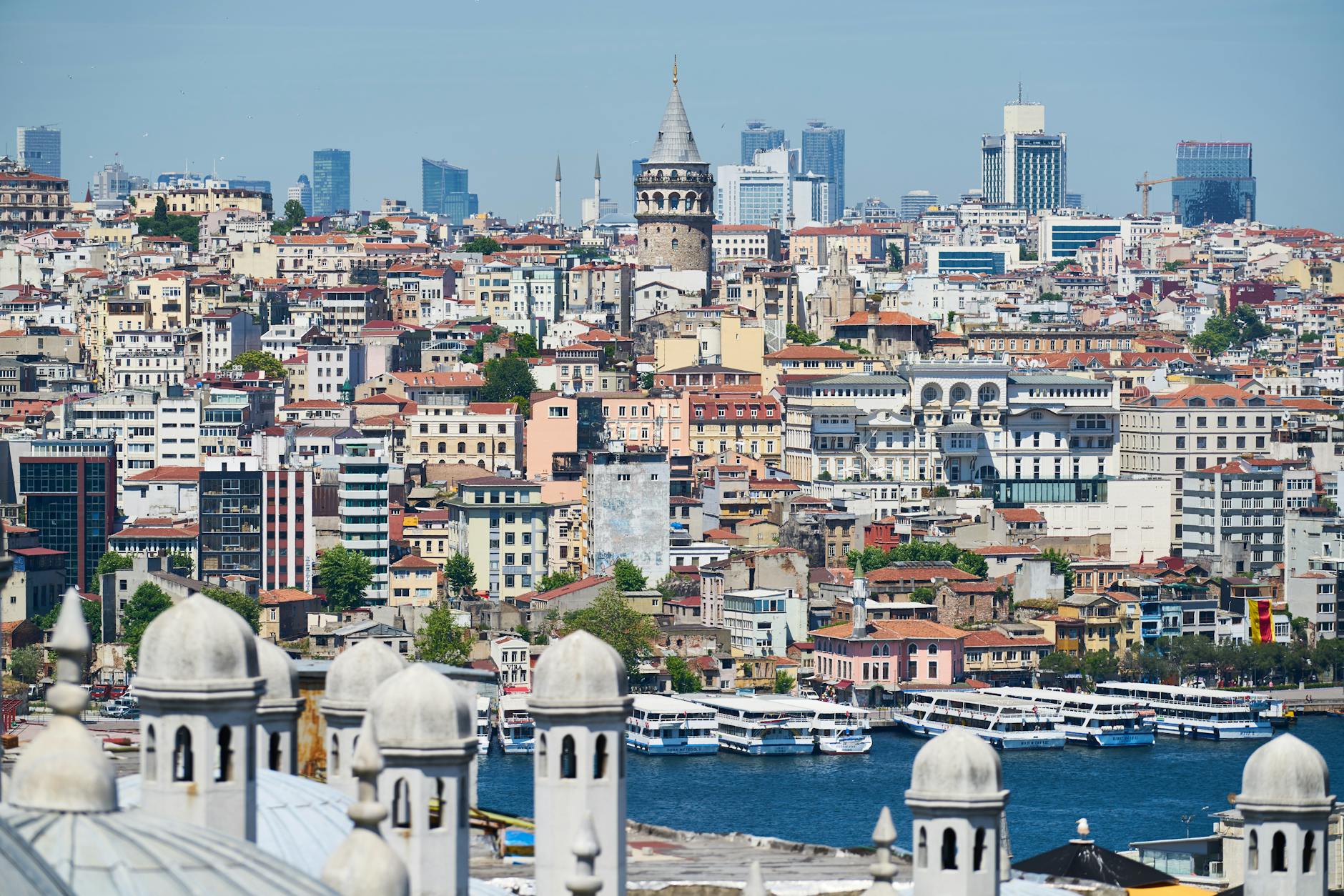
The heavy iron ramp hits the concrete pier of Beşiktaş with a thunderous clack-clack that vibrates right through the soles of your shoes. It’s a sound I’ve heard nearly every morning since I packed my life into two suitcases and moved to Cihangir back in 2011, yet it still gives me a little jolt of anticipation. You aren’t just boarding a boat; you are stepping into the literal circulatory system of a city that has straddled two continents for nearly three millennia.
It’s 9:15 AM on a crisp Tuesday in 2026. The air smells of charred charcoal from the nearby breakfast joints, the sharp salt of the Marmara Sea, and that unmistakable, toasted-sesame aroma of a fresh simit (Turkish bagel). While the private yachts and the “Classic Bosphorus Tours”-those glass-encased bubbles of tourist boredom-wait for their 10:00 AM slots, I’m standing on the open aft deck of a Şehir Hatları ferry. I’ve just tapped my Istanbulkart for 55 TL (about $1.20 or €1.10).
To my left, a billionaire’s mahogany speedboat zips toward the business district, but I have something he doesn’t: a tulip-shaped glass of steaming çay (tea) that cost me less than a dollar, a seat in the sun, and the best view on the planet. This is what I call the “45-Lira Millionaire” lifestyle. In a city that is constantly rushing toward the future, the ferry is the one place where time slows down to the pace of the current. If you want to see the “real” Istanbul, you have to leave the land behind and master the water.
The Philosophy of the Ferry: Why the Local Commute Wins
In the fifteen years I’ve spent navigating these waters, I’ve learned that the ferry isn’t just transport; it’s a shared cultural ritual. On these wooden benches, you see the entire spectrum of Istanbul life. You’ll see the weathered fisherman with his buckets of horse mackerel, the high-powered executive in a tailored suit reading the morning headlines, and the students from Boğaziçi University sharing headphones.
When I first arrived in Istanbul, I made the mistake of taking a private tour. I sat in a padded chair, listened to a crackling recording over a loudspeaker, and felt completely disconnected. A week later, a local friend dragged me onto the public ferry from Karaköy to Kadıköy. We stood on the deck, tossed pieces of simit to the screaming seagulls that follow the wake like loyal pets, and watched the Suleymaniye’s iconic silhouette fade into the golden hour mist. That was the moment I fell in height with the city.
The public ferry gives you the freedom to be an active participant rather than a passive observer. You aren’t locked into a two-hour loop. You can hop off because a particular wooden mansion (a Yalı) caught your eye, or because you smelled something delicious wafting from a dockside kitchen. It is the ultimate tool for the “slow traveler.”
Berk’s Insider Tip: Never buy your simit on the ferry-they’re often stale by the time they reach the snack bar. Instead, buy a warm, crunchy one from the red street carts (Simit Arabası) near the pier entrance. However, always buy your tea on the boat. There is something about the “Vapur Çayı” (Ferry Tea) brewed in large samovars that tastes better than any cafe version. It is the unofficial fuel of the Bosphorus.
Mastering the Logistics (The 2026 Edition)
Navigating the Bosphorus in 2026 requires a bit more tech-savviness than it did a decade ago, but the rewards are worth the five minutes of setup. The days of fumbling for tokens are long gone.
The Istanbulkart and Pricing
First, ensure your Istanbulkart is topped up. As of mid-2026, a standard “Long Bosphorus” hop costs between 45 TL and 65 TL. While inflation has moved the numbers over the years, the value remains staggering. You can buy and top up these cards at any major pier or via the mobile app. To truly move like a local, you should also master the nuances of the Istanbulkart before you head out, as the transfer discounts can save you a fortune if you’re hopping between buses and boats.
The Schedule: Your Secret Weapon
Don’t rely on the printed boards at the piers; they change seasonally. Download the Şehir Hatları app immediately. It gives you real-time GPS locations of the ferries.
- The “Boğaz Hattı” (Bosphorus Line): This is the “express” that runs from Eminönü all the way to the Black Sea. It’s great, but it’s infrequent.
- The “Ziz-Zag” Lines (Çengelköy-İstinye): These are my favorite. They bounce back and forth between the Asian and European shores like a pinball. This is how you see both sides of the city in a single afternoon.
Seating Strategy
This is the most important piece of advice I can give you: Go to the stern (the back). Most tourists rush for the bow (the front), but that’s where the wind is harshest and the spray can ruin your camera. The back deck is sheltered, offers the best “moving away” shots of the skyline, and is the prime territory for seagull feeding. If you’re heading North (toward the Black Sea), sit on the Starboard side (Right) to see the European palaces and mansions up close.
| Route Type | Avg. Cost (2026) | Best For | Recommended Time |
|---|---|---|---|
| Short Crossing | 45 TL ($1.00) | Quick hop to Asia | Anytime |
| Bosphorus Zig-Zag | 60 TL ($1.30) | Village hopping | Mid-morning |
| Full Bosphorus | 120 TL ($2.60) | Seeing the Black Sea | 10:30 AM departure |
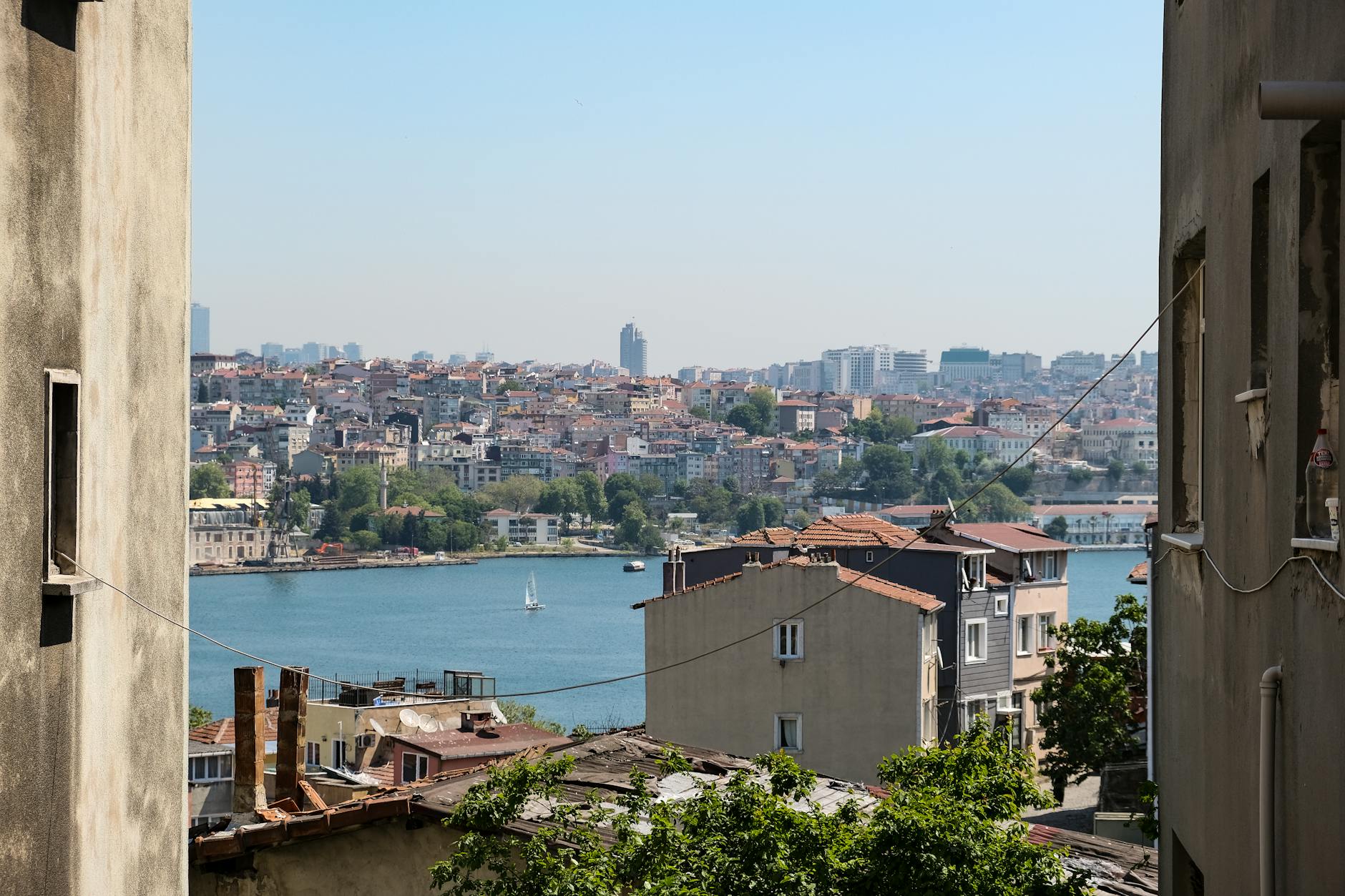
Stop 1: Arnavutköy (The Gingerbread Village)
As the ferry slows down to approach the Arnavutköy pier, put your phone away. You need to see this with your own eyes. Arnavutköy (literally “Albanian Village”) is arguably the most photogenic neighborhood in Istanbul.
The Architecture of the “Yalı”
The waterfront is lined with Yalı-grand, wooden mansions built during the 19th century. They look like elaborate gingerbread houses, painted in shades of sage, cream, and dusty rose. These were the summer homes of the Ottoman elite, as well as the Greek and Armenian merchant classes. Notice the Cumba-those enclosed wooden balconies that overhang the street. They were designed so that the ladies of the house could watch the world go by without being seen.
The Backstreets and the “Hidden Garden”
Most visitors walk the coastline and leave. That is a mistake. Walk two blocks inland, past the famous fish restaurants, and start climbing the stairs. The hills of Arnavutköy are a labyrinth of vine-covered stone walls and neighborhood grocery stores where the owners still know everyone’s name.
I always tell people to look for the “Hidden Garden” cafes. There’s a tiny spot called Kutu, tucked into a narrow alley, where the coffee is strong and the silence is a rare commodity in this 16-million-strong metropolis.
Akıntıburnu: The Current Point
Just North of the pier is a spot called Akıntıburnu. This is where the Bosphorus is at its most treacherous. The water here churns violently because of the “Devil’s Current.” You’ll see local fishermen standing precariously on the rocks, casting their lines into the turquoise chaos. In 2026, they are mostly pulling in İstavrit (horse mackerel). If you’re lucky, you’ll see them pull up a gleaming Bluefish.
Where to Eat (Without the Tourist Tax)
Arnavutköy is famous for seafood, but many of the waterfront spots are “white tablecloth” traps. If you want the real deal, find Takanik Balık. It started as a small boat and grew into a legendary local institution. Order the grilled octopus and the seasonal salad. It’s fresh, honest, and won’t cost you a month’s rent.
The Scenic Walk: Arnavutköy to Bebek
From Arnavutköy, don’t get back on the boat yet. There is a 2-kilometer stretch of waterfront pavement that is the most beautiful walk in the city. To your right is the shimmering blue of the Bosphorus; to your left, some of the most expensive real estate in the world.
As you walk, you’ll pass the Egyptian Consulate. It is, in my opinion, the most stunning building on the entire strait. It’s an Art Nouveau masterpiece built for the mother of the last Khedive of Egypt. The white stone and intricate carvings look like they were spun from sugar.
Berk’s Insider Tip: Keep an eye on the water as you walk this stretch. Since the 2024 environmental initiatives, dolphins have become a common sight again in the Bosphorus. They follow the schools of fish migrating between the Black Sea and the Aegean. If you see a group of people pointing and shouting “Yunus!”, stop and look-it’s a bit of magic you won’t find in a brochure.
Stop 2: Bebek (The Billionaire’s Playground)
Bebek is where Istanbul’s “Old Money” meets the “New Tech” elite. It has a different energy than Arnavutköy-slicker, faster, and much more glamorous. But even here, there are layers of history that the average visitor misses.
The Vibe and Bebek Park
Bebek Park is the heart of the neighborhood. It’s filled with ancient plane trees that have provided shade for centuries. On a weekend, this is the premier people-watching spot. You’ll see socialites walking expensive dogs, and joggers in the latest gear. It’s a great place to sit on a bench and soak in the “Modern Istanbul” vibe.
The Coffee Dilemma
Yes, the Bebek Starbucks is famous. It’s often cited as the “most beautiful Starbucks in the world” because it sits right over the water. Go in, take a photo of the view, and then leave. Instead, walk a few minutes further to Baylan.
Baylan is a historic patisserie that dates back to 1923. It represents the cosmopolitan, European-influenced side of the city’s history. Order the “Kup Griye”-a legendary dessert made of vanilla and caramel ice cream, whipped cream, and honey almond crunch. It’s a taste of the 1950s that has somehow survived the digital age.
The Hidden Pedestrian Tunnel
Few people realize that Bebek has a secret. There is a small pedestrian tunnel (the Bebek Tüneli) that was originally built to allow the residents of the mansions to reach the hills without crossing the increasingly busy road. It’s a small, cool, damp passage that feels like a portal back in time.
If you’re deciding where to base your trip, I often suggest looking at neighborhoods like this. You can find more of my thoughts on choosing where to base yourself to avoid the typical Sultanahmet crowds.
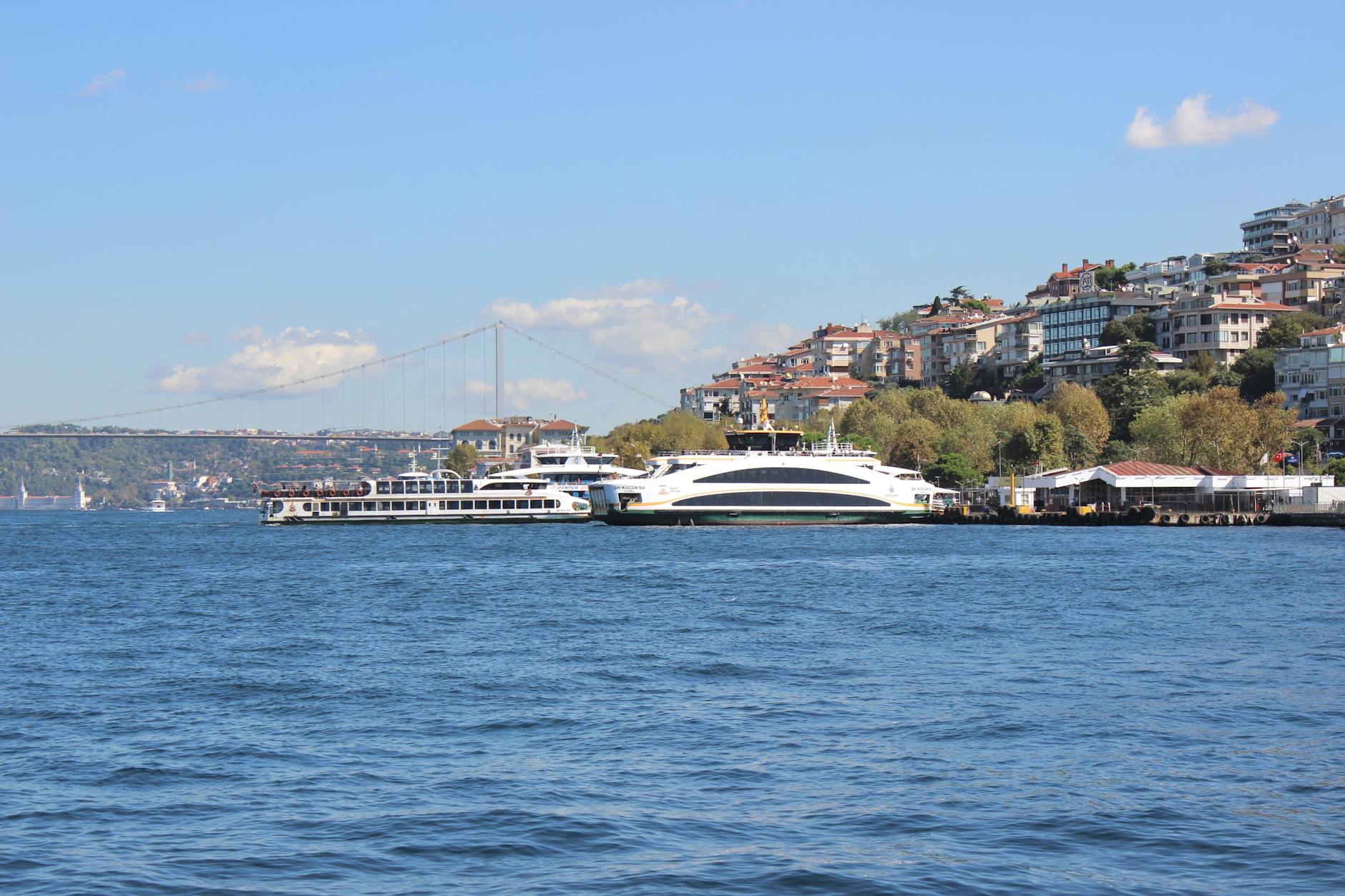
Stop 3: Emirgan (History & Tulips)
Board the ferry again at Bebek and head further North to Emirgan. This is where the Bosphorus starts to feel wider, the air cooler, and the greenery more dominant.
The Park and the Pavilions
Emirgan Park is massive. While it’s world-famous for the Tulip Festival in April, it’s a sanctuary year-round. Inside the park are three historic wooden mansions: the Yellow Pavilion, the Pink Pavilion, and the White Pavilion. Each was built by Khedive Ismail Pasha of Egypt. My favorite is the Yellow Pavilion; its ornate woodcarvings and view of the second Bosphorus Bridge (the Fatih Sultan Berk Bridge) are unparalleled.
Sakıp Sabancı Museum: The Louvre of the Bosphorus
Right on the waterfront in Emirgan is the Atlı Köşk (Mansion with the Horse), which houses the Sakıp Sabancı Museum. This isn’t just a museum; it’s a masterclass in how to blend a private estate with world-class art. Their collection of Ottoman calligraphy is the finest in the world, and their temporary exhibitions often rival the Tate or the MoMA.
Berk’s Insider Tip: If you have an Istanbul Museum Pass, check the current 2026 benefits. Often, it provides a significant discount or even a fast-track entry to the Sabancı Museum. Even if you aren’t an “art person,” go for the garden-it’s filled with sculptures and rare plants, and the terrace offers a view that makes the entry fee feel like a bargain.
The Soul of Emirgan: Çınaraltı
This is the soul of the article. At the water’s edge in Emirgan, there is a cluster of tea gardens known as Çınaraltı (Under the Plane Tree). Some of these trees are over 500 years old.
I remember sitting here in November 2018 during a massive thunderstorm. The waves were crashing against the stone quay, and the wind was howling through the ancient branches. I sat with a single glass of tea and a book, protected by the heavy canopy and the glass partitions. It was the most “at home” I’ve ever felt in Istanbul. It’s a place for reflection. In 2026, it remains unchanged-one of the few spots where the frantic development of the city hasn’t been allowed to touch.
The Crossing: Kanlıca (The Asian Side Finale)
To finish your day, you must cross the water. Take the small, local shuttle ferry from Emirgan to Kanlıca on the Asian side. The journey takes less than ten minutes, but the vibe shift is profound. The Asian side is quieter, greener, and feels more residential.
The Yogurt Ritual
You cannot visit Kanlıca without eating the yogurt. This isn’t a suggestion; it’s a cultural requirement. Kanlıca Yoğurdu is famous across Turkey for its thick, creamy consistency (traditionally made with a mix of cow and buffalo milk).
Go to the small kiosks by the pier. They will serve it to you in a plastic tub, and then-this is the key-they will hand you a packet of powdered sugar. You pour the sugar on top, don’t stir it, and eat it in the sun. It’s tart, sweet, and incredibly refreshing. It’s been the local tradition for over a hundred years.
The Quiet Side
After your yogurt, take a short walk along the Kanlıca coast. The Yalı here are even more secluded than the ones in Arnavutköy. There are fewer cars and more birds. It’s the perfect place to watch the sun begin its descent behind the European hills you just explored. If you find yourself captivated by this side of the city, you might want to spend your next day exploring the vibrant streets of Moda, which offers a similar local charm but with a more bohemian, artistic edge.
Personal Verdict: The Return Journey
As the sun begins to dip, the Bosphorus turns into a sheet of liquid copper. This is when you catch the ferry back toward the city center (Eminönü or Beşiktaş).
My advice? Get lost on purpose. If you see a ferry heading to a neighborhood you haven’t heard of-like Çengelköy or Kuzguncuk-get on it. The worst that happens is you spend another 55 TL and see a different part of the shore.
I’ve lived here for 15 years, and I still haven’t seen every corner of this waterway. Every time I think I’ve mastered Istanbul, she shows me a new alleyway in Arnavutköy or a different shade of blue in the water near Emirgan.
The “Standard 2-hour Bosphorus Cruise” is a snapshot. The commuter ferry is the whole movie. It’s noisy, it’s sometimes crowded, and it smells of diesel and sea salt. But it’s real. And in a world of curated tourist experiences, “real” is the most valuable thing you can find.
If you have more time tomorrow and want to see a completely different side of the city’s history, I highly recommend heading to the Golden Horn to visit Balat. It’s the perfect terrestrial counterpart to your day on the water.
Safe travels, and I’ll see you on the deck. I’ll be the one with the simit crumbs on my coat and a tulip glass in my hand.
Explore the Bosphorus Shores with a Local Guide
If you want more than a solo ferry hop — a route with context, stops at the right villages, and someone who can tell you the story behind every waterfront mansion — we run private tours along these exact shores.
Our Tour 2: The Soul of Istanbul covers the Bosphorus waterfront from Dolmabahçe to Beşiktaş and beyond, connecting the palaces, towers, and neighborhoods that line the European shore. For a full-day experience across both the historic peninsula and the water, Tour 1: The Essential Istanbul is the complete route.