
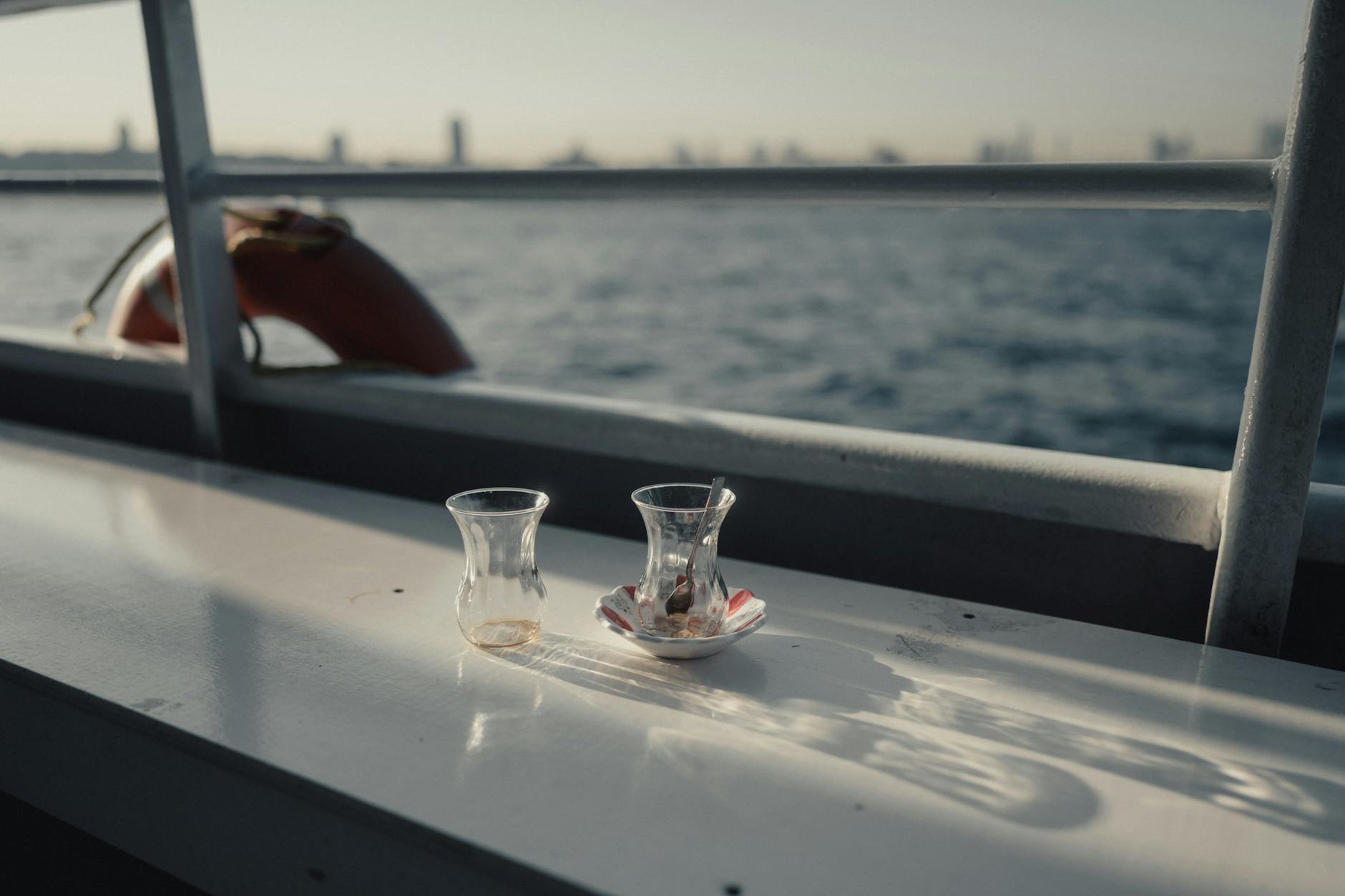
To most travelers, Istanbul is a skyline of minarets and the echoing call to prayer from the Blue Mosque. But for those of us who grew up here, the “real” Istanbul breathes on the other side of the water. As I stand on the deck of the Şehir Hatları ferry, the salty spray of the Marmara Sea hitting my face, I watch the European side fade into a golden haze. I’m heading home—to Kadıköy.
I grew up in the narrow, leafy streets of Moda, a neighborhood that feels less like a metropolis and more like a Mediterranean village that happens to be attached to a city of 16 million. In this guide, I’m not going to show you museums or tombs. I’m going to show you the rhythm of the street, the scent of roasting coffee, and the secret spots where we Locals actually spend our Sunday afternoons.
The Soul of the Asian Side: Why Kadıköy Matters
If Sultanahmet is the city’s history book, Kadıköy is its current diary. It’s where the students, the artists, the old Levantines, and the young entrepreneurs collide. It is unapologetically secular, fiercely creative, and deeply rooted in a sense of community.
While the European side is often frantic—a constant hustle of traffic and commerce—Kadıköy operates on a different frequency. Here, the “morning” starts at noon. Conversations are long, the çay (tea) is always fresh, and nobody is in a rush to sell you a carpet. You come here not to see things, but to feel things. To understand why we call this city “The Queen of Cities,” you have to see her with her hair down, without her crown. That is Kadıköy.
Crossing the Threshold: The Vapur Journey
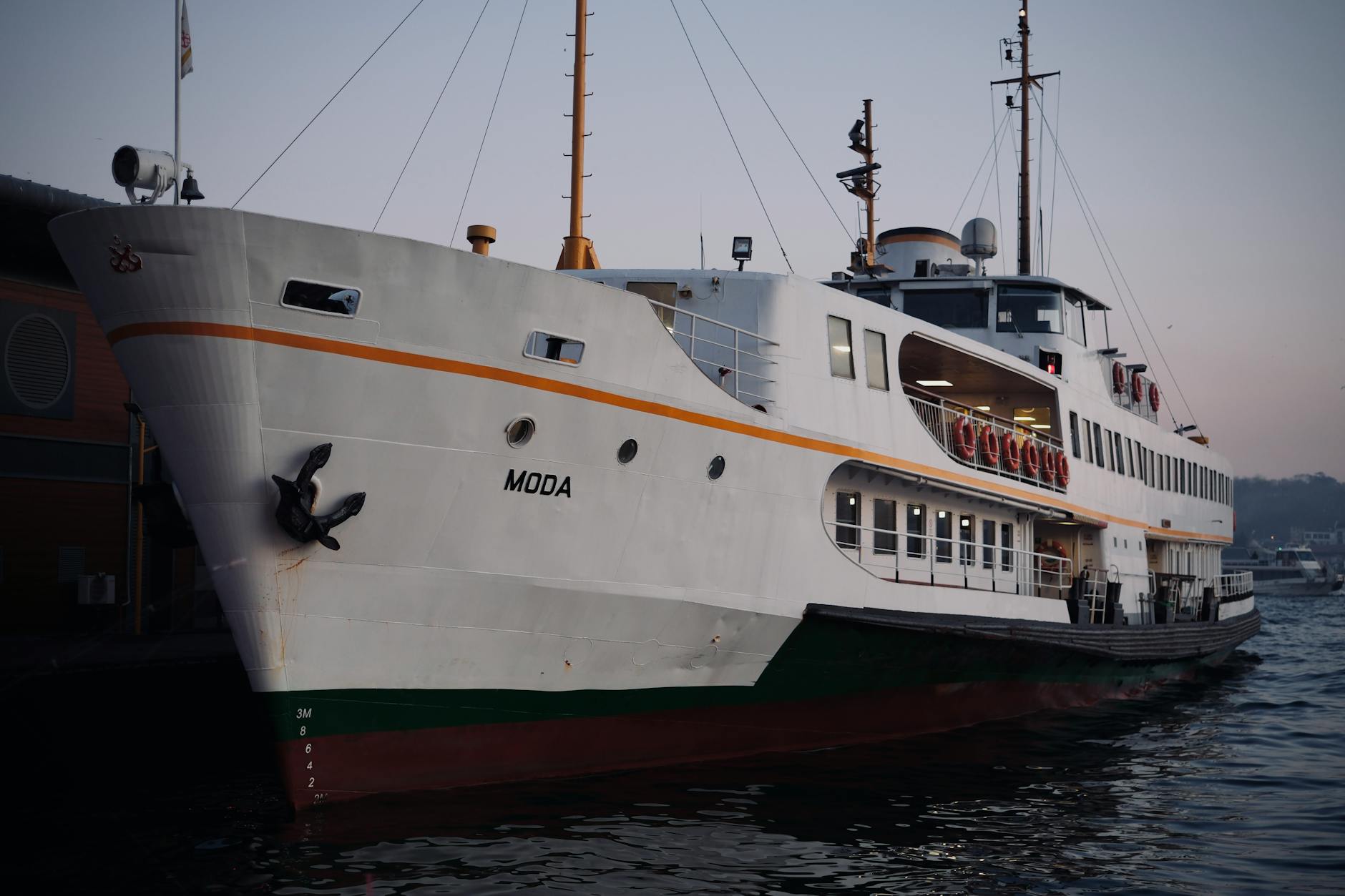
Your tour begins before you even set foot on land. Do not, under any circumstances, take the Marmaray train or a yellow taxi to the Asian side. You need the Vapur (the traditional ferry).
As the ferry pulls away from Eminönü or Karaköy, listen for the rhythmic chug-chug of the engine. Buy a simit (the sesame-crusted bread rings) for 15 TL from the vendor on the pier and save half of it for the seagulls. They will follow the boat, performing aerial acrobatics for a piece of bread. This is an Istanbul rite of passage.
Berk’s Insider Tip: Skip the crowded indoor seating. Head straight for the outdoor benches on the upper deck, even if it’s chilly. The view of the Maiden’s Tower and the Haydarpaşa Railway Station—a majestic Prussian-style building that looks like a castle rising from the sea—is best enjoyed with the wind in your hair. For the logistics of getting here, check out our The Ultimate Guide to Public Transport in Istanbul.
The Experience: A Sensory Walk Through the Veins of Kadıköy
1. The Fish Market (Balık Pazarı)
Stepping off the ferry, you’re immediately hit by the scent of the sea. Walk five minutes toward the Balık Pazarı. This isn’t just a place to buy fish; it’s a sensory explosion. You’ll hear the fishmongers shouting “Derya kuzusu bunlar!” (These are lambs of the sea!), their voices bouncing off the wet cobblestones.
Look for Güneş Turşu, a tiny shop lined with jars of vibrant pickled vegetables—everything from plums to garlic. Try a glass of turşu suyu (pickle juice) for 20 TL. It’s salty, sour, and pink, and it will wake up your palate like nothing else.
Nearby, you’ll find Hacı Bekir, the legendary confectioner. While everyone goes to the tourist shops in Sirkeci, this branch is where we buy our Lokum (Turkish Delight). The smell of rosewater and powdered sugar here is the smell of my childhood.
2. The Bull Statue (Boğa Heykeli)
Walk up the gentle slope of Söğütlüçeşme Caddesi to find the Bull Statue. This bronze beast is the “center of the universe” for Kadıköy locals. If you’re meeting a friend, you meet “at the Bull.” It was gifted by the Germans to the Ottomans, but today, it’s just a place where kids climb on the horns and protesters gather.
3. Bahariye Caddesi and the Nostalgic Tramway
From the Bull, follow the tracks of the Nostaljik Tramvay. This cherry-red vintage tram rumbles down Bahariye Caddesi, the neighborhood’s main pedestrian artery. The street is lined with boutiques, but look up—the architecture is a mix of Art Deco and Neo-Classical.
Pass by the Süreyya Opera House. Its facade is a masterpiece, and if you can snag a ticket for a performance (often as cheap as 150-300 TL), do it. The interior is modeled after the Champs-Élysées Theatre in Paris.
4. Deep into Moda: The Land of the “Flâneur”
This is my backyard. As you enter Moda, the noise of the market fades. The streets become narrower, shaded by massive plane trees. This is where the “Old Istanbul” families live alongside the city’s hipsters.
Walk down Şair Nefi Sokak. You’ll smell the intense aroma of freshly roasted beans from Karaköy Kahvesi (don’t let the name fool you, they’ve been a Kadıköy staple for years). Grab a Turkish coffee, cooked over hot sand, and sit on a stool on the sidewalk.
Berk’s Insider Tip: Everyone queues for an hour at Meşhur Dondurmacı Ali Usta for ice cream. Don’t do it. It’s good, but not “wait in the sun for 45 minutes” good. Instead, go to Dondurmacı Yaşar Usta. His fruit sorbets—especially the melon and sour cherry—are made with real fruit and are legendary among those of us who grew up here.
Practical Info: Navigating the Asian Side
| Feature | Details | Berk’s Rating |
|---|---|---|
| Best Time to Visit | Weekdays (Tues-Thurs) around 11:00 AM | 10/10 |
| Ferry Cost | 20-30 TL (with Istanbulkart) | Best Value |
| Typical Lunch Price | 250 - 450 TL per person | Mid-Range |
| Vibe | Bohemian, Intellectual, Relaxed | High |
| Walking Difficulty | Moderate (some hills) | 6/10 |
The Coastline: Where the Marmara Meets the Soul
The climax of your walk is the Moda Sahili (Moda Coastline). After exploring the backstreets, head down the hill toward the sea. You’ll find a long promenade where the rocks are covered in young people playing guitars, drinking beers from Efes, and watching the sunset.
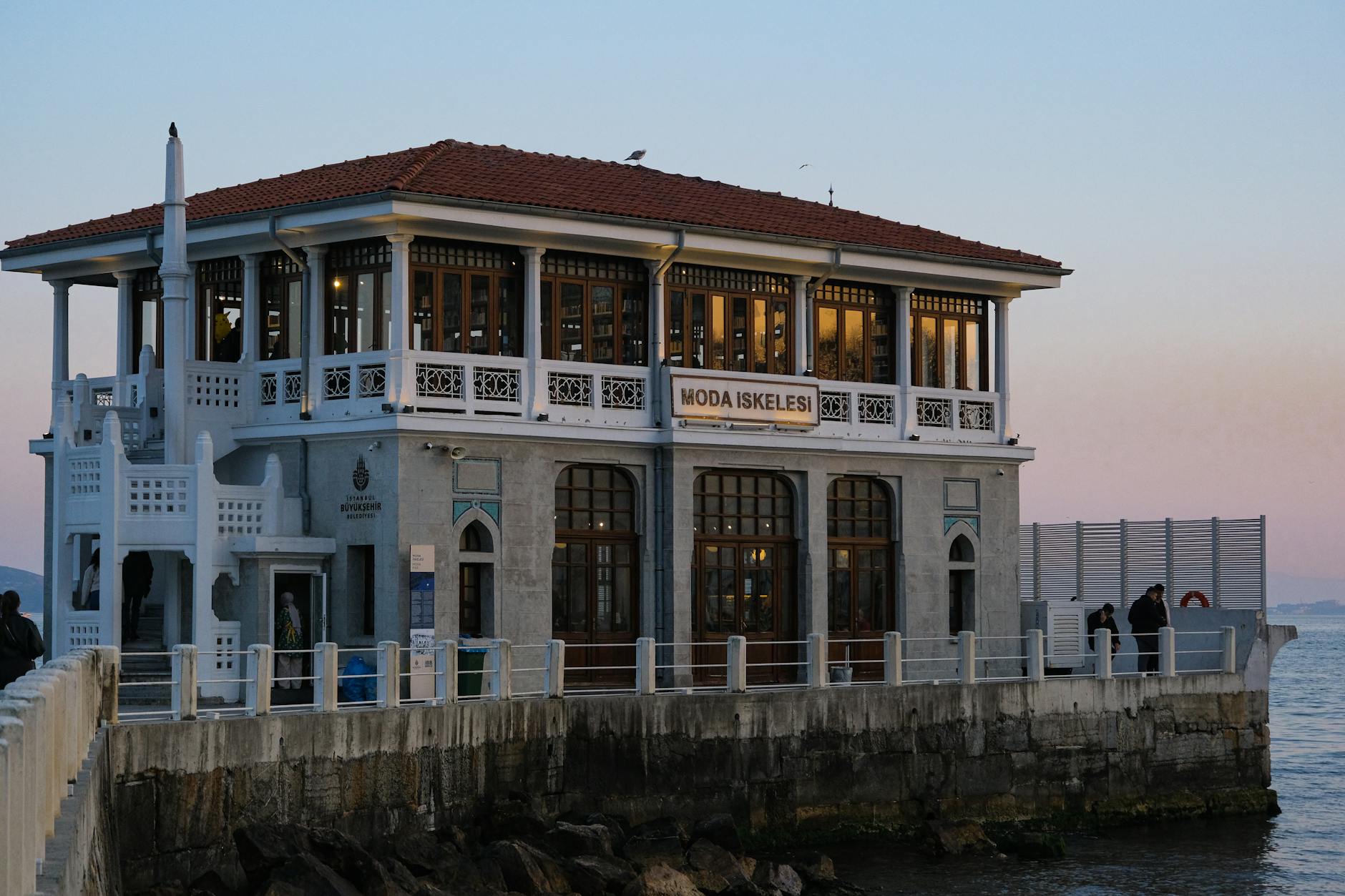
The texture of the air here changes—it’s cooler, wetter. You’ll see the Moda Pier (Moda İskelesi), a stunning restored stone building reaching into the water.
Berk’s Insider Tip: For the ultimate “Moda Moment,” head to the Moda Çay Bahçesi (Tea Garden) at the top of the cliff. It’s not fancy. The chairs are plastic, and the service is brisk. But you are sitting under 100-year-old trees with a panoramic view of the Marmara Sea and the Princes’ Islands. A pot of tea is about 80 TL, and it’s the best investment you’ll make in Istanbul.
Berk’s Honest Opinion & Critique
I love my neighborhood, but I won’t lie to you: Kadıköy is becoming a victim of its own coolness.
- The Weekend Trap: On Saturdays and Sundays, Kadıköy is overwhelmed. People from the European side flock here, and the narrow streets of Caferağa become impassable. The noise levels skyrocket, and the service at cafes drops. Avoid weekends if you want the “authentic” peace.
- Gentrification: Some of the old artisans are being pushed out by third-wave coffee shops that look like they could be in Brooklyn or Berlin. It’s a shame.
- Berk’s Alternative: If the main Fish Market area feels too hectic, walk 15 minutes further to Yeldeğirmeni. It’s what Moda was 20 years ago—grittier, filled with murals, and home to small breakfast cafes that are much cheaper.
Frequently Asked Questions (FAQ)
1. Is Kadıköy safe for solo travelers? Absolutely. It is one of the safest and most liberal areas in Turkey. You can walk alone at 2:00 AM in most parts of Kadıköy and Moda without a second thought. Just use standard “big city” common sense.
2. Can I find vegetarian or vegan food here? Yes! Unlike the more traditional Sultanahmet, Kadıköy is a vegan haven. Places like Mahatma Cafe or Yuzu offer incredible plant-based versions of Turkish classics.
3. Do I need a guide for this walking tour? Honestly? No. Kadıköy is a place meant for getting lost. As long as you have an Istanbulkart for the ferry and a pair of comfortable shoes, the streets will guide you.
Conclusion
As the sun sets over the European skyline, painting the Hagia Sophia in shades of purple and orange, you’ll realize why we locals cross the sea. Kadıköy isn’t just a district; it’s a state of mind. It’s the sound of backgammon tiles clicking in a tea garden, the smell of fried mussels (Midye Tava), and the feeling that, for a few hours, you aren’t a tourist—you’re part of the city’s living, breathing heart.
Come for the views, stay for the coffee, and leave with a piece of the Asian side in your soul. See you at the Bull!
Prefer to Explore with a Local?
Kadıköy is great to wander solo — but if you want to go deeper into the city’s story, we also run private tours on the European side that pair beautifully with a Kadıköy morning. Our Tour 1: The Essential Istanbul covers the Grand Bazaar, Spice Bazaar, and Topkapı Palace with real local food stops built in. Or go full Bosphorus-contrast with Tour 2: The Soul of Istanbul — Dolmabahçe, Galata, and the urban energy of the European shore.