The sharp, rhythmic clang-clang of the ferry’s boarding ramp hitting the concrete pier at Kuzguncuk is a sound that, even after fifteen years in this city, still makes my heart skip. It’s the sound of an escape. As the diesel fumes of the Şehir Hatları ferry dissipate into the salty Bosphorus breeze, you aren’t just stepping onto the Asian side of Istanbul; you’re stepping into a time capsule.
It is 2026, and while the rest of Istanbul races toward a futuristic skyline of glass and steel, Kuzguncuk remains stubbornly, beautifully anchored in the 19th century. The air here smells different—less like exhaust and more like woodsmoke, roasting coffee, and the damp earth of the community garden. This isn’t the Istanbul of the frantic Grand Bazaar or the neon lights of Taksim. This is the Istanbul of the mahalle—the neighborhood—where everyone knows the name of the local baker’s youngest son, and the cats are arguably the most respected residents of the street.
Whenever I feel the “city fatigue” setting in, I hop on a boat. For the price of a single ferry ride—about 40 TL ($0.90 / €0.80)—you can leave the chaos behind. I want to take you on my favorite afternoon walk, a route I’ve refined over a decade, through a village that I truly believe holds the soul of the Bosphorus.
Getting There: The Journey is the Destination
To reach Kuzguncuk, you have to cross the water. There is no other way to do it properly. While you could take a taxi over the bridge, you’d miss the transition. I always recommend taking the ferry from Eminönü or Beşiktaş to Üsküdar.
Once you land in Üsküdar, you have a choice. You can take any bus heading north (towards Beylerbeyi), but I’d urge you to walk the fifteen minutes along the coastline. You’ll have the 15 July Martyrs Bridge towering ahead of you, and the historic Paşalimanı Park to your right. If you’re unsure about the logistics of the city’s complex transit network, I’ve put together a comprehensive Istanbul public transport guide that breaks down the Istanbulkart and the best ferry routes for 2026.
As you walk, the high-rise buildings of the European side across the water start to look like a distant memory. By the time you reach the entrance of Kuzguncuk, marked by a massive plane tree that has seen more history than most empires, your heart rate will have dropped by half.
A Masterclass in Multi-Faith Harmony
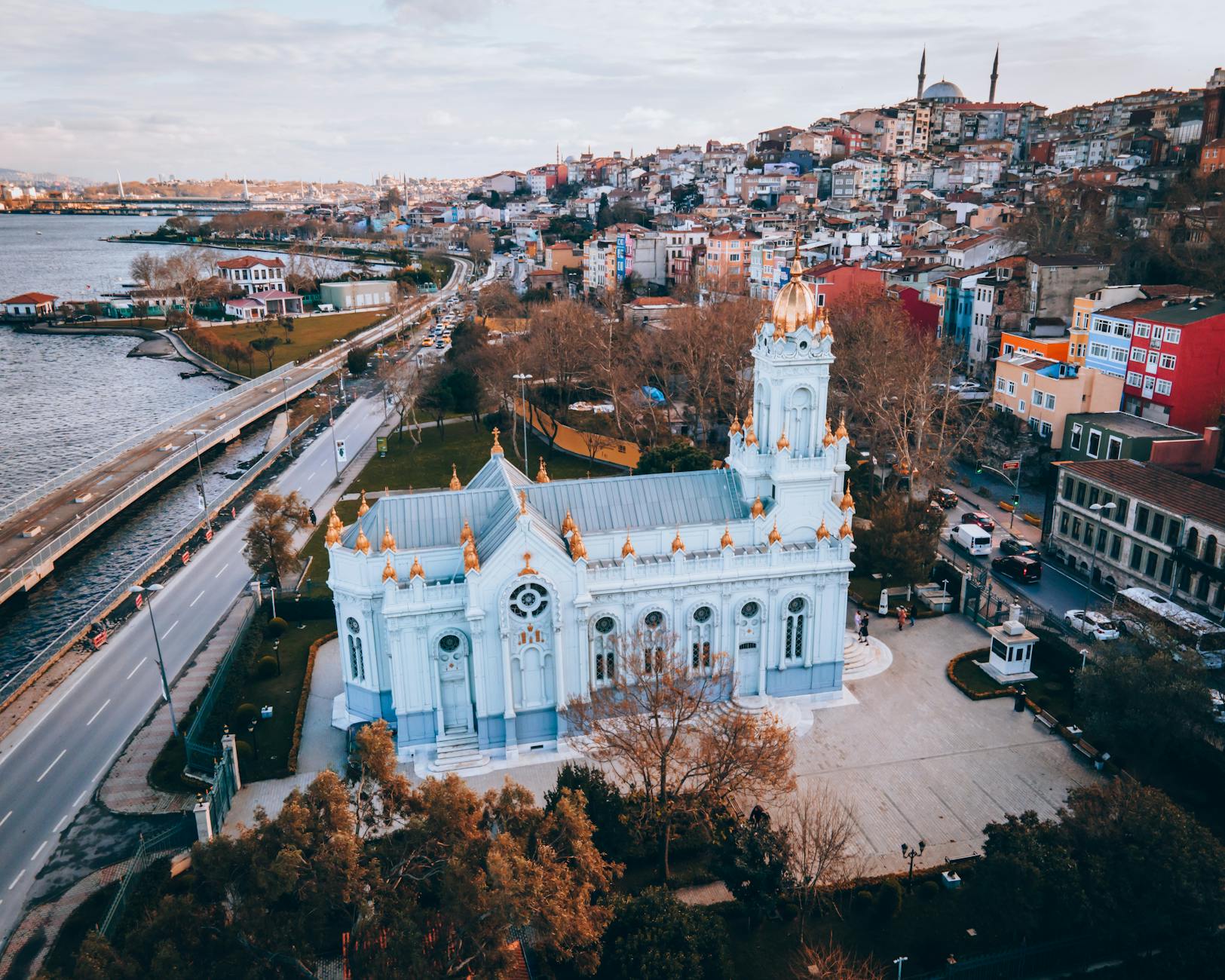
The first thing you’ll notice as you enter İçadiye Caddesi, the main artery of the village, is something quite rare in the world today. On your left stands the Üryanizade Mosque with its unique wooden minaret, and just a few steps away, you’ll find the Ayios Panteleimon Greek Orthodox Church and the Beth Yaakov Synagogue.
This isn’t a modern “interfaith project” designed for tourists; it’s the historical reality of Kuzguncuk. For centuries, Jews, Greeks, Armenians, and Turks lived here in a delicate, beautiful symbiosis. In the mid-20th century, many of the minority populations left, but their architecture and their spirit remained.
Berk’s Insider Tip: Look closely at the walls between the mosque and the church. In Kuzguncuk, it’s a local legend that they share a common garden wall. If you visit on a religious holiday, you might still see neighbors of different faiths exchanging traditional sweets, a practice known as komşuluk (neighborliness) that is the bedrock of this village.
Walking past these structures, you’ll see the Surp Krikor Lusavoriç Armenian Church. Notice the intricate stonework. If the doors are open, step inside quietly. The smell of incense and the cool, thick walls offer a sanctuary from the midday sun. The entry is free, though a small donation for the upkeep of these historic sites is always appreciated—usually around 100 TL ($2.20).
The Architecture of Nostalgia: The “Gingerbread” Houses
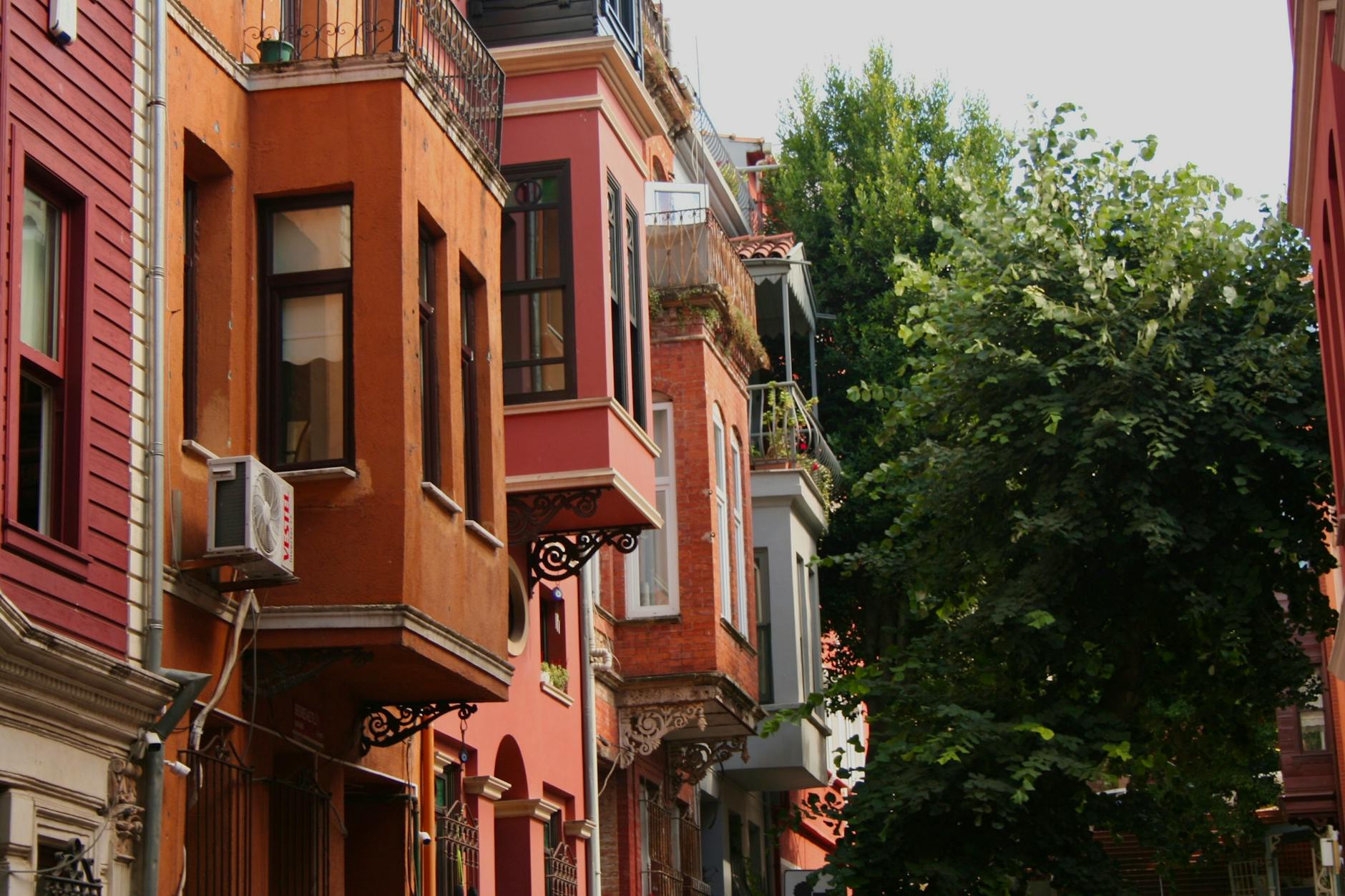
As you move deeper into the village, turn off the main road and head into the side streets like Simitçi Tahir Sokak or Perihan Abla Sokak. This is where Kuzguncuk shows off its “gingerbread” houses. These are two- or three-story wooden mansions (yalı and konak) painted in deep ochre, mint green, and dusty rose.
Many of these houses feature a cumba—the traditional enclosed wooden balcony that juts out over the street. These were designed so that the women of the house could watch the world go by without being seen. Today, you’re more likely to see a sleepy tabby cat reclining on the ledge or a pot of overflowing geraniums.
The cost of maintaining these wooden beauties is astronomical in 2026, yet the locals refuse to let them be replaced by concrete. This dedication to preservation makes Kuzguncuk feel similar to the historic districts on the Golden Horn. If you enjoy this aesthetic, you should definitely plan to visit Balat as well, though Kuzguncuk is much quieter and less “Instagram-frenzied” than its European cousin.
The Green Heart: Kuzguncuk Bostanı
In the very center of the village lies a miracle: the Kuzguncuk Bostanı. In any other part of Istanbul, this prime piece of real estate would have been converted into a luxury shopping mall or an apartment complex years ago. Instead, it is a thriving community garden.
The Bostan is a patchwork of vegetable plots where locals grow tomatoes, peppers, and herbs. There are also public benches and a small orchard. In the late afternoon, you’ll see elderly men playing backgammon and young families letting their children run free. It’s the communal living room of the village.
Estimated Costs for a Picnic in the Bostan (2026 Prices):
| Item | Price in TL | Price in USD |
|---|---|---|
| Simit (Sesame Bread) | 20 TL | $0.45 |
| 100g Local Cheese | 85 TL | $1.90 |
| Fresh Olives | 50 TL | $1.10 |
| Bottled Water | 15 TL | $0.33 |
| Total | 170 TL | $3.78 |
I highly recommend stopping by a local bakkal (grocery store) on İçadiye Caddesi, grabbing these essentials, and sitting in the garden for half an hour. It’s the best way to soak in the local rhythm.
A Culinary Map of the Village: Where I Actually Eat
You won’t find a Starbucks or a McDonald’s here. Kuzguncuk is a place of small, independent businesses. Here are my “Berk-approved” spots that have stood the test of time:
1. Kuzguncuk Balıkçısı
This is my go-to for fresh fish. It’s small, unassuming, and the quality is consistently high. In 2026, a grilled sea bass (levrek) or a plate of fried calamari will run you about 550 TL - 750 TL ($12 - $16). They don’t serve alcohol, keeping the vibe family-friendly and focused on the food.
2. Çikolatacı Aziz Bey
Walking into this shop is like entering a Victorian apothecary, but for chocolate. They specialize in handmade pralines and hot chocolate that is thick enough to stand a spoon in. A small box of chocolates makes a perfect gift, or you can just grab a single truffle for 60 TL ($1.30) to fuel your walk.
3. Historical Kuzguncuk Bakery (Tarihi Kuzguncuk Fırını)
You cannot leave without trying their Mantar Kurabiye (mushroom-shaped cookies). They have been baking here for generations. The scent of yeast and sugar wafting from their doors is the olfactory signature of the neighborhood.
Berk’s Insider Tip: If you are visiting on a weekend, the bakery gets crowded. Try to arrive before 11:00 AM to snag their “Kuzguncuk Çöreği,” a slightly sweet, bready pastry with mastic that pairs perfectly with a glass of Turkish tea.
4. Nail Kitabevi
While it’s technically a bookstore, Nail Kitabevi is an architectural marvel. Located at a prominent corner, its bay windows offer a view of the street that is unparalleled. Grab a book, order a Turkish coffee (110 TL / $2.40), and sit by the window. It is, in my opinion, the most peaceful spot in all of Istanbul to write a postcard or simply people-watch.
Exploring the Upper Streets: The Path Less Traveled
Most visitors walk up the main street, reach the garden, and turn back. That’s a mistake. If you have the stamina, continue climbing the hills. The streets become narrower, the houses more modest, and the views more spectacular.
Head toward the Jewish Cemetery of Kuzguncuk. It is one of the oldest in the city, with tombstones dating back to the 14th century. It sits on a steep hill, and the contrast between the ancient, weathered stones and the modern bridge in the background is a poignant reminder of Istanbul’s layers.
As you wander these upper residential areas, you’ll notice that people still hang their laundry across the streets and neighbors shout conversations from one balcony to another. This is the “real” Istanbul that many travelers miss by staying in the typical tourist neighborhoods.
Literary and Cinematic Kuzguncuk
Kuzguncuk has long been a haven for artists, writers, and directors. If you’re a fan of Turkish TV, you might recognize the streets from famous series like Perihan Abla or Ekmek Teknesi. The village itself is a character in these shows, representing a lost era of Turkish solidarity and warmth.
The famous poet Can Yücel also spent a significant amount of time here. You’ll find references to him in the local cafes. There is a specific kind of intellectual hum in Kuzguncuk; it’s not flashy or pretentious, but you’ll often see people discussing philosophy or art over a third round of tea.
If you’re interested in discovering more of Istanbul’s creative and local hubs, you should also explore the vibrant scene south of here. I’ve written a detailed Kadiköy and the Moda coastline guide that covers the more modern, bohemian side of the Asian shore.
The Golden Hour: Sunset by the Bosphorus
As the afternoon light turns to a deep honey hue, head back down to the waterfront. There’s a small park right next to the ferry pier called Çınaraltı. While there is a famous “Çınaraltı” in Çengelköy further north, the Kuzguncuk version is much more intimate.
Grab a plastic chair—yes, the cheap colorful ones—from the nearby tea house. A tea (çay) will cost you 30 TL ($0.65). Sit there and watch the tankers glide past. The European side will begin to silhouette against the orange sky, and the lights of the bridge will start to flicker on.
This is the moment when Kuzguncuk feels most magical. The rush of the city is audible in the distance, a low hum of traffic and sirens, but here, the only sound is the water lapping against the stone and the occasional call of a seagull.
Berk’s Insider Tip: Don’t rush for the first ferry back. The village takes on a different, cozy glow after dark. The streetlamps illuminate the wooden facades in a way that feels straight out of a 1940s film noir. If you stay for dinner, walk back to the Üsküdar pier around 9:00 PM for a much quieter, more romantic ferry ride under the stars.
Comparison: Kuzguncuk vs. Other Bosphorus Villages
For those trying to decide how to spend their limited time in Istanbul, here is a quick breakdown of how Kuzguncuk stacks up against its neighbors:
- Kuzguncuk: Best for architecture, history, and a quiet, artistic vibe. Very walkable.
- Arnavutköy (European Side): More upscale, famous for seafood restaurants and nightlife. Great for “seeing and being seen.”
- Çengelköy: Famous for its tea garden and cucumbers. Much busier and more crowded on weekends.
- Bebek: The “Beverly Hills” of the Bosphorus. High-end cafes, luxury cars, and a great seaside jogging path.
If you want the “local neighborhood” feel without the pretension, Kuzguncuk wins every time.
Personal Verdict: Why This Village Matters
In a city of 16 million people, finding a place where you can hear your own footsteps is a luxury. Kuzguncuk isn’t just a “hidden gem”—it’s a reminder of what Istanbul used to be and what it can still be if we value community over commercialism.
I’ve brought many friends here over the last 15 years. Some prefer the grandeur of the Suleymaniye Mosque or the hidden depths of the Grand Bazaar’s hans, but everyone leaves Kuzguncuk with the same expression: a soft, contented smile. It’s a place that asks nothing of you except that you walk slowly and look up.
As you head back to the pier for your ferry back to the “real world,” do me a favor. Stop by the small flower stall near the entrance of the village. For 200 TL ($4.40), buy a small bouquet of whatever is in season. Take it back to your hotel or apartment. When you see it the next morning, the smell will bring you right back to the wooden houses and the quiet streets of the village where time, if only for an afternoon, decided to pause.
Getting back to the European Side (2026 Logistics):
- Last Ferry to Beşiktaş: Usually around 22:30 (Check the Şehir Hatları app for real-time updates).
- Alternative: Take a 150 TL ($3.30) taxi to Üsküdar and use the Marmaray train, which runs until midnight (and 24 hours on weekends).
Whatever you do, don’t rush. Kuzguncuk doesn’t have a “finish line.” It’s simply about being exactly where you are.