
The ferry ramp hits the dock with a heavy thud, and while everyone else rushes toward the Maiden’s Tower for a selfie, I’m turning my back to the Bosphorus to find the silence of the hills. The crowd at the Üsküdar pier is a swirling vortex of commuters and sightseers, but the version of Istanbul I’ve come to love over the last fifteen years starts about three blocks inland, where the sound of the seagulls is replaced by the rhythmic clinking of tea spoons in hidden courtyards.
I remember standing at the foot of the incline leading toward the Valide-i Atik neighborhood last Tuesday around 10:45 AM. I’d just grabbed a cold bottle of water from a small bakkal for 15 TL—roughly 30 cents in “tourist math”—and watched the shopkeeper meticulously sweep the dust off his doorstep as if it were a palace floor. That’s the threshold. Once you cross the invisible line where the smell of fried fish fades and the scent of drying laundry and woodsmoke takes over, you’ve actually arrived in Üsküdar.
The physical reality of these alleys is that they are unapologetically steep. If you try to tackle the main asphalt roads under the midday sun, you’ll be exhausted before you find anything worth seeing. The trick I’ve learned is to weave through the “merdivenli sokaklar”—the stepped streets. They offer slivers of shade between leaning Ottoman-era houses and provide built-in excuses to stop, catch your breath, and look back at the Bosphorus framed perfectly by two crumbling brick chimneys. It’s a vertical world where life moves slower. You aren’t just navigating a map; you’re stepping into a domestic rhythm where the loudest sound is often just a cat jumping off a garden wall.
Leaving the Ferry Chaos for the Real Üsküdar
Most travelers step off the boat in Üsküdar and get stuck in the sensory gridlock of the square, but the neighborhood’s true character is found exactly five minutes uphill, away from the screaming fishmongers and the smell of exhaust. I’ve lived in this city for 15 years, and I still find the transition from the ferry terminal to the quiet, residential backstreets jarring in the best way possible.
Starting the Climb
Getting here is half the fun if you do it right. Skip the underground Marmaray if the sun is out; for 20 TL (roughly $0.45), the ferry from Eminönü offers a cross-continental breeze that no train can match. Just last week, I watched a group of tourists spend fifteen minutes trying to navigate the turnstiles with a credit card that wouldn’t read—pro tip: have your Istanbulkart topped up beforehand to avoid the bottleneck at the machines.
Once you land, the instinct is to linger near the water, but the crowds here are relentless. Instead, pivot toward the station exit and look for the bright red simit cart. Spend 15 TL on a fresh, sesame-crusted Simit. It’s the essential fuel for the verticality of this route. While the ferry journey to the Princes islands is famous for its long, flat walks, Üsküdar demands a bit more legwork.
The noise of the fish market fades surprisingly fast as you move inland. Within three blocks, the asphalt gives way to narrower passages. You’ll know you’ve hit the “real” Üsküdar when the sounds of motorbikes are replaced by the clinking of tea glasses from neighborhood kahvehanes and the sight of laundry lines stretched between century-old timber houses.
The Steep Ascent of Dr. Fahri Atabey Caddesi
This incline is the ultimate filter; if you aren’t willing to sweat a bit, you simply won’t see the real soul of the Istanbul Asian side. While most visitors stick to the flat, touristy promenade near the Maiden’s Tower, the 15-minute steady climb up Dr. Fahri Atabey Caddesi acts as a natural barrier that keeps the crowds thin and the atmosphere authentic. Last Tuesday, around 11:00 AM, I watched a group of travelers turn back after just fifty meters, discouraged by the gradient. Their loss was my gain, as the higher I climbed, the more the modern noise of the ferry terminal faded into the background.
The Living Pulse of the Mahalle
As you ascend, you enter a genuine Mahalle (neighborhood) where the pace of life slows down significantly. This isn’t a curated museum; it’s a living ecosystem of Ottoman architecture and mid-century apartment blocks. You’ll see laundry strung across narrow alleys, dancing in the breeze, and hear the clink of tea spoons from hidden balconies. If the steepness starts to wear on your knees, the practical fix is simple: stop at one of the tiny corner bakkals (grocers). A cold bottle of water will cost you about 15 TL ($0.33), and the brief rest lets you observe the local rhythm without looking like a struggling tourist.
The atmosphere here reminds me of the winding paths in Zeyrek Istanbul: Old City, though Üsküdar feels slightly more residential and less “frozen in time.” One of my favorite sensory markers on this street is the sudden scent of fresh cedar. Tucked into small, unassuming workshops, local carpenters still shave wood by hand. I spent ten minutes recently watching an artisan carve a chair leg; the shop was barely wider than a doorway, but the smell of sawdust was better than any expensive perfume.
How to Navigate the Upper Üsküdar Incline
- Equip yourself with sturdy walking shoes that have a good grip, as the sidewalk tiles can be uneven or slippery when damp.
- Locate the entrance to Dr. Fahri Atabey Caddesi near the Ahmediye Mosque, moving away from the waterfront.
- Maintain a slow, steady pace to manage the 15-minute climb without burning out before you reach the historic courtyards at the top.
- Observe the upper stories of the wooden houses; many feature traditional bay windows (cumba) that offer a glimpse into the city’s architectural past.
- Budget approximately 100 TL ($2.20) for a short taxi ride back down to the square if you prefer to save your joints after exploring the peak.
Valide-i Atik: Mimar Sinan’s Quiet Masterpiece
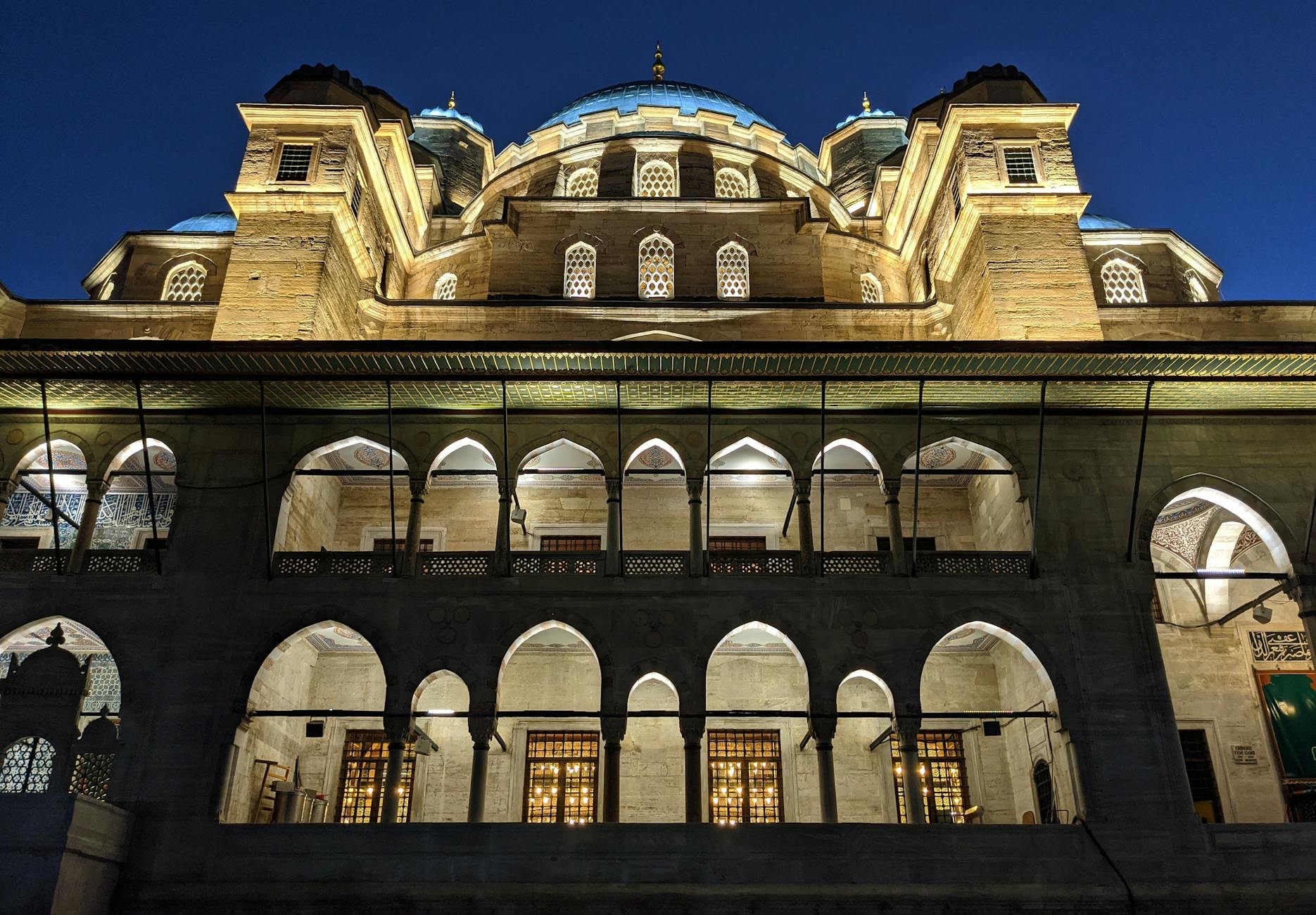
If you’re looking for the true soul of “Old Istanbul” without the elbow-jostling crowds of Sultanahmet, this is your finish line. Most visitors never make it up the hill to this külliye (social complex), which is a shame because it represents Mimar Sinan’s genius at its most intimate. While the Suleymaniye Mosque: Insider was built to project the raw power of the Empire across the skyline, Valide-i Atik was built for the neighborhood. Commissioned by Nurbanu Sultan, the powerful wife of Selim II, this was Sinan’s last great work before his death, and you can feel a sense of matured, quiet confidence in the stones.
An Intimate Imperial Legacy
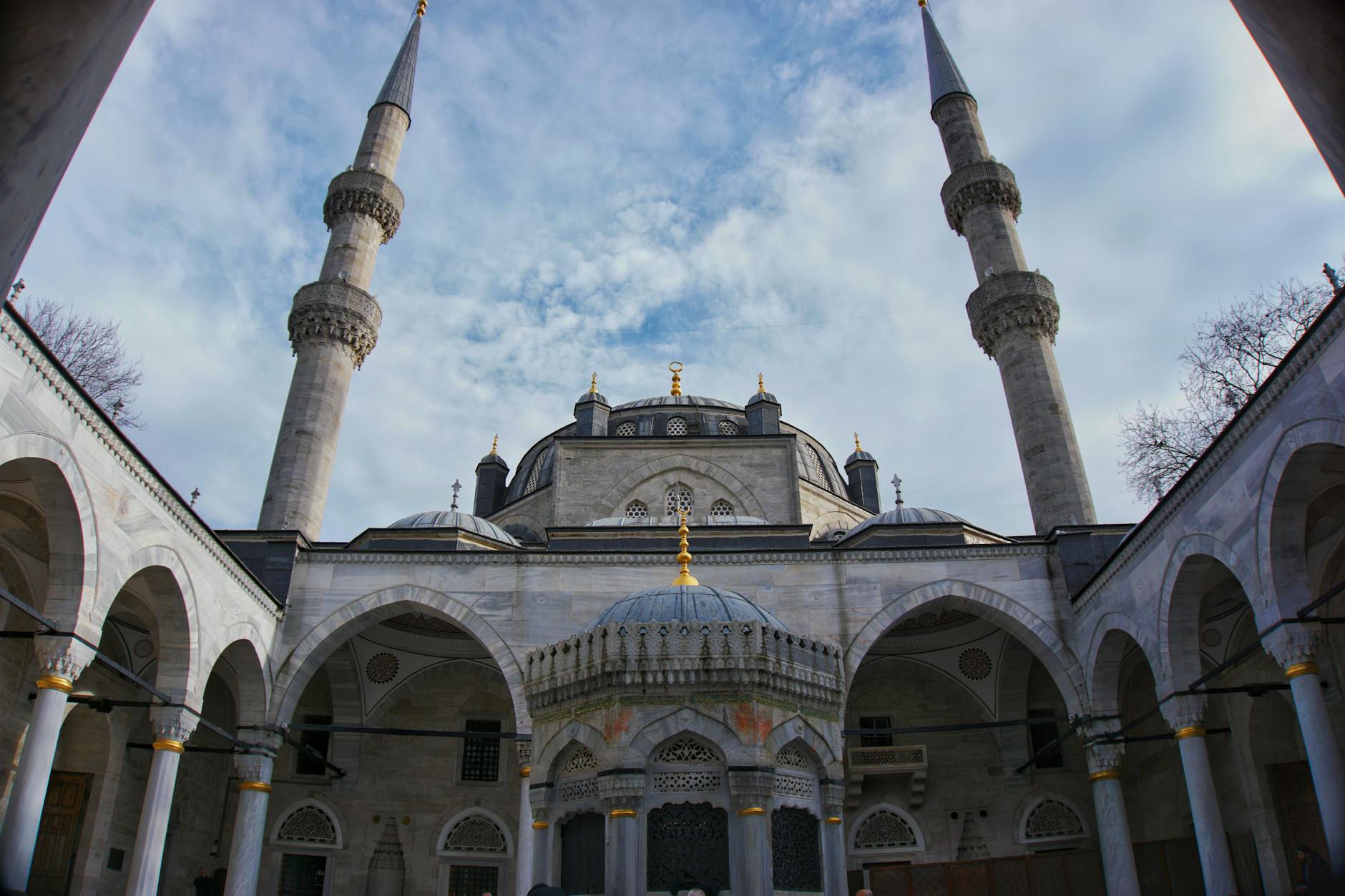
Entering the courtyard feels like someone turned the volume of the city down from a ten to a two. Unlike the grand, breezy heights of the European side, the proportions here are human-scaled. I spent an afternoon here last October, sitting on a stone ledge while a local cat decided my lap was the best place for a nap. I watched a group of elderly men in flat caps discussing the falling price of hazelnuts under the massive, 450-year-old plane trees.
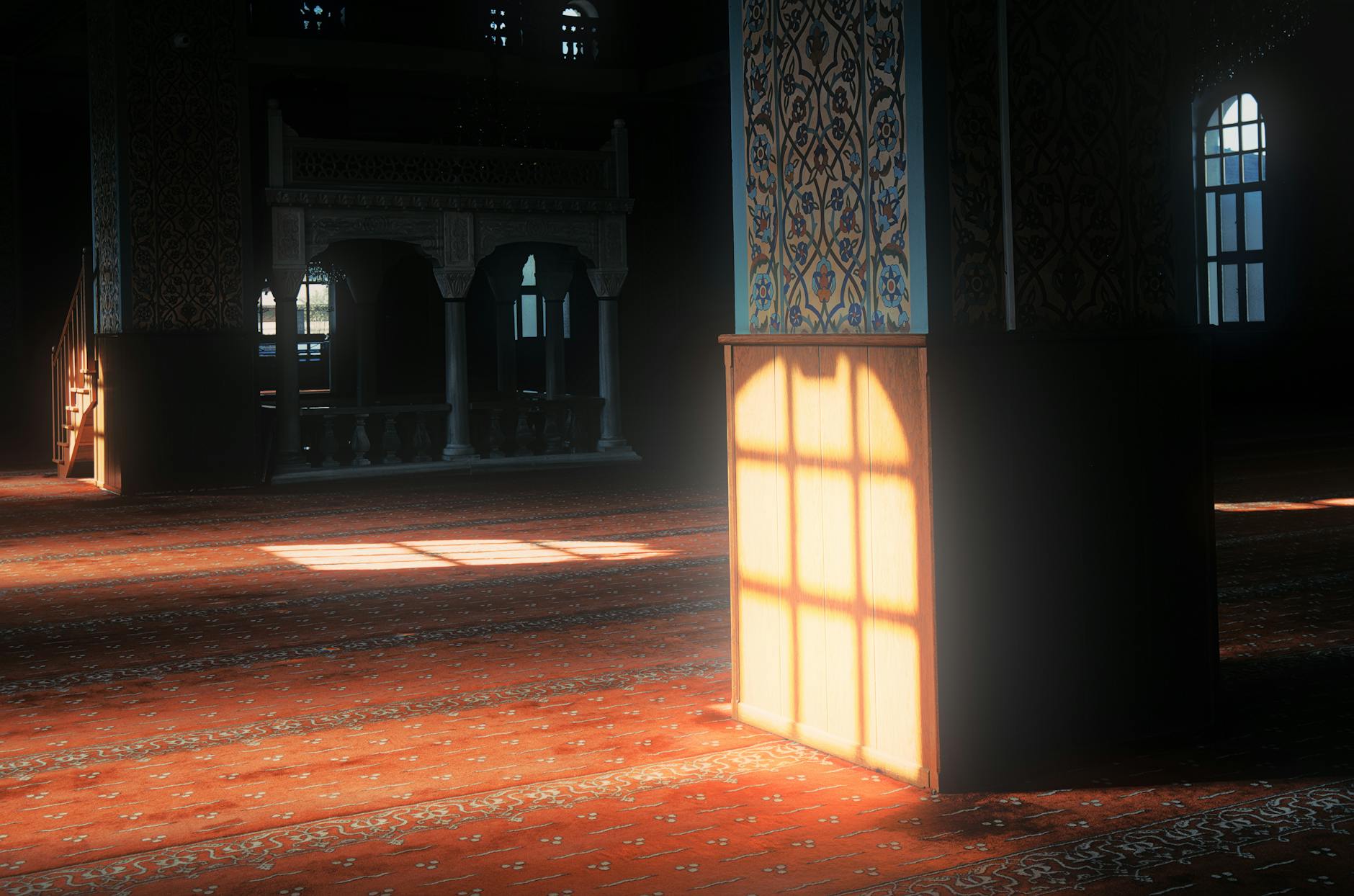
The mosque interior is equally rewarding. It’s smaller, which means the Iznik tiles are closer to your eyes. You can actually see the brushstrokes on the floral patterns. If the uphill walk has you winded, don’t worry—the 12A bus from the Üsküdar ferry terminal drops you just a block away, though I always recommend the walk to earn the sense of discovery.
Elements of the Külliye You Shouldn’t Miss
- The Iznik Wall Tiles: Look for the vibrant turquoise and “tomato red” hues in the prayer hall.
- The Madrasa Cells: The small rooms surrounding the courtyard often host traditional arts like calligraphy.
- The Low-Slung Dome: Notice how the dome feels lower and more encompassing than Sinan’s earlier works.
- The Original Soup Kitchen (Imaret): The thick chimneys were part of the kitchen that fed the neighborhood’s poor for centuries.
- The Central Ablution Fountain (Şadırvan): The sound of the running water here is the best natural white noise in Istanbul.
Berk’s Insider Tip: The public toilets in the Valide-i Atik complex are spotless and only cost 10 TL ($0.22) – better than any cafe in the area.
The Artisans of the Upper Alleys
You won’t find the real heart of Üsküdar in the mosque’s central courtyard, but in the humble, dim rooms that line its outer walls. While the historic peninsula across the water often feels like a stage set for tourists, the Istanbul Asian side—specifically these back-alleys—is where the ink still dries on the page for locals.
The Quiet Pride of the Courtyard Rooms
I spent forty minutes last Tuesday watching a master bookbinder, or mücellit, meticulously repair a 19th-century Quran. These workshops are the absolute antithesis of commercial zones. If you walk in respectfully, they might let you watch the gold leaf being applied. The reverence for the craft here reminds me of the spiritual weight found in A Canvas of Golden Mosaics: Why Kariye is My Absolute Favorite Corner of the City.
I picked up a small, hand-marbled ebru bookmark for 150 TL (about $3.30 USD). It’s a fraction of what you’d pay in Sultanahmet, and the quality is incomparable because it wasn’t made for a souvenir shelf.
2026 Modernity Meets Ancient Ink
The recent 2026 modernization efforts have polished the ancient stone walls and improved the lighting in these corridors. While some purists grumble that the “grit” is gone, the renovation has actually made these masters more accessible. You’ll see a calligrapher using a traditional reed pen under a high-efficiency LED lamp, surrounded by 500-year-old masonry.
Tea and Perspective: The Local Social Life
A neighborhood in Üsküdar isn’t defined by its landmarks, but by the steam rising from a small, chipped glass. I’ve spent countless afternoons sitting on a low stool at a çay ocağı (tea house). Last Monday at 4:30 PM, I stopped at the Şimşek Pide shop near the mosque. For 140 TL, I got a ‘Kıymalı Pide’ that was so hot the steam blurred my glasses. The shop only has three tables, and I shared mine with a courier who didn’t say a word but pointed to the pepper flakes when he saw me finish my first slice.
The Art of the ‘Tavşan Kanı’
When you approach a small tea house, don’t look for a menu. Just catch the eye of the man behind the counter and hold up one finger. You’re after tavşan kanı—literally “rabbit’s blood.” A glass here typically costs about 15 TL (roughly $0.33). I once made the mistake of trying to pay with a 200 TL note at a tiny stall; the owner just laughed and told me to pay him “whenever I passed by next.”
Neighborhood Social Navigation
| Situation | Local Norm | Berk’s Advice |
|---|---|---|
| Ordering Tea | Simple gestures or a “Kolay Gelsin.” | Pay when you leave, not when the tea arrives. |
| Street Photography | Discretion is highly valued. | Focus on architecture; if people are in the shot, ask with a smile first. |
| Resting | Benches and tea stools are communal. | If a space is crowded, it’s normal to share a table. |
| Navigating Slopes | Residents have the right of way. | Always step aside for locals carrying groceries. |
Practicalities for the Üsküdar Hills
The cobblestones here aren’t just uneven; they are centuries-old limestone blocks polished to a high sheen. If it rains, these streets become a literal skating rink. Wear shoes with serious grip. This area provides the same kind of unvarnished, “real” history you find when visiting The Yedikule Dungeons are the only honest place left in the city, where the lack of tourist polish is the main attraction.
Last Thursday at 2:15 PM, I realized I’d missed the 12A bus by exactly thirty seconds. Instead of waiting twenty minutes in the humidity, I flagged a yellow taxi near the Ahmediye stop. The five-minute ride up the steepest part of the hill cost 85 TL ($2.60)—the best money I spent all day to save my ankles from the 30-degree incline.
Timing is key. Aim for Thursday morning when the local street market, or Pazar, takes over the side streets near the Valide-i Atik complex. It’s a chaotic mess of seasonal produce and locals haggling over household goods.
Berk’s Insider Tip: If the climb is too much, take the 12A or 12C bus from the pier and get off at the ‘Valide-i Atik’ stop for 20 TL ($0.45), then walk downhill back to the sea.
FAQ: Navigating the Üsküdar Backstreets
Is the walking route physically demanding?
Yes, parts of this route are quite steep. I recommend starting at the top (using the bus tip above) and working your way down toward the Bosphorus to save your breath for the sights.
Can I visit the mosques during prayer times?
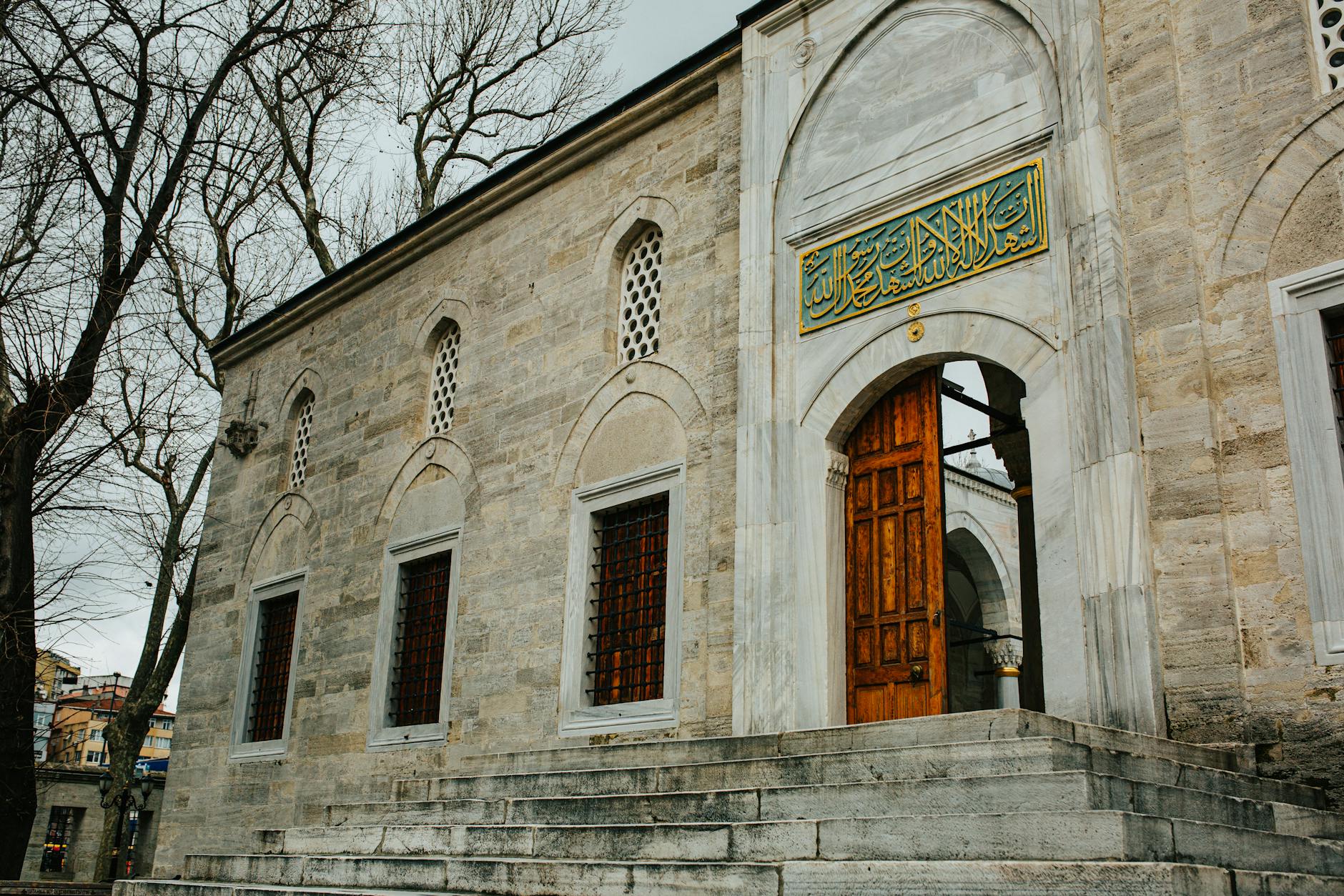
You should generally avoid entering the prayer halls of active mosques during the five daily prayer times, which usually last 20–30 minutes. The courtyards remain open.
Will I need much cash for this Üsküdar walking tour?
While major cafes take cards, the local Pazar and the tiny bakeries (fırın) often prefer cash. Carrying around 400-500 TL (roughly $12-$15) in small notes will cover your bus fare, several rounds of tea, and snacks.
The Descent Back to the Bosphorus
Standing at the crest of these steep alleys, it’s hard to reconcile the deep, honeyed silence with the fact that the Üsküdar ferry terminal is barely a mile away. Down at the pier, the vapur horns are constant, but up here, the world is reduced to the sound of a radio playing through an open window or the rhythmic scrape of a broom on a stone doorstep. It’s a fifteen-minute walk that feels like a fifty-year time jump.
Don’t rush to return to the sea. Instead, take the long, slow route back down through the Karacaahmet cemetery. The towering cypress trees create a canopy that cools the air by at least five degrees, even in the height of July.
I usually aim to reach the edge of the cemetery near the Şakirin Mosque just as the late afternoon light begins to fail. There’s a small, unmarked tea stand near the Çiçekçi gate where a glass of tea will set you back about 25 TL (roughly 0.70 EUR). I sat there last Tuesday, watching a groundskeeper share his simit with a family of foxes that live among the Ottoman headstones. It’s in these quiet, unscripted moments between the historic “sights” that you finally stop being a visitor and start feeling the actual pulse of the Asian side.