
Princes' Islands Guide: Ferry Routes, Beaches & Tips 2026
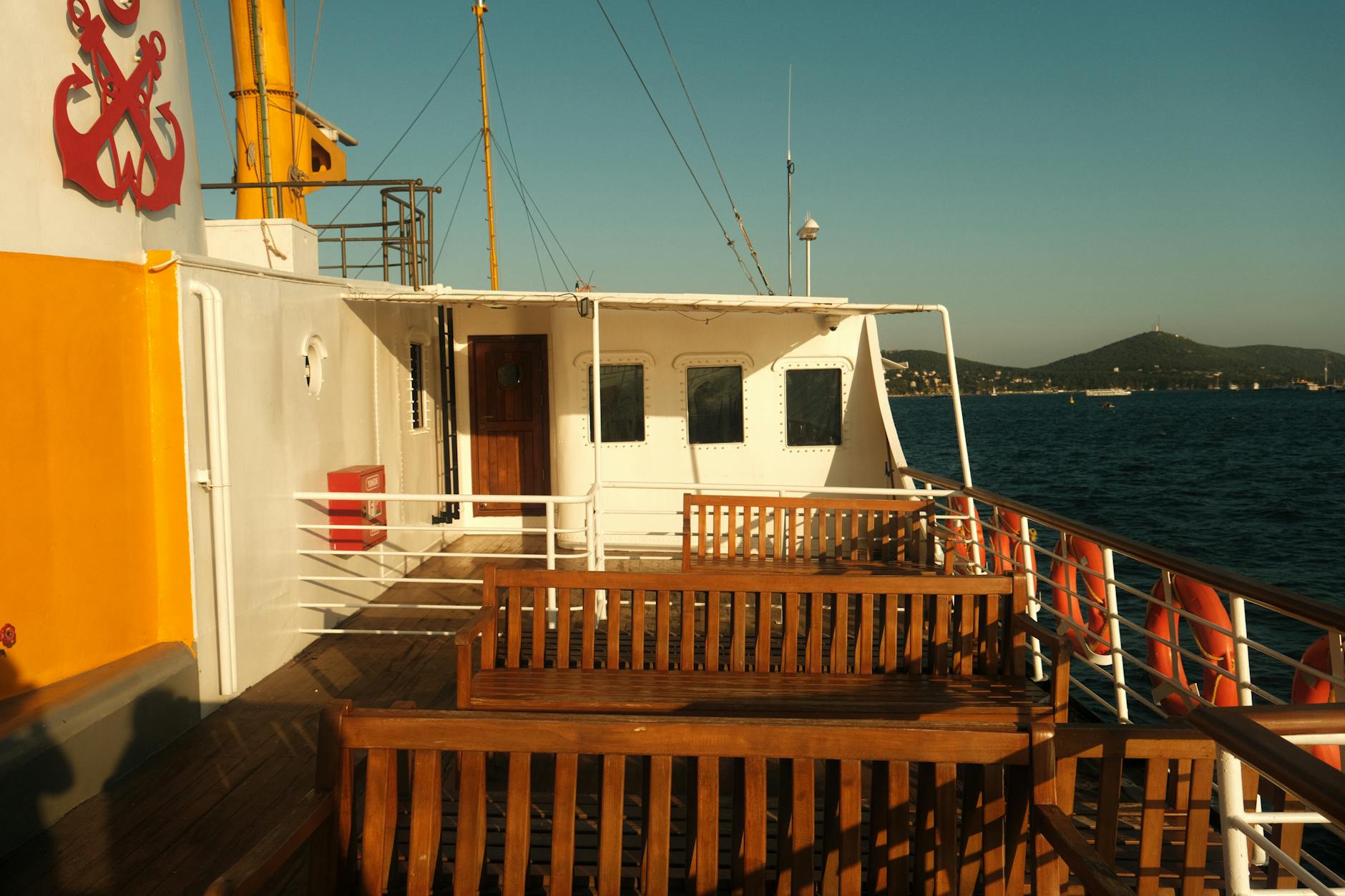
Picture this: you’re leaning against the salt-sprayed railing of a century-old ferry, a thin-waisted glass of scalding tea warming your palm and a fresh, sesame-crusted simit in the other. Behind you, the chaotic, beautiful cacophony of Istanbul—the shouting vendors of Eminönü and the relentless roar of traffic—is dissolving into a hazy blue horizon. The air changes first; it loses the scent of roasted coffee and exhaust, replaced by the sharp, clean sting of the Marmara Sea. Within the hour, the city’s jagged skyline is a memory, and you’re stepping onto a wooden pier where the only sound is the rustle of pine needles and the distant, rhythmic clip-clop of hooves.
In the fifteen years I’ve called this city home, the Adalar—as we locals call the Princes’ Islands—have remained my ultimate pressure-release valve. They are Istanbul’s backyard, a cluster of nine islands where time doesn’t just slow down; it feels like it’s been rewound to the turn of the century. While the iconic horse-drawn carriages have recently been replaced by the quiet hum of eco-friendly electric buses, the soul of the islands remains untouched. You’ll still find the grand, crumbling Ottoman-era mansions with their sagging purple wisteria, the hidden pebbled coves, and that distinct, nostalgic silence that you simply cannot find anywhere else in this metropolis of sixteen million people.
However, as much as I love these islands, I’ve seen many travelers get it wrong. They take the wrong ferry, end up on the most crowded beaches, or miss the hidden monastery trails that offer the best views in the country. That’s why I’ve put together this Princes’ Islands guide. I want to share the nuances of Adalar Istanbul that only come from a decade and a half of weekend escapes. From decoding the ferry schedules to finding the best rakı-balık spots away from the tourist traps, consider this your insider’s map to finding your own breath of sea air.
Let’s get you off the mainland and into the blue. Here is everything you need to know to navigate the islands like a local.
Choosing Your Escape: Which Island is Your Spirit Animal?
After 15 years of living in this beautiful, chaotic sprawl, I’ve realized that the ferry ride across the Marmara Sea is more than just transport; it’s a transition. By the time the skyline of Sultanahmet fades into a blue haze, your heart rate starts to drop. But here’s the thing—not all islands are created equal. In fact, choosing the wrong one can feel like wearing a tuxedo to a beach party.
In 2026, the Princes’ Islands guide isn’t just about where to find the best ice cream; it’s about matching the island’s DNA to your own. With the current exchange rates (about 45 TL to the Dollar and 50 TL to the Euro), a day trip is still a fantastic value, but you want to spend those Lira in a place that resonates with you. Before you even head to the pier, make sure you’ve set up your home base correctly; I usually recommend checking out the [best neighborhoods to stay] to ensure you aren’t trapped in a tourist bubble before your island adventure even begins.
The Big Four: A Personality Map
To help you decide, I’ve broken down the four main inhabited islands by their “vibe.” The size of the island dictates the flow of your day—some are for wandering, others are for sitting still.
- Büyükada (The Grand Dame): This is the largest and most famous. If you love Ottoman-era mansions (the yalı style), sprawling hills, and a sense of history, this is your spot. It’s busy, yes, but it’s big enough to hide in. My Buyukada local tips always start with this: skip the main clock tower square and head straight for the higher elevations.
- Heybeliada (The Intellectual): My personal favorite. It’s home to the old Naval Academy and a historic Greek Orthodox Seminary. It feels greener and more “studious” than its neighbors. It’s perfect for those who want a mix of pine-scented forest hikes and quiet seaside cafes.
- Burgazada (The Bohemian): This is the island of poets and writers. It’s smaller, more intimate, and has a distinct “neighborhood” feel. If your idea of a perfect afternoon is a long, boozy lunch at a meyhane (traditional tavern) followed by a sunset view, Burgazada is your spirit animal.
- Kınalıada (The Minimalist): The first stop on the ferry. It’s the smallest and has the least greenery, but it’s the most “local.” It’s known for its stony beaches and clear water. If you just want a quick dip and a shorter ferry ride, Kınalıada is the most efficient choice.
Why Size Matters for Your Itinerary
The scale of the island completely changes how you spend your time. On Büyükada, you are looking at a full-day commitment. Because it’s so large, you’ll likely be using the “Adabüs” (the local electric transit) or renting a bike to reach the Aya Yorgi Monastery. You’ll easily clock 15,000 steps here.
On the flip side, Burgazada and Kınalıada offer a much slower “flow.” You can walk the entire perimeter of Kınalıada in about an hour. This means your day isn’t about “sights” but about the keyif—the Turkish art of idle pleasure. You find a spot, you order a Turkish coffee (expect to pay about 90-110 TL in 2026), and you simply watch the waves.
If you try to “do” Büyükada in three hours, you’ll leave stressed. If you spend eight hours on Kınalıada, you might run out of things to see. Pick your island based on how much energy you want to expend. Are you looking for a grand architectural tour, or do you just want to finish that novel with the sound of the sea in the background? Choose wisely, my friend—the ferry waits for no one!
Mastering the Marmara: Navigating the Istanbul Ferry Schedule
If there is one thing I’ve learned after 15 years of living here, it’s that the journey to the Adalar (the Princes’ Islands) is just as important as the destination. There is a specific magic to standing on the deck of a ferry with a glass of çay (tea) in hand, watching the Hagia Sophia recede into the distance. However, for the uninitiated, the Istanbul ferry schedule can feel like a riddle. In 2026, the options have expanded, but the logic remains the same.
To navigate like a local, you first need to understand that not all boats are created equal. You have three main players to choose from: Şehir Hatları, Turyol, and Mavi Marmara.
The Big Three: Choosing Your Vessel
Şehir Hatları is the official city-run ferry line. These are the large, majestic white-and-yellow ships you see in all the postcards. I call these the “slow and steady” option. They take about 90 to 105 minutes from the European side to Büyükada (the largest island). Why choose them? Space. You can wander between the decks, sit on the open-air benches, and enjoy the most stable ride if you’re prone to sea sickness.
Turyol and Mavi Marmara are private cooperatives. They operate smaller, faster “motor” boats. They are generally more frequent than the public ferries, which is a lifesaver if you just missed the big boat. They are a bit more “no-frills,” but they get you to the islands about 15-20 minutes faster.
Berk’s Insider Tip: Always use your Istanbulkart for the public Sehir Hatlari ferries; it’s significantly cheaper than the private Turyol boats, and you get the classic experience.
In today’s 2026 economy, with the Euro at 50 TL and the USD at 45 TL, the price difference is noticeable. A trip on a public boat via your [public transport in Istanbul] card will cost you roughly 80-90 TL (less than 2 Euros), whereas the private boats often charge a premium of 120-150 TL for the convenience of their frequent schedule.
Which Pier Should You Choose?
Choosing your iskele (pier) depends entirely on where you woke up this morning.
- Eminönü: This is the most popular choice for travelers staying in Sultanahmet. It offers the most iconic views of the Topkapı Palace as you pull away. However, it is also the most crowded. If you’re here in the summer of 2026, arrive at least 30 minutes early to snag a window seat.
- Beşiktaş: If you’re staying near the Bosphorus or Taksim, head here. It’s a slightly longer journey, but you get to cruise past the Maiden’s Tower and the entire Southern Bosphorus coastline before even hitting the Marmara Sea.
- Kadıköy: This is my personal favorite. As an Asian-side resident, I find the Kadıköy pier much more relaxed. The ferries from here are the first to reach the islands, meaning you spend less time on the water and more time exploring the pine forests of Heybeliada.
The Secret of the ‘Sea Bus’ (Deniz Otobüsü)
If you are in a genuine hurry—perhaps you have a dinner reservation at a specific fish restaurant on Kınalıada—you need to look for the Deniz Otobüsü (Sea Bus) operated by IDO.
These are high-speed catamarans. Unlike the traditional ferries, you cannot go out on deck; you are seated in an airplane-style cabin with large windows. It’s not “romantic” in the traditional sense, but it is incredibly efficient, cutting the travel time to the islands down to about 45-55 minutes. These require a separate ticket (usually booked online or at the terminal) and are the most expensive option, often costing around 250-300 TL ($6-$7 USD) in 2026 prices.
Quick Comparison: 2026 Ferry Options
| Vessel Type | Speed | Vibe | Price (Est. 2026) | Best For… |
|---|---|---|---|---|
| Şehir Hatları | Slow (95 mins) | Iconic, spacious | 85 TL | Photography & Comfort |
| Turyol / Mavi Marmara | Mid (75 mins) | Functional, frequent | 135 TL | Flexibility |
| Sea Bus (IDO) | Fast (50 mins) | Modern, enclosed | 280 TL | Business / Time-sensitive |
Before you head out, I always tell my friends to check the official “Şehir Hatları” app. While the Istanbul ferry schedule is generally reliable, the Marmara Sea can be temperamental. If the lodos (the strong southern wind) picks up, some services might be canceled for safety. Always check the weather before you tap your card at the turnstile!
The New Era of Mobility: Getting Around Without Cars
If you had visited me during my first few years in Istanbul, the first thing that would have hit you stepping off the ferry was the smell of horses and the rhythmic clip-clop of the fayton (horse-drawn carriages). For decades, those carriages were the symbol of the islands, but they came with a heavy cost to animal welfare that the city finally addressed a few years back. Now, in 2026, the islands have settled into a much quieter, greener rhythm that I’ve grown to love. It’s a bit different, but trust me, the soul of the place is still very much intact.
From Hooves to Kilowatts: The Adabüs
Today, the primary way locals and visitors navigate the steeper slopes is via the Adabüs. These are charming, electric mini-buses that look a bit like oversized golf carts. While some old-timers miss the nostalgia of the carriages, the air is undeniably fresher now.
To use them, you’ll need your Istanbulkart (the same card you use for the metro and ferries). For us locals, it’s a standard fare, but for visitors, a single hop across the island will cost you about 100 TL—which is exactly €2 or roughly $2.20 at today’s rates. It’s efficient, but my Buyukada local tips always start with this: don’t just sit on the bus. You’ll miss the hidden Levantine mansions tucked behind the magnolia trees.
Two Wheels and a Prayer: Renting a Bicycle
For many, a Princes’ Islands guide isn’t complete without mentioning the bicycle. It is the quintessential island experience. As you walk away from the clock tower in Büyükada, you’ll see dozens of rental shops (Bisikletçi).
In 2026, expect to pay around 250 TL (€5) for an hour or roughly 750 TL (€15) for a full day. My go-to is usually Sema Bisiklet, just a few streets back from the main square; their frames are generally better maintained.
A few “Berk-tested” pitfalls to avoid:
- The Brake Check: Before you pay, test the brakes. The islands are surprisingly hilly, and a brake failure on a descent toward the sea is a thrill you don’t want.
- The Crowd Factor: On weekends, the main village streets become a chaotic mess of wobbling tourists. If you aren’t confident on two wheels, walk your bike until you reach the “Lower Road” (the coastal path).
- The Hills: Don’t let the flat coastline fool you. To get to the famous Luna Park square, you’ll be pedaling uphill. If you’re feeling fancy, many shops now offer e-bikes for about 1,500 TL ($33) a day—a lifesaver in the August heat.
The Ultimate Slow Travel: The ‘Grand Tour’ (Büyük Tur) on Foot
If you really want to earn your rakı and fish dinner, I always recommend the Büyük Tur (Grand Tour) on foot. This is the 12-kilometer loop that circles the entirety of Büyükada.
Walking it takes about three to four hours at a leisurely pace, but it is the only way to truly “feel” the islands. You’ll pass through tunnels of pine trees, hear nothing but the cicadas, and find quiet coves where the water is crystal clear. Unlike the bikes or the Adabüs, walking allows you to stop and photograph the crumbling wooden eaves of a 19th-century villa or pet one of our famous island cats without worrying about traffic. It’s a meditative experience that reminds me why I stayed in this city for 15 years—the ability to find total silence just an hour away from the chaos of Taksim.
Buyukada: Mansions, Monasteries, and the Trotsky Connection
As you step off the vapur (ferry) onto the bustling pier of Buyukada, the largest of the Adalar Istanbul, you’ll immediately feel the air change. It’s cleaner, saltier, and carries the faint scent of mimosa and pine. I’ve been coming here for 15 years, and even in 2026, with the electric shuttles having fully replaced the old horse-drawn carriages, the island retains a stubborn, old-world elegance that refuses to be modernized.
To truly understand Buyukada, you have to leave the ice-cream-eating crowds at the clock tower behind and head uphill. This is where the “Big Island” reveals its layers—from Ottoman grandeur to revolutionary exile.
The Silent Sentinels: Ottoman Wooden Mansions
The first thing you’ll notice as you walk away from the harbor are the köşkler—the magnificent wooden mansions that line the streets like aging aristocrats. These aren’t just houses; they are the architectural soul of the island. Built mostly in the late 19th and early 20th centuries, they represent a fusion of Art Nouveau, Victorian, and traditional Ottoman styles.
My favorite is the Splendid Palace Hotel, with its silver domes and red shutters. It feels like something out of a Wes Anderson film. But keep your eyes peeled for the smaller, private residences. Many are still owned by the same families who summered here a century ago. Look for the intricate “gingerbread” woodwork on the balconies—locally called ajur. These structures are incredibly fragile; the salt air is a constant enemy. While the [Suleymaniye Mosque] on the mainland showcases the enduring strength of stone and imperial might, these wooden gems tell a more fragile, personal story of Istanbul’s cosmopolitan past.
A Revolutionary in Exile: Finding Trotsky’s Ghost
If you follow the coastal road toward the south of the island, you’ll find a spot that most tourists blink and miss. Tucked away behind overgrown gardens on Hamlacı Street lies the Yanaros Mansion, better known as the house where Leon Trotsky lived during his exile from 1929 to 1933.
Today, it is a ruin. The roof has partially collapsed, and nature is slowly reclaiming the brickwork. It costs nothing to look through the gate, and there’s a profound stillness there. I often stand there and imagine Trotsky sitting in the garden, writing The History of the Russian Revolution while looking out at the same Marmara Sea you see today. It’s a stark reminder that these islands have always been a sanctuary—sometimes by choice, and often by force.
The Ascent to Aya Yorgi
The highlight of any trip to Buyukada is the pilgrimage to the Aya Yorgi Church and Monastery. Perched on the island’s highest peak, Yüce Tepe, it dates back to the 6th century. To get there, you’ll have to tackle the “Slope of Suffering”—a steep, paved path that winds through the forest.
You’ll notice thousands of colorful threads tied to the bushes along the way. Local tradition says that if you tie a string and unspool it all the way to the top without it breaking, your wish will come true. It’s a beautiful, meditative sight. Once you reach the summit, the reward is the single best panoramic view in Istanbul. On a clear day, you can see the entire city skyline shimmering in the distance.
Berk’s Insider Tip: If you are visiting Aya Yorgi on Buyukada, do it on a weekday morning. On weekends, the path becomes a bottleneck of tourists, losing its meditative charm.
After your climb, grab a seat at the small outdoor café next to the church. In 2026, a glass of çay (tea) here will set you back about 45 TL (roughly 1 USD or 0.90 Euro), but the view makes it the most valuable cup of tea in the city.
My Buyukada “Must-See” Checklist:
To help you navigate the layers of history, here is my recommended walking circuit:
- The Con Paşa Köşkü: A stunning mansion with unique architecture near the start of the climb.
- The Greek Orphanage (Prinkipo): The largest wooden building in Europe. It is currently undergoing a massive restoration project, but even from the fence, its scale is haunting.
- The Museum of the Princes’ Islands: A great place to see old photos of the island’s social life before you head back to the pier.
- Hamlacı Street: For the Trotsky house and some of the quietest, most atmospheric photography spots on the island.
This island is about the slow burn. Don’t rush. Let the history of the Buyukada local tips I’ve shared guide you into the side streets where the real magic happens.
Heybeliada and Burgazada: The Intellectual’s Retreat
If Büyükada is the grand, bustling matriarch of the archipelago, then Heybeliada and Burgazada are her more thoughtful, soft-spoken younger siblings. In my fifteen years of navigating these waters, I’ve found that while the day-trippers often rush to the largest island, the dreamers, writers, and those of us seeking a slower rhythm tend to step off the vapur (the iconic Istanbul ferry) a few stops earlier.
By 2026, the contrast has become even more pronounced. With the city’s pulse faster than ever, these two islands have preserved a specific kind of Istanbul nostalgia that feels increasingly precious.
The Stately Quiet of Heybeliada
As you pull into the harbor of Heybeliada—the “Saddlebag Island”—the first thing you’ll notice is the imposing Naval Academy (Deniz Harp Okulu). Its crisp white architecture and the disciplined sight of cadets in uniform offer a sense of order that anchors the island. But don’t let the military precision fool you; Heybeliada is a place of deep spiritual and academic history.
I always tell my friends to skip the main waterfront cafes initially and head uphill toward the Greek Orthodox Seminary (the Halki Seminary) atop the Hill of Hope. Even in 2026, as we still wait for its full reopening to students, the monastery and its library remain the intellectual heart of the island. Walking through its gardens, you’ll feel a profound silence that is rare in modern Turkey. The scent of pine needles baking in the sun is intoxicating.
For a mid-day break, expect to pay around 150 TL (about $3.30 or €3) for a generous tost and a glass of tea at a local hillside café. It’s a small price for a view that encompasses the blue Marmara and the distant, shimmering silhouette of the city you’ve happily left behind.
Burgazada’s Literary Soul
A short hop away lies Burgazada, my personal sanctuary. If Heybeliada is stately, Burgazada is bohemian. This island belongs to the ghost of Sait Faik Abasıyanık, one of Turkey’s greatest short-story writers. He lived here, and his presence is so woven into the rocks and the sea that you can almost hear his prose in the crashing waves.
Visiting the Sait Faik Abasıyanık Museum (his former home) is a rite of passage. It’s free to enter, and wandering through his preserved rooms allows you to see the simple desk where he captured the lives of local fishermen and the “small people” of the city. He once wrote, “Everything starts with loving a person.” On Burgazada, you feel that love for humanity everywhere.
After the museum, walk toward Kalpazankaya. It’s a bit of a trek, but in 2026, the island’s quiet electric shuttles can whisk you there for about 60 TL ($1.30) if your legs are tired. Watching the sunset from the cliffs here, perhaps with a small plate of meze (appetizers), is the ultimate Princes’ Islands guide secret.
Why These Islands Feel ‘Local’
You might wonder why I steer you here instead of Büyükada. The answer lies in the Mahalle culture—the sense of neighborhood. In Büyükada, you are a tourist; in Burgazada or Heybeliada, for a few hours, you are a guest.
The shops aren’t just selling souvenirs; they are selling bread to neighbors. You’ll see the same retirees playing backgammon (tavla) at the same tables they’ve occupied for forty years. There is less “performance” and more genuine living. While the 2026 exchange rate makes these islands incredibly affordable for you—a full, fresh fish dinner with several seasonal mezes will run you roughly 1,250 TL ($28 or €25)—the real value is in the unhurried intimacy.
In these middle islands, the “breath of sea air” isn’t just literal; it’s a mental clearing of the cobwebs. Grab a book, find a wooden bench, and let the island time take over.
The Quest for the Quietest Coast: Finding Hidden Beaches
If you’ve just stepped off the ferry in Adalar Istanbul, your first instinct might be to follow the crowd toward the colorful umbrellas and the thumping bass of the beach clubs. My advice? Don’t. As someone who has watched these islands evolve over the last 15 years, I’ve seen those “exclusive” clubs near the main piers become increasingly synonymous with overpriced sunbeds and mediocre food. In 2026, a single entry fee at a “popular” Buyukada club can easily set you back 1,000 TL ($22 / €20), and that’s before you’ve even ordered a glass of ayran (a salty yogurt drink).
Don’t Fall for the Pier-Side Trap
When you arrive at the docks, especially in Büyükada or Heybeliada, you’ll be swamped by “shuttle boat” touts promising a paradise just five minutes away. These are almost always the loudest, most crowded spots. If you’re looking for the soul of the islands, you need to head to the “back” side—the side facing the open Marmara rather than the city.
One of my favorite Buyukada local tips is to skip the paid shuttles and take the “Adabus” (the electric public transit) to the farthest stops on the southern loop. From there, follow the goat paths. You’ll find rocky inlets where the locals swim. It might not have a padded lounge chair, but the silence is worth more than any luxury amenity.
The Burgazada Secret: Kalpazankaya and Beyond
While most tourists flock to Büyükada, those of us who live here often retreat to Burgazada. It has a slower pulse. If you’re willing to walk about 30 minutes from the pier (or take a quick electric taxi), head toward Kalpazankaya.
Named “The Smith’s Rock,” this area is rugged and pebbly, which keeps the “see-and-be-seen” crowd away. There is a legendary restaurant there of the same name, but the real magic is the small, rocky cove beneath it. The water here is often clearer because it’s exposed to the open currents of the Marmara. It’s the perfect place to watch the sunset with your feet in the water, away from the 2026 Istanbul hustle.
Water Quality and The Marmara Reality
I’ll be honest with you: swimming in the Marmara Sea requires a bit of local know-how. After the environmental efforts of the early 2020s, the water quality in 2026 has improved significantly, but it’s still a busy shipping lane.
Always check the current “blue flag” status. Generally, the further the island is from the mainland, the better the water. This is why Sedef Adası is often the cleanest, though it’s more difficult to reach. For a day by the water, I’ve put together a quick comparison to help you choose your vibe:
| Beach Type | Typical Cost (2026) | Vibe | Best For |
|---|---|---|---|
| Pier-Side Club | 900 - 1,200 TL | Loud, music, “shuttle” access | Socializing & cocktails |
| Halk Plajı (Public) | 150 - 300 TL | Family-oriented, busy | Budget travelers |
| Hidden Coves | Free! | Silent, rocky, natural | Peace seekers & hikers |
| Kalpazankaya | 400 TL (for bed) | Authentic, rustic | Sunsets & deep swimming |
What to Pack for an Island Dip
To enjoy the islands like a local, your bag needs more than just a towel. Most of the “hidden” spots are rocky, not sandy. Here is my 2026 essential checklist:
- Sea Shoes: Absolute must. The sea urchins (deniz kestanesi) love the clean, rocky areas of Burgazada.
- A “Pestemal”: These thin Turkish towels dry instantly and don’t hold sand.
- Snorkel Gear: You’d be surprised by the vibrant fish life near the rocks of Heybeliada.
- Cash: While most places take cards, the small kiosks (büfe) near the hidden paths often prefer TL for a cold bottle of water.
Remember, the goal isn’t just to swim; it’s to escape the city’s weight. Take the long path, find a flat rock, and let the Marmara breeze do the rest.
Island Flavors: Beyond the Tourist Menus
If there is one thing I’ve learned after 15 years of navigating the marmara currents, it’s that the Princes’ Islands can be a culinary minefield if you aren’t careful. As you step off the ferry, you’ll be greeted by a gauntlet of “waiters” waving laminated menus, promising the “best fish in town.” My advice? Keep walking. To eat like a local in 2026, you need to head a couple of streets back or find the spots where the white-tablecloth service feels like an extension of someone’s living room.
The Art of the Island Fish Restaurant
Dining here isn’t just about the food; it’s about the Rakı-Balık (Rakı and Fish) ritual. On the islands, this isn’t a quick meal—it’s a four-hour commitment to conversation and the sea. The etiquette is simple but sacred. First, never rush the meze (appetizers) stage. The waiter will often bring a large tray to your table; don’t feel pressured to pick everything. Choose three or four that truly sing to you.
The pace of your evening should mirror the slow roll of the tide. If you find yourself enjoying the vibe of the island’s coastal spots, you’ll notice it’s a slightly more relaxed version of the traditional [Istanbul meyhane]. While the city spots can be loud and frantic, the island version is softer, flavored by the lack of car engines and the distant sound of the ferry horn.
In terms of cost, expect to pay around 1,500 TL to 2,000 TL (about 30-40 Euro) per person for a full spread including rakı and fresh fish. It might seem higher than in years past, but for the quality of the catch in 2026, it’s a fair exchange for a sunset you’ll remember for a decade.
Seasonal Mezes You Must Try
To eat like a true Adalı (Islander), you have to follow the seasons. The islands have a unique micro-climate, and the local gardens often provide greens you won’t find in the heart of Beyoğlu.
In the spring and summer, look for Deniz Börülcesi (Sea Beans). These are succulent glasswort stems blanched and dressed in copious amounts of garlic and olive oil. They taste like the very essence of the Marmara. Another island staple is Fava—a creamy mash of broad beans topped with red onions and dill. If you see Lakerda (salt-cured bonito) on the menu, order it. It’s a Sephardic Jewish legacy that remains a cornerstone of Istanbul’s culinary soul, especially on islands like Büyükada and Burgazada.
Always ask your waiter, “Balık ne var?” (What fish is there?). If they suggest something out of season, it’s a sign to move on. In 2026, we are very protective of our local fish stocks; if they offer you Bluefish (Lüfer) in the height of summer, it’s likely frozen. Stick to the seasonal catch, and you’ll never be disappointed.
Finding the Best Island Ice Cream
You cannot leave the islands without a cone of dondurma (ice cream). But I’m not talking about the stretchy, theatrical stuff you see in Sultanahmet. Island ice cream is different. It’s legendary for its use of real fruit, fresh milk, and often a touch of mastika (pine resin) which gives it a subtle, herbal depth.
The most iconic spot is Roma Dondurmacısı, which has been a fixture since long before I moved here. The reason it tastes better here is partly the ingredients—often sourced from the remaining orchards on the islands—and partly the Piyasa. This is the traditional evening stroll where locals dress up slightly and walk the shoreline with a cone in hand.
Look for flavors like sour cherry (vişne) or pistachio (fıstık). A double scoop will cost you about 100 TL (roughly 2 USD), but the texture is incomparable—dense, creamy, and not overly sweet. It is the perfect palate cleanser after a salty meal. Sitting on a bench, watching the lights of mainland Istanbul flicker in the distance while the scent of mimosa or jasmine fills the air, you’ll realize why we locals keep coming back. This isn’t just a meal; it’s the heartbeat of island life.
Timing Your Return: The Sunset Ferry Ritual
As the golden hour begins to bathe the wooden kiosks of Büyükada in a soft, amber glow, you’ll notice a shift in the island’s energy. The frantic pace of the day slows down, and even the most seasoned locals like myself pause to take a breath. Ending your island adventure isn’t just about getting back to the mainland; it’s about participating in a daily ritual that has defined Istanbul life for centuries.
To ensure your journey back to the city is as magical as your arrival, follow these steps I’ve perfected over my 15 years here.
1. Aim for the “Spiritual” 7 PM Departure
If you check the Istanbul ferry schedule for 2026, you’ll see a cluster of departures around 7:00 PM. In my opinion, this is the only ferry worth catching. Why? Because as the boat pulls away from the iskele (pier), you are treated to a front-row seat of the Istanbul skyline silhouetted against a bruised purple and orange sky. Watching the domes of the Historical Peninsula rise from the Marmara Sea while sipping a final glass of çay (tea) is a spiritual experience that puts the entire trip into perspective. It’s the moment you realize that despite the city’s chaos, there is a profound huzur (inner peace) to be found on the water.
2. Strategize Based on the Day of the Week
Your strategy must change depending on when you visit.
- The Weekend Challenge: On Saturdays and Sundays, the islands are kalabalık (crowded). If you are traveling back on a Sunday evening in 2026, I recommend arriving at the pier at least 30 minutes early. The queues can be long, and while the ferries are large, the best outdoor seats on the upper deck vanish in seconds.
- Weekday Serenity: If you’ve taken my advice and visited on a Tuesday or Wednesday, the return trip is a breeze. You can often walk onto the boat five minutes before departure and find a quiet corner to watch the waves.
3. Complete Your Final Departure Checklist
Before you tap your Istanbulkart at the turnstile, run through this quick list to avoid any “mainland stress”:
- Check your Istanbulkart balance: A one-way trip in 2026 costs roughly 40-50 TL (about 1 Euro or 0.90 USD). Make sure you have enough credit to avoid the frantic search for a top-up machine while the ferry is blowing its whistle.
- Secure your snacks: Buy a bag of simit (sesame bread rings) from a street vendor near the pier. Not for you, but for the seagulls! They will follow the ferry all the way to Kadıköy or Kabataş, performing acrobatic stunts for a piece of bread.
- Verify your destination: Double-check if the ferry is heading to the European side (Beşiktaş/Eminönü) or the Asian side (Bostancı/Kadıköy). They often depart from adjacent slips.
Berk’s Insider Tip: Pack a light sweater even in July. The breeze on the open ferry deck can get surprisingly chilly once the sun begins to set.
Conclusion
After fifteen years of navigating this beautiful, chaotic metropolis, I’ve come to realize that the Princes’ Islands are far more than just a weekend escape; they are truly the lungs of Istanbul. When the humidity of the concrete gets too heavy or the roar of the transit lines starts to ring in my ears, I head straight for the pier. There is a physiological shift that happens the moment you leave the mainland—a literal “breath of sea air” that resets your system and reminds you why we choose to live in this crossroads of the world.
If I can leave you with one final thought, it’s this: do not treat the ferry ride as mere transportation. In my daily life as a transport expert, I’m usually focused on the quickest route from A to B, but the vapur ride to the Adalar is a sacred ritual. Grab a tulip glass of tea, find a wind-shadowed spot on the deck, and watch the silhouette of the Golden Horn shrink into the horizon. That hour on the Marmara is just as vital to the experience as the islands themselves. It is the necessary transition from the city’s frantic heartbeat to the islands’ gentle, rhythmic pulse.
When you step off the boat, please honor that rhythm. These islands are fragile ecosystems and home to tight-knit communities. Be the kind of traveler who leaves no trace—carry your rubbish back to the mainland if bins are full and resist the urge to rush. Walk slowly, listen to the wind in the mimosa trees, and respect the silence that makes this place so special.
My Verdict: Go for the history, but stay for the stillness. My specific final advice? Try to catch the “nostalgic” ferry back just as the sun begins to dip. Watching the Istanbul skyline set ablaze in gold from the middle of the sea is the only way to truly say goodbye to the day.
I’ll see you on the deck,
Berk
Comments
Share your thoughts with us