
Walking route from Yenikapı Mevlevihanesi to the Zeytinburnu medicinal gardens with 2026 tram tips
Standing at the edge of the T1 tram line, the noise of Istanbul’s traffic is a dull roar, but step ten meters inside the gates of the Yenikapı Mevlevihanesi and the sound simply vanishes. It’s one of the city’s most jarring—and rewarding—geographic gear shifts. I remember a humid Tuesday last month around 2:00 PM; the T1 was a pressurized canister of commuters, and the air outside felt heavy with the scent of exhaust. I tapped my contactless card at the turnstile—spending about 25 TL (0.50 EUR)—and ducked into the courtyard. The silence was immediate, punctuated only by the distant cooing of pigeons nesting in the eaves of the 16th-century lodge.
This isn’t the sterilized version of Sufi culture you might find near the Grand Bazaar. The Yenikapı Mevlevihanesi is a sprawling, wooden architectural marvel that served as a core spiritual and musical academy for centuries. It sits right against the ancient city walls, marking a boundary where the chaotic energy of modern Istanbul meets the hushed reverence of the past. For those of us who have lived here for fifteen years, this pocket of Zeytinburnu represents a rare, unbroken continuity of local soul.
The walk from these wooden halls toward the Zeytinburnu Medicinal Plant Garden is a path I often take when the city feels too loud. It involves navigating the historic Merkez Efendi neighborhood, where the scent of baking bread from local fırıns mingles with the earthy smell of the old cemeteries. The pavement can be a bit treacherous for anyone in thin-soled shoes, and the signage isn’t always helpful for a newcomer, but navigating the pedestrian bridge over the busy road is a small price to pay for the transition into the medicinal gardens. If you’re planning to arrive via the T1 tram, avoid the 5:30 PM peak if you value your personal space; the line becomes a literal sardine can during the evening rush. Aim for the late morning instead, when the light hits the Mevlevihane’s dome just right, and the walk toward the green herbs of Zeytinburnu feels like an escape rather than a commute.
Navigating the T1 Tram and Avoiding the ‘Yenikapı’ Confusion
If you head to the massive Yenikapı Metro hub expecting to find the historic dervish lodge, you’ve already made your first navigation blunder. Despite the name, Yenikapı Mevlevihanesi is nowhere near the seaside transit terminal or the M2 metro lines; it sits roughly two kilometers inland, tucked behind the ancient Byzantine Land Walls. To save your legs and your patience, you need the T1 Tram line, not the Marmaray.
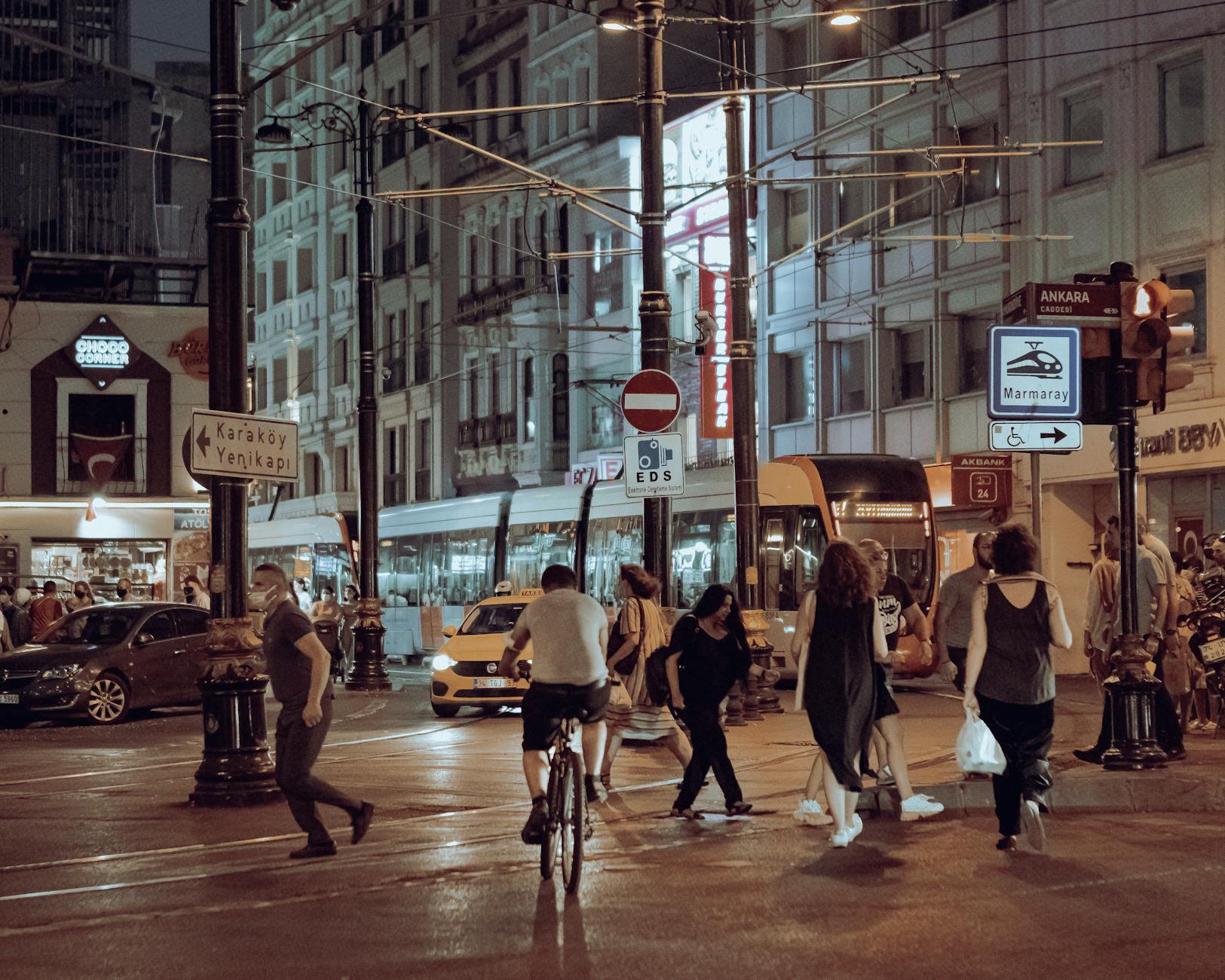
Last Tuesday at 11:30 AM, I watched a traveler struggle with the yellow Biletmatik at the Topkapı station; the machine refused her 200 TL note because it was out of change, and since the nearby kiosks were shuttered for lunch, she had to walk two blocks to a grocery store just to break the bill for a 50 TL fare. The practical fix is simple: ignore the name of the destination and focus on the Topkapı tram station (specifically the one near the city walls, not the palace in the old city). In 2026, a single ride on the T1 costs a flat 50 TL (1.50 EUR). Ensure your IstanbulKart is topped up before you board. If you’re looking for more quiet escapes after this, you might consider the Bosphorus ferry route and walking trail through the quiet waterfront villages of Çengelköy and Kandilli to see the city’s aquatic side.
The Walk through the Historic Walls
The walk from the Topkapı tram platform to the Mevlevihane takes about 10 minutes. You’ll be walking alongside the massive 5th-century walls of Theodosius. It’s incredibly atmospheric, much like the vibes found on the Fener & Balat Walking Tour: Istanbul, but the sidewalk here can be narrow and the paving stones are occasionally loose. If you are pushing a stroller or have mobility issues, stay on the paved park side rather than the immediate shoulder of the main road.
Berk’s Insider Tip: Avoid this walk on Mondays. Both the Mevlevihane and the Herb Garden often have restricted hours or maintenance schedules on the first day of the week.
How to reach the Mevlevihane via the T1
- Purchase or top up your IstanbulKart at any yellow “Biletmatik” machine for at least 50 TL per person.
- Board the T1 Tram heading toward the Bağcılar direction if you are coming from Sultanahmet or Eminönü.
- Disembark at the Topkapı station, making sure to use the exit that leads toward the historic city walls.
- Locate the pedestrian path that runs parallel to the fortress-like walls heading south.
- Follow the signs for Mevlanakapı Street for approximately 800 meters to reach the entrance of the lodge.
The Silence of the Dervishes: Yenikapı Mevlevihanesi
Yenikapı Mevlevihanesi is arguably the most authentic corner of the city for understanding Sufism without the velvet ropes and overpriced gift shops you find in Galata. I always tell friends that if you want to feel the real “spirit” of the Mevleviye, you have to stand in the center of that courtyard when the morning sun hits the massive blocks. Even in the peak of an Istanbul July, there is a distinct cooling effect from the stone courtyard that makes the city’s humidity feel miles away. This isn’t just a museum; it is a repository of a philosophy that shaped the Ottoman intellectual world for centuries.
The Cradle of Ottoman High Culture
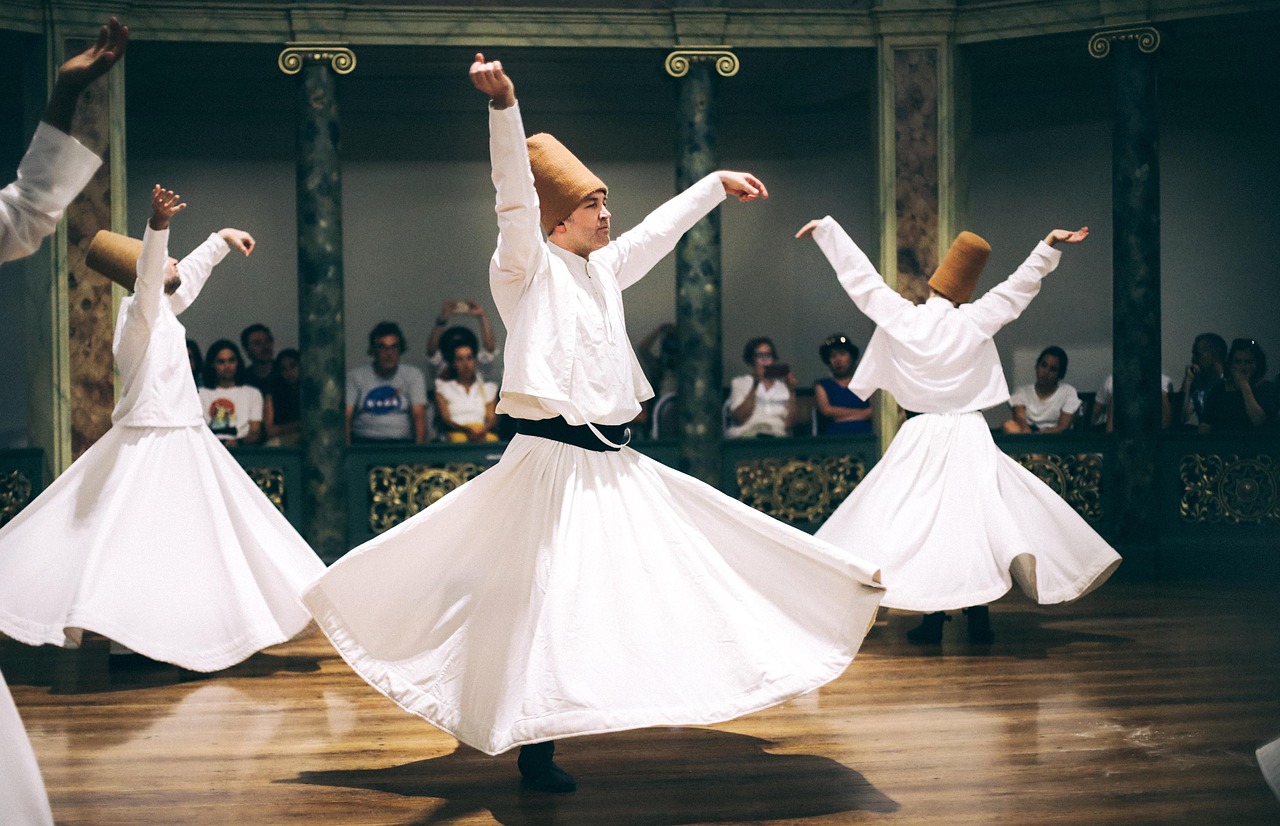
This lodge wasn’t merely a place of worship; it was a high-level conservatory. While the Classical Ottoman Architecture found in imperial mosques often aims to make the visitor feel small beneath a massive dome, the Mevlevihane feels intimate and human-centric. I remember visiting on a quiet Tuesday last month around 10:15 AM—the only sound was the wind whistling through the eaves. The smell of old wood in the Semahane (the whirling hall) is something I wish I could bottle; it’s a mix of aged cedar and centuries of incense. It reminds you that this was the epicenter of Sufi history in Istanbul, producing the finest poets and composers of the 17th and 18th centuries who mastered the “Sema” ceremony as a form of musical meditation.
Visiting in 2026: Logistics and Ethics
In 2026, the lodge remains a rare sanctuary where you aren’t hit with a 30-Euro ticket price. It is currently free to enter, though the restoration fund box by the gate is there for a reason. I usually drop in a 100 TL note (about 2 EUR); it’s a small, fair contribution toward the upkeep of such a massive wooden structure. One minor downside is that the surrounding neighborhood is currently undergoing heavy roadwork, which can make the walk from the tram feel a bit dusty. Bear in mind: Don’t try to navigate the back alleys of the industrial estates. Stick to the main path from the Cevizlibağ-AÖY T1 tram station. It’s a 10-minute walk, and the moment you pass through those heavy gates, the industrial noise of Zeytinburnu simply vanishes.
Walking Through the Graves of Poets and Pashas
If you think cemeteries are strictly for mourning, you haven’t spent enough time in a Hamuşan. In the Sufi tradition, this “House of Silence” is treated more like a serene transition lounge than a place of gloom. As you step out of the lodge and follow the narrow path toward the Merkez Efendi Mosque, the city’s frantic horn-honking fades into a rhythmic rustle of cypress trees. This stretch of Zeytinburnu is where Istanbul keeps its most beautiful secrets, carved in marble.
Deciphering the Stone Language
The tombstones here aren’t just markers; they are stone biographies. You’ll see Janissary tombstones and graves of high-ranking dervishes topped with elaborate stone hats called serpuş. A tilted turban or a tall, conical Mevlevi hat tells you the deceased’s exact rank and Sufi order. It’s a visual hierarchy that has survived centuries. I’ve often found that looking at these “hats” helps you realize that the Ottomans didn’t see death as an end to their identity, but a continuation of it.
The craftsmanship in Ottoman calligraphy on these stones is staggering. Last Tuesday, while the sun was hitting the marble at that perfect 4:00 PM angle, I watched a ginger tabby cat meticulously grooming itself atop the sarcophagus of a renowned 18th-century calligrapher. These cats act like self-appointed guardians of the poets. It’s a bit dusty through here, so don’t wear your most expensive suede boots, but the atmosphere is unbeatable.
If the weight of history makes you feel like you need a physical reset, you’re in the right neighborhood to transition from spiritual to physical cleansing. After exploring the graves, it’s worth looking into local hamam etiquette and what to expect at neighborhood Turkish baths to prepare for a scrub that feels as historical as the stones you’re walking past. A glass of tea at a nearby corner usually goes for about 25 TL (roughly 0.50 EUR), providing a cheap vantage point to watch the light flicker through the cemetery gates.
Sensory Overload at the Zeytinburnu Medicinal Plant Garden
Most travelers dismiss Zeytinburnu as a gritty transit corridor, but stepping into the Zeytinburnu Tıbbi Bitkiler Bahçesi (Medicinal Plant Garden) feels like someone suddenly turned the city’s volume knob down to zero. It is the most sophisticated botanical space in Istanbul, focusing heavily on ethnobotany—the ancient relationship between people and plants.
I remember my first visit on a sweltering July afternoon. I was wandering near the lemon verbena (Lippia citriodora) and, following the lead of a local gardener, I lightly rubbed a leaf between my thumb and forefinger. The scent hit me instantly—a sharp, electric citrus explosion that felt like a physical wake-up call. It’s these sensory “pockets” that make this place special; you aren’t just looking at greenery through a fence; you are encouraged to engage with it.
The Greenhouse and Anatolian Roots
The central greenhouse is a glass-domed sanctuary where the humidity climbs, creating a cradle for more delicate tropical species. However, the real soul of the garden lies in the section dedicated to endemic Anatolian herbs. Turkey is home to thousands of species that grow nowhere else on earth, and seeing them organized by their medicinal use—respiratory, digestive, or dermatological—gives you a profound respect for the “old ways” of Turkish village life.
One minor frustration is that some of the detailed signage is still primarily in Turkish and Latin. If you find yourself squinting at a label, keep your phone handy; the garden has been rolling out QR codes that link to more detailed descriptions, or you can use a plant identification app to bridge the language gap.
Five Highlights to Seek Out
- The Sideritis (Mountain Tea) Beds: Look for these woolly, silver-leaved plants. They are the source of the “Adaçayı” you’ll see served in every village in the Taurus mountains.
- The Central Lily Pond: This is the quietest spot in the garden. If the Istanbul sun is beating down, the evaporation here drops the temperature by a noticeable couple of degrees.
- The Culinary Herb Square: From purple basils to rare mints, this area smells better than any spice market in the city because the oils are still in the living leaves.
- The Geophyte Collection: If you visit in early spring, this section is a riot of color from native Anatolian bulbs like fritillaries and wild tulips.
- The On-Site Herbal Shop: You can buy seeds or dried herbs grown right here. A bag of high-quality, garden-harvested tea usually goes for around 100 TL (3 USD), which is a steal for this level of purity.
Berk’s Insider Tip: Check the garden’s workshop schedule. Sometimes they host ‘herb drying’ or ‘natural soap making’ sessions on Saturdays that are open to visitors for a small fee of 250 TL (7 EUR).
2026 Logistics: Entry Fees and Refreshment Costs
Istanbul’s prices have been climbing rapidly, but the Zeytinburnu medicinal garden remains one of the few places where your wallet can actually breathe. While the major museums in Sultanahmet are now charging upwards of 30 EUR, entry to this botanical haven is a modest 100 TL (approx. 3 EUR). It is a refreshing departure from the crowds, offering a level of tranquility that you simply won’t find near the Blue Mosque.
Budgeting for the Garden Cafe
The real highlight is the Garden Cafe. I sat there at 3:20 PM last Thursday with a book, and for the first time in weeks, I didn’t hear a single car horn—just the rustle of wind through the sage bushes. I paid exactly 45 TL (1.30 USD) for a sage tea, and just as I took the first sip, a resident tortoise—roughly the size of a dinner plate—slowly crunched through the fallen leaves under my chair. In a city where a mediocre coffee in a plastic cup can now run you 150 TL, this is an absolute steal. If you’ve spent time navigating the Tarabya and Yeniköy waterfront walking route with Levantine mansions and 2026 ferry tips, you’ll immediately notice that Zeytinburnu offers much more “zen” for your Lira.
Price Comparison and Expectations
The only downside is that the cafe staff are locals, not professional baristas, so service can be slow when a group arrives. My fix: Don’t go when you’re in a rush to catch a flight; go when you have an hour to kill and want to watch the resident tortoises roam. Also, carry smaller bills; the ticket booth occasionally struggles with change for 200 TL notes.
| Expense Item | Price (TL) | Price (USD/EUR) | Berk’s Value Rating |
|---|---|---|---|
| Garden Entry | 100 TL | $3.00 / €2.80 | 5/5 - Best value in the city |
| Herbal Tea | 45 TL | $1.30 / €1.20 | 5/5 - Organic and ultra-cheap |
| Organic Honey/Oils | 250 TL+ | $7.00+ / €6.50+ | 4/5 - Authentic local quality |
| Tram Access (T1) | 50 TL | $1.50 / €1.40 | 4/5 - Reliable but crowded |
The Post-Walk Reward: Merkez Efendi Köfte
Leaving Zeytinburnu without eating at Tarihi Merkez Efendi Köftecisi (Hüseyin Usta) is a strategic travel error. After hours of walking through quiet dervish lodges and aromatic herb gardens, your nose will eventually catch the scent of oak charcoal and searing beef. Follow it. This isn’t a place for white tablecloths; it’s a legendary temple of the Turkish meatball that has been drawing crowds since the 1960s. Last Tuesday, I rolled in at 1:15 PM and barely snagged a corner stool near the grill—the energy was frantic, and the grill master was flipping köfte with the precision of a watchmaker.
The Holy Trinity: Köfte, Piyaz, and Ayran
Don’t even ask for a menu. You want the signature köfte—succulent and charred perfectly. You must order the Piyaz, a white bean salad dressed with tahini and vinegar. The true cultural ritual here, however, is the Ayran. Forget the plastic cups; here, it’s served in a chilled, hand-hammered copper bowl with a mountain of frothy bubbles on top. You drink it straight from the rim. A generous meal here will cost you roughly 450 TL (about 13 USD), which is a fair price for the history you’re tasting.
Timing Your Arrival
The biggest mistake visitors make is showing up at peak lunch hour. Because the Zeytinburnu courthouse is just down the road, the place is swarmed with lawyers and local officials between 12:30 PM and 2:00 PM. My advice is to arrive at 2:15 PM. By then, the “suits” have headed back to their offices and you can enjoy your meal without someone hovering over your shoulder waiting for your seat.
Frequently Asked Questions about the Zeytinburnu Walking Tour
How long does the full walk from Yenikapı Mevlevihanesi take?
If you move at a steady pace and stop to appreciate the Mevlevihane and the Medicinal Plant Garden, budget at least three hours. It’s not a long distance in kilometers, but the density of history requires a slower rhythm.
Is the Merkez Efendi area safe for solo travelers?
It is exceptionally safe. This is a traditional, family-oriented neighborhood with a strong sense of community. Because of the religious sites and the nearby courthouse, there is a constant, respectful flow of people throughout the day. Remember to dress modestly—keeping shoulders and knees covered—out of respect for the spiritual sites you’ll pass.
How do I get back to Sultanahmet or Eminönü after the meal?
The logistics are simple: walk about five minutes to the Merkez Efendi tram stop on the T1 line. It’s a direct shot back to the heart of the old city. The T1 can get incredibly crowded during the evening rush (after 5:00 PM). If you finish your meal late and want to avoid the squeeze, grab a yellow taxi to the Marmaray Kazlıçeşme station nearby, which offers a faster train ride toward Sirkeci.
The Silent Boundary
This walk is the perfect antidote to the sensory overload of Sultanahmet. It forces a transition from the spiritual austerity of the Yenikapı Mevlevihanesi—where history feels heavy, silent, and introspective—to the literal, growing life of the Zeytinburnu gardens. Istanbul is rarely just about the monuments; it’s about this specific friction between the stone-cold past and the green, breathing present.
On my last visit, I spent nearly half an hour sitting on the weathered wooden bench near the garden’s central greenhouse just to catch the scent of the lemon balm. It’s a sharp, clean freshness that momentarily drowns out the hum of the nearby city walls. It reminded me that while the dervishes sought healing through the soul, this garden offers it through the soil.
Logistically, the Zeytinburnu T1 platform can get chaotic during the 5:00 PM rush. If you see a wall of people, don’t try to squeeze in; stay on the platform for five minutes and wait for the next car. The frequency is high enough that the “sardine experience” is usually avoidable with a little patience. As the T1 carries you back toward the center for 50 TL, you’ll watch the sun drop behind the silhouette of the Theodosian walls. Seeing those ancient fortifications glow in the fading light is the best way to process the shift from the quiet spiritual world back into the vibrant, chaotic heart of the city.
Comments
Share your thoughts with us