
I’ve spent fifteen years watching the Bosphorus change, but the stretch between Çengelköy and Kandilli remains my personal sanctuary when the madness of the city center becomes too much to bear. It’s a part of Istanbul that doesn’t demand your attention with neon signs or aggressive touts; it simply exists in a rhythmic, salt-sprayed hum. While the crowds fight for standing room on the Eminönü docks, the Asian side offers a version of the city that still breathes at its own pace.
Last Tuesday, I caught the 10:15 AM vapur from Beşiktaş, paying the roughly 35 TL fare with a quick tap of my card. As the ferry nudged the wooden piles of the Çengelköy pier, the air shifted from the heavy exhaust of the European side to something crisp and herbal. I sat at a small, wobbly table tucked behind the ferry terminal, nursing a 30 TL glass of tea—about 0.60 EUR—watching a lone fisherman untangle a line that looked older than my career in this city. There was no queue, no frantic shouting, just the rhythmic thud of the hull against the dock and the scent of the sea hitting the cooling asphalt.
Most visitors treat Çengelköy as a final destination, usually for a long breakfast under the massive plane trees of the historic Çınaraltı. But the real reward lies in walking north towards Kandilli. This two-kilometer stretch is Istanbul’s living room. You’ll find yourself squeezing past the towering wrought-iron gates of Ottoman-era yalis—those iconic wooden waterfront mansions—and dodging the occasional overhanging branch of a centuries-old Judas tree.
The sidewalk here is notoriously narrow in spots; at certain bends, it practically disappears, forcing a brief, cautious dance with the slow-moving traffic on the coastal road. It can be a bit nerve-wracking if you’re used to wide pedestrian boulevards, but the fix is simple: walk against the flow of traffic so you can see what’s coming, and use the frequent stone entryways of the mansions as natural passing points. It forces you to slow down, look up, and actually notice the peeling turquoise paint on a window frame or the way the sunlight hits the mid-stream currents of the Bosphorus. This isn’t a hike to be conquered; it’s a slow-motion immersion into a neighborhood that still values its silence.
Boarding the 2026 Bosphorus Ferry
Forget the overpriced private yacht rentals; the only way to truly feel the pulse of this city is on the open deck of a public Vapur. There is a specific rhythm to the City Lines (Şehir Hatları) ferries that hasn’t changed in the fifteen years I’ve called Istanbul home. Even now, in 2026, as the city speeds up, the moment you tap your Istanbulkart and hear that heavy turnstile click, time slows down.
Last Tuesday, I caught the 4:45 PM boat from Beşiktaş heading toward the Asian side. The queue looked intimidating—stretching nearly to the main street—but don’t let that deter you. These vessels are massive, and the line moves fast. At 50 TL (exactly 1 EUR) for a single journey, this isn’t just transport; it’s the best value sunset ticket in the world. If the kiosks at the pier are crowded or showing “Out of Order” signs, my quick fix is to use one of the small tobacco shops (büfe) nearby; they’ll top up your card for a tiny fee and save you ten minutes of frustration.
Securing the Best Vantage Point
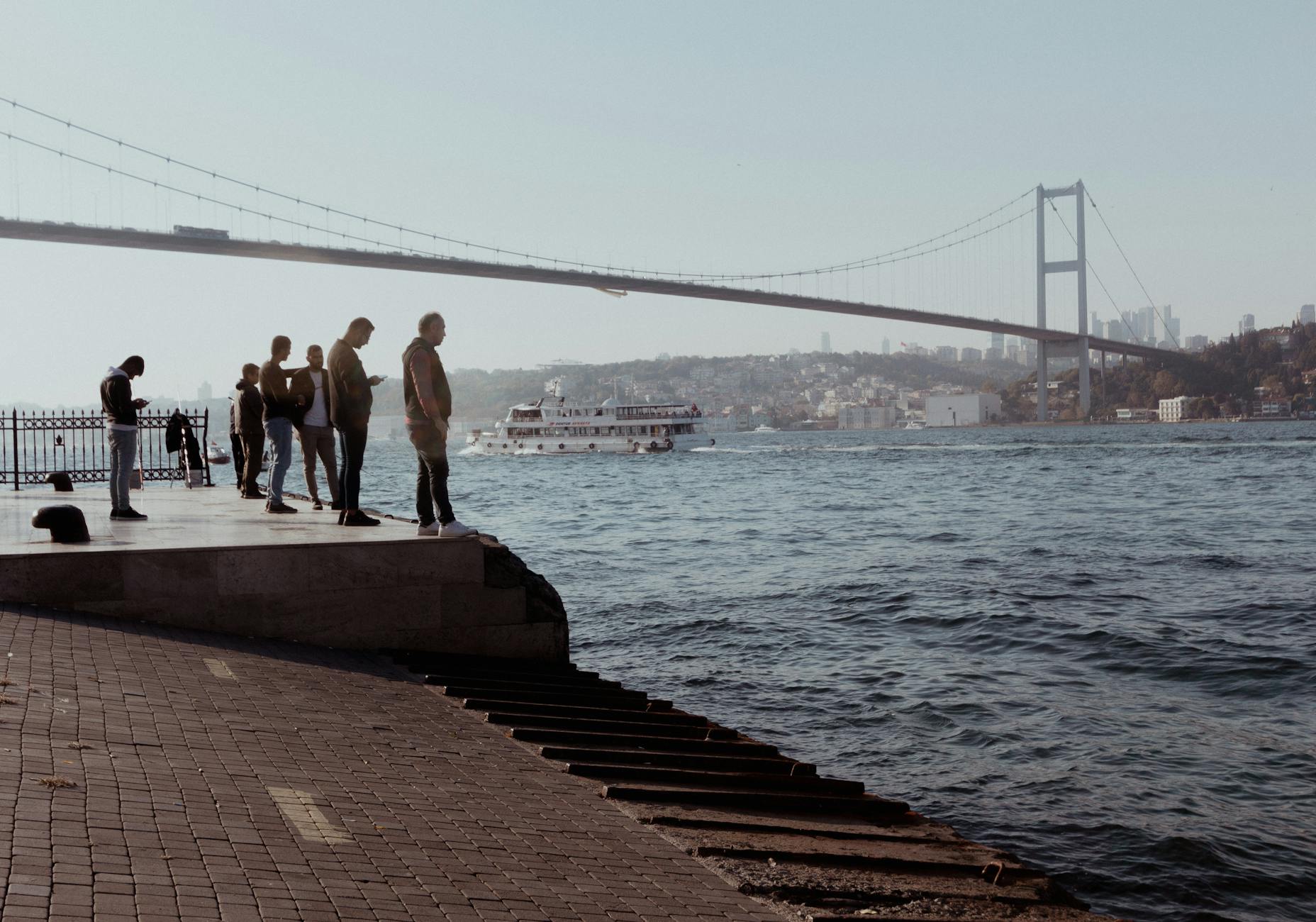
The “pro move” for this specific Bosphorus Ferry Tour: Istanbul is all about positioning. As soon as you board, bypass the enclosed tea room and head straight for the outdoor benches. Always sit on the left side of the ferry when heading north from Beşiktaş or Eminönü. This puts you inches away from the historic waterfront mansions—the yalı—that define the Bosphorus shoreline.
As we passed under the first Bosphorus Bridge, I watched a group of tourists huddled on the right side looking at the open sea, completely missing the ornate neo-Baroque carvings of the Beylerbeyi Palace slipping by on the left. Don’t make that mistake. Keep your camera ready, but remember to put it down when the tea seller comes around with the glass tulip cups.
| Pier Location | Target Village | Approx. Time | Best For |
|---|---|---|---|
| Beşiktaş | Çengelköy | 20-25 mins | Afternoon tea & views |
| Eminönü | Kandilli | 35-40 mins | Serious seafood lovers |
| Üsküdar | Çengelköy | 15 mins | Quick hop across |
| Beşiktaş | Anadolu Hisarı | 45 mins | Exploring medieval ruins |
Navigating the 2026 Commute
While the ferry is romantic, it is also a functional commute. If you’re traveling between 5:00 PM and 6:30 PM, expect the “Simit-and-Tea” ritual to be in full swing. The crowds can be dense, but the atmosphere is generally respectful. If you find the main deck too loud, head to the very top “sun deck.” It’s windier, but it offers a 360-degree panoramic view of the minarets fading into the distance as you approach the greener, quieter shores of the Asian side.
Breakfast Under the Giant Plane Tree in Çengelköy
You haven’t truly experienced the Bosphorus until you’ve fought—politely, of course—for a seaside table under the 800-year-old canopy of Tarihi Çınaraltı Aile Çay Bahçesi. This isn’t your typical high-end hotel brunch; it is the soul of the Asian side of Istanbul. The massive plane tree provides a natural roof that has shaded locals for centuries, and despite the crowds, the atmosphere remains stubbornly grounded in tradition.
The real beauty of this spot lies in a unique local custom: you are encouraged to bring your own food. While the tea garden serves basic snacks, the seasoned move is to stop at Çengelköy Börekçisi on your way in. I usually grab a generous portion of walnut-filled börek or a few poğaça (savory buns). When you sit down, the waiters won’t mind your outside bags as long as you order your drinks from them. A glass of Turkish Tea (Çay) here will cost you about 25 TL (approx. 0.55 USD).
If you arrive after 10:00 AM on a weekend, finding a waterfront table is like winning the lottery. I once stood by the railing for forty minutes, watching the tankers glide by, just to snag a spot for my morning cheese and olives. I’d paid 180 TL for a plate of Ezine cheese and black olives from the grocery store across the street, and eating them while a massive container ship passed just thirty meters away made the wait entirely worth it. It’s one of the most authentic Traditional Tea Gardens and Turkish Coffee Houses with Bosphorus Views and Local Prices you can find.
Making the Most of Your Morning
- Hit the bakery first: Visit the historic bakeries in the village center for fresh pastries before entering the tea garden.
- Bring your own sides: Feel free to bring olives, tomatoes, and cheeses from a local grocery store to round out your spread.
- Claim your territory: Send one person to scout for a table while the others grab the food.
- Watch the current: Sit by the water to watch the “Bosphorus river” flow; the current here is deceptively fast.
- Cash is king: While many places take cards now, having some small change for the tea waiters makes the process much smoother.
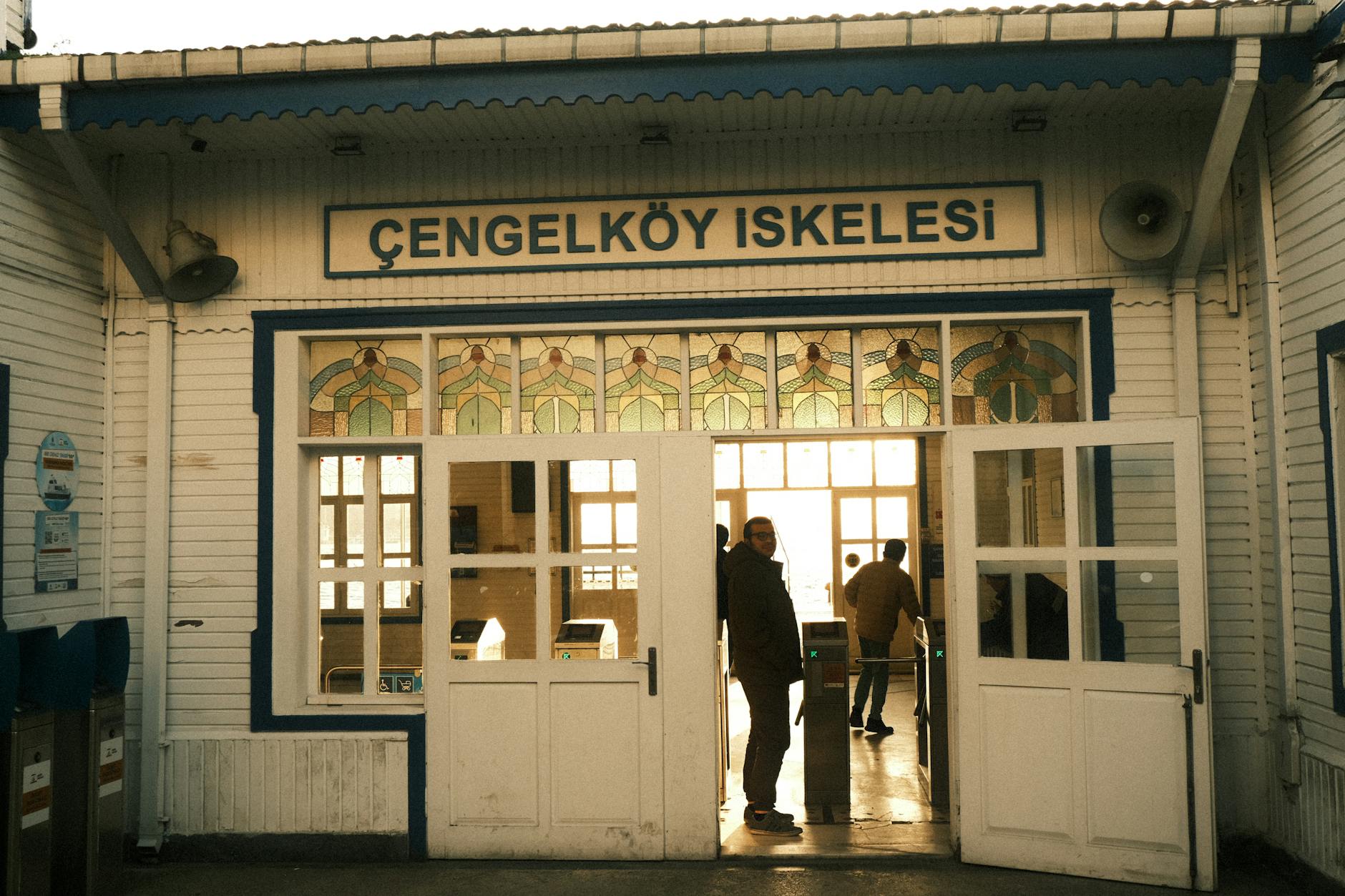
Berk’s Insider Tip: The public restrooms at the Çengelköy ferry pier are clean and cost only 15 TL with your Istanbulkart, which is much cheaper than finding a cafe just for a pitstop.
Navigating the Waterfront Alleys Toward Kandilli
The real soul of the Asian side isn’t found in the crowded squares, but in the quiet, salt-sprayed stretch of road that connects the ferry hubs. Once you leave the bustling tea gardens of Çengelköy behind and head north on Kuleli Caddesi, the noise of the city drops away with surprising speed. I’ve walked this route hundreds of times, and it never fails to recalibrate my mood. The road is narrow and, frankly, the sidewalk is a bit of a joke in some spots—sometimes barely wide enough for one person. If you’re walking here on a busy Saturday, you’ll find yourself doing a delicate dance with oncoming pedestrians or dodging the side mirrors of passing cars. My advice: walk on a Tuesday morning or a late Thursday afternoon when the only people you’ll share the path with are local retirees and the occasional fisherman.
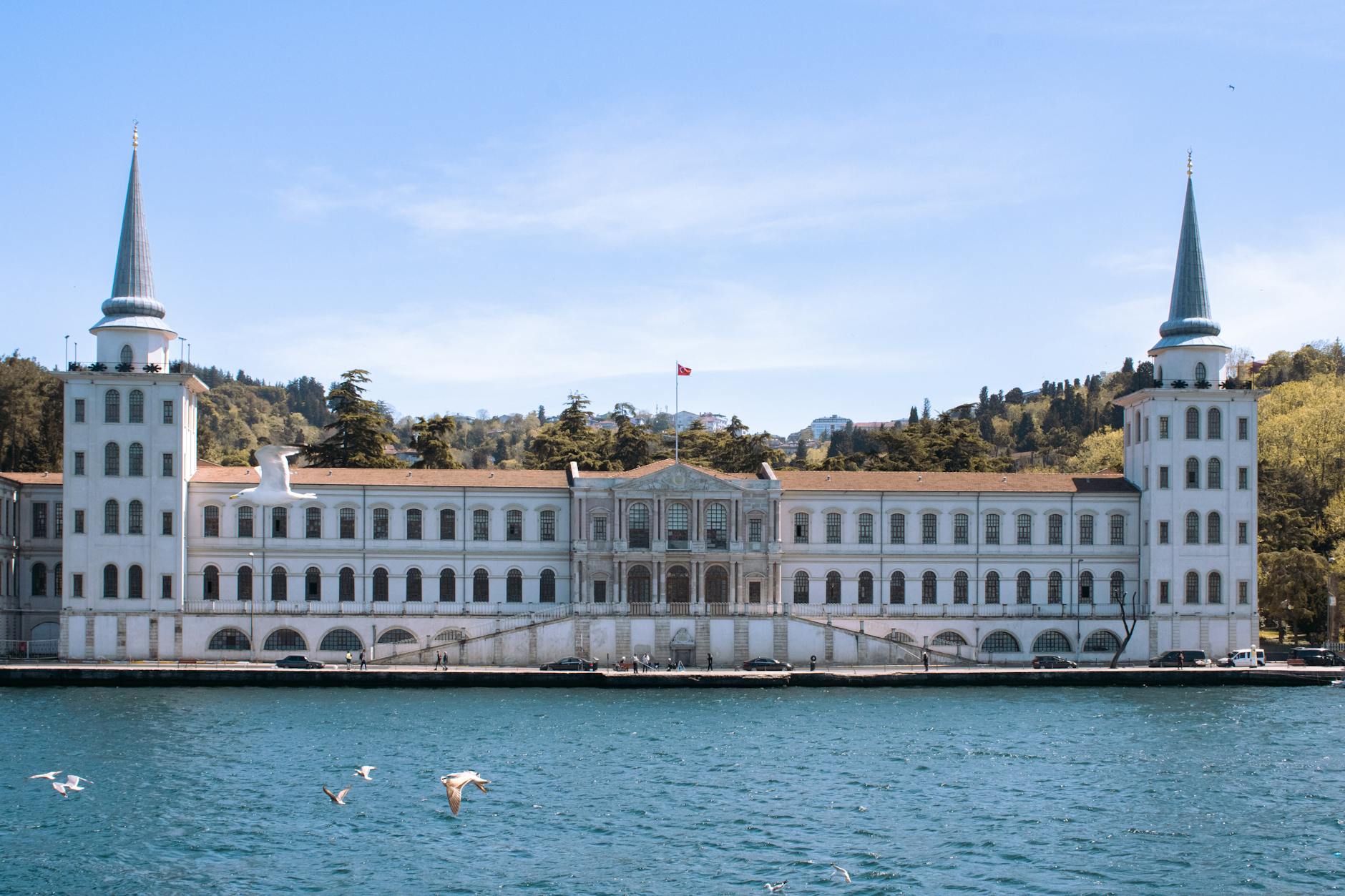
As you round the first major bend, the Kuleli Military High School rises out of the water like a fortress from another century. Even though it no longer serves as an active military academy, its presence is commanding. Its twin towers are the defining landmark of this stretch. If you can, time your walk to pass this building right at dusk. The way they light up the facade makes the stone glow like liquid gold against the darkening Bosphorus. It’s a view that costs exactly zero Lira but feels more expensive than a dinner at a five-star hotel.
Past the school, the commercial clutter vanishes entirely, making way for the Yalı—those magnificent Ottoman waterfront mansions. This is where you see the “old money” of Istanbul. These houses aren’t just buildings; they are heirlooms made of dark, weathered wood and history. I remember pausing in front of a particularly beautiful oxblood-red mansion last May, watching an elderly man pull a small rowing boat right up to his private doorstep. It’s a level of quiet dignity that you just don’t find in the more tourist-heavy neighborhoods like Sultanahmet. It reminds you that people actually live here, tucked away from the chaos.
How to Walk the Çengelköy-Kandilli Shoreline
- Exit the Çengelköy ferry pier and turn left, heading north away from the main square.
- Follow the curve of Kuleli Caddesi, staying on the seaside of the road whenever possible.
- Navigate the narrow sidewalk sections by staying alert for traffic; if the path disappears, wait for a gap in cars to move forward.
- Pause at the perimeter of the Kuleli Military High School to appreciate the 19th-century architecture from the street level.
- Observe the different styles of Yalı mansions, noting the intricate woodwork and private boat docks.
- Continue straight for approximately 25 minutes until the road opens up into the Kandilli waterfront area.
The Steep Ascent: Finding Kandilli’s Hidden Perspectives
Most visitors make the mistake of sticking to the Bosphorus shoreline, but if you don’t climb the hills of Kandilli, you haven’t actually seen it. The real character of this neighborhood is tucked away in the vertical labyrinth of cobblestone stairs and narrow alleys that rise sharply behind the ferry terminal. It is a grueling walk, but the perspective you gain on Residential Istanbul is worth every drop of sweat.
Living on an Incline
As you move away from the water, the sounds of the ferry engines fade, replaced by the domestic rhythm of the ridge. I was walking up these steps last Tuesday and had to pause—not just for breath, but to watch a local ritual. A woman on a third-floor balcony was lowering a yellow plastic bucket on a long rope to the street below. A grocer’s apprentice placed a loaf of bread and a bottle of milk inside, signaled with a whistle, and watched the “elevator” ascend. This pulley system is a staple of life here; when your street is essentially a staircase, you learn to let gravity do the heavy lifting.
The Bridge Perspective
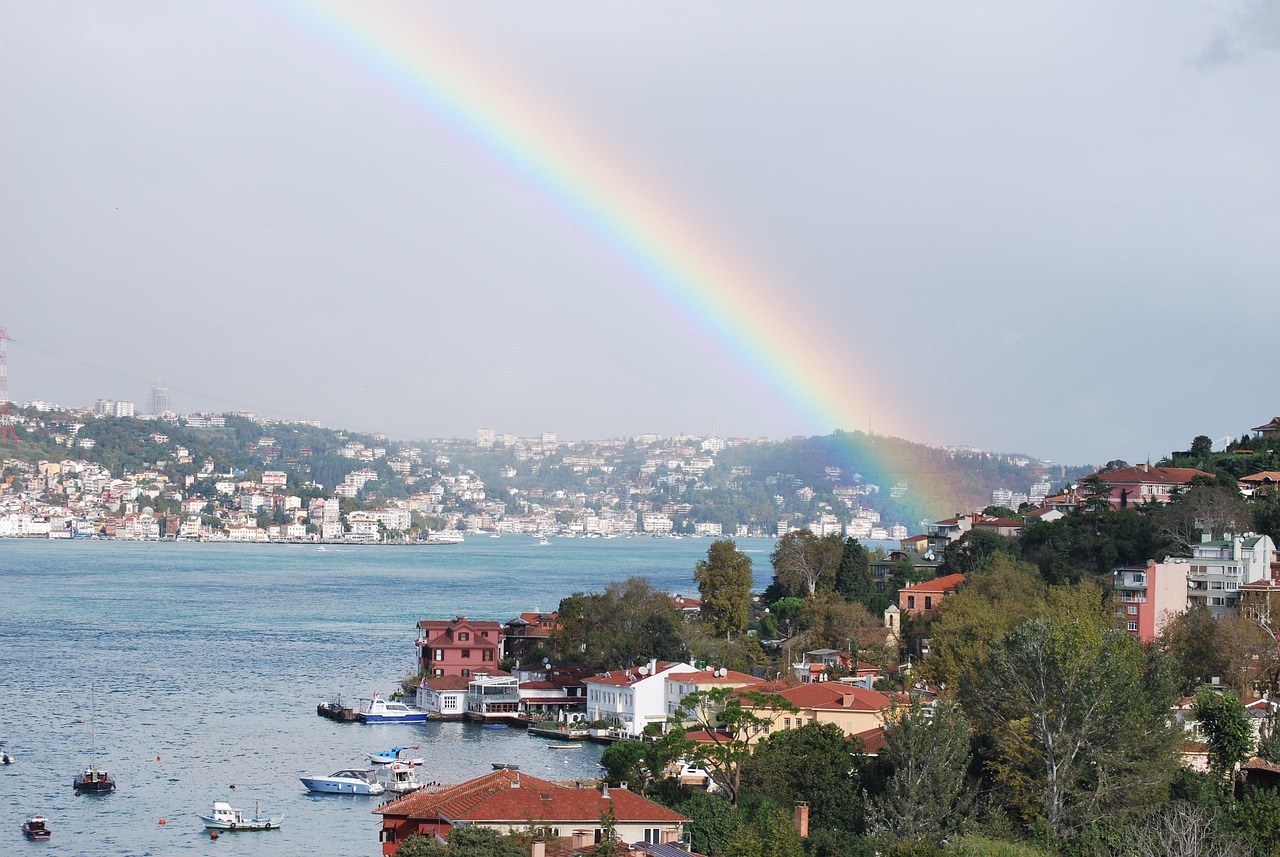
Pushing through the fatigue to reach the higher ridges near Kandilli Hill offers a visual payoff that puts the typical tourist viewpoints to shame. From this height, the Fatih Sultan Mehmet Bridge looks like a delicate steel thread draped across the water. While the crowds at Galata Tower are fighting for elbow room, you’ll likely have this panoramic vista entirely to yourself. The scale of the Bosphorus truly hits you here—you can see the massive container ships look like toy boats as they navigate the treacherous turn at the “Devil’s Current.”
The only downside to these heights is that the descent can be just as hard on the joints as the climb. While you can try Navigating Istanbul Taxis and Ride Hailing Apps with 2026 Pricing Tips to get back down, many drivers are hesitant to enter these incredibly narrow, dead-end streets. It’s often better to plan your route to end at a major road.
Berk’s Insider Tip: If the hills of Kandilli feel too steep for your knees, take the 15F bus from Çengelköy for just 20 TL (0.45 USD) and get off at the top of the ridge to walk downhill instead.
A Quiet Seafood Finish at the Pier
You haven’t actually experienced the Bosphorus until you’ve eaten a plate of fried mussels with your feet practically dangling over the edge of the Kandilli pier. While Çengelköy is charmingly chaotic, Suna’nın Yeri in Kandilli is where the city’s soul settles down. It is an unpretentious institution that ignores the flashy, overpriced trends of the city center. Last Friday at 6:15 PM, I sat there as the sun began its descent behind the Fatih Sultan Mehmet Bridge; I paid 120 TL for a plate of crispy hamsi (anchovies) and watched the sky turn a bruised purple behind the bridge towers. There was no white-tablecloth pretense, just the sound of the water slapping against the stone and the smell of fresh arugula.
The menu here is refreshingly limited because they only serve what is seasonal and fresh. Don’t look for a massive binder of options; just ask what the catch of the day is. I usually start with their fava (broad bean puree) and a plate of crispy fried calamari. For a full meal consisting of a few mezes and a seasonal grilled fish like lüfer (bluefish) or istavrit (horse mackerel), expect to pay between 900 and 1,200 TL (approx. 18 to 24 EUR). It’s remarkably fair for the view you’re getting.
Mastering the Kandilli Ferry Schedule
The only downside to Kandilli’s quietude is that the Kandilli Iskele (pier) is far less busy than its neighbors. If you finish your tea and realize you’ve just missed a boat, you’re looking at a 45-minute wait with very few places to hide from the wind. To avoid this, download the Şehir Hatları app and check the live departures before you ask for the check. If you do find yourself stranded, don’t panic and take an expensive taxi all the way back to the bridge; instead, walk five minutes to the main road and hop on any bus headed south toward Üsküdar. They run every few minutes and will get you back to the central transport hub for a fraction of the cost.
Frequently Asked Questions about the Çengelköy-Kandilli Route
Is this walking trail suitable for children or strollers?
The path between Çengelköy and Kandilli is mostly flat along the waterfront, but some sections require walking on the side of the main road where sidewalks can get narrow or uneven. If you are with small children, I’d recommend staying within the village centers rather than walking the full 2.5-kilometer stretch between them. The parks in Çengelköy are much more kid-friendly for a relaxed afternoon.
Can I find vegetarian options at Suna’nın Yeri?
While it is primarily a seafood spot, you won’t go hungry. Their meze selection is excellent, featuring olive oil-based dishes like deniz börülcesi (sea beans), roasted peppers, and various herb salads. You can easily make a satisfying meal out of 4 or 5 different mezes and their fresh sourdough bread. Just keep in mind that the focus is definitely on the “fruit of the sea.”
What is the best time of day to start this route?
I always suggest starting around 2:00 PM. This gives you enough time to wander through the backstreets of Çengelköy and browse the local shops before the evening rush. By the time you walk to Kandilli, the golden hour will be hitting the water, making it the perfect moment for your seafood dinner at the pier. Plus, you’ll avoid the heavy morning commuter traffic on the ferries.
Watching the Bosphorus Wake
The walk back toward the pier usually leaves my legs a bit weary—the pavement between Çengelköy and Kandilli is notoriously narrow, and you’ll often find yourself stepping onto the asphalt to let a neighbor pass. Just keep your back to the traffic and watch for the yellow taxis that tend to hug the curves. If the climb up the hills behind the waterfront has you parched, there’s a small grocery store tucked just behind the Kandilli Iskele where a cold bottle of mineral water or a simple tea is only about 25 TL—roughly 0.50 EUR or 0.55 USD. It’s a small price to pay for a moment of stillness before the boat arrives.
I remember sitting on a weathered bench near the terminal last April, watching a local fisherman patiently untangle a bird’s nest of nylon line while the scent of sea salt and blooming jasmine hung heavy in the air. He didn’t catch a single fish in the hour I was there, but he didn’t seem to care, and neither did I. That’s the secret rhythm of the Asian side; it’s a refusal to be rushed by the frantic energy of the city across the water. You can spend days wandering the polished marble halls of the Blue Mosque or the Topkapı, but you won’t truly feel the heartbeat of this city until you’re standing where the neighborhood life spills directly into the sea.
As the ferry finally pulls in and the heavy iron ramp clatters down, don’t be the first to rush into the cabin. Stay on the outdoor deck, even if there’s a bit of a breeze. When the engines roar and the boat begins to churn the deep blue water, watch the white foam of the wake spreading out and disappearing toward the shoreline. It is a final, quiet reminder that the soul of Istanbul isn’t found in a museum or a glass display case, but in the constant, rhythmic pulse of the Bosphorus waves hitting those old wooden docks.