
I’ve spent fifteen years watching people pay what I call the “Bosphorus tax”—those inflated prices at glitzy cafes where a lukewarm tea costs as much as a full meal elsewhere. Just last Tuesday, I was standing on the ferry deck coming from Eminönü, watching a group of tourists point at a glass-fronted lounge in Ortaköy where the “scenic” coffee likely cost them 250 TL ($7.50). It’s a bit painful to witness because the real soul of this city isn’t found behind soundproof glass or under designer heat lamps.
The secret to Istanbul is that the best views don’t belong to the five-star hotels; they belong to the old-school tea gardens where the plastic chairs are wobbly and the tea is always piping hot. My favorite ritual involves hopping off the ferry at Çengelköy around 10:30 AM, grabbing a fresh simit from the bakery on the corner for 15 TL, and walking straight into Tarihi Çınaraltı. There is no host to greet you, and you might have to scout for your own chair among the locals playing backgammon, but you’ll be sitting under a plane tree that has seen empires rise and fall.
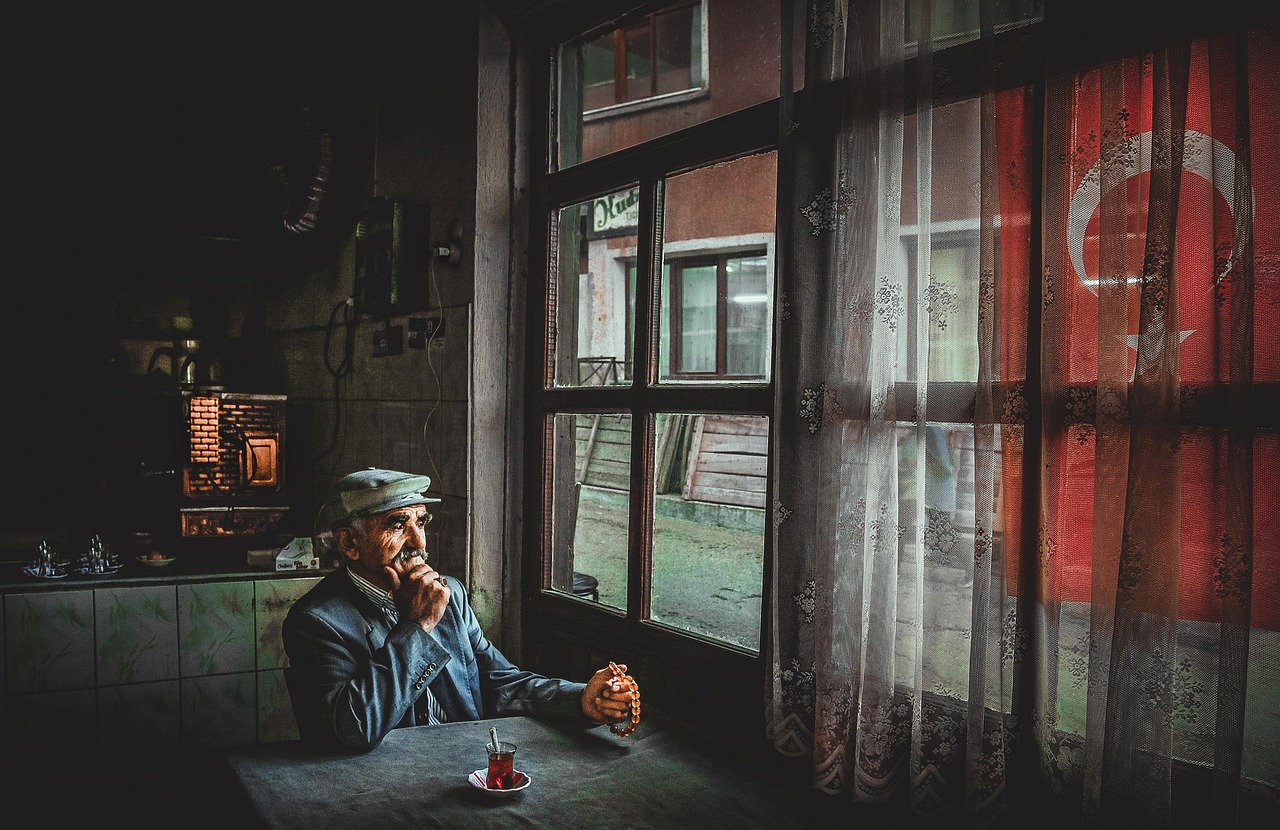
When the waiter drops a tulip-shaped glass of dark, steely tea on your table for about 20 TL (less than $0.60), and the wake of a passing tanker splashes against the sea wall just three feet away, you realize you’ve found the “real” Istanbul. These spots can be loud and the service is often functional rather than flattering, but they offer a front-row seat to the Bosphorus without the pretense. If the wind picks up and the plastic chairs feel a bit too humble, just lean into the heat of your tea glass and watch the city move—it’s the most honest bargain in town.
The Legend of Çengelköy: Tarihi Çınaraltı
Tarihi Çınaraltı isn’t just a tea garden; it’s the spiritual headquarters of the Asian side’s shoreline. If you want the most authentic Bosphorus experience without the inflated “tourist tax” of the European side, this is exactly where you need to be. I’ve spent countless mornings here over the last 15 years, and while the city around it has changed, the vibe under that massive canopy remains untouchable.
The 800-Year-Old Silent Witness
The soul of the place is the colossal plane tree (Çınar) that gives the garden its name. It’s been standing for eight centuries, spreading its heavy, gnarled branches over the tables like a protective ceiling. Even on a sweltering July afternoon, the temperature under this tree feels five degrees cooler. I remember sitting here during a light drizzle last autumn; the leaves are so thick you don’t even get wet. It’s the kind of place that forces you to slow down, put your phone away, and just watch the tankers glide toward the Marmara Sea.
The Ultimate “Bring Your Own Food” Hack
What makes Çınaraltı a true local legend is its democratic food policy. They only sell drinks—tea, coffee, and basic snacks—but they actively encourage you to bring your own feast from the neighborhood. This is where I save my money for better things.
Before grabbing a table, I always stop at the famous Çengelköy Börekçisi just a few doors down. I pick up a portion of warm kıymalı börek (minced meat pastry) or a couple of simits from the street vendor. Once you’re seated, you just order your tea. A glass of hot, strong tea costs just 30 TL (0.90 USD). It’s a absolute steal for a front-row seat to the Bosphorus. If you’re coming from the European side, I recommend checking the Beylerbeyi Palace Entry Tips and Bosphorus Ferry Routes to the Asian Side to time your arrival perfectly with the bakery’s fresh batches.
Timing the Waterfront Scramble
Getting a table right against the iron railing—where the saltwater practically sprays your face—is a local sport. If you show up at 1:00 PM on a Saturday, you haven’t got a prayer. My rule of thumb: arrive before 10:00 AM on a weekday. Last Tuesday, I rolled in at 9:15 AM and had my pick of three waterfront spots. By 11:30 AM, the neighborhood retirees and students had filled every square inch.
If it’s crowded, don’t panic. The turnover is relatively fast because the staff is incredibly efficient at clearing empty glasses.
- Çengelköy Börekçisi Pastry: The essential pairing for your tea, located 50 meters from the entrance.
- Double-Brewed Turkish Tea: Served in the classic tulip glass, it’s the only way to pay for your “rent” at the table.
- Turkish Coffee with Medium Sugar: Best enjoyed after your breakfast while watching the ferry dock.
- Waterfront Railing Tables: These offer the best views of the first Bosphorus Bridge.
- The Center Bench: Located directly under the 800-year-old trunk for the best shade.
Berk’s Insider Tip: In Çengelköy, if the tables are full, look for the ‘waiting area’ near the tree—don’t just hover over people eating; it’s considered rude. The staff will signal you when it’s your turn.
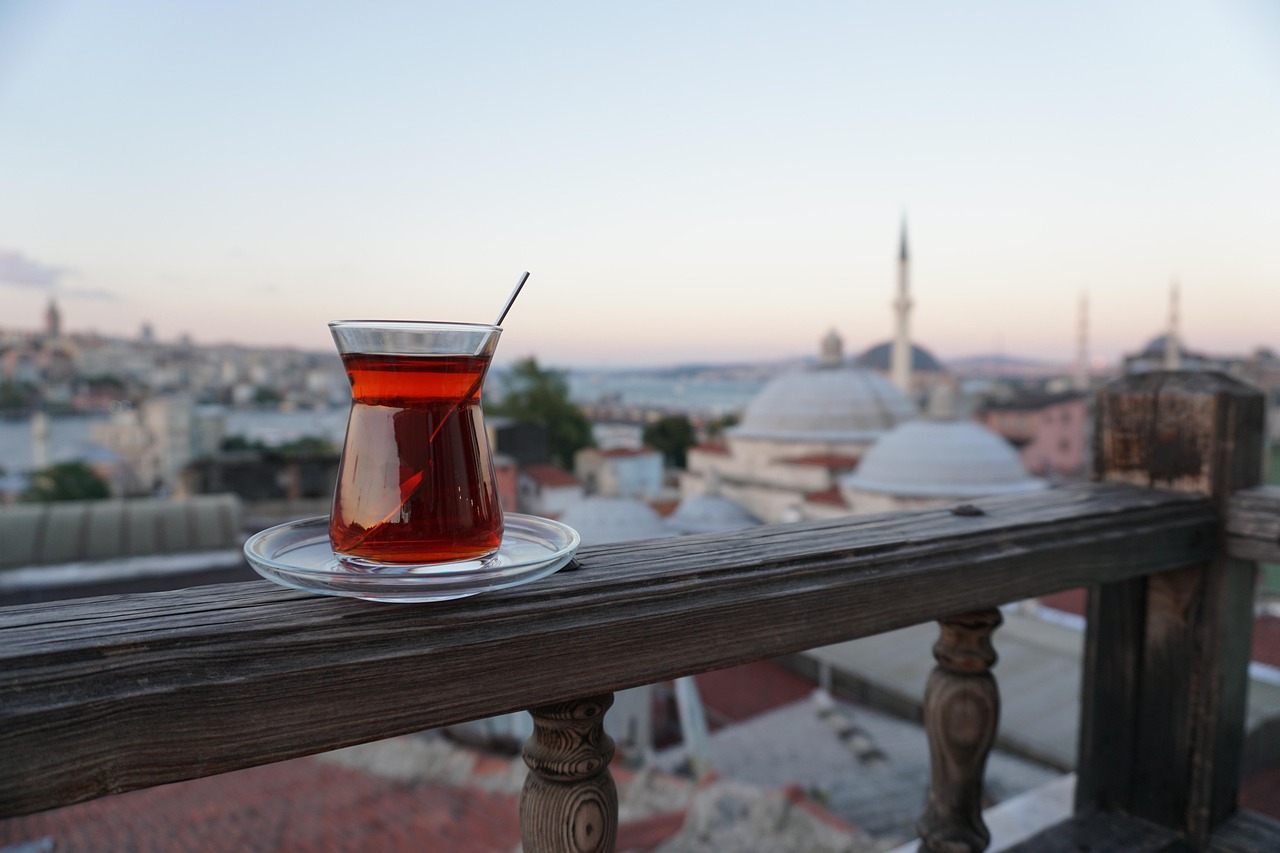
The Government’s Best Kept Secret: IBB Social Facilities
If you want the million-dollar Bosphorus view without the billionaire’s bill, you head exactly where the locals go: the IBB Sosyal Tesisleri. These are municipality-run establishments designed to give residents access to prime real estate and quality food at subsidized, fixed prices. While many tourists walk right past them assuming they are private clubs or government offices, they are open to everyone and offer some of the most consistent service in the city.
I personally swear by the Paşalimanı facility in Üsküdar. I was there last Tuesday around 11:00 AM, and even on a weekday morning, the energy was vibrant. You get a front-row seat to the Bosphorus and the Maiden’s Tower for about 40 TL (1.20 USD) for a Turkish coffee. Compare that to the 150-200 TL you’ll pay at the fancy waterfront hotels just down the road, and it’s a total no-brainer. The quality isn’t “budget” either; the porcelain is clean, the waiters are in uniform, and the grounds are impeccably kept.
However, you need to know the trade-offs. First, no alcohol is served at any IBB facility—this is a family-oriented, government-run space. Second, the secret is definitely out among locals. If you show up on a Saturday afternoon, expect a waitlist that can easily hit 45 minutes. My fix? Don’t just stand there staring at the door. Give your name to the host, grab a buzzer, and walk along the Üsküdar shore for twenty minutes. Most of these locations are strategically placed near ferry docks, which you can easily navigate after you take the Golden Horn ferry just to walk the quiet hills of Eyüp.
| IBB Facility | Primary View | Best For |
|---|---|---|
| Paşalimanı | Maiden’s Tower & Old City | Evening coffee at sunset |
| Fethi Paşa | Bosphorus Bridge (North) | Breakfast among the trees |
| Beykoz Sahil | Northern Bosphorus Strait | Escaping the central crowds |
| Çamlıca | Panoramic City View | Photos from the highest point |
Berk’s Insider Tip: Always carry small change. While most IBB facilities take cards, some smaller tea gardens are cash-only or prefer it for small amounts like 25 TL.
Cliffs and Classics: The Moda Tea Garden
If you haven’t sat on the cliffs of Moda with a steaming glass of tea while the sun dips behind the historical peninsula, you haven’t actually seen Istanbul breathe. This isn’t a place for fancy lattes or artisanal avocado toast; it is the unfiltered soul of Kadıköy. Perched high above the Marmara Sea, the Moda Çay Bahçesi offers a panoramic view that makes the chaotic city feel like a distant painting.
The atmosphere here is a beautiful, bohemian mess. It’s where the city’s intellectuals, university students, and neighborhood old-timers collide. You’ll see retired sea captains reading the morning paper sitting right next to art students debating cinema. It’s noisy, it’s windy, and it’s arguably the best people-watching spot on the Asian side.
Mastering the Ordering Game
The only downside to Moda is its popularity. On a sunny Sunday afternoon, the place is packed tighter than a Metrobüs at rush hour. If you sit at a table near the edge and wait for a waiter to find you, you might be waiting until the next moon cycle. The local fix is simple: don’t wait. Walk directly to the service window near the kitchen. Ask for “iki tavşan kanı çay” (two “rabbit-blood” red teas).
I did exactly this last Thursday around 3:00 PM when the crowd was peaking. While tourists at the next table were looking around confused, I had my deep-red, perfectly steeped teas in hand within two minutes. A glass will set you back about 20 TL (roughly 0.60 USD), a price that remains refreshingly honest despite the million-dollar view. While the European side offers more polished experiences like The Only Reason I Brave the Traffic to Spend an Afternoon in Teşvikiye, Moda is where you go to feel the city’s heartbeat without the pretense. If the front-row seats by the railing are full, just hang back for ten minutes—the turnover is fast, and the locals are usually happy to share a corner of their table if you ask politely.
Deciphering the Turkish Coffee Code
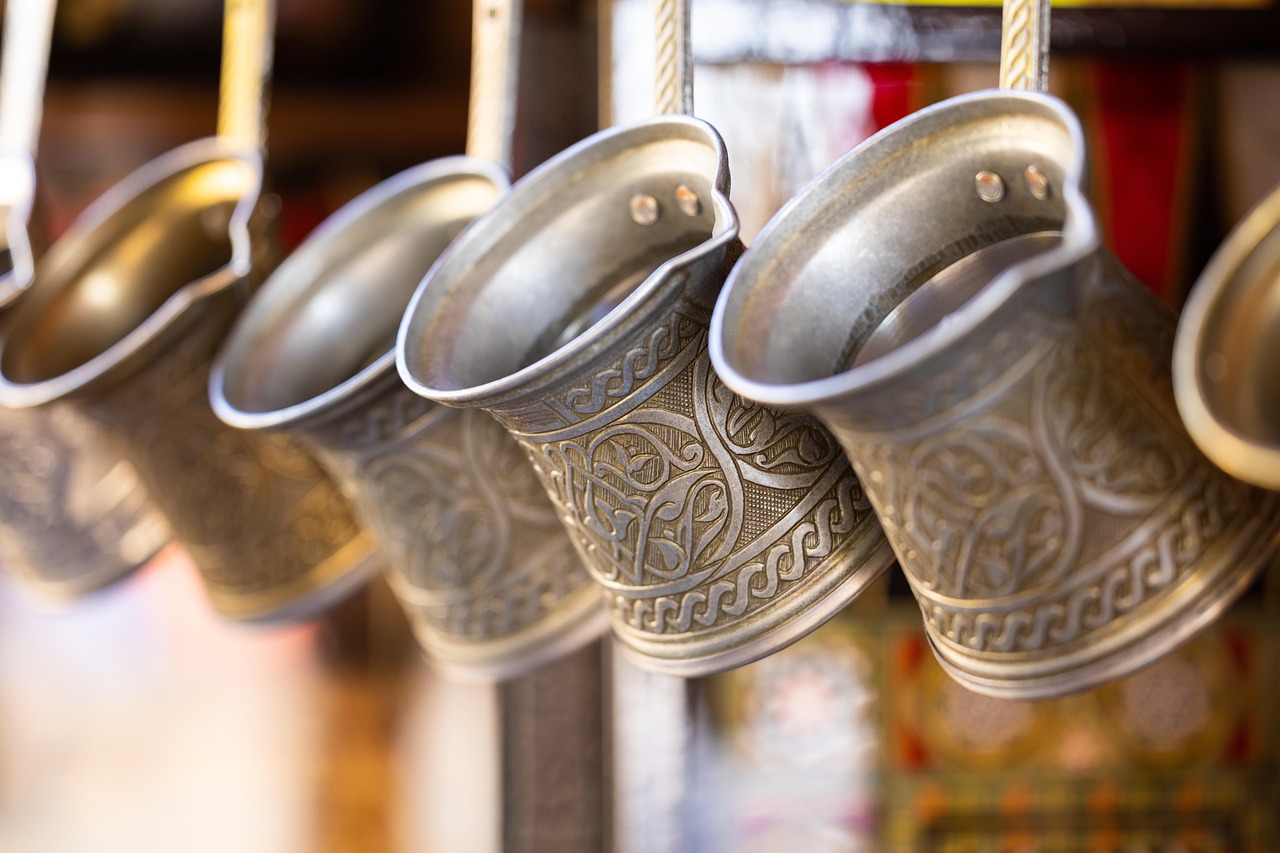
Ordering Turkish coffee is a commitment you make before the heat even touches the copper Cezve, and if you get it wrong at the start, there is no fixing it at the table. Unlike a latte where you can mindlessly pump syrup at a condiment bar, Turkish coffee is brewed with the sugar already inside. I once watched a traveler in a busy Kadıköy square try to stir a sugar cube into his cup after it was served; he ended up with a mouthful of gritty mud and a ruined crema.
The Four Pillars of Sweetness
When the waiter hovers over your table, you need to be ready with one of these four terms. Sade (sah-deh) is for the purists—completely bitter and black. Az Şekerli means “little sugar” (about half a teaspoon), while Orta is the gold standard “medium” that most locals prefer. If you have a serious sweet tooth, ask for Çok Şekerli. Just remember: once it’s poured, the sugar level is final. Stirring is the ultimate faux pas because it disturbs the telve (grounds) sitting at the bottom.
The Palate and the Future
You’ll always see a small glass of water served alongside your coffee. A common tourist mistake is drinking it at the end to “wash down” the bitterness. In reality, you should drink the water first to cleanse your palate so you can actually taste the bean’s profile. When I need a quiet moment after exploring a different part of the city, like the area around the mosaics of Kariye Mosque, I find a corner seat and take that first sip of water to reset before the coffee hits.
Once you reach the sludge at the bottom—stop drinking. This is when the ritual of fal (fortune-telling) begins. Place your saucer over the cup, make a silent wish, and flip it toward you. Let it cool completely. Even if you don’t believe in the “birds” or “roads” the dried grounds supposedly reveal, it’s the best excuse to linger for another twenty minutes.
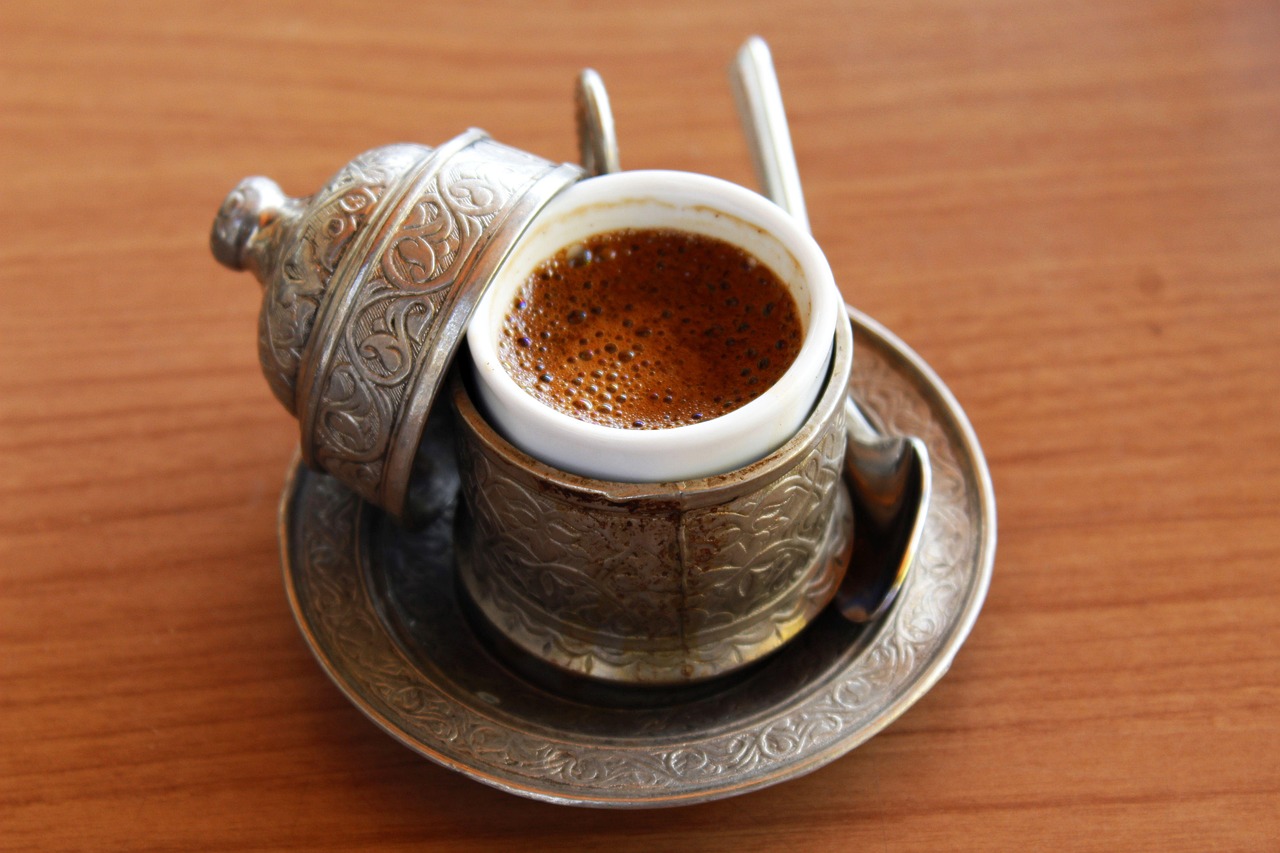
Berk’s Insider Tip: If you want the absolute best foam on your Turkish coffee, look for places that still cook it over ‘köz’ (hot coals) or ‘kumda’ (in sand). It’s worth the extra 20 TL.
How to Enjoy Turkish Coffee Like a Local
- Specify your sugar level immediately when ordering (Sade, Az Şekerli, Orta, or Çok Şekerli).
- Drink the water first to clear your taste buds before the first sip of coffee.
- Wait a minute for the grounds to settle to the bottom of the cup before drinking.
- Sip slowly to enjoy the foam (köpük), which is the sign of a well-made cup.
- Leave the sediment at the bottom; never drink the thick sludge at the end.
- Flip the cup onto the saucer if you want to participate in the traditional fortune-telling ritual.
The Hidden Perch: Setüstü Çay Bahçesi in Sarayburnu
You haven’t truly seen the Golden Horn meet the Bosphorus until you’ve looked down on them from the crumbling stone edge of Gülhane Park. While most travelers are busy wilting in the three-hour queue for the Hagia Sophia, I prefer to walk ten minutes downhill, enter the cool shade of the park, and claim a plastic chair at Setüstü Çay Bahçesi. It is, quite simply, the best “low-cost, high-reward” view in the Old City.
Why This View Beats a Rooftop Bar
Most “view” spots in Sultanahmet charge you a premium for a cramped balcony and mediocre orange juice. Here, you are perched on the very nose of the historic peninsula. I was there last Tuesday around 3:00 PM, and while the city felt chaotic just a mile away, the only sound at my table was the clinking of tea spoons and the low rumble of a massive container ship heading toward the Black Sea. Watching those giants navigate the Sarayburnu currents is a meditative experience that makes the city’s frantic pace feel irrelevant.
The Semaver Ritual
Don’t bother ordering individual glasses. You come here for the Semaver (a double-tiered tea urn). For about 200 TL (roughly 6 USD), you get a charcoal-heated urn that provides enough tea for two people to talk through their entire life stories for an hour or more.
The Local Reality: The service can be notoriously “relaxed”—meaning don’t expect a waiter to come running the moment you look their way. If you’re in a hurry, you’re in the wrong place. The fix: Signal clearly to the staff the moment you see them, and if it’s a windy day, grab a table further back from the railing; the Marmara breeze can turn a hot tea cold in minutes if you aren’t careful.
The Bosphorus doesn’t look any bluer from a designer velvet chair than it does from a weathered folding seat. The real luxury in this city isn’t the gold leaf on your dessert; it’s the ability to slow down to the rhythm of the current without a waiter hovering to flip your table.
I spent last Tuesday afternoon at the Tarihi Çınaraltı in Çengelköy, tucked under that massive, 800-year-old plane tree. The place was packed with retirees and students, but I found a spot right by the water’s edge. I paid exactly 30 TL—less than a dollar—for a glass of tea that stayed hot despite the salty breeze. The “hack” here is that they let you bring your own food from the nearby bakeries; I grabbed a warm börek from the shop around the corner and just sat there for two hours watching the tankers drift toward the Marmara.
If you find the crowds at these local spots a bit overwhelming on weekends, the fix is simple: go on a weekday morning or right before sunset. You’ll trade the polished, sterile version of Istanbul for something much louder, messier, and infinitely more honest. Get on a ferry, leave the “fine dining” districts behind for a few hours, and just watch the water. That’s the version of the city I fell in love with fifteen years ago, and it only costs the price of a small glass of tea to join in.