
I take the Golden Horn ferry just to walk the quiet hills of Eyüp
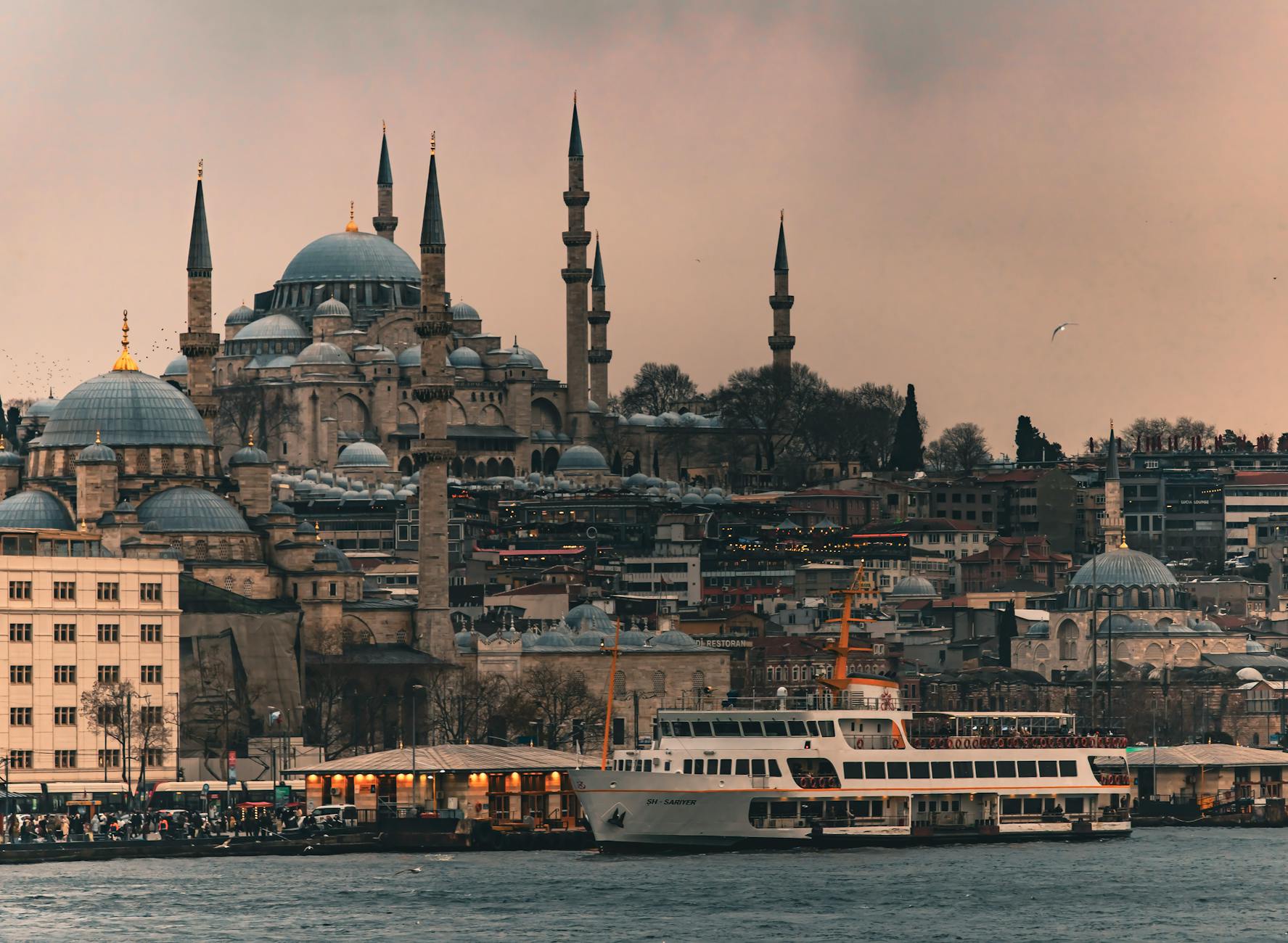
The diesel hum of the ferry engine is the only soundtrack I need when the city starts to feel a bit too loud. Most people treat the Golden Horn like a transit corridor, something to be crossed quickly on the way to a landmark, but they’re missing the rhythm of the water. I see the tour buses crawling through the gridlock of Eminönü, and I honestly feel for the people inside; they’re looking at the Haliç through glass, while I’m out here on the deck, watching the domes of the Old City shift and realign with every turn of the rudder.
By the time the boat pulls into the Eyüp pier, the air has changed. The sharp, salty bite of the Bosphorus gives way to something heavier and more grounded—the earthy scent of ancient cypress trees and the faint, sweet smoke of street-side vendors. There is a gravity to Eyüp that you don’t find in the more polished neighborhoods. After fifteen years of living here, I still find that the walk from the water up into the hills is one of the few places where the layers of Istanbul’s history don’t feel like a museum exhibit, but like a conversation.
Getting here is simple enough if you have an Istanbulkart and a bit of patience for the ferry schedule, which, let’s be honest, is more of a suggestion than a law during the windy months. But that’s the trade-off for avoiding the chaos of the coastal road. As you step off the boat and walk toward the Eyüp Sultan Mosque, the frantic energy of the city center dissolves. You’re entering a neighborhood that hasn’t traded its soul for a postcard; it’s a place of quiet devotion, old-school coffee houses, and a hillside that offers a perspective on the city that most travelers never bother to find.
The Best Twelve Lira You’ll Ever Spend
Taking the Golden Horn ferry isn’t just a commute; it’s a necessary detox from the chaotic energy of the Eminönü waterfront. While most travelers jam themselves into the T5 tram or fight for a standing spot on a stuffy bus, I head straight for the Haliç Hattı dock. For roughly twelve lira on your Istanbulkart—less than the price of a decent coffee—you get a front-row seat to the city’s evolving silhouette. It is, quite simply, the most restorative bargain in Istanbul.
Why the Water Wins
The bus to Eyüp is a lesson in patience I’m rarely willing to learn. You’re trapped in traffic, staring at the back of a van, while the beauty of the coast remains hidden behind concrete. The Haliç ferry, however, offers a transition that feels almost cinematic. As the Vapur pulls away from the pier, just a short walk from Rustem Pasha Mosque: Eminönü, the roar of the Eminönü crowds fades into the rhythmic slap of water against the hull. You glide under the Galata Bridge, and suddenly, the city opens up. The skyline shifts from the minaret-heavy horizon of the Old City to the shipyards and quiet green hills of the inner horn. It’s breezy, it’s rhythmic, and it’s the only way to arrive in Eyüp with your sanity intact.
Berk’s Insider Tip: Check the ferry schedule (Şehir Hatları) before you leave; the Haliç line is less frequent than the Bosphorus crossings, especially on weekends.
How to Catch the Haliç Ferry
- Top up your Istanbulkart at any yellow “Biletmatik” machine before you reach the pier to avoid the queue.
- Navigate to the Haliç pier in Eminönü or Karaköy; in Eminönü, it’s the smaller dock located near the bus terminals.
- Verify the departure time on the digital board or the official Şehir Hatları app, as missing one can mean a 45-minute wait.
- Scan your card at the turnstile and wait for the gate to open.
- Secure a seat on the outdoor deck at the back of the boat to capture the best photos of the fading skyline.
- Watch the shorelines of Balat and Fener pass by as the boat makes its zigzag journey up the horn.
Sailing Past the History of the Horn
Skipping the Golden Horn ferry is the biggest mistake you can make if you want to understand the soul of this city. While everyone else is fighting for a selfie spot on the crowded Bosphorus cruises, the Haliç line offers something much more intimate and, frankly, more honest. As the boat pulls away from the pier, the skyline shifts from the commercial chaos of Eminönü to the layered, quiet history of the old city.
The Colors of the Shore
You’ll see them soon enough: the stacked, colorful houses of Balat. From the water, they look like a vibrant watercolor painting that hasn’t quite dried yet. It’s a perspective you just don’t get while dodging crowds on the narrow inland streets. Look a bit higher on the hill and you can’t miss the massive red-brick silhouette of the Phanar Greek Orthodox College. My friends always ask if it’s a castle. It’s not, but it certainly has the ego of one.
A Metal Marvel
Keep your eyes on the water’s edge for the Bulgarian Iron Church: Balat. It’s one of the few prefabricated cast-iron churches left in the world. I remember being told as a kid that it was shipped here in pieces from Vienna on the Danube. Seeing its ornate, silvery exterior glow in the morning light is worth the price of the ferry ticket alone. It’s a bit of Gothic drama sitting right on the edge of the Golden Horn.
From Industry to Identity
What I love most about this ride is the transformation. Not long ago, the Haliç was the industrial heart—and the industrial dumping ground—of the city. It took years of work to clear the old factories and replace them with the green spaces you see now. You’ll pass the old Ottoman Shipyards, where massive stone docks still stand. They’re a gritty, beautiful reminder of when this water was thick with coal smoke and heavy labor. Today, it’s just us, the seagulls, and the quietest breeze in Istanbul.
The Spiritual Heart: Eyüp Sultan Mosque
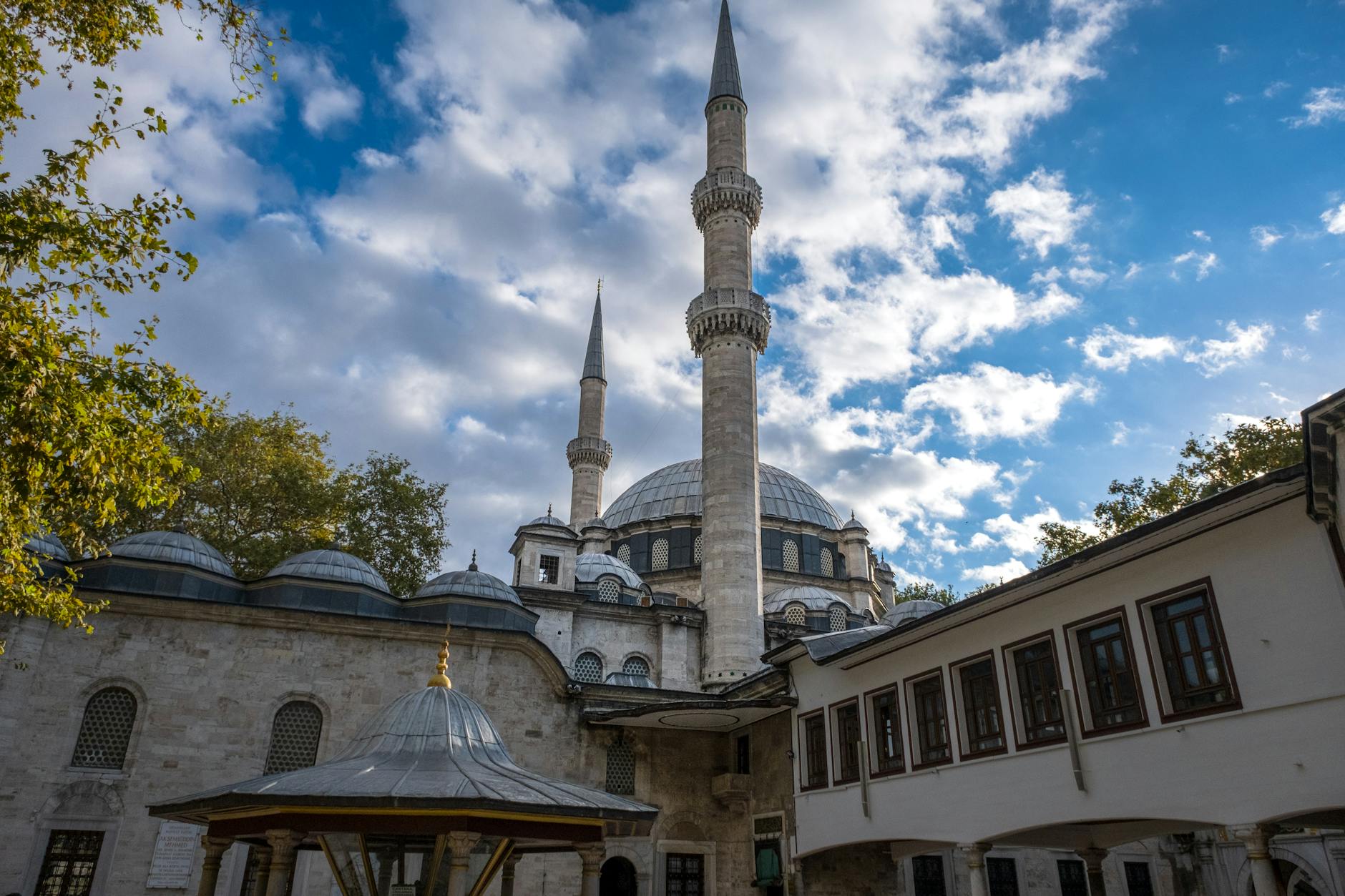
You haven’t truly felt the pulse of Istanbul until you’ve stood in the courtyard of Eyüp Sultan. While the Blue Mosque and Hagia Sophia carry the weight of imperial history, this place carries the weight of the city’s soul. It is the most sacred site in the city, centered around the tomb of Abu Ayyub al-Ansari, a companion of the Prophet Muhammad who fell during the first Arab siege of Constantinople. For locals, this isn’t a “stop on a tour”; it’s where life’s major milestones are sanctified.
The atmosphere is a thick, beautiful mix of devotion and community. You’ll see families bringing their young sons dressed in shimmering Ottoman-style capes for circumcision blessings, and newlyweds seeking a graceful start to their marriage. It’s crowded, yes, but it’s a focused, gentle kind of crowd. You won’t find the aggressive souvenir hawkers here that plague Sultanahmet. Instead, you’ll find the scent of rosewater and the rhythmic cooing of hundreds of pigeons.
Respecting the Sanctity
When you enter, remember that this is a functioning place of worship first and a landmark second. Most visitors are here for a deep spiritual connection. Ottoman architecture shines here through the filtered light and the sprawling courtyard, but your focus should be on the etiquette. Women should cover their heads—I always suggest carrying your own silk scarf rather than using the borrowed ones at the gate—and everyone should ensure their shoulders and knees are covered. It’s about being a guest in someone’s home.
Is it overwhelming? Sometimes. The line for the tomb can be long and the emotional intensity high. If you feel a bit claustrophobic, step back into the outer courtyard. Sit on a stone bench and just watch. You don’t need to be religious to appreciate the quiet dignity of a thousand-year-old tradition playing out in front of you.
Berk’s Insider Tip: If you are visiting the mosque area on a Friday, expect heavy crowds. It’s beautiful to witness the devotion, but for a ‘quiet’ walk, choose a Tuesday or Wednesday morning.
Five Things to Observe at Eyüp Sultan
- The Giant Plane Tree: Located in the center of the inner courtyard, this ancient tree has been a silent witness to centuries of prayers.
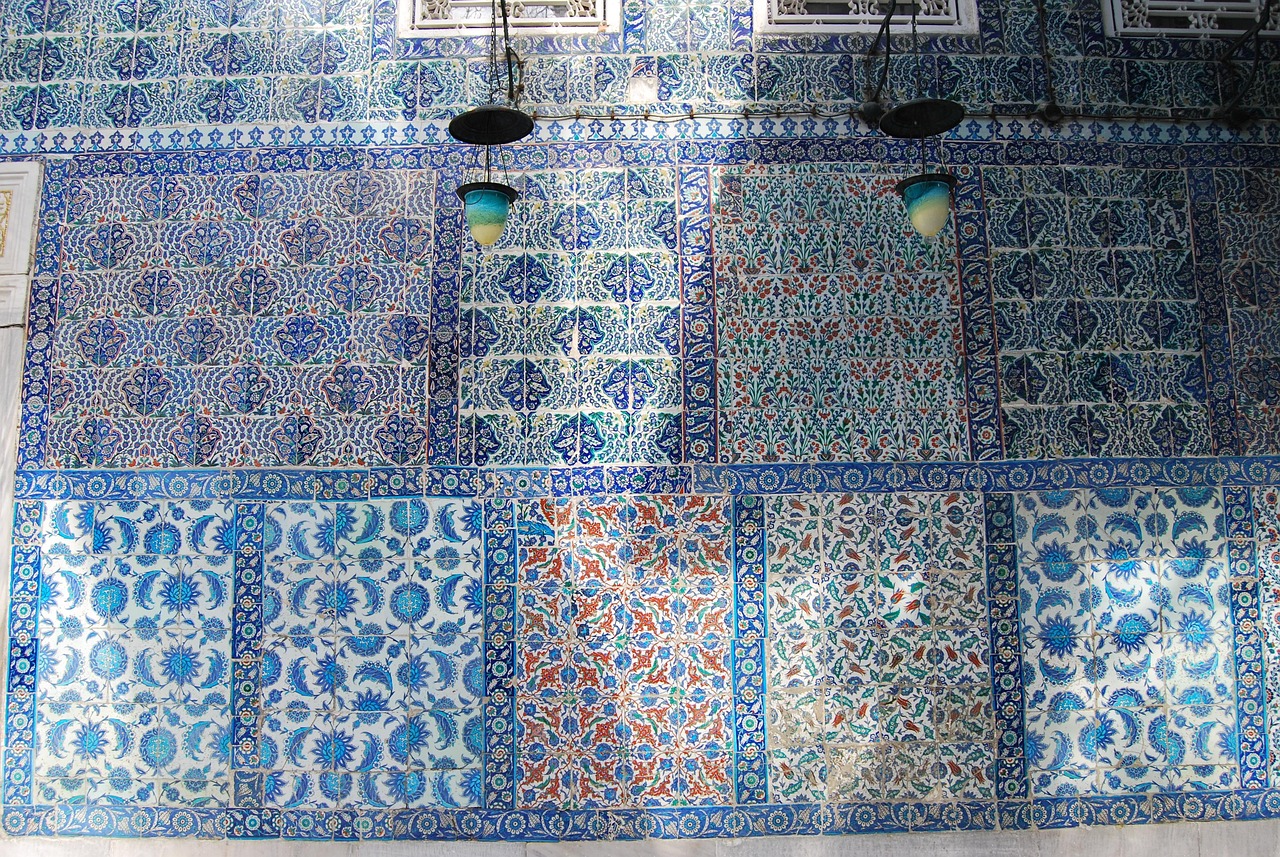
- The 16th-century Iznik Tiles: Look for the vibrant floral patterns near the tomb entrance; they are some of the finest examples of the craft.
- The Sünnet (Circumcision) Traditions: Notice the young boys in white outfits; it’s a unique cultural sight specific to this district’s identity.
- The Ablution Fountains: Watch the rhythmic ritual of washing before prayer, a core part of the mosque’s daily life and flow.
- The Call to Prayer: If you can, time your visit so you are in the square when the Ezan begins. The acoustics between the hills are hauntingly beautiful.
Skip the Cable Car: The Walk Through the Stones
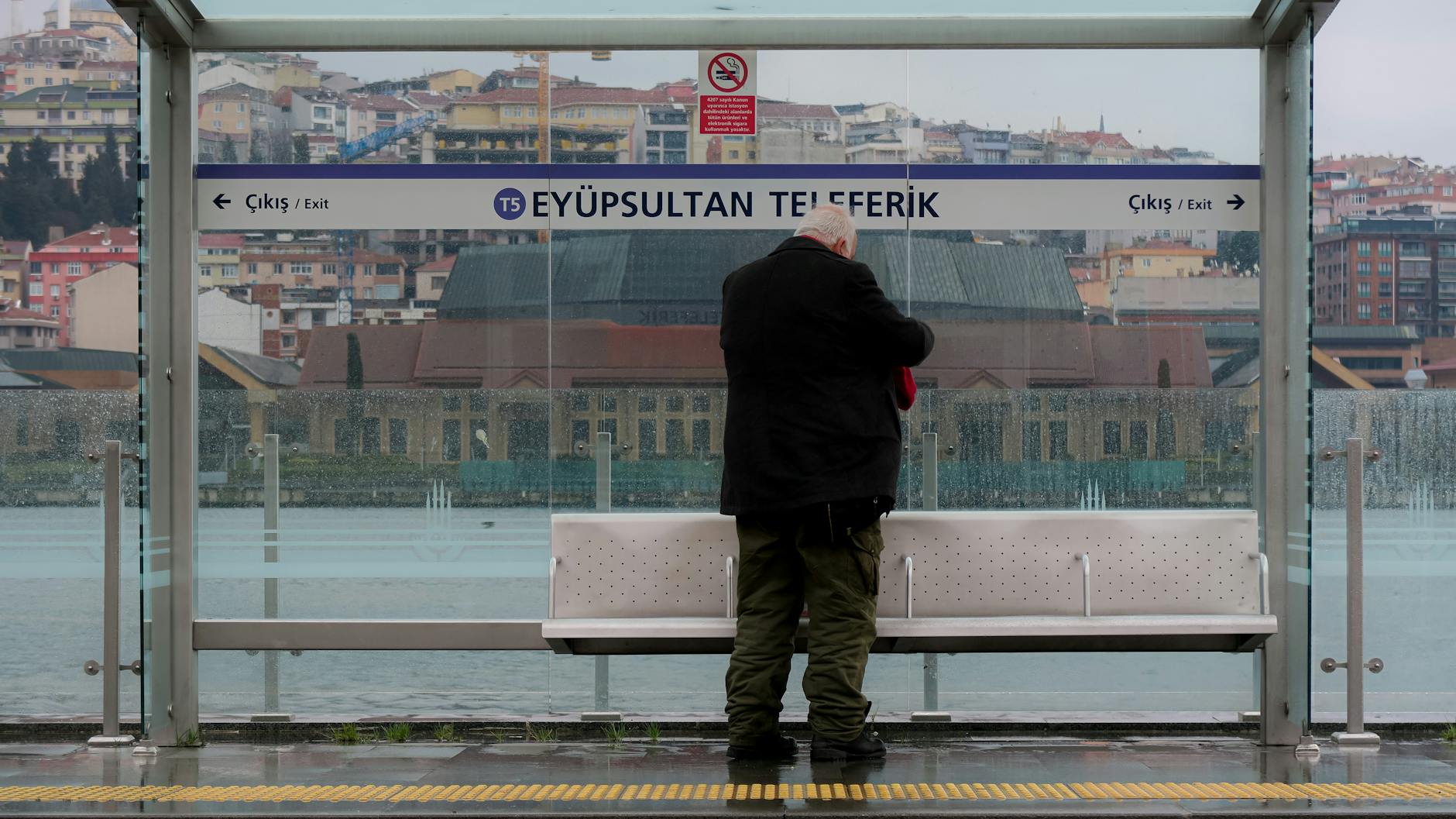
The queue for the Teleferik is a trap. Why would you spend forty minutes shuffling in a line for a three-minute ride in a glass box when the most evocative path in Istanbul is right under your feet? Taking the cable car to the top of the hill might save your legs, but it bypasses the soul of the district. I’ve lived here for fifteen years, and I still find things I’ve never seen before on these slopes.
The Language of the Silent
As you climb the winding stone stairs, you aren’t just walking through a cemetery; you’re walking through an open-air library. The Ottoman gravestones here are staggering. Unlike the uniform slabs we see in many Western cities, these are sculpted with deep personality. Look closely at the “hats” carved onto the top of the stones—the specific shape of the turban or fez tells you if the person was a grand vizier, a dervish, or a government clerk. The calligraphy is fluid and hauntingly beautiful, even if you can’t read the script. It’s a level of stone-carved artistry that always reminds me of the intricate marble work at A Masterpiece of Light: Why the Mihrimah Sultan Mosque is My Favorite Spot at the City, where the architecture feels light enough to float.
Under the Cypress Trees
The air changes halfway up the hillside. It gets cooler, scented with the resin of towering cypress trees that have stood guard here for centuries. There’s a specific kind of silence in this part of Eyüp—a “thick” quiet that dampens the roar of the traffic below. You’ll see locals sitting on benches, not in mourning, but just existing in the peace. Is it a workout? Sure. Your knees might complain a bit, but every few steps offer a new, unobstructed frame of the Golden Horn. By the time you reach the Pierre Loti café at the summit, you’ve actually earned that glass of tea.
Berk’s Insider Tip: Look for the grave of the executioners—historically, they were buried in separate, unmarked areas of the Eyüp slopes so their families wouldn’t be shamed.
Tea and Contemplation at Pierre Loti Hill
Skipping Pierre Loti Hill because it’s “too touristy” is a rookie mistake that costs you the best view in the city. While the crowds can be thick, there is a reason everyone from 19th-century French novelists to local teenagers flocks here. Julien Viaud—better known by his pen name Pierre Loti—wasn’t just a visitor; he was a man deeply enamored with the Ottoman soul. He spent hours at the top of this hill, nursing a coffee and looking out over the Golden Horn, likely plotting his next semi-autobiographical romance.
Finding a spot at the historic café requires a bit of Istanbul “savviness.” Don’t stand around waiting for a host; there isn’t one. You have to be proactive. I usually scan for a table where people are folding their napkins or signaling for the check, then I make my move with a polite nod. Once you’re settled with a steaming Turkish tea, the city opens up. The Haliç panorama is breathtaking. You can trace the outlines of the “Seven Hills,” spotting the silhouettes of the great imperial mosques against the horizon. It’s a perspective that makes the chaotic sprawl of Istanbul feel, for a moment, perfectly composed and quiet.
How do I avoid the longest crowds at Pierre Loti?
The trick is timing and transport. If you arrive after 11:00 AM on a weekend, expect a 40-minute wait for the Eyüp-Piyerloti Teleferik (cable car). I always recommend taking the ferry to Eyüp early in the morning—aim for 9:00 AM. If the cable car line looks daunting, just walk up through the historic cemetery path. It’s a ten-minute climb, completely free, and far more atmospheric than being squeezed into a gondola with twenty other people.
Is the food at the hilltop café worth it?
Honestly? Stick to the tea and coffee. The Pierre Loti Hill café is legendary for its atmosphere and the view, but the food menu is fairly standard and uninspired. You aren’t there for a gourmet meal; you’re there for the tulip-shaped glass of tea and the nostalgic vibe of the checkered tablecloths. Save your appetite for the small pide shops down in the center of Eyüp, where the quality is much higher and the prices are strictly local.
Can I visit the hill at night?
Absolutely, and I actually prefer it. The Golden Horn looks like a ribbon of liquid gold when the lights of the city reflect off the water. The café stays open late (usually until midnight), and the atmosphere shifts from bustling tourist hub to a more romantic, quiet spot for locals. Just keep in mind that the cable car service ends around 10:00 PM or 11:00 PM depending on the season, so you might need a taxi for the trip back down if you stay late.
Conclusion
I usually skip the Teleferik line on the way back down. It’s rarely worth the wait when the winding walk through the cypress-shaded hillside offers a much better rhythm for the soul. There’s a specific stillness in those cemetery paths—the kind of quiet that makes you forget you’re in a city of sixteen million.
If your legs are still feeling fresh, don’t head straight back to the ferry pier just yet. Instead, keep wandering west toward the ancient Theodosian Walls. Seeing those massive, weathered stones against the fading light is a reminder that in Eyüp, the goal isn’t really to reach a specific landmark like A Canvas of Golden Mosaics: Why Kariye is My Absolute Favorite Corner of the City or “see” a sight. The goal is to simply be part of the landscape for a few hours. Let the rest of the city wait; these old stones have been here for nearly two millennia, and they aren’t in any hurry. Neither should you be.
Comments
Share your thoughts with us