
A Masterpiece of Light: Why the Mihrimah Sultan Mosque is My Favorite Spot at the City's Highest Point
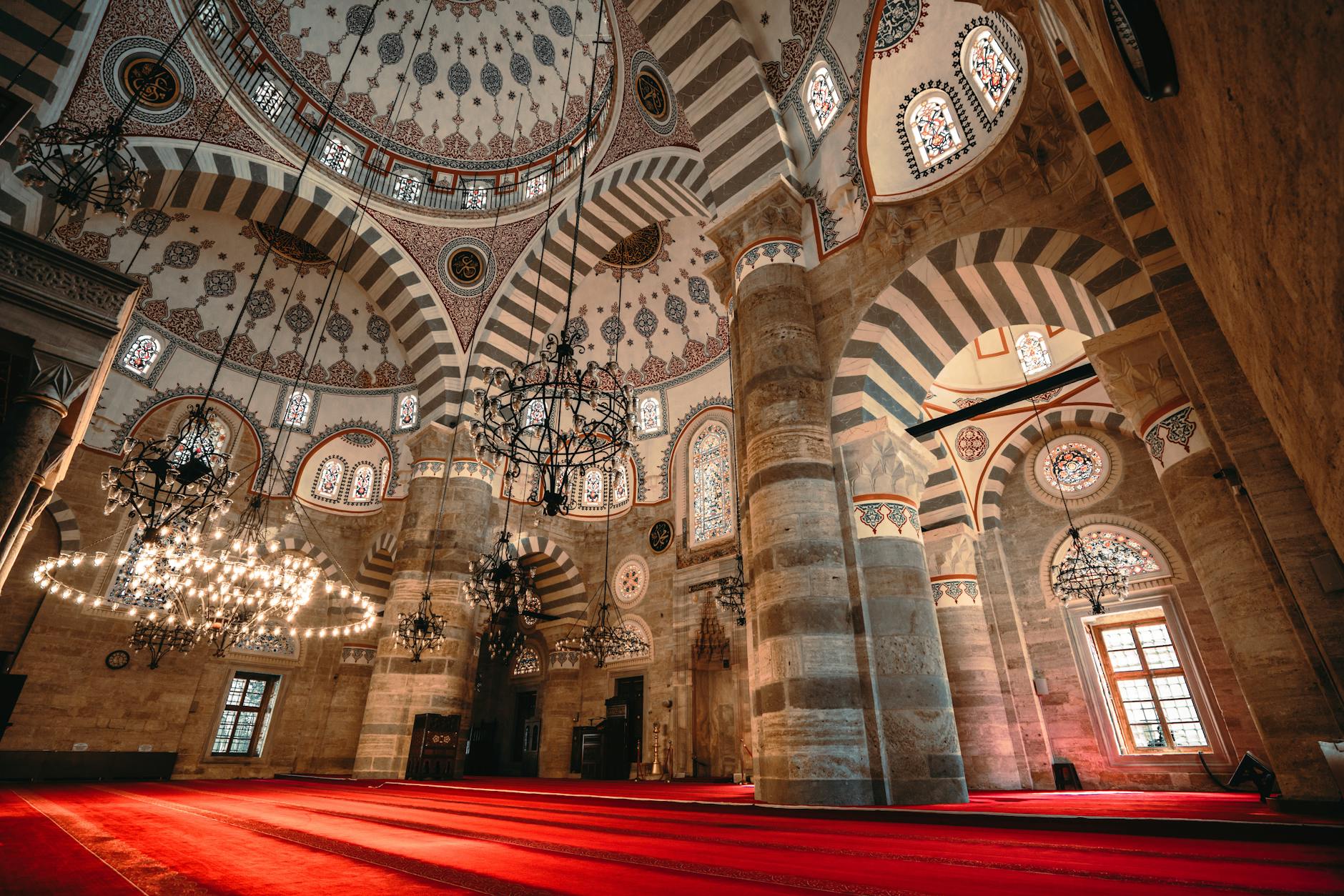
In this article, I’m going to show you why the Mihrimah Sultan Mosque in Edirnekapi is my absolute favorite hidden gem in Istanbul. You will learn about the revolutionary engineering techniques used by the legendary Imperial Architect Mimar Sinan, the poignant history of the Ottoman princess it was named for, and why this specific spot at the city’s highest point offers a spiritual experience that the more famous landmarks simply can’t replicate.
Imagine standing on the summit of the city’s sixth hill, right against the ancient Byzantine walls, where the chaotic roar of the metropolis finally fades into a soft hum. While most travelers lose themselves in the heavy crowds of Sultanahmet, I want to lead you to my personal sanctuary—a place where the air feels lighter and the architecture breathes. For fifteen years, I’ve wandered every corner of this city as a local, yet this “Mosque of Light” still takes my breath away. It is a masterclass in Ottoman architecture where the sun doesn’t just illuminate the space; it brings the entire structure to life, transforming the massive dome into a weightless crown of glass. Together, we’ll explore why this masterpiece remains the soul of old Istanbul.
The Architecture of the Mihrimah Sultan Mosque
The architecture of the Mihrimah Sultan Mosque is defined by a revolutionary engineering design that utilizes 161 windows to eliminate the need for traditional thick supporting walls, creating an interior flooded with natural light. This masterpiece by Mimar Sinan stands as a peak of 16th-century Ottoman architecture, pushing the boundaries of dome architecture by resting the central cupola on 4 massive arches supported by pendentives, which allows the entire structure to feel weightless and ethereal.
A Revolution in Light and Engineering
When you step inside, the first thing that hits you is the sheer volume of light. In most imperial structures like the Blue Mosque or the Suleymaniye, the massive weight of the dome requires thick piers and heavy walls that can make the interior feel somewhat dim or fortress-like. However, for Mihrimah Sultan—the favorite daughter of Sultan Suleiman the Magnificent—Sinan chose a different path. He transferred the weight of the 37-meter-high dome onto 4 great arches, essentially turning the side walls into “curtains” of glass.
By filling the tympanum—the semi-circular wall space under the arches—with rows of stained glass, Sinan achieved something previously unthinkable in 1565. The mosque contains 161 windows, which strip away the shadows typically found in religious buildings of that era. While other sites focus on interior decoration, such as the floral patterns found in the Rustem Pasha Mosque, the Mihrimah Sultan Mosque uses the sun itself as its primary ornament.
Dominating the Sixth Hill
The mosque’s location is just as strategic as its engineering. It sits on the Sixth Hill, the highest point of Istanbul’s historical peninsula, right next to the ancient Theodosian Land Walls in Edirnekapı. Because it occupies this 60-meter-high vantage point, the mosque dominates the skyline from almost any direction.
The structural purity of the exterior is striking:
- The Single Minaret: Unlike other imperial mosques with 2 or 4 minarets, this mosque has only 1, signifying its status as a tribute to a Sultan’s daughter rather than the Sultan himself.
- The Square Base: The building follows a strict square plan, which emphasizes the verticality and the “reach” toward the sky.
- The Exterior Gallery: A beautiful portico with granite and marble columns provides a transitional space that feels both intimate and grand.
The Legend of the Sun and Moon
There is a romantic soul hidden within these stones. The name “Mihrimah” translates to “Sun and Moon” in Persian (Mihr meaning Sun, Mah meaning Moon). Urban legend suggests that Mimar Sinan was secretly in love with the Princess and expressed his devotion through architectural symmetry.
Sinan built 2 mosques for her: this one in Edirnekapı and another on the waterfront in Üsküdar. It is said that every year on April 21—Mihrimah’s birthday—as the sun sets behind the single minaret of this mosque on the Sixth Hill, the moon rises simultaneously between the 2 minarets of the mosque across the Bosphorus in Üsküdar. Whether this was a calculated astronomical feat or a beautiful coincidence, it adds a layer of poetic depth to the granite and marble.
Berk’s Insider Tip: Visit on a clear, sunny day between 2:00 PM and 4:00 PM. The way the light hits the stained glass creates a purple and gold ‘shimmer’ on the marble floor that is unlike anything else in the city.
The History of Mihrimah Sultan and Mimar Sinan
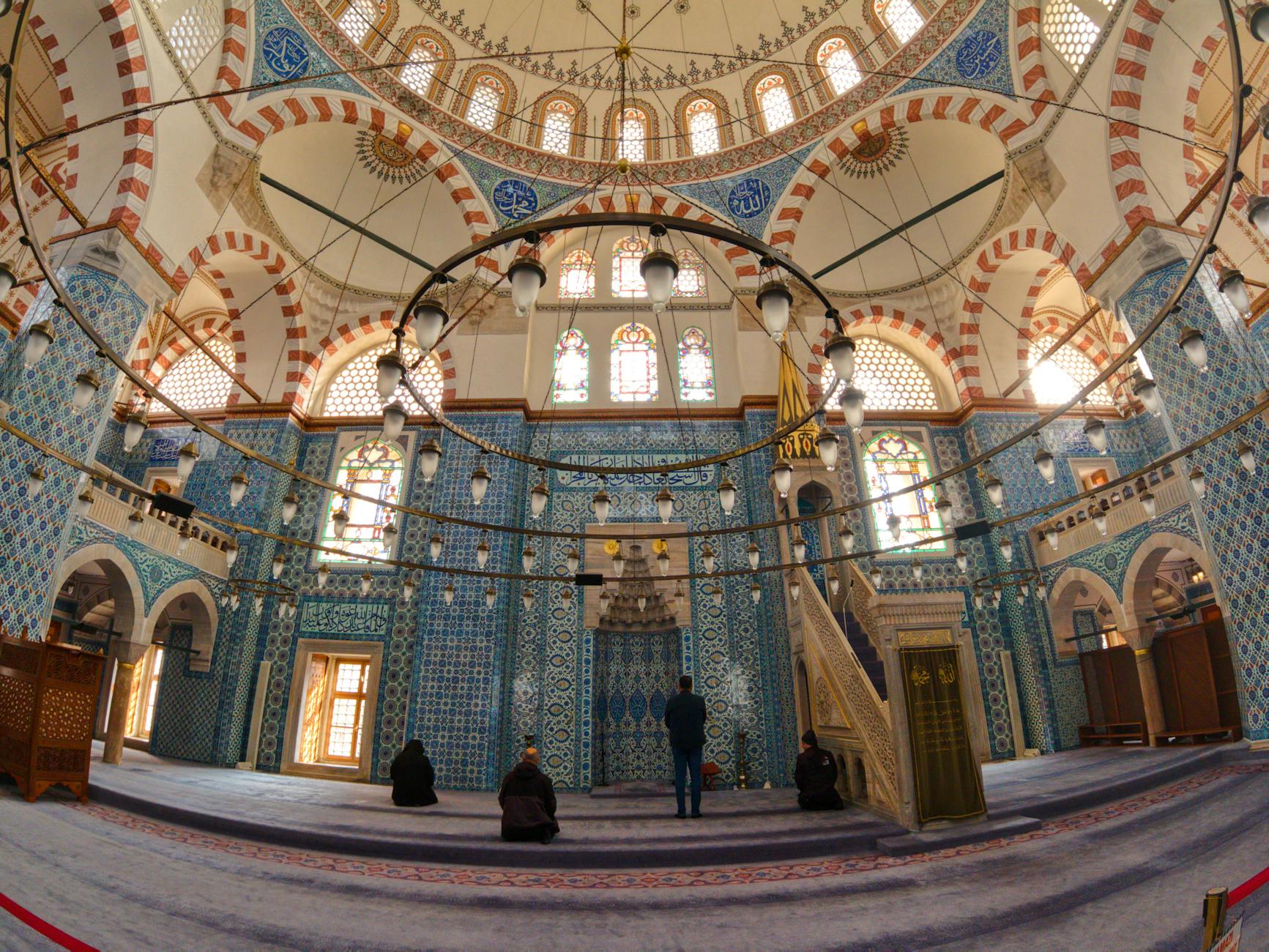
The Mihrimah Sultan Mosque at Edirnekapı stands as a 16th-century architectural tribute to the favorite daughter of Suleiman the Magnificent, designed by the royal architect Mimar Sinan to immortalize her name through a unique interplay of light and geometry. This structure is not merely a religious building but a stone-carved poem reflecting the high-stakes politics and deep personal narratives of the Ottoman dynasty during its golden age.
The Princess of the Sun and Moon
Mihrimah Sultan was the only daughter of Suleiman the Magnificent and his legendary wife, Hurrem Sultan. Born into the heart of the Imperial family, she wielded immense power within the Harem and acted as a political advisor to both her father and her brother, Selim II. Her name, which translates from Persian as “Sun and Moon,” served as the primary inspiration for Sinan’s design philosophy.
In 16th century Istanbul, building a mosque was a statement of piety and legacy. While most royal mosques featured multiple minarets to signify imperial status, this mosque has only 1. Legend suggests that Sinan chose this singular design to represent his own solitude. During the construction period in the 1560s, Sinan was already in his 70s, having completed massive projects for the Ottoman dynasty such as the Süleymaniye and various public buildings like bridges, hospitals, and soup kitchens.
A Legend Written in the Sky
The most captivating aspect of this history is the romantic myth of Mimar Sinan’s unrequited love. Although historical records show Sinan was a devoted servant to the royal family, local lore insists he was deeply in love with Mihrimah. It is said that he designed her 2 mosques—one in Üsküdar on the Asian side and this one in Edirnekapı on the European side—so that on Mihrimah’s birthday, April 21, the sun sets behind the minaret of the Edirnekapı mosque just as the moon rises over the mosque in Üsküdar.
Berk’s Insider Tip: If you look closely at the minaret from the outside, you’ll notice it’s unusually slender—a symbol of loneliness that local legends say Sinan chose to represent his heart.
This architectural feat was achieved without the aid of modern computers, relying instead on Sinan’s mastery of mathematics and astronomy. The 1560s marked a time when Istanbul history was being rewritten through stone, and Sinan used this specific location—the highest point of the city’s 7 hills—to ensure the princess’s name would always be bathed in light.
The Edirnekapı Context
Choosing Edirnekapı for the mosque was a strategic and symbolic move. This area, located right next to the ancient Theodosian Walls, was the first gate through which Ottoman Sultans entered the city after a campaign. The neighborhood is rich with other historic sites including Byzantine structures such as the Palace of the Porphyrogenitus and world-renowned spiritual centers featuring golden mosaics that tell the story of the city’s pre-Ottoman past.
The mosque was completed in 1565, following a period of intense construction that survived several earthquakes. Sinan’s genius is evident in the 161 windows that pierce the walls. By reducing the number of supporting pillars and maximizing the glass surface area, he created an interior that feels weightless. For a princess named after light, the architect essentially built a jewelry box of sunbeams, ensuring that her presence would be felt by anyone who stepped inside for centuries to come.
How to Get to Edirnekapi
Reaching the Mihrimah Sultan Mosque in Edirnekapi is most efficient by using the T4 Topkapi-Mescid-i Selam Tram or the Metrobus, both of which have dedicated Edirnekapi Station stops located less than 300 meters from the mosque entrance. These high-capacity transit lines bypass the heavy road traffic often found in the Fatih District, making them the most reliable options for travelers coming from any part of the city.
Master the T4 Tram and Metrobus
If you are starting your journey in the old city hubs like Sultanahmet or Sirkeci, take the T1 Tram towards Bağcılar and get off at the Topkapı station. From there, follow the signs for a 3-minute walk to the T4 Topkapi-Mescid-i Selam Tram line. Ride the T4 for exactly 3 stops to arrive at the Edirnekapi Station. This line is a local favorite because it runs partially underground, avoiding the congestion of the main arteries.
For those staying in areas like Beşiktaş, Şişli, or the Asian side (Kadıköy/Üsküdar), the Metrobus is your best ally. This bus-rapid-transit system uses its own lanes, separated from regular traffic. Board any Metrobus (such as the 34G or 34AS) and disembark at the Edirnekapi stop. This station is uniquely positioned on a bridge; when you exit, you will find yourself overlooking the historic Byzantine land walls.
Navigating the Fatih District on Foot
Once you step off at the Edirnekapi Station, the massive dome of the Mihrimah Sultan Mosque will be visible on the horizon. The walk takes approximately 5 minutes. As you exit the station, head toward the main street, Fevzi Paşa Caddesi. You will be walking through a section of the city that feels significantly more traditional than the tourist-heavy Taksim or Sultanahmet.
The Fatih District is the heart of “Old Istanbul,” and the streets surrounding the mosque are filled with local artisans, such as carpenters and copper smiths. Before you make the trek to the city’s highest point, I highly recommend starting your morning with a proper Turkish breakfast at one of the smaller, family-run shops in Fatih to fuel your walk.
Istanbul Travel Tips for the Route
To travel like a 15-year local, always ensure your Istanbulkart is topped up with at least 50 TL before heading to the Metrobus, as the fare is calculated by the number of stops traveled. At the end of your Metrobus journey, tap your card on the “refund machines” (İade Makinesi) near the exit to get a partial refund of your fare.
| Transport Mode | Connection Point | Est. Time from Sultanahmet | Cost (Approx.) |
|---|---|---|---|
| T4 Tram | Topkapı Transfer | 25 minutes | 17.70 TL |
| Metrobus | Zincirlikuyu or Cevizlibağ | 40 minutes | 20-25 TL |
| Taxi/Ride-share | N/A | 20-50 minutes | 250-400 TL |
Frequently Asked Questions
Is the walk from the station to the mosque steep?
No, the walk from the Edirnekapi Station to the Mihrimah Sultan Mosque is mostly flat. While the mosque is located at the city’s highest point (the Sixth Hill), the transport stations are built on the same elevation level as the mosque complex.
Can I use the M1 Metro line to get there?
Yes, you can take the M1A or M1B Metro lines to the Ulubatlı station. However, this requires a 12-minute uphill walk to reach the mosque. The T4 Tram and Metrobus remain the more convenient choices for direct access.
Exploring the Neighborhood: The Theodosian Walls and Beyond
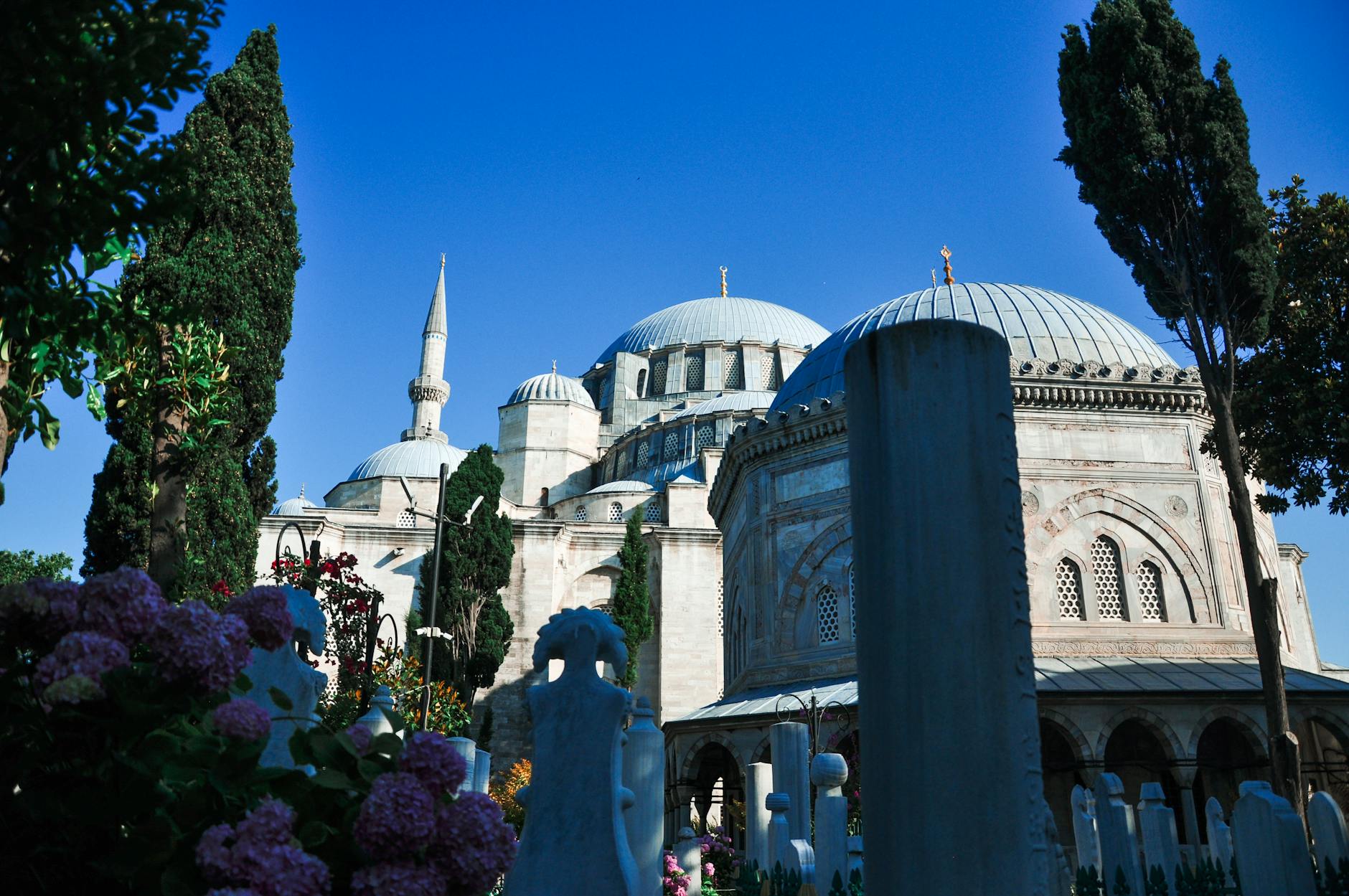
The Mihrimah Sultan Mosque sits directly adjacent to the Edirnekapı gate, the highest point of the Theodosian Land Walls, offering an unparalleled opportunity to explore 1,600 years of Istanbul history within a single 10-minute walk. This location marks the spot where the Ottoman Sultan Mehmed II entered the city in 1453, but the layers of history here go much deeper than a single conquest.
The Gateway of Empires: Edirnekapi Gate
The mosque is inextricably linked to the Edirnekapi gate, one of the most significant entrances in the 6.5-kilometer-long fortification system. Historically, this gate served as the primary entrance for victorious emperors and sultans returning from Western campaigns. When you stand in the courtyard of the mosque, you are literally looking at the edge of the ancient world. The transition from the delicate, light-filled interior of Mimar Sinan’s masterpiece to the massive, weathered stones of the Byzantine history fortifications is a sensory shift that defines this district.
Walking through the gate itself, you encounter the city fortifications that stood unbreached for nearly 1,000 years. These walls consist of three distinct layers: an inner wall, an outer wall, and a deep moat. Today, these layers provide a rugged playground for those who want to see the “unfiltered” Istanbul. Unlike the sanitized tourist zones of Sultanahmet, the area around the walls in neighborhoods like Karagümrük and Ayvansaray remains a living, breathing part of the city.
Walking the Stones of the Theodosian Land Walls
To truly experience the scale of the city’s defense, you must walk the restored and unrestored sections of the Theodosian Walls. Starting from the mosque, head north toward the Golden Horn. Within 15 minutes, you will reach landmarks like Tekfur Sarayı (the Palace of the Porphyrogenitus), a rare example of late Byzantine residential architecture, and the nearby Chora Church with its world-famous mosaics.
The walk is a masterclass in sightseeing for those who prefer boots-on-the-ground exploration. As you navigate the path alongside the 22-meter-high towers, you will notice urban gardens, known as Bostans, nestled in the old moats. Local families have farmed these small plots of land for generations, growing vegetables like lettuce, arugula, and radishes right in the shadow of the ancient stones. This juxtaposition of domestic life against the backdrop of monumental history is what makes this part of Istanbul so special. It is not a museum; it is a neighborhood that happens to be built into a fortress.
Light vs. Might: A Study in Contrasts
The most fascinating aspect of this area is the architectural dialogue between the mosque and the walls. Mimar Sinan designed the Mihrimah Sultan Mosque with 204 windows, creating an interior that feels weightless and ethereal. This was a deliberate choice to honor the “Sun and Moon” (the meaning of Mihrimah’s name).
In contrast, the Theodosian Land Walls are the embodiment of “might.” These are heavy, limestone and brick structures built to repel sieges and earthquakes. When you look at them side-by-side, you see two different philosophies of power: the Byzantine Empire’s focus on defensive survival and the Ottoman Empire’s peak-era confidence in aesthetics and light. While the walls are scarred by cannonballs and time, the mosque stands as a pristine jewel. To appreciate one, you must see the other; the ruggedness of the fortifications makes the elegance of the mosque feel even more miraculous.
Berk’s Insider Tip: After your visit, walk 5 minutes down the hill to the local ‘Esnaf Lokantası’ (tradesman restaurant) nearby. It’s where I go for the best home-cooked ‘kuru fasulye’ (white bean stew) in the district.
Exploring the “cracks” of the city here is highly rewarding. If you follow the walls further south toward the Golden Gate and Yedikule, you move away from the crowds and into the heart of the city’s ancient spirit. Every stone in this district has a story, and as someone who has lived here for 15 years, I can tell you that the view of the sunset from the top of the ramparts near Edirnekapı is the best free show in Istanbul.
Frequently Asked Questions About Mihrimah Sultan Mosque
Entry to the Mihrimah Sultan Mosque is free for all visitors, and the complex remains open daily from early morning until the final evening prayer. Unlike the converted museums in the city, this remains a living monument where you can witness the local spiritual life of the Edirnekapi district without paying a single Lira.
What are the opening hours and the best time to visit?
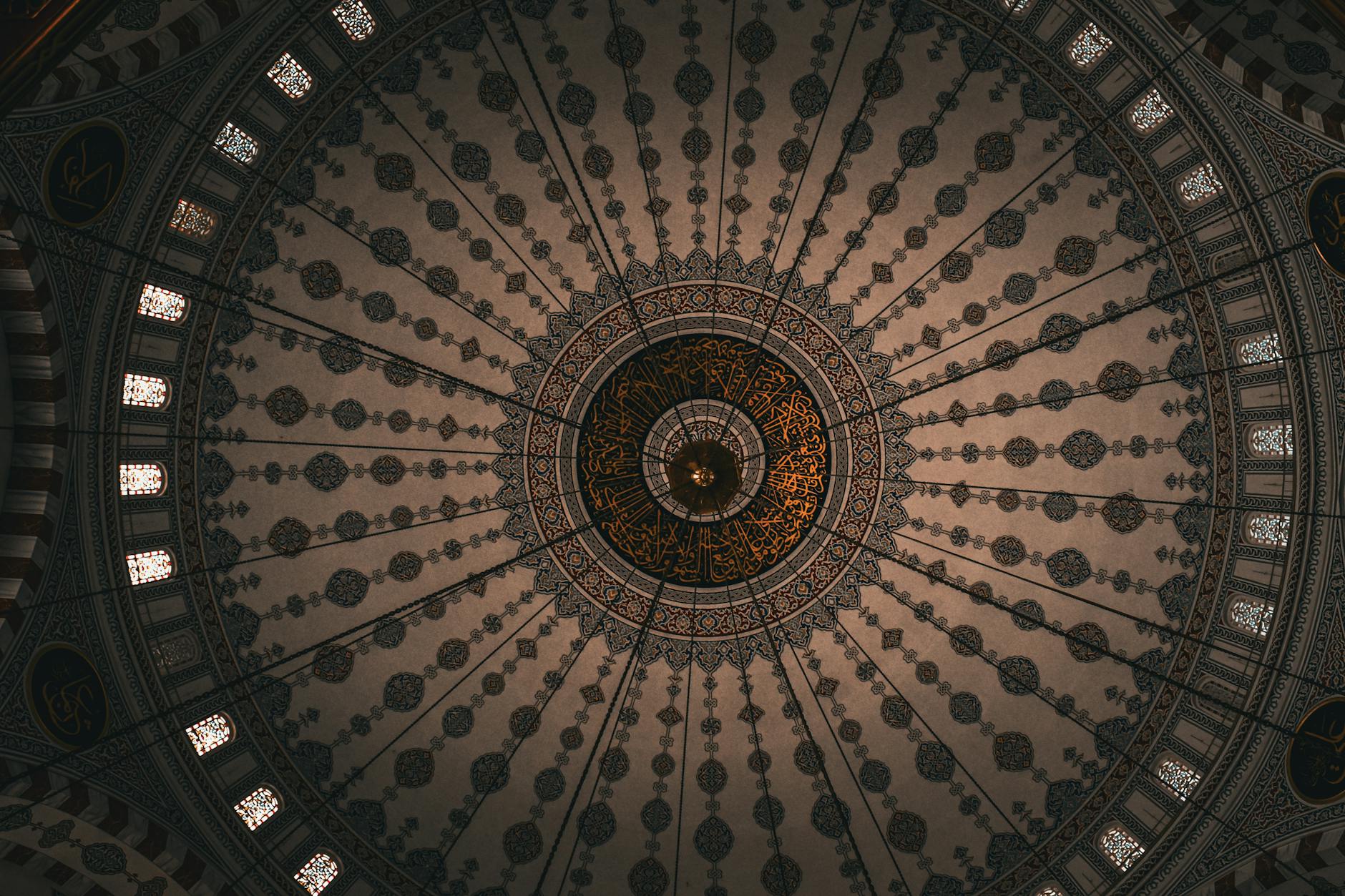
The mosque generally follows the rhythm of the sun, opening around 08:30 and closing after the last prayer of the day. While there are no formal “tourist hours,” the best time to visit is between 09:00 and 11:00 or between 13:30 and 15:30. These windows fall between the 5 daily prayer times, ensuring you have the freedom to walk around the interior without disturbing the congregation. If you want to experience the legendary light display that gives this “sun-kissed” mosque its name, aim for the mid-afternoon. The way the sun hits the 161 windows creates a glow that you simply won’t find in the heavier, darker structures like the Blue Mosque or Süleymaniye.
What is the required dress code for visitors?
Strict adherence to mosque etiquette is required to respect the sanctity of this active religious site. All visitors must choose modest dress before entering the prayer hall. For men, this means trousers that cover the knees and shirts that cover the shoulders. Women are required to cover their heads, shoulders, and legs. If you are wearing shorts or a skirt, don’t worry—there are usually clean robes and headscarves available for free at the entrance. You must also remove your shoes before stepping onto the carpets; you can either leave them in the wooden shoe racks at the door or carry them with you in a bag.
Is photography allowed inside the mosque?
Photography is permitted and encouraged, provided you follow basic photography etiquette. You should never use a flash, as it can damage the historical integrity of the interior and distract those in prayer. It is also considered disrespectful to take direct photos of people while they are performing their ablutions or praying. Because the interior is so bright due to Sinan’s architectural genius, you won’t need a tripod—which is lucky, as tripods are generally prohibited without a professional permit.
Is it still an active place of worship?
The Mihrimah Sultan Mosque is a fully active place of worship and a cornerstone of the local community. You will hear the Ezan (the call to prayer) broadcast from the minaret throughout the day. During these times, the main carpeted area is reserved for worshippers. If you happen to arrive during a prayer service, which usually lasts about 20 to 30 minutes, I recommend spending that time exploring the outer courtyard or the nearby Edirnekapi section of the Byzantine city walls. This visitor guide tip ensures you see the mosque at its most peaceful while respecting the local traditions.
Conclusion
When you finally stand directly under that massive dome, something strange happens. The weight of the world—and the heavy, stone-laden history of this city—just seems to evaporate. It’s what I call the “Mihrimah effect.” Unlike the somber, shadowed grandeur of the larger imperial mosques, Sinan designed this space to breathe. With those hundreds of windows pouring light onto the pale marble, you don’t feel like you’re inside a fortress; you feel like you’re standing inside a lantern.
I know it’s tempting to stay within the familiar, comfortable orbit of Sultanahmet. I get it; those landmarks are world-class for a reason. But if you really want to feel the pulse of the “real” Istanbul, you have to be willing to climb. You have to make your way up to Edirnekapı, the highest point of the historic peninsula. Out here, far from the frantic energy of the bazaar and the tourist crowds, the city feels honest. You’re standing atop the ancient walls, looking down at a landscape that has shifted for two millennia, yet inside this mosque, everything remains perfectly still.
My final piece of advice? Don’t just tick this off your list and head back to the hotel. After you’ve had your fill of the light, walk five minutes over to the Theodosian Walls. Find a quiet spot as the sun begins to dip toward the horizon. When the call to prayer begins to echo from minaret to minaret across the valley, you’ll realize that the journey to this hilltop wasn’t just about seeing a building—it was about finally seeing the city for what it truly is.
The view from the top is always better when you’ve left the beaten path to find it.
See you somewhere between the two continents,
Berk
Comments
Share your thoughts with us