
The Only Reason I Brave the Traffic to Spend an Afternoon in Teşvikiye
I hate Nişantaşı. Truly. I hate the way the taxi drivers look right through you like you’re a piece of garbage clogging their lane. I hate the smell—that nauseating mix of idling diesel exhaust and five-hundred-dollar oud perfume. Every time I step onto these sidewalks, the sheer, unadulterated ego of the place hits me like a wet slap. It’s exhausting. Yet, here I am again. It’s Tuesday. I’m squeezed into a tiny metal chair in Teşvikiye, dodging a delivery scooter that missed my left kneecap by a hair. My espresso cost more than my actual lunch yesterday. The waiter? He hasn’t looked at me once. He’s too busy pretending he’s in a French new-wave film to notice a guy who’s lived here for fifteen years. But I keep coming back. God help me, I do. Because beneath the fillers and the frantic honking, this neighborhood has a pulse. A real one. It’s messy and rude and overpriced, but it’s the only corner of this city where the chaos feels earned. I’m not here for the gold-plated nonsense. I’m here for the grit.
The Reality of Nişantaşı Traffic and Noise
Nişantaşı is the loudest, most suffocating district in the city, and anyone who tells you it’s a peaceful stroll is probably trying to sell you a 500-dollar handbag you don’t need. I’ve lived in Istanbul for 15 years, and I still have to mentally prepare myself before I step off the metro at Osmanbey. It is a sensory assault. You aren’t greeted by the smell of sea salt or roasting chestnuts; you’re greeted by a thick, heavy wall of smog and the metallic screech of a thousand brake pads.
The Valikonağı Nightmare
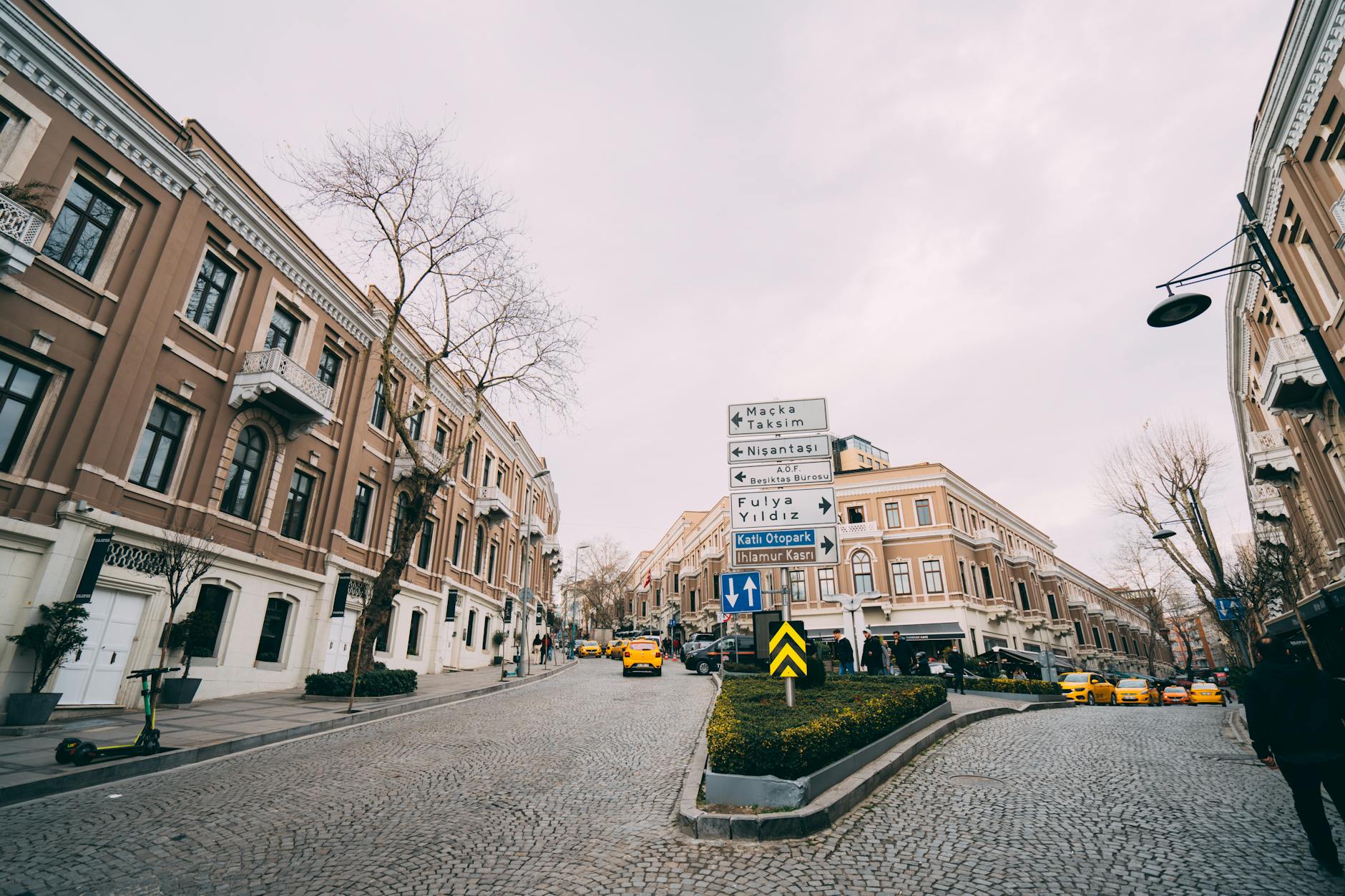
Valikonağı Caddesi is where your patience goes to die. I’m not being dramatic. It’s a case study in human stubbornness. You have these massive public buses trying to squeeze past double-parked SUVs, while pedestrians weave through the gaps like they have a death wish. It’s a mess. I stood on the corner for 10 minutes yesterday just watching a delivery guy try to navigate a motorized scooter through a gap that wouldn’t fit a bicycle. He failed. He yelled. The car driver yelled back. That is the soundtrack of Teşvikiye.
If you are looking for the best neighborhood to stay to avoid this kind of headache, look elsewhere. I love this city, but I hate what the car culture has done to this specific corner of it.
The Taxi Trap: Just Don’t
Don’t even think about getting into one of those yellow taxis here. Seriously. Just don’t. It is a trap in every sense of the word.
- They won’t take you: If you want to go somewhere “too close,” they’ll wave you away with a disgusted look.
- The Meter is a Lie: Even if they take you, you’ll sit in the same spot on Abdi İpekçi for 20 minutes while the meter ticks up and the driver chain-smokes out the window.
- The Escape is Faster: You can literally walk from the top of the hill to the Beşiktaş coastline faster than a car can crawl through the gridlock.
I’ve lost hours of my life sitting in the back of a cab here, staring at the back of a bus, smelling nothing but exhaust and regret. Use your legs.
Luxury Glass and Crumbling Clay
There’s a ridiculous contrast here that always cracks me up. You have these gleaming, high-end storefronts—Prada, Louis Vuitton, the whole lot—with window displays that cost more than my apartment. But look down. The sidewalk tiles are a disaster. They’re loose, uneven, and if it has rained in the last 24 hours, they turn into little traps. Step on the wrong one and boom—grey, oily street water all over your shoes.
Berk’s Insider Tip: If you need a bathroom and don’t want to buy a 200 TL coffee, head into City’s Nisantasi mall. It’s the only clean, free option that won’t give you a headache.
It’s this weird mix of extreme wealth and basic infrastructure failure that makes this Istanbul neighborhood guide necessary. You need to know that the “glamour” of Nişantaşı comes with a side of grime. The noise is constant. The construction is never-ending. Someone is always drilling something into a wall at 09:00 AM. It’s frustrating, it’s crowded, and it’s loud. But for some reason, I keep coming back. Maybe I’m just a glutton for punishment, or maybe there’s something real buried under all that engine heat.
The Best Coffee Spots in Teşvikiye
Most people in this neighborhood don’t actually give a damn about the bean; they care about who sees them holding the cup. If you’re looking for a quiet, soul-searching moment with a pour-over, stay on the ferry and head back to Kadıköy. Teşvikiye is loud, it’s pretentious, and the smell of expensive perfume usually overpowers the aroma of the roast. But, I’ve lived here for 15 years, and I’ve learned that if you want a decent espresso while watching the madness of Nişantaşı unfold, you have to play the game.
The MOC Istanbul Circus
I have a love-hate relationship with MOC Istanbul. Mostly hate, if I’m being honest, but the coffee keeps me coming back like a glutton for punishment. It is, without a doubt, the loudest place on the planet. Why do they feel the need to blast deep house at 10:00 AM? I sat there last Tuesday trying to read a manuscript, and the bass was literally vibrating my chair. It’s obnoxious. The service? Usually hit or miss. I once waited 15 minutes for a flat white while the barista discussed his weekend plans with a regular.
However—and this is a big “however”—their third wave coffee is actually legitimate. They don’t burn the beans into charcoal like the big chains. If you can stomach the noise and the sea of influencers posing with their lattes, the actual liquid in the cup is some of the best in the city. Just don’t expect a “relaxing” experience. You’re there to be caffeinated and overstimulated. Period.
Finding a Corner at Petra and Cup of Joy
When I can’t take the MOC ego anymore, I head toward Petra Roasting Co. It’s tucked away a bit better, but don’t think you’re finding a “hidden” spot—nothing in this zip code is a secret. Petra is where the “creative directors” and architects hang out. It feels a bit more grown-up. The coffee quality is top-tier. I’m a snob about acidity, and Petra usually gets it right. They respect the bean.
But here’s the reality: finding a seat is a blood sport. I’ve seen grown men in 5,000-Lira loafers almost come to blows over a small wooden stool near the window. If you manage to snag a spot, hold onto it.
Cup of Joy is my other go-to when I need to actually hear my own thoughts. It’s smaller, a bit more tucked into the passage, and feels less like a runway. The Tesvikiye cafes scene is exhausting, so having a place where the staff actually recognizes you after 3 visits is a luxury. Their flat white is consistent. No surprises, no burnt milk, just a solid caffeine hit.
The “People-Watching Tax”
You have to understand something about the best coffee Nisantasi has to offer: you aren’t just paying for the caffeine. You’re paying the “people-watching tax.” A latte here costs significantly more than it does three metro stops away. Why? Because you’re paying for the curb-side real estate.
I’ve spent countless afternoons sitting on a hard metal chair, breathing in the exhaust fumes from a line of idling taxis on Teşvikiye Caddesi, just to watch the chaos. It’s a theater of the absurd. You’ll see socialites walking dogs that cost more than my car, students pretending to study while scouting for celebrities, and the occasional confused tourist wondering why everything is so expensive. It’s messy, it’s superficial, and I absolutely love it.
| Cafe | Noise Level (1-10) | Coffee Snob Grade | The “See and Be Seen” Factor |
|---|---|---|---|
| MOC | 11 | A- | Maximum Ego |
| Petra | 7 | A+ | Intellectual Chic |
| Cup of Joy | 4 | B+ | Low Profile |
| Grandma | 8 | B | High-Society Brunchers |
Is it worth it?
Honestly? Sometimes I wonder. I’ll be sitting there, my ears ringing from the music, paying 90 Lira for a cup of coffee while a delivery scooter nearly clips my knees on the sidewalk. It’s chaotic. It’s dirty. The waiters can be dismissive if you aren’t wearing the right brand.
But then I take a sip of a perfectly pulled shot from a third wave coffee roaster, watch the sun hit the top of the Teşvikiye Mosque, and I get it. This neighborhood has an energy that you can’t find anywhere else in Istanbul. It’s the friction between the high-end polish and the gritty reality of a city of 16 million people. You don’t come here for peace. You come here to feel the pulse of the city, even if that pulse is a bit too fast and a bit too loud.
Just do me a favor: if you go to MOC, don’t be the person taking 400 photos of your latte art. Just drink the damn coffee.
What to Eat When You’re Sick of Trendy Food
Stop looking at the menus with avocado toast and “artisan” sourdough. It’s a scam. If you want to eat like a human being who actually lives in Istanbul, you go straight to Hünkar Lokantası. Don’t bother with those overpriced burger joints that look like they were copy-pasted from a London side street. I’ve seen 10 of them open and close in the 15 years I’ve lived here, and frankly, I hope the rest follow suit. They’re loud, the chairs are uncomfortable, and the food has no soul.
Hünkar is different. It’s the only place in the neighborhood that deserves your time and your money. It’s an Esnaf Lokantası (tradesman restaurant) that went upscale but kept its dignity. When I walk in, I don’t want a QR code menu. I want to look at the trays. I want to see the glaze on the eggplant and the steam rising from the lamb.
The Real Deal: Hünkar Lokantası
I remember taking a friend there last July. The humidity was 90%, the traffic on Valikonagi was a nightmare of honking taxis and exhaust fumes, and I was in a foul mood. One plate of their Zeytinyağlı (vegetables poached in olive oil) fixed me.
Why is it better than the “fusion” junk next door?
- The Technique: They don’t overcomplicate things. The artichokes aren’t “infused” with nonsense; they just taste like the best artichokes you’ve ever had.
- The Consistency: I’ve eaten here 50 times. The Hünkar Beğendi (lamb stew over smoky eggplant purée) tastes exactly the same today as it did a decade ago.
- The Vibe: The waiters are professionals. They aren’t 19-year-olds trying to be actors. They know the menu. They’ll tell you if the okra is particularly good today. Listen to them.
Berk’s Insider Tip: Look for the ‘Topağaçı’ sub-district within Teşvikiye. It’s where the actual locals hang out to avoid the influencers on the main drag.
Avoiding the Trap
I hate to say it, but most Nisantasi restaurants are designed for Instagram, not for your stomach. You’ll see people spending 30 minutes taking photos of a cold poached egg while a line of frustrated drivers screams outside the window. It’s pathetic.
If you aren’t in the mood for a full sit-down meal at Hünkar, look for the survivors in the backstreets. There’s a tiny place near the mosque—I won’t give the name because it’s already too crowded—where the Lahmacun is so thin it’s like a cracker. That’s the Teşvikiye I love. The one where you’re squeezed between a guy in a 5,000-dollar suit and a delivery driver, both of you covered in flour and grease.
I’ve had enough of the “clean eating” trend. Give me something that has been simmering for 6 hours. If you want a sterile experience, go to a mall. If you want to feel the city, you eat where the table wobbles a little and the air smells like roasted meat. It’s a bit like going to a traditional Istanbul meyhane—there’s a specific rhythm to it that you can’t fake with neon lights and “industrial” decor.
Seriously, don’t be tempted by the place with the pink flowers on the wall. The food is garbage. I tried it once because my cousin insisted, and I’m still mad about the 400 lira I spent on a dry chicken wrap. Stick to the classics. Your stomach will thank me, even if your feet are sore from dodging the Vespas on the sidewalk. Teşvikiye is messy, loud, and expensive, but when you’re sitting in front of a plate of Hünkar’s rice pudding, none of that matters. Just eat. Then get out before the evening rush hour turns the streets into a parking lot.
Teşvikiye Mosque and the Neighborhood Square
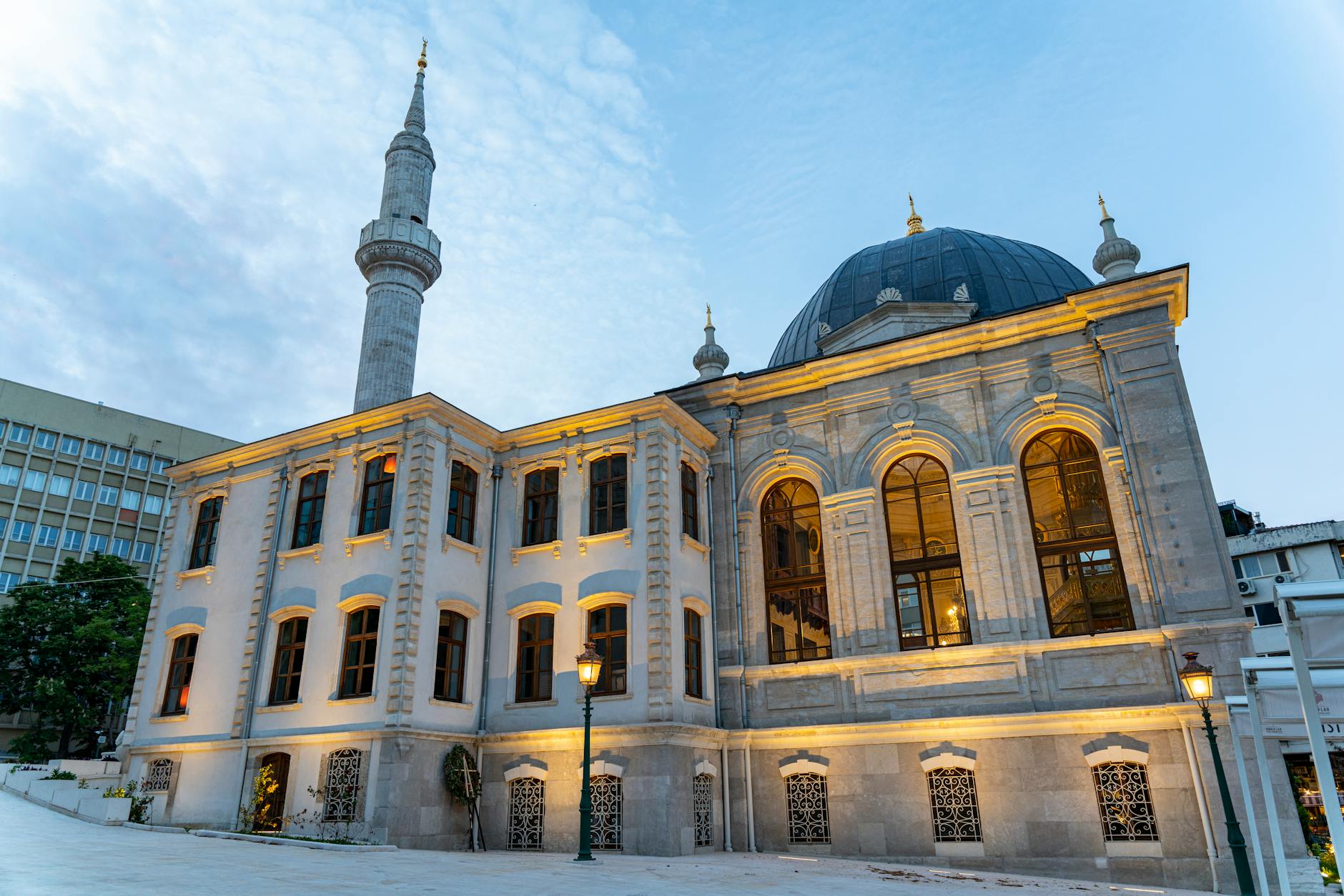
I honestly believe if you want to understand the identity crisis of 19th-century Istanbul, you just need to stand in front of Teşvikiye Camii for 5 minutes. Most tourists waste their time at the Blue Mosque, but that’s a museum. This? This is a living, breathing contradiction. Sultan Abdülmecid commissioned this thing back in 1854, and he clearly wasn’t looking for traditional aesthetics. He wanted Neo-Baroque. He wanted to show the world that the Ottomans could do “European” better than the Europeans.
The architecture is weird. I mean that in a good way. Those massive columns and those tall, skinny windows feel more like a Parisian opera house than a place of prayer. It’s a middle finger to the old-school lead domes and Iznik tiles you see in Sultanahmet. It’s bold. It’s slightly arrogant. It’s pure Istanbul history wrapped in a fancy marble coat.
The High-Society Send-off
Don’t be shocked if you stumble upon a crowd of paparazzi and men in very expensive suits. Teşvikiye Mosque is the unofficial funeral parlor for the city’s “Old Money” and the celebrity elite. I remember being stuck in a human bottleneck here a few years back because some famous singer was being buried. The air smelled of expensive perfume and cheap diesel exhaust.
It’s a spectacle. You’ll see women in Chanel sunglasses weeping next to street vendors selling simit. This square is where the secular elite of Nişantaşı comes to face their mortality. It’s the only time these people ever set foot in a mosque, and the tension between the religious space and the high-fashion surroundings is thick enough to cut with a knife. Slightly morbid? Maybe. But it’s the most authentic slice of upper-class life you’ll find.
The Real Owners of the Courtyard
While the humans are busy posing or praying, the cats are running the show. The Teşvikiye cats are different from the ones in Kadıköy or Galata. They have an attitude. They’re well-fed—probably on gourmet treats—and they own the Teşvikiye Camii courtyard like they built it themselves. I once watched a fat calico cat stare down a security guard until he moved his chair out of her sunspot.
The stone floor is usually covered in a bit of city grime and fallen leaves, but the cats don’t care. They sleep on the historical ledges of the Ottoman architecture like they’re lounging in a 5-star hotel. It’s a mess of fur and history. Just don’t try to pet them unless they give you the nod. They’ve seen enough socialites to know how to spot a fake.
Berk’s Insider Tip: Visit the Teşvikiye Mosque during a call to prayer; the way the sound bounces off the narrow high-end streets is eerie and beautiful.
How to Get to Teşvikiye Without Losing Your Mind
If you try to drive a car into Teşvikiye, you deserve the 2-hour traffic jam you’re about to endure. I’m serious. I’ve lived in this city for 15 years, and I still see people trying to find “street parking” near the mosque like they’re looking for the Holy Grail. It doesn’t exist. Every available inch of curb is owned by a valet with a bad attitude or blocked by a delivery truck leaking diesel fumes onto the pavement.
The Only Sane Way: The M2 Metro Line
The M2 Metro Line is the only way to get here without needing a therapy session afterward. You get off at Osmanbey. Don’t get confused and stay on until Hacıosman; that’s a one-way ticket to the suburbs. Once you’re at Osmanbey, follow the signs for the “Rumeli” exit. If you take the wrong stairs, you’ll end up in a sea of wholesale textile shops selling cheap sequins.
Once you hit the daylight, the walk to Teşvikiye takes maybe 10 minutes. It’s a narrow, crowded sidewalk experience. You’ll be dodged by delivery guys on scooters and tourists who stop dead in the middle of the path to look at Google Maps. Just keep moving. The transition from the grit of the metro exit to the high-end storefronts of Nisantasi happens fast. One minute you’re smelling exhaust and stale simit, the next you’re smelling expensive perfume and ego.
The Beşiktaş Hill: A Vertical Nightmare
I see people on social media suggesting the walk up from Beşiktaş. Don’t listen to them. They probably didn’t actually do it, or they have lungs made of steel. The climb from the coast up to Teşvikiye is a vertical nightmare. It’s steep, the sidewalks are broken, and by the time you reach the top, you’ll be sweating through your shirt.
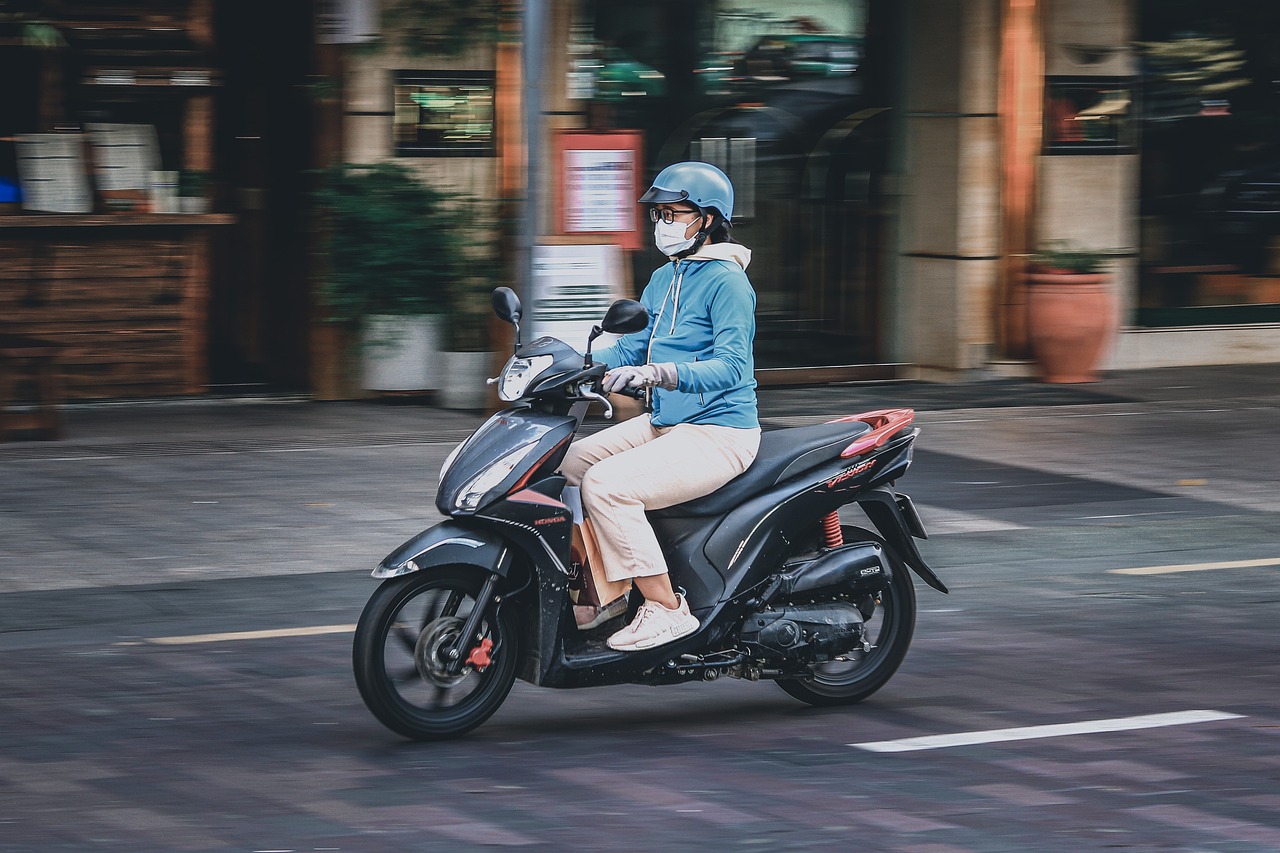
If you just finished my Bosphorus ferry-hopping and found yourself at the Beşiktaş pier, do yourself a favor: take a Dolmuş. These yellow mini-buses are the chaotic lifeblood of the city. You squeeze in, pass your money to the stranger in front of you, and pray the driver doesn’t hit a pedestrian as he flies up the hill. It’s 10 times better than walking that incline.
My Rules for Navigating the Chaos
To make sure you actually enjoy your afternoon instead of spending it swearing at a taxi meter, follow these rules:
- Forget the Taxis: They will refuse to go into the narrow side streets of Teşvikiye anyway. They’ll drop you 4 blocks away and charge you for the “scenery” of a traffic jam.
- Osmanbey is King: Use the metro. It’s fast, it’s air-conditioned (usually), and it doesn’t care about the gridlock on Vali Konağı Caddesi.
- The 26B Bus Trap: Avoid it. It looks like a good idea on paper, but it gets stuck in the same traffic as everyone else. I’ve spent 40 minutes on that bus moving exactly 200 meters.
- Parking is a Myth: If you absolutely must drive, use one of the multi-story car parks (Otopark) near Maçka Park. It’ll cost you a fortune, but at least you won’t be blocked in by a delivery van for 3 hours.
I remember once trying to be “smart” and taking a shortcut through the back alleys of Şişli in my own car. I ended up stuck behind a trash truck for 30 minutes while a guy yelled at me in Turkish for “blocking his spot” that was clearly just a sidewalk. I sold that car 2 years later. Now, I walk or I take the M2. It’s the only way to keep your dignity intact in this neighborhood.
Shopping for Things You Don’t Actually Need
Buying things you don’t need is the only honest way to spend money in Teşvikiye. If you’re coming here to buy a pair of sneakers you can find at any airport mall in the world, you’re wasting your time and my patience. I’m here for the overpriced ink, the books that weigh 5 kilos, and the vintage sunglasses that make me look like a 1970s film director.
The Bookshop Snobs and the Paper Addicts
I have a complicated relationship with Robinson Crusoe 389. When they moved from their legendary spot on Istiklal, a piece of my soul withered. But seeing them here, surviving against the odds, is a small miracle. It’s cramped. It’s quiet. If you talk too loud on your phone, the staff will give you a look that could freeze a Bosphorus current. I love that. I once spent 3 hours there just smelling the paper.
Then there’s Assouline. It’s the peak of pretension, really. They sell books that cost more than my first car. But God, they are beautiful. Walking in there feels like stepping into a library owned by a very wealthy, very eccentric uncle who probably lives in Paris. I don’t need a massive tome on the history of yachts, but looking at it makes the grey Istanbul rain outside feel a bit more manageable.
I’ll take a tiny stationery shop over the Gucci flagship any day of the week. There’s a specific kind of madness in paying 200 Lira for a Japanese pen, but the way it glides across a notebook is better than any therapy session I’ve had in 15 years. These Tesvikiye boutiques aren’t about “shopping”; they’re about the tactile thrill of things that haven’t been mass-produced in a factory the size of a small city.
Malls are for Tourists; Streets are for the Rest of Us
Let’s talk about City’s Nişantaşı. Look, I get it. It’s convenient. It has air conditioning that actually works when the humidity hits 90%. But it’s also a soul-sucking void of generic luxury brands. The air in there is 40% recycled oxygen and 60% expensive perfume. I only go inside if I’m desperate for a cinema seat or if I need to use a clean bathroom.
I’d much rather dodge the erratic taxi drivers on Abdi İpekçi Street. Yes, it’s flashy. Yes, the sidewalk is a catwalk for people who have had way too much filler in their lips. But at least it’s real. You have the art galleries tucked into the upper floors of those gorgeous, crumbling apartment blocks. You have the vintage shops where you might find a Chanel scarf from the 80s if you’re willing to dig through the dust.
Last Tuesday, I walked past a shop window and saw a brass stapler shaped like a crocodile. It was completely useless. It probably wouldn’t even staple 2 sheets of paper together. I stood there for 5 minutes debating whether to buy it. I didn’t, and I’ve regretted it every hour since. That’s the Teşvikiye experience. It’s not about logic. It’s about the “want” overriding the “need” until your wallet is empty but your shelf looks incredible.
Skip the big malls. Find the shops that don’t have a security guard at the door. Those are the ones that actually matter in Nisantasi shopping.

Frequently Asked Questions
Don’t even think about driving a car into this neighborhood on a Friday afternoon unless you enjoy watching your life expectancy drop in real-time. The gridlock around Teşvikiye isn’t just bad; it’s a localized catastrophe of exhaust fumes and angry men honking at shadows. I’ve spent 15 years in this city, and I still lose my temper every time I get stuck on Vali Konağı Caddesi. Just take the M2 Metro to Osmanbey and walk. Your legs will hurt, but your soul will remain intact.
Is Nişantaşı actually safe at night?
It’s safer than a padded cell, frankly. I’ve stumbled home through these streets at 3 AM after one too many glasses of Rakı, and the only thing I had to worry about was tripping over a stray cat or a discarded luxury shopping bag. It’s the wealthiest enclave in the city. You’ve got private security guards on every corner standing outside boutiques that sell shirts more expensive than my first car. Is there crime? Sure, maybe someone will pick your pocket if you’re acting like a clueless tourist on a crowded corner. But generally? You’re fine. The real threat is the sidewalk—half the tiles are loose, and when it rains, they turn into little muddy landmines that will ruin your shoes.
Will I go broke visiting as a solo traveler?
Only if you’re stupid about it. If you sit down at a cafe where the waiter looks at you like you’re a piece of dirt on his shoe, yeah, you’re going to pay 500 TL for a lukewarm latte. I hate the pretension in some of these spots. It’s all “budget-breaking” ego. But here is one of my Nisantasi tips: look for the side streets. I found a hole-in-the-wall place near the police station last week that does a killer pide for a normal human price. You can find a decent meal without selling a kidney, but you have to ignore the flashy places with the velvet ropes.
When is the best time to visit to avoid the worst traffic?
Tuesday at 11:00 AM. Seriously. If you show up during peak hours—anything after 4:00 PM on a weekday—you are entering a parking lot that smells like burning rubber. I once sat in a bus for 50 minutes just to move 3 blocks near the mosque. It was humiliating. The noise is constant—the screech of brakes, the shouting, the sirens. If you want to actually breathe, get here early on a weekday. Avoid the weekends entirely if you hate crowds. Saturday in Teşvikiye is just a sea of people wearing the same expensive sneakers, bumping into you because they’re too busy looking at their phones. Just don’t.
Conclusion
The sun is finally dropping behind the gray concrete blocks, turning the smog over the Bosphorus a weird, bruised shade of orange. I’m squeezed into a tiny metal chair at a sidewalk café whose name I’ve already forgotten, nursing a cold brew that cost far too many Liras. The guy at the next table is shouting into his iPhone about a “digital marketing pivot” while blowing cigarette smoke directly into my face. It’s obnoxious. The traffic on Teşvikiye Avenue is a literal parking lot, a chorus of impatient horns and the thick, suffocating smell of diesel exhaust.
Everyone here thinks they’re in a Godard film or on a Milanese runway. The pretension is thick enough to choke on. You see the designer bags, the perfectly groomed poodles that have never seen a patch of dirt, the faces frozen by too much Botox. It’s easy to hate. Most days, I actually do hate it. It’s shallow, loud, and tries way too hard to be “European” in a city that is anything but.
But then the light hits the stone walls of the mosque just right, and the call to prayer starts clashing with the deep house beat thumping from the bar across the street. It’s a total mess. A beautiful, chaotic, exhausting mess. This is where Istanbul actually breathes right now. It isn’t some dusty museum or a fake bazaar stall selling “authentic” rugs to cruise ship tourists. It’s real. It’s annoying as hell, but it’s the pulse.
I’ll complain the entire way home about the crowd on the metro or the taxi driver who definitely took the long way. But I know I’ll be back next Tuesday. I need this noise. Without the ego and the exhaust of Teşvikiye, the city would just be a corpse for people to gawk at. I’ll take the headache. Every single time.
Comments
Share your thoughts with us