
Beylerbeyi Palace Entry Tips and Bosphorus Ferry Routes to the Asian Side
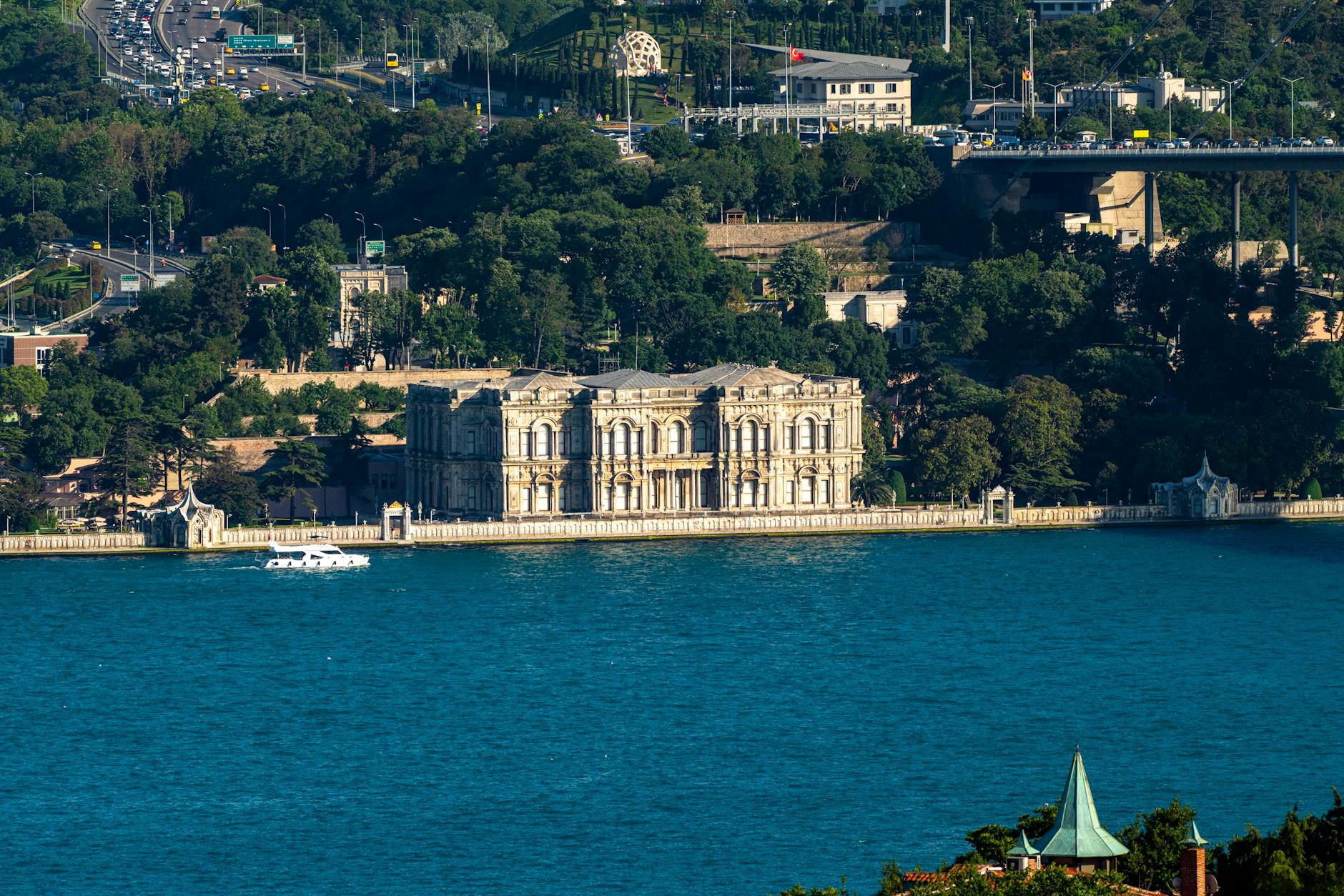
If you’ve spent your morning elbowing influencers just to get a blurry shot of a chandelier in Dolmabahçe, I have a secret to share. Cross the bridge—or better yet, take a boat—to where the Sultans actually went when they wanted to stop being Sultans for a minute. Beylerbeyi Palace isn’t the place where empires were managed with an iron fist; it was the place where they exhaled. Tucked right under the shadow of the first Bosphorus Bridge on the Asian side, this marble beauty feels less like a fortress of bureaucracy and more like a very expensive, very elegant boathouse where the 19th-century elite came to escape the suffocating humidity of the Old City.
I’ve spent fifteen years watching the ferries crisscross the strait, and I’m still convinced that the European side’s biggest flaw is that it can’t see itself. To truly appreciate the scale of this city, you have to leave the Sultanahmet bubble and look back at it from the east. Beylerbeyi offers that rare Istanbul trinity: history that doesn’t feel like a chore, a garden that actually lets you breathe, and a commute that is arguably more scenic than the destination itself. While the masses are still standing in line in Beşiktaş, the Asian side waits with a slower pace, better tea, and a palace that still feels like a discovery rather than a checked box on a tourist map.
The trick, of course, isn’t just getting there—it’s getting there like you actually live here. Skipping the overpriced private cruises in favor of the local maritime rhythm is the first step in turning a standard sightseeing day into a proper Istanbul experience.
The Art of the Bosphorus Commute: Reaching Beylerbeyi
If you find yourself sitting in a taxi on the 15 July Martyrs Bridge, watching a seagull overtake your vehicle while the meter ticks upward, you have failed the first test of Istanbul navigation. Taking a car to the Asian Side of Istanbul during daylight hours is a form of self-flagellation that I simply cannot recommend. Instead, do what those of us who have lived here for fifteen years do: reclaim your sanity by boarding a Bosphorus Ferry. There is a specific kind of smug satisfaction that comes from sipping a hot tea on a Şehir Hatları boat while looking up at the gridlocked bridge traffic from the comfort of the water.
Why the Sea Always Wins
The ferry isn’t just a mode of transport; it’s a 15-minute soul-cleansing ritual. When you depart from the chaotic hubs of Eminönü or Beşiktaş, the city noise suddenly drops an octave. You get the salty breeze, the rhythmic thrum of the engine, and the best possible view of the waterfront mansions (yalıs) that no bus window could ever offer. Beylerbeyi sits right at the foot of the bridge, and arriving by pier feels like a grand entrance to a different era. If you’ve already explored the European side’s defenses at The Guardian of the Bosphorus: Why I Never Get Tired of Rumeli Hisarı, you’ll find the transition to the lush, greener shores of Beylerbeyi a perfect aesthetic counterpoint.
Navigating the Pier Like a Local
The trick is timing. The direct ferries to Beylerbeyi are less frequent than the massive Üsküdar shuttles, so you need to be deliberate. If you miss the direct boat, don’t panic. Just take a boat to Üsküdar and hop on any northbound bus (like the 15 or 15T)—you’ll be at the palace gates in ten minutes, provided you aren’t traveling during the evening rush.
How to Reach Beylerbeyi Palace via Ferry
- Check the official Şehir Hatları schedule online or via their app, specifically looking for the “Çengelköy - İstinye” or “Bosphorus Line” stops.
- Top up your Istanbulkart at any yellow machine near the piers; a single crossing is roughly 20-30 TL (less than 1 USD at our current 45 TL rate), a fraction of a taxi fare.
- Head to the Beşiktaş or Eminönü ferry terminals at least ten minutes before departure to secure a seat on the outdoor deck.
- Order a tea (çay) and a simit from the onboard canteen to enjoy the 15-minute crossing properly.
- Disembark at the Beylerbeyi Pier, turn left, and walk three minutes along the waterfront to reach the palace entrance.
A Palace Without the Pomp: First Impressions
If Dolmabahçe is a shouting match of gold and crystal, Beylerbeyi is a whispered secret over a high-quality glass of tea. It is the quintessential “boutique” palace—the kind of place where Ottoman royalty actually went to exhale rather than just to impress foreign dignitaries. For those of us living on the Asian side, it remains the ultimate refuge from the chaotic crowds of Sultanahmet. Why queue for three hours to see a throne when you can walk through a masterpiece with barely a soul in sight?
A Balyan Masterpiece in Miniature
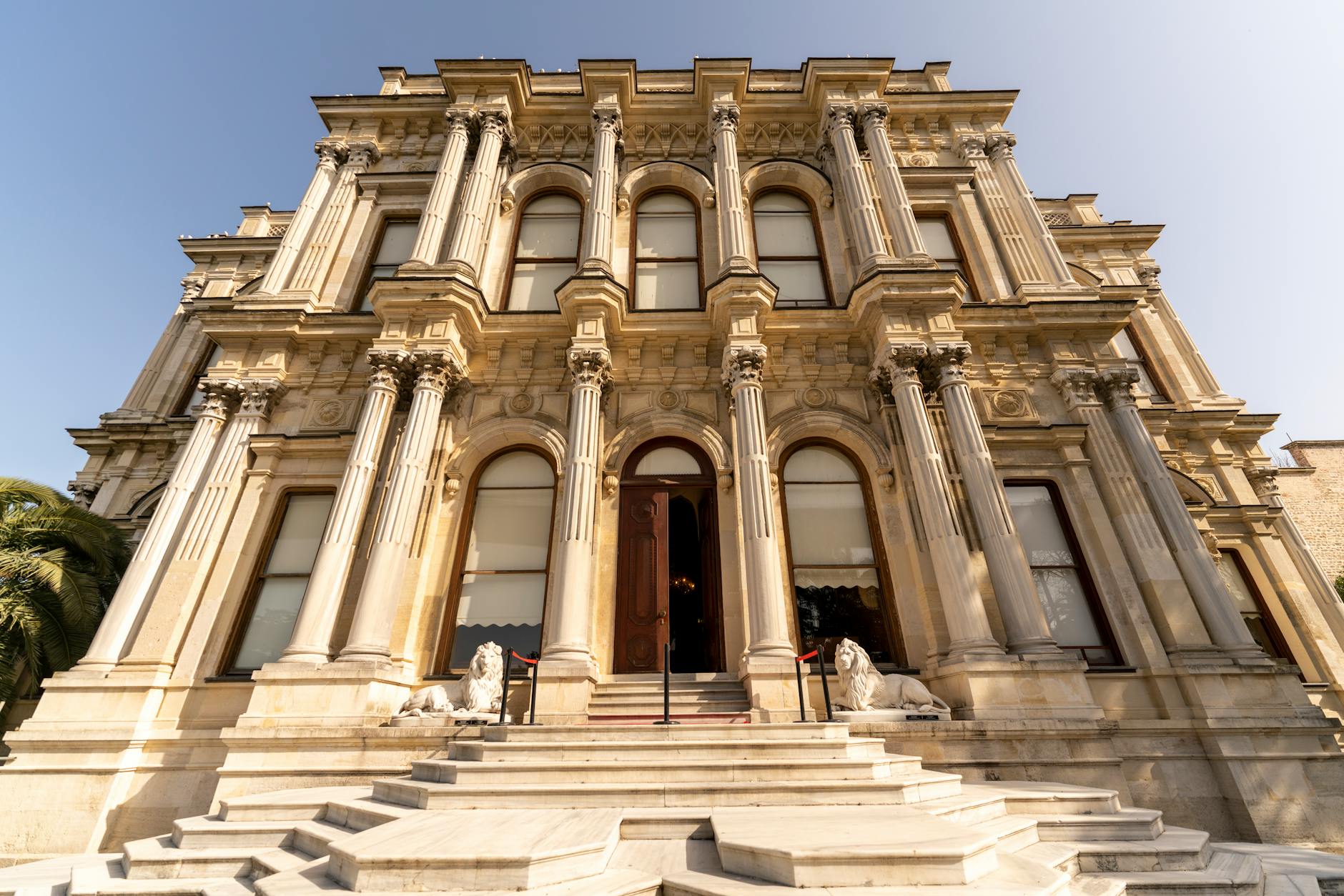
Sultan Abdülaziz didn’t want a primary residence here; he wanted the world’s most expensive guest house. He handed the keys to Sarkis Balyan, the architect who defined the 19th-century Istanbul skyline. Balyan delivered a Neo-Baroque jewel that feels surprisingly intimate. It’s not “small” by any normal human standard, but compared to the sprawling complexes across the water, it’s manageable. You can actually process the art here. The maritime influence is everywhere—Sultan Abdülaziz was obsessed with the navy—so look up; the ceiling paintings of ships are far more interesting than the standard floral patterns you see elsewhere.
The Garden of Quiet Contemplation
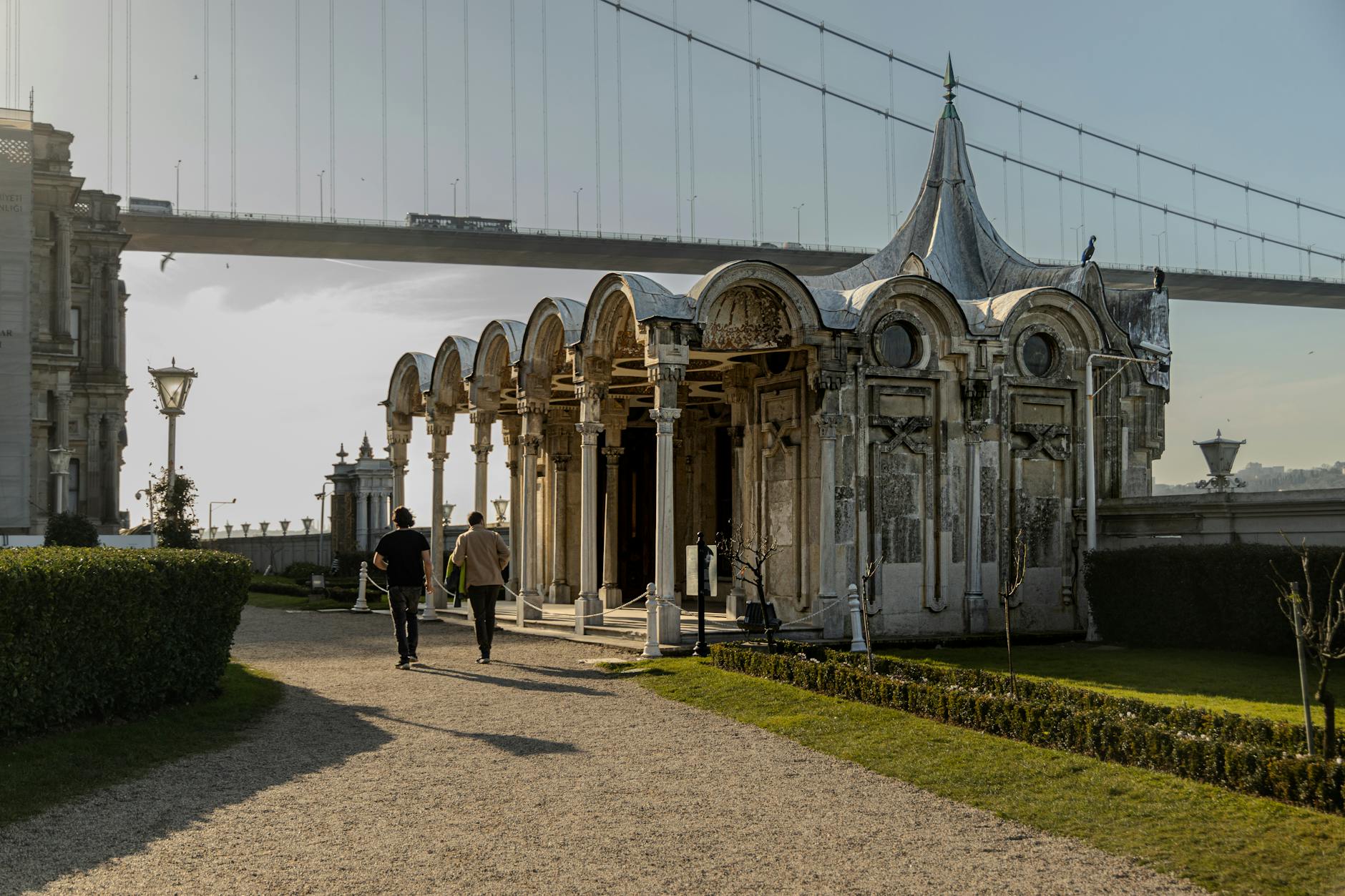
The real magic, however, isn’t just under the roof. The grounds are where Beylerbeyi wins the “best palace” debate. The Magnolia trees are legendary; if you’re here in late spring, the scent is thick enough to walk on. It’s a sensory reset. My only gripe? The interior photography ban is strictly enforced by guards who have the eyes of a hawk. It’s frustrating if you’re trying to document your trip, but look at the bright side: you won’t get hit in the face by someone else’s selfie stick. Instead, save your camera for the marble kiosks and the stunning views of the Bosphorus Bridge towering over the 19th-century walls. It’s a jarring, beautiful contrast of old and new Istanbul that you won’t find at Topkapı.
The Interior: Marble, Mats, and a Massive Pool
Beylerbeyi isn’t just an Ottoman Palace; it’s a 19th-century flex of the highest order, designed to make visiting European royals feel slightly insecure about their own real estate. The moment you step inside, the first thing that hits you—besides the cool air—is the sheer audacity of the central hall. Most people put a coffee table in their lounge; Sultan Abdülaziz put a massive marble fountain and pool right in the middle of the floor. It wasn’t just for aesthetics, though. The sound of running water provided a natural soundtrack for private conversations and served as a clever, albeit wet, version of air conditioning.
The Egyptian Secret Under Your Feet
Look closely at the floors. Beneath those sprawling, hand-woven Hereke carpets, you’ll notice a layer of pale, woven material. These are reed mats, specifically imported from Egypt. Why? Because the Bosphorus is notoriously humid. Without these mats, the damp salt air would rot the expensive carpets and turn the palace into a moldy mess within a season. It’s a brilliant bit of functional design that most tourists walk right over without a second thought. You’ll notice the attention to detail here is as meticulous as the artisanal focus described in the Istanbul Ocakbaşı Guide: Authentic Grill Culture, though with a decidedly more European furniture influence.
Berk’s Insider Tip: Don’t bother with the audio guide if you’re in a rush; just look for the bamboo mats on the floor. They were imported from Egypt to keep the palace cool and dry—it’s the 19th-century version of AC.
The “No Photos” Struggle
Now, let’s address the elephant in the room: the security guards. They have the eyesight of a hawk and the temperament of a librarian who hasn’t had their morning coffee. The “No Photos” policy is strictly enforced inside the palace. You might see someone try to sneak a shot of a Bohemian crystal chandelier only to get hit with a sharp “No!” from across the room. My advice? Don’t fight it. Put the phone away. The interior is so densely packed with detail that you’re better off actually looking at it with your eyes rather than through a screen. If you really need a memory, the gift shop sells high-quality prints that look better than your shaky, low-light iPhone shot anyway.
5 Things You Cannot Miss Inside
- The Central Marble Fountain: It’s the centerpiece of the cool hall, designed to circulate air and provide a soothing splash.
- Bohemian Crystal Chandeliers: These massive fixtures weigh tons and were the ultimate “look how much money I have” statement of the era.
- Hereke Carpets: These aren’t your average rugs; they are some of the largest and finest hand-knotted silk and wool carpets in the world.
- Sèvres Porcelain Vases: Look for these giant French vases gifted by European monarchs; they are scattered throughout the ceremonial rooms.
- The Painted Ceilings: Many of the ceilings feature maritime themes, reflecting Sultan Abdülaziz’s obsession with the navy and the palace’s seaside location.
The Logistics: Tickets, Timing, and avoiding the Scrums
Let’s get the “tourist tax” talk out of the way immediately: yes, the entry fee for foreigners at Beylerbeyi has jumped significantly recently, but it remains the absolute best value-for-money palace experience on the Bosphorus. While the crowds are currently elbowing each other for a glimpse of a crystal staircase at Dolmabahçe, you can actually breathe here—if you time it right.
The Golden Window
The palace gates open at 09:00, and that is exactly when you should be standing there. By 11:30, the occasional tour bus that “discovered” the Asian side will vomit out fifty people at once, shattering the silence of the magnolia gardens. I’ve lived here for fifteen years, and I still haven’t figured out why people choose to visit palaces in the sweltering midday heat. Go early, catch the morning light reflecting off the marble, and you’ll have the place largely to yourself. Just remember: like most national palaces, it’s closed on Mondays. Plan your week accordingly so you don’t end up staring at a locked gate.
Navigating the Paywall
The price for international visitors is now set at 700 Turkish Lira. At the current rate of 14 EUR, it’s a steal compared to European counterparts, but it’s a sharp hike from a few years ago. Do not—under any circumstances—forget your physical passport or a very clear digital copy; security can be sticklers for ID when processing credit cards.
Berk’s Insider Tip: The ticket office for foreigners is currently 700 TL (roughly 14 EUR). If you have a Museum Pass, it’s covered, so don’t let the queue (if there is one) scare you off.
Essential Visitor Stats
| Feature | Details | Berk’s Verdict |
|---|---|---|
| Standard Entry | 700 TL (~14 EUR) | Worth every Lira for the lack of crowds. |
| Museum Pass Istanbul | Fully Valid | Use it. It saves you the ticket booth shuffle. |
| Opening Hours | 09:00 – 17:30 | Arrive at 09:00 or stay home. |
| Photography | Strictly Forbidden Inside | Don’t be that person. The guards are everywhere. |
Using the Museum Pass Istanbul is my top recommendation here. Even if there’s a short line at the window, you can usually bypass the bulk of the “how much is that in Dollars?” confusion and head straight for the turnstiles. It keeps the blood pressure low and the focus on the architecture, which is exactly how a trip to the Asian side should feel.
Post-Palace Rituals: The Beylerbeyi Village Vibe
Stepping out of the palace gates and immediately hopping on a bus is a rookie mistake that I see far too often. Beylerbeyi isn’t just a destination for its Baroque architecture; it’s a mood that requires you to downshift your gears and ignore your itinerary for an hour. While the European side screams for your attention with its neon and traffic, this corner of the Asian Side Istanbul just wants to offer you a glass of tea and a salty breeze.
The Waterfront Hierarchy
You need to find a seat by the water, and you need to do it immediately. Walk toward the ferry pier and look for the Çınaraltı tea gardens. Is the service lightning-fast? Usually not. Are the chairs made of the finest molded plastic? Absolutely. But sitting under the shade of a centuries-old plane tree with a glass of tea—which will set you back about 30 TL (roughly 0.60 EUR)—is the ultimate “local” luxury. Watching the massive tankers squeeze under the Bosphorus Bridge while the wake gently slaps against the quay is hypnotic. It’s the perfect place to sit and wonder why you ever considered staying in a windowless hotel room in Sultanahmet.
A Different Kind of Asian Side
Many travelers think the Asian side begins and ends with the frantic, youthful energy of Kadıköy. Don’t get me wrong, I love the chaos of the Kadıköy fish market, but Beylerbeyi is its sophisticated, slightly sleepy older sibling. It’s a neighborhood of Yalı mansions and narrow streets where the cats are remarkably well-fed and the locals still exchange pleasantries at the bakery. It feels like a village because, historically, that’s exactly what it was.
Transitioning to Evening
As the sun begins to dip and the bridge lights start to flicker on, you have a choice. You can catch the last ferry back, or you can stay for the real show. The area is famous for its seafood, but the vibe is “slow dinner,” not “fast food.” If you’re planning to transition from a quiet afternoon to a long, spirited meal by the Bosphorus waterfront, you’ll definitely want to brush up on our Istanbul Meyhane Guide: Rakı Etiquette & Local Secrets before you grab a table. Trust me, knowing when to add the water to your glass is the difference between looking like a guest and looking like a tourist.
Essential Beylerbeyi FAQ
Can I walk across the 15 July Martyrs Bridge from the palace?
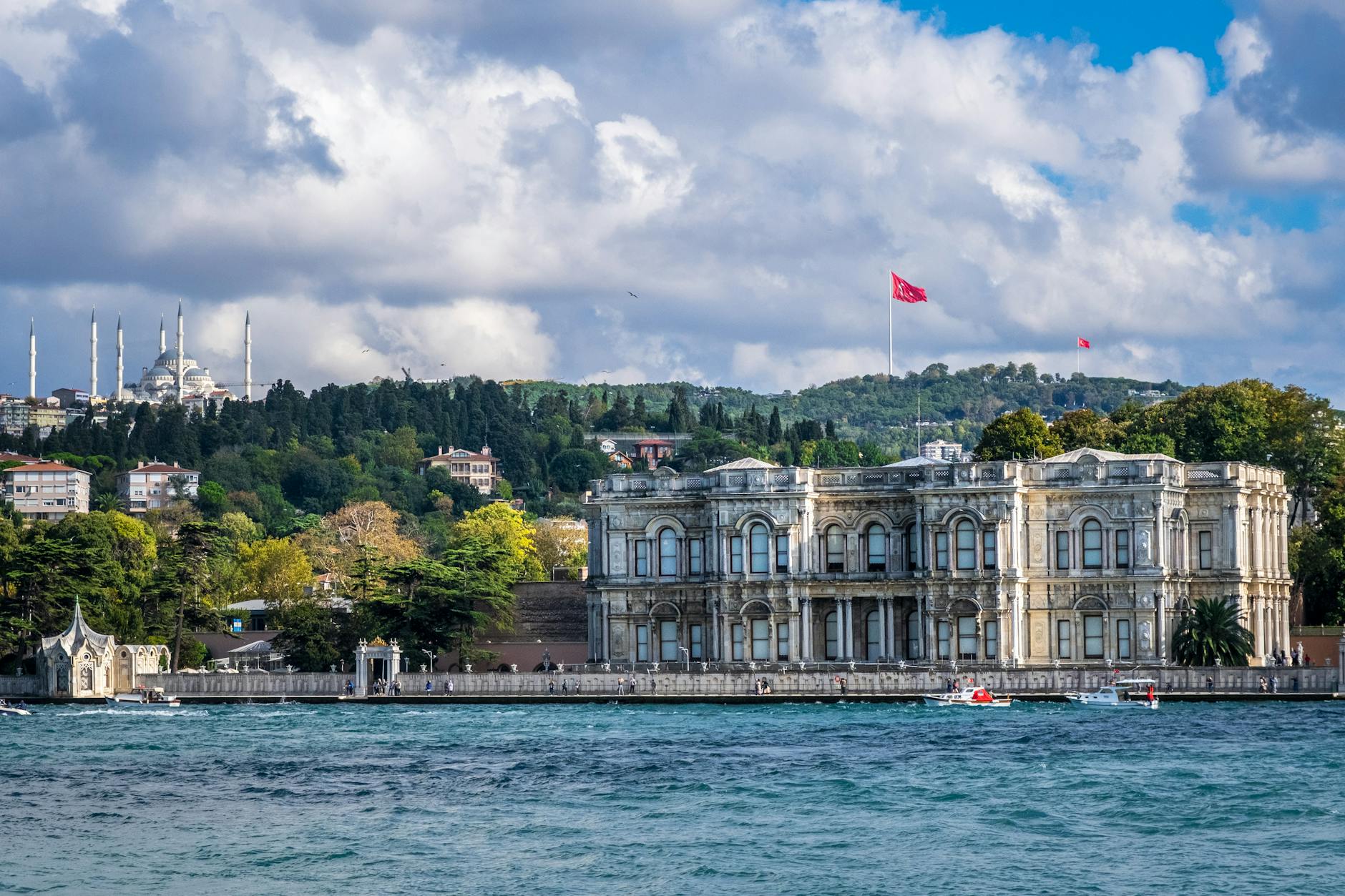
Absolutely not. I know, it looks right there—the massive pillars practically shadow the palace gardens—but the bridge is strictly for vehicles. Please don’t be that traveler who tries to find a pedestrian ramp; you’ll only end up having a very confusing and potentially expensive conversation with the police. If you want to cross back to Europe, stick to the ferries. They offer better views, no traffic jams, and zero risk of being detained for a bridge-walking stunt.
Is it better than Dolmabahçe Palace?
“Better” is a trap, but I’ll say this: Beylerbeyi is significantly more “chill.” While Dolmabahçe is the grand, gold-leafed powerhouse designed to impress foreign dignitaries, Beylerbeyi was the Sultan’s summer retreat. It’s smaller, more refined, and lacks the soul-crushing crowds of the European side. If you prefer intimate history over sheer scale—similar to how some prefer discovering the Bulgarian Iron Church: Balat over fighting the masses at the Blue Mosque—you’ll find Beylerbeyi much more rewarding.
How long does a visit to the palace take?
You aren’t moving in. Ninety minutes is the sweet spot for most people. This gives you enough time to soak in the maritime-themed ceilings, gawk at the giant marble fountain in the salon, and wander the terraced gardens without getting “palace fatigue.” It’s the perfect mid-morning stop on the Asian Side Istanbul before your stomach starts demanding attention. Unlike the massive complexes in the Old City, you won’t leave this one feeling like you’ve just run a marathon.
Berk’s Insider Tip: If you want to see how the locals truly live, I skip the museums and walk the fishy backstreets of Samatya instead. But if you are staying on the Asian side, check the ‘Çengelköy-İstinye’ ferry line schedule. If you time it right, you can hop from the palace straight to a seaside borek shop in Çengelköy in five minutes.
Conclusion
Look, Dolmabahçe is the flashy cousin who tries way too hard at weddings, but Beylerbeyi is the relative who actually knows how to relax. It’s a literal breath of fresh air in a city that often feels like it’s running on three espressos and a deadline.
Once you’ve finished your loop around the marble halls and avoided tripping over the ornate carpets, do yourself a favor: don’t just bury your head in your phone the moment you board the ferry back to the European side. Grab a spot on the deck, ideally near the stern. There’s a specific moment, just as the engines churn the Bosphorus into a turquoise froth and the boat pulls away from the pier, where the palace finally reveals its true self. From the water, framed by the massive reach of the bridge and the hanging gardens, it looks less like a static museum and more like the elegant, breezy escape the Sultans intended it to be. That view, with the wind in your face and the city’s chaos a safe distance away, is the real reason we cross the water.
Comments
Share your thoughts with us