
Istanbul Ocakbaşı Guide: Authentic Grill Culture
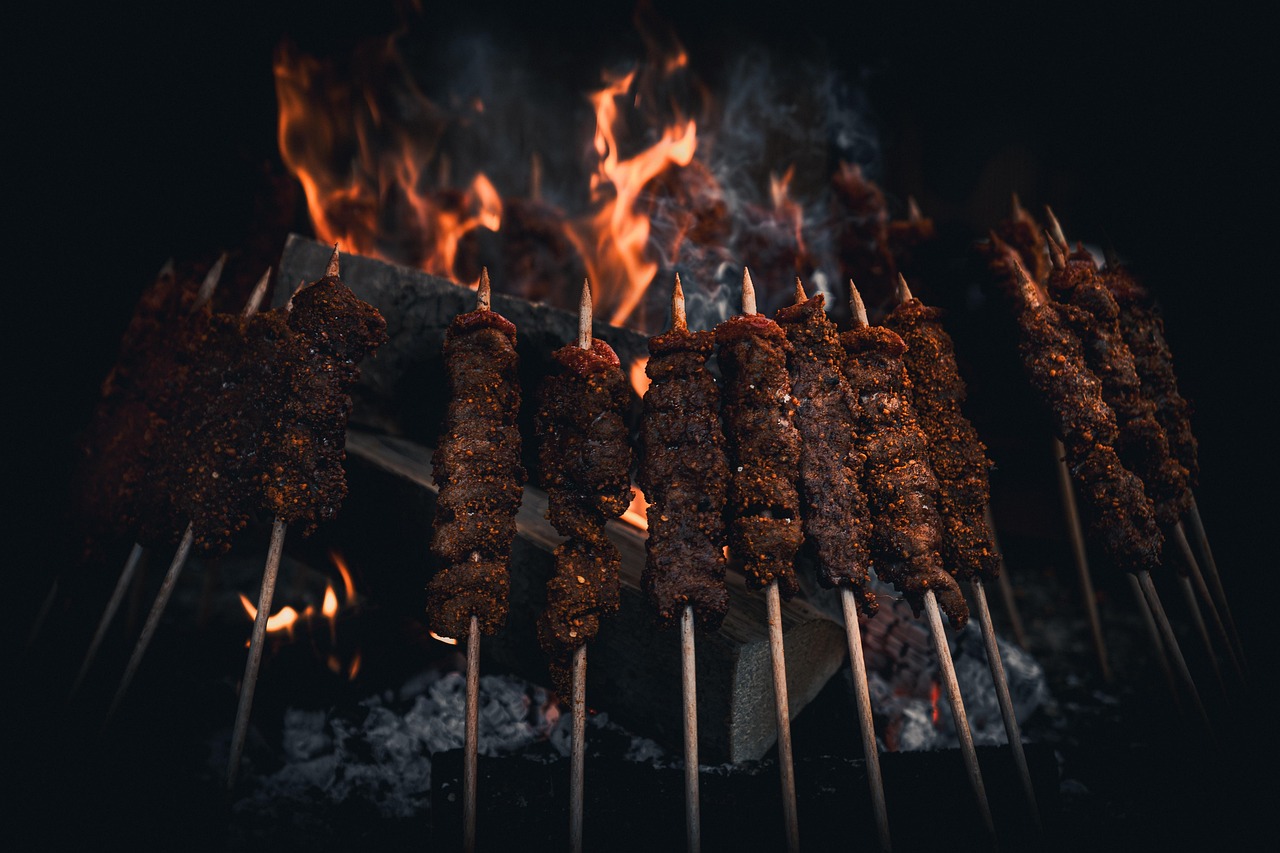
Imagine ducking away from the neon glow of Istiklal Avenue and slipping into a narrow Beyoğlu side street where the hum of the city fades into something more primal. You push open a heavy door and there it is: a massive, shimmering copper hood dominating the room, glowing under soft amber lights. The air is thick and intoxicating, heavy with the scent of smoldering oak charcoal and the rich, savory perfume of melting lamb fat. This isn’t just a dinner reservation; you’ve just stepped into the heart of Istanbul’s soul.
Welcome to the Ocakbaşı.
In my fifteen years of living in this beautiful, chaotic city, I’ve learned that if you want to understand the real Istanbul, you have to follow the smoke. “Ocakbaşı” literally translates to “by the fireside,” but for us locals, it represents a sacred communal ritual. It is a theater of smoke and steel where the Usta—the master griller—presides over his altar of embers like a high priest.
Listen closely and you’ll hear the rhythmic, metallic thud-thud-thud of the zırh, a heavy, crescent-shaped blade used to hand-mince meat until it’s the perfect consistency for a proper kebab. There are no shortcuts here. When you snag a seat at the counter, inches away from the heat, you’re part of the action. You’ll watch as skewers are turned with practiced precision, while the clinking of glasses filled with Rakı—our iconic, anise-flavored spirit—provides the soundtrack to the evening.
As the Rakı turns milky-white with a splash of water and the table fills with vibrant meze (our traditional small plates), the barriers of the city melt away. The Ocakbaşı is where strangers become friends over the shared heat of the grill. For the uninitiated, it can be intimidating to know where to go or how to order without looking like a tourist, but that’s exactly why I’m here.
I’m going to pull back the curtain on this age-old tradition. From the unspoken etiquette of the grill-side seat to the hidden spots where the embers never go cold, here is everything you need to know to experience the authentic magic of the Istanbul Ocakbaşı.
What is an Ocakbaşı? More Than Just a Grill
If you’ve been wandering the streets of Istanbul for a few days now, you’ve likely caught that unmistakable scent drifting through the evening air—the heady, mouth-watering aroma of rendered fat hitting glowing embers. That is the siren song of the Ocakbaşı.
To the uninitiated, it looks like a simple barbecue restaurant. But to those of us who have called this city home for years, the Ocakbaşı is a temple of smoke, a theater of flavor, and perhaps the most intimate social setting in Turkish culture. The word literally translates to “at the fireside” or “head of the hearth,” and it describes a very specific way of eating that you won’t find at your average street-side kebab stand.
The Evolution of the Hearth
The roots of the Turkish grill culture aren’t found in the grand palaces of the Ottomans, but rather in the nomadic traditions of Southeastern Anatolia. Imagine shepherds and travelers gathering around a communal fire on the plains of Urfa or Adana, skewering fresh meat and roasting it over open flames.
When migration brought these flavors to Istanbul mid-century, the campfire was refined but the spirit remained. By 2026, the Ocakbaşı has evolved into a sophisticated urban ritual. While the city has changed—and let’s be honest, prices have climbed along with everything else—the core experience remains untouched. Whether you’re paying 1,500 TL for a feast (which, at our current 2026 exchange rate of 50 TL to the Euro, is a remarkable 30 Euros for a world-class meal), the value lies in the connection you feel to the craft.
The Theater of the Usta
What separates a true authentic dining experience from a standard kebab shop is the seating arrangement. In a traditional Ocakbaşı, the “Ocak” is a long, rectangular charcoal grill topped with a massive, often ornate copper hood. The best seats in the house aren’t the private tables in the back; they are the stools lined up directly against the marble counter surrounding the grill.
Sitting here, you are inches away from the Usta (the master griller). You watch as he fans the coals, meticulously turns the Şiş (skewers), and expertly judges the exact second a piece of lamb reaches peak succulence. There is an unspoken bond here. You don’t just order from a menu; you engage with the person cooking your food. It’s a sensory overload—the rhythmic chopping of the Zırh (a large curved knife), the sizzle of the fat, and the warmth of the coals on your face.
A Different Kind of Comfort
I often tell my friends that if they want to understand the soul of Istanbul, they need two specific experiences. During the day, you should find the comfort of home-style cooking at a local tradesmen restaurant to see how the city fuels its workers. But when the sun goes down, you come to the Ocakbaşı.
Unlike a standard restaurant where you eat and leave, the Ocakbaşı is designed for the long haul. It is a slow, methodical progression of cold mezes, hot starters, and finally, the grilled meats, all traditionally accompanied by Rakı—our iconic anise-flavored spirit that turns milky white when mixed with water. It’s about the conversation, the “muhabbet,” that flows as freely as the drinks. In a world that’s increasingly digital and distant, sitting “at the head of the hearth” remains the ultimate way to truly experience the warmth of Istanbul.
The Anatomy of the Counter: Why Where You Sit Matters
If you walk into an Ocakbaşı and head straight for a standard table in the corner, you’re essentially buying a ticket to a concert and then standing in the parking lot to listen. Sure, the food will still taste great, but you’re missing the soul of the experience. In the world of Istanbul kebab restaurants, the physical layout is a hierarchy of flavor and social connection, and at the top of that hierarchy is the tezgah.
The tezgah is the long, usually marble or copper-clad counter that wraps around the massive hooded grill. This is the inner sanctum. Sitting here means you are choosing fireside dining in its most literal, visceral sense. You aren’t just a customer; you are a participant in a centuries-old culinary ritual.
The Usta: Maestro of the Flames
The man behind the grill is the Usta (the Master). In 2026, even with all the modern fusion trends hitting Istanbul, the role of the Usta remains sacred. He is the conductor of the evening’s symphony. He doesn’t just flip skewers; he monitors the charcoal’s temperature with a glance, remembers exactly how you like your Kuzu Şiş (lamb shish), and manages the flow of the entire room.
A true Usta is also a bit of a psychologist. He knows when to offer you a spicy pepper because he sees you’ve finished your Rakı (our famous anise-flavored spirit), and he knows when to leave you to your conversation. Watching him work is hypnotic—the rhythmic fanning of the coals, the precise slicing of the meat, and the way he plates everything with a flourish of charred tomatoes and peppers.
The Etiquette of the Grill
Sitting at the counter comes with its own set of unwritten rules. It is an intimate space, and while it’s informal, there’s a certain respect you owe to the craft.
Here are the essential “unwritten rules” for your night at the tezgah:
- Acknowledge the Master: When you sit down, a simple nod or a “Kolay gelsin” (a Turkish phrase wishing someone ease in their work) to the Usta goes a long way. It signals that you appreciate the heat he’s standing in.
- Don’t Rush the Fire: Good kebab takes time. The Usta is managing different meats with different cooking times. Trust his timing; your meat will arrive exactly when the fat has reached its peak melting point.
- The “Tadım” (Tasting) Culture: Often, the Usta might slide a small piece of meat directly from the skewer onto your plate or a piece of Lavaş (thin flatbread). This is a gesture of hospitality. Eat it immediately while it’s piping hot—that’s when the flavor is most intense.
- Keep the Conversation Fluid: The counter is a social hub. Don’t be surprised if your neighbor asks where you’re from or offers a toast. In an Istanbul Ocakbaşı, we are all friends once the Rakı starts pouring.
Berk’s Insider Tip: When booking, specifically ask for ‘Ocakbaşı altı’ or ‘tezgah’ if you want to sit at the grill. If you just say ‘a table,’ they might put you in the back room, and you’ll miss the entire show.
Why the Counter is Worth the Heat
I’ve lived in this city for 15 years, and I still refuse to eat at an Ocakbaşı unless I can see the coals. Yes, it’s warmer at the counter, and yes, your clothes might carry the faint, delicious scent of oak charcoal the next day, but that’s the price of admission for the most authentic meal in the city.
In 2026, a full evening of mezes, prime kebabs, and Rakı at a top-tier spot might run you around 2,500 to 3,500 TL per person (roughly 50-70 Euro or 55-75 USD). It’s an investment in an experience that transcends a simple dinner. When you sit at the counter, you aren’t just a tourist observing a culture; you are right in the thick of it, feeling the heat of the fire and the legendary hospitality that defines Istanbul.

The Prelude: Essential Mezes and the Bread Protocol
Now that you’ve found your seat—ideally right at the marble counter overlooking the glowing embers—the ritual truly begins. In a traditional Ocakbaşı, the meat is the star of the show, but the opening act is what sets the tone for the entire evening. Before the first skewer even touches the fire, your table will be graced with a variety of small plates. This is the world of Meze, the heart and soul of Turkish social dining.
The Lavaş Trap: A Pro-Tip for 2026
First, we need to talk about the Lavaş. As soon as you sit down, a waiter will likely drop a basket of balloon-like, puffed-up flatbread, straight from the wood-fired oven. It’s warm, it’s dusted with sesame seeds, and it smells like heaven. My advice? Be careful.
In my 15 years of eating my way through this city, I’ve seen many enthusiastic travelers make the rookie mistake of filling up on bread before the main event. In an authentic Istanbul grill house, the bread is a tool, not a meal. Use a small piece to scoop up your yogurt or to wrap a single bite of spicy meat. At current 2026 prices, while the bread is often complimentary or a nominal 40 TL (less than $1), the “stomach real estate” it occupies is far more valuable. Save room for what’s coming.
The Cold Essentials: From Fire to Ice
The cold Mezes are designed to contrast the heavy, fatty flavors of the grill. There are three that I consider non-negotiable for any guest of mine.
First, you must order Atom. This isn’t just a yogurt dip; it’s a masterpiece of temperature and texture. It consists of thick, strained “süzme” yogurt topped with dried Arnavut peppers that have been sizzled in butter. The cooling yogurt against the sharp, smoky heat of the peppers is the perfect companion to a glass of Rakı.
Next, look for the Közlenmiş Patlıcan (Roasted Eggplant). In a proper Ocakbaşı, they don’t use canned puree. They throw the whole eggplants directly onto the coals until the skin chars and the flesh turns into a smoky, silky cream. It’s the very essence of the grill in a cold dish.
Finally, no table is complete without a Gavurdağı Salad. Forget your standard garden salad; this is a finely chopped explosion of flavor. It combines juicy tomatoes, cucumbers, and green peppers with a heavy hand of walnuts, sumac, and a generous drizzle of tart pomegranate molasses (Nar Ekşisi). The crunch of the walnuts and the acidity of the dressing cut right through the richness of the lamb you’re about to eat. Expect to pay around 200-250 TL ($4.50 - $5.50) for these premium starters in today’s market—a steal for the quality of produce we have this season.
The ‘Ara Sıcak’: Hot Starters that Steal the Show
Before the kebabs arrive, we move into the Ara Sıcak (warm appetizers) phase. This is where things get interesting.
You’ll see something called Fındık Lahmacun on the menu. While “fındık” means hazelnut, don’t worry—there are no nuts involved. It refers to the size. These are miniature versions of the famous thin-crust dough topped with minced meat, herbs, and spices. They are designed to be a “one-bite” snack. Squeeze a drop of lemon, roll it up, and enjoy the crunch.
However, if you want to prove you’ve moved beyond the tourist trails, you must order the Uykuluk. Known in English as sweetbreads, this is a true connoisseur’s choice. Usually sourced from the Sütlüce district, these are delicately grilled over the charcoal until the outside is crispy and the inside is as soft as butter. It has a mild, creamy flavor that is unlike any other part of the animal. It is the ultimate local delicacy, and seeing you order it will likely earn you a nod of respect from the Usta (the grill master) standing behind the flames.
The table is now set, your palate is awake, and the rhythm of the night is established. Take a sip of your drink, enjoy the hum of the conversation around you, and get ready—the master is just about to reach for the skewers.
The Main Event: Navigating the Kebab Menu Like a Local
By now, the smoke from the charcoal should be working its magic on your appetite. You’ve paced yourself with the mezes, your Rakı is perfectly chilled with a splash of water (turning it that iconic milky white), and you’re ready for the reason we’re all here: the meat.
In a true Istanbul ocakbaşı, the menu isn’t just a list of food; it’s a showcase of Turkish meat culture that has been refined over centuries. To order like a local in 2026, you need to understand that we don’t just care about the cut of meat—we care about how it was prepared and the specific temperature of the coals it sat upon.
The Art of the ‘Zırh’: Why Hand-Chopped is Non-Negotiable
If there is one thing I want you to remember from my fifteen years in this city, it’s this: if the meat was put through an electric grinder, it isn’t a real kebab.
The soul of the best Adana kebab in Istanbul lies in the Zırh. This is a massive, curved, two-handed blade that the Usta (the master griller) uses to hand-chop the lamb. Why does this matter? An electric grinder mashes the meat, breaking down the fibers and squeezing out the precious juices before it even hits the fire. The Zırh, however, cuts the meat into tiny, uniform cubes while keeping the fat and juices intact.
When that hand-chopped meat hits the fire, the kuyruk yağı (lamb tail fat) melts into the meat, creating a texture that is light, airy, and incredibly succulent. If you see a chef rhythmically rocking that giant blade on a wooden block, you know you’re in the right place.
Adana vs. Urfa: The Great Debate
When looking at the menu, you’ll inevitably see these two titans of the kebab varieties. They look identical on the skewer, but your palate will tell a different story.
- Adana Kebab: Named after the city in southern Turkey, this is for those who appreciate a bit of fire. It’s seasoned with salt and hand-chopped red bell peppers, but the star is the pul biber (dried Aleppo pepper flakes). A true Adana should have a “creeping” heat—not a burn that kills your taste buds, but a warm, spicy glow that lingers.
- Urfa Kebab: Named after the city of Şanlıurfa, this is the milder, more mellow cousin. It uses the same high-quality hand-chopped lamb but skips the hot peppers. Instead, it relies on the natural sweetness of the meat and perhaps a touch of isot (a smoky, dark Urfa pepper) that provides depth without the sting.
I often tell my friends that if you want to find the legendary spots that serve these properly, you need to look where I tell my friends to stay for a real Istanbul vibe, far away from the frozen-meat traps of the tourist center.
Beyond the Mince: Kuzu Şiş and Çöp Şiş
While the minced kebabs are the stars, the whole-muscle cuts are where the quality of the livestock really shines.
Kuzu Şiş (Lamb Skewers) consists of prime milk-fed lamb leg or shoulder, marinated in a blend of onion juice, olive oil, and mild herbs. Each cube should be tender enough to pull off the skewer with a piece of lavaş (thin flatbread) using only your thumb and forefinger.
Then, there is my personal favorite: Çöp Şiş. The name literally translates to “trash skewers” or “rubbish skewers,” but don’t let that fool you. Historically, these were made from the small, flavorful scraps of meat left over when carving larger cuts. Because these bits are small and interspersed with plenty of tail fat, they cook incredibly fast over high heat. The result is a charred, salty, fatty explosion of flavor that is arguably the most addictive thing on the menu.
Berk’s Insider Tip: Don’t order your meat all at once. Start with a few mezes, then order one skewer at a time. This ensures your meat is always piping hot, and it allows the Usta to gauge your appetite and pace.
Quick Guide to Kebab Selections (2026 Pricing)
To give you an idea of what to expect in terms of cost and content, here is a quick breakdown of the staples.
| Kebab Type | Meat Style | Spice Level | Est. Price (TL) | Est. Price (USD) |
|---|---|---|---|---|
| Adana | Hand-chopped Lamb | Spicy / Bold | 850 TL | ~$19.00 |
| Urfa | Hand-chopped Lamb | Mild / Savory | 850 TL | ~$19.00 |
| Kuzu Şiş | Marinated Cubes | Mild | 950 TL | ~$21.00 |
| Çöp Şiş | Small Lamb Scraps | Salty / Fatty | 800 TL | ~$17.50 |
| Kuzu Pirzola | Lamb Chops | Natural | 1,200 TL | ~$26.50 |
Remember, in an authentic ocakbaşı, the meat is served simply. It usually comes on a bed of lavaş to soak up the drippings, accompanied by grilled tomatoes and charred green peppers. Don’t look for rice or french fries here; the meat is the king, and it doesn’t need a crown.
The Spirit of the Night: Rakı Culture and Muhabbet
If the ocakbaşı is the heart of Istanbul’s culinary soul, then Rakı is undoubtedly the blood that keeps it pumping. You cannot truly understand the magic of the grill without understanding the ritual of the clear, anise-scented spirit we affectionately call Aslan Sütü—Lion’s Milk.
In 2026, despite the changing face of the city and the shifting economy (with a 70cl bottle at a decent restaurant now sitting around 2,500 to 3,000 TL—roughly 50 to 60 Euros), the sanctity of the rakı table remains untouched. For us locals, a night at the ocakbaşı isn’t just a dinner; it’s a secular ceremony.
The Alchemy of the Glass
Drinking rakı is an art form governed by unwritten rules. When you sit at the bar, the waiter will place a tall, slim glass (a kadeh) in front of you. First comes the rakı—usually two fingers deep for a “standard” pour. Then, and only then, comes the water. As the clear liquid meets the water, it turns a ghostly, milky white. This is the “louche” effect, but to us, it’s the moment the spirit wakes up.
A few tips from a friend: Never drink it as a shot. Never drink it without water on the side. And most importantly, when you clink glasses, clink the bottoms of the glasses. To clink the rims is considered a bit arrogant; clinking the bases signifies that we are all equals at this table. It’s a gesture of humility and brotherhood that has survived centuries.
The Art of Muhabbet
We don’t go to an ocakbaşı just to fill our stomachs; we go for Muhabbet. There isn’t a direct English translation that quite captures it, but think of it as “deep, soulful, and intimate conversation.”
Muhabbet is the reason the music in a traditional ocakbaşı is rarely loud. The soundtrack of the night should be the hiss of the charcoal and the murmur of voices. As the rakı begins to take effect, the conversation evolves. It starts with lighthearted gossip or business, but as the night deepens, it moves into the “heavy” stuff—politics, lost loves, the meaning of life, and the bittersweet beauty of Istanbul herself.
A true ocakbaşı master, the Usta, knows this. He watches the table. If he sees the muhabbet is flowing particularly well, he might slow down the pace of the skewers to give you more time to talk. He isn’t just a cook; he’s the conductor of the evening’s emotional orchestra.
A Marathon, Not a Sprint
One of the biggest mistakes travelers make is rushing. They treat an ocakbaşı like a standard steakhouse. They order everything at once, eat quickly, and are out the door in an hour. This is a tragedy in my eyes.
The ocakbaşı is a marathon. You start with the cold meze—perhaps some spicy atom or creamy roasted eggplant—taking tiny bites between sips of rakı. You wait. You talk. You watch the smoke rise. Only when the first glass is nearly empty should the first hot starter arrive. The meat—the Adana, the çöp şiş, the lamb ribs—should be paced out over two or three hours.
In 2026, with the current exchange rate of 1 Euro to 50 TL, a long, leisurely night of muhabbet and high-quality meat is still one of the best value-for-money cultural experiences you can have in Istanbul. Just remember to plan your exit. Since the rakı will inevitably go to your head, I always advise my friends to avoid driving. Navigating the city after a long session is much easier if you’ve mastered the local public transport or have a reliable taxi app ready.
As the night winds down and the coals begin to fade into grey ash, you’ll find that the heavy weight of the world feels a little lighter. That is the power of the muhabbet. You leave the table not just full, but fulfilled.
Berk’s Personal Shortlist: Where I Take My Closest Friends
When friends visit me here in Istanbul, they usually arrive with a list of “top-rated” places they found on social media. I usually smile, tuck that list away, and tell them, “Forget the influencers; let’s go where the smoke actually tells a story.” In 2026, with the city busier than ever, finding that authentic soul requires knowing which side streets to turn down.
The Legends of Kurtuluş and Beyoğlu
If you want to understand the DNA of this city, you have to start in Kurtuluş. This neighborhood has always been the heart of cosmopolitan Istanbul, and its food scene reflects that depth. My go-to for any Kurtulus food guide is Kurtuluş Adana Ocakbaşı. It is tiny, cramped, and usually loud, but the moment that first skewer hits the coals, you’ll understand why. This isn’t just dinner; it’s a masterclass in meat.
Moving over to the winding alleys of Pera, Beyoglu restaurants have seen plenty of trends come and go, but the true legends remain. Zübeyir Ocakbaşı is the rite of passage here. Sitting around the copper hood (the ocak) while Zübeyir Usta himself oversees the fire is an experience you won’t forget. I always order the çöp şiş (small cubes of lamb fat and meat) and their spicy gavurdağı salad. With the current 2026 prices, a full spread here with a small bottle of Rakı—our famous anise-flavored spirit—will cost you roughly 2,500 TL (about 50 Euro), which is a steal for the quality you’re getting.
The Rough Diamonds: Aksaray’s Hidden Grills
For the truly adventurous who want to escape the “tourist bubble,” I take them to Aksaray. Specifically, the area around the Horhor market. This is where the migrants from Southeastern Turkey—the true kings of the grill—have set up shop. It’s gritty, it’s bustling, and it’s home to arguably the best Adana kebab Istanbul has to offer.
In Aksaray, the focus is 100% on the meat. You won’t find fancy tablecloths or ambient lighting here. Instead, you get the real deal: hand-minced lamb, seasoned with nothing but salt and local chili flakes. I highly recommend finding a spot like Has Kral. Don’t be intimidated by the lack of English menus; just point to the grill and say “Adana.” The hospitality here is legendary—you’ll likely be served a mountain of fresh herbs and warm puffed bread before you even order.
Traditional Grit vs. the New Generation
There is a debate currently raging among my local friends: the Traditionalists vs. the New Generation. Over the last few years, a “New Generation Ocakbaşı” movement has taken over places like Nişantaşı and Kadıköy. These spots, like Ali Ocakbaşı or Fiko, offer better ventilation (so your clothes don’t smell like a barbecue for three days), curated wine lists, and experimental Meze (small appetizers like roasted eggplant or spicy tomato paste).
I appreciate the comfort of the new spots, especially for a business dinner or a first date. However, my heart stays with the traditionalists. There is a specific kind of muhabbet (deep, soul-searching conversation) that only happens when you are shoulder-to-shoulder with strangers at a smoky counter.
After a long night of intense flavors and the heavy, wonderful buzz of Rakı, I often find I need a “reset” the next day. Usually, I’ll trade the smoke for the sea breeze and go for my favorite afternoon walk in Kuzguncuk on the Asian side. It’s the perfect palate cleanser after the intensity of a night at the grill.
Whether you choose the polished “New Gen” vibes or the grease-slicked charm of an Aksaray basement, remember: the best ocakbaşı is the one where the chef treats you like an old friend from the moment you sit down.
Practical Tips for Your First Fireside Feast
Before you head out to lose yourself in the smoke and stories of an Istanbul grill house, there are a few logistical things I’ve learned over my 15 years here that will make your night go from “good” to “legendary.” Since we are in 2026, some of the legendary spots have become even more popular, so a little bit of planning is your best friend.
Securing Your Spot at the Fire
If you want the true experience, you don’t just want a table; you want a seat at the ocakbaşı—the literal “head of the hearth.” This is the counter surrounding the large copper hood where the Usta (the master grill chef) works his magic. These seats are the VIP spots of the Istanbul dining scene.
My advice? Book at least two or three days in advance. When you call, specifically ask for “ocakbaşı altı” (at the grill). If you just show up on a Friday night, you’ll likely be relegated to a standard table in the back, missing out on the rhythmic chopping of the Zırh (the large two-handed curved knife) and the heat of the coals.
The Art of Tipping in 2026
Tipping in Turkey has evolved, but the soul of it remains the same. Most high-end or popular grill houses now include a 10% to 15% service charge (servis ücreti) on the bill. With current exchange rates—where 1 USD is roughly 45 TL and 1 Euro is 50 TL—a typical dinner for two might reach 4,000–5,000 TL.
While the service charge covers the waiters, the Usta at the grill is a different story. If he has been looking after you all night, sliding choice cuts of Kuzu Şiş (lamb skewers) onto your plate or preparing a custom spice blend just for you, it’s a class move to leave a separate tip directly for him. Slipping 200 or 300 TL (about $5–$7) into the tip box on the counter as you leave is the local way of saying, “You’re a master, and I see you.”
What to Wear: The “Ocakbaşı Scent”
Istanbulites love to dress up for a night out, and you’ll see plenty of smart-casual outfits. However, I have one Golden Rule: Never wear anything that requires expensive dry cleaning.
The ventilation in these places is usually great, but you are sitting inches away from burning oak charcoal and sizzling fat. By the end of the night, you will carry the “scent of the grill” with you. It’s a delicious, smoky aroma that I personally love, but your silk blouse or cashmere sweater might not. Opt for cottons or layers that are easy to wash.
Berk’s Insider Tip: If you see ‘Közde Türk Kahvesi’ on the menu for after your meal, get it. It’s coffee cooked slowly over the remaining embers of the grill, and it’s the only way to end the night.
Conclusion
After fifteen years of living in this chaotic, beautiful city, I’ve realized that the true heartbeat of Istanbul isn’t found in the grand museums or the bustling spice markets—it’s found in the rhythmic chop of a knife on a wooden board and the hiss of fat dripping onto white-hot coals.
An evening at an ocakbaşı is more than just dinner; it’s a rite of passage for anyone who wants to claim they’ve truly “seen” Istanbul. It is an invitation to step out of the polished tourist bubble and into a space where the air is thick with the scent of charred lamb and the spirit of keyif—that particular Turkish art of idle pleasure.
My verdict? The ocakbaşı is the ultimate equalizer. Whether you’re a CEO or a student, when you’re perched on that stool at the copper-clad counter, you’re just another hungry soul waiting for the usta (the master driller) to work his magic.
But here is my challenge to you: put your phone away. The lighting might be moody and the kebabs might be “Instagrammable,” but the real magic doesn’t translate through a screen. Let your eyes sting just a little from the smoke; it’s part of the initiation. Lean in and strike up a conversation with the person sitting next to you. In the warmth of the hearth, strangers become friends over a shared plate of meze and a glass of rakı.
My final piece of advice? Don’t over-order at the start. The beauty of a real ocakbaşı is the slow reveal. Start with some cold meze, sip your rakı slowly with plenty of water and ice, and let the usta set the pace. When the smoke tells its story, just make sure you’re listening.
I’ll see you at the counter—I’ll be the one with a glass of aslan sütü (lion’s milk) in hand and no phone in sight.
Comments
Share your thoughts with us