
The Heart of the Neighborhood: My Favorite Esnaf Lokantası for a Real Taste of Home-Style Cooking
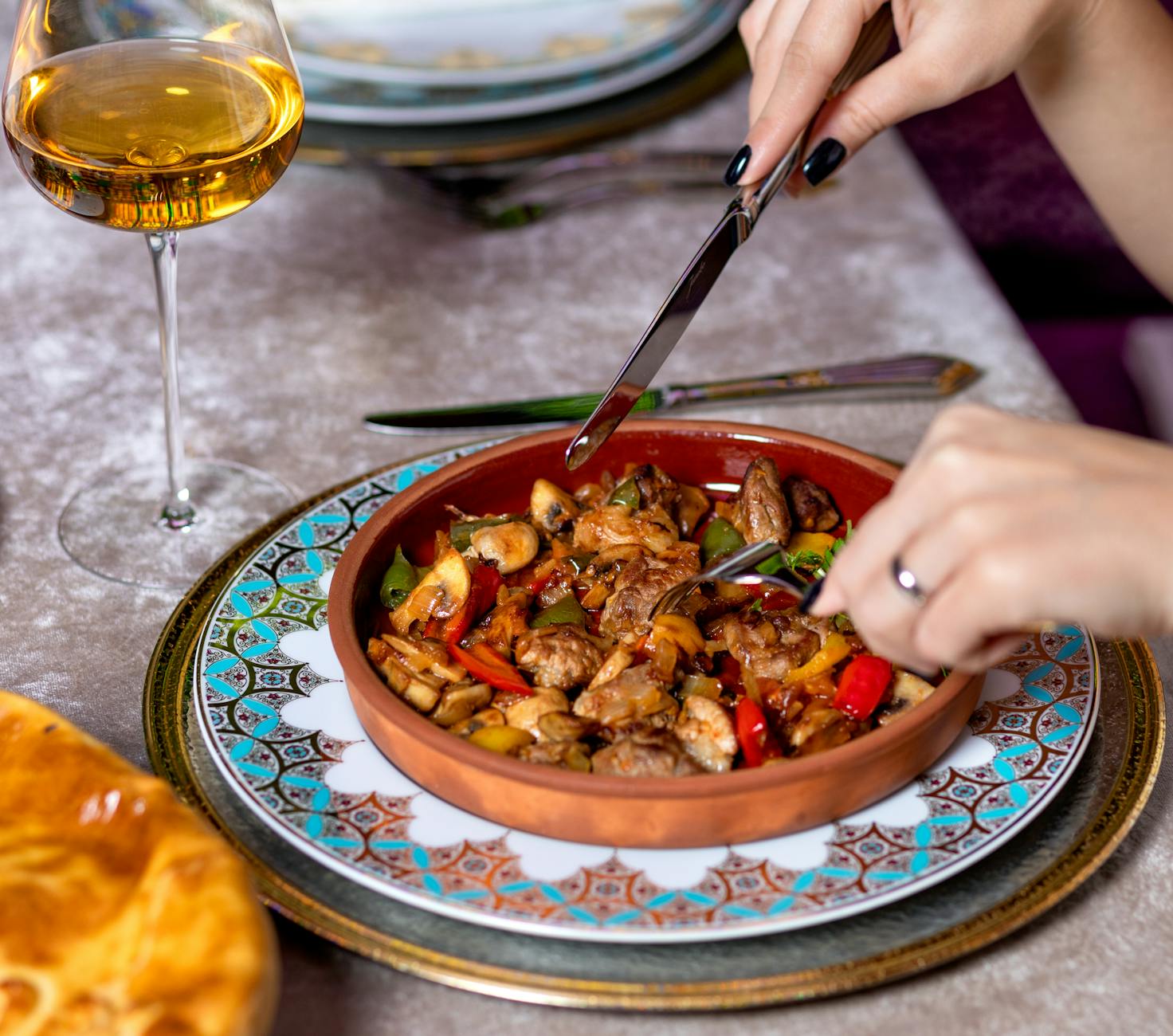
The windows were so thick with steam you could barely see the narrow cobblestone alley outside. I remember the first time I felt truly at home in Istanbul; it wasn’t at a grand Bosphorus palace or a glitzy rooftop bar with a cocktail in my hand. It was in a tiny, crowded room tucked away in the labyrinthine backstreets of Eminönü, sitting on a wobbly stool that had definitely seen better decades. To my left was a seasoned carpet dealer with hands stained by tea and dye, and to my right, a bank clerk in a crisp white shirt. We didn’t exchange a word, yet we were part of the same silent, beautiful ritual: elbows tucked in, faces down, and spirits lifted by the same steaming plate of slow-cooked lamb and buttery chickpeas.
After fifteen years of navigating the chaotic beauty of this city, I’ve learned that if you want to find the true heartbeat of an Istanbul neighborhood, you don’t look for the places with English menus or neon signs. You look for the esnaf lokantası. Literally translated as a “tradesman restaurant,” these are the humble, cafeteria-style eateries where the city’s workforce—and those of us who have lived here long enough to know better—go for a real taste of Turkish home cooking. This is Istanbul’s version of soul food. It’s the kind of cooking that feels like a warm hug, reminiscent of what a Turkish grandmother would serve if she had been simmering stews since the call to prayer at dawn.
For a local Istanbul lunch, there is simply no substitute. These spots are the communal dining rooms of the city, where the social hierarchy vanishes over a bowl of lentil soup. The food here isn’t about ego or fancy plating; it’s about comfort, tradition, and the kind of deep, savory flavors that only come from hours of patience on a low flame.
Over the years, these neighborhood joints have become my sanctuaries—the places I go when I need to ground myself back in the “real” city. So, put away the tourist map for an afternoon. I want to take you behind the counter to my personal favorites, where the broth is rich, the greeting is warm, and the flavors tell the story of Istanbul better than any guidebook ever could.
The Soul of the City: Understanding the Esnaf Lokantası Tradition
Whenever a friend visits me here in Istanbul, they usually arrive with a list of “must-eat” items: the gold-leafed steaks of Nusr-Et or the Instagram-famous kumpir of Ortaköy. I always smile, let them get it out of their system, and then—usually around day three—I take them to a place with no menu, no tablecloths, and steam-fogged windows. This is the esnaf lokantasi, or “tradesman restaurant,” and in my fifteen years of navigating these winding streets, I’ve come to realize that these humble eateries are the true beating heart of Istanbul.
To understand the esnaf lokantasi, you first have to understand the word esnaf. It translates to “tradesman” or “artisan.” In the old days, and still today in many quarters, these were the men and women who kept the city running—the cobblers, the tailors, the carpenters, and the jewelers. These were people who didn’t have time for a three-course leisurely lunch; they needed “mother’s cooking” that was fast, affordable, and nutritious enough to fuel a twelve-hour workday.
From Ottoman Guilds to the Neighborhood Table
The roots of the esnaf lokantasi are buried deep in Istanbul food history, stretching back to the Ottoman Empire’s guild system, known as the Lonca. Each craft had its own guild, and with it, a sense of communal responsibility. In those days, a master and his apprentices would often share a meal provided by the guild’s kitchen. As the empire transitioned into the modern Republic and the rigid guild structures dissolved, these communal kitchens evolved into public-facing tradesmen restaurants.
They became the “communal dining room” of the neighborhood. The transition was seamless because the philosophy remained unchanged: honest food for honest work. Even today, when you walk into a classic spot in neighborhoods like Eminönü or Karaköy, you are stepping into a lineage of hospitality that dates back centuries. You aren’t just a customer; for thirty minutes, you are part of the neighborhood’s daily rhythm.
If you’re looking to truly immerse yourself in this local rhythm, it helps to be based in the right area. While Sultanahmet is great for the sights, I always suggest looking beyond the Sultanahmet bubble: where I tell my friends to stay for a real Istanbul vibe to find the districts where these traditions are still the way of life.
The Real Istanbul Beyond the Tourist Menu
Why do I love these places so much? Because they represent the “real” Istanbul that survives despite the gentrification and the “tourist menus” of the historic peninsula. In Sultanahmet, you’ll find laminated menus with pictures of kebabs in six languages. In an esnaf lokantasi, the menu is the tezgah—the glass-fronted counter where rows of stainless steel pots simmer with stews, pilafs, and vegetable dishes.
There is a specific etiquette and charm to these places that separates them from any other dining experience:
- The Seasonal Pulse: You won’t find eggplant in the dead of winter or artichokes in the autumn. The food follows the calendar of the soil, not the demands of a static menu.
- The “Half-Portion” Rule: Locals often order az, or half-portions, allowing them to sample a bit of everything—a scoop of buttery rice, a ladle of chickpea stew, and perhaps a small bowl of creamy sütlaç (rice pudding) to finish.
- The Community Table: Space is at a premium. It’s perfectly normal to take the only empty seat at a table of strangers, exchange a quick “Afiyet olsun” (enjoy your meal), and eat in a comfortable, shared silence.
- The Trust System: In many traditional spots, you don’t get a bill. You simply tell the cashier what you ate on your way out. It’s a level of social trust that feels increasingly rare in a mega-city of 16 million people.
These are not places of pretension. They are places of home-style cooking where the olive oil is plentiful, the bread is always fresh for dipping, and the tea is always brewing. To eat here is to be welcomed into the city’s private kitchen.
The Counter Dance: How to Navigate Your First Visit
Stepping into an esnaf lokantası for the first time can feel a bit like wandering backstage during a theater production. It’s loud, fast-paced, and everyone seems to know exactly where they’re going except you. But don’t turn around! This “counter dance” is part of the charm, and once you know the steps, you’ll feel like a local in no time.
Think of me as your backstage coach. After 15 years of navigating these narrow aisles, I’ve realized that the beauty of a local Istanbul lunch lies in its lack of pretension. Here is your step-by-step guide to mastering the art of steam table dining.
1. Forget the Printed Menu
The first thing you’ll notice is the absence of a leather-bound menu or a QR code. In a true tradesman restaurant, the menu is alive and bubbling right in front of you. Walk straight to the back or the side where the steam table is located. You’ll see rows of stainless steel trays filled with colorful stews, pilafs, and roasted meats.
This is a “point-and-eat” system. You simply look at what looks delicious and point to it. The chef (or usta) behind the counter will plate it for you instantly. If you aren’t sure what something is, just ask “Bu ne?” (What is this?), but honestly, your eyes will usually tell you everything you need to know.
2. Embrace the ‘Sulu Yemek’ Concept
To understand how to order Turkish food in these establishments, you must understand sulu yemek—which literally translates to “food with water” or “juicy food.” These aren’t just soups; they are hearty, slow-cooked stews where the sauce is the star of the show.
Whether it’s Kuru Fasulye (white beans in a tomato-based sauce) or Tas Kebabı (lamb stew), the “juice” is meant to be soaked up. This is why you’ll always find baskets of fresh white bread on every table. It’s not just a side; it’s your primary tool for ensuring not a single drop of that flavorful broth goes to waste.
Berk’s Insider Tip: Look at what the oldest man in the room is eating. These ‘amcas’ (uncles) have been coming here for decades and always know which dish the chef nailed that specific morning.
3. The Etiquette of the Empty Chair
During the lunch rush (usually between 12:00 PM and 2:00 PM), these places get packed. Space is at a premium. If you see an empty chair at a table where someone is already sitting, it is perfectly acceptable—and expected—to ask, “Boş mu?” (Is it free?) and take a seat.
Don’t expect a long, lingering conversation with your neighbor. People are here to fuel up and get back to work. However, a polite nod as you sit down is the local way to acknowledge your fellow diner. This efficiency is exactly how these spots survive in busy transit hubs; if you’re planning to hop across the city after your meal, it’s worth checking out The Ultimate Guide to Public Transport in Istanbul to keep your momentum going as smoothly as your lunch.
4. Speed is the Secret Ingredient
One of the things I love most about an esnaf lokantası is the speed. From the moment you point at your chosen dish to the moment it hits your table, barely two minutes will pass. The service is lightning-fast because the food has been simmering all morning, just waiting for you.
Because the pace is so quick, it’s best to have your “side dish” strategy ready. Usually, you’ll grab your own cutlery and perhaps a small bowl of cacık (yogurt with cucumber) or a plate of pilav as you move along the counter.
5. Paying the Tab
In most traditional spots, you don’t wait for a check at the table. Once you’ve finished your meal (and perhaps a quick glass of tea), you head to the small register near the exit. You simply tell the cashier what you ate. It’s an honor system that has existed for generations. You might say “Bir fasulye, bir pilav” (One bean, one rice), and they will tally it up. It’s a warm, trusting way to end a meal that feels more like eating in a neighbor’s kitchen than a commercial restaurant.
A Seasonal Symphony: What to Look for on the Steam Table
When you walk into a neighborhood lokanta, your first instinct might be to ask for a menu. Don’t. In fact, most of these places won’t even have one. Instead, follow your nose toward the steam table—that glimmering, stainless-steel stage where the day’s performance is laid out in a row of deep trays.
In my fifteen years of navigating the backstreets of this city, I’ve learned that the steam table is more than just a serving station; it is a living, breathing calendar of the Anatolian harvest. Turkish home cooking is dictated entirely by the sun and the soil. You won’t find watery greenhouse tomatoes here in January. Instead, you’ll find the rich, earthy flavors of sun-dried vegetables and hearty legumes. When the seasons shift, the colors on the steam table shift with them, moving from the bright greens of spring artichokes to the deep, oily purples of late-summer eggplants.
The Heavy Hitters: Iconic Meat Dishes
If you are a meat lover, you are about to have your world changed. The best Turkish stews aren’t just about the protein; they are about the slow marriage of fat, spice, and time.
First, keep an eye out for Kuzu Tandır. This is the king of the lokanta. It’s lamb that has been slow-roasted for hours until it loses any will to hold onto the bone. It should be glistening, tender enough to eat with a spoon, and served over a bed of buttery saffron-tinged rice.
Then, there is the legendary Hünkar Beğendi, or “The Sultan’s Delight.” This dish tells a story of Ottoman opulence. Imagine a bed of smoky, charred eggplant puree, whipped with kashar cheese and butter until it’s as smooth as velvet, topped with tender chunks of lamb simmered in a light tomato sauce. The contrast between the smoky creaminess and the savory meat is, quite frankly, spiritual.
And of course, we have to talk about Musakka. Now, if you’re thinking of the Greek version with the thick layer of béchamel, think again. The Turkish version is a lighter, more rustic affair—a sautéed medley of fried eggplant, ground meat, green peppers, and tomatoes. It’s juicy, aromatic, and demands a thick slice of sourdough bread to soak up the juices at the bottom of the plate.
The Green Side: A Vegetarian’s Paradise
One of the biggest misconceptions about Istanbul is that it’s a city only for kebab lovers. In reality, some of the most sophisticated vegetarian food Istanbul has to offer is found right here in the esnaf lokantası, under the category of Zeytinyağlı (olive oil) dishes.
These dishes are a hallmark of Aegean and Marmara cooking. The rule is simple: vegetables are simmered in high-quality olive oil with a touch of sugar and lemon, then served at room temperature to allow the flavors to settle.
Look for Zeytinyağlı Enginar (artichokes) in the spring, which are often cooked with peas, carrots, and potatoes, nestled in the heart of the flower. Or, try the Taze Fasulye—green beans braised so slowly with onions and tomatoes that they become silky and sweet. For those who want something heartier, there are the “Dolmas” and “Sarmas”—peppers or grape leaves stuffed with a fragrant mixture of rice, currants, pine nuts, and allspice. These are the unsung heroes of the Turkish kitchen, proving that vegetables can be just as decadent as any roast.
The Seasonal Guide to the Steam Table
To help you navigate the changing landscape of the lokanta, I’ve put together this quick reference guide based on when ingredients are at their peak.
| Season | The Star Ingredient | Berk’s Must-Try Dish | Flavor Profile |
|---|---|---|---|
| Spring | Artichokes & Green Peas | Zeytinyağlı Enginar | Bright, lemony, and delicate. |
| Summer | Eggplant & Tomatoes | Patlıcan Musakka | Rich, savory, and sun-drenched. |
| Autumn | Quince & Pumpkin | Ayvalı Yahni (Meat Stew with Quince) | A perfect balance of sweet and salty. |
| Winter | Leeks, Celeriac & Chard | Zeytinyağlı Pırasa (Leeks in Olive Oil) | Sweet, earthy, and incredibly comforting. |
The “Usta” Interaction
Part of the charm of the steam table is the interaction with the Usta (the master chef) or the server standing behind it. Don’t be afraid to point! In a busy lokanta at noon, the pace is fast. You’ll see the regulars nodding toward a dish, and the Usta will ladle a generous portion onto a plate with a practiced flick of the wrist.
If you’re feeling bold, ask for a “karışık” (mixed) plate, or ask them to put a little bit of the stew’s gravy (suyu) over your rice. That juice is where the soul of the dish lives—it’s a concentrated explosion of all the ingredients that have been simmering together since five in the morning. Trust me, my friend, once you’ve tasted Turkish home cooking this way, those flashy tourist restaurants on the main drag will never look the same again.
My Hidden Gems: The Hans and Backstreets of the Old City
If you really want to eat like a local, you have to be willing to get a little lost. While the main thoroughfares of Sultanahmet are lined with menus translated into six languages and persistent “waiters” trying to usher you inside, the real magic—the soul of Istanbul’s culinary history—is tucked away inside the Hans.
These 18th-century commercial buildings, once the inns for traveling merchants and their camels, are now labyrinthine hubs for silver-smiths, textile wholesalers, and carpet repairmen. But more importantly for us, they are home to the most authentic cheap eats Istanbul has to offer. These are places that don’t have Instagram accounts; they don’t even have signs on the main street. They exist solely to feed the hardworking people of the district, and after 15 years of wandering these stone corridors, I can tell you: this is where the flavor lives.
The Secret Kitchens of the Stone Corridors
Stepping into a Han is like stepping back in time. The air is cooler, the city’s roar fades to a hum, and usually, by 11:30 AM, the smell of slow-cooked eggplant and roasted lamb begins to waft down from the upper balconies. Many of these Grand Bazaar food spots are tiny—just four or five tables crammed into a vaulted room that has seen centuries of trade.
Because these lokantası are located inside the trade hubs, they operate on “Bazaar Time.” This means they start early and often run out of their best dishes by 2:00 PM. I’ve spent countless afternoons navigating these structures, and if you want to find the best spots yourself, you should definitely check out my guide to the secret hans of the Grand Bazaar to understand the layout before you go hunting for lunch. Once you find a staircase that looks like it hasn’t been touched since the Ottoman era, follow your nose. You’ll likely find a small room where the chef is stirring a pot of Hünkar Beğendi (Sultan’s Delight) that would make a Michelin-starred chef weep.
Why Proximity to the Bazaar Matters
People often ask me why the food in these hidden corners tastes so much better than what you find on the main tourist track. The answer is simple: the customers. The jewelers and antique dealers of the Grand Bazaar are some of the most discerning (and demanding) people in the city. They have been eating in this neighborhood for generations. If a lokanta uses sub-par olive oil or meat that isn’t perfectly tender, they will hear about it immediately—and they’ll lose their entire customer base by the next morning.
The proximity to the markets ensures a constant flow of the highest quality ingredients. The peppers come straight from the Spice Market down the hill, and the lamb is sourced from butchers who have supplied the same families for decades. There is no “tourist tax” on quality here; it’s about survival through excellence.
My Favorite Eminönü and Sirkeci Lunch Spots
When you move toward the water, the Eminonu lunch spots become a bit more frantic but no less delicious. Most people stop at the boat-side fish sandwiches, but if you walk just three blocks inland toward the Sirkeci station, you’ll find the real treasures.
Look for the small streets behind the main post office. There is one particular esnaf lokantası I frequent where the Kuru Fasulye (slow-cooked white beans) is prepared in a stone oven for hours until the sauce is thick and buttery. It’s the ultimate comfort food. In these backstreets, the menu changes daily based on what the chef found at the market that morning. You might find Zeytinyağlı Enginar (artichokes in olive oil) in the spring or a hearty İşkembe (tripe soup) in the winter.
Berk’s Insider Tip: Never ask for a menu. It marks you as a tourist immediately. Just walk straight to the glass counter, smile, and point. If you aren’t sure, ask ‘En çok ne satıyor?’ (What is selling the most?).
Don’t be intimidated by the lack of English or the brisk pace. These shop owners are some of the warmest people I know once you show an interest in their craft. Grab a tray, find a stool next to a local leather merchant, and enjoy the best meal you’ll have in Istanbul.
Across the Bosphorus: The Legendary Lokantas of Kadıköy
If you’ve spent any time talking to me about this city, you know I’m a firm believer that the 20-minute ferry ride to the Asian side is the best therapy money can buy. There’s a distinct shift in the air the moment you step off the boat at the Kadıköy pier. The frantic energy of Eminönü fades away, replaced by a vibe that is decidedly more residential, more intellectual, and—honestly—much more relaxed. This shift is mirrored perfectly in the local Kadikoy esnaf lokantasi scene. While the European side often caters to the rush of commerce, the Asian side invites you to linger over your steam tray selections.
A Different Pace of Life
On this side of the water, the esnaf (tradesmen) and the locals share a deep-seated pride in their neighborhood. The Asian side Istanbul food culture feels less like a performance for visitors and more like a preserved tradition. Here, the “tradesmen’s lunch” isn’t just a quick refuel; it’s a social ritual. You’ll see students from the nearby conservatories sitting next to silver-haired retirees and shopkeepers, all unified by a shared appreciation for a perfectly executed kuru fasulye (slow-cooked white beans). It’s a place where the waiters might recognize you after your second visit and where the recipes haven’t changed since I first moved here fifteen years ago.
The Market-to-Plate Connection
What makes the food in Kadıköy so vibrant is its proximity to the Kadıköy Fish Market (Balık Pazarı). This isn’t just a place to buy seafood; it’s a sprawling, sensory-rich labyrinth of olives, pickles, wild greens from the Aegean, and artisanal cheeses. The local lokantas operate in a beautiful symbiosis with these stalls. When you sit down at a table in this neighborhood, the vibrant purple of the pickled cabbage or the earthy scent of the seasonal chard isn’t a coincidence—it likely traveled less than a few hundred yards from the market stall to the kitchen.
To truly understand this neighborhood’s soul, I always suggest spending an afternoon getting lost in the side streets. If you want to see how the culinary scene connects to the sea and the leafy parks further south, A Local’s Secret: A Walking Tour of Kadıköy and the Moda Coastline is the perfect way to build up an appetite before your big meal.
Yanyalı Fehmi: A Century of Culinary History
You cannot talk about Kadıköy without paying homage to Yanyali Fehmi. Located right at the entrance of the market since 1919, this isn’t just a restaurant; it’s a living museum of Ottoman-era flavors. Founded by Fehmi Efendi, who migrated from Janina (now in Greece), it has remained in the same family for over a century.
Stepping inside feels like stepping back into a more elegant era of Istanbul. The high ceilings, the mahogany tones, and the glittering glass display cases hold treasures you won’t find anywhere else. Their signature dish, the Yanya Köftesi, is a masterpiece—succulent meatballs topped with a slice of tomato and green pepper, then expertly wrapped in a thin, silky ribbon of fried eggplant. It’s the kind of dish that makes you realize why the Sultan’s chefs were so revered. At Yanyali Fehmi, the tradition of the esnaf lokantası is elevated to an art form, proving that “home-style” can be just as sophisticated as any fine-dining establishment in the city.
The Price of Authenticity: Why These Are the Best Value Meals in Town
After fifteen years of navigating the winding hills of this city, I’ve learned that in Istanbul, price is rarely a reliable indicator of quality. In fact, some of my most memorable meals have cost less than a fancy latte in London or New York. When we talk about cheap eats Istanbul, we aren’t just talking about saving pennies; we are talking about a different economic philosophy altogether.
The Anatomy of a Neighborhood Feast
To understand the value, you have to look at the tray in front of you. At a typical esnaf lokantası, a full three-course meal usually follows a traditional rhythm. You might start with a bowl of mercimek çorbası (lentil soup), followed by a main like orman kebabı (forest kebab) or stuffed eggplants, and finished with a side of buttery pilav or a bowl of creamy sütlaç (rice pudding).
Even with the fluctuating economy, these establishments remain the gold standard for affordable Istanbul dining. Because they cater to local workers—the tailors, the cobblers, and the shopkeepers—the prices must remain accessible. You aren’t paying for a marketing budget or a view of the Bosphorus; you are paying for fresh ingredients and the labor of a chef who has likely been standing over those same pots for thirty years.
| Item | Esnaf Lokantası (Avg. Price) | Tourist Trap/Fine Dining | The “Berk” Verdict |
|---|---|---|---|
| Lentil Soup | 60 - 80 TL | 150 - 250 TL | Esnaf versions use real bone broth. |
| Meat Main Dish | 180 - 250 TL | 450 - 800 TL | Portions are honest and hearty. |
| Bread & Water | Usually Included/Nominal | Often Overcharged | Bread is a right, not a luxury. |
| Tea (Çay) | Often Free (İkram) | 40 - 70 TL | It’s about the hospitality, not the bill. |
The Philosophy of ‘Bereket’
There is a concept in Turkish business culture that I find deeply moving, and it’s called Bereket. It translates roughly to “abundance” or “blessing,” but it’s more of a spiritual contract. An esnaf (tradesman) doesn’t just want to take your money; they want their earnings to be “blessed” through fair dealing and generosity.
In an esnaf lokantası, you see Bereket in action when the waiter brings an extra scoop of sauce without being asked, or when the owner rounds down your bill because you’re a “regular” (even if it’s only your second visit). They believe that by providing high-quality, honest food at a fair price, the universe—and the neighborhood—will ensure their business thrives. This is why these spots are the cornerstone of budget travel Turkey; it’s a sustainable, community-focused way of eating that has survived empires.
Quality Over Pretension: The Real Comparison
When you dine in the heavy-traffic tourist zones, you are often paying a “convenience tax.” The ingredients are frequently secondary to the location. However, at a local lokanta, the quality-to-price ratio is skewed heavily in favor of the diner.
I’ve had “fine dining” lamb in Nişantaşı that was half as tender as the kuzu haşlama (boiled lamb) I’ve eaten on a plastic-covered table in Aksaray. Because these neighborhood spots have such high turnover, the food never sits. It’s prepared at dawn and usually gone by 4:00 PM. You are getting “slow food” speed, cooked with the kind of care usually reserved for a Sunday family dinner, but at a fraction of the cost. To me, that isn’t just a “cheap eat”—it’s the ultimate luxury.
The ‘Supporter’ Cast: Soup, Pilav, and the Perfect Ayran
In my fifteen years of navigating the backstreets of this city, I’ve learned that while the main course at an esnaf lokantası might be the headline act, it’s the “supporting cast” that truly defines the meal. You see, a tradesman’s lunch isn’t just about refueling; it’s a choreographed sequence of flavors that hasn’t changed much since my first year in Kadıköy. If you want to eat like a local, you have to respect the staples.
The Foundations: Soup and Pilav
Almost every meal here begins with a bowl of Turkish lentil soup (Mercimek Çorbası). Now, don’t let the simplicity fool you. This isn’t just a starter; it’s a warm embrace. At a proper lokanta, the lentils are simmered until they completely break down into a velvety, golden nectar. I always tell my visiting friends: the soup is only half-finished when it arrives. You must complete the ritual yourself. Reach for the lemon wedge—always provided—and give it a generous squeeze. Then, sprinkle a pinch of pul biber (dried red pepper flakes) over the top. That citrusy zing cutting through the earthy lentils is, to me, the literal taste of Istanbul.
Then comes the Pilav. In a Turkish kitchen, the ability to cook rice is the ultimate test of a chef’s skill. We aren’t looking for sticky or fluffy; we want tane tane—where every single grain of buttery, salt-kissed rice stands distinct from its neighbor. It’s often enriched with tiny bits of toasted orzo (şehriye) and cooked with enough butter to make a French chef nod in approval. It is the perfect bed for whatever stew you’ve chosen, soaking up the juices and ensuring not a drop of flavor is wasted.
The Froth: Ayran Istanbul Style
To wash it all down, there is only one choice. Forget the soda; you want an Ayran Istanbul purists swear by. Specifically, look for açık ayran (open ayran). Unlike the stuff you find in plastic cartons at the supermarket, this is whisked in a specialized machine that keeps it constantly circulating, creating a thick, cloud-like head of foam.
It’s served cold, usually in a hammered copper bowl or a chilled glass. It is salty, tart, and incredibly refreshing. The salt is essential—it replenishes what the Istanbul summer heat steals from you, and the yogurt acts as a probiotic “reset” for your digestion after a heavy meal.
Don’t You Dare Miss the Dessert Tray
As you’re finishing, a waiter will likely glide past with a tray of traditional Turkish desserts. Even if you think you’re full, don’t look away. Two items are non-negotiable:
- Kemalpaşa: These are small, doughy spheres made with a special unsalted cheese, boiled in a light beet sugar syrup until they are soft and juicy. When done right, they burst with sweetness the moment you bite into them.
- Kabak Tatlısı: This is my personal favorite. It’s pumpkin that has been slow-cooked with sugar until it’s translucent and tender. The secret is the topping: a heavy drizzle of bitter tahin (tahini) and a mountain of crushed walnuts. The contrast between the sweet pumpkin and the nutty tahini is legendary.
While an esnaf lunch is about efficient, soulful replenishment, it shares the same DNA as our legendary morning spreads; if you want to see how we do the “big” meal of the day, Beyond the Buffet: My Guide to the Slow Art of a Real Turkish Breakfast is where I lay out the full morning ritual.
Berk’s Pro Tips for the Perfect Side Pairing:
- The Onion Hack: Look for a bowl of quartered raw onions on the table. They are free, and crunching on a piece between bites of soup or beans is the ultimate “old-school” move.
- The Spoon Rule: Use your spoon for the rice, not a fork. It allows you to get a bit of the “jus” from your main dish in every bite.
- The Tahini Extra: If you order the pumpkin dessert, always ask for “bol tahin” (extra tahini). They usually won’t charge you, and it transforms the dish.
Berk’s Golden Rules for the Ultimate Lokanta Experience
After fifteen years of navigating the winding backstreets of this city, I’ve realized that eating at an esnaf lokantası isn’t just about satisfying hunger—it’s about understanding a choreography that has remained unchanged for decades. To eat like a local, you have to move like one. Here are my personal rules for ensuring you get the very best out of your visit.
The Art of the 12:30 Rush
If you want to know the best time for lunch in Istanbul, look at your watch. In my experience, 12:30 PM is the absolute sweet spot. This is when the kitchen has just finished the morning’s preparations, the trays are glistening with fresh oil, and the aromatics are at their peak.
By this time, the first wave of local shopkeepers—the esnaf—has started to arrive, creating a buzz of energy that is quintessentially Istanbul. However, do not make the mistake of waiting until 3:00 PM. In a true neighborhood spot, 3:00 PM is often too late. By then, the most popular dishes, like the slow-cooked kuzu tandır (lamb) or the creamy hünkar beğendi, are usually nothing more than a memory on a scraped-clean tray. The food isn’t made to sit under heat lamps all day; it’s made to be finished.
Deciphering the “Whiteboard Wisdom”
One of my favorite Istanbul food tips involves the whiteboard often found propped near the entrance or hanging over the counter. This isn’t just a list; it’s a living document of what’s fresh at the market that morning.
- Look for the strikethroughs: If a dish is crossed out in red marker, don’t be disappointed. It means it was the most popular item of the day. Take note of it for your next visit!
- Seasonal tells: If you see enginar (artichoke) in the spring or bamya (okra) in late summer, order it. These spots live and die by the seasons.
- The “Special” isn’t a gimmick: Unlike tourist traps where the “special” is just what they need to get rid of, here it usually signifies the chef’s pride.
Berk’s Quick Guide to Lokanta Etiquette
To help you blend in seamlessly, keep these local secrets in mind:
- Don’t Wait for a Menu: Walk straight to the glass counter. Pointing is perfectly acceptable and often encouraged.
- The Bread is Your Tool: You’ll find baskets of fresh sourdough or pide on every table. Use it to mop up the remaining juices—it’s considered a compliment to the chef.
- Share the Space: During the lunch rush, don’t be surprised if a local asks to sit at the end of your table. It’s a communal culture; just offer a nod and continue your meal.
- The Tea Finale: Most traditional spots will offer a complimentary çay after your meal. Accept it. It’s the universal signal that the meal is officially complete.
Berk’s Insider Tip: The best lokantas often close by 4:00 PM or whenever the pots are scraped clean. If a place claims to be an ‘Esnaf Lokantası’ and is serving a full menu at 9:00 PM, it’s likely a tourist-facing hybrid.
My final piece of advice? Step off the main road and follow your nose. The most soul-stirring meals I’ve had in this city weren’t found on Google Maps; they were found by following the scent of sautéed onions, browned butter, and simmering lamb drifting out of a side street. Don’t be afraid to wander—that’s where the heart of Istanbul truly beats.
Conclusion
After fifteen years of navigating these winding, hilly streets, I’ve realized that the true soul of Istanbul isn’t captured in the marble halls of the Blue Mosque or the polished glitz of a rooftop bar in Beyoğlu. It’s found in the clatter of stainless steel trays and the steam rising from a bowl of kuru fasulye in a sun-drenched back-alley esnaf lokantası.
When you slide onto a shared wooden bench and nod to the shopkeeper sitting across from you, the invisible wall between “tourist” and “local” simply evaporates. In these spaces, you aren’t just a spectator watching the city from behind a camera lens; you are participating in its ancient, daily rhythm. You’re being fueled by the same slow-cooked comfort that has sustained this neighborhood’s tailors, cobblers, and teachers for generations. To eat here is to be welcomed into the city’s collective kitchen.
My personal verdict is simple: you haven’t truly tasted Istanbul until you’ve eaten where the tradesmen eat. These restaurants are the last bastions of a culinary heritage that refuses to be gentrified. My final piece of advice for you? Don’t go looking for a printed menu—half the time, they don’t even bother with them because the food changes with the morning market. Just walk straight up to the heated glass counter, look at what’s bubbling, and point to whatever makes your heart skip a beat. And if you see a bowl of chilled cacık or a plate of buttery rice pilaf, don’t hesitate; they are the essential supporting actors in this delicious drama.
I’d love to hear about your own culinary adventures. Have you stumbled upon an unmarked spot down a side street that felt like a secret meant just for you? Tell me about your first discovery of an Istanbul hidden gem. Those stories are what keep this city feeling like a small, vibrant village. I’ll see you at the lunch counter.
Comments
Share your thoughts with us