
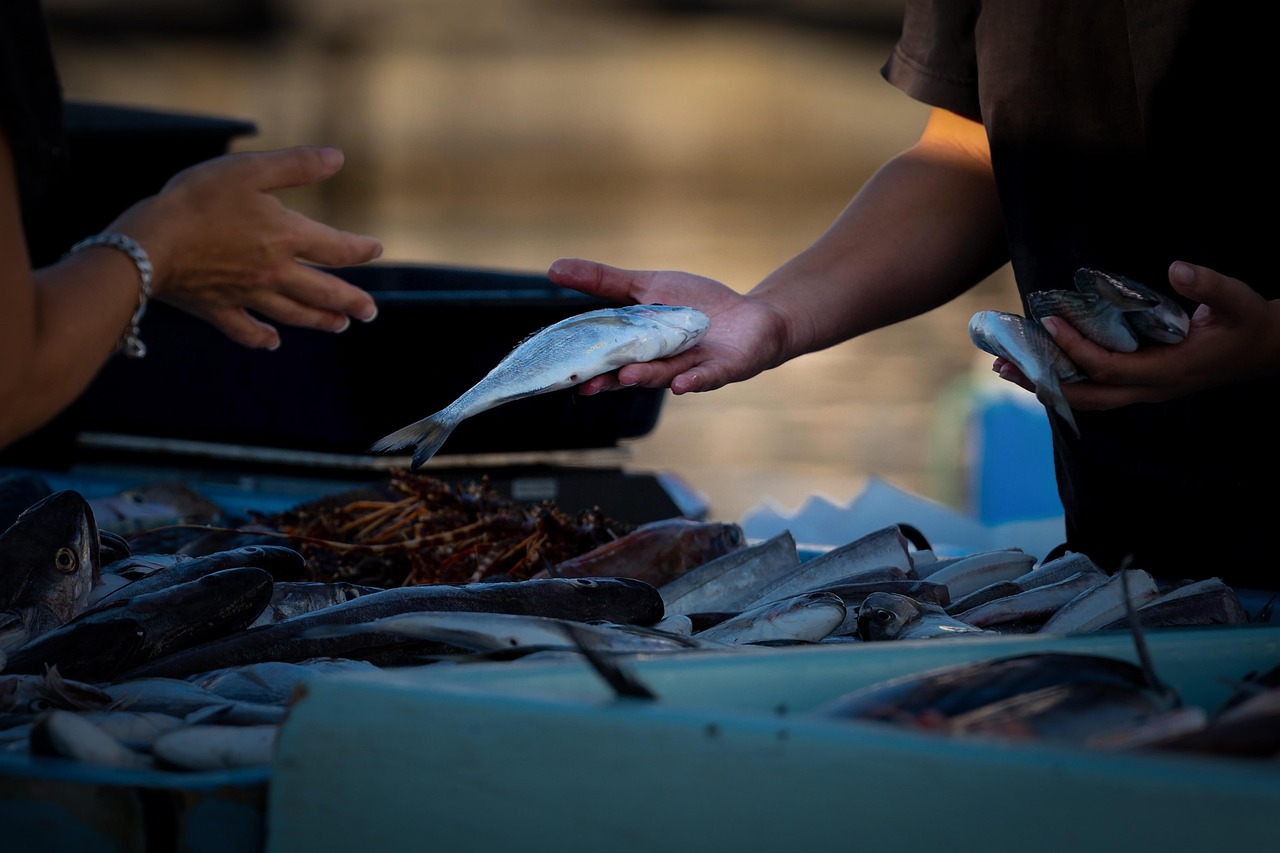
I’m stood on a corner in Samatya and the air smells like diesel exhaust, fried mussels, and three-day-old sea salt. Most tourists are currently suffocating in a line for the Hagia Sophia. Idiots. I’d rather be here, dodging a rusted transit van while a fishmonger screams about the price of bluefish in a dialect I barely understand. This isn’t a postcard; it’s a punch in the gut.
My boots are getting soaked by the grey, melted ice runoff from the fish crates. The humidity is a thick, damp blanket that makes my shirt stick to my back. I’ve lived in this city for fifteen years and I still get a kick out of how hostile it can feel to an outsider. A guy just shouldered me out of the way to grab a bag of lemons near the square. No “pardon me,” no smile. Why should he? He’s got work to do. This isn’t a theme park. It’s Kocamustafapaşa. It’s loud, it’s stained, and it’s real. If you want some sanitized, gold-plated version of the Orient, get back on the tram. I’ll take the grease.
How to get to Samatya without losing your mind
If you even think about taking a taxi to Samatya, you are actively choosing to suffer. I’ve lived in this city for 15 years, and the one thing I know for certain is that Kennedy Caddesi during rush hour is where dreams go to die. You’ll sit in a yellow car, staring at a stuck meter while the driver chain-smokes and listens to depressing talk radio, watching the sun set behind a wall of exhaust fumes. It’s pathetic. Don’t do it.
The only way to reach this neighborhood with your sanity intact is the Marmaray line. It is the absolute backbone of Istanbul transport, even if the stations feel like sterile bunkers. I usually jump on at Sirkeci. You descend about 60 meters underground—feels like you’re heading to a fallout shelter—and wait for that screeching train. It’s fast, it’s efficient, and it doesn’t care about the gridlock happening on the surface.
The logistics of the tracks
You need to get off at the Samatya station (though the signs might officially say Koca Mustafa Paşa, don’t let that throw you). It’s just 3 stops from Sirkeci. If you hit Kazlıçeşme, you’ve gone too far and ended up in a wasteland of malls and construction sites. Turn around.
Once you tap your Istanbulkart and exit the turnstiles, don’t look for a “picturesque” (God, I hate that word) exit. It doesn’t exist. You’ll be greeted by gray concrete and probably a guy selling counterfeit socks. I remember getting lost here back in 2010 before the Marmaray was even a thing; I ended up walking 40 minutes in the wrong direction because I trusted a paper map. Now, it’s simple: head toward the water.
Before you commit to the fishy backstreets, you need a base layer of food. I never start a Samatya trek on an empty stomach. I usually gorge on a massive Turkish breakfast at home or in a side-street hole-in-the-wall before heading out, because once you hit the Samatya square, it’s all about the rakı and mezze. You need that bread and cheese foundation to survive the afternoon.
| Transport Method | Time from Sirkeci | Cost (Approx) | Stress Level |
|---|---|---|---|
| Marmaray | 9 minutes | 20 TL | Zero (if you get a seat) |
| Taxi | 25-60 minutes | 250+ TL | Stroke-inducing |
| Walking | 55 minutes | Free | Sweaty and loud |
Crossing the Highway of Death
To get to the heart of the village, you have to confront Kennedy Caddesi. This highway is a brutal, six-lane scar that cuts the historic city off from the Marmara Sea. The noise is absolute hell. It’s a constant drone of engines and tires screaming against asphalt. It’s ugly. It’s loud. And it’s essential.
You’ll find a pedestrian underpass near the station. It usually smells like damp concrete and old cigarettes. Use it anyway. When you emerge on the other side, the atmosphere shifts instantly. The roar of the highway fades into the background, replaced by the clinking of forks against plates and the smell of grilled mackerel. This is the real grit of Istanbul. It’s not polished for influencers. The walls are crumbling, the waiters are probably grumpy, and the cats own the streets.
I love the mess of it. The way the salt air hits the exhaust fumes creates a specific Samatya scent that you won’t find in Sultanahmet. It’s honest. You’re not here for a museum tour; you’re here to see a neighborhood that is stubbornly refusing to turn into a theme park. Just keep walking toward the sound of clinking glasses.

Samatya Meydanı: Shouting, scales, and the best fish in the city
If you think the “authentic” fish experience in Istanbul is eating a greasy, factory-breaded mackerel sandwich on a rocking boat in Eminönü, you’ve been lied to. I’ve lived here for 15 years, and I still get a headache just thinking about the tourist circus down by the Galata Bridge. If you want the real thing—the salt-crusted, loud-mouthed, blood-on-the-pavement reality of this city—you get on the Marmaray train and get off at Samatya.
The Samatya Meydanı isn’t a place for the faint of heart or anyone wearing white suede shoes. It’s a mess. It’s loud. It smells like the Marmara Sea and cheap diesel. And I love it more than almost any other corner of this chaotic city. The moment you step into the square, you’re hitting the heart of a neighborhood that hasn’t yet been sanitized for your convenience. The ground is perpetually wet because the local balıkçı (fishmonger) is constantly hosing down his stall. You will get splashed. A guy carrying a crate of lemons will probably shove past you without saying “pardon.” Deal with it. This is a working square, not a postcard.
Forget the Eminönü traps
I’m serious. Stop going to Eminönü for seafood. Those places serve frozen mackerel imported from Norway because they can’t keep up with the volume of tourists. It’s a joke. In Samatya, the fish market Istanbul snobs actually respect is right in front of you. Here, the fish were probably swimming under a boat a few hours ago.
When I walk through the meydan, I look for the guys with the reddest gills and the clearest eyes. I remember once, about 4 years ago, I tried to haggle with a vendor over the price of some Lüfer. He looked at me, looked at the fish, and told me to go buy a burger instead if I didn’t understand the value of a Bluefish caught that morning. He was right. I was being a cheapskate. I bought the fish, took it home, and it tasted like the sea itself. That’s the Samatya attitude. They don’t want your money if you don’t respect the product.
The seasonality of the Marmara
This is where most travelers look like absolute fools. I see people sitting down at a table in July asking for Hamsi (anchovies) or Palamut (bonito). Don’t do that. Just don’t. Turkish seafood is strictly seasonal, and the locals will judge you—hard—if you ask for the wrong thing at the wrong time.
Berk’s Insider Tip: Look for the tiny bakery near the square that only sells ‘Simit’ in the morning. If it’s noon, you’re too late. Move on.
If you want to navigate the local seafood scene without looking like a total amateur, keep these rules in my head:
- September is Palamut season: This is when the Bonito starts running. It’s meaty, it’s cheap, and every restaurant in the square will be grilling it over charcoal. If the air smells like burning fat and sea salt, you’re in the right place.
- The Bluefish (Lüfer) is king: In October and November, the Lüfer migrates through the Bosphorus. It’s the most expensive thing on the menu, and it’s worth every Lira. If you see it, buy it. Don’t ask for it fried. Grilled only.
- Winter belongs to Hamsi: When the weather gets miserable and the wind starts whipping off the Marmara, the anchovies arrive from the Black Sea. We eat them by the bucketload.
- Never, ever ask for Salmon: Turkey has amazing fish. Why would you want a piece of farmed pink mush from halfway across the world? If I see you ordering salmon in Samatya, I’m walking the other way.
I usually spend an hour just standing near the train tracks, watching the cats fight over discarded fish heads. It’s gritty. The old Greek and Armenian houses surrounding the square are peeling and stained with soot. But when the sun starts to go down and the yellow lights of the meyhanes flicker on, there is a specific kind of magic here that you won’t find at the Hagia Sophia. It’s the magic of a city that is still alive, still working, and still smells a bit like guts and salt.
Is it “pretty”? No. It’s better than pretty. It’s honest.
The churches tourists never bother to see
If you are spending 400 Lira to stand in a 2-hour queue at the Hagia Sophia with a thousand sweating tourists, you are doing this city completely wrong. Seriously. You’re paying for a postcard when the actual blood and bone of the city is sitting 4 kilometers away in Samatya, rotting quietly in the sea breeze. I don’t go to museums to see Byzantine Istanbul. I go to the backstreets where the history is still damp, smelling of old incense and leaky pipes.
Surp Kevork: The church that sweats
My favorite place to feel properly depressed about the passage of time is Surp Kevork. Locals call it Sulu Manastır—the Water Monastery. It’s built over an ancient spring, and you can feel it in your lungs the moment you walk in. The air is heavy. The walls feel like they’re weeping. I was there last October, and the dampness was so thick I could practically taste the salt on my tongue.
This used to be the seat of the Armenian Patriarchate before they moved it to Kumkapı in 1461. Now, it’s just a massive, silent weight in the neighborhood. I hate how the modern “restoration” work inside looks like it was done by someone who usually tiles shopping malls. Those shiny, flat surfaces kill the vibe. You want the grime. You want the layers of 500-year-old soot. When they “fix” these places, they strip away the grief that makes them beautiful. It’s a tragedy, really. But despite the botched paint jobs, the spirit of the place is stubborn. It refuses to be pretty.
Agios Nikolaos and the Greek ghost
People think if they want Greek Orthodox churches, they have to go to Fener and bow down at the Patriarchate. That’s the “official” version. But Samatya history is different. It’s more domestic. More tired. Agios Nikolaos is the perfect example. It isn’t trying to impress anyone. It just exists.
I remember walking past it 5 years ago when a priest was screaming at a delivery driver for blocking the gate. That’s the Samatya I know. It isn’t a museum; it’s a neighborhood that happens to have 1,600 years of baggage. Every time I see the Greek script carved into the stone near the doorway, I’m reminded that this city wasn’t always just one thing. It’s a graveyard of empires, and we’re just the latest tenants. I often find myself looking for that same soul of old Istanbul when I wander through the crumbling timber houses of Zeyrek, where the past feels just as fragile.
Berk’s Insider Tip: The Greek church of Agios Nikolaos is often locked. Find the ‘Zangoç’ (sexton) nearby. A small donation and a smile usually get you in. Don’t be a jerk about it.
The crime of restoration on the Byzantine walls
Walking along the old Byzantine walls near Samatya makes me want to scream. These fortifications stood off the Huns, the Arabs, and the Crusaders. Now? They’re being defeated by bad architecture. The government “restores” sections of the wall by replacing the original 5th-century stone with bright, clean blocks that look like they were bought at a discount IKEA. It’s disgusting.
I like the bits they haven’t touched yet. The parts where the weeds are growing out of the cracks and the stones are blackened by 60 years of bus exhaust. There is a specific kind of beauty in a wall that is actually falling down. It shows its age. It shows its scars. Why do we insist on making everything look brand new? It’s a lie. The trash piles up at the base of the towers, and the smell of wet soot is constant, but I’d take that over a fake, “perfect” wall any day. 20 minutes of walking here tells you more about the city’s survival than any guidebook ever will.
Just watch your step. The ground is uneven, and the locals won’t move for you. Why should they? You’re in their backyard. Try to look like you belong there, even if the weight of all that history makes you feel like a ghost.
Rakı, Meze, and why Ali Haydar is still the boss
If you come to Samatya and don’t eat at Ali Haydar, you’ve basically wasted your train fare and a perfectly good evening. Most people find this place because of a TV show from the late 90s called İkinci Bahar. I remember watching it as a kid, but honestly, I don’t give a damn about the nostalgia or the famous actors who filmed here 25 years ago. I come here because the meat is consistent and the vibe hasn’t been ruined by the Instagram crowd yet.
The square in Samatya is a strange beast. It’s loud, it’s cramped, and if you come on a Saturday, it’s a total madhouse. But Ali Haydar stands there like a concrete anchor. It’s not “fancy.” If you want white tablecloths and waiters who bow every time you drop a fork, go to Nişantaşı and pay triple the price for half the flavor. Here, the floor might be a bit sticky, and you’ll definitely smell like grilled fat by the time you leave. That’s the point.
The stuff you actually need to eat
Don’t look at the menu. Just don’t. The moment you sit down, the meze tray is going to appear. This is where most tourists mess up. They see 20 different plates and start pointing like kids in a candy store. Stop. You need to be surgical.
First, get the fava. If a meyhane can’t do a proper broad bean puree, they shouldn’t be allowed to have a license. It should be smooth, heavy on the olive oil, and topped with enough red onion to make your breath a lethal weapon for the next 48 hours. Then, you order the atom. This is where things get real. It’s dried peppers swimming in thick, strained yogurt. If it doesn’t make you sweat a little, they’re catering to the weak-palated tourists. Tell them you want it the way the locals eat it. It should burn.
I’ve lived here for 15 years, and I’ve seen places come and go, but the roasted peppers here have a smoky depth that tastes like a wood fire and 3 generations of stubbornness. It’s simple food. But it’s hard to do right. I once sat here for 4 hours just picking at a plate of melon and white cheese while the sun went down. The melon was a bit overripe and the cheese was too salty, but with a glass of Rakı in my hand, it was the best meal I’d had all month.
Berk’s Insider Tip: Don’t let the guys at the entrance of the square pull you into their restaurants. Walk to the back. The best spots don’t need to bark at you.
How not to look like an amateur
Let’s talk about meyhane culture. It’s not a bar. It’s not a nightclub. It’s a temple of conversation. I see people coming in here, ordering a bottle of Rakı, and then screaming over each other like they’re at a football match. It’s exhausting.
A real meyhane is where you go to solve the world’s problems, or more likely, your own. You pour the Rakı, you add the water—watch the cloudiness happen, that’s the only “magic” you need—and you sip. Slow. If you’re chugging it, you’re doing it wrong. And for the love of God, don’t clink the tops of the glasses. You clink the bottoms. It’s a sign of respect.
The waiters at Ali Haydar have seen everything. They’ve seen breakups, business deals, and probably a few fistfights. They don’t have time for your “is this gluten-free?” questions. Just eat the bread. It’s soaked in meat juice and it’s delicious.
Why Samatya beats the Bosphorus
I spent the morning near the Şemsi Paşa mosque in Üsküdar, watching the seagulls fight over pieces of bagel. It was quiet, almost too quiet. By the time I took the Marmaray back to this side and walked into Samatya, the noise hit me like a physical wall. The smell of the sea here isn’t that fresh, salt-water scent you read about in brochures. It’s brine, diesel, and grilled mackerel.
It’s real.
Samatya doesn’t try to be pretty for you. The buildings are crumbling, the sidewalk is uneven, and the cats are way too confident. But when you’re sitting at a table at Ali Haydar, and the lights in the square start to flicker on, and the table next to you starts singing an old Sanat music song under their breath, you realize this is the soul of the city.
Most people are too scared to leave the Sultanahmet bubble because they think they’ll get lost or the food will be “too weird.” Their loss. I’d rather be here, arguing with my friends about politics over a plate of spicy meze, than sitting in some sanitized “historic” dining room with 500 other people wearing lanyards.
If you want the “İkinci Bahar” experience, fine. Take your photo with the sign. But then put your phone away, pour a glass, and actually taste the city. It’s messy, it’s loud, and it’s perfect.
Why I walk the backstreets of Kocamustafapaşa
Sultanahmet is a fake stage set for people who like gift shops, but Kocamustafapaşa is the messy, loud reality I actually crave. I don’t go there to “see sights.” I go there because my soul needs to see something that hasn’t been scrubbed clean and sterilized for cruise ship passengers who are afraid of a little grime.
The paint is the first thing you notice. It’s peeling. It’s flaking off those 19th-century wooden houses in chunks the size of my hand, exposing grey, rotting timber underneath. Most people see a neighborhood that needs a coat of paint. I see honesty. These buildings are exhausted. They’ve survived fires, earthquakes, and a million family arguments. They smell like damp wood, coal smoke, and whatever someone is frying for lunch. If you’re looking for a shiny, restored version of the city, stay in your hotel. This place is for people who don’t mind a bit of dirt under their fingernails.
The real bosses of the alleys
The cats here aren’t the pampered, fat fluff-balls you see in the fancy cafes of Cihangir. These are street soldiers. They’ve got scars on their ears and eyes that have seen way too much. They own these Istanbul backstreets. You? You’re just a guest. A temporary intruder. I once saw a scrawny ginger tabby staring down a delivery bike in a narrow lane near Yedikule. The bike stopped. The cat didn’t move. The driver actually had to reverse and find another way. That’s the hierarchy here. Accept it or leave.
Put your phone away
Seriously. Put it in your pocket. Google Maps is a total liar once you get deep into these hills. It thinks every line on a map is a flat, walkable road. It’s not. It’s a 45-degree staircase that hasn’t been repaired since the 80s, or a dead end that someone turned into a private garden 30 years ago. Getting lost is the entire point. If you aren’t frustrated and slightly confused, you aren’t doing it right. This is how you find the Samatya architecture that actually matters—the crumbling Greek schools and the stone fountains that haven’t worked in decades.
I’ve spent 15 years walking these cracks and I still find corners that surprise me. It’s not always pretty. Sometimes the trash cans are overflowing and the wind blows plastic bags against your legs. Sometimes the local kids will stare at you like you’ve dropped from Mars. But it’s real. It’s the opposite of a museum.
Even when I’m heading to see the world-class golden mosaics over in the Chora neighborhood, I’ll take the long, gritty route through the back passage of Kocamustafapaşa first. You need to see the grit before you’re allowed to see the gold. It gives the beauty context. Without the peeling paint and the smell of the street, the art feels hollow.
Is it a “perfect” local walking tour? Probably not if you like air conditioning and polite waiters. My knees usually hurt after 3 hours of these inclines, and the tea I buy at the corner shop is usually way too strong. But I’d take a bruised ego and sore legs in these alleys over a guided tour of a palace any day of the week. Just don’t expect the city to apologize for the mess. It won’t.
Samatya Logistics: Common Questions
Don’t even think about showing up in Samatya before 4:00 PM unless you enjoy looking at closed shutters and avoiding eye contact with stray cats. This neighborhood sleeps in, nursing a collective hangover from the previous night’s Rakı, and it only starts breathing when the sun begins to dip toward the Marmara.
Is Samatya safe at night?
Samatya safety is a non-issue, provided you aren’t terrified of a little grit. If you need polished marble and bright neon to feel secure, stay in Sultanahmet with the rest of the sheep. To the uninitiated, the backstreets look like a movie set for a thriller—dim yellow streetlights, peeling paint, and laundry hanging over narrow alleys. But I’ve stumbled through these streets at 2:00 AM more times than I can count. The locals aren’t looking to hustle you; they’re too busy arguing about football or the price of sea bass. It’s a working-class enclave. People live here. They watch out for the neighborhood. Just watch your step on the uneven pavement—I nearly snapped an ankle there last November because I was looking at a crumbling Byzantine wall instead of my feet.
Will they have English menus?
Mostly no, and frankly, that’s the best thing about it. If a waiter shoves a laminated menu with 5 different flags and photos of frozen pizza in your face, run. In Samatya, the “menu” is often just a glass fridge filled with meze plates or a guy telling you what came off the boat 3 hours ago. My advice for your visiting Samatya checklist? Learn the names of 3 fish and 5 appetizers. If you get stuck, just point. I once spent 10 minutes miming a shrimp to a waiter who clearly thought I was having a stroke, but he eventually brought out a sizzling clay pot of karides güveç that changed my life. Don’t be “that” tourist demanding a translation. Just eat what they give you. It’s almost always better than what you would’ve picked anyway.
When is the best time to visit?
Show up around 6:00 PM. This gives you an hour to wander the fish market and watch the vendors scream at each other before the dinner rush turns the main square into a madhouse. By 8:00 PM, the chairs spill out onto the stones, the anise smell of Rakı hits your nostrils, and the noise levels become deafening. It’s loud, it’s smoky, and it’s perfect. Don’t bother with Mondays; the energy is flat. Aim for a Friday or Saturday if you want to see the real Istanbul tips in action—locals letting off steam, clinking glasses, and ignoring their phones for 4 hours straight.
Conclusion
Go ahead. Follow the groups with the little flags. Stand in line for three hours to see a mosaic you could’ve looked up on your phone. If you enjoy being overcharged for a soggy döner by a guy who secretly hates you, Sultanahmet is your paradise. Me? I’m staying right here.
Samatya is loud. It stinks of fish scales and diesel exhaust. The old guys at the coffeehouse will probably stare at you like you’re an alien. Good. You are an alien here. This isn’t a museum. It’s a neighborhood that hasn’t bothered to put on makeup for the foreigners. It’s cracked, it’s stained, and it’s loud. Honestly, it’s a mess. But it’s the truth.
I’m done with the “must-see” lists. They’re a trap for people who want to feel cultured without actually getting their shoes dirty. Give me the grease on the table and the shouting fishmongers any day. As the light starts to fail, I usually find a spot near the base of the old sea walls. There’s a jagged gap in the masonry—centuries of neglect finally doing its work—and if you look through it, the Marmara is turning a heavy, bruised purple. The water looks cold. The wind smells like salt and wet soot. It’s perfect because it’s falling apart. Stay in your sanitized bubble if you want. I’ll be here.