
Local hamam etiquette and what to expect at neighborhood Turkish baths
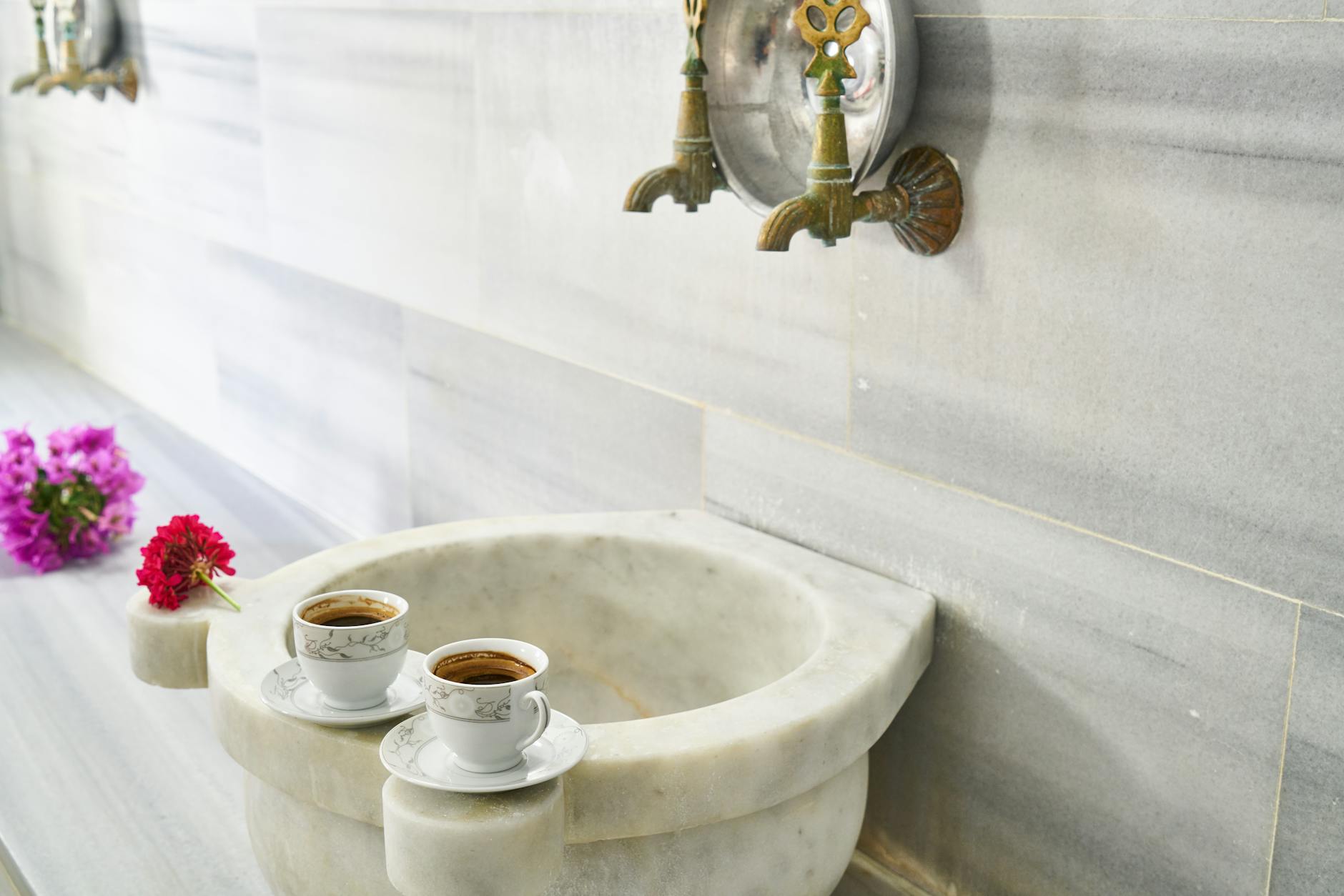
The first time I stepped into the Çinili Hamam in Üsküdar, the city’s frantic horn-honking faded into a rhythmic drip of water against marble that felt like it belonged to another century. There is a specific kind of silence inside a 500-year-old dome—a heavy, humid quiet that forces you to slow down whether you’re ready to or not. I had caught the Marmaray train from Sirkeci—a seamless four-minute underwater crossing—and walked up the hill just as the morning rush was peaking. For about 1,000 TL (roughly 20 EUR or 22 USD), I wasn’t just buying a wash; I was entering a neighborhood ritual that has remained largely unchanged since the days of the Valide Sultans.
In these neighborhood spots, you won’t find the rose-scented oils or the hushed, library-like atmosphere of a five-star hotel spa. Instead, you get the authentic clatter of metal tas bowls against stone and the sight of local regulars catching up on gossip. I remember my first “real” scrub years ago; I tried to keep my peştemal towel wrapped tightly around me with a sense of nervous modesty, only for the tellak (the bath attendant) to give me a look of amused patience. He signaled for me to lie flat on the göbektaşı—the massive, heated central marble slab—and proceeded to work with a kese mitt until I felt like I had shed three years of city grime.
It can be intimidating to walk into a place where the signs are only in Turkish and the “menu” is just a nod and a handshake. The marble might be stained by centuries of minerals and the changing rooms might smell faintly of laundry soap and history, but that is the trade-off for an Istanbul Turkish bath experience that hasn’t been sanitized for the masses. You have to be comfortable with a bit of organized chaos and the very physical nature of a traditional massage. If you arrive around 10:00 AM on a weekday, you’ll usually skip the queues of local families, giving you the dome almost entirely to yourself as the sunlight filters through the “elephant eye” glass studs in the ceiling, turning the rising steam into columns of white light.
Choosing Between the Imperial Domes and the Neighborhood Steam
If you head to a hamam in Sultanahmet, you are primarily paying for the restored marble and an English-speaking concierge, not necessarily a superior scrub. For most discerning travelers, the choice comes down to whether you want a curated “spa” experience or the raw, steaming heart of Turkish social culture. I’ve lived here for 15 years, and while the “Imperial” baths like Hürrem Sultan are undeniably stunning, I find the soul of the city in the faded grandeur of neighborhood spots in Fatih or the backstreets of Kadıköy.
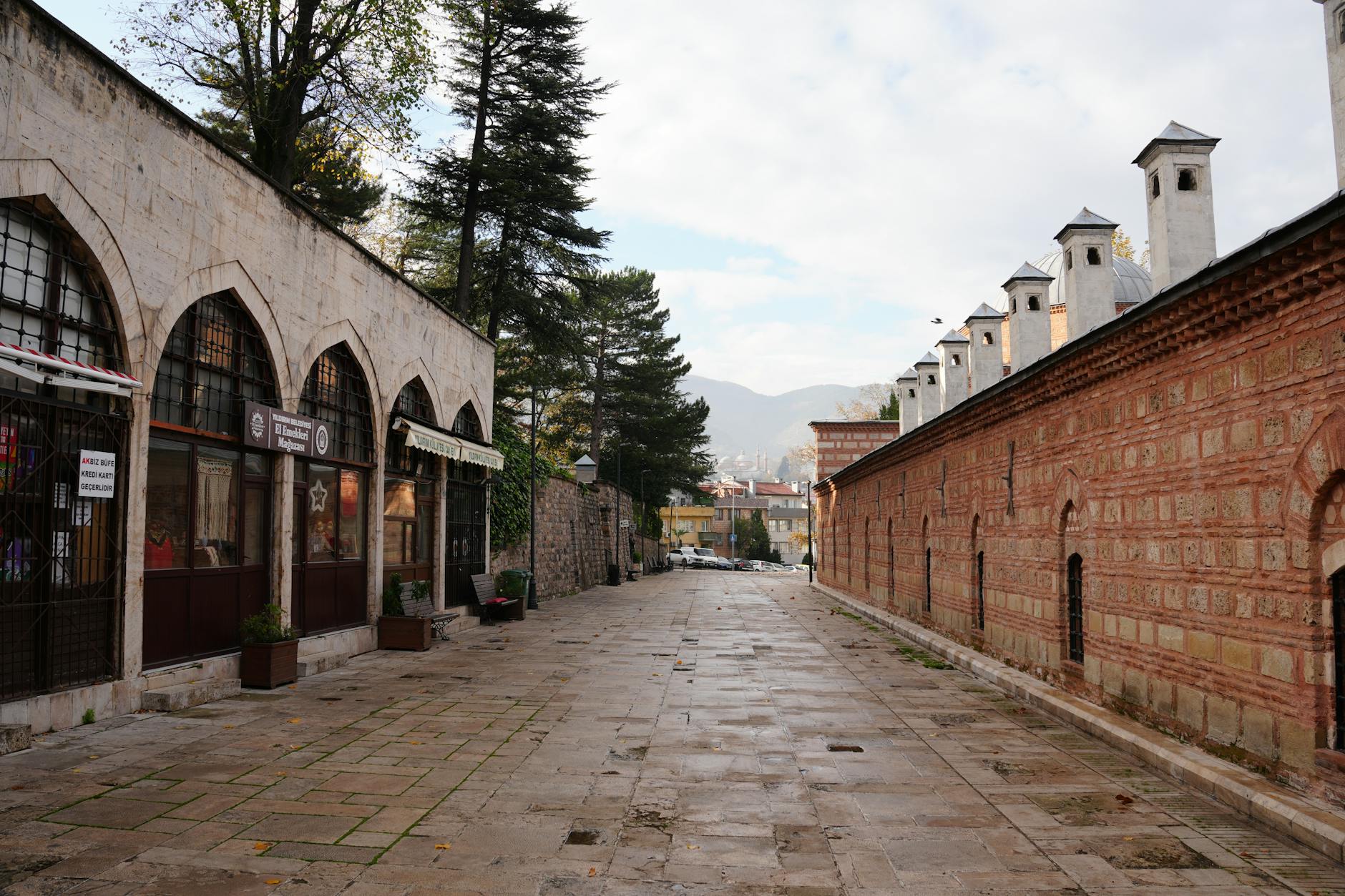
The price disparity in 2026 is staggering. A “Sultan” package in the tourist heartland will easily set you back 3,500 TL to 5,000 TL (roughly 70 to 100 EUR). Meanwhile, at a high-quality local bath, Turkish bath prices 2026 hover around 1,500 TL (30 EUR) for a full service including the scrub and soap massage. Last Tuesday at 11:15 AM, I stood outside the Mihrimah Sultan Hamamı in Edirnekapı, clutching a 1,500 TL banknote. I’d walked there specifically to avoid the 2-hour queue I had seen earlier at the bigger baths. The entry was swift—only three people ahead of me—and it confirmed that the morning slot is the sweet spot for avoiding the post-work rush.
Finding the Right Balance
Choosing where to scrub down often depends on where you’ve set up base. If you are staying on the Asian side, you might want to combine your bath with a visit to Beylerbeyi Palace Entry Tips and Bosphorus Ferry Routes to the Asian Side. Many historic neighborhood hamams in Istanbul are located within walking distance of these major landmarks. These places don’t have fancy websites, but they have centuries of heat stored in their stones.
| Hamam Category | Est. Price 2026 (Full Service) | Best For | Typical Crowd |
|---|---|---|---|
| Imperial / Historic | 3,500 - 5,500 TL | Photography & Luxury | 90% Tourists |
| High-End Local | 1,200 - 1,800 TL | Authentic Quality | Locals & Expats |
| Neighborhood Basic | 800 - 1,100 TL | Budget & Deep Culture | 95% Locals |
Berk’s Insider Tip: In 2026, a 1,200 TL entry fee (approx 24 EUR or 27 USD) at a historic but local spot like Çemberlitaş should include your kese and soap massage. If they ask for more up front, ask for the breakdown.
While the famous domes offer a grand sense of history, the local baths offer a sense of belonging. In Kadıköy, the steam rooms are where neighbors discuss the latest ferry schedule or football scores. It’s less about being a “guest” and more about being part of the city’s rhythm. If you find the marble a bit chipped or the towels a little thin in these local spots, remember that you’re paying a third of the price for an experience that hasn’t been sterilized for the masses.
The Arrival: From the Street to the Camekan
Walking through the heavy doors of a neighborhood hamam can feel like stepping back into the 16th century, but your first real challenge is at the reception desk. You need to decide exactly which services you want before you even see a drop of water.
Making Your Choice at the Desk
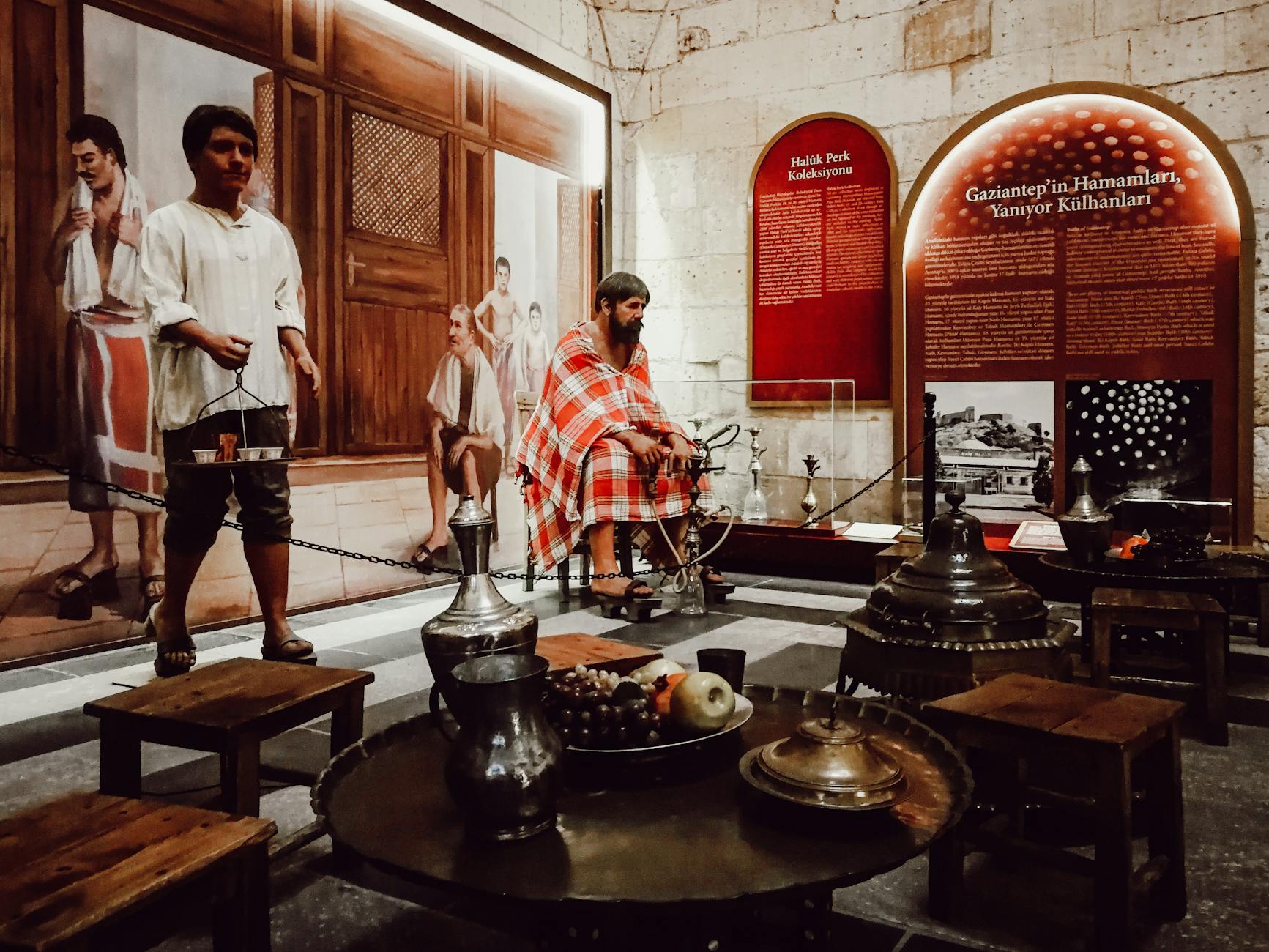
Don’t linger at the entrance looking confused; the staff at neighborhood spots appreciate a traveler who knows the drill. You’ll usually be offered three tiers: a basic entry (just the bath), entry with a kese (the abrasive scrub), or the full package including a foam massage. I always recommend going for the full works. Last Tuesday at my local spot in Fatih, the total for a scrub and massage came to 750 TL (15 EUR / 16.60 USD). It’s worth every Lira. If you wait until you’re already inside the hot room to ask for a scrub, you’ll disrupt the flow of the tellak (attendant), and you might end up waiting on a cold marble slab for twenty minutes.
Berk’s Insider Tip: Most neighborhood hamams are gender-segregated by day or have entirely separate wings. Always check the ‘Bayan’ (Women) or ‘Erkek’ (Men) signs at the entrance before walking in.
The Sanctity of the Camekan
Once you’ve paid, you’ll be led to the camekan, the soaring central hall lined with wooden changing cubicles. This is your private sanctuary. The attendant will hand you a key—usually attached to a piece of elastic you wear around your wrist—and a bundle containing your towel. Treat that wooden key cabinet like a vault. While neighborhood baths are generally safe, I always tuck my watch and wallet into my shoes before locking the door. It’s a local habit that keeps the mind at ease while you’re steaming.
Your Only Armor: The Peştemal and Takunya
Inside your cubicle, you’ll find your peştemal, the thin, tasseled cotton towel that will be your only clothing for the next hour. For men, there is one non-negotiable rule of hamam etiquette: the peştemal stays on at all times, even under the shower. Walking around naked is a massive faux pas that will earn you some very stern looks from the regulars.
Before you step onto the marble, swap your shoes for takunya—clumsy wooden clogs designed to keep your feet off the wet floor. They are notoriously slippery and loud. I once saw a tourist try to jog across the wet marble in these and nearly end his vacation early. Walk slowly, plant your feet firmly, and embrace the rhythmic clack-clack sound on the stone; it’s the true soundtrack of the Istanbul bath experience.
The Heat and the Stone: Mastering the Inner Chamber
If you don’t spend at least twenty minutes horizontal on the marble, you’re essentially just taking an expensive shower. The göbektaşı, or “belly stone,” is the massive, heated marble platform in the center of the room, and it is the heart of the entire experience. When you walk into the steam, don’t rush to a corner; head straight for that stone.
I remember my first visit to a neighborhood bath in Üsküdar where I made the mistake of sitting right next to the door. A local regular gestured for me to move to the center. “The heat is the medicine,” he said. He was right. Lay your towel down, rest your head, and look up at the dome. Those tiny, star-shaped glass holes are called filgözü (elephant eyes), and they filter the sunlight into dusty, ethereal beams that make the steam look like a dream.
The Etiquette of the Kurna
Around the perimeter, you’ll find the kurnas, or marble water basins. This is where you sit if the central stone gets too intense. Each basin usually has two taps—one scorching, one cold. You’ll use a tas (a traditional metal or copper bowl) to mix the water to your preferred temperature.
The golden rule here? Never splash. Neighborhood hamams are social spaces, but they are quiet ones. If you start throwing water around like you’re at a water park, you’ll get some very stern looks from the locals. Pour the water gently over your shoulders. If the person next to you is using the basin, wait for a natural gap or find an empty one. If you’re at a smaller spot like the Çinili Hamam, space can be tight, so keep your elbows in.
The 15-Minute Rule
I always tell my friends to follow the 15-minute rule: you must sweat for at least fifteen minutes before you even think about calling the attendant for your kese scrub. If you try to start too early, your skin won’t be soft enough, and the scrub won’t be nearly as effective—or comfortable. You want your skin to be “ripe.” When you see your fingertips starting to prune slightly, that’s your signal to find your attendant.
How to Prepare for Your Scrub
- Enter the inner chamber (hararet) and find a spot on the central marble stone.
- Lay down on your back for at least 15 minutes to allow the steam to open your pores.
- Fill your copper bowl (tas) at a nearby kurna and pour warm water over your limbs periodically.
- Signal your attendant (the tellak or natır) once you feel fully relaxed and your skin feels soft.
- Move to a marble bench near a basin when they call you for the scrubbing phase.
- Offer a small tip (usually 100-200 TL, which is about 2 to 4 EUR) to your attendant at the very end of the service for good measure.
The Kese and Sabun: The Art of Shedding Your Old Self
If you are expecting a gentle, lavender-scented Swedish massage, you have walked into the wrong building. The traditional kese is a rigorous, borderline-athletic exfoliation designed to strip away layers of dead skin you didn’t even know you had. It is a physical transformation that leaves you feeling lighter, though the process itself can be a bit of a shock to the uninitiated.
The Tellak and the Silk Mitt
Your tellak (for men) or natır (for women) is the person who will perform the scrub. These are seasoned professionals who have often spent decades perfecting their technique. I remember my first real neighborhood experience at Kadırga Hamamı—a historic spot tucked away from the main tourist drag. I paid 750 TL (exactly 15 EUR or about 16.50 USD) for the full service. The tellak gestured for me to lie on the göbektaşı, the massive heated marble platform in the center of the room.
When they start with the kese (the coarse silk mitt), do not be alarmed by the “grey rolls” that begin to appear on your skin. It looks a bit like pencil shavings, but it’s actually a sign of a job well done. It is the most satisfyingly “gross” part of the experience. If the pressure feels too intense, simply say “Yavaş” (slowly/gently). They will adjust immediately, but I usually recommend letting them do their thing—it’s the only way to get that deep-clean glow.
The Cloud of Sabun
Once the “sanding” is finished, the reward arrives: the sabun (soap) massage. The attendant uses a long lace bag, swirling it through the air to create a massive, weightless cloud of bubbles that covers you from head to toe. After the friction of the scrub, this feels like being wrapped in a warm, silken blanket. It’s a sensory high point that makes the previous five minutes of “sandpaper” treatment entirely worth it. Just remember to keep your eyes shut tight; that traditional olive oil soap is fantastic for the skin, but it definitely stings if it gets in your eyes.
Post-Steam Logistics: Tipping and Taxis
Tipping is where the smooth ritual of the hamam often hits a snag for visitors, but the rule is simple: bahşiş is a direct gesture of thanks, not a formal tax. I usually budget an extra 10-15% on top of the turkish bath prices 2026 locals expect to pay. Last month at a neighborhood bath in Kadıköy, I watched a tourist leave a massive tip at the reception desk, assuming it would be shared. It rarely is. Always hand the notes directly to your tellak (masseur) or the person who scrubbed you while you’re in the changing area. If your service was 1,500 TL (about 30 EUR or 33 USD), handing over 200 TL directly to your attendant ensures the person who actually broke a sweat gets the reward.
The Ritual of the Cool-Down
Never rush out into the Istanbul breeze immediately after your bath. Your body needs to recalibrate. I always spend at least twenty minutes in the lounge area, wrapped in my dry towels. This is the time to order a cold, salty Ayran to replenish minerals or a classic fruit Gazoz. One mistake I made early on was trying to find a high-end breakfast right after a scrub in Fatih. I wandered for twenty minutes before realizing that a simple simit from the street cart near the Fevzi Paşa street crossing was all I needed to balance my lightheadedness. It cost exactly 15 TL, and it saved me from a blood-sugar crash. For a more structured meal later, you can check the Turkish Breakfast Guide: Istanbul.
Getting Home with “Jelly Legs”
Walking out of a hamam feels like floating, which makes you an easy target for the city’s more opportunistic drivers. Trying to hail a cab while you’re in a post-bath daze is a recipe for frustration, especially in high-traffic areas like Sultanahmet. Instead, sit back in the lounge and use an app to book your ride. For a smooth transition back to your hotel without the stress of price negotiations, I recommend navigating Istanbul taxis and ride hailing apps with 2026 pricing tips to ensure you don’t overpay while your brain is still in a steam-induced cloud.
Frequently Asked Questions about Istanbul Hamams
How much should I tip at a Turkish bath in 2026?
The standard bahşiş is roughly 10-15% of your total service cost. If your bath and scrub package costs 2,000 TL (which is 40 EUR or about 44 USD), a tip of 250-300 TL is perfectly appropriate. Always carry small denominations of cash, as you should hand this directly to the individual staff members who assisted you rather than adding it to a credit card payment at the front desk.
What should I wear inside the hamam?
Men typically wear a peştemal (a thin fringed towel) wrapped around the waist, which the hamam provides. You generally stay naked under the towel. Women usually wear bikini bottoms or stay completely undressed, depending on the specific bath’s culture and their own comfort level. In neighborhood baths, locals are quite relaxed, but I always suggest bringing a spare set of dry underwear to change into after your session is finished.
Is it safe to visit a hamam if I have sensitive skin?
The kese (exfoliation) can be quite intense. If you have very sensitive skin or conditions like eczema, tell your tellak “yavaş” (slowly/gently). They use a coarse mitt that removes dead skin layers effectively. While it feels invigorating for most, don’t be afraid to speak up. The goal is a healthy glow, not irritation, so communication during the scrub is key. If you’re worried, skip the scrub and just enjoy the steam and soap massage.
Conclusion
There’s a specific moment, usually about twenty minutes into the heat, when the hierarchy of the city outside simply evaporates. I’ve sat on the göbektaşı—that massive, heated central marble slab—at Gedikpaşa Hamamı and looked through the thick clouds of steam at the people around me. Wrapped in identical cotton peştemals, the distinctions of wealth and status vanish. The CEO from a Maslak skyscraper and the guy who fixed my shoes in Kadıköy look exactly the same when they’re sweating out a week’s worth of stress. It’s the ultimate Turkish equalizer; you’re just another soul seeking a clean slate, stripped of your suits and your titles.
If you can, time your visit for the late afternoon, around 4:30 or 5:00 PM. I did this last Friday after wandering through the Grand Bazaar, and the timing makes all the difference. As the sun begins to dip, the “elephant eyes”—those small glass bubbles embedded in the stone dome—catch the golden light, sending sharp, cinematic beams through the steam that dance across the wet marble. It turns a simple bath into something almost spiritual.
A full treatment, including the kese scrub and a soap massage, usually runs about 1,250 TL (25 EUR / 28 USD) at a solid neighborhood spot. It’s a small price to pay for that heavy, blissful exhaustion you feel afterward. When you finally step back out onto the cobblestones, the roar of the city feels a few decibels lower, and you’ll find yourself walking with a lightness that no spa in a five-star hotel can replicate. Just remember to bring some small notes for a tip—100 TL goes a long way in showing appreciation to the tellak who just scrubbed five years of age off your skin.
Comments
Share your thoughts with us