Tarabya and Yeniköy waterfront walking route with Levantine mansions and 2026 ferry tips
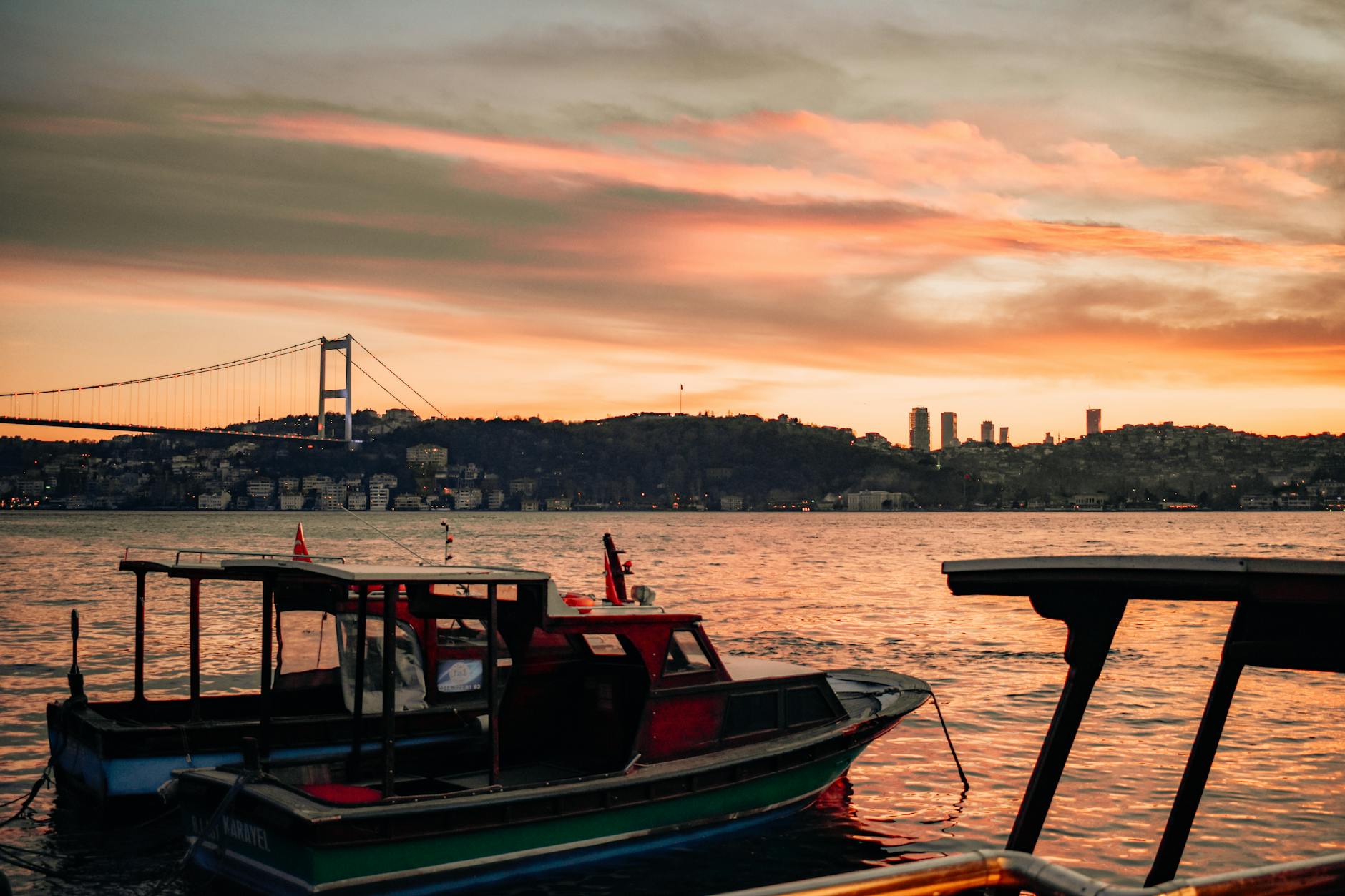
There’s a specific kind of silence in Tarabya that you won’t find in the central hubs of Beşiktaş or Karaköy. It’s the sound of the Bosphorus lapping against stone quays without the constant roar of heavy traffic, and for me, it always starts with the smell of toasted sesame from a street vendor near the ferry pier. Last Tuesday, I stepped off the 10:15 AM ferry—a crisp, twenty-minute ride from the city center—and felt that immediate shift in temperature and tempo that defines the northern shores.
Living here for fifteen years, I’ve learned that the secret to the Bosphorus isn’t found in a crowded tour boat, but on the narrow strip of pavement connecting Tarabya to Yeniköy. This stretch is where the yalı—those grand, century-old wooden waterfront mansions—stand like silent witnesses to Istanbul’s Levantine past. Walking here requires a bit of local agility; the sidewalk occasionally thins out near the Huber Mansion, forcing you to time your steps around the occasional fisherman’s rod. I once nearly tripped over a tangle of carbon-fiber fishing lines near the Huber gates around 4:00 PM; the local fisherman just shrugged and offered me a tea from his thermos. It cost nothing but a “teşekkürler,” though the 50-meter detour around his bucket of shimmering istavrit (horse mackerel) was a lesson in sharing the narrow sidewalk.
The 2026 ferry schedules have finally synchronized the mid-day lines, meaning you can hop between these neighborhoods for about 45 TL (exactly 1 USD), a much smarter move than battling the coastal road’s notorious bottleneck. I noticed the ticket kiosk at Tarabya was undergoing maintenance around noon, so ensure your Istanbulkart is topped up before you leave the more central piers. It’s a small logistical hiccup, but easily managed if you’re looking to trade the neon lights of the city for the pale yellows and deep burgundies of Yeniköy’s historic facades.
Starting North: The Arrival at Tarabya Pier
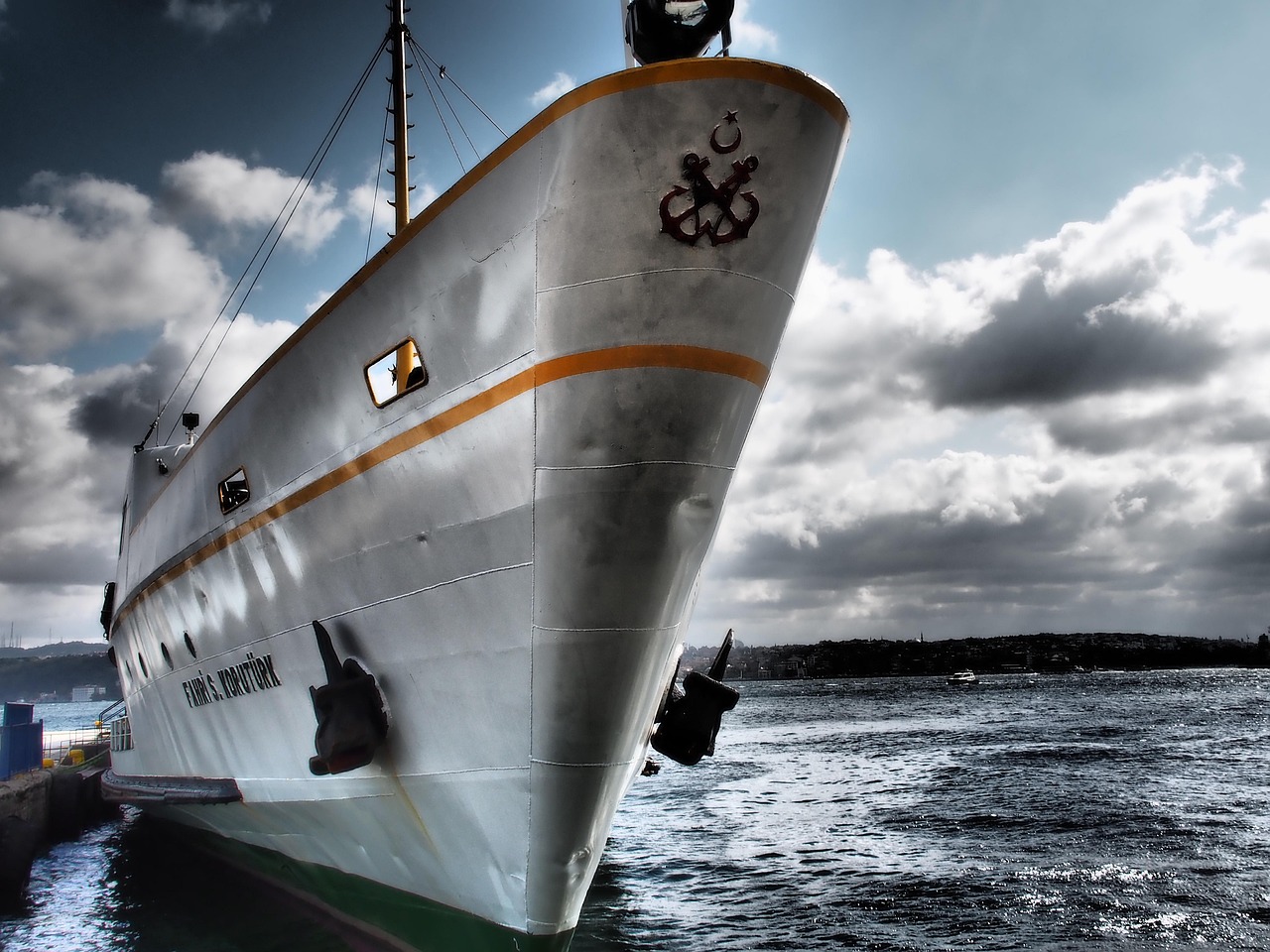
If you take a taxi to Tarabya, you’ve essentially cheated yourself out of the best part of the day. There is no better way to understand the scale of the Bosphorus than the 70-minute ferry ride from Eminönü or Beşiktaş. I did this exact route last Tuesday, catching the 9:20 AM boat; the air was crisp, and the sight of the Rumeli Fortress sliding past while I sipped a 15 TL tea on deck reminded me why I’ve called this city home for 15 years. While the M2 metro is faster, it’s a subterranean tunnel of nothingness. The ferry, however, is a moving theater for the price of 35 TL (approximately $0.77 USD) using your Istanbulkart.
Stepping off at the historic Tarabya Ferry Pier around 10:30 AM is a calculated move. At this hour, the sun is high enough to sparkle on the water but hasn’t yet developed that sharp, stinging heat that makes walking a chore in the afternoon. You’ll notice the neighborhood is quiet, smelling faintly of sea salt and pine from the hills behind. If the ferry terminal feels a bit sleepy, that’s because it is; this is where Istanbul’s old money and diplomatic circles come to breathe, far from the chaotic energy of the Sultanahmet square. To ensure you can track the boat’s location and check for any sudden schedule changes, make sure you’ve sorted out your connectivity by buying a local SIM card and mobile data plans with 2026 prices before heading north.
Reaching the North: A Step-by-Step Arrival
- Top up your Istanbulkart with at least 100 TL at any yellow “Biletmatik” machine to cover the round trip and a cheeky bus ride if your legs get tired.
- Arrive at the Eminönü or Beşiktaş ferry terminal at least 15 minutes before the scheduled departure to snag a seat on the left side of the boat (the European side) for the best views of the waterfront mansions.
- Scan your card at the turnstile—the 35 TL fare is fixed for the long-haul Bosphorus lines in 2026, making it significantly cheaper than any private tourist cruise.
- Track your transit progress using the official Şehir Hatları website or app to see exactly when you’ll pass under the Fatih Sultan Mehmet Bridge.
- Disembark at Tarabya Pier, making sure to wait until the crew has securely tied the ropes, as the currents here are notoriously strong and can cause the boat to lurch.
Berk’s Insider Tip: Check the ‘Şehir Hatları’ app in real-time. In 2026, north-bound ferries are often delayed by 5-10 minutes due to heavy currents, so don’t panic if the boat isn’t there at the exact second.
The Diplomatic Coast: Summer Embassies and Grand Hotels
Tarabya isn’t just a neighborhood; it’s a statement of historical prestige that smells faintly of sea salt and old money. As you begin walking south from the harbor, the atmosphere shifts from the clatter of fish restaurants to a hushed, dignified air. This stretch of the Bosphorus has been the “summer playground” for European diplomats for centuries, and you can still feel that detached, aristocratic energy today.
The Ghost of the Tokatlıyan
The massive white silhouette of the Grand Tarabya Hotel dominates the skyline here. I have a love-hate relationship with its 1960s brutalist-meets-glamour aesthetic. It sits on the site of the legendary Tokatlıyan, a wooden palace-hotel that was the height of Ottoman-era luxury before it burned down. While the modern building lacks the soul of the original, the terrace remains a prime spot for people-watching. If you decide to stop for a Turkish coffee here, expect to pay around 450 TL—that’s 9 EUR or 10 USD. It’s a steep price for a single cup, but the view of the Bosphorus current churning toward the Black Sea is worth the expense at least once.
Gates of the Great Powers
Continuing south, you’ll encounter the high stone walls and iron gates of the German Summer Embassy. It’s more of a park than a building, gifted by Sultan Abdulhamid II to Kaiser Wilhelm II. I often walk past here around 5:30 PM when the light hits the greenery just right, catching glimpses of the historic wooden chalets hidden behind the foliage. Just a few steps further is the Italian Residency. These aren’t just buildings; they are sovereign slivers of Europe in Istanbul.
Art Nouveau from the Sidewalk
The real architectural heartbreaker is the Huber Mansion. It is arguably one of the most stunning examples of Art Nouveau in the world, featuring whimsical ironwork and floral motifs that seem to melt into the landscape. However, because it is currently used by the Turkish Presidency, you can’t exactly knock on the door for a tour. Don’t stand directly in front of the main gate with a professional camera, as the security guards are understandably jumpy. Instead, keep walking toward Yeniköy and look back over your shoulder from about 50 meters away. You’ll get a clear, unobstructed view of the mansion’s ornate roofline and the famous carriage house without bothering the detail.
Yeniköy’s Levantine Legacy and Waterfront Yalıs
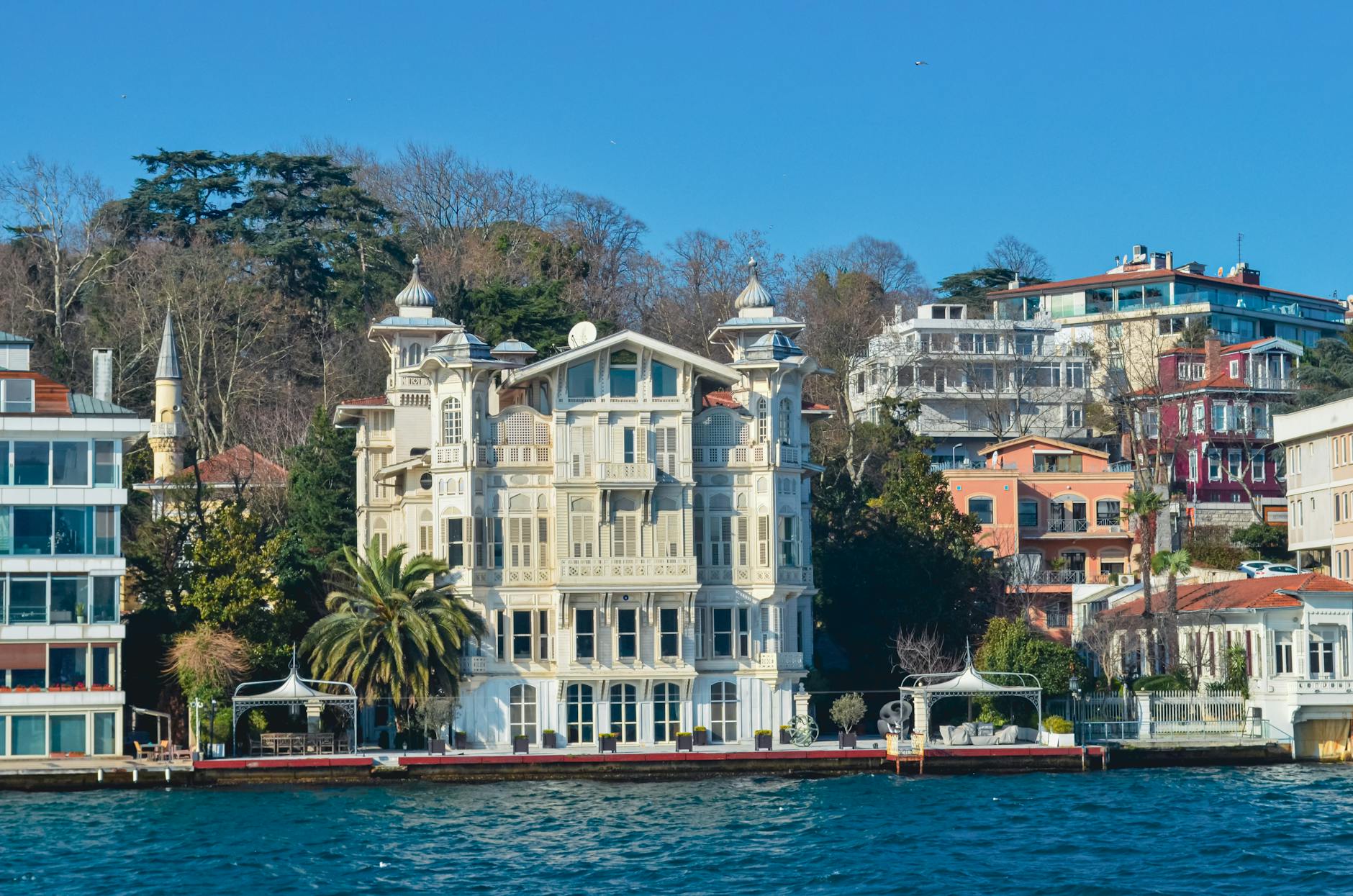
Walking south from Tarabya, the shift in energy is immediate. The sidewalk suddenly feels generous, almost inviting you to slow your pace to match the rhythm of the waves hitting the stone sea wall. This stretch is where the Bosphorus feels most like a living museum, thanks to the Yalıs—those iconic wooden waterfront mansions that have survived fires, ship accidents, and the relentless humidity of the strait.
You’ll know you’ve truly arrived in Yeniköy when you spot the Sait Halim Paşa Mansion. Those two stone lions guarding the entrance are more than just decor; they are the silent sentinels of the 19th century. I once spent a breezy Sunday afternoon with a sketchbook on a bench just opposite the gates, trying to capture the intricate wood carvings of the facade. It’s a masterpiece of “Bosphorus Art Nouveau,” reflecting the deep influence of the Greek and Levantine families who shaped this neighborhood’s DNA. These families weren’t just residents; they were the cultural bridges between the Ottoman court and Europe.
If the narrow sidewalk near the busier bends of the road feels a bit cramped during the afternoon rush, don’t let the traffic ruin the vibe. Simply cross to the water’s edge and let the sea breeze act as a natural mute button.
Architectural Echoes of the 19th Century
The beauty here is in the details. While the grand mansions grab your attention, the smaller side streets hide stone churches and hidden gardens that feel more like a village in the Mediterranean than a metropolis of 16 million people.
Things to look for as you walk through Yeniköy:
- The Stone Lions: Guarding the “Arpa Suyu” (barley water/beer) mansion, formally the Sait Halim Paşa.
- Cumba Windows: The classic overhanging bay windows that allowed residents to see the Bosphorus without being seen.
- Ornate Pierced Eaves: Look up at the rooflines to see delicate woodwork that resembles lace.
- Panayia Greek Orthodox Church: A quiet, walled sanctuary tucked just one street back from the water.
- Private Boat Slips: Small openings under the mansions where residents once pulled their rowing boats directly into their basements.
While you’re soaking in the history, keep in mind that the Yeniköy ferry pier is a strategic hub. You can easily hop on a boat to cross over to the Anadoluhisarı and Kanlıca walking route with ferry tips and yogurt stops for a completely different vibe on the Asian side. A short ferry ride costs about 30 TL (around 0.60 EUR or 0.65 USD), making it the cheapest scenic cruise in the city.
Berk’s Insider Tip: If you want the best photos of the Sait Halim Paşa Mansion, walk about 50 meters south of it to the small public fishing pier. The angle from there captures the whole facade without the street signs in the way.
Pit Stops and Practicalities: Coffee, Restrooms, and Breaks
If you’re walking the Bosphorus line, skip the overpriced restaurants for your caffeine fix and find a small table at a Yeniköy corner cafe instead. I’ve spent countless afternoons sitting at one of the modest spots near the ferry terminal, nursing a 110 TL ($2.45 USD) espresso while massive container ships glide so close it feels like you could reach out and touch the hull. There is a specific rhythm to Yeniköy; the locals aren’t in a rush, and you shouldn’t be either. While the waterfront is lined with flashy seafood spots, I rarely eat at them unless someone else is picking up the tab. For a true taste of the neighborhood, I always duck into the backstreet bakeries. You’ll get a fresher börek for a fraction of the price, and you won’t be paying a “view tax.” Last Friday at the Yeniköy Pasticceria, I spent exactly 180 TL on a box of almond cookies only to realize the queue for the 16:40 ferry was already stretching past the ticket booth. I ended up sprinting the last 200 meters with the box tucked under my arm, barely sliding through the turnstile as the ramp began to lift.
Navigating the Basics: Restrooms and Relief
Finding a decent toilet in the middle of a long walk can be a nightmare if you don’t know where to look. I usually point people toward the public facility near Yeniköy Park. It’s remarkably well-maintained for a municipal spot, though you’ll need to have your Istanbulkart or some coins ready as it costs 20 TL ($0.45 USD). If there is a line, don’t panic; it moves fast, and it beats trying to negotiate with a busy restaurant manager. For more advice on this, check out my thoughts on Finding Clean Public Restrooms in Istanbul with 2026 Fees and Practical Tips.
Quick Reference for Your Stop
| Stop Type | Expected Cost (TL / USD) | Berk’s Pro Tip |
|---|---|---|
| Corner Cafe Espresso | 110 TL ($2.45 USD) | Best for ship-spotting near the ferry pier. |
| Public Restroom | 20 TL ($0.45 USD) | Use the Yeniköy Park location; very clean. |
| Backstreet Bakery | 60–150 TL ($1.35–$3.35 USD) | Buy a poğaça here and eat it by the water. |
| Waterfront Seafood | 1,200+ TL ($26.50+ USD) | Great views, but often requires a reservation. |
Timing and Crowds
The “golden hour” in Yeniköy is unmatched, but that’s also when the narrow sidewalks get congested with joggers and strollers. If you’re here for the ferry tips, remember that the evening boats back toward Beşiktaş fill up fast. I once missed the 18:10 ferry because I spent five minutes too long finishing a Turkish coffee. If you see the boat approaching the pier, stop what you’re doing and move. The captains here are efficient, and they won’t wait for a lingering tourist, no matter how nice your camera looks.
Mastering the 2026 Ferry Schedule for the Return
The biggest mistake you can make in Tarabya is assuming there’s always “another boat soon.” Unlike the central Bosphorus hubs, the northern piers operate on a much tighter, more rhythmic schedule that dictates your evening. If you miss that final direct boat to Beşiktaş, you are essentially surrendering to a 600 TL taxi ride through the grueling Maslak traffic.
The Fast Ferry and the Digital Gate Reality
The fast ferry back to the city center is the undisputed king of the return trip. It currently costs 40 TL (approximately $0.88 USD), which is an absolute steal for a thirty-minute cruise past the world’s most beautiful waterfront mansions. However, the 2026 digital gates at the Tarabya and İstinye piers can be temperamental. Last month, I watched a couple lose their spot on the 18:15 boat because their phone screens were too dim for the QR scanners to read. Arrive at the pier at least 10 minutes early. This gives you enough buffer to adjust your screen brightness or dig out your physical Istanbulkart if the digital system decides to be finicky.
The İstinye-Çubuklu Shortcut
If you find yourself at the end of the day in İstinye and aren’t ready to head back to the hotel, take the İstinye-Çubuklu car ferry. Many travelers think these are strictly for vehicles, but pedestrians can hop on for a nominal fee. It’s my favorite “hack” for reaching the Asian side in under fifteen minutes. Once you cross to Çubuklu, you’re just a short walk or a quick bus ride away from the yogurt shops of Kanlıca or the quiet, wooded hills of Beykoz. It’s the perfect way to extend a Bosphorus day without getting stuck in a loop of transfers.
Frequently Asked Questions about Northern Bosphorus Transport
How do I pay for the ferry in 2026 if I don’t have an Istanbulkart?
While the physical Istanbulkart is still the most reliable method, all Istanbul City Lines piers now accept contactless credit and debit cards directly at the gate. However, keep in mind that foreign bank cards often carry a small transaction fee from your provider. If you’re planning on taking multiple ferries, it is still more economical to load a digital Istanbulkart on your phone, as it ensures the 40 TL ($0.88 USD) flat rate without extra bank surcharges.
What is the best way to get back to Sultanahmet if I miss the last ferry?
If the boats have stopped running, don’t panic and jump into the first taxi you see; they will often try to negotiate a high flat rate. Instead, take a short taxi or a local “Dolmuş” (yellow minibus) to the Hacıosman Metro Station. This is the start of the M2 Green Line. It will take you directly to Taksim or Vezneciler (near Sultanahmet) in about 30-40 minutes, completely bypassing the shore-road traffic jams that plague the city after 7:00 PM.
Is the İstinye-Çubuklu car ferry available for pedestrians all night?
The İstinye-Çubuklu line is frequent, running roughly every 20 minutes, but it does not operate 24/7. The service typically winds down around 9:30 PM or 10:00 PM depending on the season. For pedestrians, it’s a brilliant shortcut because there is no waiting in the long vehicle queue; you simply walk through the turnstile and board. It’s much faster than the passenger-only ferries if you are specifically trying to reach the mid-Asian coast.
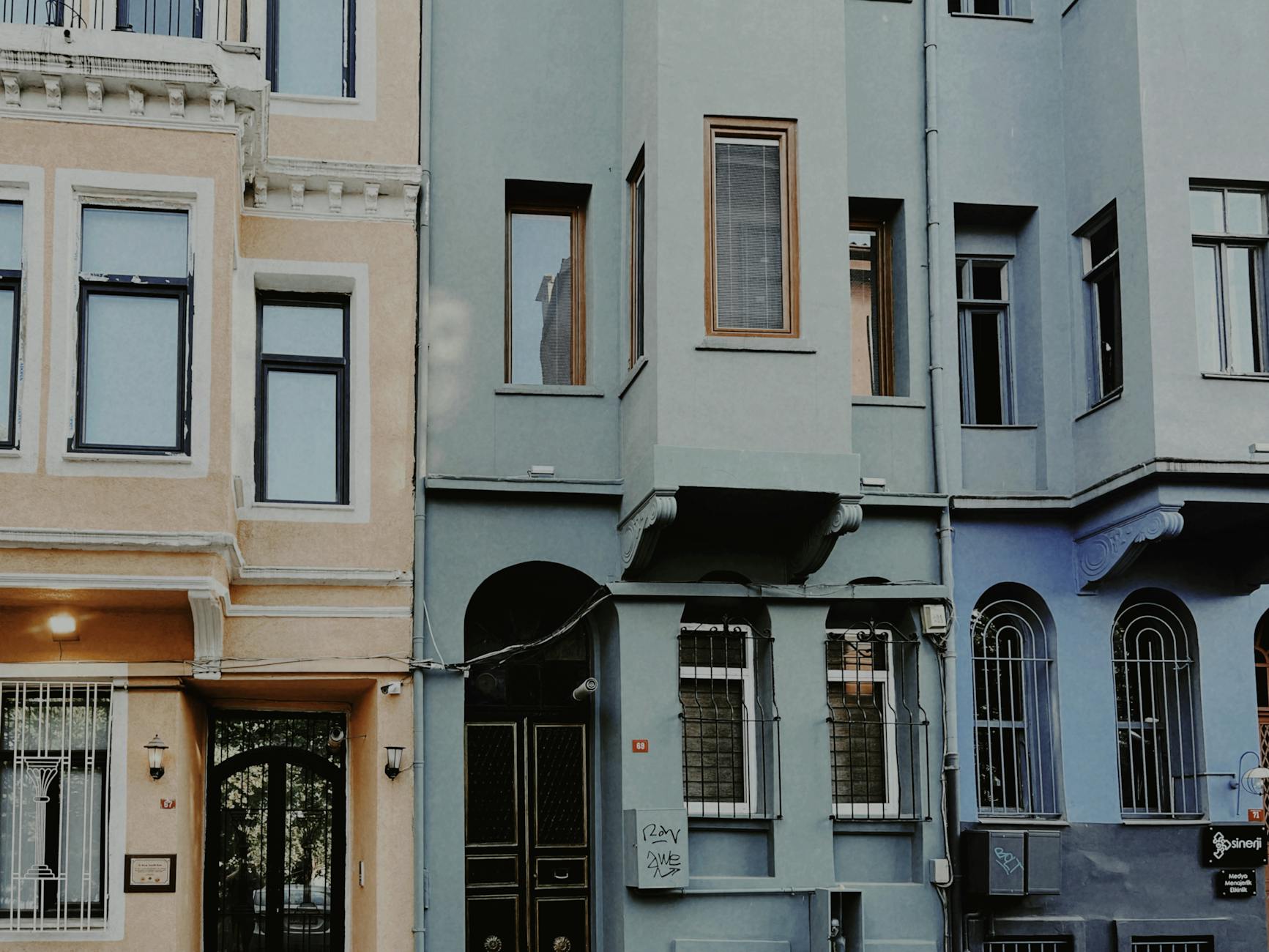
The northern Bosphorus doesn’t just look different from the rest of Istanbul; it breathes differently. As you walk between the grand, silent embassies of Tarabya and the boutique bakeries of Yeniköy, the city’s frantic 2026 pace seems to stall. It feels less like a modern metropolis and more like a collection of maritime memories preserved in cedarwood and salt air.
The only real downside to lingering here is the coastal road traffic. By 6:00 PM, the street becomes a parking lot of honking cars, which can easily kill the tranquil mood you’ve just spent three hours building. My advice: ignore the taxis and the ride-share apps entirely for your return trip. Instead, do what I did last Thursday—grab a quick espresso at Yeniköy Kahvesi (expect to pay about 90 TL, or roughly 2 USD) and keep your eyes on the clock for the final southbound ferry.
Standing on the pier as the 7:15 PM boat approaches, you’ll see the water turn a deep, bruised purple. I remember leaning against the cold iron railing of the Yeniköy terminal, watching the sun hit the upper windows of the Sait Halim Pasha Mansion. For a few minutes, the gold leaf on the waterfront facades glows so intensely it looks like the 19th century never ended. That view from the deck—watching the “time capsule” villages recede while the sea breeze cuts through the humidity—is the single best way to transition back into the modern world. It’s a 45 TL trip (barely 1 USD) that feels like a luxury cruise, provided you’re on that deck exactly when the light hits the wood.
Comments
Share your thoughts with us