
I remember the first time I escaped the oppressive July heat of Sultanahmet by jumping on a mid-afternoon ferry to Anadoluhisarı. The air suddenly turned five degrees cooler the moment we crossed that invisible line in the middle of the Bosphorus where the northern winds take over. While most visitors lose themselves in the frantic crowds of the Old City, I found myself leaning against the white-painted wooden railing of the vapur, watching the 14th-century fortress grow larger on the horizon. By the time we docked at 3:20 PM—a journey that costs about 25 TL, or exactly 0.50 EUR at the current 1 EUR = 50 TL rate—the frantic pace of the city had completely evaporated.
Walking off the pier, you’re greeted by the Göksu stream, where small wooden fishing boats still bob next to historic waterside mansions. It is easy to get distracted by the flashier cafes right at the entrance, but I’ve learned to walk past the initial “scenic” traps near the bridge where the service can be a bit indifferent during the weekend rush. Instead, I head straight for the narrow lanes behind the fortress walls. The cobblestones are uneven and the sidewalk disappears occasionally, but the reward is a stillness you won’t find anywhere else in this metropolis of 16 million.
The scent of blooming jasmine mixes with the salty tang of the Bosphorus here, and the only real queue you’ll likely face is at the small local bakery where the sourdough smells like a proper village morning. It’s the kind of place where you stop being a “tourist” and simply become someone enjoying the afternoon light on the water. Following the coast toward Kanlıca, the Bosphorus stops being just a waterway and starts feeling like a neighborhood. It’s a stretch of the city that demands you slow down, tuck your phone away, and listen to the water hitting the quay.
Stepping off the deck at Anadoluhisarı
Anadoluhisarı is the quiet, weathered soul of the Bosphorus that most people skip in favor of its grander neighbor across the water, and honestly, that’s their loss. While Rumelihisarı is a sprawling, imposing fortress designed for intimidation, the 1395 fortress of Bayezid I feels more like a guardian of a sleepy village. I’ve lived here for 15 years, and I still find the scale of this place fascinating; it’s the oldest Turkish structure in Istanbul, yet it sits right amidst the daily bustle of fishmongers and cafes.
Getting here is part of the ritual. I usually catch the ferry from Bebek, but if you are starting from the Old City, you should study the ferry routes and pier boarding tips for Eminönü and Karaköy to time your departure perfectly. A single crossing is a mere 25 TL (0.50 EUR), which is essentially the cheapest scenic cruise you will ever take. Just last week, I hopped on the 10:15 ferry from Bebek; it was sparsely crowded, allowing me to watch the sunlight hit the old wooden mansions (Yalıs) without a selfie stick in my line of sight. If the pier area feels a bit chaotic upon arrival, simply walk thirty paces south toward the Göksu Stream to escape the engine noise.
Navigating the Göksu Entrance
The Göksu Stream was once the “Sweet Waters of Asia,” a playground for Ottoman elite. Today, it’s a charming clutter of parked fishing boats and riverside tables. You’ll notice the fortress walls actually straddle the road, creating a narrow bottleneck that can be annoying for pedestrians. Instead of fighting the sidewalk traffic, cross the bridge and look back.
Berk’s Insider Tip: The fortress at Anadoluhisarı is often closed for restoration, but you can get the best photos from the small bridge over the Göksu stream, looking back toward the walls.
How to reach Anadoluhisarı by water
- Check the official Şehir Hatları “Boğaz Hattı” schedule online, as weekend times vary significantly from weekdays.
- Top up your Istanbulkart at a yellow machine near the pier, ensuring a balance of at least 25 TL (0.50 EUR) per person.
- Queue at the Eminönü or Bebek pier at least 10 minutes before the scheduled departure to secure a window seat.
- Scan your card at the turnstile and wait for the gangplank to be lowered—don’t rush, the crew is fast but safety comes first.
- Exit the ferry at the Anadoluhisarı pier and immediately turn right to find the path leading toward the fortress and the stream.
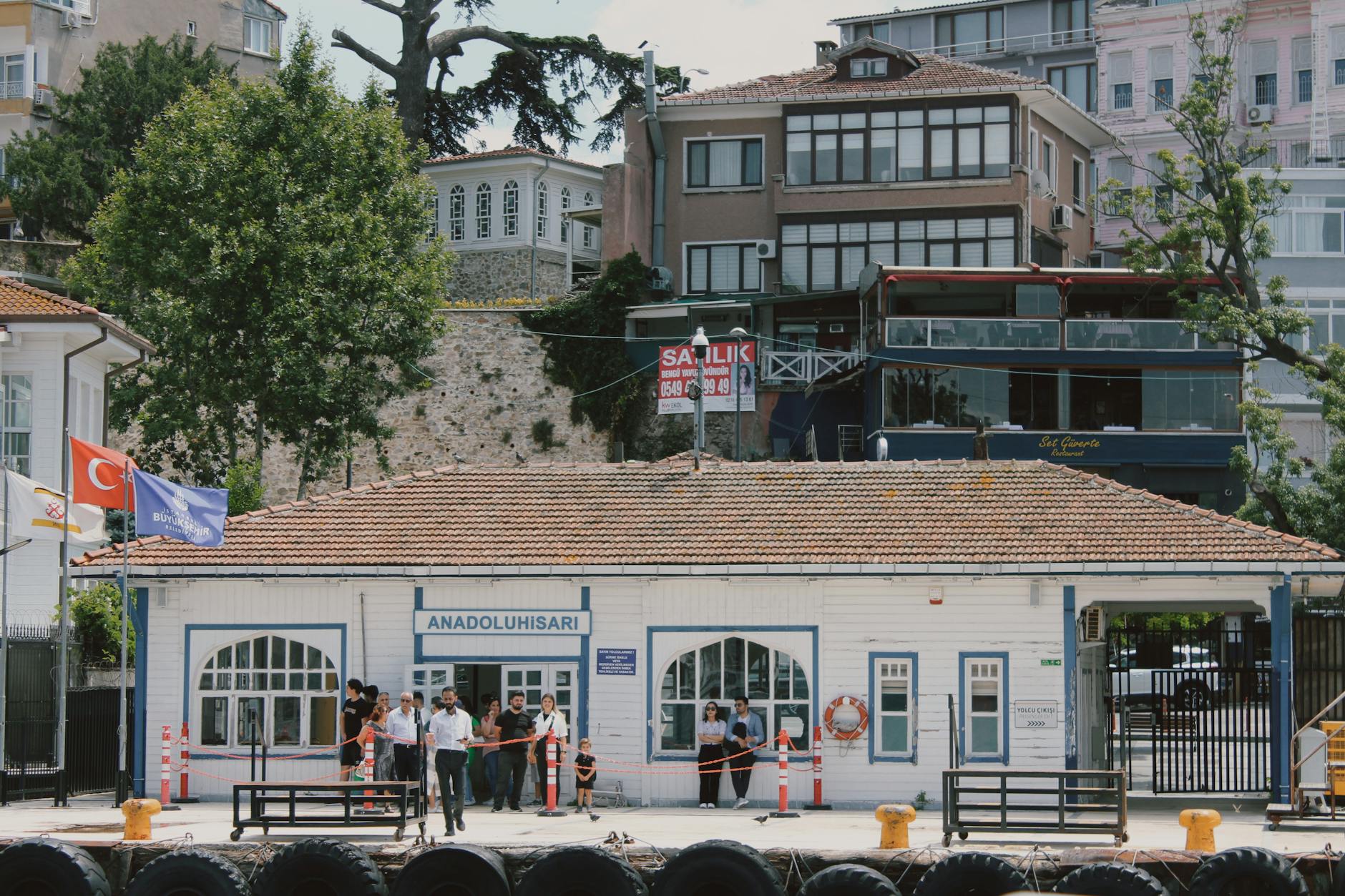
The coastal stretch: Yalıs and quiet corners
The stretch between Anadoluhisarı and Kanlıca is the most intimate connection you’ll ever have with the Bosphorus without actually being on a boat. Unlike the wider, more manicured promenades of the Arnavutköy and Bebek coastline, the Asian side here feels raw and immediate. The sidewalk is so narrow in sections that if you aren’t careful, you’ll find your toes dipping into the salt water or your shoulder brushing against a century-old garden wall.
The Architecture of the Water’s Edge
As you walk north from the fortress, keep your eyes peeled for the Amcazade Hüseyin Paşa Yalısı. You’ll know it by its weathered, dark wood and the way it seems to float over the current. Built in 1699, it is the oldest wooden residence remaining on the Bosphorus. Every time I pass it, I’m struck by how it has survived the humidity and the heavy ship traffic for over three centuries. It represents a vanished era of Ottoman “water-side” living, where the sea was the front door. These Yalıs aren’t just mansions; they are living fossils of Istanbul’s maritime soul.
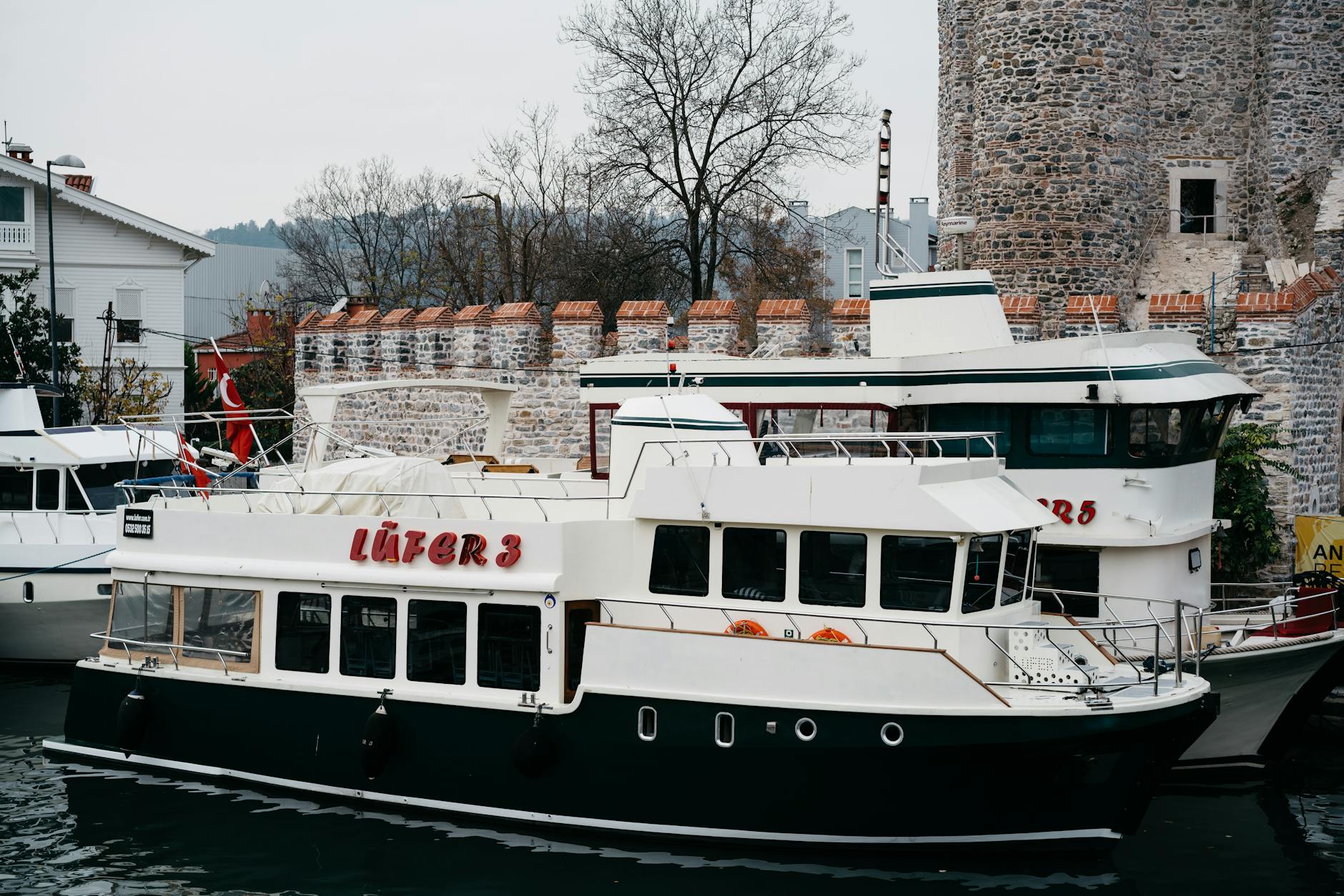
Navigating the Narrow Road
The 20-minute walk to Kanlıca is breathtaking, but it requires a bit of local agility. The road is shared with the local bus lines, and the sidewalk can disappear entirely for a few meters. I’ve learned the hard way that a passing bus can send a plume of water over the sea wall on a windy day. The fix is simple: walk facing the oncoming traffic. This allows you to see the buses coming and step toward the inland walls before they zip past. If you see a particularly large wave hitting the stones ahead, just pause for five seconds; it’s better than spending the rest of your afternoon in damp jeans.
Berk’s Insider Tip: If you are walking on a weekend, start before 10 AM. By 1 PM, the narrow coastal road becomes a parking lot for locals heading to breakfast.
Kanlıca and the ritual of powdered sugar
Kanlıca is one of the few places in Istanbul where time doesn’t just slow down; it stops for a snack. You don’t come here for a full meal; you come for the yogurt, and you definitely come for the shade of the plane trees. If you aren’t dusting your clothes with powdered sugar by the end of your visit, you haven’t done it right.
Finding your spot at Çınaraltı
The heart of the neighborhood is the Çınaraltı tea garden. I remember a Tuesday afternoon last October—usually a quiet time—when I still had to hover for ten minutes like a hawk just to snag a chair. The trick isn’t just finding any seat; it’s finding one where the Bosphorus breeze hits you while you’re tucked under those massive, century-old plane trees. It can get chaotic on weekends, with families and stray cats competing for space. If the main area feels too loud, don’t walk away; just head to the very edge of the concrete pier. The service is a bit slower there, but the view of the water is uninterrupted.
The legendary Kanlıca Yogurt
Ordering the yogurt is a ritual that has remained unchanged for decades. It’s thick, creamy, and carries a distinct tang that sets it apart from anything you’ll find in a supermarket. Expect to pay around 85 TL (1.70 EUR) per bowl. Now, some people try to be “pure” and eat it plain. That is a mistake. The yogurt is traditionally served with a side of powdered sugar. I usually dump a generous spoonful on top and wait about thirty seconds; the sugar starts to melt into the cream, creating a sweet, syrupy layer that balances the acidity perfectly.
I once spent 45 minutes in a queue at the Kanlıca ferry ticket window because I forgot to top up my Istanbulkart—don’t make that mistake; use the yellow machine at the top of the pier hill before the boat is in sight, then walk down to the yogurt shops.
Berk’s Insider Tip: Most tourists order yogurt at the first place they see. Walk 50 meters further into the square to find the smaller, more local ‘Ismailaga’ shop for a punchier taste.
How to maximize your Kanlıca break
- Apply the sugar immediately – The heat of the day helps it dissolve into the yogurt’s surface.
- Order a “tavşan kanı” Turkish tea – The dark, strong tea provides the perfect astringent finish to the rich dairy.
- Ignore the menus for food – Keep your appetite for the yogurt here and save your main meal for a proper dinner later. If you want to transition from a light snack to a real feast, check out this Istanbul Meyhane Guide: Rakı Etiquette & Local Secrets for the best spots to end your night.
- Watch the ferry arrivals – Time your bites with the docking of the City Lines ships; the rhythmic sound of the ropes hitting the pier is the ultimate Istanbul soundtrack.
- Bring cash for small tips – While most places take cards for the yogurt, having a few coins for the tea waiters is the local way to show appreciation for the fast service.
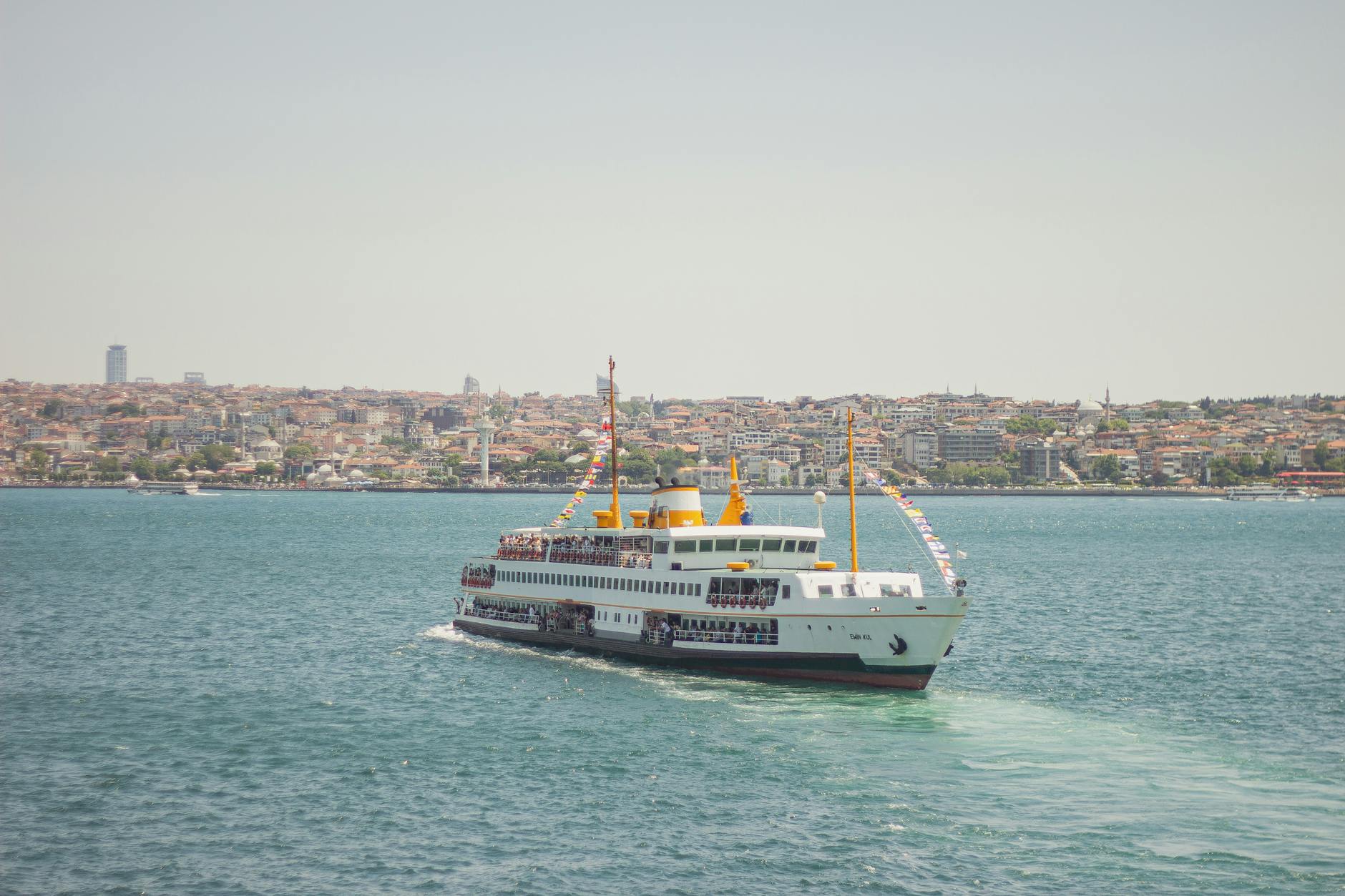
Climbing higher: Mihrabat Grove for the best view
If you leave Kanlıca without trekking up to Mihrabat, you’ve essentially missed the soul of the Asian side. Most people grab their yogurt by the water and call it a day, but the real magic happens about 15 minutes uphill. It is a steep climb—I’ve seen many a traveler start with confidence only to be gasping for air halfway up Mihrabat Caddesi. Practical fix: If your knees aren’t up for the incline, grab a yellow taxi from the stand near the pier; it’s a three-minute ride that shouldn’t cost more than 90 TL (about 2 USD).
Personally, I prefer the sweat. Walking up allows you to see the transition from the bustling square to the quiet, dignified residential streets. People often compare this area to a Kuzguncuk Walking Tour: Istanbul, but the vibe here is fundamentally different. While Kuzguncuk has become a trendy, Instagram-friendly hub of cafes, Kanlıca remains a bit more stoic and “old school.” It feels like a village that is perfectly content with itself, regardless of who is visiting.
Once you step into Mihrabat Korusu, the temperature drops by a few degrees and the scent of pine needles replaces the salty air of the pier. I remember sitting here last October, watching a massive container ship glide silently under the Fatih Sultan Mehmet Bridge. From this height, the bridge looks like a delicate steel thread connecting two worlds. The panoramic view is staggering. You’ll find a cafe inside the grove where a tea costs roughly 60 TL (1.20 EUR). You are paying a small premium for the Bosphorus views, but sitting under those pines as the sun begins to dip is the best investment you’ll make all day.
Logistics and getting back to the European side
The biggest mistake you can make is trying to catch a taxi back to the center during the evening rush; you’ll spend an hour watching the meter climb while moving at the speed of a snail. Instead, use the Çengelköy-İstinye ferry line, which is a genuine local secret. It cuts right across the Bosphorus, bypassing the bridge traffic entirely. Last Tuesday, I barely caught the 17:15 boat from Kanlıca because I was lingering over a final glass of tea, but the five-minute dash was worth it to see the sunset from the water rather than a cramped backseat.
Mastering the Asian Side transit
If you miss the ferry or your timing doesn’t align with the Sehir Hatlari schedule, don’t panic. The Bus 15 and 15P lines run frequently along the coast toward Üsküdar. From there, you have the Marmaray train or the large ferries to get back to Eminönü or Karaköy. While these buses can get packed around 6:00 PM, the trick is to walk a few minutes back toward the Anadoluhisarı stop rather than waiting at the busiest hubs; you’re much more likely to snag a seat before the crowd piles in.
After my last sunset walk here, I caught the 19:15 ferry back to Karaköy and walked straight to a backstreet near A Gothic Secret in the Heart of Karaköy: Why I Love the Unique Arap Mosque. The contrast between the silent fortress walls of the Asian side and the chaotic evening energy of the European side is jarring but essential for understanding the city’s pulse.
While you wait for your departure, I highly recommend a quick stop at İkinci Bahar. It’s a nostalgic spot where a Turkish coffee will cost you about 60 TL (1.20 EUR). It’s the perfect way to spend those last twenty minutes before your boat arrives. Just make sure your Istanbulkart is topped up with at least 100 TL (2.00 EUR) to cover your transfers back to the European side comfortably.
| Option | Route | Cost (Approx) | Berk’s Take |
|---|---|---|---|
| İstinye Ferry | Kanlıca Pier to İstinye | 25 TL (0.50 EUR) | The fastest way to the European side. |
| Bus 15 / 15P | Kanlıca to Üsküdar | 20 TL (0.40 EUR) | Reliable but avoid the 5:30 PM - 7:00 PM peak. |
| Turkish Coffee | İkinci Bahar Cafe | 60 TL (1.20 EUR) | Great for people-watching near the pier. |
| Marmaray | Üsküdar to Sirkeci | 35 TL (0.70 EUR) | Use this after the bus to reach Old City fast. |
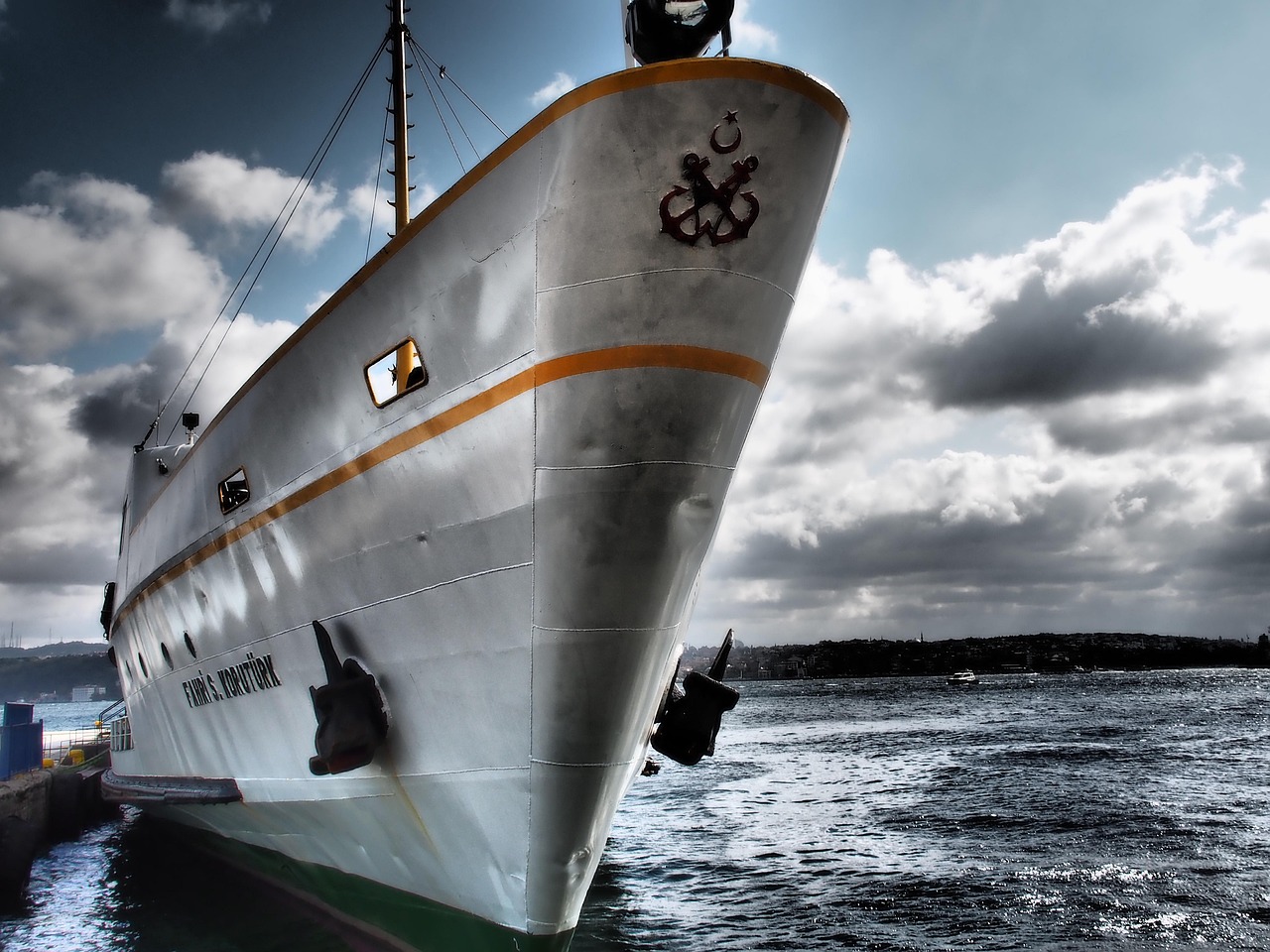
The final boat back
Walking from the shadow of the fortress in Anadoluhisarı toward the square in Kanlıca feels like stepping into a version of Istanbul that simply refused to be modernized into a frenzy. While the rest of the city races toward the next high-rise or “concept” cafe, life on this stretch of the Asian side still revolves around the tides and the arrival of the passenger ferry. It’s a rare pocket of the Bosphorus where you can still hear the water lapping against the stone quays rather than the constant roar of engines.
I usually wrap up my walk at the Kanlıca Çınaraltı café right by the pier. You’ll see everyone ordering the legendary local yogurt; it’s currently about 90 TL (exactly $2 USD or €1.80) for a generous bowl. My advice: don’t be stingy with the powdered sugar provided on the side. The yogurt is traditionally made with a mix of sheep’s and cow’s milk, and that sharp, lactic tang needs the sweetness to truly sing.
One trap travelers often fall into is losing track of time and trying to catch a bus or a taxi back toward Üsküdar after 5:30 PM. The coastal road turns into a parking lot during the evening rush, and you’ll spend two hours staring at a bumper when you could be on the water. The only sane way to leave is the way you arrived.
Aim for the ferry that departs as the sun begins to hit the European hills across the water. I was there last Thursday, sitting on the open-air aft deck of the 18:50 boat, watching the light turn the Fatih Sultan Mehmet Bridge into a silhouette of bruised purple and gold. There was a retired gentleman next to me feeding bits of simit to the gulls, and for a moment, the frantic energy of 16 million people felt worlds away. That’s the real gift of Anadoluhisarı—it doesn’t just show you the history of the city; it gives you back the pace of it. Don’t rush the walk, and whatever you do, don’t miss that final boat.