
Where the City Meets the Sea: My Practical Guide to the Arnavutköy and Bebek Coastline
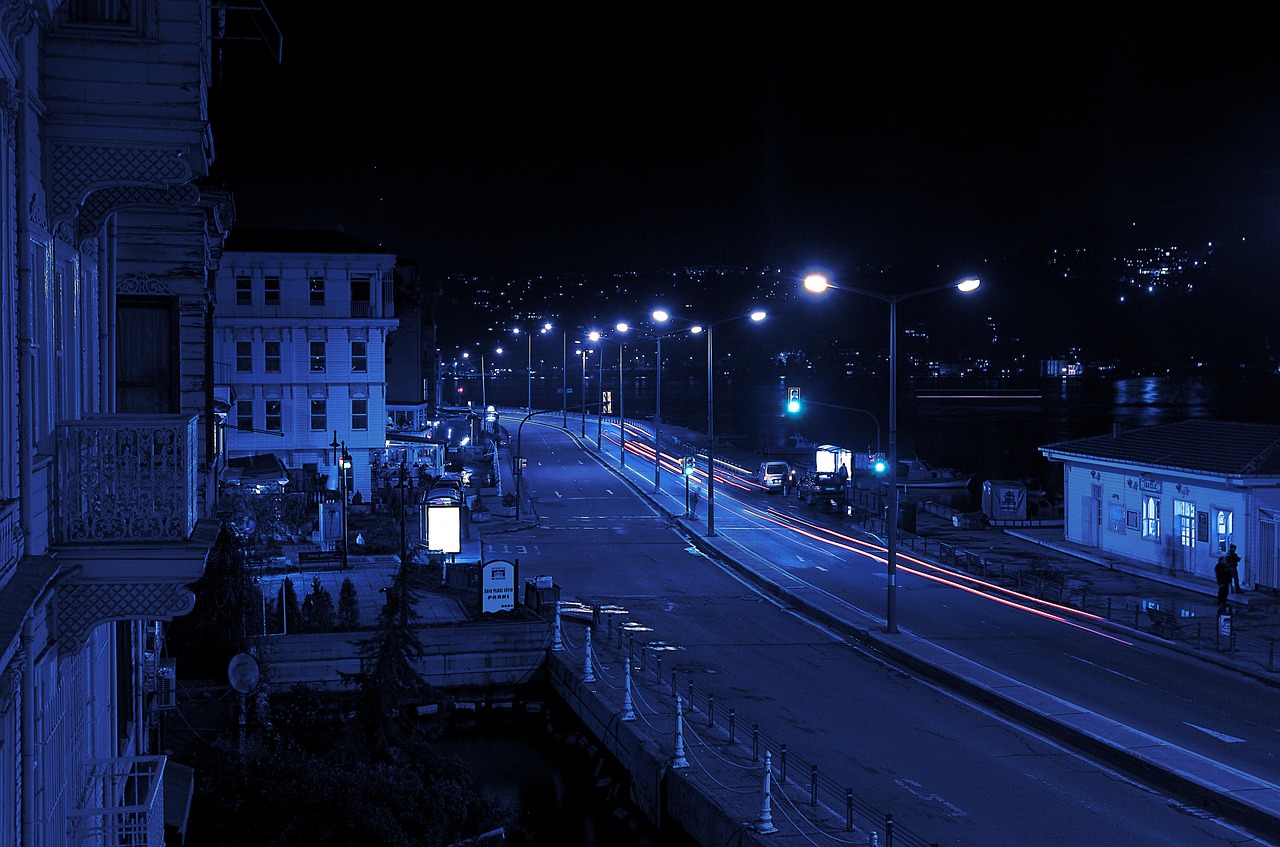
In this guide, I’m taking you along the most soul-stirring stretch of the Bosphorus to show you how to experience Arnavutköy and Bebek exactly as we locals do. You’ll learn how to navigate the winding backstreets of these historic neighborhoods, where to find the most authentic flavors away from the crowds, and the hidden stories behind the magnificent wooden yalı—the iconic Ottoman waterfront mansions—that line the shore. Whether you’re looking for the perfect morning walk or a sophisticated evening by the water, this is your blueprint for mastering the Istanbul coastline.
Picture this: You’re holding a thin-waisted glass of Turkish tea, the salty breeze of the Bosphorus is hitting your face, and behind you stands a row of pastel-colored mansions that look like they’ve been plucked from a film set. This isn’t a curated tourist trap; it’s just a typical Tuesday morning in Arnavutköy. Having called this city home for fifteen years, I’ve seen how most visitors barely scratch the surface of these districts. To the untrained eye, it’s just a pretty view, but to those who know where to look, it’s a living museum of Istanbul’s cosmopolitan heritage. From the rhythmic clinking of fishing lines to the scent of freshly baked simit wafting from a century-old oven, let’s dive into the pulse of the city’s most elegant shoreline.
How to Reach Arnavutköy and Bebek Without the Traffic
The most efficient way to reach Arnavutköy and Bebek is by using the Şehir Hatları ferry or combining the M6 metro line with a short walk, effectively bypassing the notorious Istanbul traffic on the coastal road.
The Magic of the Bosphorus Ferry
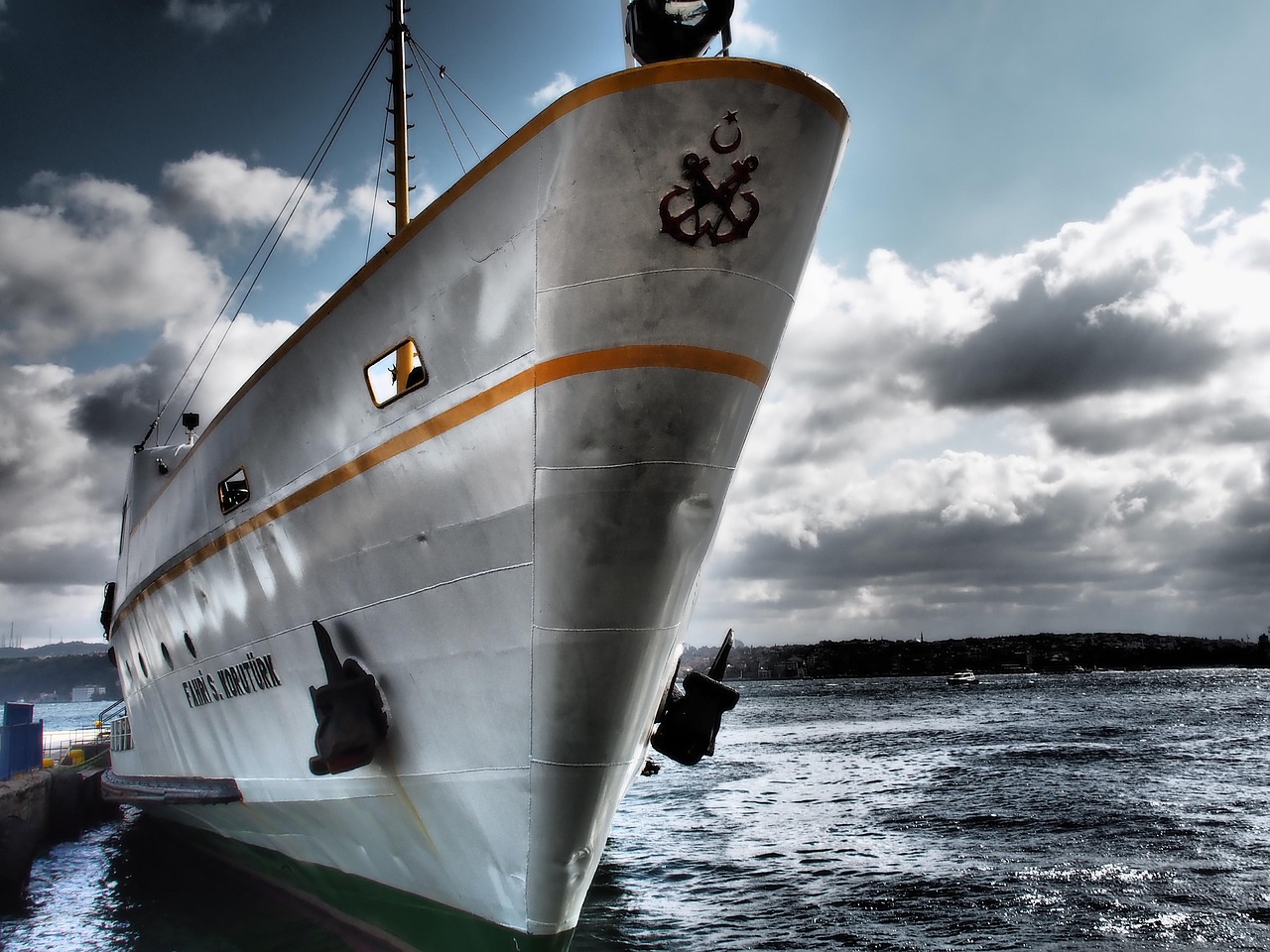
Utilizing the Bosphorus ferry is not just a commute; it is the most scenic transit experience in the world. The Şehir Hatları (the city’s official ferry line) operates several routes that stop at the historic piers of Arnavutköy and Bebek. For a direct route from the Old City or the Asian side, use the following lines:
- Çengelköy – İstinye Line: This route connects the Asian side to the European side, stopping at piers like Arnavutköy, Bebek, and Emirgan.
- Bosphorus Line (Boğaz Hattı): This traditional zig-zag route departs from Eminönü and stops at major coastal points including Beşiktaş and Arnavutköy.
- Rumeli Kavağı – Eminönü Line: A great option for those coming from the northern districts or the historical peninsula.
Taking the ferry ensures you arrive on time, as sea traffic is nonexistent compared to the gridlock on land. You will also enjoy unobstructed views of waterfront mansions called Yalis, such as the Zeki Paşa Mansion or the Snake House (Yılanlı Yalı).
Navigating via Beşiktaş and Akaretler
If you are starting your journey from central hubs like Beşiktaş or the trendy Akaretler district, you have access to numerous public transport options. Buses like the 22 (Kabataş - İstinye), 25E (Kabataş - Sarıyer), and 40T (Taksim - İstinye) run frequently along the coast.
However, the coastal road is a single lane in each direction. When a traffic jam occurs, the bus will move slower than a pedestrian. If you see stationary traffic near Ortaköy, the best strategy is to jump off the bus and walk the remaining 2 kilometers to Arnavutköy. This walk takes roughly 20 to 25 minutes and passes through beautiful stretches of the Bosphorus, past landmarks like Galatasaray University and Çırağan Palace.
Berk’s Insider Tip: Avoid the coastline road on Saturday and Sunday afternoons unless you enjoy sitting in a stationary taxi for an hour. Take the ferry instead!
Why Taxis Are a Strategic Mistake
While a taxi might seem convenient, it is often the least reliable form of Arnavutköy transport during peak hours. On weekdays between 17:00 and 20:00, and throughout the entire weekend, the road between Beşiktaş and Bebek becomes a bottleneck.
Drivers often struggle to navigate the narrow turns near the Arnavutköy waterfront, and the lack of alternative side streets means there is no “shortcut” once you are on the main road. If you must use a car, aim to arrive before 11:00 or after 21:00 to ensure a smooth flow. For those staying in Levent or Etiler, take the M6 Metro to the Boğaziçi Üniversitesi station and use the funicular or walk down the steep hill to reach Bebek in 15 minutes.
Historical Yalı Houses and the Architecture of Arnavutköy
Arnavutköy is defined by its collection of 19th-century wooden mansions known as Yalı houses, which represent a unique blend of Ottoman architecture and European Art Nouveau styles situated directly on the Bosphorus coastline. These structures serve as the primary visual identity of the neighborhood, showcasing a period when Istanbul’s elite transitioned from traditional timber designs to more ornate, Western-influenced aesthetics.
The Anatomy of a Yalı
The term Yalı refers specifically to a waterfront mansion built at the very edge of the sea. Historically, these wooden mansions were constructed using a technique called bağdadi, which involves a timber frame filled with brick or rubble and covered in wooden planks. This method allowed the houses to breathe, resisting the intense humidity of the Bosphorus while providing flexibility against the city’s seismic activity. In Arnavutköy, you will notice that these buildings are narrower and taller than those in other districts, often rising 3 or 4 stories to maximize the limited space between the steep hills and the water.
The most striking feature is the “cumba,” or the traditional bay window. These cantilevered extensions allowed residents to enjoy views of the sea from multiple angles while increasing the floor space of the upper levels. Unlike the stone palaces found in the city center, such as Dolmabahçe or Çırağan, the Yalı houses of Arnavutköy maintain a warm, residential feel that reflects the neighborhood’s history as a cosmopolitan hub for Greek, Armenian, and Jewish communities.
Art Nouveau Influences and Decorative Details
During the late 19th century, Istanbul’s architecture underwent a massive transformation influenced by European trends. In Arnavutköy, this resulted in a heavy adoption of Art Nouveau elements integrated into traditional Ottoman architecture. As you walk along the coastline, look for specific decorative details like floral motifs, flowing curved lines on the balconies, and intricate woodwork on the eaves.
The neighborhood is famous for its “gingerbread” houses, characterized by delicate wood-carved trimmings known as fretwork. These designs were often custom-made by local craftsmen to display the wealth and taste of the owner. The color palette of these buildings is equally intentional; while many are painted in classic white, you will see a variety of pastel shades like powder blue, rose pink, and mint green. These colors were chosen to contrast with the deep blue of the Bosphorus, creating the iconic “postcard” view that defines this stretch of the European side.
Comparing the Bosphorus Shores: European vs. Asian Architecture
While Arnavutköy represents the architectural peak of the European side, it offers a distinct contrast to the shoreline across the water. The European side is characterized by its density and verticality, whereas the mansions on the Asian side often feature larger gardens and a more secluded, suburban feel. For those who appreciate historical preservation, exploring both sides is essential to understanding the full scope of Bosphorus life.
In districts like Kuzguncuk or Kanlıca, the yalıs are often set further back from the road, surrounded by ancient plane trees and private docks. In contrast, Arnavutköy’s architecture is more “social”; the houses are packed tightly together, reflecting the high-energy, communal lifestyle of the neighborhood. This proximity is why the area feels like a village within a megalopolis. Despite the modernization of Istanbul, over 600 historical yalı houses remain protected today, with Arnavutköy hosting one of the most concentrated and well-preserved clusters in the city.
Preserving the Wooden Heritage of Istanbul
Maintaining these wooden mansions is a labor-intensive process that requires specialized knowledge of 19th-century construction. Owners must adhere to strict historical preservation laws, which dictate that any restoration must use original materials like cedar or oak and follow the exact architectural plans of the original structure.
This dedication to heritage is what keeps the Arnavutköy coastline from turning into a modern concrete strip. When you stand on the pier and look back at the row of houses, you are seeing the same skyline that locals saw 100 years ago. The interplay between the weathered wood, the ornate Art Nouveau balconies, and the constant movement of the sea creates a nostalgic atmosphere that is increasingly rare in modern Istanbul.
Best Breakfast Spots and Coffee Shops in Arnavutköy
Arnavutköy offers the most authentic Bosphorus breakfast experience by balancing long-standing local bakeries with cutting-edge third-wave coffee houses located in the neighborhood’s historic backstreets. While the main road attracts the crowds, the true essence of an Arnavutköy breakfast is found in the side alleys where residents gather for a slow, multi-course Kahvaltı. This neighborhood is the transition point where the classic Istanbul morning ritual meets the modern, international brunch culture of the city’s younger creative class.
The Traditional Kahvaltı Experience
A proper breakfast in this district is a ritual that lasts at least 2 hours. You must look for tables serving high-quality regional products such as Sucuk (spicy fermented beef sausage), Menemen (eggs scrambled with tomatoes and green peppers), and a variety of olives sourced from the Aegean coast. Establishments like Any and A Bit of Egg serve these staples with a modern twist, often utilizing sourdough breads and artisanal cheeses.
When ordering the best Kahvaltı spread, you should expect 4 essential components:
- The Cheese Plate: At least 3 varieties, including Ezine (salty white cheese), Kaşar, and often a braided Lor or Tulum cheese.
- Hot Dishes: A central copper pan of Menemen or grilled Sucuk is mandatory for any authentic table.
- Sweet and Creamy Spreads: High-quality butter, honey with clotted cream (Bal-Kaymak), and homemade jams like sour cherry or bergamot.
- Fresh Bakery Items: Every table is anchored by fresh Simit (sesame-crusted bread rings) and savory pastries like Poğaça and Açma from nearby local bakeries.
Third-Wave Coffee and Modern Brunch
The transition from traditional tea to specialty beans has transformed the neighborhood into a premier hub for Istanbul coffee shops. In the last 10 years, the backstreets have become home to boutique roasteries that prioritize bean origin and precise brewing methods.
For a specialized caffeine experience, shops like Coffee Department provide some of the best roasted beans in the city, focusing on single-origin harvests from Ethiopia and Colombia. These third-wave coffee spots are often tucked inside restored Ottoman-era wooden mansions, providing a quiet atmosphere away from the coastal wind. If you prefer a hidden garden setting, Hide Arnavutköy is the top choice for a brunch that merges international flavors, such as poached eggs on avocado, with local ingredients like spicy pepper pastes.
Where to Sit for People-Watching
The best spots for observing the local rhythm are the small cafes located on the corners of the main interior streets, specifically Francalacı Street. From these vantage points, you can watch the neighborhood wake up, observing fishermen returning with their catch and locals queuing at the local bakeries for their morning bread. For a direct view of the water, the cafes lining the Arnavutköy-Bebek coastline offer a front-row seat to the tankers and private yachts passing through the Bosphorus. These prime waterfront seats are highly coveted and typically fill up by 10:30 AM on Saturdays and Sundays.
A Step-by-Step Guide to the Bosphorus Coastal Walk
The 2km stretch of coastline promenade from Arnavutköy to Bebek takes approximately 30 to 45 minutes to complete at a leisurely pace, offering the most accessible and scenic flat-path walking route in Istanbul. This journey follows the Bosphorus walk along a narrow strip of land where the city’s historic wooden architecture meets the deep blue of the strait.
Starting the Journey at Arnavutköy
The walk begins at the Arnavutköy pier, moving north toward the Fatih Sultan Mehmet Bridge. This section of the coastline promenade is famous for its “Yalı” houses—extravagant 19th-century wooden mansions like those found in the backstreets of the neighborhood. As you walk, the path stays inches away from the water, separated only by a low iron railing. This is the best place to observe the local maritime traffic, including massive container ships, private yachts, and the iconic city ferries (Şehir Hatları).
The first 500 meters are characterized by a series of seafood restaurants and cafes. Unlike the commercialized centers of the city, this path remains a favorite for locals performing their daily exercise. You will see runners, dog walkers, and groups of friends enjoying the salt air. While the European side offers this grand, breezy scale, a walking tour of Kadıköy provides a completely different, intimate bohemian atmosphere if you choose to cross to the Asian shore later in your trip.
Watching the Olta Balıkçıları at Akıntıburnu
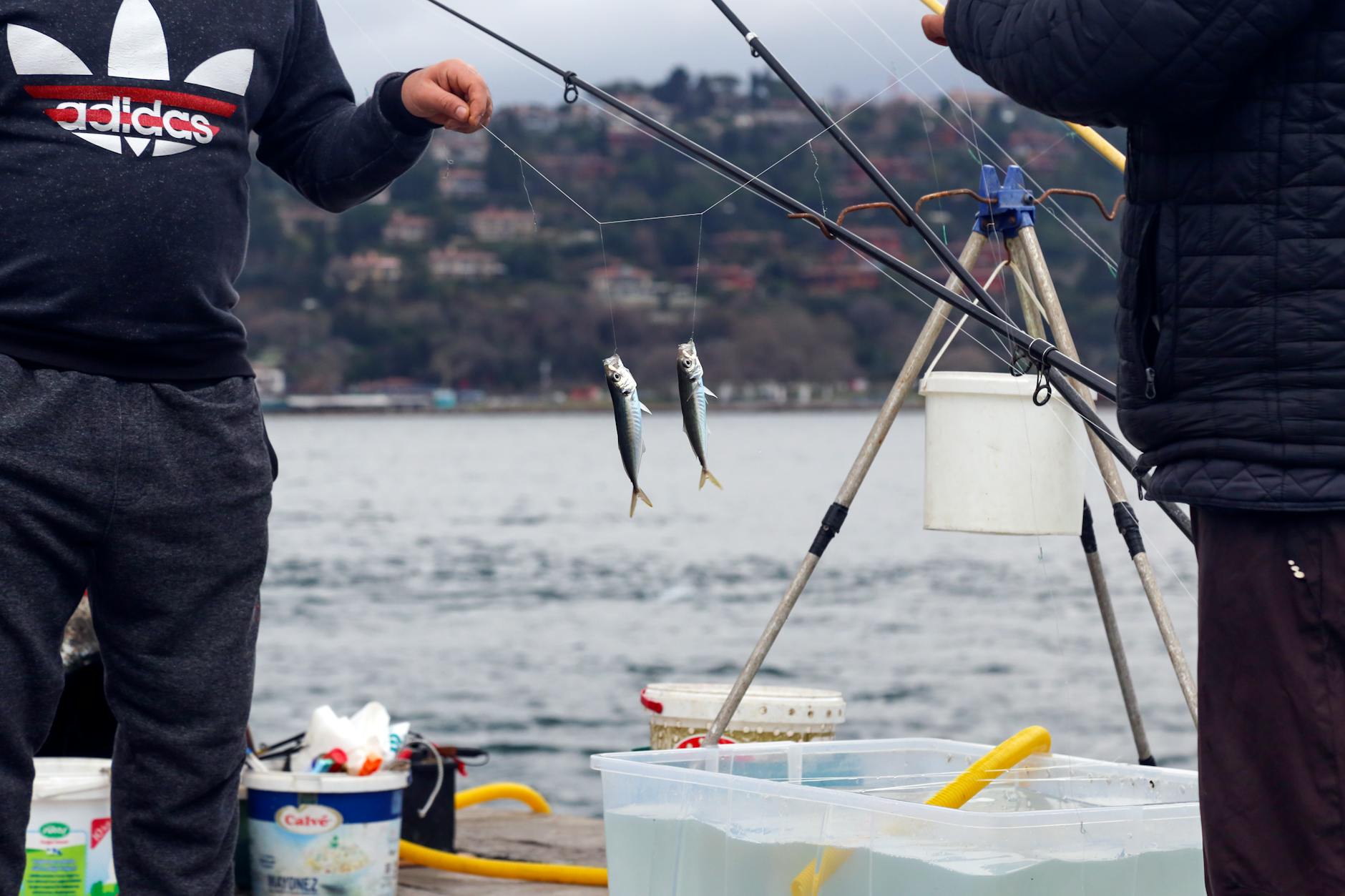
As the coastline curves sharply, you reach Akıntıburnu, also known as the Point of Current. This specific geographic location is the most popular spot for Olta Balıkçıları (rod fishermen) in the city. Regardless of the season or the hour, dozens of fishermen line the railing here to catch seasonal fish like Mackerel (Uskumru), Bluefish (Lüfer), and Horse Mackerel (İstavrit).
The fishermen use long, telescopic rods to reach the deeper, faster-moving waters of the Bosphorus current. Watching their synchronized casting technique is a local spectacle; they manage to keep dozens of lines from tangling despite standing only a meter apart. The presence of these fishermen marks the transition from the residential feel of Arnavutköy to the more open, wind-swept path leading to Bebek.
Berk’s Insider Tip: If you want to experience the Bosphorus current at its strongest, stand at Akıntıburnu (the Point of Current) in Arnavutköy; you can actually see the water rushing like a river.
Spotting Landmarks on the Asian Side
While your feet are on the European side, your eyes should be focused across the water. The Arnavutköy to Bebek path offers the clearest views of the Asian side’s most prestigious neighborhoods. Directly across from Akıntıburnu is Kandilli, an area known for its steep hills and historic waterfront estates.
Look for these 3 specific landmarks as you walk:
- Kuleli Military High School: A massive, 19th-century white building with two distinctive towers that dominates the shoreline.
- Kandilli Pier: A small, picturesque wooden pier where ferries connect the two continents in under 10 minutes.
- The Adile Sultan Palace: Located on the hilltop above Kandilli, this former royal residence now serves as a high-end event space and is visible for miles.
Approaching Bebek Bay
The final 800 meters of the walk lead you into the crescent-shaped Bebek Bay. Here, the water becomes calmer, and the path widens significantly. You will pass by the Egyptian Consulate, a stunning Art Nouveau mansion situated right on the water’s edge, surrounded by lush gardens. As the Istanbul walking tour continues into Bebek, the atmosphere shifts from the rugged, fisherman-dominated vibe of Akıntıburnu to an upscale, cosmopolitan setting filled with high-end boutiques and waterfront brasseries.
Route Comparison: Arnavutköy vs. Bebek
| Feature | Arnavutköy Section | Bebek Section |
|---|---|---|
| Vibe | Traditional & Nautical | Modern & Luxurious |
| Main Activity | Watching Olta Balıkçıları | People watching & Coffee |
| Path Width | Narrow (2-3 meters) | Wide (5-8 meters) |
| Key Landmark | Akıntıburnu | Bebek Parkı & Egyptian Consulate |
| Best For | Photography of old Yalıs | Ending the walk with a snack |
As you enter the heart of Bebek, the walk concludes at Bebek Parkı, a green oasis where locals gather under 100-year-old plane trees. This 2km journey is the most efficient way to understand the rhythm of the Bosphorus, moving from the working-class fishing traditions of the past into the high-society pulse of modern Istanbul.
Bebek Culture: High-End Living and Local Legends
Bebek defines the peak of the high-end Istanbul lifestyle, blending deep-rooted historical institutions with a sophisticated modern social scene centered around the waterfront of Bebek Parkı. This neighborhood is where the city’s elite gather for morning runs, artisanal coffee, and long-standing culinary traditions that have remained unchanged for over 100 years.
The Sweet Legacy of Bebek Badem Ezmesi
To understand the Bebek neighborhood guide, one must first understand the reverence locals have for Badem Ezmesi (almond paste). This is not the mass-produced marzipan found in European confectionery shops; it is a refined craft that has been perfected in this specific corner of the Bosphorus since 1904. The most iconic purveyor, Meşhur Bebek Badem Ezmesi, was founded by Mehmet Halil Bey and is currently managed by 3rd and 4th generation family members who maintain the original ratios of hand-shelled almonds and sugar.
The production process avoids any fillers like flour or artificial thickeners, resulting in a texture that is silky yet slightly granular. Discerning visitors often pair these sweets with other traditional treats like Fıstık Ezmesi (pistachio paste) or candy-coated chestnuts. In a city that evolves at a breakneck pace, the consistency of this shop serves as a cultural anchor for the Istanbul elite lifestyle.
Berk’s Insider Tip: For the best almond paste in the world, look for the tiny ‘Meşhur Bebek Badem Ezmesi’ shop—it’s been there since 1904 and hasn’t changed a bit.
Bebek Park: The Living Room of the Neighborhood
While most city parks are destinations for escape, Bebek Parkı functions as a communal “living room” for the wealthy residents of the surrounding hills and waterfront apartments. Spanning nearly 16,000 square meters, the park is shaded by 100-year-old plane trees and provides a direct view of the yachts moored in the deep blue cove.
On any given weekend, you will observe a specific social ritual. Local residents walk their pedigree dogs along the path between the Bebek Ferry Terminal and the park, followed by a stop at high-end cafes such as Baylan or Lucca. The park is also home to a statue of the famous 18th-century poet Nedim, who famously praised the beauty of Istanbul’s shores. For the traveler, sitting on a bench here offers the best vantage point to observe the Lüks (luxury) lifestyle of Istanbul without the barriers of private clubs or gated communities.
Architectural Majesty: The Egyptian Consulate
One cannot discuss Bebek without highlighting its most imposing architectural landmark, the Egyptian Consulate building. Often referred to as the Valide Pasha Mansion, this Art Nouveau masterpiece was commissioned by the last Khedive of Egypt, Abbas Hilmi II, for his mother. Designed by the renowned Italian architect Raimondo D’Aronco in the early 1900s, the structure is a symphony of white carved stone, ornate balconies, and floral motifs that reflect the Belle Époque era of the Bosphorus.
The building is one of the few remaining examples of the grand summer residences that once lined the entire coastline. While the interior is not open to the general public, the exterior remains a “hidden gem” for those who appreciate architectural history. Its presence is a reminder of the historical ties between the Ottoman Empire and Egypt, standing as a silent witness to the diplomatic and social shifts of the last 120 years. When walking past, look closely at the intricate wrought-iron gates and the way the building appears to float above the water during high tide—it is the ultimate symbol of high-end Istanbul heritage.
Evening Rituals: Seafood, Meyhanes, and Rakı by the Water
The evening experience along the Arnavutköy-Bebek coastline revolves around a slow-paced seafood dinner at a traditional meyhane where fresh seasonal fish is paired with rakı and a selection of mezes. As the sun begins to dip behind the hills of the European side, the atmosphere shifts from the active energy of the afternoon to a sophisticated, convivial hum that defines Bosphorus dining.
The Seafood Legacy of Arnavutköy
Arnavutköy has been the city’s premier destination for fish for over 50 years. While other neighborhoods have modernized, Arnavutköy restaurants like Sur Balık or Mira Balık maintain a dedication to the seasonal calendar of the Marmara and Black Seas. In the autumn, the star of the table is Lüfer (Bluefish), often called the “King of the Bosphorus.” In the winter months, locals look for Kalkan (Turbot) or the smaller, crispy Hamsi (Anchovies).
A proper seafood dinner Bosphorus style never rushes to the main course. The meal begins with a parade of cold meze dishes. You will see waiters carrying large trays to your table, showcasing 10 to 15 different options. I recommend starting with Lakerda (salted bonito), which is a local salt-cured delicacy, and Deniz Börülcesi (sea beans) dressed in plenty of garlic and olive oil. These flavors are designed to wake up the palate and complement the aniseed notes of your drink.
Master the Art of the Meyhane
Understanding the Meyhane culture is essential to enjoying your night in Arnavutköy. A meyhane is not simply a restaurant; it is a space for “muhabbet”—deep, meaningful conversation that flows as freely as the drinks. Unlike a standard dinner where you eat and leave, a table at a meyhane is yours for the entire evening. The rhythm is intentionally slow to allow for storytelling and laughter.
Because the atmosphere is so specific, there is a distinct social code to follow. To truly blend in with the locals, it helps to understand the unwritten rules of the Istanbul meyhane before you take your seat. For example, the eldest person at the table usually takes the first sip, and clinking the bottom of the glasses is a sign of deep respect. In Arnavutköy, the tables are often set close together, creating a shared sense of community where neighbors might offer a nod of “Afiyet Olsun” (may it do you good) to the table next to them.
Sunset and the Ritual of Rakı
The “Golden Hour” in Arnavutköy is the 60 minutes before sunset. This is when the ritual of Rakı, Turkey’s iconic anise-flavored spirit, truly begins. We often call it “Lion’s Milk” because of the milky white color it turns when water is added. The goal is never to get drunk, but to reach a state of Keyif—a Turkish word describing a sense of relaxed, quiet joy.
As the sky turns shades of pink and orange over the Kandilli coastline opposite you, the first glass of Rakı is poured. It is traditionally served in a tall, slim glass called a kadeh, accompanied by a second glass of plain cold water. The cooling effect of the drink is the perfect counterpoint to the warm Istanbul evenings. While Arnavutköy is for the long dinner, those looking for a more high-energy Bebek nightlife scene often head 1 kilometer North after their meal. Bebek offers more contemporary cocktail bars and upscale lounges, but for a true Istanbulite, nothing compares to the timeless combination of the Bosphorus breeze, a fresh piece of grilled fish, and a glass of Rakı shared with good friends.
Frequently Asked Questions about Arnavutköy and Bebek
The coastal stretch between Arnavutköy and Bebek is a safe, upscale, and highly accessible destination that offers its best experience during the spring and autumn months when the weather is mild. This 2-kilometer promenade serves as a hub for both socialites and local families, making it one of the most vibrant parts of the city at any hour.
Is it safe to walk at night?
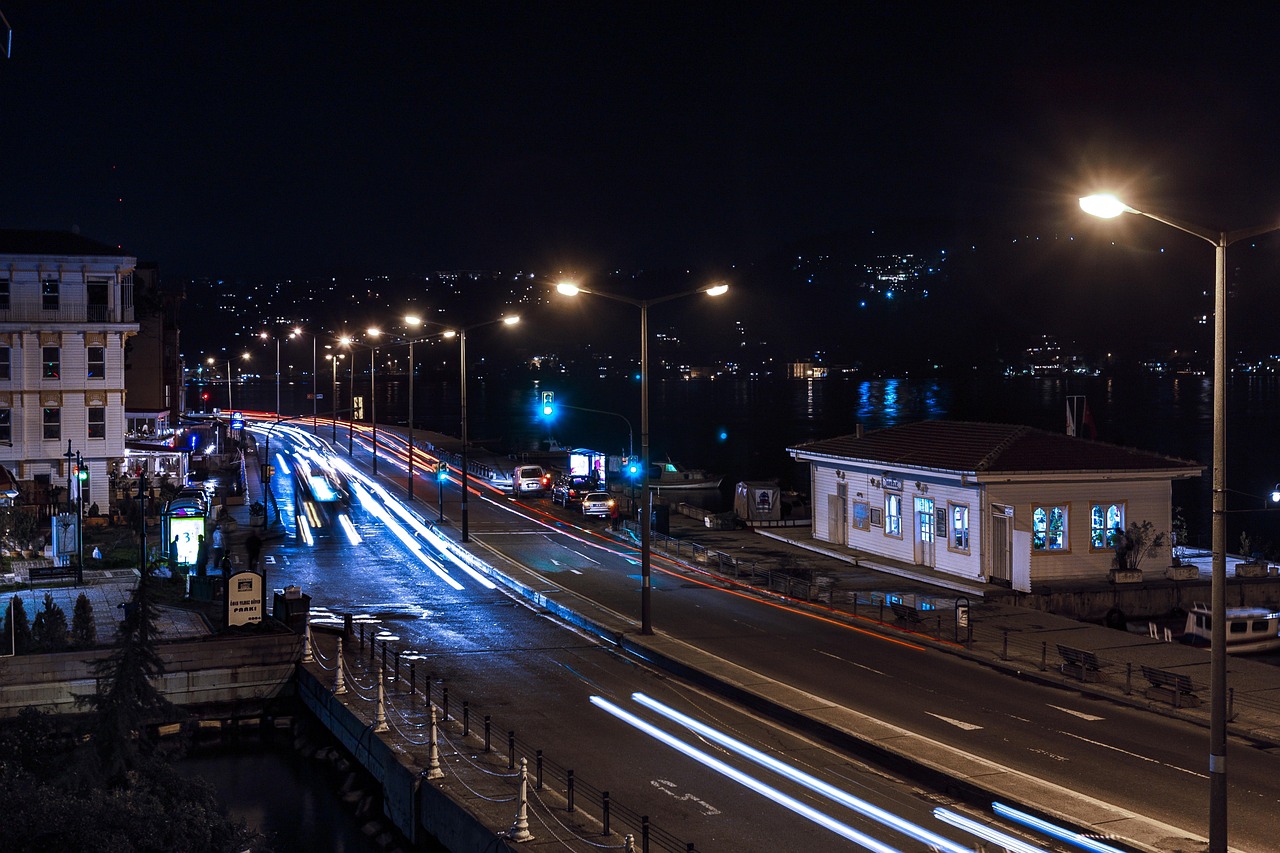
Arnavutköy safety remains among the highest in the city, and the entire coastline between these 2 neighborhoods is extremely safe for solo travelers and families at all hours. The area stays active until 2:00 or 3:00 AM, especially near popular cocktail bars like Alexandra or Any. Well-lit pathways and a constant stream of joggers, dog-walkers, and evening strollers ensure a secure environment. Unlike more secluded parts of the city, the heavy presence of reputable businesses and locals provides a natural layer of security that makes nighttime walks along the Bosphorus both pleasant and worry-free.
What is the best time of year to visit?
The ideal weather in Istanbul for exploring the coast occurs during May, June, September, and October. During these months, temperatures typically range between 20 and 25 degrees Celsius, providing the perfect climate for long walks. July and August can be excessively humid and crowded, while winter months often bring harsh winds and rain that make the seaside chilly. Visiting in May also allows you to see the purple Judas trees (Erguvan) in full bloom across the hillsides of the Bosphorus, a signature sight of the city.
Are these neighborhoods expensive for travelers?
While your travel budget will need to be higher here than in Sultanahmet or Kadıköy, you can still find a range of options. Bebek prices reflect its status as one of Istanbul’s most affluent districts, with luxury cafes like Bebek Kahve or Baylan charging premium rates for their views. Expect to pay 30% to 50% more for a meal here compared to central Istanbul. However, Arnavutköy offers more “neighborhood” style spots where you can grab a tea or a quick snack without breaking the bank. For a budget-friendly experience, buy a coffee from a local chain and enjoy it on the public benches facing the water.
Can you swim in the Bosphorus here?
Swimming in Bosphorus waters at Arnavutköy or Bebek is strongly discouraged for visitors due to the lethal surface currents and heavy maritime traffic. Specifically, the point known as Akıntıburnu (Current Point) in Arnavutköy features currents that can reach speeds of 5 knots, which is dangerous even for experienced local swimmers. Additionally, the coastline is a primary artery for massive tankers, ferries, and private yachts. If you want to swim, take a ferry to the Princes’ Islands or visit the private beaches in Kilyos on the Black Sea coast.
Conclusion
To me, after fifteen years of navigating this city’s chaotic energy, the stretch between Arnavutköy and Bebek remains my ultimate sanctuary. It’s where Istanbul stops being a loud, frantic metropolis and starts feeling like a lived-in poem. If you’ve followed my guide this far, you’ve seen the grand Yalı mansions and smelled the salt in the air, but my real verdict is this: the “best” part of this coastline isn’t a specific restaurant or a monument; it’s the rhythm you find when you finally stop rushing.
You need to give yourself permission to move slowly. Put your phone in your pocket, tuck the map away, and let the curve of the Bosphorus be your only guide. There’s a certain magic in watching the local fishermen at Arnavutköy patiently waiting for a strike, or seeing the sunlight dance off the wake of a passing container ship. This is where the city’s true soul reveals itself—not in the crowded squares of the Old City, but in these quiet, elegant moments where the blue of the water meets the historic timber of the shore.
My final piece of advice for you is about timing. Don’t try to squeeze this walk between museum visits or appointments. Instead, wait for a late afternoon when the light turns that particular Istanbul gold. Start in Arnavutköy just as the sun begins to dip, wander toward Bebek at your own pace, and when your legs get tired, don’t look for a taxi. Find a small seaside bench or a quiet café instead. Order a Turkish coffee—wait for the grounds to settle—and just watch the current flow toward the Marmara. In a city that never stops moving, learning to sit still by the water is the most authentic “local” experience you can have. I’ll see you out there by the sea.
Comments
Share your thoughts with us