I’ve spent fifteen years navigating these cobblestones, and nothing tests your local knowledge quite like a sudden, urgent need for a restroom after your third glass of Turkish tea in the middle of a Sultanahmet afternoon. Just last Tuesday, around 3:00 PM, I found myself near the Sultanahmet tram stop, the air thick with the scent of roasted chestnuts and the insistent calls of sellers weaving through the crowds. My usual sanctuary—a quiet, tucked-away café near the Arasta Bazaar—was packed to the gills with a tour group, forcing me to rely on the municipal WC located right by the park.
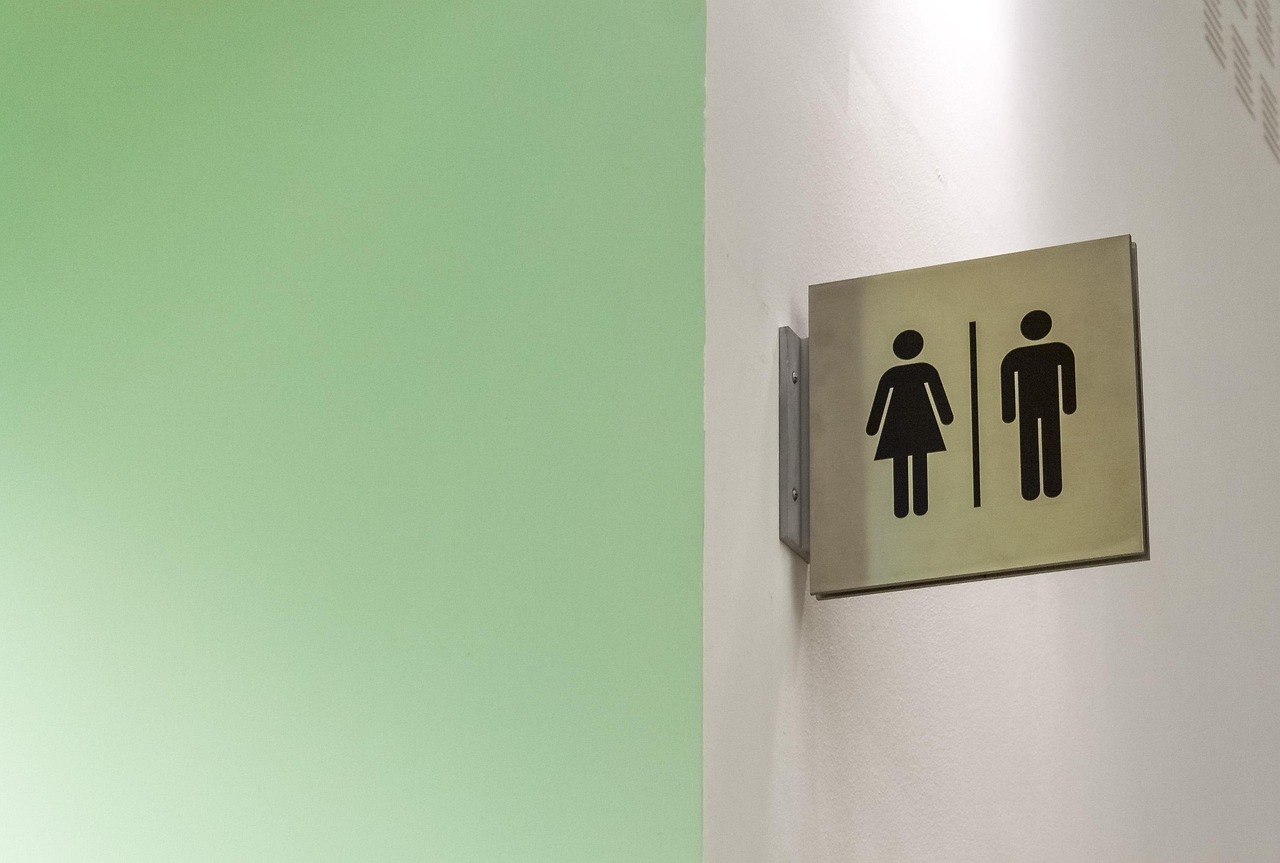
While Istanbul has modernized its public facilities significantly over the last few years, walking into a restroom here still feels like a minor gamble if you don’t know which door to knock on. You’ll see the “Bay” (Men) and “Bayan” (Women) signs everywhere, but the real trick is having your Istanbulkart or a few coins ready before you reach the turnstile. That particular afternoon, the entry fee was exactly 25 TL—which, at our current 2026 rates, is a clean 0.50 EUR or about $0.55 USD.
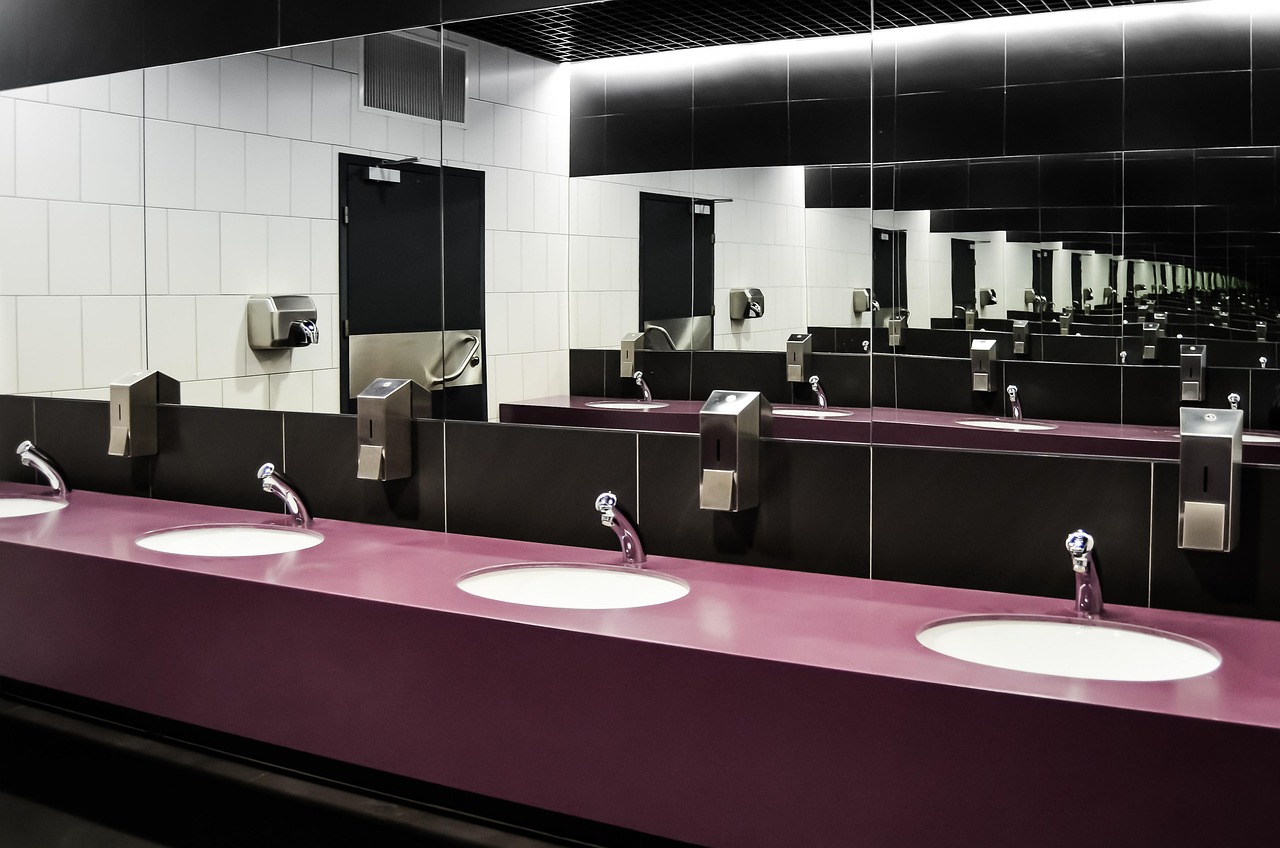
The queue moved quickly, maybe three minutes tops, and the facility was surprisingly scrubbed down, though the soap dispenser was fighting a losing battle with the crowd. I’ve learned the hard way that while the city keeps these places functional, the luxury of high-quality toilet paper is never a guarantee. I always keep a small pack of tissues in my messenger bag; it’s the simplest fix for a situation that could otherwise derail a perfectly good walk through the Old City. It’s these small, unglamorous realities of urban life that separate a seasoned local’s afternoon from a frantic, confused search through the winding back alleys of Eminönü.
The Silver Sentinels: Using Municipal WC Kiosks
The shiny, stainless steel kiosks operated by the Istanbul Metropolitan Municipality (İBB) are the most reliable way to find a dignified restroom experience without needing to buy an overpriced latte just for “customer access.” You will spot these “Silver Sentinels” anchored in high-traffic areas like parks, squares, and right next to the major ferry terminals in Eminönü. They might look a bit industrial, but they are a godsend when you are navigating the city’s crowded arteries.
I remember a particularly sweltering Tuesday last month. After spending an hour photographing the intricate architecture near the Galata Mevlevihanesi: Beyoğlu, I walked down toward the water and realized I was in urgent need of a facility. The kiosk near the Galata Bridge had a small queue—maybe three people—but it moved fast. I waited exactly two minutes. For a flat fee of 15 TL (which is roughly 0.30 EUR or 0.33 USD), I stepped into a cabin that was surprisingly cool and smelled faintly of industrial pine. These units are scrubbed by municipal staff almost every hour, so if you see an attendant nearby with a mop, just give them five minutes to finish; it’s worth the wait for a fresh floor.
How to Use an İBB Municipal Kiosk
If you’re used to coin-operated toilets in Europe, these are a bit more high-tech. Here is how you get in without a fuss:
- Locate the kiosk by looking for the blue and white “İBB” logo or a sign that says “WC.”
- Check the light above the door; green means it is vacant, while red means it’s occupied.
- Prepare your payment by holding your Istanbulkart or any contactless credit card up to the digital scanner on the door frame.
- Push the door open immediately once the scanner beeps and the lock clicks—there is a short window before it re-locks.
- Press the internal lock button once inside to ensure the external sensor shows “Red” to the next person in line.
- Use the flush sensor located on the back wall; most of these are touchless to keep things hygienic.
Berk’s Insider Tip: Look for the sign ‘Bay’ for Men and ‘Bayan’ for Women. If you see ‘Engelli,’ that is the accessible stall, which in 2026 is increasingly common and usually the best-maintained.
While Istanbulkart payment remains the “king” of convenience for locals, the 2026 upgrade to these scanners means your foreign Visa or Mastercard will work about 95% of the time. If the card reader seems stubborn, a quick tap of a physical Istanbulkart—the same one you use for the tram—never fails. The only downside is that these kiosks can occasionally run out of toilet paper during the sunset rush at Eminönü, so I always suggest keeping a small pack of tissues in your pocket as a backup.
Mosque Courtyards: The Traditional Option
The minarets dotting the Istanbul skyline aren’t just for the call to prayer; they are your most reliable landmarks for finding a functional restroom in a pinch. While nearly every mosque has facilities, the experience varies wildly depending on whether you are at a major imperial landmark or a small neighborhood “mescit.”
The 10 TL Standard and the Turnstile
By 2026, the standard fee for mosque restrooms has solidified at 10 TL. While this is barely pocket change—roughly 0.20 EUR or 0.22 USD—the logistics of paying can be a minor hurdle. In high-traffic areas like Sultanahmet or Eminönü, you’ll likely encounter a turnstile that accepts coins or, increasingly, a tap-to-pay sensor for your Istanbulkart or credit card. In smaller mosques, there is usually a wooden desk with a plastic bowl or a box. Don’t try to sneak past; that money usually goes toward the cleaning staff’s wages and the mosque’s utility bills. If you only have a 200 TL note, find a nearby “Bakkal” (corner store) to buy a water first, as the attendants rarely have change for large bills early in the morning.
Distinguishing Abdesthane from Tuvalet
A common mistake I see travelers make is walking into the Abdesthane thinking it’s the restroom. The Abdesthane is the open-air or semi-enclosed marble bench area with low faucets specifically for ritual ablutions (washing feet, hands, and face). Using this area for anything else is a major faux pas. Look specifically for the sign that says “Tuvalet” or “WC,” which is almost always tucked away in a corner of the courtyard or down a flight of stairs. If you find the floors are wet—a common occurrence due to the washing rituals—just watch your step on the marble; it gets incredibly slick.
The Little Hagia Sophia Alternative
If the queues at the Blue Mosque look like a theme park line, do what I do and walk ten minutes downhill. I am done with the Sultanahmet crowds so I go to Little Hagia Sophia instead, where the pace is glacial and the facilities are tucked discreetly into a lush garden. Last Tuesday, while the main square was chaotic, I spent 10 TL here and had the place to myself. The restroom was spotless, the attendant was actually smiling, and there was no pressure to rush. It’s a reminder that in Istanbul, a little bit of walking usually buys you a lot of peace. Just remember to carry a small pack of tissues; while most 2026 facilities are well-stocked, the paper dispensers in older mosque courtyards can be temperamental.
Modern Havens: Malls and Museums
When I’m showing friends around, I tell them to ignore the blue “WC” signs if there is a high-end mall or a museum within a five-minute walk. High-end malls like Galataport or Nişantaşı City’s are the undisputed gold standard for hygiene, and unlike the municipal kiosks, they won’t cost you a single Lira.
The contrast is stark. While a standard 10 TL public stall in a busy square might have a wet floor and a line out the door, the sensor-operated facilities at Galataport feel like a luxury hotel. I was there last Tuesday around 3:00 PM—the height of the cruise ship rush—and the marble counters were still bone-dry and smelled of citrus. It’s a massive relief when you’re navigating the crowded Karaköy waterfront.
The Museum Cafe Strategy
A local secret I’ve relied on for fifteen years involves museum cafes. You don’t always need to pay for a museum ticket to use a high-quality restroom. Many institutions, like the Pera Museum or Istanbul Modern, have cafes with external entrances or lobby access. If you’ve just finished hunting for the best Niğde style söğüş in Beyoğlu, you can head to a nearby cultural hub. If you feel awkward walking straight to the back, just check the menu for a moment; usually, the staff is too busy to mind.
Top 5 Pristine Restroom Locations
- Galataport (Karaköy): Entirely free, high-tech sensors, and almost always staffed by a cleaning crew.
- Nişantaşı City’s: Located in the heart of the fashion district; the upper floors are quieter and impeccably clean.
- Pera Museum Cafe: Perfect for those exploring the backstreets of Tepebaşı; accessible via the lobby.
- Salt Galata: A stunning repurposed Ottoman bank; the restrooms are as architecturally pleasing as the library.
- Zorlu Center: If you are near the Zincirlikuyu transport hub, this mall offers the most consistent hygiene standards in the city.
Berk’s Insider Tip: In smaller ‘Esnaf’ (local tradesmen) tea houses, the restroom is for customers only. Buy a 15 TL tea, enjoy the atmosphere for five minutes, and you’ll have access to a clean, albeit basic, facility.
The 2026 Cost of Convenience
10 TL is the universal baseline for almost every public restroom in Istanbul today. Whether you are navigating the backstreets of Beyoğlu or waiting for a ferry in Eminönü, that single purple-tinted banknote—worth approximately 0.20 EUR or 0.22 USD—is the standard price for entry. It is a small price to pay for facilities that, for the most part, are kept remarkably clean by dedicated attendants who ensure the soap dispensers are full and the floors are dry.
Cash, Card, or Istanbulkart?
While the city has moved rapidly toward digital payments, the “toilet fee” remains a bit of a hybrid system. Most municipal facilities (marked as İBB) now feature turnstiles where you can simply tap your Istanbulkart or a contactless credit card. However, in smaller neighborhood squares or older mosque courtyards, cash is still king.
I learned this lesson the hard way during one of my weekend rituals. Why I spend my Sundays in a dusty Bomonti car park usually involves hunting for 1970s vinyl, but I once spent ten minutes frantically hunting for a specific coin at the Feriköy Antique Market before realizing the attendant had a modern card reader tucked behind her tea glass. Don’t waste time scavenging through your pockets like I did; carry a few 10 TL notes, but always try your card first.
| Facility Category | 2026 Entry Fee | Best Payment Method |
|---|---|---|
| Metro & Ferry Hubs | 10 TL | Istanbulkart / Contactless |
| Municipal Parks (İBB) | 10 TL | Istanbulkart |
| Historic Mosques | 10 - 15 TL | Cash (Small notes) |
| Private Cafes | Purchase Required | Credit Card / Cash |
Berk’s Insider Tip: Keep your Istanbulkart topped up. Even if you aren’t taking the ferry, that 10 TL balance is your ticket into almost every municipal restroom in the city.
Managing the Change
If you find yourself at a stall that only takes cash, avoid handing over a 200 TL note. The attendants are usually locals who don’t carry massive amounts of change, and you’ll likely end up with a pocket full of heavy coins that you’ll struggle to spend later. If you are out of small change, a quick “pardon” and a polite request to the nearest “Bakkal” (corner grocery) to break a note for a bottle of water is your best strategic move.
Transit Hubs and Metro Stations
Most travelers assume every metro station is a safe bet for a restroom, but the reality is more selective: facilities are almost always located behind the turnstiles. This means you’ll need to tap your Istanbulkart and pay the entry fee just to access them. In my fifteen years navigating these tunnels, I’ve learned that newer lines like the M11 (Airport) or the deep-level Marmaray stations are your best bets for cleanliness. At Yenikapı or Sirkeci, expect to pay around 15 to 20 TL (about 0.30 to 0.40 EUR) via your transit card. If you find yourself outside the gates without credit on your card, look for the small kiosks nearby; they usually sell “limited use” tickets, though they are a poor value compared to a topped-up card.
Ferry Terminals and the Kadıköy Rush
The Kadıköy ferry terminal restrooms are a masterclass in high-traffic efficiency. While the crowds can be intimidating—especially during the 6:00 PM rush when commuters are fleeing the European side—the attendants here are remarkably fast. I remember a humid Tuesday last July when the line stretched out the door, yet I was in and out in under three minutes. It’s rarely “spa-clean,” but it’s reliable.
However, if you have ten minutes to spare, there is a better way. If you are starting a walking tour of Kadıköy and the Moda coastline, skip the chaotic pier facilities entirely. Instead, walk south toward the Moda end of the coastal path. The public WCs managed by the municipality near the tea gardens are significantly quieter and often cleaner than the high-traffic stalls by the docks. They usually charge 15 TL (0.30 EUR), and unlike the metro, many now accept contactless credit cards, saving you from the “no change” scramble.
Conclusion
I was walking through the backstreets of Kadıköy last Wednesday, just past the produce market where the scent of fresh purple basil hits you, when I realized I’d lingered too long over my third glass of tea. I headed straight for the basement of the Osmanağa Mosque. It’s a spot I’ve used for a decade; the stairs are steep, and it costs 15 TL—exactly 0.30 EUR—but the marble was gleaming, and the attendant was busy refilling the rose-scented cologne at the exit.
That’s the thing about this city. It’s a sprawling, chaotic megalopolis of 16 million people, yet it rarely leaves you stranded if you know where to look. While the lack of a “public restroom” sign on every corner might feel daunting at first, the infrastructure is woven into the very fabric of our social life—in the mosques, the ferry terminals, and the metro stations. We don’t view these spaces as mere utilities; they are part of the daily maintenance of a city that prides itself on being a host.
If you ever find yourself in a neighborhood where the municipal signs are nowhere to be seen, don’t panic. Walk into a small neighborhood esnaf cafe or a family-run pastane. If you approach with a genuine “Merhaba” and a polite request, you’ll find that Turkish hospitality isn’t just about feeding you—it’s about ensuring you’re comfortable, no matter the requirement. Just make it a habit to keep a small travel pack of tissues in your bag. In a city this old and this busy, the paper dispensers can occasionally run dry before the next refill cycle, and being prepared is the difference between a minor hiccup and a ruined afternoon. Istanbul is a place that rewards the prepared traveler with its grace; keep a few coins ready, watch for the “WC” signs near the minarets, and you’ll navigate the city as smoothly as any local.