
The rhythmic, metallic clack-clack of a heavy cleaver hitting a wooden block is the first thing you hear when you turn into a Beyoğlu side street after dark; it’s the heartbeat of a real söğüş master at work. Last Tuesday, around 11:45 PM, the queue at a tiny stall near the Balık Pazarı was exactly six people deep. I stood between a taxi driver and a woman in a sequined dress, clutching 350 TL for my fix. The air was sharp with the scent of fresh parsley and the earthy, warming punch of high-quality cumin. I watched the usta—a man who has clearly spent more years holding a blade than a conversation—dissect a chilled lamb’s head with surgical precision.
This isn’t a standard tourist kebab. Söğüş is the pride of Niğde, a province in Central Anatolia that holds the patent on this specific craft in Istanbul. Unlike the hot, fatty sizzle of a doner, söğüş is served cold. It is a composition of boiled and chilled tongue, cheek, and brain, chopped finely and seasoned, then wrapped tightly in a thin sheet of lavaş. For the uninitiated, the list of ingredients might sound like a dare, but the reality is a delicate, buttery texture that melts on the tongue. It’s the late-night equalizer in this city; you’ll regularly see guys in tailored suits standing shoulder to shoulder with street sweepers.
The economics of the street have shifted. By the start of 2026, the price for a solid dürüm at a top-tier Niğde-style spot has settled around 350 TL—which is exactly 7 EUR or just under 8 USD. If the idea of eating brain makes you squeamish, tell the usta “beyinsiz” (without brain); he’ll swap it out for extra cheek meat, which is as tender as high-end roast beef. Whether you’re navigating the neon-lit chaos of Beyoğlu or the relaxed corners of Kadıköy, finding a master who keeps his meat chilled and his knife sharp is the key to understanding this Istanbul obsession.
The Cold Art of the Niğde Master
If you walk into a söğüş shop expecting the sizzle of a grill or the steam of a stew, you’ve fundamentally misunderstood the craft. This is a dish defined by its chill. Unlike the fiery kebabs most visitors associate with Istanbul, Kelle Söğüş is served cold, relying entirely on the textural contrast of boiled lamb’s head meat—specifically the cheek, tongue, and brain. The meat is either expertly prepared or it is inedible.
Texture Over Temperature
The magic lies in the “cold” preparation. When the meat is chilled, the fats solidify into a buttery consistency rather than a greasy one. Most people find the idea of eating brain or tongue intimidating, but when it’s diced into ribbons and tucked into a fresh lavaş, the different textures—the firmness of the tongue against the cloud-like richness of the brain—create something sophisticated.
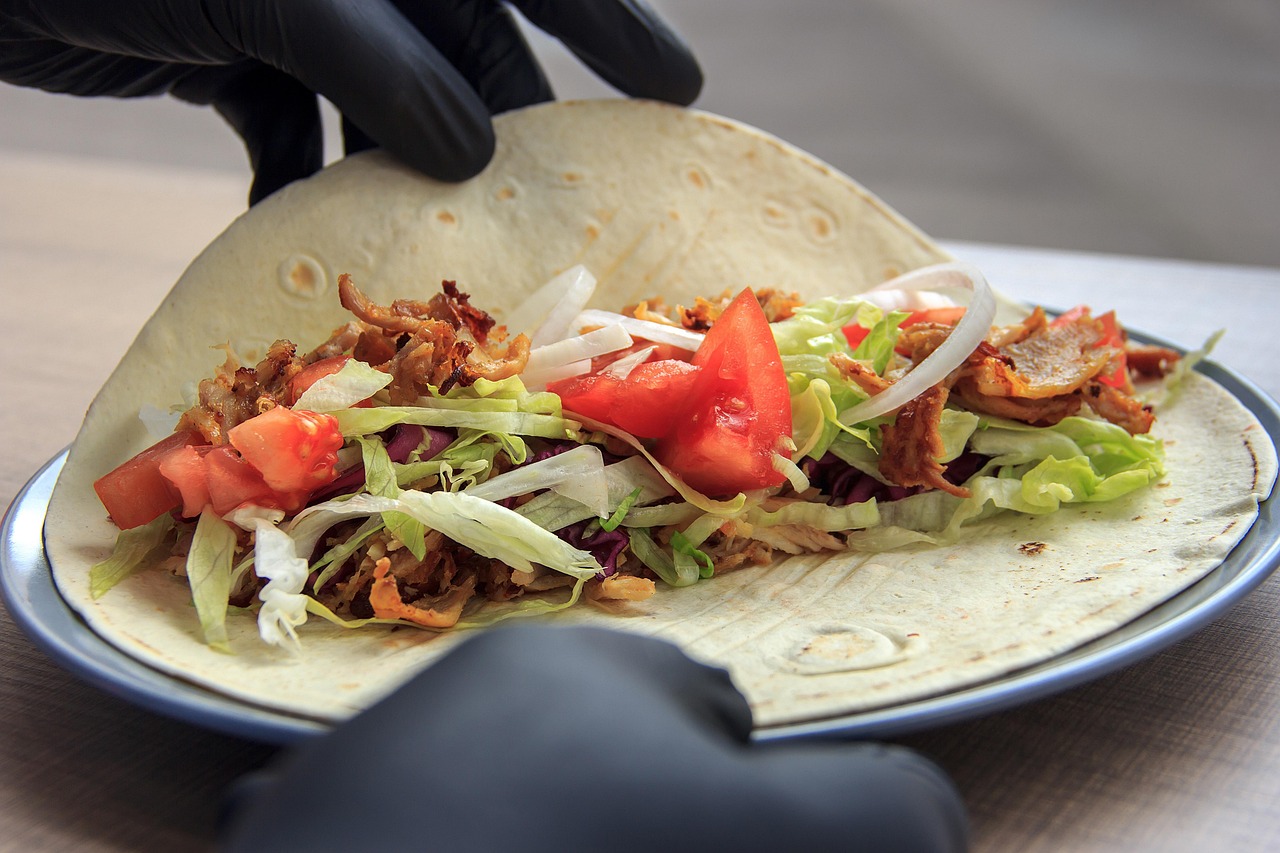
The masters of this craft almost exclusively hail from Niğde. I remember standing at a tiny counter in the Beyoğlu Fish Market, watching a third-generation Niğde master work. There was no clock, just the rhythmic thwack-thwack of his knife. He was shaving tongue meat while holding a full conversation with a regular. He didn’t use a thermometer; he just knew by the way the cheek meat yielded under his blade that it was ready.
If the idea of cold meat feels daunting, always ask for extra Cumin and onions. The spice cuts through the richness of the brain meat. In 2026, a generous wrap in Beyoğlu costs around 350 TL (exactly 7 EUR). For the labor-intensive cleaning and slow-boiling involved, it remains a bargain for a true taste of Niğde.
Beyoğlu’s Heavy Hitters: Where Tradition Lives
Beyoğlu is the spiritual home of the Niğde-style cold cut wrap. While İstiklal Avenue has become a commercial circus, the side streets near the Balık Pazarı (Fish Market) still hold the authentic soul of Istanbul’s late-night culinary culture. If you’ve just finished admiring the tiles at Rustem Pasha Mosque: Eminönü, the walk uphill to these stalls takes about 15 minutes and serves as the perfect pre-meal ritual.
If you want the gold standard, you find Muammer Usta. His tiny stand is easy to miss during the day, but as soon as the sun dips below the Galata Tower, a queue begins to snake down the alley. Last Tuesday, I stood in line for fifteen minutes at 11:00 PM. You aren’t here for a seated dinner; you’re here for the Tam Karışık (Full Mix).
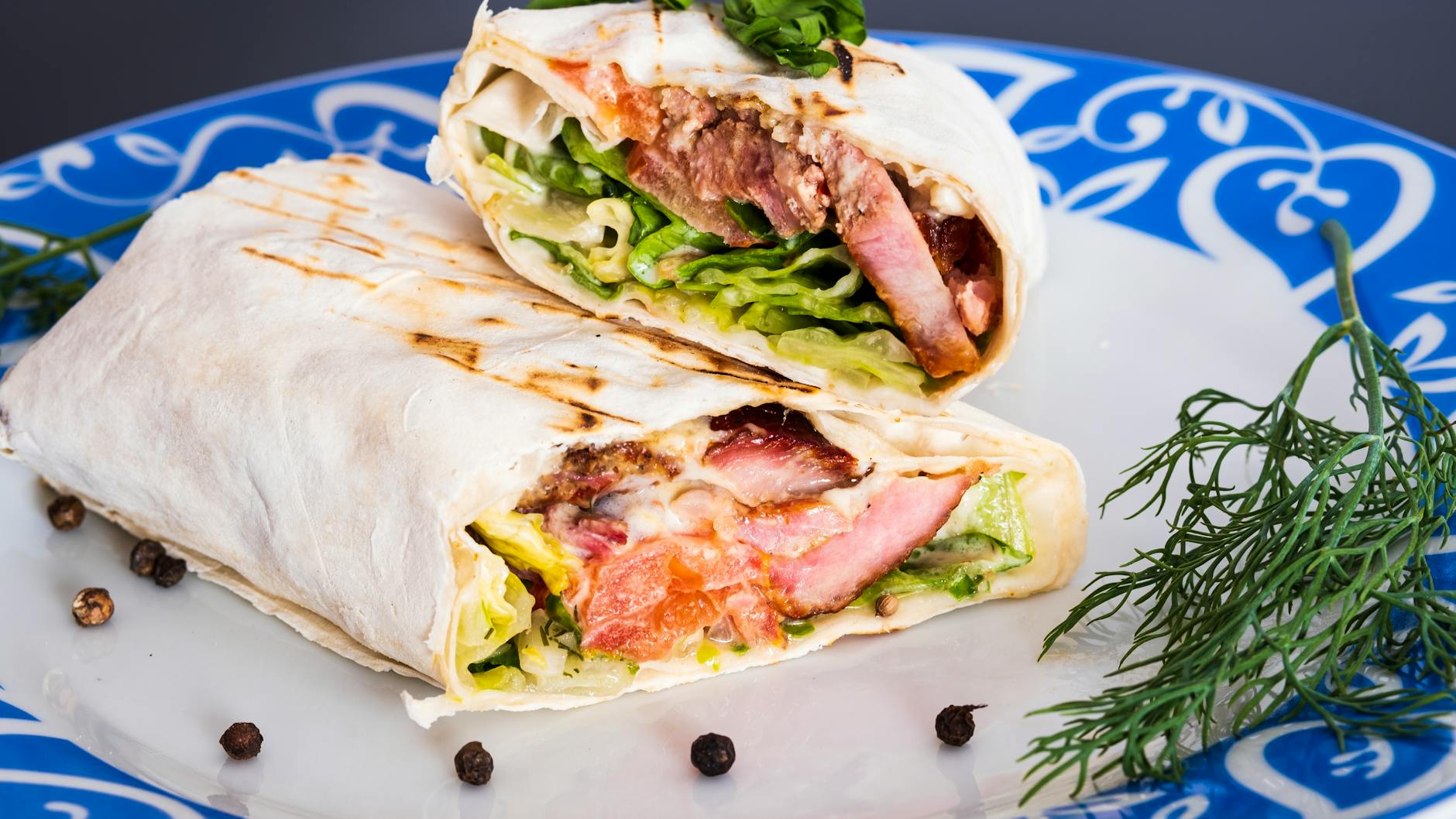
Many visitors hesitate when they hear “brain,” but in a Niğde-style wrap, it is the secret weapon. It acts as a rich, creamy sauce that binds the lean, cold cheek meat and the chewy tongue together. In 2026, a single wrap here costs 400 TL ($8.88 / €8.00). This wrap is the ultimate tactical move after following local traditions for a night out. If the crowd is too thick, don’t get frustrated; the line moves fast because Muammer works with the speed of a surgeon.
Berk’s Insider Tip: Most top-tier söğüş masters start their day late. If you go before 2:00 PM, you might find them still prepping. The sweet spot for the freshest cuts is between 7:00 PM and midnight.
What to Look For at a Beyoğlu Söğüş Stand
- Hand-chopped vegetables: The onions and parsley must be chopped fresh for your specific wrap to maintain their crunch.
- The Marble Counter: A true master uses a chilled marble slab to keep the meat firm and the temperature consistent.
- Cumin-Forward Seasoning: The spice mix should be heavy on the cumin but light on the salt.
- Thin Lavaş: The bread should be a vessel, not the main event. It needs to be thin enough to see the parsley through it.
- The Temperature Contrast: The meat should be cold, but the lavaş is often slightly warmed by the steam of the counter.
Crossing the Bosphorus: The Kadıköy Söğüş Scene
Kadıköy is where you go when you want offal with a side of neighborhood soul. The Asian side—specifically the streets of Caferağa—invites you to sit down and appreciate the craftsmanship of a well-sliced lamb’s head.
Baba Söğüş and the Art of the Linger
In the heart of the district, Baba Söğüş offers a slightly more civilized experience compared to the standing-only stalls in other neighborhoods. Last Tuesday at 11:15 PM, I waited in a modest ten-minute queue for a wrap that cost 225 TL. I made the rookie mistake of asking the usta if the meat could be warmed; he didn’t even look up, just tapped the chilled marble counter to remind me where I was.
The real differentiator here is the pairing. While Beyoğlu’s vibe is gritty, Kadıköy’s spots allow you to pair your wrap with a cold glass of open ayran served in a traditional frosted copper cup. The frothy, salty yogurt drink is non-negotiable; its acidity cuts through the richness of the brain and tongue perfectly.
Logistics: Getting There Late
If you are staying in Taksim or Beşiktaş and the craving hits after the ferries have stopped running, don’t descend into the metro. Instead, look for the yellow dolmuş routes and payment tips for faster travel between Beşiktaş, Taksim, and Kadıköy. These shared taxis are the lifeblood of Istanbul’s late-night food runs. If you have time the next day, you can explore the Beylerbeyi Palace Entry Tips and Bosphorus Ferry Routes to the Asian Side for a more scenic crossing, but for a midnight söğüş run, the dolmuş is king.
The 2026 Price Breakdown and Ordering Protocol
Söğüş is no longer a “pocket change” snack, but paying 450 TL for a premium wrap in 2026 is a fair trade. You aren’t just paying for offal; you are paying for the hours of slow-chilling and the precision of a master’s knife. At 2026 rates, 450 TL translates to exactly $10.00 USD or €9.00 EUR.
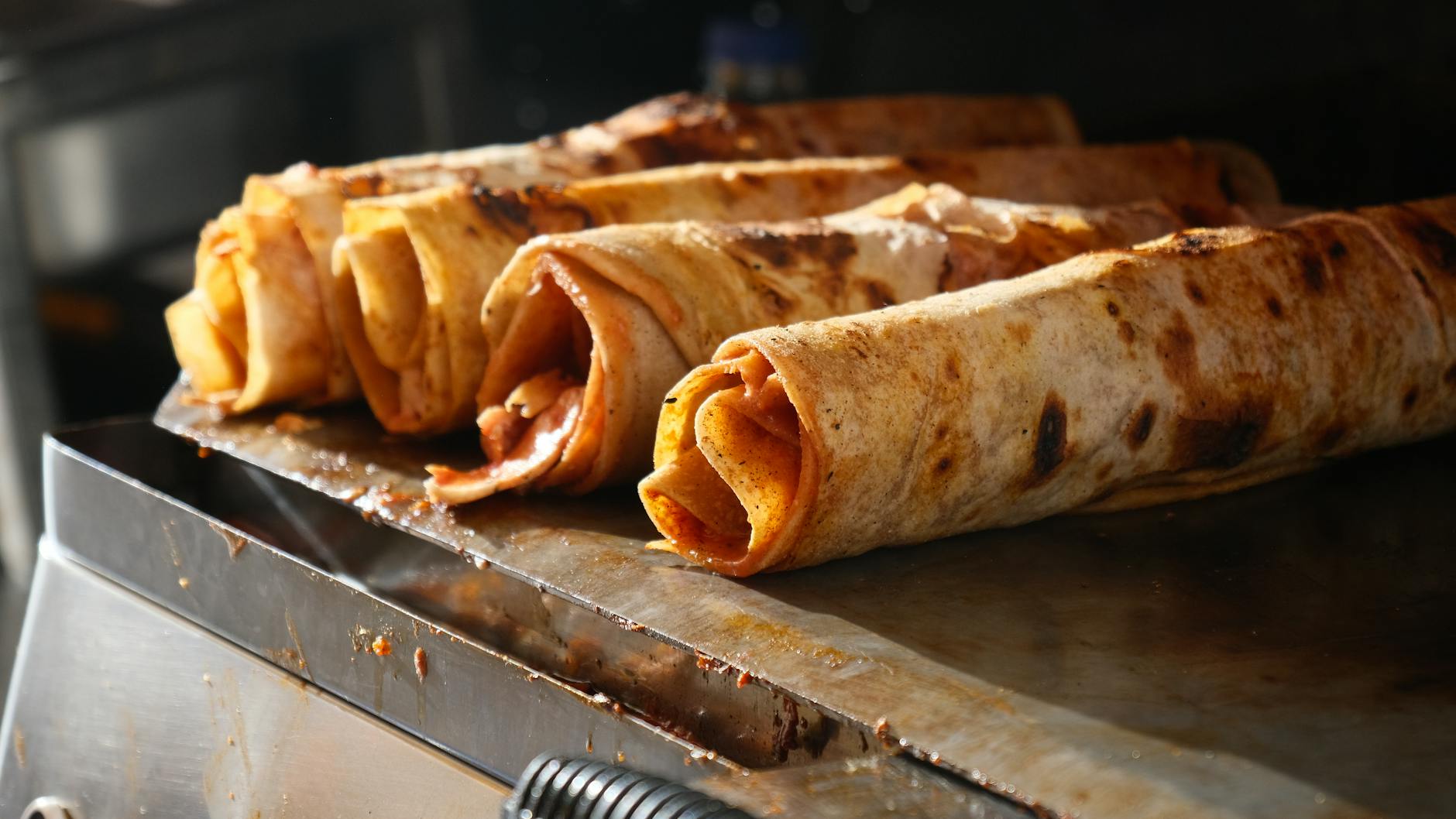
Never ask for your söğüş to be heated. This dish is designed to be cold; heating it ruins the delicate fat structure of the cheek meat and turns the brain into an unpleasant texture. If you want hot meat, find a Döner stand. Here, you want that buttery, chilled mouthfeel balanced by fresh parsley, onions, and a sprinkle of cumin.
| Item Selection | 2026 Price (TL) | Estimated USD/EUR | Best For… |
|---|---|---|---|
| Standard Mixed Wrap | 350 TL | $7.75 / €7.00 | First-timers (Cheek, tongue, brain) |
| Double Meat “Full” Wrap | 450 TL | $10.00 / €9.00 | A substantial late-night dinner |
| Söğüş Plate (No Lavaş) | 500 TL | $11.10 / €10.00 | Sharing over a glass of cold Ayran |
| Extra Brain/Cheek Portion | +100 TL | $2.20 / €2.00 | Customizing your richness level |
When you approach the glass case, point to the Lavaş, tell them “Acılı” if you want red pepper flakes, and watch them work. If the crowd is too thick at popular Beyoğlu spots, walk five minutes toward the backstreets of Çukurcuma; the prices usually drop by 50 TL and the quality stays sharp.
How to Customize Your Wrap Like a Local
Your first söğüş order is a rite of passage. If you don’t speak up, the usta will give you the “standard” mix. I learned this at a small stall near the Fish Market; I paid my 450 TL and ended up with a wrap so rich in brain meat it felt like eating buttered silk. Balance is everything.
Choose Your Meat Ratio
The foundation is the lamb’s head, but you have control. Dil (tongue) is the mildest entry point—it has the texture of roast beef. Beyin (brain) adds a creamy richness. Most locals go for a “karışık” (mixed), but I always ask for extra cheek meat (yanak) for a saltier, tougher contrast.
The Holy Trinity of Spices
We don’t mask the flavor; we elevate it. Cumin is the most important—it aids digestion and provides an earthy base. Then comes salt and Pul Biber (Aleppo pepper). If you like heat, ask for “bol acılı” (extra spicy), but the cold meat can make the spice linger longer than a hot kebab would.
Freshness and Crunch
To cut through the fatty richness, you need high-acid accompaniments. Freshly chopped parsley and thinly sliced red onions are non-negotiable. The onion’s sharpness is what makes the cold wrap refreshing.
Berk’s Insider Tip: If the texture of brain is too much for your first time, ask for ‘beyinsiz’ (without brain). You’ll still get the flavorful tongue and cheek meat without the creamy consistency.
How to Order Like a Pro
- Observe the usta to see the quality of the greens and how finely he chops the meat.
- State your preference immediately—tell him “dil ağırlıklı” for more tongue or “beyinsiz” to skip the brain.
- Watch the seasoning and tell him “bol kimyon” (lots of cumin) as this is the secret to a truly local flavor profile.
- Request the wrap style by asking for “dürüm,” which ensures the lavaş bread is tightly rolled.
- Check the price before he wraps it; a standard wrap in 2026 should hover around 450 TL in prime spots.
Walking away from the neon glow of İstiklal and into the side streets is where the city finally lets its guard down. You haven’t understood the grit of Istanbul until you’ve sat on a plastic stool, watching a master from Niğde turn chilled offal into something sublime. Last Tuesday, around 12:30 AM, I found myself at a tiny spot off the Balık Pazarı. I handed over 350 TL and watched the Usta work. If the thought of brain or tongue makes you hesitate, lean into the spice. Ask for an extra dusting of cumin and a heavy hand of pul biber; the heat cuts through the richness and balances the textures.
Real Istanbul doesn’t offer a reservation; it offers a spot on a wobbly bench and a flavor that stays with you long after the last ferry has docked. It’s cold, it’s unapologetic, and it’s an honest meal. If you can handle a midnight söğüş in a crowded alleyway, you’re not just a visitor anymore—you’re part of the city.