
Why I spend my Sundays in a dusty Bomonti car park
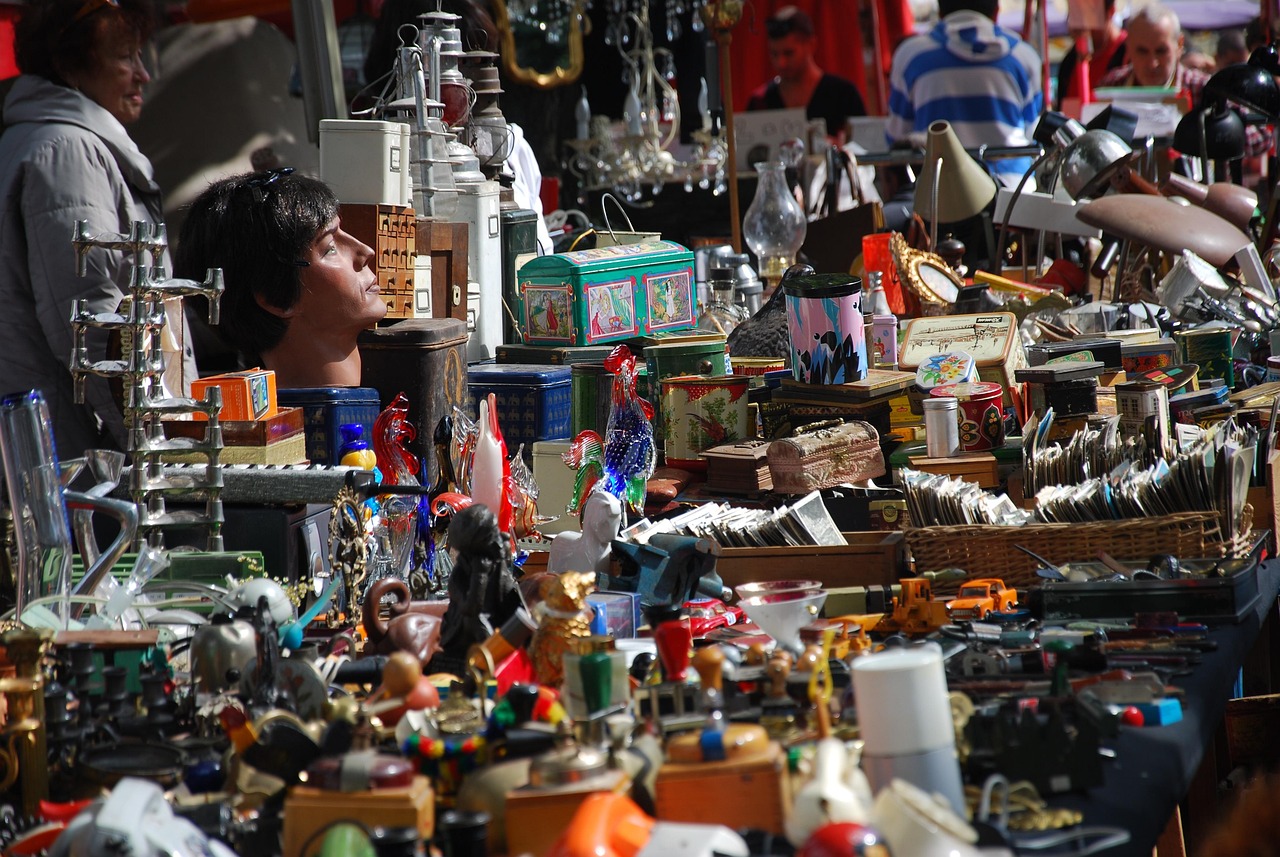
I’m standing in a concrete car park at 8 AM on a Sunday. The wind is whipping through the pillars, my shins are bruised from a low-hanging crate, and my shoes are already caked in a fine layer of grey dust. Some guy is trying to sell me a 1970s rotary phone that clearly hasn’t worked since the coup. He wants triple its value. It’s daylight robbery. I’m cold. I’m hungry. It’s absolutely perfect.
While most people are queuing for a table at some sanitized “concept” cafe in Nişantaşı—paying far too much for avocado toast that tastes like nothing—I’m here. Istanbul is slowly being strangled by developers with Instagram accounts and a fetish for glass and steel. They want everything polished. Boring. This dusty corner of Bomonti is the antidote. It smells like damp wool, old paper, and the greasy steam of a crowded Gözleme stand. It’s chaotic. You’ll get pushed. You’ll get ignored by a vendor who’s too busy smoking to care if you buy his rusted keys. Good. I’d rather be ignored here than “served” by some fake-smiling waiter in a mall. This is the real city. The mess is the point.
Feriköy Antique Market Location and Opening Hours
If you crawl out of bed at noon thinking you’re going to find a bargain at the Feriköy Antique Market, stay under your duvet. You’re already too late. The real action in this concrete shell in Şişli starts when most of the city is still snoring, and by the time the brunch crowd arrives, the professional collectors have already picked the bones clean.
Where exactly is this “dusty car park”?
Don’t look for a grand entrance with a velvet rope. This is Istanbul, not a curated museum in Paris. The market occupies a massive, multi-story car park in Cumhuriyet Mahallesi, right on Lala Şahin Sokak. It’s the kind of place that looks depressing on a Tuesday—just rows of grey concrete and the smell of exhaust—but on a Sunday, it breathes.
It’s a 10-minute walk from the Osmanbey Metro station, assuming you don’t get stuck behind a group of slow-walking tourists or trip over the uneven pavement. If you’re coming from the posh parts of Nişantaşı, the change in atmosphere is a slap in the face. It’s gritty. It’s loud. It’s perfect. It’s just down the hill from Bomontiada, that fancy repurposed brewery complex where people pay too much for craft beer, but the market itself is a different world.
The Saturday to Sunday Transformation
The identity crisis of this place is hilarious. On Saturdays, it’s an organic bazaar. You’ll see people in expensive leggings buying 40-lira tomatoes and “artisan” honey. I avoid it like the plague. It’s too clean. Too polite.
But Sunday? Sunday is for the scavengers. The organic kale is shoved aside for crates of dusty 45 rpm records, rusted Ottoman-era keys, and heaps of black-and-white photos of families nobody remembers anymore. The shift happens overnight. By 6:00 AM on Sunday morning, the vendors are dragging their metal trunks across the floor, the sound echoing like a construction site.
| Feature | Saturday (Organic) | Sunday (Antique) |
|---|---|---|
| Vibe | Expensive health nuts | Chain-smoking collectors |
| Smell | Fresh parsley & dirt | Old paper & damp wool |
| Noise Level | Polite haggling | Aggressive shouting & tea glasses clinking |
| Berk’s Rating | 2/10 (Too “clean”) | 10/10 (Glorious mess) |
Why showing up at noon is a rookie mistake
I’ve seen it a thousand times. A couple of tourists wander in at 1:00 PM, looking for a “hidden gem” to post on Instagram. They find nothing but the leftovers. The serious dealers—the guys who supply those overpriced shops in Galata—are here at 7:00 AM with flashlights.
I remember fighting an old man over a cracked porcelain coffee set once. It was 8:15 AM, the wind was whipping through the open sides of the car park, and my fingers were freezing. He didn’t speak a word of English, just grunted and held onto the box. I lost. He was faster and had more spite in him. That’s the energy you need here.
If you want a real experience, skip the fake “antiques” sold near the Blue Mosque. Honestly, Little Hagia Sophia is about the only reason I even venture into that part of town anymore. Everything else there is a theater for people who don’t know any better. Here in Bomonti, the trash is real, the tea is bitter, and the history is actually for sale.
Just don’t expect a smile from the woman making gözleme at the entrance. She’s been there since 5:00 AM, and she doesn’t care about your food allergies. Order your flatbread, eat it standing up while the wind blows dust into your eyes, and get back to digging through the piles of junk. That’s a real Sunday.

How to get to Bomonti without losing your mind
Take the M2 Metro to Osmanbey and walk; anything else is a recipe for a total nervous breakdown. If you try to drive or hire a car on a Sunday morning, you’ve already lost. Istanbul traffic isn’t just a delay; it’s a spiritual assault. I’ve lived here for 15 years, and I still see people sitting in yellow taxis, staring blankly at a stationary delivery truck, while their meter ticks away. Don’t be that person. You’ll get there faster on your own two feet, even with the humidity making your shirt stick to your back.
The M2 Green Line and the Osmanbey Maze
The M2 Metro line is your only friend here. Get off at Osmanbey Metro. It’s deep underground, smells vaguely of damp concrete and ozone, and the escalators are a gamble—half the time they’re “under maintenance.”
Here is the trick I learned the hard way: look for the Rumeli exit. There are about 5 different holes in the ground leading to the surface, and if you pick the wrong one, you’ll end up wandering toward Nişantaşı like a lost tourist. Once you hit the air, you’ll be on Halaskargazi Avenue. It’s loud. The sidewalk is cracked. You’ll probably get bumped by a guy carrying a stack of textile boxes. Just keep moving. I once spent 10 minutes trying to cross the street here because a bus driver decided the red light was merely a suggestion.
Why taxis will break your heart
Forget the taxi. Seriously. Taxis in this part of Şişli are the absolute worst.
- They will see you’re a traveler and suddenly “forget” how to find the Bomonti car park.
- The ride is technically too short for them to make money, but the traffic is too thick for them to move.
- I’ve had drivers tell me “No, too much traffic” while they were literally sitting in it, refusing to let me in.
- If they do take you, you’ll spend 20 minutes turning one single corner because a van decided to park in the middle of the narrow street to unload water jugs.
Just don’t do it. Save your money for the antiques.
The Grey, Concrete Hike
The walk from the station to the market takes about 12 minutes. It isn’t a walk through some manicured park. You’re navigating the grey, concrete hills of Şişli. It’s steep. My calves hurt every single time I do this trek. You’ll pass tall, ugly apartment blocks from the 70s with laundry hanging off the balconies and soot-stained windows.
It’s not “pretty.” It’s real. You’ll smell stale exhaust fumes one second and fresh simit the next. You’ll have to dodge delivery scooters flying down the sidewalk at 40 kilometers an hour. I remember one Sunday I tripped over a loose paving stone near a dumpster and almost took out an old lady carrying her groceries. She didn’t even flinch; she just glared at me and kept walking. That’s the energy you need.
My 3 Golden Rules for the Osmanbey-Bomonti Trek:
- Wear real shoes. This isn’t the place for flip-flops or those fancy loafers with no grip. These hills are slick, even when it’s bone dry.
- Follow the crowd with the tote bags. On Sundays, everyone heading toward the car park is carrying empty cloth bags. Follow them. They know where the good stuff is.
- Ignore the “shortcuts” on Google Maps. Half the time, the app thinks you can walk through a private construction site or scale a 3-meter wall. Stay on the main side streets.
Just keep walking downhill. You’ll know you’re close when the smell of car exhaust is finally replaced by the scent of old paper and fermented peppers. If you’re sweating by the time you reach the car park entrance, you’re doing it right. Keep your head down and your eyes open.
Istanbul Antiques and what you can actually buy here
Most of the stuff you’ll find in this concrete cavern is absolute, unmitigated junk, and that is exactly why I’ve spent my Sunday mornings here for the last 15 years. If you want a curated, sanitized “vintage experience” with overpriced Edison bulbs and overpriced lattes, go to a boutique in Cihangir. Bomonti is for the scavengers, the obsessives, and people like me who find beauty in a half-broken Soviet camera that smells like a Cold War basement. It’s loud, the lighting is aggressive, and if you don’t watch your step, you’ll trip over a crate of rusted silverware. It’s perfect.
The tragic allure of other people’s memories
I have a weird, possibly borderline creepy, obsession with the ephemera here. I’m talking about stacks of black and white photographs of people whose names are long forgotten. Why would anyone buy a photo of a stranger’s 1954 wedding in Kadıköy? Because these faces are the only things that haven’t been bulldozed by developers yet. I find it much more honest than any museum. I once spent 2 hours sorting through a box of postcards just to find one sent from a soldier to his mother in 1916. The ink was faded, and the edges were frayed, but it felt alive.
There’s a certain weight to these items. A decade ago, you could find this kind of soul in the secret hans of the city, but those spots have mostly been turned into warehouses for plastic “Evil Eye” beads made in China. Bomonti is where the real grit moved. It’s the final resting place for the things Istanbulites didn’t have the heart to throw in the bin.
The absurd clash of history and plastic
The tables here are a chaotic mess of eras. It’s common to see a genuine piece of Ottoman memorabilia—maybe a brass coffee grinder or a nickel coin from the era of Abdulhamid II—sitting right next to a headless 1980s He-Man action figure. It’s jarring. It’s confusing. It’s Istanbul in a nutshell.
- Ottoman Memorabilia: Don’t expect museum-grade treasures. It’s mostly coins, medals, and the occasional calligraphy set. Watch out for fakes; if it looks too shiny, it’s probably a 2-year-old reproduction.
- Soviet Cameras: Zenits, Lubitels, and Kievs. Most of them have jammed shutters, but God, they look cool. I bought a Fed-2 last month for 400 Lira just because I liked the way the leather case smelled.
- Vinyl Records: A massive gamble. You’ll find some incredible 70s Anatolian rock—think Selda Bağcan or Barış Manço—but check the scratches first. The sellers here aren’t exactly gentle with the merchandise.
- Silverware: Sold by weight or by “vibe.” Look for the Tuğra stamp if you’re hunting for the real Ottoman stuff, but most of it is just plated copper. Still, a tarnished silver tray makes for a better souvenir than a fridge magnet.
- 80s Plastic Trash: Broken Walkmans, Happy Meal toys, and cassette tapes of pop singers who vanished in 1994. I usually ignore this stuff, but it adds to the general madness.
Berk’s Insider Tip: There is a guy near the back exit who sells old postcards. Look for the ones with writing on the back from the 1950s. It’s better than any history book.
The smell of old paper
I love the smell of this place. It’s a mix of damp concrete, exhaust from the street above, and the very specific scent of decaying paper. To some, it’s just the smell of dust and neglect. To me, it’s the smell of a city that refuses to forget itself. When you flip through a book from the 1920s and the spine cracks, you’re the first person to see those pages in 50 years. That’s a rush you don’t get at a shopping mall.
The sellers are a different breed, too. Don’t expect “service.” These guys have been sitting in this car park since 6:00 AM. They’re cold, they’ve had too much tea, and they don’t care if you buy the thing or not. I once asked a guy the price of a brass lamp, and he just grunted “500” without looking up from his newspaper. I tried to haggle, and he just pointed at the exit. I bought it anyway. He knew he had me.
Is “Vintage Shopping” for clothes even possible here?
Let’s be real: this isn’t East London. You won’t find a rack of perfectly laundered 90s sweatshirts. Vintage shopping here is more like a forensic investigation. The clothes are usually stuffed into cardboard boxes under the tables. It’s dusty. It’s dirty. You will get soot on your fingers.
But, if you’re willing to ruin your manicure, the rewards are there. I’ve found 1960s silk scarves from the old department stores of Beyoğlu and leather jackets that actually feel like they’ve lived a life. Just don’t expect a changing room. You hold it up against your chest, guess the size, pay the woman who looks like she’s about to start a fight, and you get out. It’s an endurance sport, not a hobby.
The Etiquette of Haggling with Grumpy Men
If you walk into the Bomonti market with a wide, “I’m so happy to be here” grin, you have already lost the game and at least 200 Turkish Lira. In this dusty car park, a smile isn’t a greeting; it’s a giant neon sign that says “I have no idea what I’m doing, please overcharge me.” These sellers have been hauling heavy crates of junk since 5 AM. They’re cold, they’re caffeinated, and they’ve been inhaling the smell of exhaust and old paper for hours. They don’t want your sunshine. They want a serious buyer who knows the value of a beat-up 1970s film camera or a pile of Ottoman-era postcards.
The Art of the Poker Face
Keep your face neutral. Boring, even. When I spot something I actually want—like that weirdly heavy brass incense burner I found last month—I never look at it first. I look at the broken plastic toys next to it. I pick up a rusted spoon. I act like I’m just killing time. If the vendor sees your eyes light up, the price instantly doubles. It’s a ruthless psychological dance. I’ve seen tourists practically squeal over a vintage map, and I watched the seller’s eyes turn into dollar signs—or rather, Euro signs. Don’t be that person. Look at the object like it’s a minor inconvenience you might be willing to take off his hands for a small fee.
It’s Pazarlık, Not a Hostage Negotiation
You need to understand that Pazarlık—our version of haggling—is a social ritual, not a fight. If you try to lowball a guy by 80% right out of the gate, he’ll just turn his back on you and go back to his newspaper. I usually start by asking the price of 3 different things. “How much for the clock? The lamp? The map?” It confuses the trail. When he gives you a price, you look slightly pained. Not angry, just disappointed. Like he told you your favorite dog died.
Then, you offer about 60% of what he asked. He’ll scoff. He might even tell you it’s an “antique” from his grandmother’s estate (it’s probably from a basement in Kurtuluş, but whatever). You go up a bit, he goes down a bit. You meet in the middle. If you both feel like you got a slightly bad deal, then the deal was actually perfect. That’s the sweet spot of buying in Istanbul.
Berk’s Insider Tip: Bring cash. Small bills. If you pull out a 200 TL note after haggling a price down to 40, the seller will give you a look that could melt iron.
Respect the Tea Ritual
Never, under any circumstances, interrupt a man mid-sip. Tea culture is the only thing keeping the social fabric of this city from shredding into pieces. If you see a small, tulip-shaped glass resting on a stack of old magazines, and the vendor is staring into space while holding it, you wait. That’s his 3 minutes of peace. If you start barking questions about prices while he’s enjoying his çay, he will intentionally give you the “tourist price” just for being annoying.
I once waited 7 minutes for a guy to finish his tea and a cigarette before asking about a box of old coins. My friend thought I was crazy. “Just ask him!” she whispered. No. You don’t poke the bear when the bear is on his break. Because I waited, he actually chatted with me. He told me which coins were fake (most of them) and gave me the real one for 50 TL less than he would have otherwise. Patience isn’t just a virtue here; it’s a discount strategy. Local vendors appreciate people who understand the rhythm of the street.
The air in the car park gets thick by noon. It’s a mix of dust, cheap cologne, and the savory smell of the gözleme stand in the corner. It’s loud. People are shouting, carts are rattling over the uneven concrete, and someone is definitely going to step on your toes. Don’t complain. It’s part of the tax you pay for finding something unique. Just keep your head down, your wallet tucked away, and your poker face on tight. You aren’t here to make friends; you’re here to rescue a piece of history from a pile of trash.
Where to eat when the dust gets in your throat
If you think a 200-lira avocado toast in a sterile Nişantaşı cafe counts as a Sunday breakfast, you’ve fundamentally lost the plot. The only way to fuel a morning of digging through piles of 1970s postcards and rusty Ottoman keys is to stand in line for a Gözleme that’s been slapped together on a hot iron griddle in the middle of the chaos. There is no menu. There is no “vibe” other than the smell of singed flour and the sound of rolling pins hitting wooden boards. It’s perfect.
The rolling pins and the heat
In the center of the market, you’ll find a group of women who don’t have time for your indecision. They sit on low stools, rolling out paper-thin dough with a speed that borders on violence. I always go for the classic cheese and spinach mix. It’s oily, it’s salty, and it’s served on a piece of cardboard or a scrap of paper. You’ll eat it standing up, probably getting elbowed by a guy trying to negotiate the price of a broken record player.
Don’t expect a napkin. Don’t expect a smile. These women are the backbone of the Feriköy Sunday ritual, and they’ve been doing this since I moved here 15 years ago. The edges are always a bit charred, providing that bitter crunch that cuts through the fatty sheep’s cheese. It is the ultimate Street food experience because it hasn’t been “curated” for Instagram. It just exists.
Why market Çay beats everything
I’ve had tea in 5-star hotels overlooking the Bosphorus and I’ve had it in “concept” coffee shops that look like laboratories. None of them compare to a 10-lira Çay served in a car park. There’s a guy who patrols the aisles with a silver tray, swinging it with a terrifying amount of momentum. He never spills a drop. It’s dark, it’s strong enough to strip paint, and it’s exactly what you need to wash down the dust of a thousand old books.
I hate the trend of artisanal infusions. Give me the bitter, over-steeped stuff in a tulip glass that burns my fingertips. It’s the social glue of the market. You’ll see a wealthy collector from Bebek sipping tea next to a guy selling old plumbing fixtures. That’s the real Istanbul. No pretension. Just hot, sugary caffeine in the middle of a concrete lot.
The post-hunt ritual
Once my bag is heavy with finds and my throat feels like I’ve swallowed a desert, I leave the car park behind for a proper lunch. I have zero patience for fusion-crap or places that use foam as a garnish. When the hunt is over, I want a table that’s been there for 30 years and a waiter who knows exactly what’s in the pots today.
This is the time to find a legitimate Esnaf Lokantası. These tradesmen’s restaurants are where the actual work of the city gets done. You don’t order from a menu; you walk up to the counter and point at what looks good. Maybe it’s a slow-cooked lamb stew or oily green beans that have been simmering since 08:00 AM. It’s honest food for people who have actually done something with their day. It’s the only way to end a Feriköy lunch without feeling like you’ve been scammed by a tourist trap.
Feriköy Antique Market FAQ
Leave your plastic at home because cash is the only king that matters in this concrete pit.
Do they take credit cards?
Hard no. If you try to hand a shiny Mastercard to a guy selling rusty bayonets and dusty 45s, he’ll probably just point you toward the exit with a look of pure pity. It’s a cash economy. I’ve seen tourists stand there for 10 minutes trying to explain Apple Pay to a vendor who still uses a Nokia 3310. It’s embarrassing for everyone involved. There are a couple of ATM machines near the entrance, but they are notoriously moody and the lines usually look like a bread line in a war zone. Withdraw your Lira on Saturday. Seriously. Don’t let a dead machine stand between you and a weird brass lamp.
Is it worth going if I’m not a collector?
Absolutely. I go there 3 Sundays a month just to watch the chaos. Browsing through the rows of weirdness is 90% of the fun anyway. One Sunday I spent 2 hours just looking at old family photos from the 1920s—complete strangers’ lives tossed in a bin for 5 Lira. It’s depressing and beautiful at the same time. You’ll see the weirdest mix of people: wealthy collectors from Nişantaşı rubbing elbows with guys who look like they haven’t slept since the 90s. The energy is raw, loud, and smells faintly of old paper and cheap tobacco. It beats sitting in a sterile mall any day of the week.
Are the items actually real?
Look, authenticity is a gamble here. You need to sharpen your eyes. I’ve seen plenty of “vintage” Turkish Republic signs that were clearly printed last week and aged with a lighter and some coffee stains. But that’s the sport. I once bought what I thought was an Ottoman-era compass, only to realize later it had “Made in China” scratched tiny on the bottom. I felt like an idiot for 5 minutes, then I laughed. You aren’t at a museum. You’re in a car park. If you love it and the price doesn’t sting your wallet, just buy it.
What do I do when I’m done?
The roof is low and the air doesn’t move. By 1 PM, the smell of 500 sweaty bodies and frying dough becomes a bit much for me. I usually do my rounds, grab my treasures, and get out before the crowd makes me claustrophobic. When the dust finally coats my throat, I head over to my favorite Ocakbaşı to wash it all down. Nothing clears the lungs like charcoal smoke and grilled lamb after breathing in 50-year-old dust. It’s the only way to end a Sunday.
Conclusion
Look, I’m not telling you it’s a spa day. It’s a hot, concrete slab filled with people who haven’t slept and mountains of stuff that probably belongs in a landfill. The tea is usually lukewarm and tastes like the cardboard cup it comes in. The vendors will ignore you if they don’t like your face, and if you’re lucky, you’ll get elbowed by a grandmother who has more upper-body strength than a professional wrestler.
Most of what you see is literal trash. I’ve seen people try to sell rusted nails and broken remote controls like they’re Roman artifacts. It’s exhausting. My back usually aches by the second hour from leaning over those low, cluttered tables.
But then, you find it.
I walked out today with a heavy, oxidized brass compass that doesn’t even point north. It’s completely useless. It’s scratched, the hinge squeaks like a dying bird, and I definitely paid twenty liras too much for it because I was too tired to argue. I carried it out in one of those flimsy, crinkly black plastic bags that cut into your fingers.
The exhaust from the traffic on Halaskargazi was thick enough to chew. A delivery scooter nearly took my arm off. But gripping that useless bit of brass, I felt fine. Better than fine. In a city that’s being swallowed by sterile glass towers and overpriced chain shops, this dusty car park is a middle finger to perfection. It’s messy. It’s loud. It’s real. As long as we’re still digging through dirt for beautiful junk, Istanbul hasn’t completely lost its soul yet. Seriously. Not yet.
Comments
Share your thoughts with us