
Buying a Local SIM Card and Mobile Data Plans with 2026 Prices
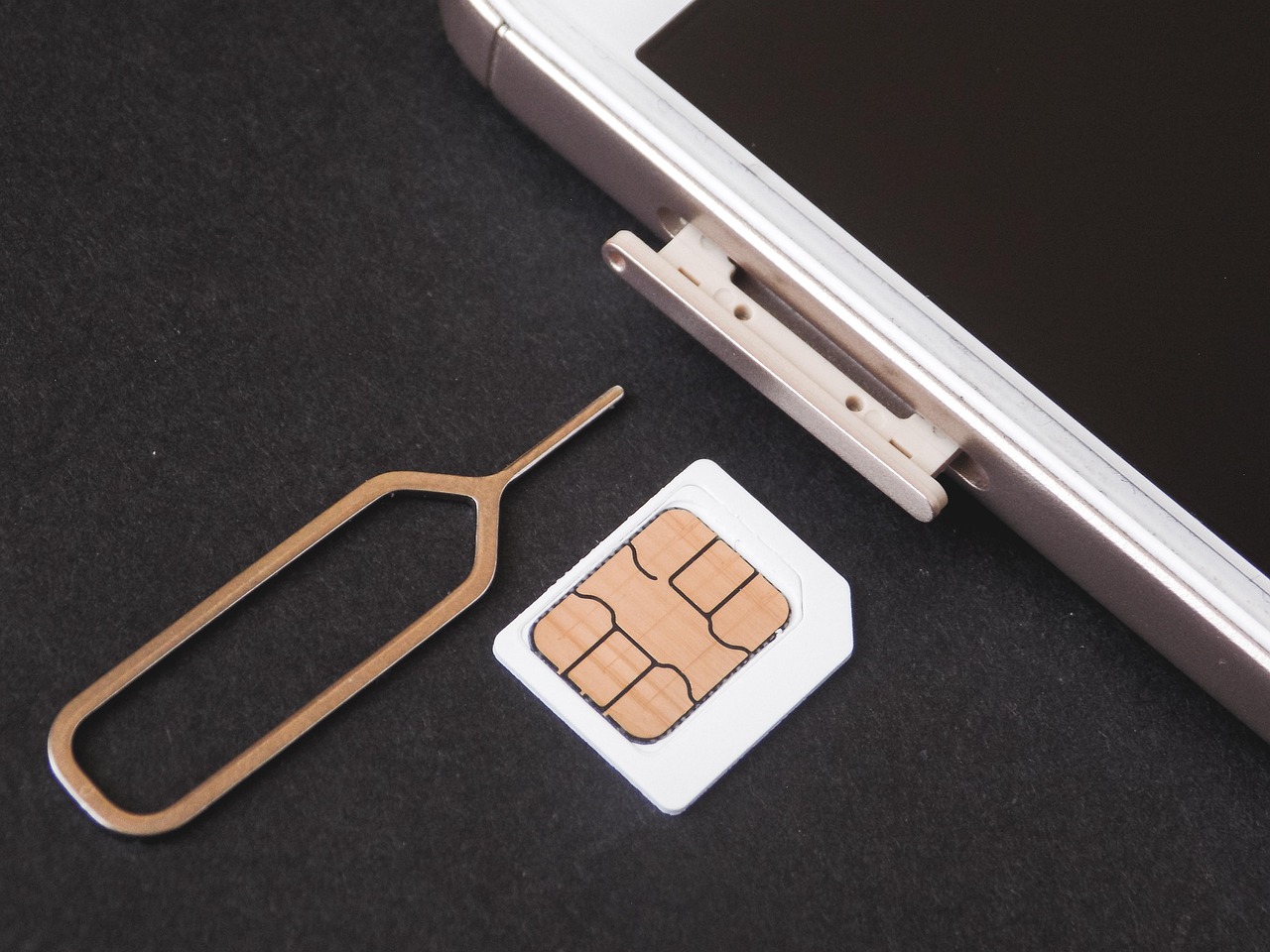
I still remember watching my friend Mark stand in that brightly lit queue at the Istanbul Airport Turkcell desk at half-past midnight, bleary-eyed and desperate for a signal to call a taxi. He swiped his card for a “Tourist Welcome Pack” that cost him 2,000 TL—exactly 40 Euros—without blinking. It’s a classic arrival-hall trap; you’re tired, you’ve just landed in a sprawling megalopolis, and the fear of being “offline” in a city of sixteen million people feels like being stranded at sea. He didn’t realize that by the time we reached my neighborhood in Kadıköy the next morning, a five-minute walk to a small mobile shop tucked away on Mühürdar Avenue would have gotten him the same 20GB of data for half that price.
Istanbul is a city that breathes through its digital connections. Whether you’re tracking the precise minute the Karaköy ferry departs or trying to translate a complex menu in a neighborhood lokanta, having a reliable connection is the difference between feeling like a local and feeling hopelessly lost. While the city offers public Wi-Fi in some squares, it’s often sluggish and requires a local phone number to register, which defeats the purpose.
The reality of 2026 is that mobile data is a necessity, but the “airport premium” remains a steep hurdle for the uninitiated. If you can manage to navigate your way to your hotel using the airport’s free one-hour Wi-Fi or a pre-downloaded map, you’ll save enough for a high-end dinner just by waiting to buy your SIM card in a residential district. With the current exchange rate sitting at 1 EUR to 50 TL (or 1 USD to 45 TL), those extra 1,000 TL you save at a local shop in Beşiktaş or Şişli go a long way. Starting your trip without the sour taste of overpaying for a basic utility sets the right tone for the rest of your stay.
The Arrival Gate Tax: Why You Should Wait to Buy Your SIM
Buying a SIM card the moment you clear customs at Istanbul Airport is the easiest way to lose 600 TL before you’ve even caught your first glimpse of the Bosphorus. After living here for 15 years, I’ve watched the “Tourist Welcome Pack” evolve into a finely tuned machine designed to catch travelers at their most vulnerable. While the convenience of being online the second you land is tempting, the markup is nothing short of an “arrival tax” that you simply don’t need to pay.
The Airport Markup vs. The Real World
At both Istanbul Airport (IST) and Sabiha Gökçen (SAW), the major providers—Turkcell, Vodafone, and Türk Telekom—occupy prime real estate. Last Tuesday, I walked past the Turkcell stand at IST; the queue was thirty people deep, and the “entry-level” tourist pack was priced at 1,500 TL (30 EUR) for 20GB. To put that in perspective, if you take a shuttle into the city and walk into a shop in a residential neighborhood like Kadıköy or Beşiktaş, that same 20GB of data will cost you roughly 900 TL (18 EUR). That 600 TL difference is literally the price of a high-end dinner or about fifteen trips on the yellow dolmuş once you’re moving between the central hubs.
| Location Type | Avg. Price (20GB Pack) | Time Investment | Best For |
|---|---|---|---|
| IST/SAW Airport Stands | 1,500 TL (30 EUR) | 20-40 min queue | Business travelers on a clock |
| Sultanahmet (Tourist Hub) | 1,200 TL (24 EUR) | 10 min | Those staying in the Old City |
| Kadıköy/Beşiktaş (Local) | 900 TL (18 EUR) | 5 min | Discerning travelers & expats |
| Residential Backstreets | 850 TL (17 EUR) | 5 min | Maximum savings |
The “One-Hour” Rule
I always tell my visiting friends to follow the “one-hour rule.” Both airports offer one hour of free Wi-Fi, which is more than enough time to coordinate your transport or download an offline map. You’ll need to find one of the designated kiosks to scan your passport or receive an SMS code to your home number. Use this window to get your bearings, then head to your hotel. Once you’ve dropped your bags and had a glass of tea, walk two blocks away from the main tourist attractions. You’ll find a mobile shop (look for the bright blue Turkcell or red Vodafone signs) where the prices aren’t inflated for the “welcome” experience.
Berk’s Insider Tip: If a shopkeeper tells you ‘standard’ tourist SIMs are sold out and only ‘premium’ ones are left, they are usually bluffing. Walk two blocks further; Istanbul has more mobile shops than simit carts.
Choosing Between Turkcell, Vodafone, and Türk Telekom
Turkcell is the undisputed king of Istanbul’s airwaves, but you will pay a “king’s ransom” for that privilege. If you’re planning to lose yourself in the labyrinthine alleys of the Old City or navigate the stone-walled corridors of the Grand Bazaar, you need a signal that can actually punch through two meters of Ottoman-era brick. In my fifteen years here, I’ve seen countless visitors get frustrated because their “budget” SIM died the moment they stepped into a historic Han.
Turkcell: The Unchallenged Heavyweight
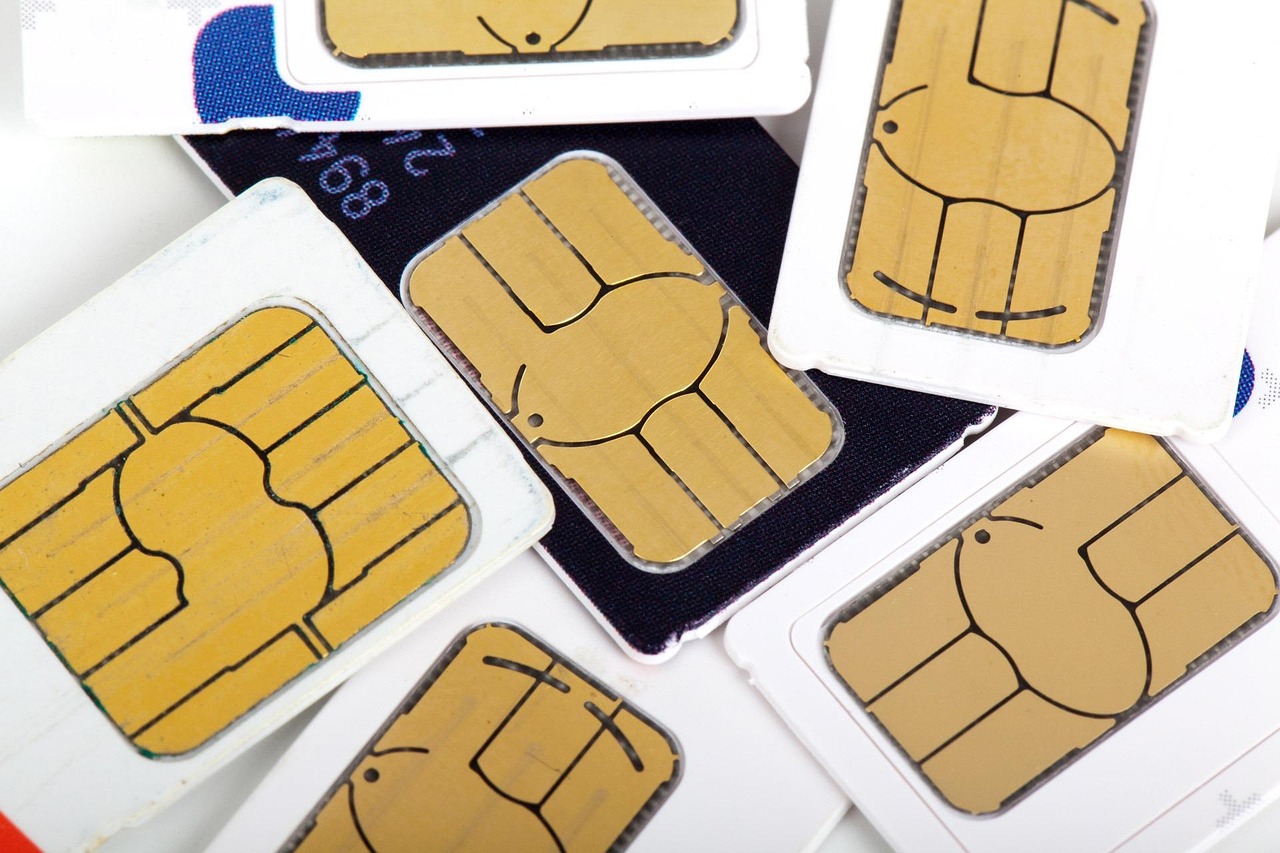
When I’m taking friends through the backstreets of Eminönü, I always tell them to just bite the bullet and go with Turkcell. It is consistently the most expensive option, but the coverage is surgical. In 2026, a standard “Tourist Welcome Pack” from Turkcell—usually bundled with 20GB to 50GB of data—will set you back roughly 1,750 TL (35 EUR / 38.80 USD). It’s a steep entry price, but I once sat in the subterranean Sarnıç Restaurant near the Hagia Sophia—a 1,500-year-old cistern—at 8:00 PM on a rainy Tuesday. My Turkcell SIM was still pulling a steady 4G signal while my companion’s phone was essentially a paperweight. If you are doing remote work or rely heavily on live maps in crowded areas, this is your only real choice.
Vodafone: The Reliable Middle Path
Vodafone occupies a comfortable middle ground and is a fantastic choice if you plan on spending significant time on the Asian side. I live near Kadıköy, and I’ve noticed that Vodafone’s speeds in neighborhoods like Moda and Suadiye are often snappier than Turkcell’s during peak evening hours. It’s a solid “all-rounder” for those who want to save a few Lira without sacrificing too much quality. Expect to pay around 1,350 TL (27 EUR / 30 USD) for a similar tourist bundle. The signal is robust along the Bosphorus, making it perfect for those long ferry rides where you’ll inevitably want to upload a dozen photos of the skyline.
Türk Telekom: The Budget Gamble
Türk Telekom is the go-to for the budget-conscious traveler, often priced around 1,100 TL (22 EUR / 24.40 USD). It works perfectly fine in modern districts like Nişantaşı or the shopping malls of Levent. However, it has a notorious Achilles’ heel: thick, historic stone. I’ve personally experienced the signal dropping to zero while trying to look up historical facts inside the golden mosaics of Kariye, which is my absolute favorite corner of the city. If your itinerary involves heavy exploration of Byzantine churches or deep-set stone mosques, the frustration of a dropped connection might outweigh the five or ten Euro savings.
Berk’s Connectivity Checklist:
- Prioritize Turkcell for the Old City: The signal density is unmatched in high-traffic tourist zones.
- Compare airport vs. city prices: Expect to pay a 20-30% premium at the Istanbul Airport (IST) kiosks compared to a shop in a residential area like Beşiktaş.
- Check for “Social Media Pass” add-ons: Vodafone often includes unlimited WhatsApp or Instagram usage, which doesn’t drain your main data bucket.
- Bring your passport: You cannot buy a physical SIM card in Turkey without your original passport for registration.
- Watch the 90-day window: Tourist SIMs are deactivated after 90 days, so don’t bother topping them up if you’re planning a return trip six months later.
The Registration Process: Passport and the 120-Day Rule
Don’t even think about walking into a Turkcell or Vodafone shop with just a photo of your passport on your phone. In Turkey, the SIM registration process is strictly regulated by the BTK (the national communication authority), and shop attendants are legally required to scan your physical passport. If you show up with a photocopy or a digital image, you’ll be sent back to your hotel empty-handed.
The “Tourist” Clock: The 120-Day Rule
Turkey has a unique system for tracking foreign mobile devices via their IMEI numbers. The moment you pop a local SIM into your foreign phone, a 120-day countdown begins. If you are here for a two-week holiday or even a month-long residency, this is completely irrelevant—just ignore the official-looking SMS alerts you might receive in Turkish. However, for those planning to stay longer or visit frequently, the device will eventually be blocked from Turkish networks unless you pay a registration tax that is, frankly, eye-watering.
Patience is a Virtue in Beşiktaş
While most cards activate within 15 minutes, the system can be temperamental. Last spring, I took a guest to a small shop in Beşiktaş on a busy Saturday. We expected a quick transaction before grabbing some balık ekmek by the water. Instead, we sat on small stools for 45 minutes because the central registration server was lagging under the weekend load. If the shop is crowded or the system is slow, don’t get frustrated with the clerk. If it’s taking too long, ask them to finalize the digital queue and head to a nearby café; the signal usually kicks in by the time you’ve finished your first glass of tea.
How to Register Your Local SIM Card
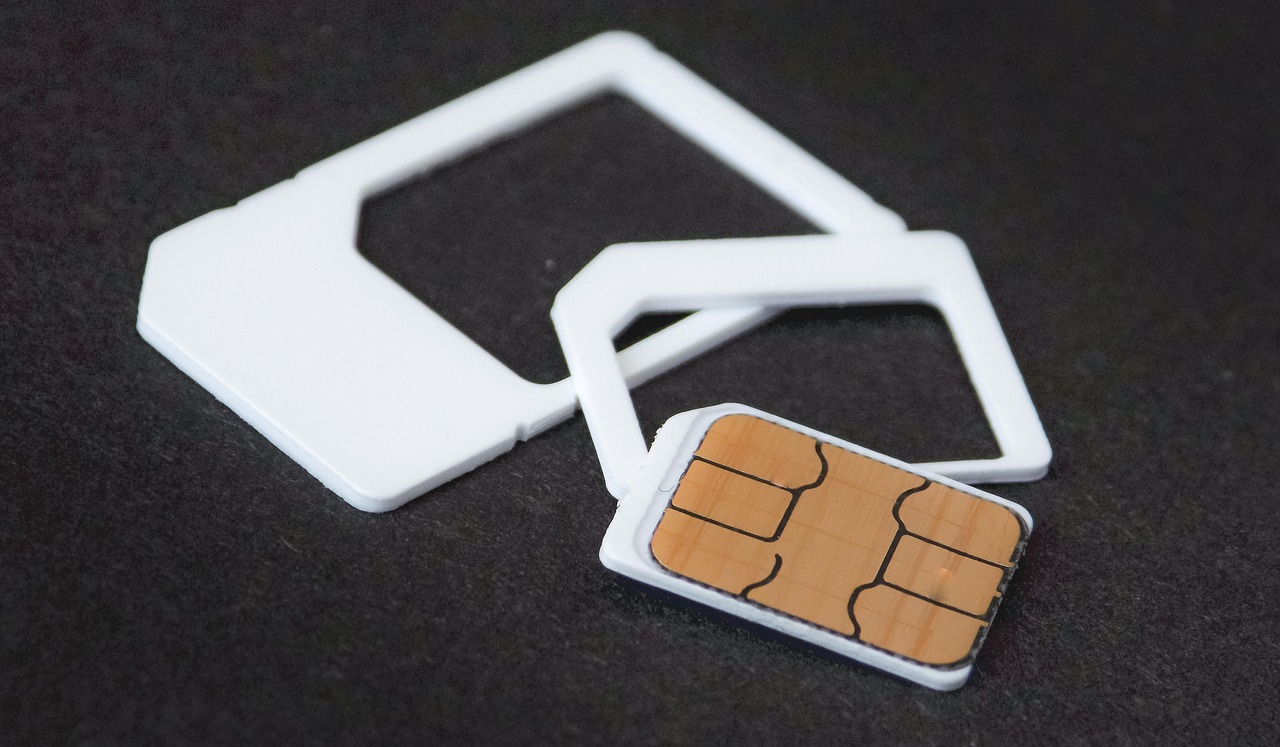
- Present your original physical passport to the shop assistant for scanning.
- Choose a prepaid “Tourist Welcome Pack” that fits your data budget.
- Sign the registration documents (often digital) to link the SIM to your passport number.
- Insert the new SIM card into your device and wait for the “No Service” bar to update.
- Restart your phone once you receive the automated confirmation SMS from the provider.
- Check your balance and data allowance by using the provider’s shortcode (e.g., *159# for Turkcell).
Where the Locals Go: Finding Better Deals in Kadıköy and Beyond
If you want to save your money for an extra round of meze, stay away from the neon-lit mobile shops on Istiklal Avenue. To cover those massive rents, shopkeepers almost exclusively push “Grand Tourist” packages that include international minutes or fluff you’ll never use. I’ve stood in those shops many times, listening to staff tell travelers that the “standard” local cards are out of stock—it’s a classic move to get you to buy the 1,800 TL premium bundle.
The Asian Side Advantage
For an honest deal, I always suggest jumping on a ferry to the Asian side. The small shops tucked into the backstreets of Kadıköy or those within a five-minute walk of the ferry piers operate on much thinner margins. Last month, I accompanied a friend to a small Turkcell dealer just behind the Osmanağa Mosque. There was no line, the shopkeeper didn’t try to upsell us on a “tourist gold” plan, and we were out in ten minutes after paying 950 TL for a solid starter pack.
If you are already planning a walking tour of Kadıköy and the Moda coastline, make the mobile shop your first stop after getting off the boat. The competition in this neighborhood is fierce, which works in your favor. If you find yourself further north, perhaps visiting the dusty Bomonti car park for the Sunday market, the shops in the nearby Şişli side streets offer similarly fair local rates.
Knowing Your 2026 Numbers
In 2026, the sweet spot for a 20GB local SIM plan should hover between 800 TL and 1,000 TL (approximately 16–20 EUR or 18–22 USD). This price is fair and covers the government taxes and the physical SIM card fee. If a vendor quotes you anything over 1,200 TL, you are simply paying a “convenience fee” for their English skills or their high-rent location.
ESIMs vs. Physical SIMs: The Modern Traveler’s Dilemma
Choosing between an eSIM and a physical card isn’t just about technology; it’s about how much of the “real” Istanbul you want to access. If you are the type of traveler who wants to land at Istanbul Airport and immediately check your emails while waiting for your luggage, an eSIM is a godsend. However, if you plan on actually living like a local—even for a week—relying solely on a data-only eSIM might leave you hitting a digital wall.
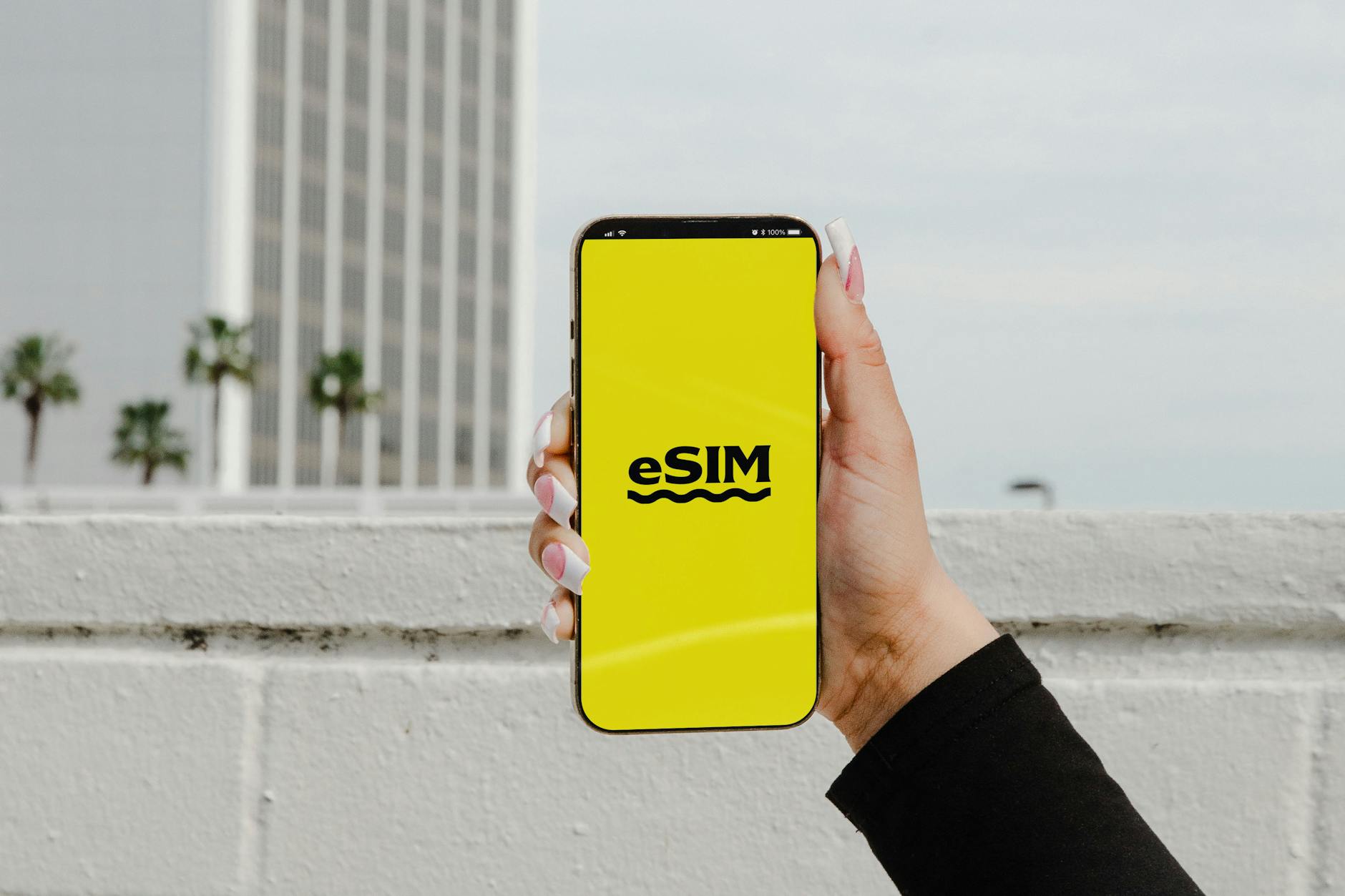
I recently helped a friend who arrived with a pre-loaded Airalo plan. It worked perfectly for navigation, but when we tried to secure a Friday night table at a bustling Istanbul ocakbaşı, we hit a snag. Most of the legendary grill houses don’t use fancy international booking platforms; they want a phone number they can call back to confirm your arrival. Since his eSIM didn’t have a local Turkish number, I had to use mine.
The True Cost of Convenience
Brands like Airalo or Holafly offer fantastic peace of mind, but you pay a premium for that “instant-on” luxury. In 2026, a 5GB data-only eSIM package typically costs around 15 USD (675 TL). For that exact same price—15 USD (675 TL)—you can walk into a Turkcell shop in a neighborhood like Beşiktaş or Kadıköy and walk out with a physical SIM loaded with 20GB of data and local calling minutes.
Why the Local Number Matters
Beyond the grill houses, a local number is the key to the city’s modern infrastructure. Apps like BiTaksi (the local Uber alternative) or Getir (the legendary 10-minute grocery delivery app) often require a Turkish number for SMS verification. If you’re stuck in a sudden downpour in Nişantaşı and need a cab, having a local SIM is the difference between a dry ride home and a very wet walk.
Mobile Connectivity FAQ
Can I buy a Turkish SIM card at Istanbul Airport (IST)?
Yes, you can, but I generally advise against it unless you are in a rush. The shops in the arrivals hall charge “airport prices,” which are often significantly higher than what you’ll find in the city center. Expect to pay a premium of at least 300 TL for the same package you could get for cheaper in a neighborhood shop.
Will my phone work with a Turkish SIM?
Turkish law requires all mobile devices used with a Turkish SIM to be registered with their IMEI number if they stay in the country for more than 120 days. For most travelers, this isn’t an issue. As long as your phone is carrier-unlocked, you can simply pop in the local SIM and it will work immediately.
Is public Wi-Fi reliable enough to skip a SIM card?
While many cafes and hotels offer Wi-Fi, the “İBB Wi-Fi” (city-wide public internet) requires a Turkish phone number to receive a login password via SMS. Relying on spotty cafe connections makes navigating the winding streets of Beyoğlu or checking Bosphorus Ferry Routes to the Asian Side at the pier very difficult.
Estimated 2026 Costs: Budgeting for Your Connection
You will likely feel a brief sting of “tourist tax” when you see the price tags at the airport kiosks, but staying connected in Istanbul is still remarkably affordable if you know the baseline. For a standard 2026 tourist package—which typically includes 20GB of data and a handful of local minutes—you should budget between 1,000 TL and 1,500 TL (roughly 20–30 EUR or 22–33 USD).
I recently accompanied a friend to a small Turkcell branch tucked away near the Kadıköy ferry terminal. While the stands at Istanbul Airport (IST) were quoting nearly 1,750 TL for a “Special Welcome Pack,” we walked out of the local shop twenty minutes later having paid just 1,150 TL. The queue was non-existent, the staff was less rushed, and we saved enough for a high-end breakfast the next morning.
Breaking Down the 2026 Mobile Budget
If you are a heavy user—perhaps uploading 4K reels of the sunset over the Golden Horn—you might burn through that initial 20GB faster than you think.
- Standard Tourist SIM (20GB + 200 mins): 1,150 TL (23 EUR / 25.50 USD).
- Heavy User Pack (50GB + 1000 mins): 1,900 TL (38 EUR / 42 USD).
- Additional 10GB Top-up: 400 TL (8 EUR / 9 USD).
- Airport Convenience Premium: Expect to pay 300–400 TL extra compared to city center prices.
While 1 EUR is 50 TL and 1 USD is 45 TL, remember that prices can vary by a few liras between vendors in high-traffic areas like Sultanahmet. A quick tip: always ask for the “total price including tax” before you hand over your passport to avoid any unexpected service fees added at the end of the transaction.
Standing in a brightly lit shop near Taksim, watching a clerk slowly scan your passport while three other people cut the line, isn’t exactly the reason you flew here. It’s a bit of a bureaucratic chore, and paying upwards of 1,500 TL (30 EUR) for a temporary tourist line can feel like a steep entry fee just to check your emails.
But the moment you step back out onto the cobblestones, that frustration evaporates. I’ve lived here for fifteen years, and I still rely on my data to find the moving targets of this city. Last Tuesday, I was looking for a specific, nameless workshop in the depths of the Hazzopulo Pasajı—the kind of place that only reveals itself if you follow a precise blue-tiled corridor near the tea stools. Without a working map and a quick search to confirm the shop hadn’t moved to a different floor, I would have spent an hour walking in circles.
Don’t let the technicalities of data roaming or SIM registrations eat into your headspace. Get the logistics sorted within your first hour on the ground. Once those bars appear at the top of your screen, the city opens up. You have the freedom to take a wrong turn in Balat, find a hidden rooftop in Eminönü, and still know exactly how to get back to the ferry pier before the last boat leaves. The real Istanbul is waiting just past the next alleyway.
Comments
Share your thoughts with us