
Seasonal Bosphorus Fish and Neighborhood Seafood Restaurants with 2026 Ordering Tips
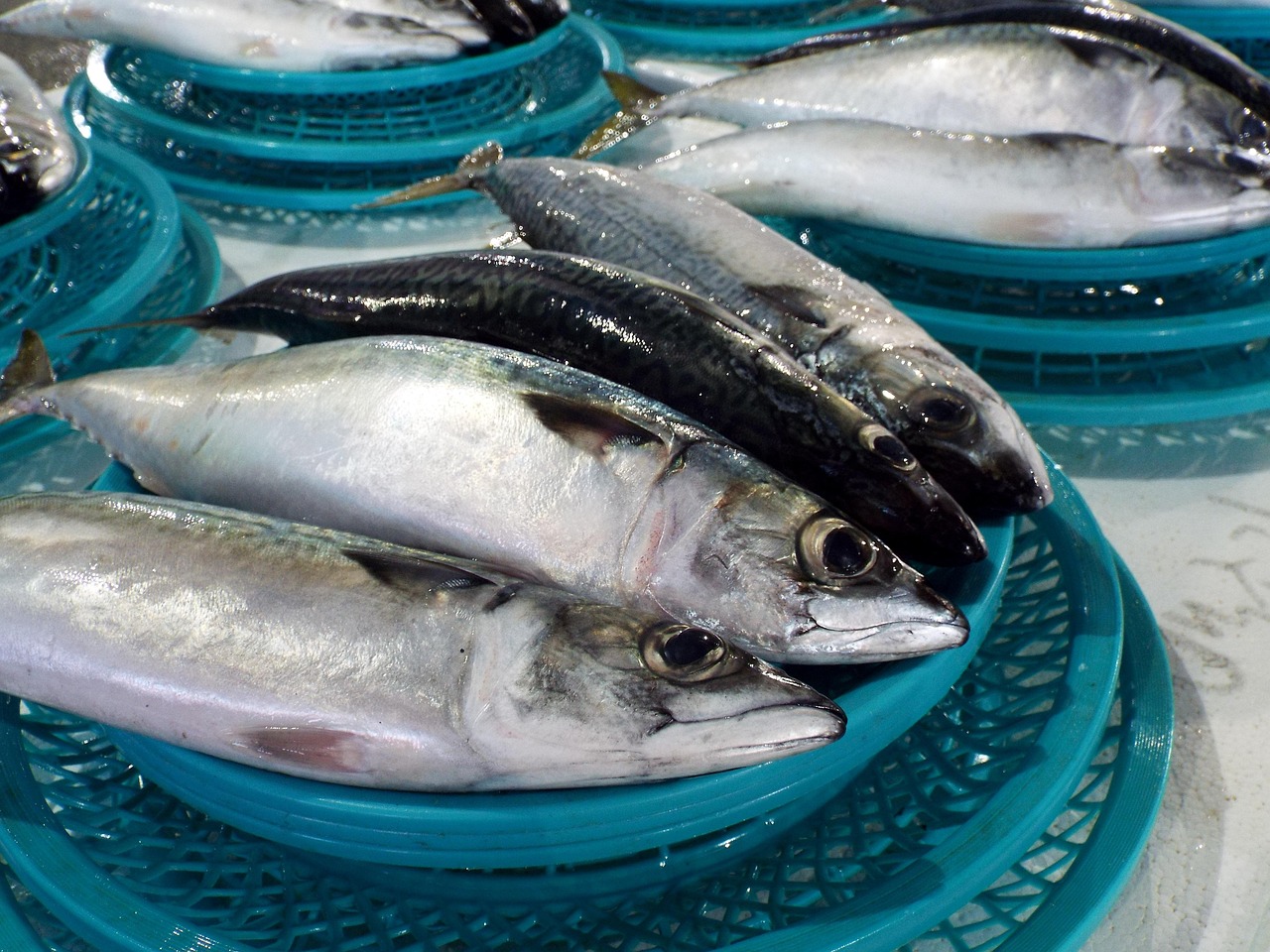
I once watched a tourist try to navigate a whole grilled Lüfer with a dessert spoon at a white-tablecloth joint in Arnavutköy; it was the most tragic thing I’ve seen in fifteen years on the Bosphorus. He was treating the “Prince of the Bosphorus” like a dessert, and honestly, the bluefish deserved more respect than that. Understanding the Istanbul seafood scene requires more than just a healthy appetite; it requires a sense of timing. The fish here aren’t just swimming; they are migrating, and if you’re ordering the wrong species at the wrong time of year, you’re basically eating a frozen shadow of what the city has to offer.
Just last Friday at 8:00 PM, I squeezed into a neighborhood favorite in Yeniköy. There was a forty-minute wait for a table—standard for a weekend—but the smell of charbroiled Palamut (bonito) kept everyone anchored to the sidewalk. A generous portion of that seasonal bonito is currently running about 600 TL, which is exactly 12 EUR or roughly 13.50 USD. It’s a fair price for the freshest protein in the city, provided you know where to sit. People often complain that seafood prices in Istanbul have soared, and they aren’t wrong, but the trap is paying “view prices” for mediocre, farm-raised sea bass.
The real magic happens when you move away from the glare of the tourist-heavy bridges and find the spots where the waiters don’t wear ties and the floor is slightly damp from the morning’s delivery. You want the places where the “catch of the day” actually depends on what the wind was doing at 4:00 AM, not what’s sitting in a freezer. If you see a menu with a “mixed seafood platter” featuring breaded, deep-fried rings in the middle of winter, keep walking. You’re looking for the places where the waiter will actively discourage you from ordering a certain fish because “it’s not ready yet.” That’s not rudeness; that’s the kind of local expertise that saves you from a mediocre dinner and a 3,000 TL (60 EUR) mistake.
The Golden Rule: Eating with the Calendar
If a waiter tries to sell you Lüfer (Bluefish) in July, he isn’t doing you a favor—he’s selling you a frozen lie or a farmed pretender that has never felt the Bosphorus currents. In Istanbul, the “Balık Takvimi” (Fish Calendar) isn’t just a tradition; it’s a survival strategy for your palate. To eat fish out of season here is a genuine crime against your taste buds and your wallet. Our waters are a busy highway for migrating shoals moving between the Black Sea and the Marmara, and catching them at their fattiest, most flavorful peak is the only way to dine like a local.
Autumn and Winter: The People’s Feast
September marks the beginning of the “real” year for us. This is when the Palamut (Bonito) arrives in force. I remember sitting at a crowded back-street joint in Kadıköy last October; the grill was so loaded with Palamut that the smoke smelled like pure seaside heaven. For about 450 TL (9 EUR), you get a massive, meaty portion that can fuel a cross-continental hike. It’s the ultimate value-for-money meal before the weather turns truly cold.
As winter settles in, Hamsi (Anchovies) take over the city. These aren’t the salty little things you find on a pizza; they are silver streaks of lightning, usually breaded in cornmeal and fried. Last December, I stood in a 12-person queue at a stand near the Beşiktaş fish market at 6:45 PM just for a portion of these. For 300 TL (6 EUR), the vendor served them on a piece of wax paper, and they were so hot I nearly dropped them while walking toward the ferry. I learned that night that if you don’t eat them within ninety seconds, the steam from the paper softens the crunch—a mistake I haven’t made since.
Spring: The King’s Ransom
When the Bosphorus thaws, we look for Kalkan (Turbot). This is the “King of the Fish,” and it knows its worth. It’s a flat, prehistoric-looking creature that requires a bit of a splurge. In 2026, expect to pay upwards of 3,500 TL (70 EUR) per kilo at reputable waterfront spots. It’s expensive, but the buttery, gelatinous texture of a properly grilled Kalkan is the closest thing to a religious experience you can find on a plate.
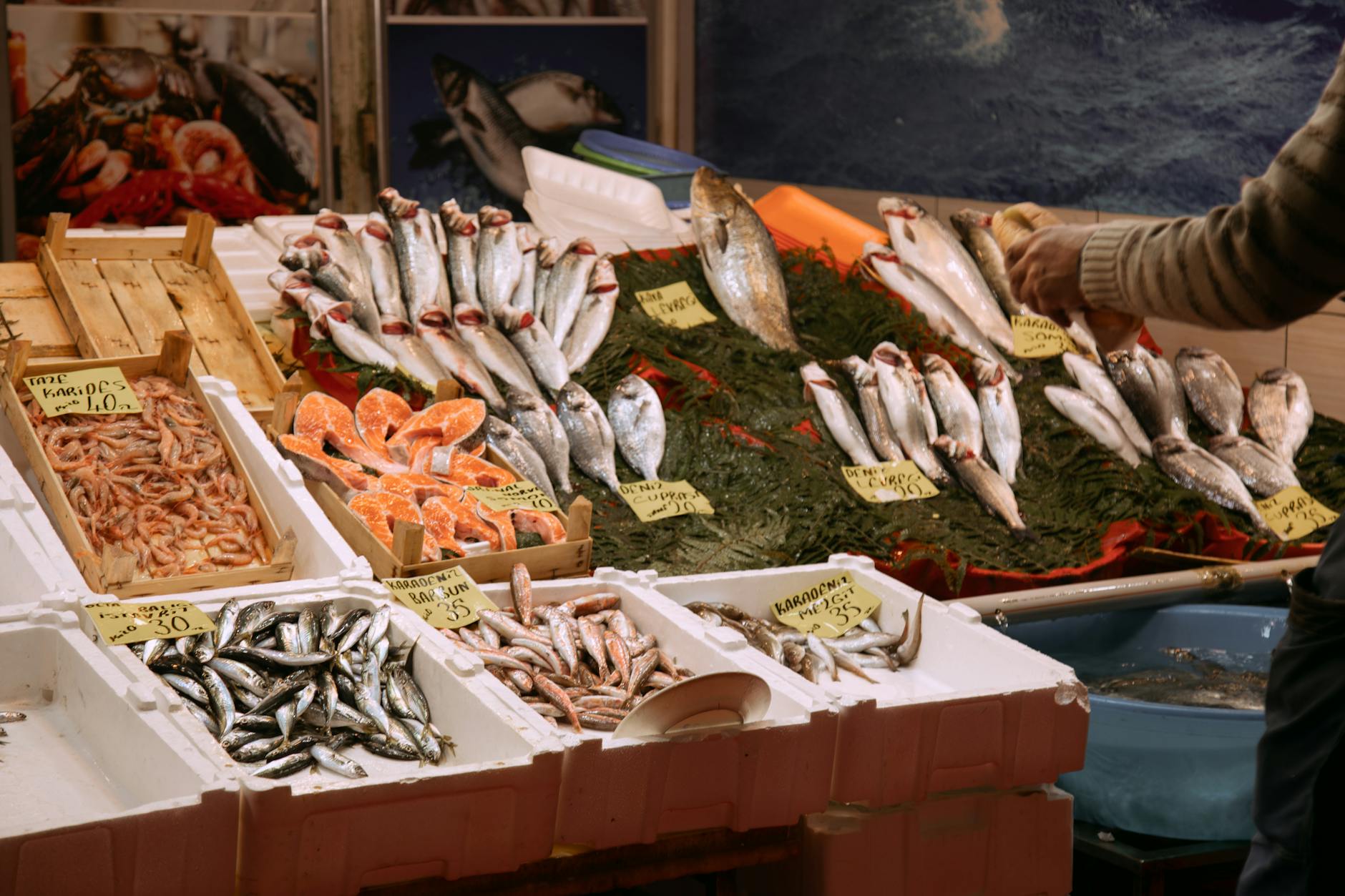
Many tourist-trap restaurants will try to hide frozen fish behind heavy sauces. The fix: Always ask to see the fish “in the cabinet” before it hits the grill. If the eyes aren’t clear and the gills aren’t bright red, keep walking.
| Season | Star Fish | Berk’s Flavor Verdict | Average Price (2026) |
|---|---|---|---|
| Autumn | Palamut (Bonito) | Meaty, rich, best grilled. | 450 TL (9 EUR) |
| Winter | Hamsi (Anchovy) | Iconic, crispy, fried gold. | 300 TL (6 EUR) |
| Spring | Kalkan (Turbot) | The ultimate luxury splurge. | 3,500 TL (70 EUR) /kg |
| Late Autumn | Lüfer (Bluefish) | The true prince of the Bosphorus. | 1,200 TL (24 EUR) |
Berk’s Insider Tip: Never order ‘Lemon’ with high-end Bluefish (Lüfer). It’s considered an insult to the fish’s natural oils among Istanbul purists. Use it for salad, not the main event.
The Meze Trap and How to Navigate the Cold Tray
The tray of mezes that arrives at your table within three minutes of sitting down is a psychological test, not a menu. It’s a glittering display of colors, oils, and herbs designed to exploit your hunger before you’ve even looked at a fish. If you pick six plates for two people, you’ve already lost; you’ll be full before the main course arrives, and your bill will balloon faster than a ferry docking in a storm.
I learned this the hard way three years ago at a small spot in Kuzguncuk. I was hosting an old friend and, caught up in the conversation, we absentmindedly pointed at everything that looked shiny. By the time the grilled bluefish arrived, we were staring at it with genuine regret. Today, a standard meze plate in a neighborhood joint like that hovers around 250–300 TL (5–6 EUR). If you aren’t careful with handling cash and card payments, these small plates can easily double your expected spend. The rule is simple: pick two, maybe three, and save your appetite for the grill.
The Essential Cold Selection
To eat like an Istanbulite, you need to look for balance. Don’t just grab three yogurt-based dishes; vary the textures.
- Lakerda (Cured Bonito): This is the undisputed king of the Istanbul table. It shouldn’t be salty or touch; it should have a buttery, melt-in-your-mouth consistency.
- Deniz Börülcesi (Samphire): These sea greens are blanched and dressed in an aggressive amount of garlic, lemon, and olive oil.
- Közlenmiş Biber (Roasted Red Peppers): Simple, smoky, and sweet. These provide a necessary earthy counterpoint to the acidity of the salads.
- Levrek Marin (Marinated Seabass): Raw bass cured in mustard, lemon, and peppercorns. It’s tangy and sophisticated.
- Fava (Broad Bean Purée): A dense, savory block topped with red onions and dill.
How to Order and Eat Seafood Like an Istanbul Local
To master the Bosphorus dining experience without falling for the usual traps, follow these tactical steps to ensure the freshest catch and a fair price.
- Verify the seasonal fish availability. Before sitting down, check the seasonal fish calendar (“Balık Takvimi”) to ensure your choice is currently migrating; ordering out of season often means eating frozen or farmed substitutes.
- Perform a freshness check at the cabinet. Walk to the refrigerated display and look for clear eyes and vibrant red gills on the raw fish before it is prepared for the grill.
- Select a maximum of three mezes. When the waiter presents the cold tray, choose only 2 or 3 seasonal items to preserve your appetite and budget for the main course.
- Request a price quote for ‘Market Price’ (Piyasa Fiyatı) items. Ask the waiter for the specific price per kilo and the estimated weight of your fish to confirm the total cost before it is cooked.
- Taste high-end fish without lemon. Eat the first few bites of premium species like Lüfer (Bluefish) or Kalkan (Turbot) plain to properly enjoy the natural oils as local purists do.
- Order the mandatory warm halva. Finish your meal with Sıcak İrmik Helvası (warm semolina halva) to balance the palate and aid digestion after an oily seafood meal.
Finding the Quality in the Crowd
When the waiter presents the tray, don’t feel rushed by the “theatrical” speed of the service. Take a moment to look at the Lakerda. It should be pale pink and stored in oil. If the restaurant is worth its salt, they’ll serve it with a side of red onion rings. In neighborhoods like Kuzguncuk or Arnavutköy, the turnover is high enough that the mezes are usually prepared that afternoon. You can often spot the quality of the raw ingredients by visiting Weekly Neighborhood Street Markets with 2026 Produce Prices and Shopping Tips to see what is currently at its peak.
Neighborhood Gems: Where the Locals Actually Go
If you find yourself ordering a “mixed seafood platter” from a laminated menu while a tout tries to lure you into a restaurant in Sultanahmet, you have already lost the game. You are paying a premium for proximity to the Blue Mosque, not for the quality of the catch. To find the real bosphorus fish culture, you need to follow the shoreline or head to the old neighborhoods where the air smells of brine and woodsmoke rather than tour bus exhaust.
The Arnavutköy Elegance
For a long Friday lunch that accidentally stretches into dinner, I always point people toward Arnavutköy. It is arguably the most picturesque neighborhood on the Bosphorus, filled with pastel-colored Ottoman wooden mansions. My personal favorite is Anyali. It has that upscale, breezy vibe without the pretension you find in some of the “see-and-be-seen” spots further up the coast.
I remember a recent lunch there where the Bosphorus was a violent shade of turquoise; the sea bass in salt is their masterpiece. They encase the whole fish in a mountain of salt, bake it, and crack it open tableside with a bit of theatrical flair. At roughly 1,200 TL (24 EUR), it is a splurge, but for the freshness and that unobstructed view of the tankers navigating the “Devil’s Current,” it feels like a bargain.
Samatya’s Nostalgic Charm
If Arnavutköy is the sophisticated cousin, Samatya is the grandfather who tells the best stories. This old neighborhood on the Marmara side feels like a 1970s film set. The central square is packed with meyhanes (taverns) where the vibe is loud, friendly, and deeply nostalgic. It is the place to go if you want a break from the high-paced istanbul seafood prices of the Bosphorus.
The Karaköy Shuffle: Quick Bites vs. Hidden Tables
Karaköy is a bit of a trickster. Near the ferry docks, you will see massive queues for fish wraps (Dürüm). They are fantastic for a quick fix while running for a boat, and you can find more about the local favorites in this Street Food Crawl and Fish Sandwiches in Eminönü and Karaköy with Local Prices. However, if you want a proper seated dinner, move away from the waterfront noise. I usually head toward the quieter, grittier backstreets. It is there, tucked away near the Gothic-style Arap Mosque, that you find the small, family-run spots.
Berk’s Insider Tip: If you are in a neighborhood fish market (like the one in Beşiktaş or Kadıköy), you can often buy the fish fresh from the stall and take it to a nearby ‘Pişirmeci’ (cooker) who will grill it for you for a small fee, usually around 150 TL (3 EUR).
Deciphering the 2026 Bill: Portions vs. Kilos
A menu that lists “Market Price” (Piyasa Fiyatı) is not a mystery to be solved at the end of the meal; it is an invitation to a conversation. In Istanbul, if you see those words and don’t ask for the exact price before the fish hits the grill, you are essentially handing over your wallet and saying, “Surprise me.”
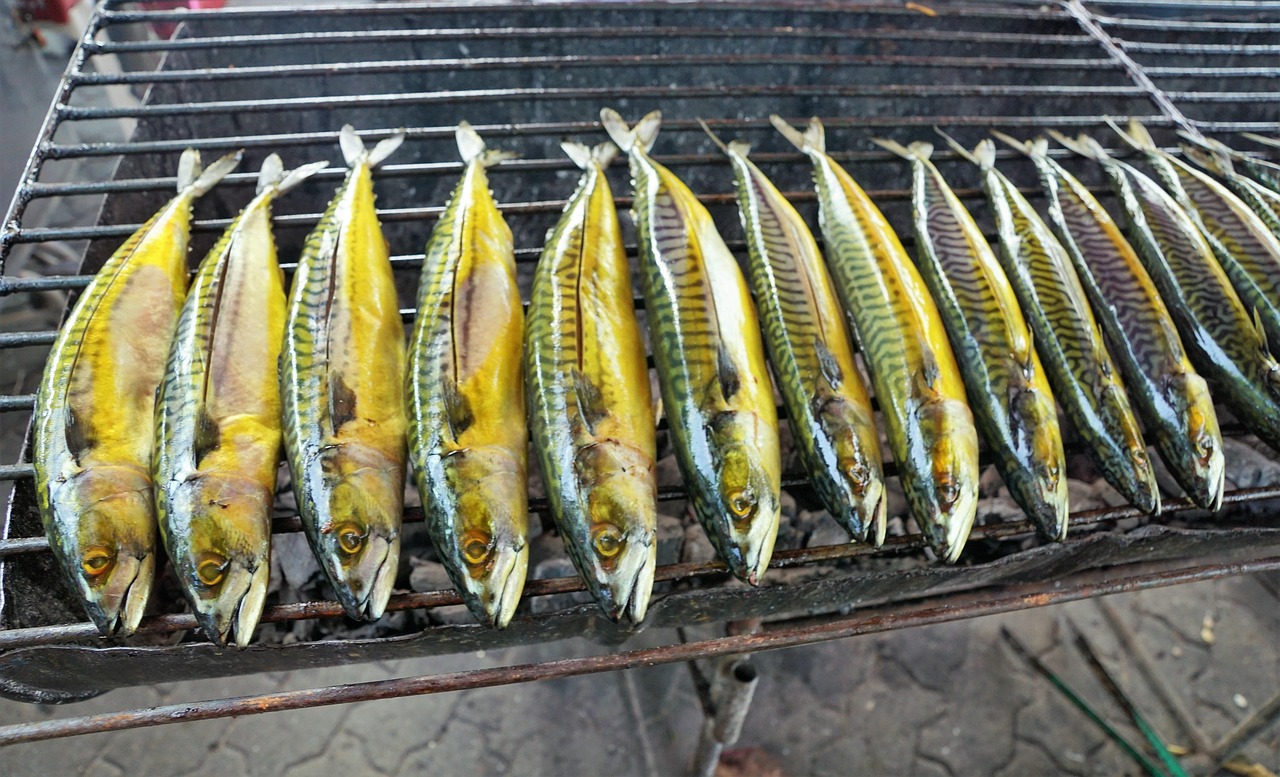
On a Tuesday morning last month at the Eminönü pier, I watched a vendor prepare a Balık Ekmek at 8:15 AM for exactly 150 TL. He wasn’t even open for the crowds yet, but the smell of the mackerel was already drawing a line of three commuters. I bought one and realized the bread was much crispier before the humidity of the afternoon rush hits the heaters—a timing trick I now use every time I’m in the area. Confirming the cost of even these simple bites is the first step to avoiding sticker shock at dinner.
Avoiding the “Market Price” Anxiety
If you want to keep your evening predictable, stick to the farmed fish or smaller seasonal varieties that are sold as a fixed “portion.” A grilled Çipura (Gilt-head Bream) is the gold standard for a safe bet in 2026, usually hovering around 750 TL (15 EUR). It’s consistent, filling, and won’t lead to a heart-stopping moment when the bill arrives. I recently took a friend to a spot in Samatya where the waiter tried to push a large, wild-caught turbot without mentioning it was priced by the kilo. We politely declined and stuck to the portion-priced sea bass.
Understanding Kuver and Service Charges
When the bill arrives, don’t be surprised to see a Kuver (cover charge) and a separate Service Charge. In 2026, a 10-15% service addition is standard across most reputable seafood restaurants. This isn’t a “tourist tax”; it’s the current reality of the city’s hospitality industry.
The Island Escape: Seafood with a Sea Breeze
If you want to escape the constant hum of Istanbul’s traffic, you need to get off the mainland and head to the Princes’ Islands. While the Bosphorus offers glamour, the islands—specifically Burgazada and Büyükada—offer a slower, saltier kind of Rakı-Balık experience that feels like stepping back into a 1950s summer postcard.
I’ll be blunt: the moment you step off the ferry at Büyükada, you will be swarmed. The first row of restaurants lining the pier is a theatrical performance of “tourist trapping” that I’ve watched for 15 years. My rule of thumb is simple: walk for at least ten minutes away from the pier toward the residential districts. Last July, I dragged a friend past the crowded “Main Street” eateries to a small spot nestled between old wooden mansions. We paid 40% less than the pier prices.
To make this trip work without getting stranded, you need to master the logistics of Navigating the Prince Islands with Ferry Routes and Electric Shuttle Tips for 2026 before you even step on the boat.
The Secret to Island Appetizers
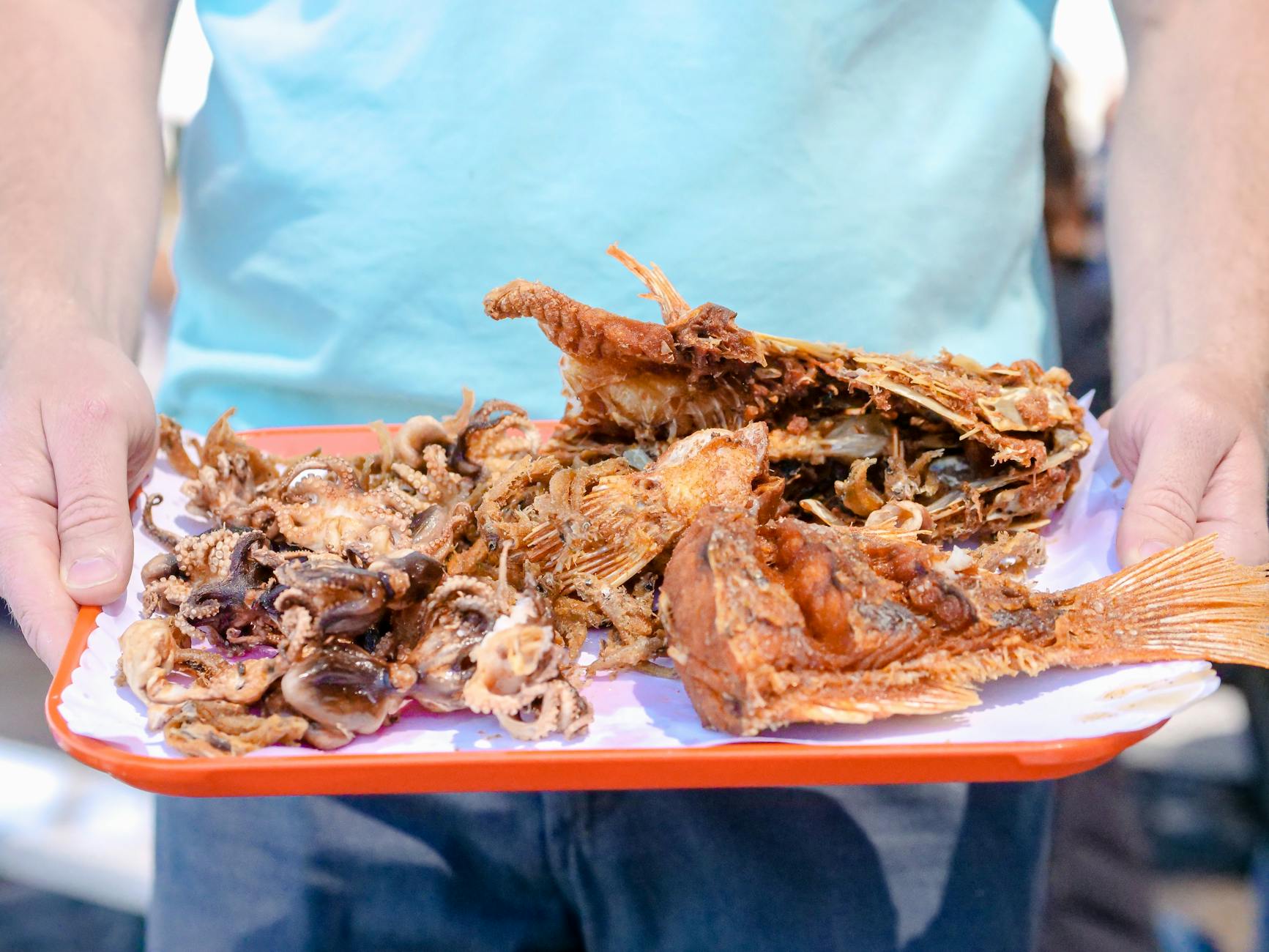
When you finally settle into a chair that isn’t trying to lure in the next hundred people, look for Kalamar (Calamari). In this part of the world, we don’t do the rubbery, flavorless rings you might find elsewhere. It’s almost always fried to a golden crisp and served with Tarator—a thick, creamy dipping sauce made from walnuts, garlic, and lemon. A generous plate of Kalamar in 2026 will run you about 500 TL (10 EUR).
After the Fish: The Final Rituals
If you walk out of a Turkish fish restaurant without the lingering warmth of semolina and tea on your tongue, you haven’t actually finished your meal; you’ve just stopped eating. In Istanbul, the post-fish ritual is as non-negotiable as the Bosphorus breeze.
The Mandatory Helva
The only acceptable way to conclude a fish marathon is with Sıcak İrmik Helvası (hot semolina halva). This is a buttery, golden mound of semolina, often hiding a melting core of Maraş ice cream. In most established neighborhood joints, a small plate is often brought to the table on the house. However, in higher-end Bosphorus establishments, expect to pay around 200 TL (4 EUR).
The Midnight Encore
Even after a three-course meal, Istanbul has a way of finding extra room in your stomach. If you’re walking along the Bosphorus towards Ortaköy or Beşiktaş and see a man standing over a large round tray of stuffed mussels, don’t keep walking. Squeezing a bit of lemon over a few Late Night Kokoreç and Midye Dolma in Kadıköy and Beyoğlu with 2026 Prices is the quintessential “second dessert” for locals. If you’re feeling more adventurous and want something meatier, you might even consider a Taksim Islak Burger: Istanbul to round out the night.
The Reality of the Catch
Don’t fall for the trap of thinking a higher price tag translates to a better fish. I’ve seen people drop 5,000 TL (100 EUR) on farmed sea bass at a “concept” restaurant just because the chairs were velvet, when they could have walked ten minutes further down the quay for the real deal. Last November, I tucked into a plate of perfectly crisp Tekir at a rickety table in Kireçburnu for about 675 TL (exactly 15 USD). The chef didn’t have a social media manager, but he had a direct line to the boat captains, and that’s the only connection that matters in this city.
You want the salt on your skin and the smell of the sea, not a sanitized dining room. The best meal in Istanbul is always the one that respects the season—if the Bluefish are running, you eat Bluefish; if it’s the middle of summer, you skip the heavy oils and stick to the meze. As you finish your final glass of tea and step out into the night, ignore the persistent taxi drivers and just walk along the shoreline for a bit. Look out at the lights of the massive cargo ships anchored at the mouth of the Black Sea, their silhouettes dancing against the dark, rhythmic pulse of the Bosphorus. That shimmering, neon-flecked water is the only real luxury we have, and luckily, it’s free for everyone.
Comments
Share your thoughts with us