
Standing at a weathered wooden table in a Kadıköy backstreet last Tuesday, the scent of roasting coffee from around the corner mixing with the salt air, I watched a traveler reach for his sleek titanium credit card to pay for a single 40 TL çay. The waiter, a man I’ve known for a decade, gave that classic Istanbul shrug—the one that says, “I’d love to help, but the bank fees will cost more than the tea.” In this 2026 reality, where the exchange rate has settled at a crisp 50 Lira to the Euro and 45 Lira to the Dollar, the “small change” of yesterday has become the tactical currency of today.
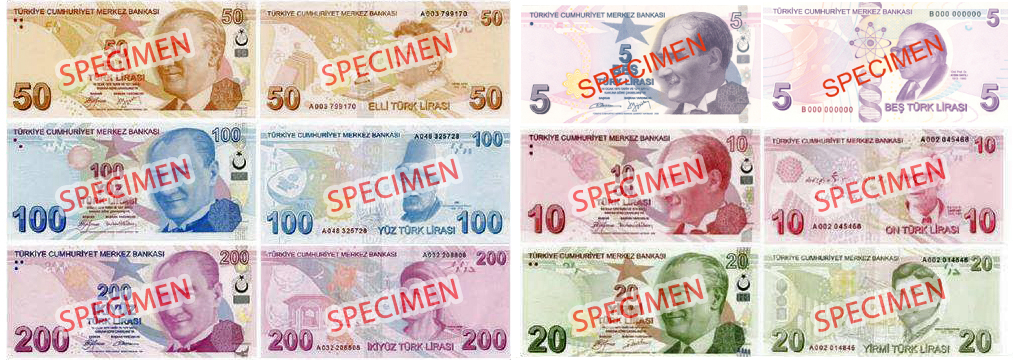
After fifteen years of watching this city’s economy breathe and shift, I’ve learned that Istanbul rewards those who understand the rhythm of its transactions. We are in a transitional era; you can tap-to-pay for a high-end leather jacket in Nişantaşı or a cocktail in Karaköy, but the heart of the city—the ferries, the street stalls, the family-run lokantas—still beats to the chime of coins and the rustle of paper. You’ll likely find your wallet bulging with 200 TL notes that feel significant, but when you realize that’s only four Euros, the scale of things starts to click.
It can be a bit dizzying to navigate the sheer number of zeros on a dinner bill, and you will occasionally encounter a frustrated taxi driver who “forgot” to bring change for a large note. However, the fix is simpler than it seems: treat your cash like a toolkit. Use the cards for the big hits—the hotels and the fine dining—but keep a stash of smaller Lira notes for the moments that actually define your trip. Managing your money here isn’t just about the exchange rate; it’s about maintaining the flow of your day without letting a payment glitch break the magic of a sunset over the Golden Horn.
The 2026 Exchange Reality: Living with the 50 Lira Euro
Walking into a döviz (exchange office) near the Grand Bazaar these days feels like performing a strange sort of financial time travel, but honestly, the 50-to-1 ratio for the Euro is the most user-friendly headache we’ve ever had. If you can multiply by five and add a zero, you’ve mastered the 2026 Istanbul economy. While the numbers on the menus look astronomical compared to a few years ago, the math is finally simple for the discerning traveler.
The Mental Math of a New Era
I remember sitting at a small table in Kadıköy just yesterday around 11:00 AM, watching a tourist struggle with a 500 TL bill for a simple lunch of pide and a soda. He looked like he’d just paid for a five-course gala. In reality, that 500 TL is exactly 10 EUR or about 11 USD. It is the definition of a standard mid-range meal in 2026.
The psychological hurdle is real: seeing three zeros on a bill for a casual dinner can trigger an instinctive “I’m being ripped off” reflex. Don’t fall for it. If you see a main course for 450 TL, remind yourself that it’s a 10-dollar plate. The downside to this inflation is the sheer volume of paper you’ll carry, but the fix is easy—stop thinking in “Lira units” and start thinking in ”50s.”
Why the 200 Lira Bill is Your Best Friend
The 200 TL note, once a rare sight used for rent payments, has become the “pocket change” of Istanbul. You’ll need a stack of them just to survive a morning of sightseeing. I usually keep about ten of these in a separate pocket just for quick transactions like ferry rides or a quick balık ekmek (fish sandwich) by the water.
One common mistake I see is travelers trying to pay for a 90 TL coffee with a 50 TL note and waiting for change that doesn’t exist, or worse, feeling guilty for using a “large” 200 TL bill. Don’t be shy; vendors expect the 200 TL note for almost everything now. It’s the new standard for daily small purchases.
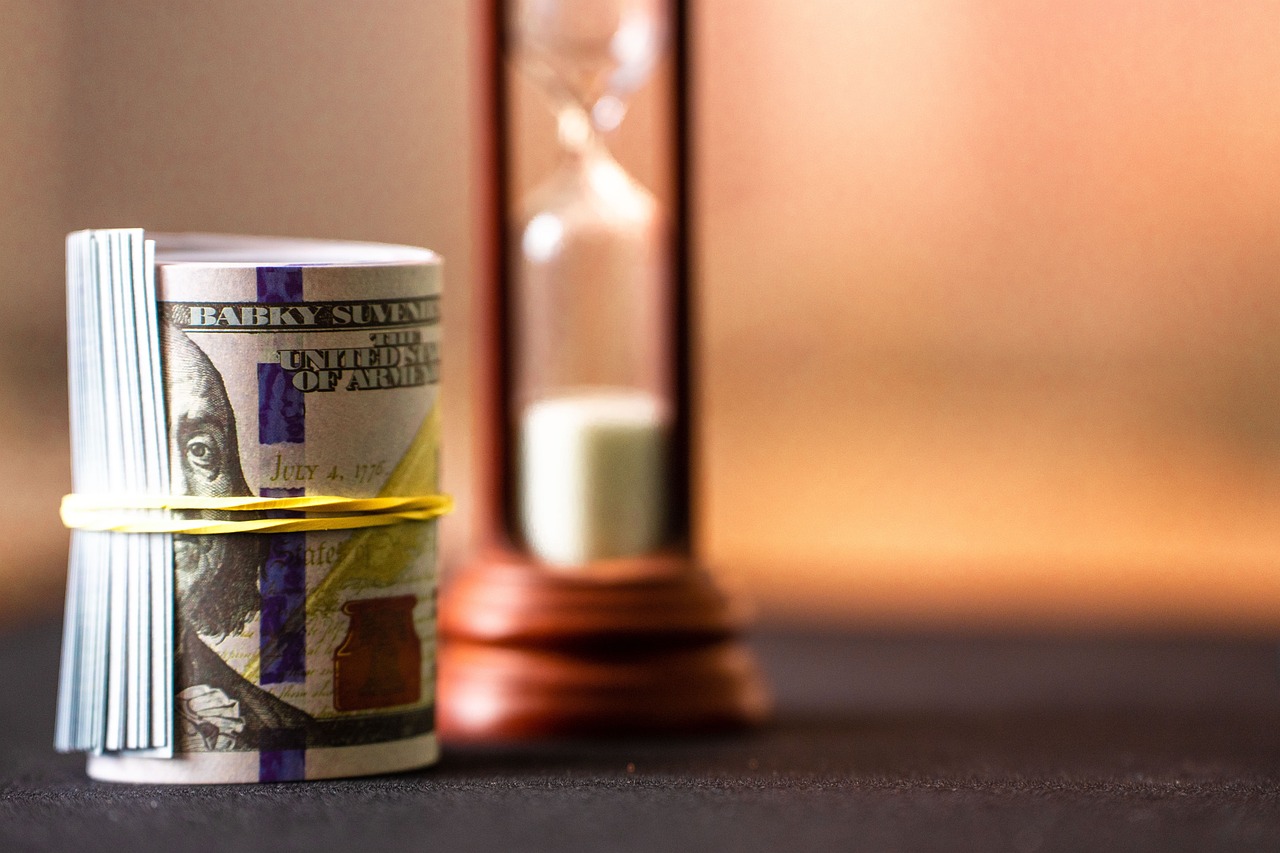
| Daily Expense | Price in Turkish Lira (TL) | Price in EUR (€) (Rate: 50) | Price in USD ($) (Rate: 45) |
|---|---|---|---|
| Street Snack & Water | 100 TL | 2.00 € | $2.22 |
| Third-Wave Coffee | 150 TL | 3.00 € | $3.33 |
| Standard Mid-Range Dinner | 500 TL | 10.00 € | $11.11 |
| Short Yellow Taxi Ride | 300 TL | 6.00 € | $6.66 |
Cash or Card? Navigating the Digital Divide
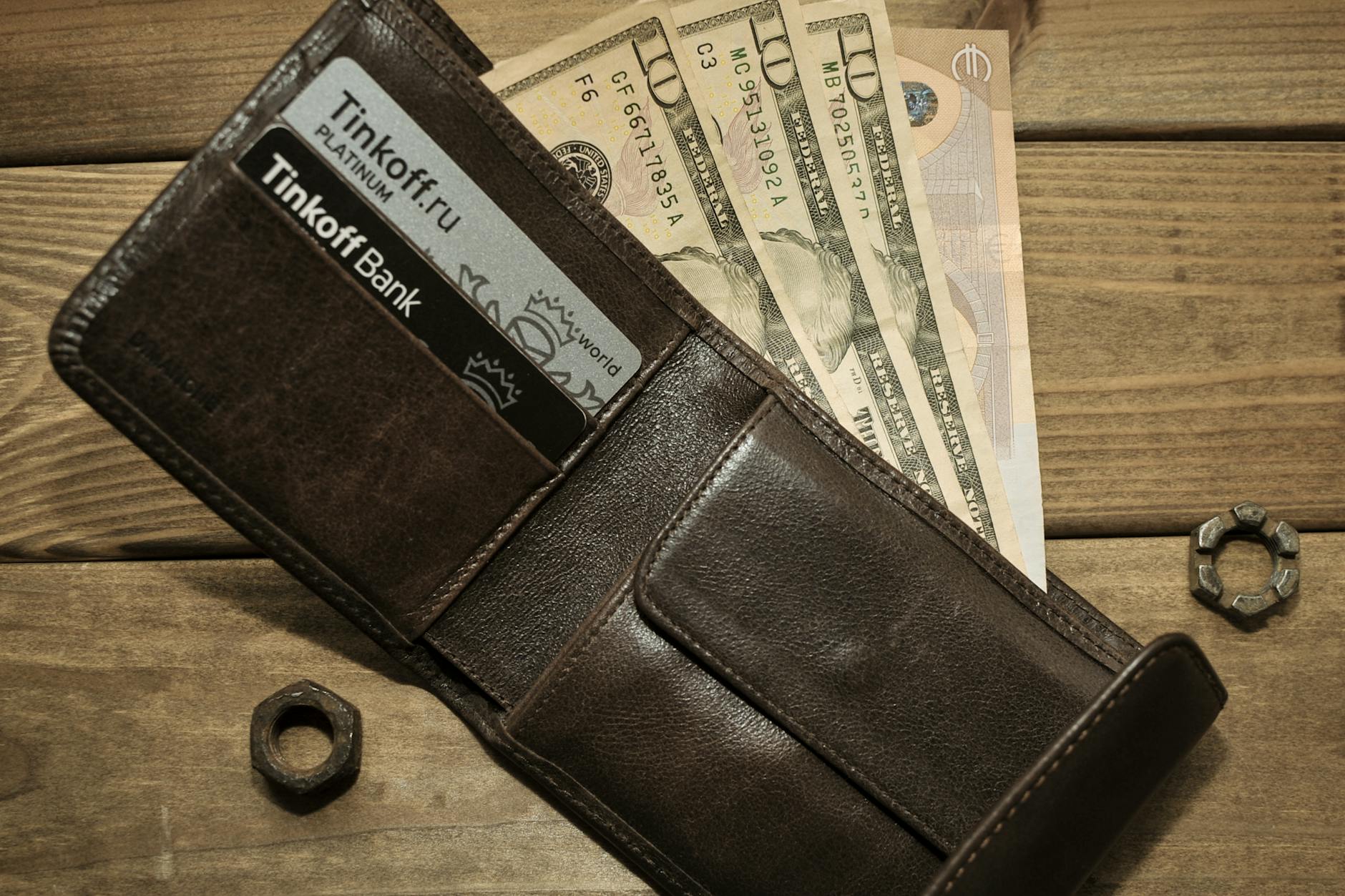
Istanbul is currently caught in a stubborn halfway house where you can pay for a designer leather jacket with a tap of your watch in Cihangir, yet you’ll be met with a cold stare if you try to charge a 150 TL fish sandwich to a card in Eminönü. Carrying a mix isn’t just a suggestion; it’s a survival strategy for anyone wanting to see the city beyond the glass doors of a mall.
The Street Food Stand-off
Last Tuesday, I watched a tourist try to tap his phone for a bottle of water at a small bakkal (neighborhood grocer) near the Galata Bridge. The shopkeeper just shook his head and pointed to a hand-written sign: “Cash only under 200 TL.” While the city is modernizing fast, the micro-economy of street food—which you’ll find plenty of when following the Walking Route through the Murals and Workshops of Yeldeğirmeni in Kadıköy—still runs on paper. A standard balık ekmek (fish sandwich) will set you back about 150 TL ($3.33 USD), and these vendors despise the 45-day wait the banks impose on their terminal payouts. If you want that sandwich hot and without a side of grumbling, have the cash ready.
The ‘Commission’ Trap
In smaller souvenir shops or carpet boutiques tucked away in the backstreets, you might encounter the “Commission Trap.” The owner will quote you a price, then suddenly mention a 5% to 8% “bank fee” if you pull out a credit card. It’s technically against their merchant agreements, but it’s a common reality. My move? Use this as a final negotiation point. Tell them the price is “all-inclusive” or you’ll walk to the nearest ATM. Usually, the “commission” miraculously disappears. However, for high-end boutiques in districts like Cihangir or Nişantaşı, contactless payment is the gold standard, and they’ll look at you funny if you try to peel off a thick stack of 200 TL notes for a silk scarf.
Berk’s Insider Tip: Keep a stash of 20 TL and 50 TL notes specifically for public restrooms and small water bottles; vendors often ‘run out’ of change for a 200 TL note early in the morning.
Where You Absolutely Need Specific Payment Methods:
- Public Restrooms (WC): Most require a 10 TL or 20 TL coin/note or a pre-loaded Istanbulkart. Cards are useless here.
- Taxis: While many now have POS terminals, they “break” conveniently when the driver wants cash. Always ask “Credit card?” before the wheels move.
- Local Ferries and Trams: You need an Istanbulkart or a contactless credit card (which costs slightly more per ride). You cannot pay the conductor in cash.
- Grand Bazaar Bargaining: You will always get a better price (often 10% lower) if you show the merchant physical cash. It’s the ultimate leverage.
- Small Art Galleries: Many independent spots in Kadıköy or Çukurcuma prefer card payments to keep their accounting clean and avoid holding large amounts of cash on-site.
If you find yourself stuck, remember that 2026 exchange rates mean a 1,000 TL withdrawal is only about 20 EUR. It’s worth having that “emergency” 1,000 TL in your pocket for the moments when the digital world fails, which, in the winding alleys of the Old City, happens more often than the brochures suggest.
The Art of Bahşiş: Tipping Etiquette in 2026
Tipping in Istanbul is no longer just a “nice to do” gesture; it is a vital social lubricant that recognizes the hard work of the people making your stay memorable. In 2026, with the Lira at 50 to the Euro, the numbers on your bill might look astronomical, but the logic remains simple: 10% is the baseline for good service, and 15% is for when they’ve truly looked after you. If you are Walking the Antique Alleys of Çukurcuma and the Neighborhood Cafes of Cihangir for a casual breakfast, a smaller “round-up” is fine, but in proper sit-down establishments, sticking to the percentage rule is the local way to show respect.
Deciphering the Bill: Kuver vs. Service Charge
Do not mistake the Kuver for a tip. This is a “cover charge,” typically ranging from 50 TL to 150 TL (1 to 3 EUR) per person, covering the bread, spreads, and the seat itself. It goes to the house, not the waiter. Occasionally, high-end restaurants in Nişantaşı or along the Bosphorus will add a 10% “Servis Ücreti” (Service Charge) directly to the bill. If you see this, you aren’t obligated to add more, though I usually leave an extra 100 or 200 TL in cash if the service was exceptional.
Why Cash is King for the ‘Komi’
Two days ago, I sat at a sidewalk table in Cihangir around 7:30 PM. The bill for a meze spread was 1,250 TL. When the wireless POS terminal dropped the connection twice—a common glitch in these hilly streets—I was glad I had a 200 TL note ready for the tip, which saved me from an awkward ten-minute wait for the signal to return. Handing a physical note to the person who served you ensures the Bahşiş actually reaches their pocket, rather than being pooled or taxed heavily before reaching the staff.
Berk’s Insider Tip: When a waiter brings the card machine, look for the ‘tip’ option on the screen before they tap; many newer machines in 2026 allow for a percentage-based tip to be added digitally.
ATM Strategy: Avoiding the Tourist Exchange Trap
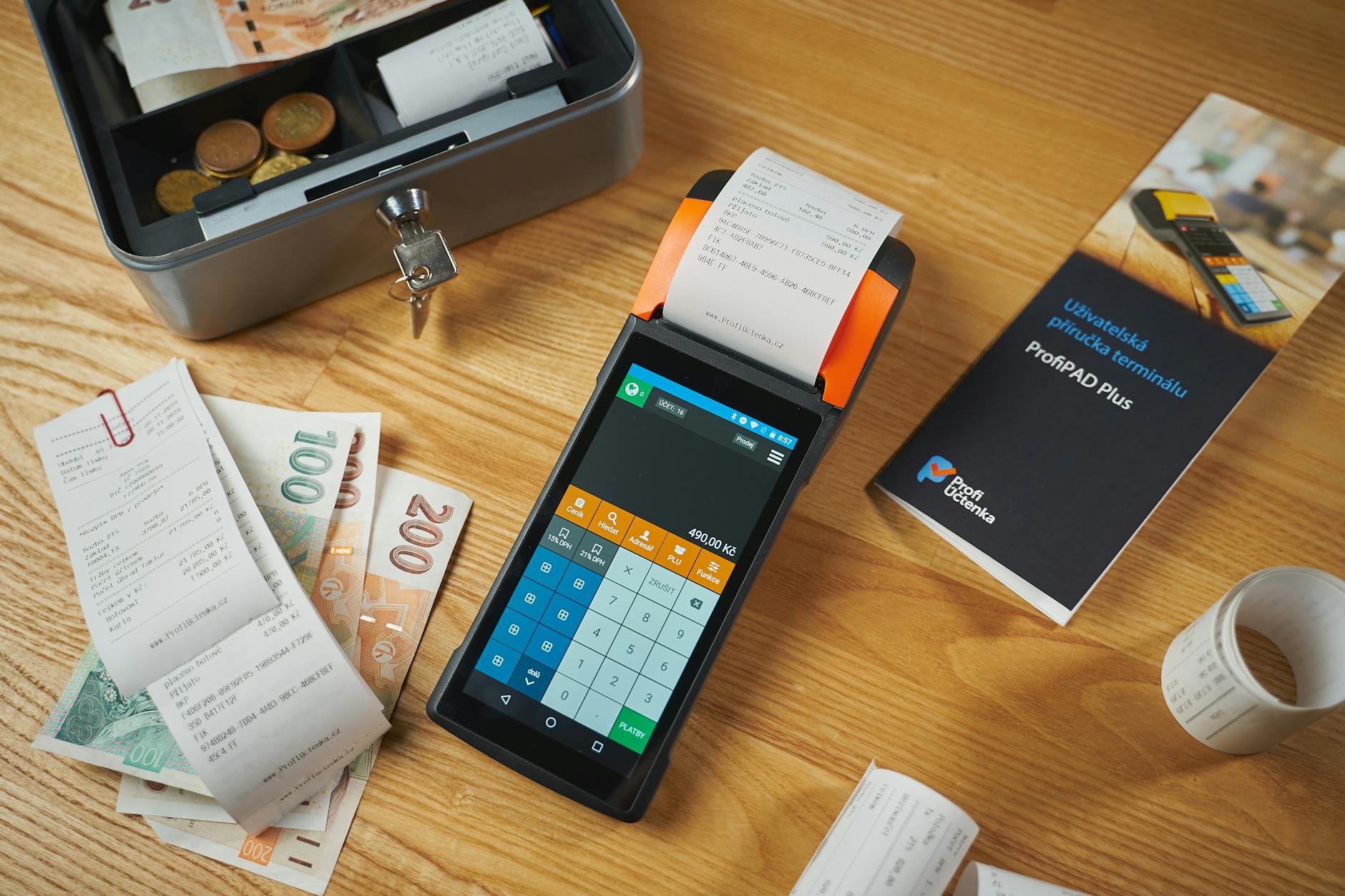
Walking through Sultanahmet, you will notice ATMs are as common as simit carts, but if you treat them all the same, you are essentially handing over the price of a high-end dinner in Nişantaşı to a banking algorithm. Never use the standalone, brightly colored “tourist” ATMs found in heavy foot-traffic areas like the Divan Yolu or near the Hagia Sophia. These machines, often private entities not affiliated with a major Turkish bank, frequently charge “convenience fees” of 7% to 10% on top of a terrible exchange rate.
The “Dynamic Currency Conversion” Trap
Last Wednesday at 10:45 AM, I stood in a sweating queue of six people at the Akbank ATM near the Blue Mosque. The person in front of me “Accepted Conversion” on a 2,000 TL withdrawal and lost roughly 180 TL in the blink of an eye to a predatory exchange rate. I pushed “Decline” on my turn and saved enough for two plates of köfte. This forces the machine to process the transaction in Turkish Lira, allowing your home bank to handle the exchange. Your bank’s rate will be much closer to the actual 2026 mid-market rate of 1 EUR to 50 TL or 1 USD to 45 TL.
Recommended Banks for Fair Rates
For the lowest fees and the most reliable hardware, look for the big players. İş Bankası (the one with the blue logo) and Ziraat Bankası (red logo with a stylized ear of wheat) are my top recommendations. They have the most extensive networks and their software is straightforward and transparent. Most of their branches have ATMs built into the physical walls of the bank, which are significantly safer from skimming devices than standalone kiosks in the middle of a park.
How to Withdraw Cash Without Losing Money
- Locate a branch-attached ATM from a reputable local bank like İş Bankası or Ziraat Bankası.
- Select the English language option immediately after inserting your card.
- Choose the “Withdrawal” option and enter your desired amount in Turkish Lira.
- Select “Decline Conversion” when the machine offers to charge you in your home currency.
- Verify that the screen shows “0 TL” or a very low amount for the local bank fee before confirming.
- Collect your cash and immediately put it away before leaving the ATM area.
Budgeting Your Days: What 1000 TL Gets You Now
1000 TL is no longer the “small fortune” it was five years ago, but it remains the gold standard for a morning of high-quality local immersion if you spend it on experiences rather than entrance fees. At the current 2026 rates, 1000 TL is roughly 20 EUR or 22 USD. While that won’t get you a fine-dining tasting menu, it’s exactly what I tell my friends to carry if they want to cross the Bosphorus and eat like a local king before noon.
The Asian Side Morning: Ferry, Tea, and Markets
The best value in this city isn’t found in a shop; it’s the 20-minute commute across the water. Using your Istanbulkart, a ferry ride from Eminönü to Üsküdar or Kadıköy will set you back about 40 TL (less than 1 USD). Last Tuesday, I stood on the deck of the 9:15 AM ferry with a 20 TL simit and a 25 TL tea, watching the mist lift off the Maiden’s Tower. For less than 100 TL, I had the best seat in the city.
Once you land in Üsküdar, 1000 TL goes surprisingly far. You can grab a hearty lunch at an esnaf lokantası (tradesman restaurant) for around 450 TL—think slow-cooked lamb or stuffed eggplants—and still have enough left for a several rounds of tea and a bag of fresh roasted nuts from the market. If you are exploring the backstreets, follow this Walking Route through the Old Markets and Mosque Courtyards of Üsküdar to see where your money buys history instead of just souvenirs.
Museum Prices vs. Neighborhood Wandering
The biggest budget trap in 2026 is the staggering rise in state-run museum entry fees. For a foreign visitor, tickets to the top-tier sites like the Galata Tower or the Basilica Cistern can now cost upwards of 800 to 1,200 TL per person. While these sites are magnificent, I often suggest picking just one “big ticket” item per trip.
Instead of spending 3,000 TL on three museum entries in one afternoon, spend that same amount wandering through neighborhoods like Kuzguncuk or Balat. You’ll find that the “entry fee” to the real Istanbul is just the price of a coffee or a shared plate of appetizers in a local cafe. The architecture, the street cats, and the calls to prayer echoing between the hills are entirely free.
Berk’s Insider Tip: Download the ‘BiTaksi’ or ‘Uber’ app even if you plan to walk; they offer the most transparent way to see ‘fixed’ prices for longer hauls, preventing the ‘broken meter’ excuse.
Daily Budget Targets for the Discerning Traveler
If you want to move comfortably—taking the occasional taxi, eating one nice sit-down dinner, and visiting a landmark—aim for a daily budget of 3,500 to 4,500 TL per person (approx. 70-90 EUR). This allows you to skip the stress of penny-pinching without being wasteful. Istanbul is a city that rewards those who spend intentionally; it’s always better to pay 500 TL for a high-quality, authentic meal in a busy Kadıköy side street than to spend 1,500 TL on a mediocre “tourist menu” in Sultanahmet simply because it’s convenient.
The Last Lira
The math of Istanbul has changed since I moved here fifteen years ago, and staring at a dinner bill where the zeros seem to multiply can be jarring. When you’re tapping your card and realize that 1,000 TL lunch is exactly 20 EUR or about 22 USD, it’s easy to get caught up in the spreadsheet of travel. But I’ve learned that if you spend your entire trip obsessing over whether you got the absolute best rate at a booth in Sultanahmet, you’ll miss the heartbeat of the place. The true value of this city isn’t found in the arbitrage of the Lira; it’s in the moments that no currency can quite capture.
Last Tuesday, I was sitting on a low stool at a tiny tea spot tucked behind the Rüstem Pasha Mosque—a place where the scent of old stone and Bergamot tea hits you all at once. I realized I’d left my smaller notes at home and only had a 200 TL bill for a 30 TL tea. The owner, a man named Hüseyin who has been pouring tea since the 90s, just waved his hand and told me to pay him “next time.” In a city of 16 million people, that kind of trust is our real legal tender.
Practically speaking, use your cards for the big stuff, keep a few 100 TL notes (which, at 2 Euros a pop, are essentially your “pocket change” for 2026) for the street vendors, and don’t overthink the tipping. If the service was genuine, leave that extra 10%. Istanbul is a city that has survived empires and economic cycles by being stubbornly generous. Carry that same spirit with you. The Lira might fluctuate, but a sunset over the Golden Horn or a conversation with a local shopkeeper stays at a fixed, priceless rate. You’re not just here to spend; you’re here to belong, even if it’s only for a few days. Welcome home.