Whenever the humidity in Eminönü starts to feel like a heavy blanket, I find myself instinctively pushing through the crowds at the pier to catch the Kadıköy ferry. There is a specific moment, about halfway across the Bosphorus, where the air cools and the chaos of the Old City begins to recede. While most passengers are already eyeing the path toward the fish market or the trendy bars of Moda, I always take a sharp left after stepping off the ramp. I head up the incline toward Yeldeğirmeni, a neighborhood that still feels like it belongs to its residents rather than tourists, despite being one of its oldest residential corners.
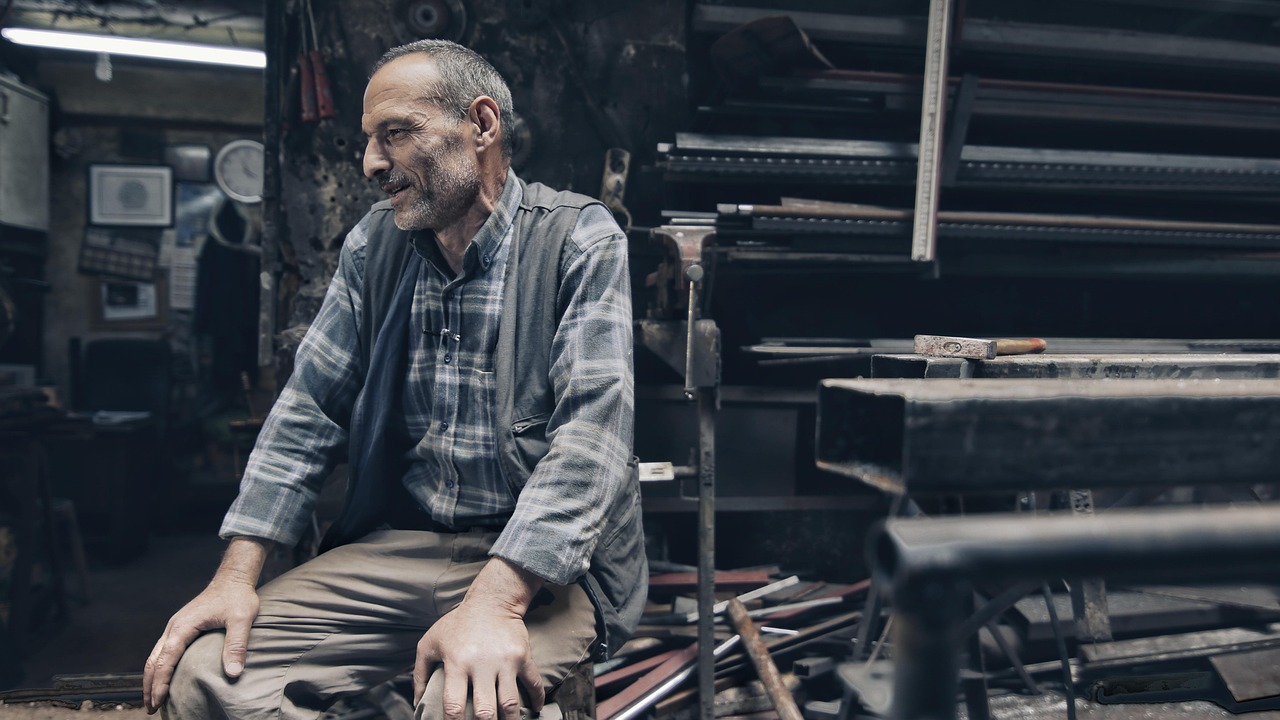
Last Tuesday, around 11:00 AM, I was leaning against a sun-warmed brick wall on İskele Sokak, watching a local woodcarver drag a fresh slab of walnut into his workshop. The smell of raw sawdust was mingling with the aroma of a 100-TL flat white (roughly 2 USD) I’d just picked up from a shop no bigger than a walk-in closet. Looming directly above the carpenter’s dusty awning was a mural of a giant, monochromatic figure stretching across five stories of a 19th-century apartment block. It’s this specific friction—the grit of traditional craftsmanship grinding against the vibrant, sometimes rebellious energy of the city’s street art scene—that makes this hill worth the climb.
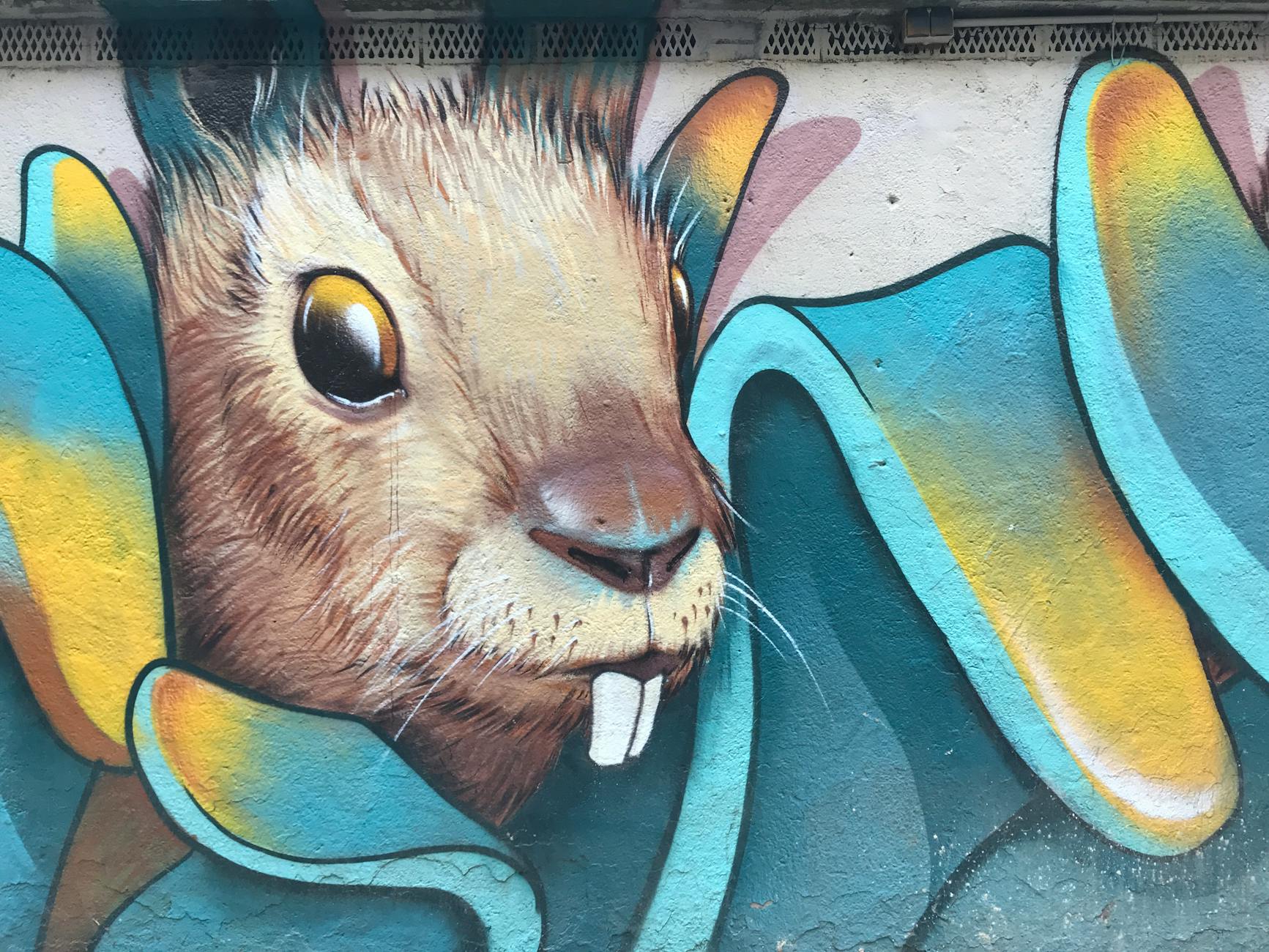
Yeldeğirmeni isn’t a polished museum piece. The sidewalks can be frustratingly narrow, and you’ll likely have to dodge a delivery scooter or two as they zip through the grid-like streets. But the neighborhood rewards the observant. It was the first place in the city where “apartments” as we know them were built, originally to house the workers of the Haydarpaşa Railway. Today, those same stone buildings serve as canvases for international muralists. Walking here feels like navigating a living gallery where the art isn’t behind glass, but etched into the very walls where people still hang their laundry and argue about the price of tomatoes.
Beyond the Pier: Why Yeldeğirmeni Still Feels Like a Secret
Most travelers step off the ferry at the Kadıköy pier, get smacked in the face by the chaotic roar of the bus terminals, and immediately flee toward the neon signs of the fish market. They are making a massive mistake by ignoring the quiet rise of the hill to their left. To understand the soul of the Asian side, you have to leave the Rıhtım (the waterfront) behind and enter the grid-like silence of Yeldeğirmeni, a neighborhood that has managed to resist the “theme park” vibe of more famous districts.
The Grid and the Ghost of Windmills
This area doesn’t feel like the rest of Istanbul because it wasn’t built like the rest of Istanbul. In the 19th century, this was the city’s first planned apartment district, designed to house the laborers and craftsmen working on the nearby Haydarpaşa railway project. Its name, which translates to “Windmill,” harkens back to the four massive flour mills Sultan Abdülhamid I built here in the 1700s. What I love most about these streets is the palpable cosmopolitan ghost of the Ottoman history—you’ll find a synagogue tucked behind a modern cafe, or an old Greek school standing sentinel over a street of mural-covered workshops. For those looking for Walking Route through the Old Markets and Mosque Courtyards of Üsküdar, this is the gold standard because it still functions as a real community, not just a backdrop for photos.
Last Tuesday, I stood outside the Valprenda Apartments—often called the Italian Apartment—at exactly 10:00 AM. While the pier just ten minutes away was a frantic mess of commuters, here the only sound was the rhythmic clink-clink of a tea spoon against glass. A local baker was setting out fresh Simit, and I grabbed one for 20 TL (roughly 0.45 USD). The sidewalks here can be notoriously uneven and narrow, which is a headache if you’re pushing a stroller or wearing heels. My advice? Wear sturdy sneakers and take the back streets from the pier rather than the main road; you’ll avoid the exhaust fumes and find the neighborhood’s quiet heartbeat much faster.
The Open-Air Gallery: Tracking the Mural Istanbul Giants
Yeldeğirmeni didn’t become an art hub by accident; it was a deliberate rebellion against the grey, functional architecture of 1970s Istanbul. For decades, this neighborhood was defined by drab, windowless side walls of apartment blocks that seemed to absorb the light. That changed with the Mural Istanbul festival, an initiative that invited international and local artists to treat these massive concrete surfaces as canvases. Today, the district acts as a curated gallery where the “exhibits” are five stories tall and completely free to view. Just as some seek A Canvas of Golden Mosaics: Why Kariye is My Absolute Favorite Corner of the City to understand Byzantine devotion, these murals explain the modern neighborhood’s identity.
The Icon of Karakolhane Street
If you see a crowd of people pointing their phones at a wall on Karakolhane Caddesi, they are likely looking at the Panda by Leo Lunatic. I remember walking this street fifteen years ago when it was just crumbling plaster; now, this grumpy-looking panda has become the neighborhood’s unofficial mascot. It’s a perfect example of how street art can give a soul to an otherwise unremarkable transit route.
Navigating the Urban Canvas
Photographing these giants requires a bit of tactical maneuvering. When I went to document the ‘Woman with Birds’ mural on Misak-ı Milli Street, I nearly lost my tripod to a delivery scooter. The sidewalks here are notoriously narrow, and the locals are usually in a hurry. Practical fix: To get the best angle of the larger-than-life murals without blocking the flow of traffic or risking a collision, time your visit for a weekday morning around 10:00 AM. The light hits the east-facing walls perfectly, and the lunchtime rush hasn’t yet clogged the arteries of the neighborhood.
Berk’s Insider Tip: Look up. Some of the best street art isn’t at eye level—it’s five stories high on the windowless side walls of 1970s apartment blocks.
Essential Murals to Track Down
- Leo Lunatic’s Panda (Karakolhane Caddesi): The most photographed piece in Kadıköy and a staple of the local graffiti scene.
- Amerykaner’s ‘Woman with Birds’ (Misak-ı Milli): A surrealist masterpiece that uses the entire height of a residential building.
- Fintan Magee’s ‘The Astronaut’ (İskele Sokak): An incredible display of scale and color that reflects the neighborhood’s dreamlike atmosphere.
- Rustam Qubic’s ‘The Tree of Life’: A detailed, whimsical mural that requires standing still for at least five minutes to catch all the hidden motifs.
- Aryz’s Pixelated Figures: A more abstract, modern approach to the Mural Istanbul festival that plays with the industrial aesthetic of the district.
While the art is free, the neighborhood spirit is best enjoyed with a glass of tea from a nearby corner shop. A quick glass usually costs around 25 TL (about 0.50 USD), a small price for a front-row seat to some of the best Istanbul street art in the city.
Sawdust and Varnish: Finding the Vanishing Artisans
The real pulse of Yeldeğirmeni isn’t found on the colorful murals above your head; it’s vibrating beneath the pavement in the basement workshops of İzzettin Sokak. While most visitors keep their eyes fixed on the street art, I’ve always found that the most authentic stories are told by the fine layer of cedar dust clinging to the windowsills at knee-height. This street is the backbone of the neighborhood’s creative soul, where the grit of old Istanbul refuses to be polished away.
The Friction of Old and New
Walking down İzzettin Sokak, you’ll witness a fascinating, sometimes jarring, cultural friction. On one side of a doorway, you’ll find ‘digital nomads’ huddled over MacBooks in minimalist cafes; on the other, an old master luthier who hasn’t changed his shop layout since 1982. It’s a neighborhood in transition, but the craftsmen are the anchor. I recently sat in a basement shop watching a master sand the neck of a saz (a traditional stringed instrument). He didn’t offer a sales pitch, just a small glass of tea and a stool. That tea cost me exactly 20 TL (0.40 EUR), and the conversation—mostly conducted through nods and the smell of fresh lacquer—was worth far more.
Preserving the Basement Culture
These woodcarving and lutherie spots are easy to miss because they are literally subterranean. If you enjoy The Grease and Iron of My Favorite Walk Through Perşembe Pazarı, you’ll recognize this specific brand of Turkish resilience. Like the workshops of Karaköy, Yeldeğirmeni’s basements represent a refusal to vanish. Don’t be shy about peering into the half-windows. If you see an artisan at work, a polite “Kolay gelsin” (may it be easy for you) is the universal key to a friendly nod. The craftsmanship here isn’t a performance for tourists; it’s a living, breathing livelihood that requires focus and quiet.
Sourdough and Steep Streets: The Neighborhood Flavor
If you’re looking for the best sourdough toast in the city, you’re going to have to fight for it—or at least wait in line for 20 minutes on a Saturday morning. The culinary scene in Yeldeğirmeni is a battleground of gentrification, where the smell of freshly roasted third-wave coffee competes with the scent of traditional simit from the century-old stone ovens. It is a neighborhood in transition, and honestly, that’s exactly why I love it.
I’ve lived in Istanbul for 15 years, and I’ve watched this area transform from a sleepy residential corner into a creative hub. The real magic happens when you see a retired dockworker sipping 20 TL tea in a traditional kahvehane right next to a stylist paying 110 TL for an oat-milk flat white. They share the same sidewalk, and somehow, it works. For a proper local breakfast, head to Küff or Küçücük. A thick slice of sourdough toast loaded with local cheeses will set you back about 250 TL (5 EUR). It’s pricey for a local, but for the quality, it’s a steal.
The soul of the neighborhood isn’t found on the main drags, though. On Duatepe Street, I once followed a stray cat through an unmarked iron gate and stumbled into a communal “hidden garden” tucked between the apartment blocks. Locals were hanging laundry and sharing plates of sliced melon. That’s the Yeldeğirmeni secret: the best spots don’t have signs.
Where to Refuel: A Quick Breakdown
| Venue Type | What to Order | Cost (Approx.) | Why Go? |
|---|---|---|---|
| Artisan Bakery | Sourdough Toast | 250 TL (5 EUR) | High-quality ingredients & great people-watching. |
| Traditional Kahve | Turkish Tea (Çay) | 20 TL (0.40 EUR) | To experience the “old” neighborhood vibe. |
| Third-Wave Cafe | V60 Filter Coffee | 130 TL (2.60 EUR) | Reliable Wi-Fi and serious caffeine. |
| Local Esnaf Lokantası | Daily Stew (Ev Yemeği) | 220 TL (4.40 EUR) | Filling, honest, and fast. |
Berk’s Insider Tip: Avoid the main Karakolhane street for lunch on Saturdays; it gets claustrophobic. Instead, head one block over to the quieter side streets like Uzun Hafız for the same food at 20% lower prices.
Beating the Crowd: Practical Logistics and Prices
If you try to take a taxi into the heart of Kadıköy on a Saturday afternoon, you’ve already lost the day to the gridlock of Söğütlüçeşme Street. I once spent 45 minutes stuck in a bus on Rıhtım Street at 6 PM on a Friday—never again. The secret to enjoying Yeldeğirmeni is arriving from the “back door” via the Marmaray. Get off at Ayrılık Çeşmesi station; from there, it’s a flat, five-minute walk into the neighborhood’s northern edge. If you prefer the scenic route, the Beşiktaş or Eminönü ferries are classic for a reason, but be prepared for a 15-minute uphill trek from the Kadıköy pier.
Timing Your Visit
Timing is everything if you want to see the neighborhood’s soul rather than just a sea of selfies. For those interested in the actual craftsmanship, weekday mornings (Tuesday to Thursday) are the sweet spot. This is when the shutters are up, and you might actually catch a luthier or a ceramicist at work. Last Tuesday, I strolled by a small woodshop around 11:00 AM and spent ten minutes chatting with the owner because the street was empty. If you wait until Sunday afternoon, you’ll get the “cool” vibe and great people-watching, but the mural-heavy alleys become quite crowded.
The Wallet Factor
Yeldeğirmeni remains one of the more grounded corners of Kadıköy, though prices have crept up. For a full afternoon, budget between 600 and 800 TL (approximately 12–16 EUR). This is a comfortable range that covers a high-quality specialty coffee (around 120 TL), a local snack like a sourdough toast or a pastry (180 TL), and a light dinner with a glass of local wine or a craft beer to finish the day (400-500 TL). Most workshops are private studios, so while browsing is free, I always recommend buying a small handmade item or at least asking before snapping photos of an artist’s workspace.
Frequently Asked Questions
Which transport method is fastest to reach Yeldeğirmeni?
The Marmaray train is your best bet for speed. If you are coming from the European side (Sultanahmet or Sirkeci), take the Marmaray to the Ayrılık Çeşmesi stop. It bypasses all the coastal traffic and puts you right at the entrance of the neighborhood. The ferry is more iconic, but the walk from the Kadıköy pier is longer and entirely uphill.
Is Yeldeğirmeni safe for solo travelers at night?
Absolutely. It is a residential neighborhood filled with students, artists, and young families. While some of the side streets can be a bit dimly lit, the main thoroughfares like Karakolhane Street are bustling until late at night. Just keep your usual wits about you as you would in any major city, but generally, it’s one of the most relaxed areas in Istanbul.
How much should I budget for a meal in this neighborhood?
A mid-range meal in Yeldeğirmeni, such as a gourmet burger or a selection of modern Turkish mezes, will cost you about 400 to 550 TL (8–11 EUR). If you add a specialty coffee or a dessert from one of the boutique bakeries, expect to spend closer to 750 TL (15 EUR) total. Most places accept credit cards, but having some cash is helpful for smaller artisan shops.
The Neighborhood’s Lasting Impression
As you drift down the final slope of İskele Sokak, the industrial hum of the woodshops starts to fade, replaced by the sharp cry of gulls circling the ferry docks. I usually stop for a quick tea at one of the low stools near the bottom of the hill—it still only sets you back about 25 TL (0.50 EUR) if you pick a spot where the old-timers are playing backgammon rather than the cafes with the neon signs.
Standing there at the edge of the neighborhood, you’re greeted by the massive, silent silhouette of Haydarpaşa Railway Station. In that specific window of sunset, the golden light hits the weathered German-neoclassical stone and the heavy cranes of the port, turning the whole vista into something far more permanent than the street art you’ve spent the afternoon chasing.
Some of those murals are already starting to flake and fade under the humidity of the Bosphorus; the vibrant colors of the “Pandora” piece or the towering figures on the apartment blocks won’t look the same in five years. But that’s the nature of the medium. What actually endures is the stubborn, “mahalle” grit of this corner of Kadıköy. Yeldeğirmeni isn’t trying to be an open-air museum for your camera; it’s a living, breathing neighborhood that refuses to lose its soul to gentrification. As the sky turns a deep violet over the tracks, you realize the paint on the walls is just the dressing—the real draw is the resilient spirit of the people who keep the workshops humming and the tea brewing, regardless of how much the city changes around them.