
The Grease and Iron of My Favorite Walk Through Perşembe Pazarı
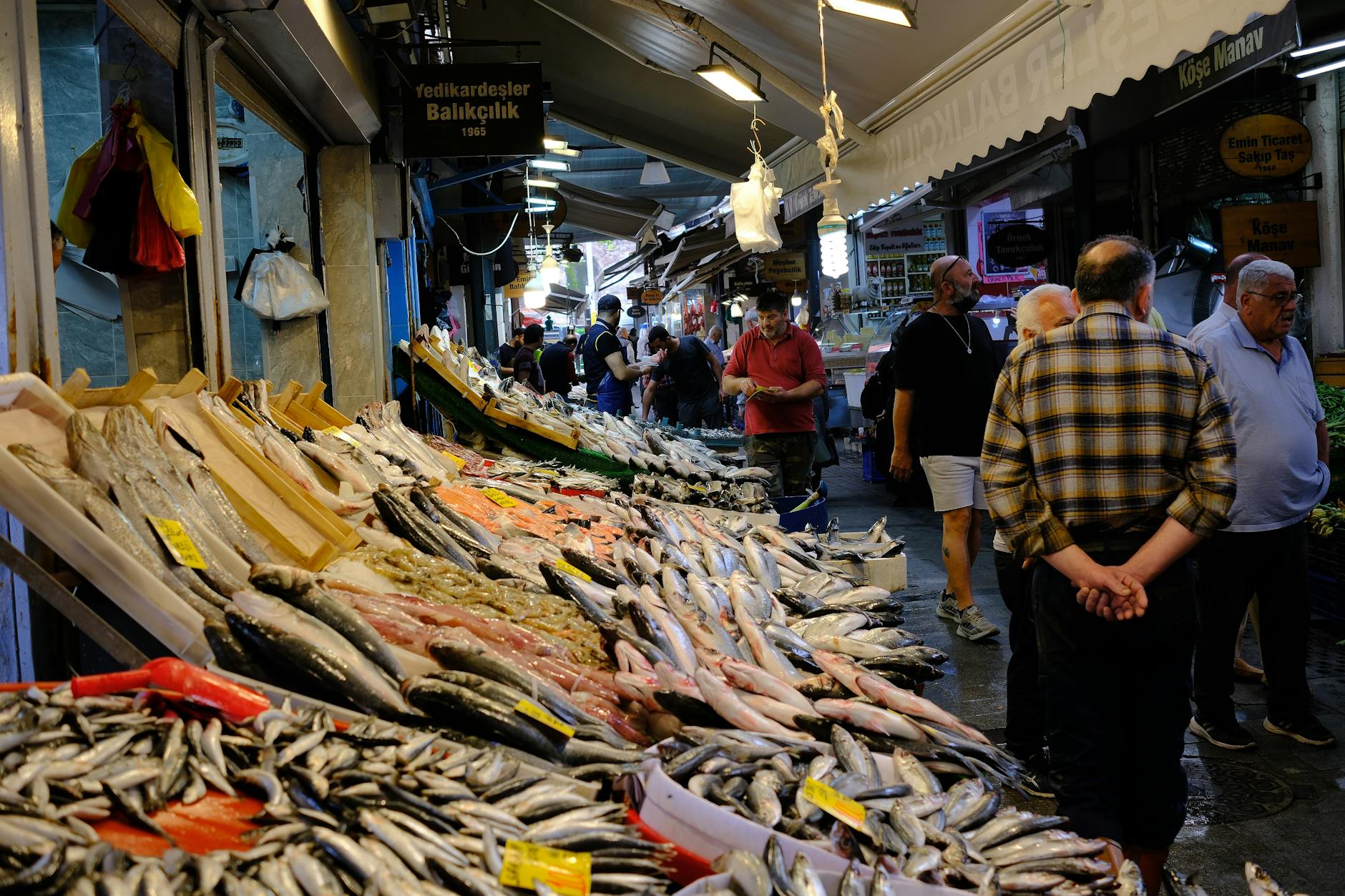
The smell of burnt espresso in Karaköy makes me want to scream. It’s too clean. Too fake. I’d much rather choke on the stench of WD-40 and raw iron in the backstreets of Perşembe Pazarı, where the city still has a pulse that isn’t curated for a social media feed. I’ve lived here fifteen years and I’m still dodging handcarts that could take a kneecap off. No one apologizes. Why would they? They’re working. You’re just in the way.
The sunlight hits the oily puddles near the hardware stalls and, honestly, it’s beautiful in a way those overpriced rooftop bars will never understand. It’s loud. It’s filthy. My shoes usually end up ruined. But every time I walk through those narrow gaps between the tool shops, I feel like I’m finally breathing again. Away from the crowds taking photos of their latte art. Here, a guy with a soot-stained face screams at his apprentice and it feels honest. This isn’t a museum. It’s a machine. And it’s grinding away, whether you like the noise or not. Seriously. Grab a tea from the guy with the chipped glass and get out of the way. Real life is happening.
Why I Avoid the Instagram Side of Karaköy
Most of what people call Karaköy these days is just a glorified outdoor shopping mall for people who think wearing a beanie in 30-degree heat makes them an artist. I’m tired of seeing the same three “concept” cafes on every travel blog. If I see one more photo of someone posing under those stupid colorful umbrellas with a 150-Lira flat white, I might lose my mind. It’s a sham. It’s a sanitized, overpriced version of a neighborhood that used to actually mean something to this city.
I’ve lived here for 15 years, and watching the “cool” side of Karaköy turn into a playground for influencers has been painful. They’ve taken these incredible old buildings and turned them into boutique hotels where the walls are thinner than a piece of yufka. You pay 300 Euros a night to hear your neighbor brush their teeth, all while “artisanal” dust falls from the ceiling. No thanks. I’d rather spend my time where the air actually smells like something. Even if that something is industrial-grade lubricant and 40 years of accumulated soot.
The problem is Galataport. Don’t get me me started on that place. It’s a giant, sterile concrete slab that feels more like an airport terminal in Dubai than a piece of Istanbul. They talk about “opening the coastline to the public,” but they really mean opening it to people who want to buy overpriced designer handbags. It’s too clean. It’s too quiet. It’s fake. It’s the kind of place where you can’t find a single cigarette butt on the ground, which, in this city, is basically a sign of the apocalypse.
If you want the real soul of this area, you have to turn your back on the cruise ships and walk toward the noise. You need to head into the grit of Perşembe Pazarı.
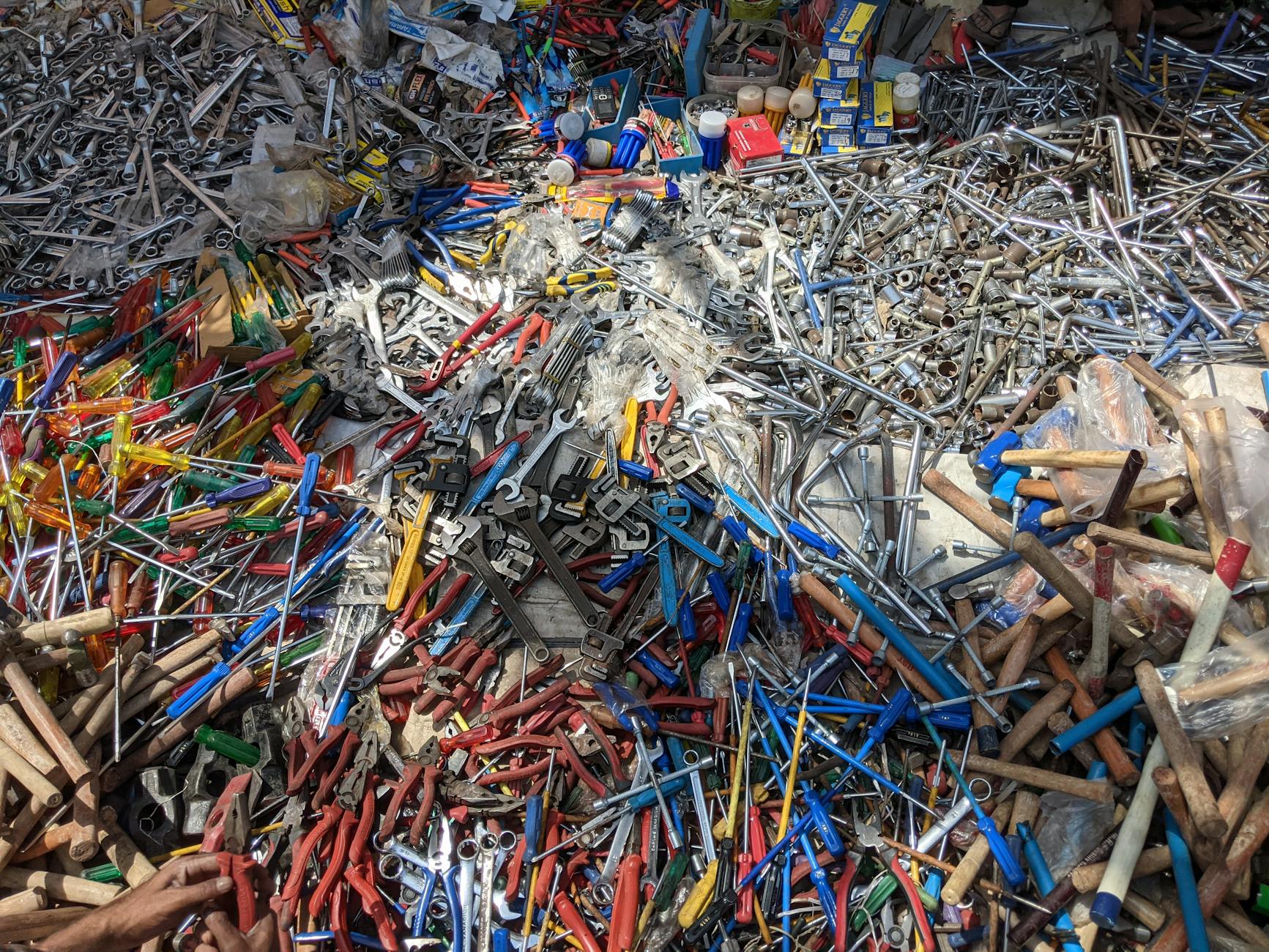
This is where the shipyard legacy lives. This isn’t some curated museum exhibit; it’s the raw, beating heart of the old Tersane district. Here, the sensory experience isn’t about lavender-scented candles or chill lo-fi beats. It’s the screech of metal saws cutting through steel. It’s the heavy, rhythmic clanking of massive iron chains being dragged across the pavement. The smell? It’s a brutal mix of diesel exhaust, sea salt, and the kind of heavy grease that never truly leaves your fingernails.
I was walking through here last Tuesday, dodging a forklift that definitely didn’t have working brakes, and I realized why I love it. Nobody here cares about your outfit. The shopkeepers won’t give you a “warm welcome.” In fact, they’ll probably ignore you entirely while they argue over the price of ball bearings. It’s honest. It’s messy.
The history here isn’t tucked away behind velvet ropes. Look up. You’ll see the Genoese walls—massive, ancient stones from the 1300s—being used as the literal backdrops for shops selling hydraulic pumps and rusty anchors. These walls have survived empires, and now they’re covered in motor oil and soot. That’s how history should be—used, not polished for a postcard.
Look, I’m not a total masochist. I know when to quit. Sometimes the noise of the grinders gets to be too much, or the smell of burning rubber makes me crave a bit of civilization. When that happens, I don’t go to the fake cafes nearby. I usually just get out of the area entirely. I’ll even brave the traffic to get up to Teşvikiye if I really need a decent meal in a place where the waiter doesn’t have grease on his forehead. But for most days? Give me the iron. Give me the rudeness. Give me the real Karaköy before the developers finish paving over the rest of it.
You won’t find a “hidden gem” here. You’ll just find a bunch of guys working hard in a neighborhood that refuses to be pretty. And that’s exactly why it’s the only part of this district worth your time. Just watch your step—the puddles in the alleys of Perşembe Pazarı aren’t usually made of water. Seriously. Don’t wear your white sneakers.
Street Food and Tea for the Working Man
Stop looking for a menu with pictures and just sit down where the guys in blue overalls are eating. In Perşembe Pazarı, the food isn’t a curated “experience”—it’s high-octane fuel for men who spend ten hours a day lugging brass pipes and industrial coils. If you’re worried about a bit of grease on the table or a waiter who doesn’t smile, honestly, just go back to the hotel. This place doesn’t have time for your sensibilities. It’s loud, it’s chaotic, and the floor of every decent eatery is probably slick with a thin film of machine oil and rain.
The Gospel of the 5-Lira Çay
I’ve known Ahmet for over 10 years, but he’s been wedged into the same 4-square-meter hole selling gaskets and copper valves for 40. His shop is a mess. There are stacks of yellowed invoices held down by rusted iron bolts and a cat with half an ear sleeping on a pile of rubber seals. Ahmet doesn’t care about your Instagram. He cares about the price of scrap metal and whether the tea runner is lagging.
Sitting with him on a tiny plastic stool—the kind that feels like it might snap under any grown adult—is the only way to understand this neighborhood. We drink çay out of thin glasses that are too hot to hold. You see people paying 100 lira for a lukewarm latte in some pretentious Cihangir cafe where the barista treats you like an intruder. It’s a joke. Here, for 5 or 10 lira, you get a glass of red gasoline that actually wakes you up. There’s no oat milk. No “syrup pumps.” Just bitter, strong tea and a sugar cube that probably has some iron dust on it.
Berk’s Insider Tip: If a shopkeeper offers you tea, sit down. Don’t check your phone. Just listen to the noise of the street. That’s the real Istanbul.
The Steam Table Survival Guide
When the clock hits 12:00, the streets turn into a battlefield. You’ll see guys sprinting with trays of food. This is the hour of the Esnaf Lokantası. These tradesmen restaurants are the backbone of local culture, and if you aren’t inside by 12:15, the best stuff is gone.
I have a favorite spot—I won’t tell you the name because it’s already too crowded—where the windows are permanently fogged up from the giant pots of lamb stew and beans. You don’t get a menu. You walk up to the counter, look at the metal trays, and point. I usually go for the kuru fasulye (white beans) and a side of oily rice. Maybe a piece of pide to mop up the remains. The authentic food here is heavy. It’s salty. It’s exactly what you need when the wind is whipping off the Golden Horn and you’ve been walking through slush.
Sometimes I think about the people who spend their mornings on a massive, over-engineered Turkish breakfast at a five-star hotel. They’re missing the point. A dry simit bought from a street cart and a glass of tea with Ahmet tells you more about Istanbul than a hundred open buffets ever could.
The service is abrupt. The waiter will probably yell your order across the room. Someone might bump your chair while carrying a crate of hammers. It’s not “charming.” It’s a working district. But when you take that first bite of slow-cooked beef that’s been simmering since 5 AM, you’ll realize why these places have outlasted every food trend in the city. The grease is real, the steam is thick, and the tea is always boiling. What else do you actually need?
Seriously. Just eat, pay your bill, and get out of the way so the next guy can sit down.
The History of the Genoese Walls and Shipyards
The real history of Galata isn’t found in a museum; it’s baked into the soot-covered stones of the hardware shops lining the back alleys of Perşembe Pazarı. Most tourists get off the ferry and head straight for the tower, ignoring the fact that they’re walking through a 700-year-old fortress that’s currently being used to store industrial-grade drill bits and rusted anchors. I’ve spent 15 years wandering these streets, and I still find it hilarious that some of the most important Genoese fortifications in the world are now the back wall of a guy named Mehmet’s bolt shop.
Anchors, Chains, and Ancient Stone
If you want to see the walls, you have to look for them between the stacks of plastic piping. These aren’t the manicured ruins you see in Rome. This is raw. In the 13th century, the Genoese basically built a private colony here, flipping the bird to the Byzantine emperors across the water. They built massive walls to protect their money and their ships.
Today, those walls are still doing work. I remember ducking into a tiny, cramped shop last Tuesday to escape a sudden downpour—the kind of gray Istanbul rain that turns the dust into a slick, oily sludge. The shopkeeper was leaning against a block of stone that was clearly carved 800 years ago. He didn’t care. To him, it’s just a sturdy wall that holds up his shelves of hydraulic jacks. That’s the beauty of this place. It’s not “preserved.” It’s used. It smells like wet iron, cheap cigarettes, and the kind of heavy grease that never truly leaves your skin.
From the Ottoman Empire to the Modern Grind
When the Ottoman Empire took over in 1453, they didn’t kick the shipbuilders out. They knew a good thing when they saw it. This strip of land along the Golden Horn has been the heartbeat of Maritime Istanbul for longer than most countries have existed. The Sultan’s navy needed ropes, nails, and pitch, and the guys in Perşembe Pazarı were the ones who provided it.
I’ve heard people complain that the area is too loud, too dirty, or too “industrial.” Those people should probably stay in their 5-star hotels in Nişantaşı. The noise is the sound of a city that actually produces things. You hear the rhythmic clanging of hammers and the screech of metal saws. It’s the same soundtrack this neighborhood has had for centuries. The tools have changed, sure, but the obsession with the sea remains. You can still buy a massive ship’s propeller here if you have enough cash and a way to haul it away. Why? Because the water is right there. It’s practical.
The Threat of “Progress”
I’m going to be honest: I’m terrified this whole ecosystem is about to be murdered by urban transformation. The developers are circling like vultures. They look at these old shipyards and “dirty” hardware stores and see “potential” for luxury lofts and overpriced cafes selling 40-lira lattes. It’s disgusting.
They call it “revitalization,” but I call it an execution. Every time a hardware shop closes and gets replaced by a “concept store,” a piece of the city’s soul gets ripped out. How much longer will this last? Maybe 5 years. Maybe 10 if we’re lucky. I hate the idea of a sanitized Perşembe Pazarı where you can’t smell the machine oil or get yelled at by a guy carrying 50 kilos of copper wire on his back. Go see it now, before the suits turn it into another boring, soulless “heritage site” for people who are afraid of a little dirt. Seriously. Don’t wait.
FAQ About Visiting Perşembe Pazarı
Don’t even think about showing up here on a Sunday unless you enjoy staring at locked iron shutters and gray concrete. The entire district turns into a ghost town the moment the clock strikes Saturday evening. It’s a working-class neighborhood, not a tourist playground, so when the workers go home, the life of the place just stops.
Is it safe for a solo traveler?
Safe from people? Absolutely. Safe from bodily harm? That’s another story. I’ve lived in this city for 15 years, and I’ve never felt threatened by a person in Perşembe Pazarı. Nobody is going to mug you. They’re too busy hauling 50-kilo crates of rusted bolts or welding something that looks like it belongs on a Soviet submarine.
The real danger is the chaos. You have to watch your feet. The ground is uneven, slick with a cocktail of rainwater and machine oil, and littered with metal scraps. I once saw a guy nearly get clipped by a forklift because he was too busy taking a photo of a cat on a pile of chains. Don’t be that guy. Keep your eyes open. If you hear a guy shouting “Destur!” or “Vira!”, it means move your ass or get flattened. It’s not personal; it’s just the way the street works.
When do the shops actually open and close?
Forget what Google Maps tells you. The “opening hours” here are dictated by the sun and the stamina of the shopkeepers. Most guys start rolling up their metal doors around 8:30 or 9:00 AM. Don’t try to talk to them before they’ve finished their first glass of tea. Seriously. A man without his morning tea in Perşembe Pazarı is a dangerous animal.
By 10:30 AM, the place is in full swing. The noise is incredible—metal clanging, engines idling, guys screaming orders across the street. It’s loud, it’s smelly, and it’s perfect. Things start winding down around 5:30 PM. By 6:30 PM, the tea houses are empty and the streets get dark and eerie. My advice? Get there by 10:00 AM, walk until your legs ache, and leave before the sun sets.
Can I actually buy anything if I’m not a ship captain?
Yes, but don’t expect a souvenir shop experience. There are no “I Love Istanbul” shirts here. Thank god.
I’ve bought some of my favorite household items in these weird little shops. I once found a solid brass bell that weighed about 5 kilos. The shopkeeper looked at me like I was insane when I asked the price, probably because I wasn’t buying a dozen of them for a fishing fleet. I also buy my heavy-duty scissors and pocket knives here. They’re industrial grade and will outlive me.
If you see a pile of vintage nautical junk—old compasses, portholes, brass valves—don’t be afraid to ask. You’ll need to haggle, and you’ll need to do it with a straight face. They’ll start high because you look like you don’t belong, but if you show a bit of grit, they’ll respect you. Just don’t ask for a gift box. They’ll probably wrap your purchase in a greasy newspaper and call it a day.
Conclusion
Look, I’m not saying this because I’m some nostalgic prick. I’m saying it because I can see the wrecking balls from my window. Perşembe Pazarı isn’t a museum. It’s a living, breathing, sweating mess of a neighborhood, and its days are numbered. Every time I walk past the docks lately, I see another shuttered ironmonger replaced by a gallery that wouldn’t look out of place in London or New York. It’s soul-crushing.
The suits want to “clean” this place up. They want “luxury lofts” and “curated experiences.” They want to take the grease and replace it with scented candles. Absolute rubbish. Don’t wait until the shops are gone and the only thing left of the old shipyard workers is a black-and-white photo on a café wall. Go now. Fight the crowd of guys carrying heavy chains and duck under the scaffolding.
The air smells like wet iron and cheap cigarettes. It’s dirty. It’s loud. The tea sellers don’t have time for your pleasantries. But it’s honest. When you finally leave and head back to the sanitized streets of the hotel districts, look down at your boots. If there isn’t a thick, black smudge of machine oil on the side, you didn’t do it right. Keep that stain. It’s a souvenir of a city that won’t exist by the time your kids get here. Seriously. Just go.
Comments
Share your thoughts with us