The ferry doors hit the concrete dock with a heavy clang, and suddenly the Sultanahmet postcard vanishes. You aren’t in the museum district anymore; you’re in Üsküdar, where the air smells of brine and roasted coffee, and the rhythm of the city feels older, heavier, and far more honest—reminiscent of the Theodosian Walls: Istanbul. While the crowds across the water are busy queuing for selfies, here, the locals are busy living.
I’ve lived in this city for fifteen years, and every time I step off the boat at this pier, I feel a physical shift in the atmosphere. There is a certain gravity to Üsküdar. It’s one of the city’s most conservative corners, yet it possesses a quiet, dignified warmth that the more polished tourist hubs lost years ago. As you tap your Istanbulkart—roughly 20 TL (around 0.40 EUR) for the crossing—you leave the performative side of the Bosphorus behind.
The chaos of the bus terminal and the swirling commuters can be jarring at first, but don’t let the noise push you back toward the water. The real magic lies just a few meters inland. You’ll see the Mihrimah Sultan Mosque standing guard over the square; it was built by Mimar Sinan for the daughter of Suleiman the Magnificent. It’s an architectural masterpiece, but more importantly, its courtyard is a sanctuary where the city’s frantic pace finally slows down.
Walking into the heart of the Üsküdar market, the çarşı, requires a bit of an appetite and a willingness to be bumped into. This isn’t the Grand Bazaar; nobody is going to shout at you in five languages to buy a rug. Here, the trade is in seasonal olives piled high, local cheeses from Erzurum, and the freshest bluefish found in the strait. It’s crowded, yes, and the narrow lanes can feel like a labyrinth, but it’s a functional beauty. You are witnessing the gears of Istanbul turning in their most natural state.
Follow the scent of woodsmoke and old stone. We are heading away from the shoreline, up toward the hidden courtyards where the tea is stronger, the shadows are longer, and the history isn’t behind velvet ropes—it’s under your feet.
The Arrival: Stepping into Sinan’s Shadow
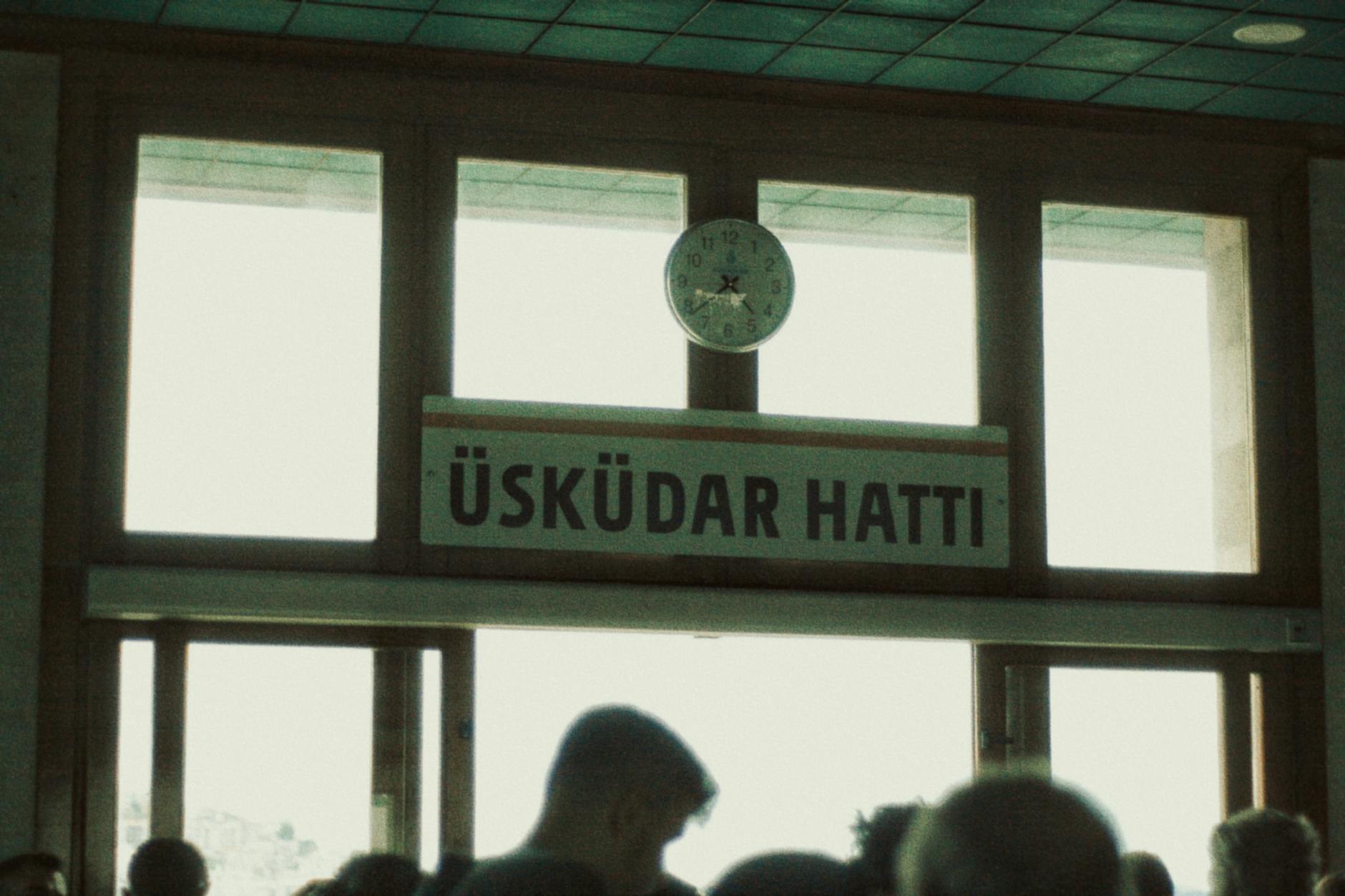
The ferry from Beşiktaş or Eminönü is the only way to arrive in Üsküdar; anything else is just a commute. It offers a completely different perspective of the strait than the one found in Where the City Meets the Sea: My Practical Guide to the Arnavutköy and Bebek Coastline. As the ramp hits the pier and the crowd surges forward, you’re met with a sensory overload that defines the Asian side: the smell of grilled mackerel, the rhythmic clinking of tea spoons, and the frantic pace of the Marmaray commuters. But look up. Looming directly over this chaos is the Mihrimah Sultan Mosque, Mimar Sinan’s first grand gift to the daughter of Suleiman the Magnificent. It’s a stone anchor in a sea of modern transit.
A Sanctuary Amidst the Scramble
Most travelers rush past this “Iskele Mosque” to catch a bus or find the famous Maiden’s Tower. That’s a mistake. The moment you step into its courtyard, the roar of the Bosphorus ferry terminal vanishes. It’s an architectural deep breath. Sinan designed this space in the 1540s with a massive overhanging roof—almost like a stone umbrella—to shield locals from the spray of the sea and the summer sun.
The Ottoman architecture here is intentional and intimate. While this waterfront tribute is stunning, you haven’t seen the full story of Sinan’s obsession with the Sultan’s daughter until you visit his masterpiece of light on the city’s highest hill. Inside the Üsküdar mosque, the vibe is strictly local. You’ll see retirees resting their backs against the cool stone walls, escaping the midday humidity. It’s free to enter, but remember to time your visit between prayer calls to avoid being intrusive. Why fight the crowds in the square when you can watch the Bosphorus through these ancient, quiet arches?
The Sensory Overload of Balıkçılar Çarşısı
If you think the Grand Bazaar is the heart of Istanbul’s trade, you haven’t stood in the middle of Üsküdar’s fish market at 11 AM on a Tuesday. This isn’t a curated museum for travelers; it’s a high-octane stage where the dialogue is shouted and the floor is perpetually wet. You’ll hear the fishmongers before you see them—their voices rhythmic and gravelly, bragging about the morning’s catch from the Bosphorus. Unlike the Sultanahmet side, no one here is going to corner you with questions about your nationality or offers for “genuine” watches. They’re too busy scaling sea bass and arranging piles of silver hamsi on ice. It’s honest. It’s loud. And yes, it smells like the sea, exactly as it should.
Beyond the Gills: Brine and Beeswax
Just as your ears adjust to the shouting, the scent shifts from salt to a sharp, vinegary sting. This is the realm of the turşucu (the pickle seller). In these shops, everything from garlic cloves to green plums is preserved in bright, neon-colored brine inside floor-to-ceiling glass jars. Don’t just stare; buy a small cup of spicy pickle juice to sip while you walk. It’s a local probiotic “hit” that costs about 20 TL (roughly $0.45 USD) and clears the sinuses instantly. Moving deeper, you’ll find the cheese and honey merchants. Look for the massive blocks of Erzincan Tulum, a goat’s milk cheese aged in sheepskin. The vendors usually offer a sliver on the tip of a knife—take it. It’s salty, funky, and miles away from the pasteurized blocks you find in supermarkets.
Berk’s Insider Tip: Skip the ‘tourist’ fish sandwiches near the ferry terminal. Walk five minutes deeper into the market to find the shops where locals actually buy their lüfer and hamsi; the quality is night and day.
The Essential Market Haul
If you want to eat like someone who has lived here for 15 years, these are the staples you need to look for. Don’t be afraid to point and ask for a taste; most shopkeepers here take immense pride in their curation.
- Lakerda (Salted Bonito): Look for the jars of thick, pale steaks. This is the “king” of Istanbul appetizers, buttery and incredibly rich.
- Acılı Turşu Suyu (Spicy Pickle Juice): A magenta-colored drink served with chopped pickles inside. It’s the ultimate local palate cleanser.
- Petek Balı (Comb Honey): Usually sourced from the Kaçkar Mountains. It is far more floral and intense than the liquid stuff.
- Pastırma (Cured Beef): Specifically look for the “Kayseri” variety. It’s thinly sliced and coated in a spicy garlic paste called çemen.
- Seasonal Hamsi (Black Sea Anchovies): Only available in winter months. If they look shiny and stiff, they’re fresh; if they look dull, move on.
Şemsi Pasha: The Mosque Where Birds Don’t Land
If the frantic energy of the Üsküdar ferry terminal starts to grate on your nerves, walk five minutes south along the quay until the pavement narrows and the salt spray hits your face. You’ll find yourself at Şemsi Pasha Mosque, a place that feels less like a building and more like a meditation perched on the very lip of the Bosphorus. It is, in my opinion, the most elegant “reset button” in the city. While most Uskudar walking tours rush past it toward the Maiden’s Tower, I always stop here to appreciate how Mimar Sinan—the Ottoman Empire’s greatest architect—could do “small and intimate” just as well as “grand and imposing.”
The Engineering of Silence
Locals know this spot as Kuşkonmaz Camii, which literally translates to “the mosque where birds don’t land.” Why? Legend says that Şemsi Pasha, a high-ranking official who was a bit of a clean-freak, asked Mimar Sinan to build a mosque that birds wouldn’t soil. Sinan, being a genius, studied the wind patterns and realized that the intersection of the northern and southern winds right at this point on the coast would create a constant turbulence. Birds simply can’t find a steady enough current to perch on the dome or minaret.
Does it actually work? I’ve spent countless afternoons sitting on the stone wall nearby with a 30 TL glass of tea (about 0.60 USD), and I’ve yet to see a single seagull leave a mark. It’s a masterclass in Mimar Sinan mosques where nature and architecture shake hands. While it doesn’t boast the overwhelming scale or the world-famous Rustem Pasha Mosque: Eminönü ceramics, its charm is in its humility and that incredible proximity to the water.
A Waterfront Sanctuary
The real magic happens inside the courtyard. Because it sits right on the edge of the strait, the light reflecting off the water dances on the interior walls. It’s quiet—genuinely quiet. You hear the rhythmic slap of the waves against the stone and the distant muffled hum of a passing tanker, but the city’s roar feels miles away.
One small warning: the walkway right in front of the mosque can get a bit splashy when the winds are high or a large ship passes too close. If you’re carrying a fancy camera, keep it tucked away until you’re inside the courtyard walls. It’s a small price to pay for the best view of the Maiden’s Tower without the kitschy tourist crowds found further down the path.
Navigating the Market Maze: A Practical Route
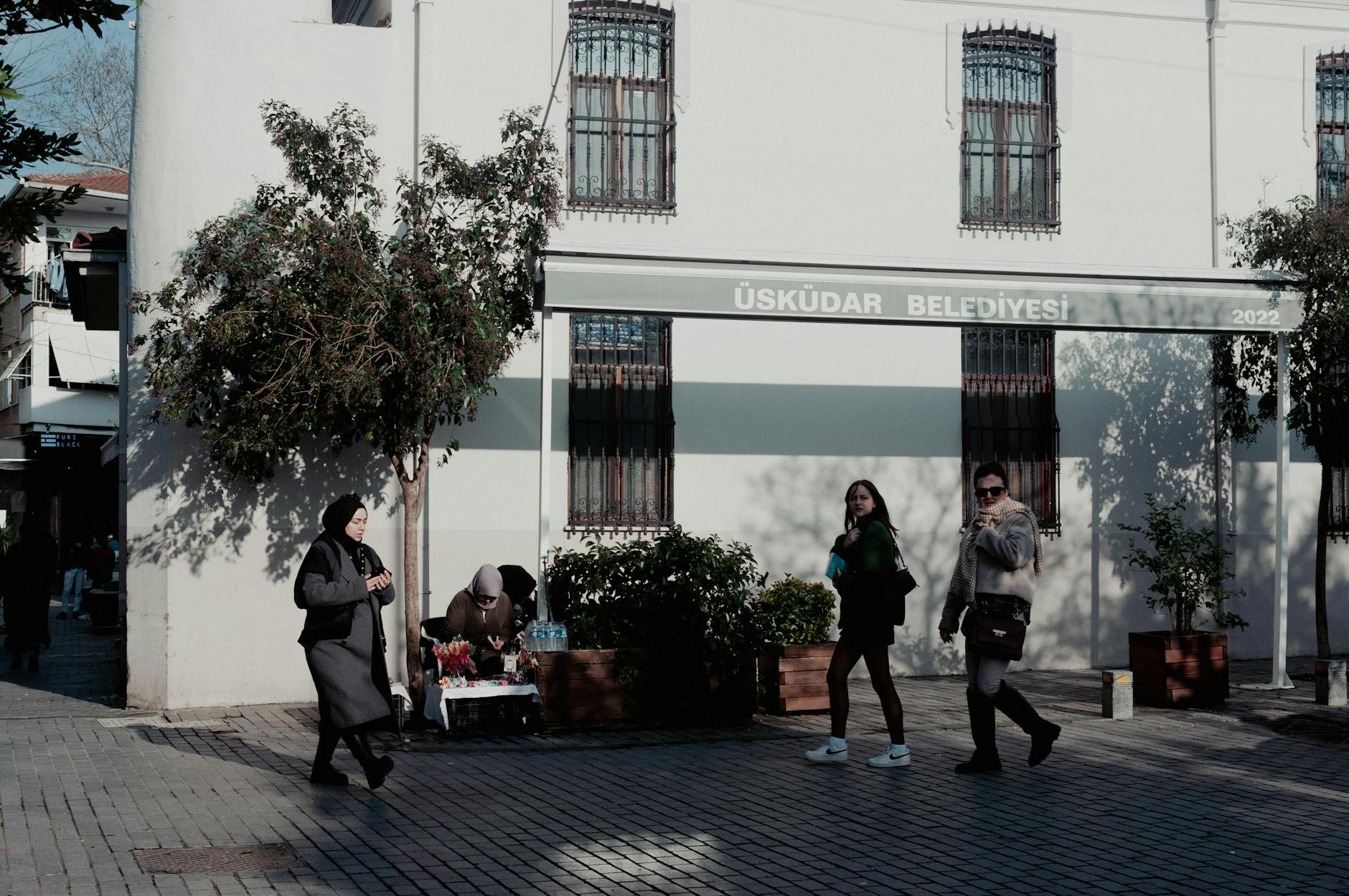
You’ll be tempted to follow the roar of the buses at Üsküdar Square, but that’s a rookie mistake if you’re looking for the soul of the Asian side. The square is a chaotic transit hub; your goal is to pierce through that noise as quickly as possible to reach the veins of the old city. I’ve spent fifteen years wandering these backstreets, and I still find the best way to lose the crowds is to head straight for the Mimar Sinan Hamamı. This 16th-century bathhouse isn’t just a monument; it’s your compass.
The traffic here can be unforgiving. Delivery motorcycles zip through alleys that look far too narrow for motorized vehicles—keep your ears open and stick to the sides of the stone-paved lanes. If you’re feeling a bit peckish before diving deep, skip the overpriced cafes on the waterfront. Find a small pide salon tucked behind the fish market. A crisp Lahmacun will set you back about 90 TL (roughly 2 USD), and it’s the fuel you need for the climb ahead. Don’t worry about getting perfectly lost; the minarets act as permanent North Stars. If you can see the sea, you’ve gone too far back; if the incline gets steep, you’re heading toward the hidden gems.
How to Navigate Üsküdar’s Backstreets
- Exit the Marmaray station and immediately turn your back to the Bosphorus, heading toward the visible dome of the Mimar Sinan Hamamı.
- Pivot right once you reach the hamam’s stone walls, entering the narrow, pedestrian-heavy bazaar streets where the car traffic finally dies down.
- Duck into the “Balıkçılar Çarşısı” (the local fish market) to witness the morning auction energy, but stay to the left to avoid the slippery wet floors.
- Cross the main artery of Hakimiyet-i Milliye Street only at the designated lights; drivers here treat yellow lights as a suggestion, not a command.
- Follow the winding uphill path of Uncular Avenue, which transitions from hardware shops to ancient mosque courtyards in a matter of meters.
The Imperial Grandeur of Yeni Valide
If you think the truly majestic Ottoman mosques are only found in Sultanahmet, you haven’t spent enough time on the Asian side Istanbul offers. While the European side boasts the scale, Üsküdar provides a sense of intimacy and “lived-in” history that the Fatih district often loses to the tourist crowds. The Yeni Valide Mosque is the neighborhood’s beating heart, and for me, it represents the pinnacle of the Lale Devri (Tulip Era)—a time when Ottoman art traded some of its military sternness for elegance, grace, and floral whimsy.
A Lesson in Ottoman Compassion
The architecture here isn’t just about projecting power; it’s about the details. You’ll see the influence of European baroque creeping into the traditional Islamic art, creating a style that feels lighter and more approachable than the massive, brooding structures of the 16th century. It’s the kind of place where you can sit on a marble step and actually hear yourself think. If you’re planning to continue your journey toward the colorful streets of the Kuzguncuk Walking Tour: Istanbul later in the afternoon, this courtyard is the best place to soak in the transition from imperial grandeur to village charm.
Berk’s Insider Tip: Look up at the eaves of the Yeni Valide Mosque. Those tiny stone ‘palaces’ are actually 18th-century birdhouses. It’s a beautiful testament to how the Ottomans viewed nature, and most people walk right past them.
Why do these birdhouses matter? Because they tell you everything you need to know about the local mindset of that era. These weren’t afterthoughts; they were architectural miniatures built with the same precision as the minarets. It’s a level of compassion for the smallest creatures that I still find moving, even after 15 years of living in this city. Is it as famous as the Blue Mosque? No. Is it more soulful? Absolutely.
Üsküdar Logistics: Costs and Timing
If you aren’t arriving in Üsküdar by boat, you’re doing it wrong. There is simply no better way to start an exploration of the Asian side of Istanbul than watching the Maiden’s Tower glide past from the deck of a Şehir Hatları ferry. It’s cheap, efficient, and keeps you out of the soul-crushing traffic on the bridges.
Timing the Tides
Timing is everything here. If you try to cross the Bosphorus between 8:00 and 9:30 in the morning, or return between 17:00 and 19:00, you’ll be sharing your personal space with thousands of commuters. It’s a bit of a squeeze, isn’t it? Aim for a 10:30 AM arrival. The markets are fully awake by then, the morning rush has dissipated, and the mosque courtyards retain a certain quietude before the noon prayer.
Managing Your Lira
You’ll need an Istanbulkart for everything. Don’t bother with single-use tickets; they’re a headache and a waste of money. A standard ferry crossing is roughly 23 TL (about 0.45 EUR). Once you’re on the Üsküdar waterfront, you’ll see rows of people sitting on cushions or stools. A glass of tea here will run you about 30 to 40 TL. Is it more expensive than a backstreet kıraathane? Sure. But you’re paying for that specific, salty breeze. It’s worth every kuruş.
Essential Cost Breakdown
| Item | Cost (Turkish Lira) | Cost (Approx. EUR) | Berk’s Insider Tip |
|---|---|---|---|
| Ferry (Istanbulkart) | 23 TL | 0.46 EUR | Tap your card at the turnstile; no need for cash. |
| Simit (Street Cart) | 15 TL | 0.30 EUR | Buy two—one for you, one for the seagulls. |
| Waterfront Tea | 35 TL | 0.70 EUR | Sit near the Şemsi Paşa Mosque for the best breeze. |
| Public Toilet (IBB) | 10 TL | 0.20 EUR | Look for the “Bay/Bayan” signs near the pier. |
One small frustration: the ticket machines (Biletmatik) at the piers can be finicky with large bills. Carry 50 or 100 TL notes to top up your card. Anything larger might be rejected, leaving you scrambling for change while your ferry pulls away. Believe me, I’ve been that guy—it’s not a great start to the day.
Conclusion
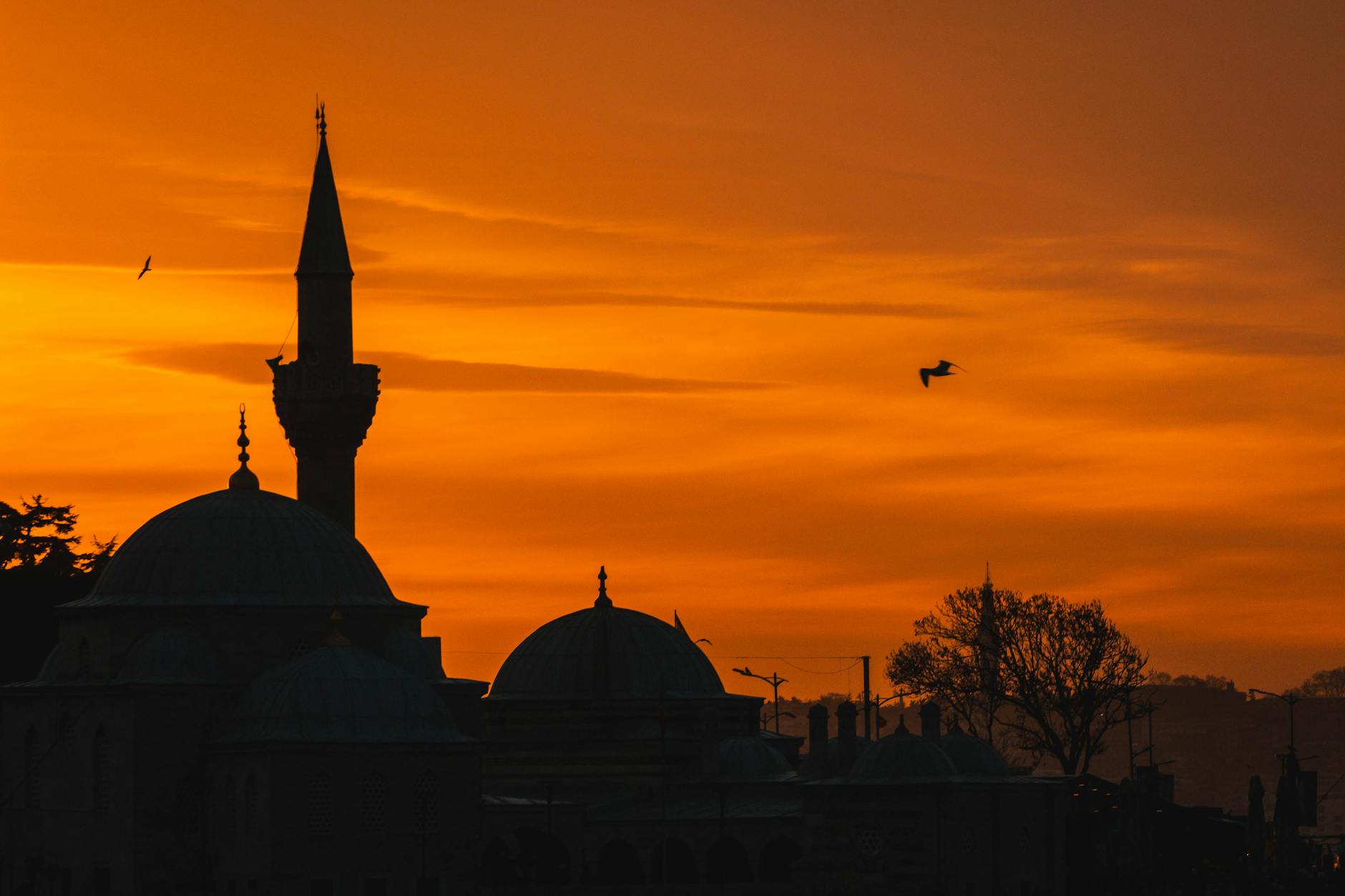
By the time you reach the Salacak shoreline, the frantic energy of the Üsküdar fish market starts to feel like a distant memory. I usually find a spot on the concrete steps—what we call the “cliffs”—just as the sky begins to bruise into shades of deep violet and burnt orange.
There’s a bit of a running joke among those of us who live on this side of the water: the Europeans have the history, but the Asians have the view. It’s true. If you’re standing in Sultanahmet, you’re looking at us, and let’s be honest, we aren’t nearly as pretty as the silhouette of the Hagia Sophia or the Topkapı Palace. To truly see Istanbul’s majesty, you have to leave it behind.
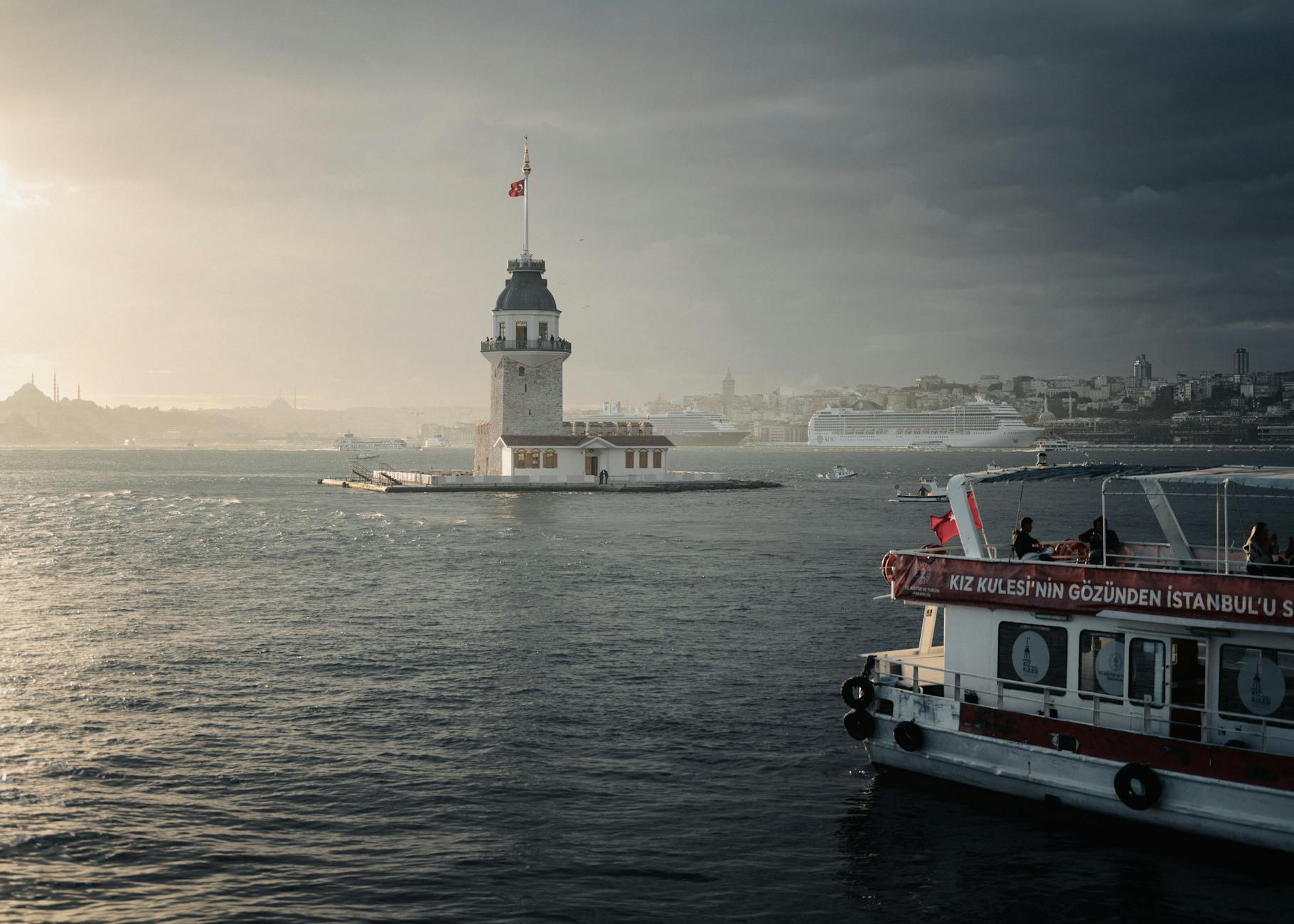
Grab a cardboard cup of tea from one of the vendors roaming the steps with their thermos flasks. It’ll cost you about 25 TL (around 0.50 EUR), and it’s the best investment you’ll make all day. As you sit there, watching the Maiden’s Tower hold its ground against the rushing Bosphorus currents, the scale of this city finally hits you. The European skyline is a jagged, glorious masterpiece of domes and minarets, and from here, it looks like a stage set designed for the setting sun.
Üsküdar is a district that doesn’t feel the need to perform for anyone. It doesn’t have the polished veneer of Karaköy or the frantic commercialism of Taksim. It’s a place that has watched empires crumble from across the water and simply kept its tea brewing. As the lights of the city begin to flicker on, reflecting in the dark water, you realize that while the rest of Istanbul is busy rushing into the future, Üsküdar remains exactly where it has always been—anchored, timeless, and perfectly content.