
Walking the Antique Alleys of Çukurcuma and the Neighborhood Cafes of Cihangir
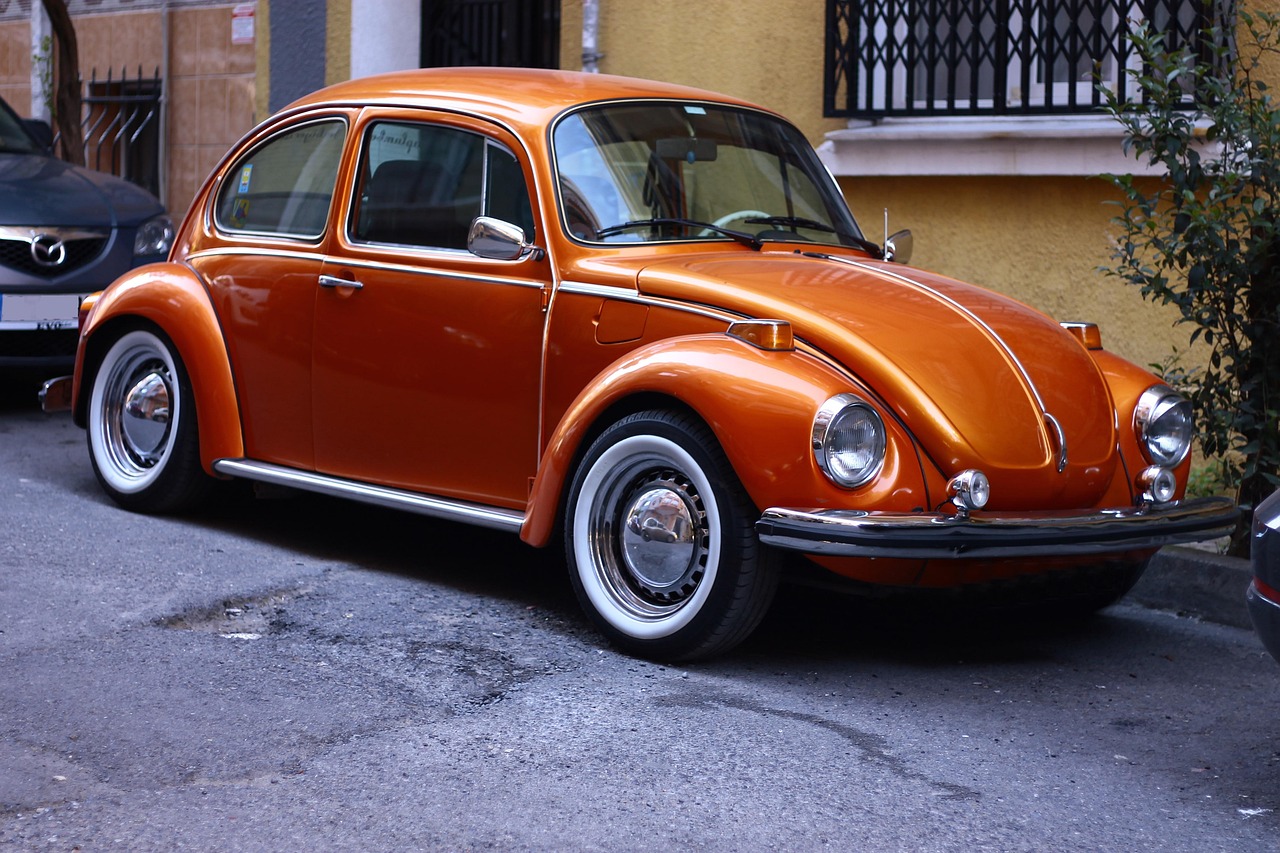
Every first-time visitor to Istanbul eventually gets trapped in the gravitational pull of Istiklal Avenue, a neon-lit river of people where I’ve spent half my life trying not to get elbowed. It’s an endurance test of sorts—a beautiful, loud, and frankly exhausting spectacle that everyone should see once before immediately fleeing for their sanity. But if you take a sharp left down almost any side street, the noise dies instantly, replaced by the scent of old paper and the rhythmic clink of tea glasses. Welcome to the only part of Beyoğlu that still feels like it belongs to us.
After fifteen years of navigating these hills, I’ve learned that the true soul of the city isn’t found in the grand monuments of the Sultanahmet skyline, but in the steep, winding alleys of Çukurcuma and Cihangir. Here, the stray cats have significantly more authority than the traffic police, and the shops don’t sell plastic magnets; they sell fragments of Ottoman history that someone’s grandmother finally decided to part with. It’s a bit of a labyrinth, and your calves will definitely feel the burn by the afternoon, but it’s the only place where you can still feel the lingering ghost of the old Pera.
Walking down these slopes requires a specific mindset. You have to be okay with getting a little lost and perhaps paying a premium for a third-wave coffee served in a space that used to be a Greek bakery. It’s the kind of neighborhood where a dusty gramophone in a shop window feels more relevant than the latest smartphone. If you’re looking for the glossy, air-conditioned version of Istanbul, you’re in the wrong zip code. But if you want to see where the local artists, the stubborn dreamers, and the serious collectors hide out, these cobblestones are exactly where you need to be.
The Descent into the Dusty Soul of Çukurcuma
If you think you’ve seen the “real” Istanbul while dodging crowds on Istiklal, you’re mistaken. The true heart of the city doesn’t beat on the main boulevards; it hums in the quiet, gravity-defying alleys that drop away from the Galatasaray High School gates. I’ve lived here for fifteen years, and I still find the transition jarring—one minute you’re in a sea of fast-fashion and the heavy smell of a Taksim Islak Burger, and the next, you’re descending into a silent world of wood rot, brass polish, and cat-naps.
From Grandeur to Grit
Leaving the main artery of Beyoğlu feels like stepping off a moving train. If you thought The frantic sweaty madness of my walk through Mahmutpaşa and Tahtakale was intense, these quiet slopes offer the opposite extreme. As the incline steepens, the Beyoğlu architecture shifts from commercial chaos to the faded elegance of 19th-century Levantine houses. This is the aesthetic of peeling paint and rusted wrought iron—a “shabby chic” that wasn’t designed by an interior decorator, but by decades of humid Marmara sea air and neglect. It’s beautiful, in a melancholy sort of way. You’ll see grand bay windows sagging just a few inches too far, and doorways that look like they haven’t been opened since the Republic was founded. My advice? Don’t look for “perfect.” The beauty here is in the cracks.
The City’s Attic
I always tell people that Çukurcuma is the collective attic of Istanbul. If you’ve lost something in this city—be it a silver spoon, a grainy photograph of a forgotten pasha, or your own sense of time—you’ll likely find it here. The antique district isn’t just for collectors; it’s for anyone who finds a pile of dusty glass doorknobs more interesting than a shopping mall.
The Cukurcuma shopping experience is remarkably slow. You aren’t “shopping” so much as you are excavating. You’ll see shopkeepers who look like they’ve been sitting in the same velvet armchair since 1984, drinking tea and waiting for someone to ask about a chipped Meissen plate. It’s charming, provided you aren’t in a rush. Just watch your step—these cobblestones were designed to test your ankles, and the hills are a genuine workout. If you aren’t wearing sneakers, you’re doing Beyoğlu walk wrong.
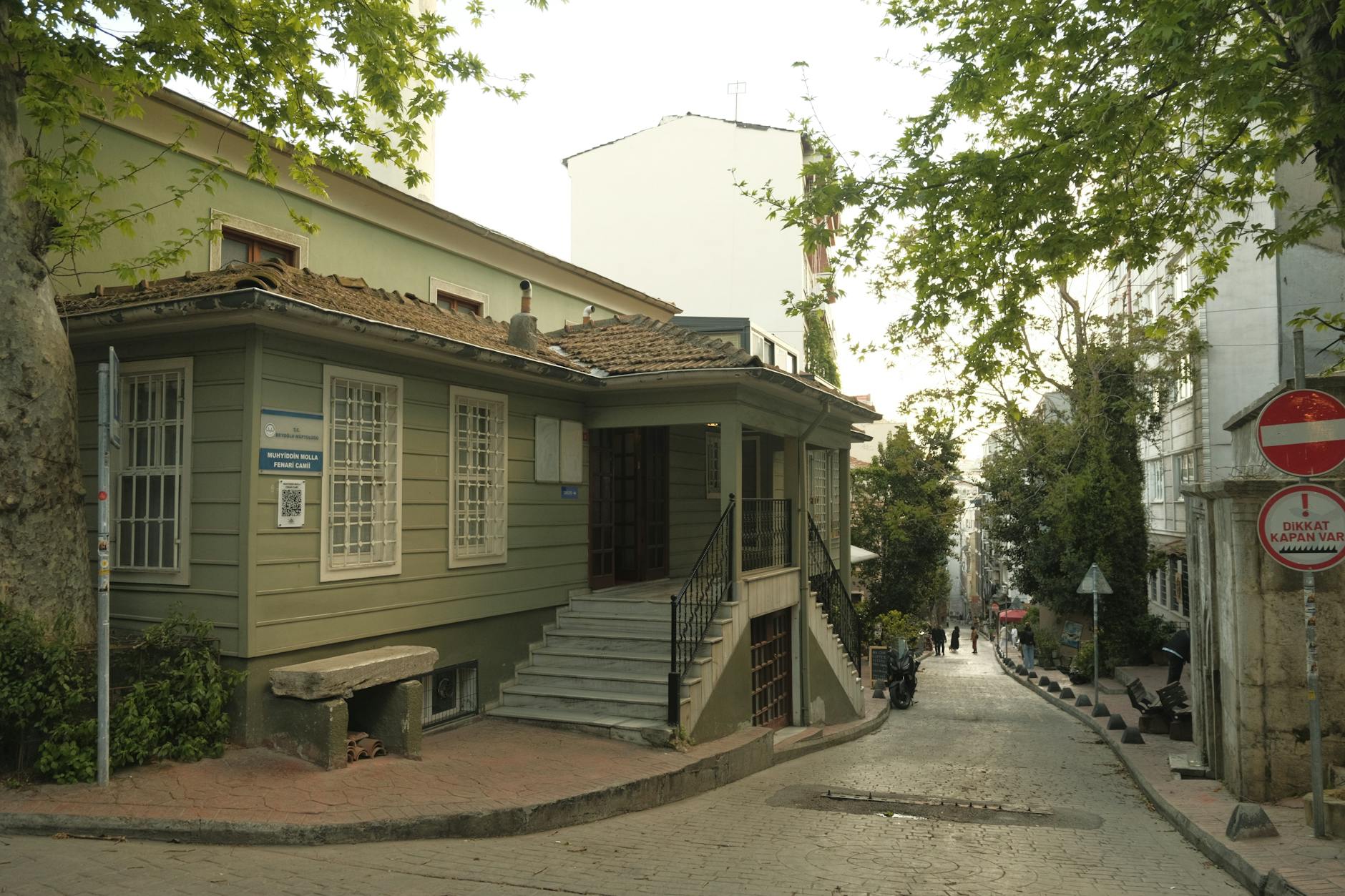
Curated Clutter: Navigating the Antique Shops
Walking into Çukurcuma isn’t just shopping; it’s a polite confrontation with a thousand ghosts. If you’re looking for a shiny, mass-produced souvenir, you’ve taken a wrong turn at İstiklal. Here, the dust is part of the price tag, and honestly? It’s worth every Lira. You’re not just buying an object; you’re buying the residue of an Istanbul that existed before the glass skyscrapers took over.
The Anatomy of a Çukurcuma Treasure
You need to develop a “filtered eye” here. Some shops are curated like high-end galleries, while others look like a storage unit exploded. Don’t be intimidated by the mess; the best stuff is usually hiding behind a stack of moth-eaten kilims.
- Heavy Ottoman Door Knockers: These are solid brass beasts. They’re heavy enough to put your suitcase over the weight limit, but nothing says “I’ve been to the East” like a hand-shaped clapper on your front door.
- 1970s Turkish Psych-Rock Vinyl: Look for names like Barış Manço or Selda Bağcan. It’s the sound of a very specific, groovy era of Istanbul, and finding an original press is a rite of passage for any serious collector.
- Anonymous Family Portraits: There is something hauntingly beautiful about buying a sepia-toned photo of a family you’ll never know. These 1920s snapshots from Pera are the ultimate conversation starters for a coffee table.
- Mid-Century Modern Glassware: Istanbul had a massive love affair with colorful glass in the 50s and 60s. Look for delicate tea sets that look like they belong on a Bond villain’s sideboard.
- Enamel Street Signs: These blue and white plates with old Ottoman-script street names are becoming rarer by the day, but they are the ultimate piece of “stolen” city history.
The Pamuk Effect and the Price of Nostalgia
We can’t talk about this neighborhood without mentioning Orhan Pamuk. When he opened the Museum of Innocence nearby, he effectively turned the entire district into a living extension of his novel. It’s poetic, sure, but it also signaled the end of the “bargain basement” era. Since then, Çukurcuma has leaned heavily into its “boutique” identity.
Pricing can be… creative. If a shop owner sees you checking your Rolex while admiring a rusty compass, the price will mysteriously jump 20%. It’s not a scam; it’s just the “discerning traveler tax.” Be prepared for prices that reflect the item’s soul rather than its utility. A beautiful 19th-century map might run you 9,000 TL (roughly 200 USD), and while it’s steep, you’re paying for the fact that it survived three fires and a revolution.
Berk’s Insider Tip: If you’re buying antiques, never accept the first price. A polite ‘This is beautiful, but a bit over my budget’ usually works better than aggressive haggling. Also, check if that ‘vintage’ lamp actually has a modern Turkish plug—a 500 TL (10 EUR) fix you’ll want to know about early.
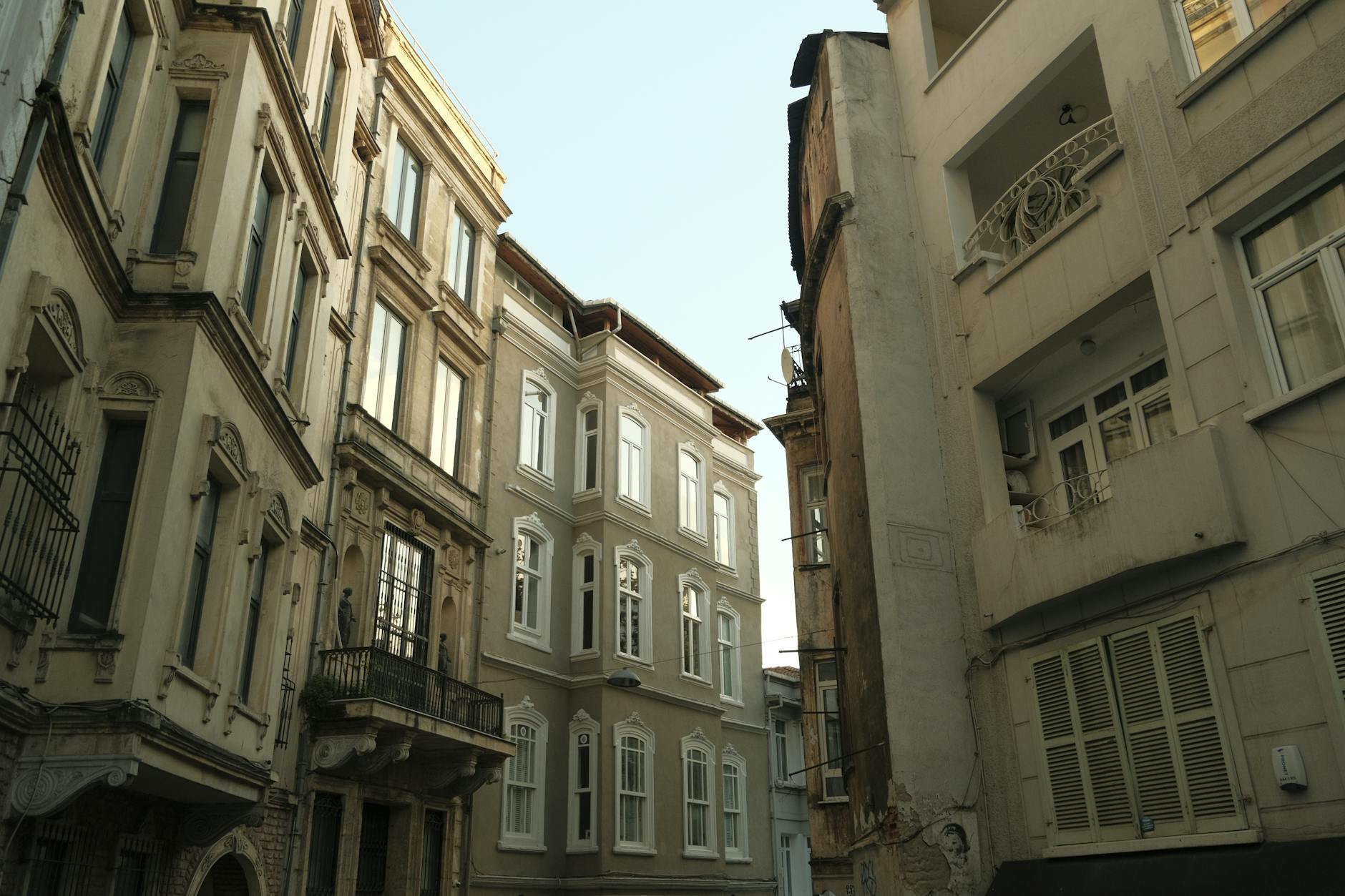
The Cihangir Transition: From Dust to Espresso
If the smell of beeswax and attic dust suddenly gives way to the aroma of high-end roasted beans and expensive cologne, you’ve officially crossed the invisible border into Cihangir. It is a seamless, almost jarring shift. One moment you are haggling over a rusted Ottoman key in Çukurcuma, and the next, you are dodging an actor in linen trousers rushing to a script reading. This isn’t just a neighborhood; it’s the headquarters of the Bohemian lifestyle in Istanbul.
The Local Republic of Cats
In Cihangir, the cat-to-human ratio is roughly three to one, and honestly, the felines have the better social lives. These aren’t just street animals; they are the true landlords of the district. Walk into any Cihangir coffee shop and you’ll likely find a ginger tabby occupying the best velvet armchair while the humans humbly crowd around a tiny stool. Don’t even think about moving them—you’ll get a look of pure aristocratic disdain that would make a sultan blush. It’s part of the charm. If you can’t handle a paw on your laptop, you’re in the wrong zip code.
Five Minutes from Chaos, a World Away
What keeps me here after 15 years in this city? The “village” vibe. Despite being a five-minute sprint from the madness of Taksim Square, Cihangir feels hermetically sealed from the urban roar. The center of gravity is the Firuzaga Mosque tea garden. It’s where everyone—from famous directors to the local grocer—sits on low stools to gossip. There’s a distinct lack of urgency here that can be frustrating if you’re in a rush, but it’s perfect if you want to understand the soul of Beyoğlu.
The morning ritual is sacred. To truly blend in, you need to master the art of the long morning; the neighborhood is practically the capital of Turkish Breakfast Guide: Istanbul. People spend hours over olives and tea, discussing politics or the latest gallery opening. The hills are steep and the sidewalks are narrow enough to make a goat nervous, but that’s the price of entry. Just wear comfortable shoes and leave your ego at the bottom of the hill. We’re all just guests in the cats’ republic, after all.
Coffee, Cats, and People-Watching
If you aren’t sitting at a tiny table for at least ninety minutes with a single espresso and a mildly judgmental expression, you aren’t really doing Cihangir. This neighborhood is effectively a giant, open-air theater where everyone is simultaneously the lead actor and the theater critic. It’s the undisputed capital of people-watching in Istanbul, fueled by a high-octane mix of caffeine and gossip.
The Great Caffeine Divide
Cihangir has been at the forefront of Istanbul’s third-wave coffee scene for over a decade. You’ll find meticulously roasted beans from single-origin farms served in ceramic cups that cost more than my first car’s radiator. Expect to pay around 135 TL ($3) for a flat white in these sleek, minimalist dens. However, the soul of the neighborhood still breathes through the steam of a traditional Turkish coffee. The modern cafes are for the digital nomads with their glowing MacBooks, but the old-school spots are where the real neighborhood plots are hatched.
Sitting at the Epicenter: Firuzağa Kahvesi
The undisputed throne of the neighborhood is Firuzağa Kahvesi, located right in the courtyard of the Firuzağa Mosque. It is nothing more than a collection of low stools and plastic chairs, yet it is the most prestigious real estate in the city for those who want to see “the scene.” There is an unspoken rule here: your seat is yours for as long as you want it. You can nurse a 30 TL ($0.65) tea for three hours while finishing a novel, and the waiters—who have seen everything from famous actors to runaway poets—won’t nudge you. Just don’t expect a plush sofa; it’s about the atmosphere, not the lumbar support. If the chatter gets too loud, I often head downhill toward the Galata Mevlevihanesi: Beyoğlu for a dose of historical silence.
Berk’s Insider Tip: Skip the ‘Instagrammable’ cafes with the pink flowers. Go to the ones where people are playing backgammon and the chairs look slightly uncomfortable. That’s where the coffee is actually hot and the prices don’t include a ‘scenic tax’.
Cihangir Coffee & Etiquette FAQ
How much should I expect to pay for coffee in Cihangir?
Prices vary wildly depending on the “vibe.” At a traditional tea house (Kıraathane) like Firuzağa, a tea is roughly 30 TL ($0.65) and a Turkish coffee is about 70 TL ($1.55). In the modern third-wave shops, expect to pay between 110 TL and 160 TL ($2.40 - $3.50) for specialty brews. Always check if the price includes a service charge, though in local spots, a small cash tip is more appreciated.
Is it okay to work on my laptop in Cihangir cafes?
In the third-wave specialty shops, it is practically mandatory. However, avoid bringing a laptop to the traditional tea houses or the crowded mosque-side cafes during peak weekend hours. Those spaces are reserved for conversation and backgammon. If you see people staring at you over their newspapers, it’s a sign that your “office setup” is killing the local neighborhood vibe.
What is the etiquette for staying at a table for a long time?
Istanbul cafe culture is very relaxed. Unlike in some Western cities, you won’t be handed the bill the moment you take your last sip. In Cihangir, “lingering” is a local sport. As a rule of thumb, if the cafe is completely full and people are waiting for tables, it’s polite to either order another drink or head out after two hours. Otherwise, feel free to stay as long as your book or conversation lasts.
Navigating the Hills without a Cardiac Event
Istanbul’s hills are a relentless mistress, and she doesn’t care about your step count. If you think your fitness tracker is exaggerating, spend twenty minutes traversing the vertical zigzag between Cihangir and Çukurcuma; it’s less of a Beyoglu walk and more of an urban mountaineering expedition. My best advice? Stop trying to fight the incline. Embrace the slow pace, use the frequent “staircase streets” as an excuse to stop and breathe, and for the love of all that is holy, do not do this in anything resembling a heel.
Timing is Everything
If you want to actually see the neighborhood rather than a sea of shoulders, avoid the “weekend warrior” crowds. From Friday night through Sunday evening, residents from the outer suburbs descend on Cihangir like a slow-moving tide. The narrow sidewalks become impassable, and getting a table at a decent café involves a level of negotiation usually reserved for international diplomacy. Visit on a Tuesday or Wednesday morning. The light is better for photos, the antique shop owners are more inclined to chat, and you won’t be constantly dodging stray selfie sticks.
The Downhill Escape
Once your legs have had enough, you face a choice: climb back up to the chaos of Istiklal or descend toward the water. I always recommend the latter. Heading down toward the Tophane tram station is significantly kinder to your knees and deposits you right at the T1 line. From there, you can easily hop on a tram back to Sultanahmet or Eminönü. It’s the perfect tactical retreat after a morning of heavy lifting in the antique shops.
After a day of conquering these slopes, you’ll likely be ready for a long, seated dinner. If you’re planning to reward your efforts with a table full of meze, have a look at my Istanbul Meyhane Guide: Rakı Etiquette & Local Secrets so you know exactly how to toast to your survival.
Berk’s Insider Tip: Wear shoes with serious grip. Beyoğlu’s cobblestones were designed by someone who clearly hated pedestrians, and when it rains, they turn into a marble skating rink.
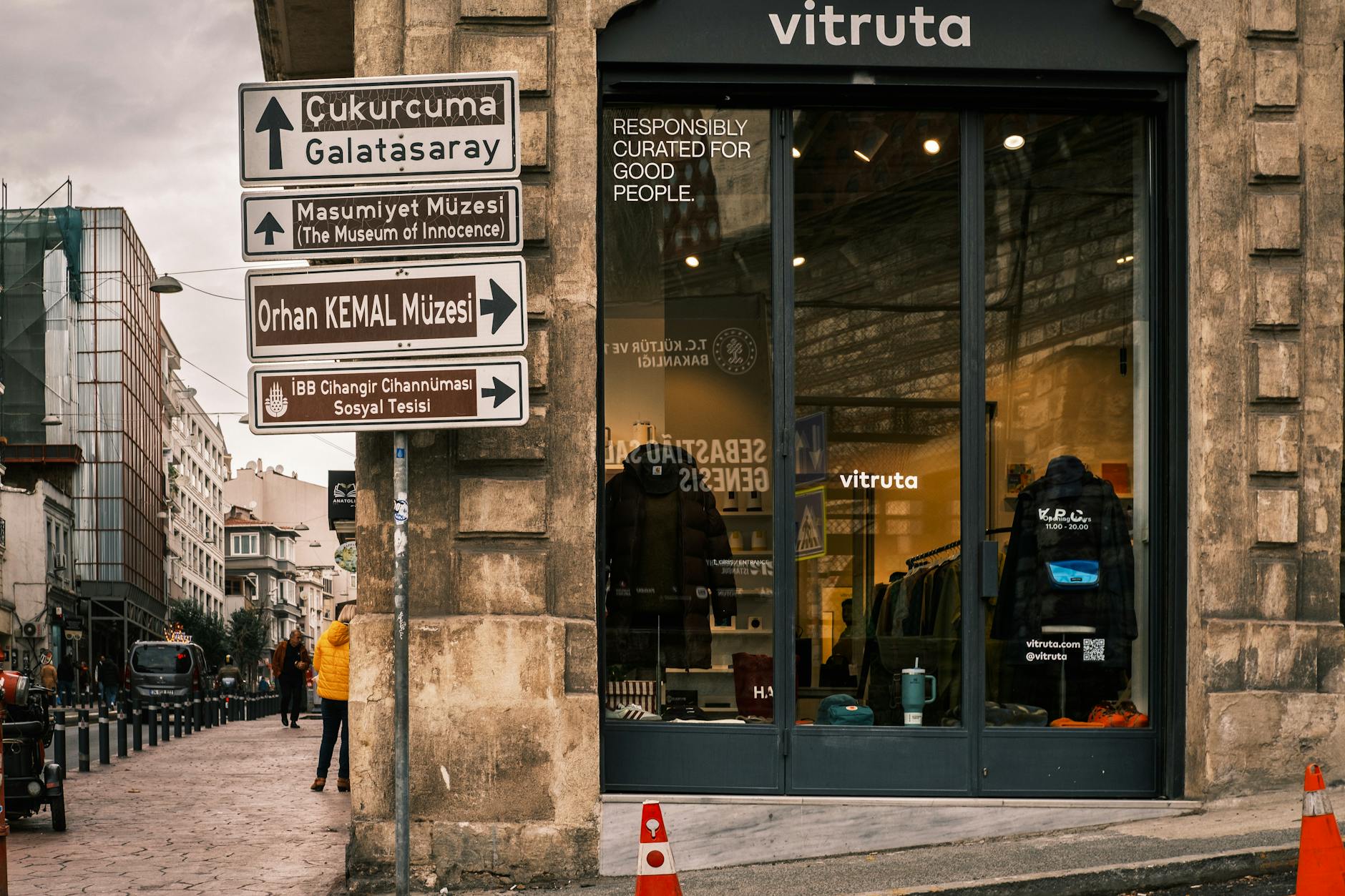
Conclusion
By the time you’ve navigated the zig-zagging inclines of Cihangir and sifted through the dusty curios of Çukurcuma, you aren’t just a visitor who survived a few hills—you’ve essentially performed a bit of urban archaeology. These neighborhoods don’t care about being polished for a postcard; they are a chaotic, beautiful heap of mid-century aesthetics and Ottoman ghosts. You didn’t come here to buy a mass-produced trinket; you came to see how Istanbul manages to be both a crumbling museum and a caffeinated, modern beast at the same time.
Your legs might be protesting the sheer verticality of it all—believe me, even after 15 years, these cobblestones still try to humble my calves—but the hard labor is officially over. The sun is dipping low over the Golden Horn, and the shadows are stretching across the narrow alleys. There is only one logical way to reward that effort. Find a small table at a side-street meyhane, order some chilled meze, and let someone pour you a glass of Rakı. You’ve earned the slow, cloudy sip of the city’s favorite spirit. Just remember: the first glass is for the history you just walked through, and the second is to help you forget how many stairs you’ll have to climb tomorrow.
Comments
Share your thoughts with us