
The frantic sweaty madness of my walk through Mahmutpaşa and Tahtakale
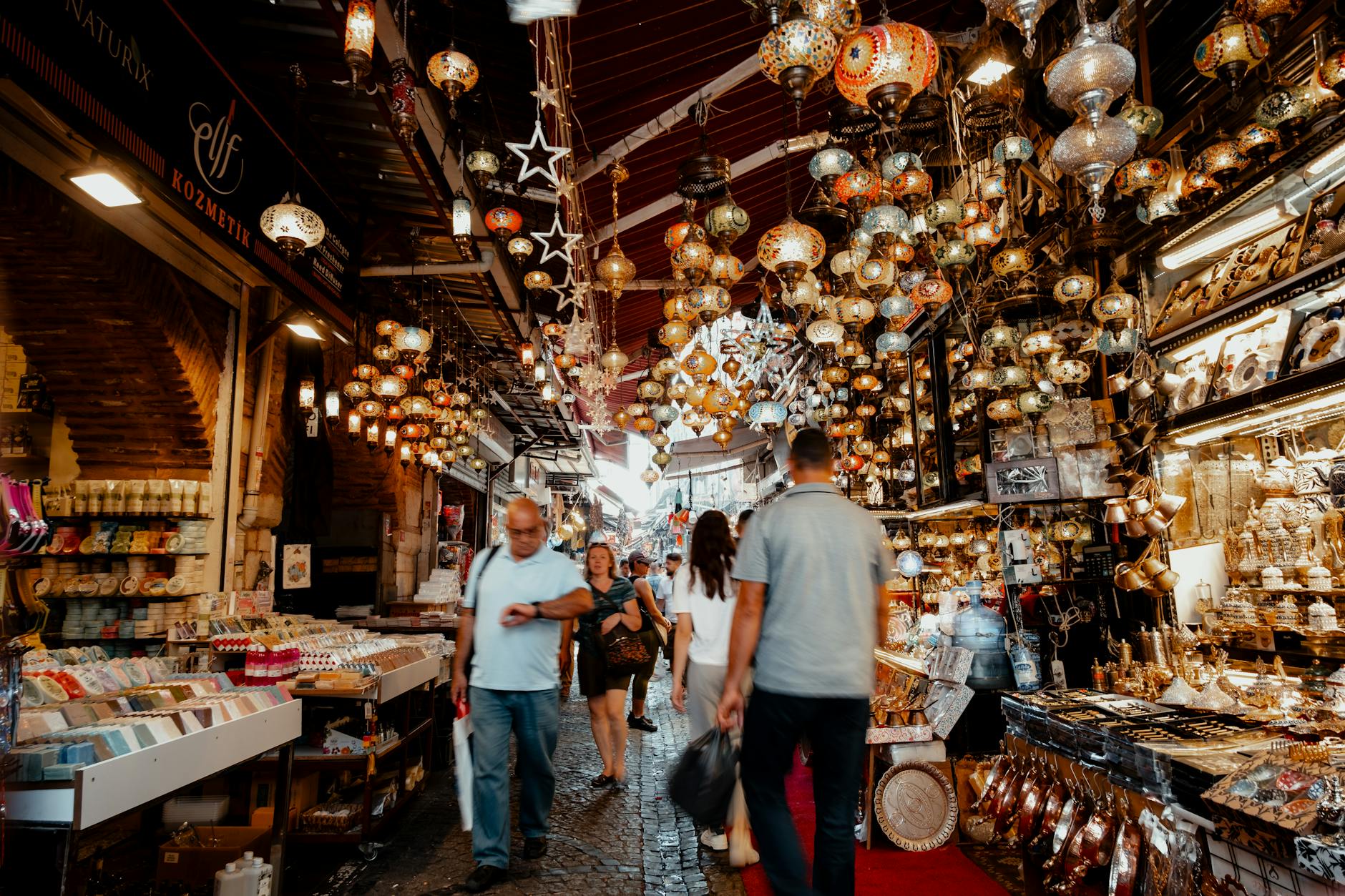
My shirt is glued to my spine. It’s 32 degrees, the humidity is a physical weight, and I just got shoulder-checked by a hammal—a porter—hauling a stack of boxes three times his size on his back. Welcome to Mahmutpaşa on a Tuesday. If you’re looking for those “peaceful” corners or the sanitized tea gardens from the brochures, turn around. Go back to Sultanahmet.
This place is a fistfight for space. It smells like diesel fumes, cheap plastic, and the heavy, greasy scent of fried dough hitting hot oil. My head is throbbing from the screaming—vendors hollering prices for polyester lace and knock-off sneakers like it’s a life-or-death situation. I’ve lived in this city for fifteen years and the backstreets of Eminönü still make me want to swear out loud. But I love it. It’s ugly. It’s raw. It’s the unwashed heart of the city that hasn’t been scrubbed clean for the cruise ship crowds yet. Most tourists can’t stand the noise. I think the noise is the point. You aren’t visiting Istanbul here. You’re surviving it. Just stay out of the way of the guys carrying fridges. Seriously. They won’t stop for you.
Getting to the Eminönü backstreets
If you value your personal space and your sanity, do not—under any circumstances—take the tram all the way to the Eminönü stop. It’s a death trap for your mood. I’ve lived in this city for 15 years, and I can tell you that the transit hub at Eminönü is where my patience goes to die. Every. Single. Time.
The T1 Tram is basically a rolling metal sardine can. It’s packed with tourists clutching their bags like they’re in a war zone and locals who are just too tired to care about your toes. I hate it. Last Tuesday, I made the mistake of staying on until the Eminönü station, and I spent 10 minutes just trying to peel myself off a window. If you want to understand the public transport mess here, just look at the faces of people waiting on that platform. Pure misery.
The Sirkeci Strategy
The smart move? Get off at Sirkeci Station. It’s just one stop before the main Chaos zone, and it saves you at least 20 minutes of shoving through the crowds at the main square. I always jump off here. The air is slightly—and I mean slightly—better. You walk past the grand old post office, which is actually a cool building if you can ignore the trash piles on the corner, and you enter the Eminönü backstreets from the side. It’s a flanking maneuver. It’s tactical.
From Sirkeci, the walk is maybe 8 or 10 minutes. You’ll pass guys selling knock-off perfume and street food that I wouldn’t touch if I was starving, but at least you aren’t stuck in the middle of a 500-person bottleneck. Why would anyone want to be stuck in that? Seriously.
Avoiding the Flower Market Trap
Whatever you do, don’t try to enter the Mahmutpaşa area through the main gate next to the Spice Market or the flower stalls. That entrance is a joke. It’s a funnel for every tour group in the city. You’ll be stuck behind a guy from Nebraska taking 40 photos of a pigeon while 50 guys with giant hand-carts are screaming “Destur!” (that means “get out of the way” or “watch out” but usually sounds like a threat).
The smell near the flower market is a weird mix of damp soil, rotting fish from the Galata Bridge stalls, and diesel fumes. It’s not “atmospheric.” It’s gross. I usually take the side alleys near the stationery shops. It’s steeper, my knees usually hurt by the top, and the pavement is uneven enough to break an ankle, but it’s real. You see the guys hauling rolls of fabric, the tea runners sprinting with their trays, and the shopkeepers arguing over the price of plastic buckets.
I remember once trying to be a “good tour guide” for a friend and taking the “easy” route through the main square. We got stuck for 15 minutes behind a literal wall of people waiting for a bus. The heat was bouncing off the asphalt, my shirt was stuck to my back, and some guy accidentally hit me with a giant bag of sponges. Never again. Use your head. Take the back way.
The Mahmutpaşa Yokuşu climb
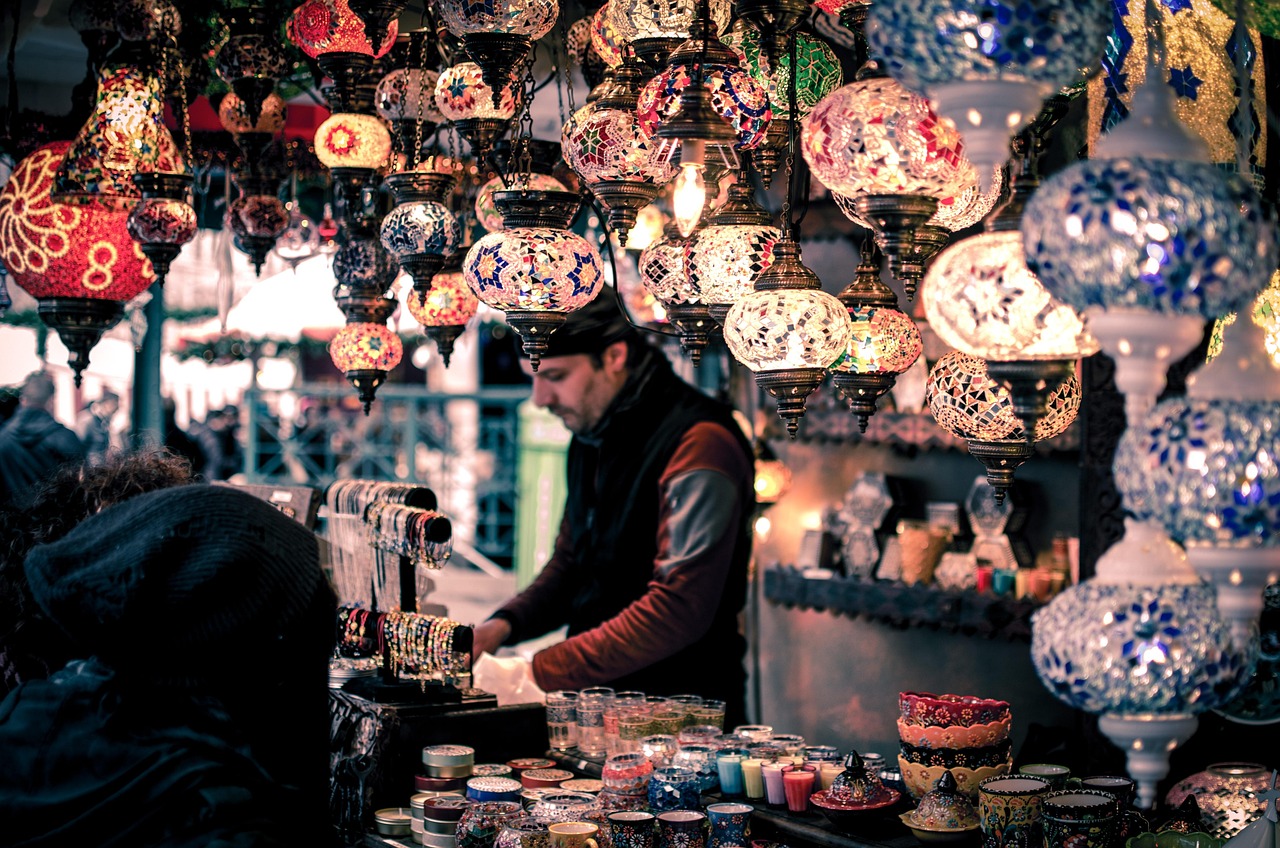
If you have bad knees or a low tolerance for being elbowed by a grandmother hunting for cheap lace, stay away from Mahmutpaşa Yokuşu. This isn’t a “stroll.” It’s a vertical gauntlet. I’ve lived in this city for 15 years, and every time I find myself at the bottom of this slope looking up, I feel a physical wave of dread. It’s steep, it’s slick with who-knows-what, and it smells like a mix of diesel exhaust and the overly sweet scent of knock-off perfume. You don’t walk up this hill; you survive it.
The glittery, synthetic horror of the shopfronts
Every time I hike up this Yokuş, I’m assaulted by the sight of the wedding dresses. These aren’t the elegant silks you’d find in Nişantaşı. No. These are massive, architectural monuments to polyester and sequins. They hang from the ceilings like giant, glowing ghosts. I find them hideous. But for half of Turkey and most of the Balkans, this is the mecca of Turkish Textiles.
The shops are packed tight. It’s Wholesale madness. You’ll see guys dragging bags of lace that weigh more than I do. The sheer volume of white lace and synthetic “satin” is enough to give you a migraine. I once saw a guy try to negotiate for 50 identical circumcisions suits—those little prince outfits kids wear—while a stray cat was literally sleeping on a pile of pashminas. Nobody cared. The shopkeeper just kept shouting prices into his phone. It’s loud. It’s ugly. It’s completely real.
The physics of the ‘Hamal’
The most dangerous thing on this hill isn’t the pickpockets or the scammers. It’s the Hamal. These guys are the human forklifts of the street markets. They carry massive wooden saddles on their backs, piled two meters high with boxes of fabric or kitchen supplies. They have calves the size of my torso and zero patience for your sightseeing.
I almost got leveled by one last Tuesday. I was distracted by a particularly garish display of neon underwear, and I didn’t hear him coming. If you don’t move, they will walk through you. Literally. They are part of a centuries-old guild system that shouldn’t exist in 2024, yet here they are, sweating through their shirts and keeping the entire economy of Eminönü moving on their spines.
Berk’s Insider Tip: If a porter yells ‘Destur!’ get out of the way immediately. He won’t stop, and his load weighs more than your car.
Why do we put ourselves through this?
You might ask why I even bother coming here. I ask myself that every ten steps. My shirt is usually stuck to my back by the time I’m halfway up. The noise is a constant roar of “Buyur abi!” and the screech of metal carts on uneven stone. It’s exhausting. But there’s a grit here that you won’t find in those sterile malls in Levent.
In Mahmutpaşa, you see the gears of the city grinding. You see the trash piling up in the corners—plastic wrap, discarded simit bags, cigarette butts—and you realize this is the stomach of Istanbul. It’s where things are bought, sold, and hauled. It’s dirty, it’s rude, and the tea they serve you in the shops is usually bitter enough to strip paint. I love it and I hate it. Mostly I hate the climb.
| Feature | Mahmutpaşa Yokuşu | A Modern Istanbul Mall |
|---|---|---|
| Incline | 45 degrees of pain | Flat, boring marble |
| Air Quality | Exhaust and grilled liver | Filtered, scent-marketed air |
| Price | Cheap if you can haggle | Fixed and overpriced |
| Danger Level | High (Death by Hamal) | Low (Slipping on floor wax) |
| Authenticity | 100% Grimy Reality | 0% Plastic Simulation |
The “Discount” Illusion
Everything here is “cheap,” or so they claim. I’ve seen tourists get excited about a 20-lira scarf that falls apart the moment it touches water. My advice? Don’t buy the first thing you see. The climb is designed to wear you down so you’ll buy anything just to have an excuse to stop walking.
I watched a group of people from some cruise ship yesterday looking absolutely terrified. They were clutching their designer bags like they were in a war zone. I wanted to tell them to relax, but then a guy pushed past me with a rack of 200 leather jackets and I had to jump into a doorway filled with plastic buckets to avoid losing an arm. That’s the Mahmutpaşa experience. It doesn’t care about your personal space. It doesn’t care if you’re tired. It just keeps moving, sweaty and frantic, until the sun goes down and the shutters slam shut. Seriously, wear shoes with grip. You’ll need them.
Tahtakale: The engine room of the city
Tahtakale is the unfiltered, ugly heart of Istanbul’s commerce and I absolutely love how much it doesn’t give a damn about your vacation photos. If the Grand Bazaar is the city’s jewelry box—overpriced, polished, and full of guys trying to sell you a “magic” carpet—then Tahtakale is the grease-stained engine room. It’s loud. It’s crowded. It’s 100% real. I’ve lived here for 15 years and I still get a minor panic attack every time I try to navigate these narrow slopes.
The chaos starts the second you leave the spice-heavy air of the Mısır Çarşısı behind. You cross a literal threshold of madness. One minute you’re smelling cinnamon and expensive saffron; the next, you’re hit with the acrid, chemical punch of plastic heaven. I’m talking about rows and rows of shops stacked to the ceiling with plastic tubs, buckets, and laundry baskets that smell like a tire fire in a Tupperware factory. It’s a sensory slap in the face.
Why this is the anti-Grand Bazaar
I hate the Grand Bazaar. There, I said it. It’s a theater production for tourists. Tahtakale, however, is where the actual city gets its work done. You won’t find 100-year-old antiques here. You’ll find 10,000 cheap Chinese-made screwdrivers, 500 different types of lightbulbs, and more wholesale goods than you can count.
I remember trying to buy a single frying pan here once. The guy looked at me like I had two heads. He didn’t want to sell me one pan; he wanted to sell me 40. That’s the rule. If you aren’t buying in bulk, you’re basically an obstacle. I’ve been shoved aside by hamals—those guys with the massive leather saddles on their backs—carrying literal mountains of cardboard boxes. They don’t say “excuse me.” They grunt. You move or you get flattened. 200 kilos of kitchenware doesn’t stop for a selfie.
The sensory overload of the toy district
If you think the plastic smell was bad, wait until you hit the toy section. It’s a fever dream. Imagine 50 shops all testing battery-operated plastic dolls that scream, beep, or sing off-key versions of pop songs at the same time. It’s a cacophony that makes my teeth ache.
The ground is usually slick with some kind of mystery liquid—probably spilled tea or condensation from the 100% humidity—and the air is thick with the smell of cheap batteries and industrial glue. It’s a grit you can feel on your skin. I saw a kid crying because his dad wouldn’t buy him a neon-green plastic submachine gun, and honestly, I felt like crying too, mostly because the heat was 35 degrees and a guy with a cart full of simit just ran over my toe.
Finding the silence
Just when you think your head is going to explode from the noise of the street markets, there’s an escape. Most people walk right past the tiny, nondescript stairs leading up from the street. I always take them.
I duck into the Rustem Pasha Mosque to stop my ears from ringing. It is the absolute antithesis of the madness below. One minute you’re being shouted at by a guy selling 5-lira socks, and the next, you’re surrounded by the most incredible blue tiles you’ve ever seen. The silence is heavy. It’s thick. It’s the only thing that keeps me sane after 2 hours in Tahtakale.
The contrast is jarring. Outside: the smell of exhaust and cheap plastic. Inside: the faint scent of old wood and history. It’s a reminder that Istanbul isn’t just one thing. It’s a mess of contradictions that somehow works.
Don’t come here looking for a “charming” afternoon. Come here because you want to see the gears of the city turning. Just wear shoes you don’t mind getting dirty. Seriously.
What to eat when you’re exhausted
Do not, under any circumstances, sit down for a fish sandwich at those gaudy, rocking boats by the Galata Bridge. I mean it. If you want to feel like a total amateur while chewing on frozen mackerel imported from Norway, be my guest. But don’t tell me I didn’t warn you. Those places are a circus of tourist misery. You’ll be shoved into a plastic chair, ignored by a guy in a fake Ottoman costume, and served soggy bread while the smell of diesel fumes competes with the fish. It’s a hard pass from me. Every single time.
When I’ve spent 3 hours dodging handcarts and getting elbowed by aunties in the Eminonu backstreets, I want real fuel. I want something that hasn’t been designed for a postcard.
The Esnaf Lokantası: Where the actual work gets done
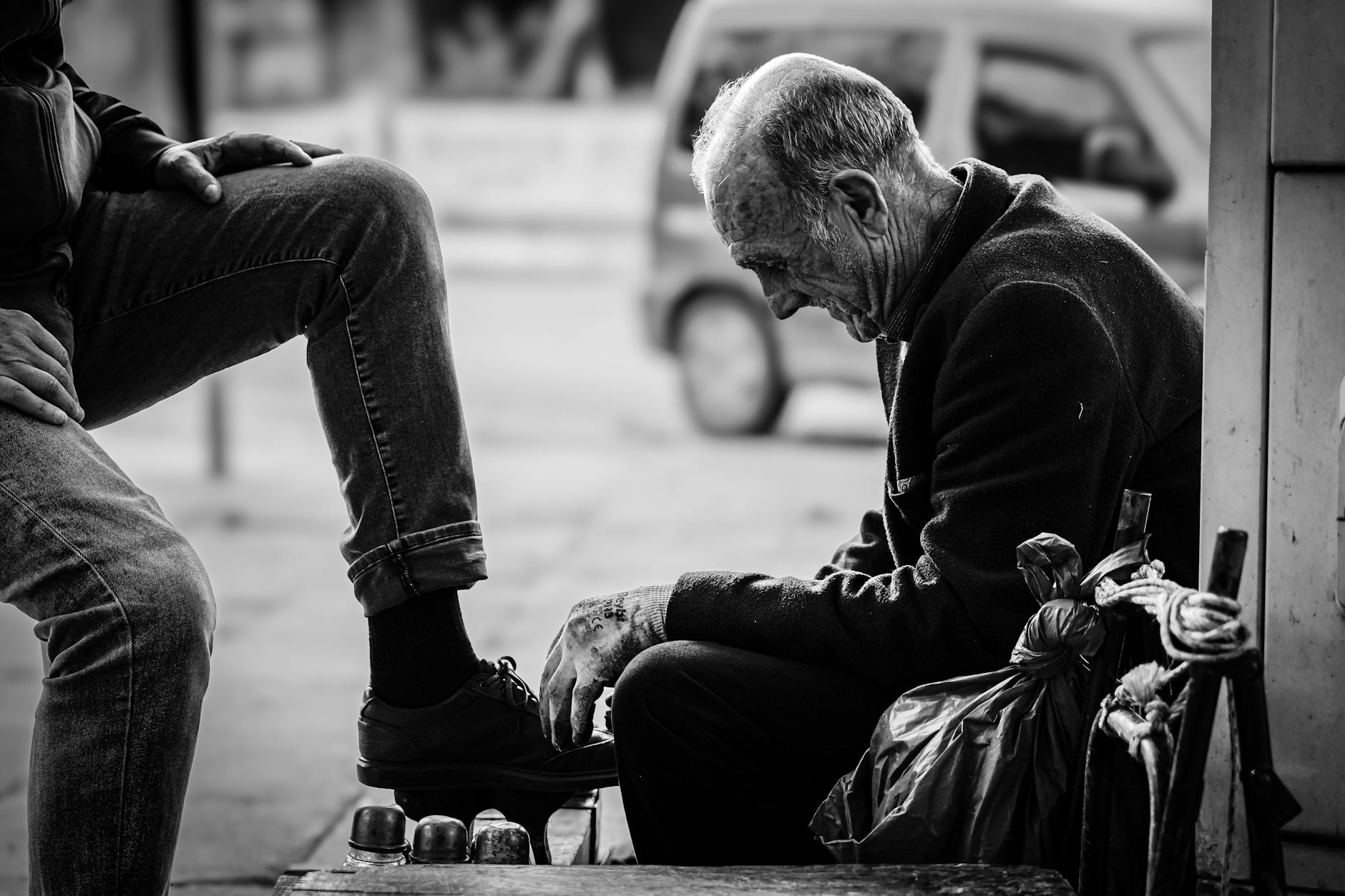
If you see a place where men in dusty aprons and suits are sitting side-by-side hunched over steaming plates, you’ve found an Esnaf Lokantası. This is the “tradesman restaurant.” It isn’t about the decor. The lighting is usually fluorescent and depressing. The waiters are often grumpy and move at the speed of light. They don’t have time for your questions about gluten.
My go-to is always a massive plate of Nohut Pilav. It’s just chickpeas and buttery rice, but when it’s done right, it’s life-changing. 15 years in this city and I still think a good pile of rice is better than any fine-dining steak. You need to wash it down with a cold Ayran. Don’t get the bottled stuff; ask if they have it açık—open and frothy. I once saw a tourist try to drink it with a straw. I almost cried. Use the glass. Get the foam on your lip.
Greasy glory on a vertical spit
Then there’s the döner. Not the sad, gray meat-shavings you find in London or Berlin. I’m talking about the real deal in Tahtakale. You want the place where the fat is literally dripping off the spit and the cook is shaving off slices so thin they’re almost translucent. It’s salty, it’s heavy, and it’ll probably ruin your shirt.
I have a specific spot near the spice market entrance. No name worth remembering, just a hole in the wall. The guy behind the counter looks like he hasn’t slept since 1994. He doesn’t smile. He just hacks away at the meat. That’s the guy you trust.
Here is what you look for to avoid a food disaster:
- The Queue: If it’s 12:30 PM and the place is empty, keep walking. Locals know.
- The Bread: It should be slightly charred from the grill, not pulled out of a plastic bag.
- The Attitude: If the waiter is too nice, he’s probably trying to overcharge you. You want professional indifference.
- The Table: If it’s covered in a fancy cloth, you’re in the wrong place. Give me oilcloth or bare wood any day.
The scent of Kurukahveci Mehmet Efendi
You’ll smell it before you see it. That roasted, nutty aroma that defines the air around the Spice Bazaar. The line for Kurukahveci Mehmet Efendi is usually 20 people deep, snaking around the corner. Is it the best coffee in the world? Maybe not. But the theater of it is unbeatable. I usually stand in that line just to watch the precision of the paper-bag folding. It’s like a machine.
I remember waiting there last July in 35-degree heat. I was sweating through my shirt, some guy with a massive box of cheap toys nearly knocked me over, and the exhaust from a nearby delivery truck was choking me. But then, I got to the window, handed over my liras, and got that warm bag of freshly ground beans. Worth it? Absolutely. Just don’t expect a seat. You buy, you move. That’s the rule of the street.
Berk’s Insider Tip: The best coffee isn’t inside a shop; it’s the one you buy from the guy with the brass samovar on the street corner. Just drink it and don’t ask about the water source.
If you’re still standing after all that, you’re doing better than most. Grab a stool, ignore the noise of the shouting vendors, and just eat. The city is loud, it’s dirty, and it’s exhausting, but God, the food makes up for the madness.
Surviving the crowd and the noise
You have to accept that you are going to be touched, bumped, and sweat on by at least 50 strangers before you even reach the middle of Mahmutpaşa. If the thought of a stranger’s damp shoulder rubbing against yours makes you nauseous, just don’t go. Seriously. Stay in some sanitized mall and leave the real city to the rest of us.
Tahtakale isn’t some curated museum exhibit; it’s a frantic, grease-slicked engine of commerce that has been running for centuries without your permission. It smells like heavy exhaust, stale tobacco, and cheap plastic toys melting in the sun. My first time navigating these slopes 15 years ago, I felt like I was drowning in a sea of polyester and shouting men. The noise is a constant, jagged wall. You’ll hear the clatter of iron-wheeled handcarts—the çekçek—long before you see them. If you hear a guy yelling “Destur!” or “Varda!”, move your feet. He won’t stop. He can’t. He’s carrying 80 kilos of Turkish towels on his back and his knees are likely about to give out.
The “Pushy” Seller Myth
I’m tired of hearing tourists complain about pushy sellers. In Tahtakale, they aren’t pushy; they are busy. They don’t have the time to lure you in with apple tea and talk about your carpet preferences. These guys are moving massive volume. I once watched a shopkeeper in Mahmutpaşa ignore a guy for 10 minutes because he was busy arguing with a wholesaler over the price of 500 bathrobes. If you want something, point, ask the price, pay, and get out. Don’t haggle over 5 Lira. It’s pathetic and they’ll just roll their eyes at you while you’re standing in the way of a guy delivering 300 kilos of coffee.
Berk’s Insider Tip: Never go on a Saturday afternoon unless you enjoy being part of a human stampede. Tuesday morning is the only time for sane people.
Emotional Crowd Management
Handling the stress of these high-density areas is mostly about your own headspace. Don’t fight the flow. If the mass of bodies is moving toward Eminönü, you go with them. I once tried to walk against the current near the spice market entrance on a Friday. Big mistake. I ended up pinned against a wall smelling of damp wool and old cigarettes for 5 minutes while a delivery van tried to squeeze through a gap built for a donkey.
The Exit Strategy
By the time I hit the bottom of the hill, my head is usually throbbing from the sheer friction of the city. The air near the Golden Horn is thick with the smell of frying fish and diesel fumes. The crowd management here is nonexistent; it’s just survival of the fastest. My ritual is always the same: I dodge the scammers selling “genuine” perfume on the sidewalk and head straight for the pier.
There is no better medicine for the Tahtakale headache than jumping on a Bosphorus ferry. The moment the boat pulls away from the dock and that cold, salty wind hits your face, the chaos behind you vanishes. I usually grab a tea from the canteen—it’s usually over-steeped and bitter, but I don’t care. Looking back at the gray, chaotic silhouette of the city from the water makes the 2 hours of being shoved around worth it. Almost.
How to plan your walk through Mahmutpaşa and Tahtakale
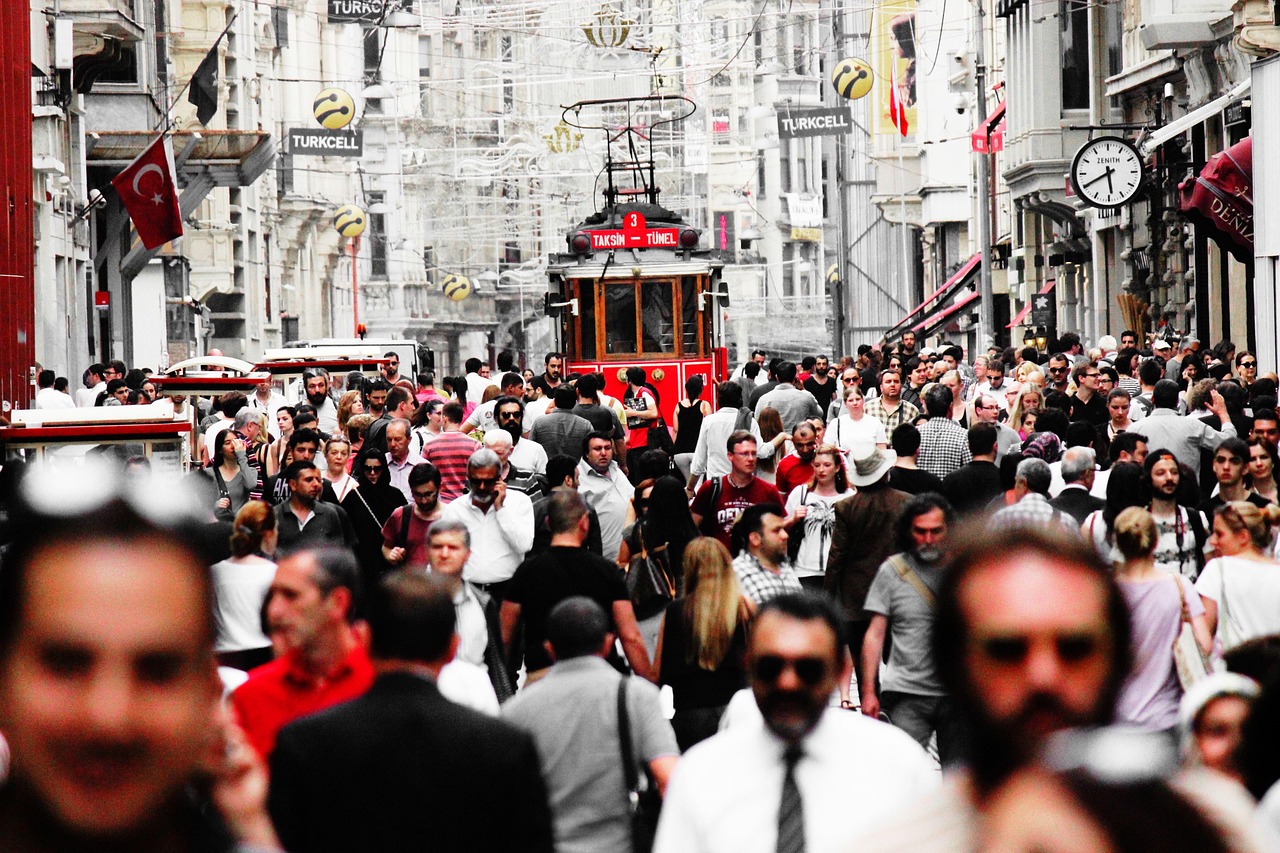
If you show up in Mahmutpaşa on a Sunday, you’re an absolute idiot. It’s a graveyard. Stone-cold dead. The heavy metal shutters are slammed shut, the tea shops are locked, and the only thing you’ll see is a stray cat sniffing a discarded, greasy kebab wrapper. I made this mistake once when I first moved here 15 years ago. I stood there in the silence of the empty stone alleys feeling like a total amateur. Don’t be me.
When should I actually go?
Go on a Tuesday or Wednesday. Those are the sweet spots. Start around 10:00 AM. Any earlier and the shopkeepers are still grumpy, hacking up smoke, and nursing their first glass of tea. Any later and the heat starts to bake the asphalt. By 2:00 PM, the smell of cheap plastic, sweat, and frying oil becomes a physical weight. I usually get a massive headache if I stay past 3:00 PM. The noise alone—guys screaming about “indirim” (discount) and the constant, bone-shaking rattle of iron freight carts—will melt your brain. Everything starts wrapping up by 6:00 PM. After that, the street markets turn into a trash-strewn wasteland.
Is it actually safe?
People ask me this constantly. “Berk, will I get mugged?” No. Probably not. You won’t get held up at knifepoint. But you will get your pocket picked if you’re walking around like a clueless tourist with a giant map and your backpack dangling off your shoulders. Wear your bag on your front. I’m serious. I saw a guy lose his wallet in about 3 seconds near a spice stall last month. He didn’t even notice until he went to buy a simit.
The biggest physical danger is honestly getting flattened by a “hamal.” These are the guys carrying a mountain of 80-kilo boxes on their backs. They don’t stop. They can’t stop. They shout “Destur!” which basically means “Move or get crushed.” Move. Fast. I’ve been clipped by a wooden pallet before; it hurts like hell.
How do I bargain without being a total jerk?
Listen, Tahtakale isn’t the Grand Bazaar. These guys aren’t selling fake silk carpets to retirees from cruise ships. They are selling 500 pairs of socks or 20 kilos of coffee to small business owners from Anatolia. If you’re buying 1 cheap t-shirt, don’t expect a 50% discount. It’s pathetic. I usually ask for a “pazarlık” (bargain) only if I’m buying a few things. If they say no, they mean it. Don’t push. It’s rude.
Also, carry cash. Small bills. Trying to pay for a 15 lira plastic strainer with a credit card will get you a look of pure, unadulterated disgust. I’ve been on the receiving end of that glare. It burns.
What if I hate crowds?
Then why are you even here? Seriously. If you want quiet, pretty houses and old men playing backgammon in a park, go take an afternoon walk in Kuzguncuk instead. This side of the Golden Horn is for people who want to feel the grind. It’s dirty. It’s loud. It’s exhausting. It’s the real engine of the city.
Quick Logistics
- Shoes: Wear sneakers you don’t mind getting filthy. The ground is a cocktail of spilled tea, dust, and gray sludge.
- Bathrooms: There are no “nice” bathrooms. Use the one in the Spice Bazaar before you enter the maze, but even that’s a gamble.
- Water: Bring a bottle. You’ll need it after 30 minutes of breathing in exhaust fumes and 2nd-hand smoke.
- Phone: Keep it in your front pocket. Always.
It’s a mess. It’s frantic. But if you can handle the sweat and the shouting, it’s the only way to see how Istanbul actually works.
Conclusion
My shirt is plastered to my back. I can feel the grime of a thousand cigarette breaks and exhaust fumes sticking to my forehead. My knees are shot. Honestly, I’m exhausted and I probably smell like a wet dog.
But don’t you dare tell me you’d rather be at Zorlu Center or some other air-conditioned tomb in Levent. If I wanted to see polished marble and listen to elevator music, I’d stay in my apartment and stare at a screen. Those malls are soul-sucking voids. They’re fake. They’re designed to make you forget you’re in the most chaotic, beautiful wreck of a city on earth. Here, in this sweaty mess of Tahtakale, forgetting is impossible. Between the guys yelling about cheap underwear and the handcarts nearly crushing your toes, you’re forced to feel something. Usually frustration. Sometimes awe. Always heat.
It’s ugly. It’s loud. It’s real.
I’m heading for the Eminönü ferry now. I need the sea air to blow the smell of cheap plastic and damp wool out of my lungs. If you actually followed me through this madness today, do yourself a favor. Don’t go to dinner yet. Don’t stop for another tea. Just go back to your hotel. Strip off those salt-stained clothes. Stand under a long, scalding shower until the water stops running gray. You’ve earned it. Tomorrow, the city will still be there, screaming at the top of its lungs, but for tonight, just wash the madness off your skin. Seriously. Go home.
Comments
Share your thoughts with us