
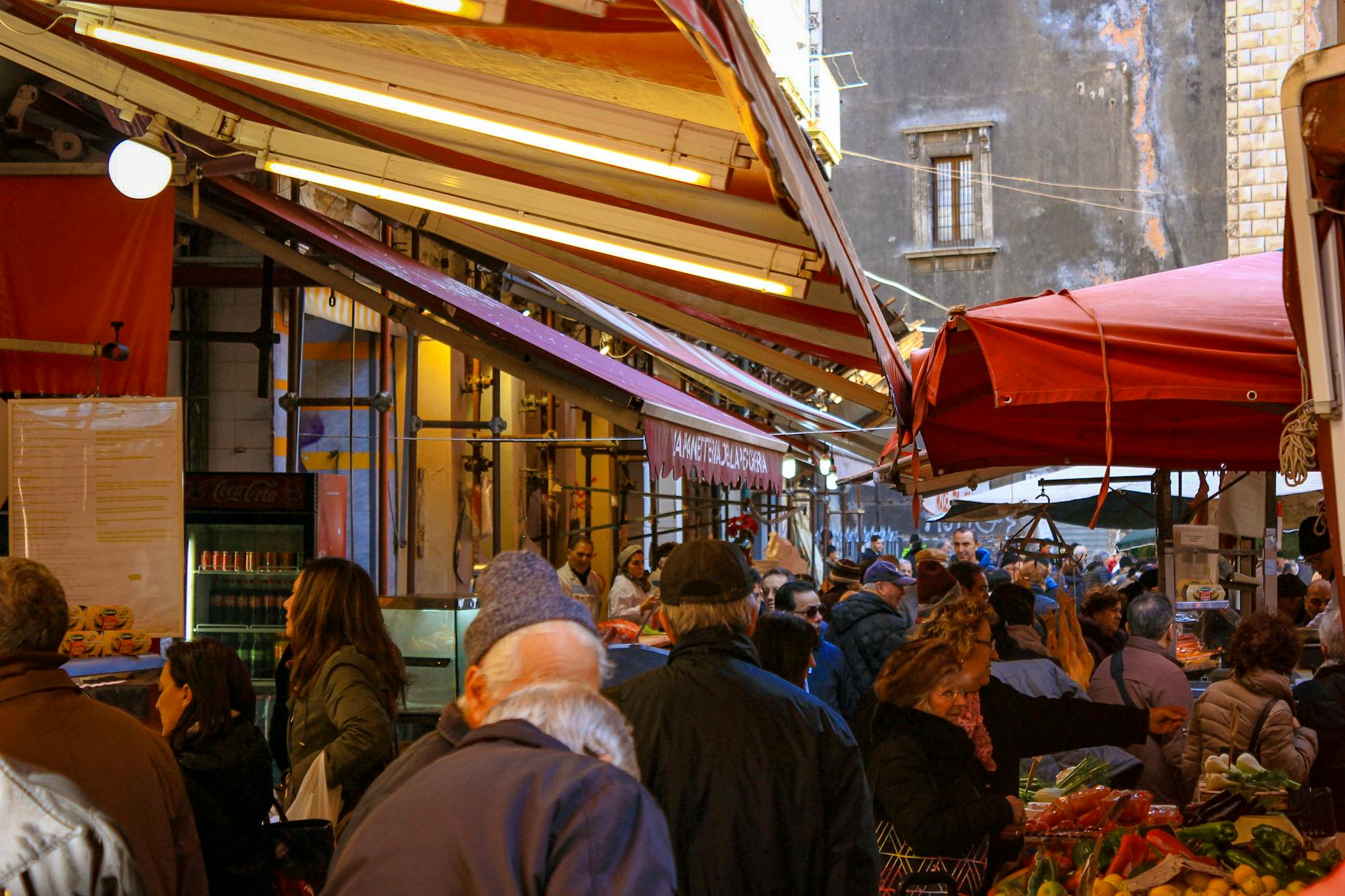
If you really want to see how this city breathes, you have to stand in the middle of a neighborhood market on a Tuesday morning, surrounded by the scent of bruised herbs and the rhythmic, almost musical shouting of vendors who’ve been awake since 4 AM. I was at the Beşiktaş Saturday market (Cumartesi Pazarı) last weekend, tucked away in that multi-story concrete structure that looks like nothing from the outside but feels like a cathedral of produce once you’re in. Around 11:00 AM, the flow of people is like a tide; you don’t walk so much as you are carried toward the stalls of purple-tipped artichokes and hills of Aegean olives. I picked up a kilo of field-grown tomatoes for 60 TL—that’s just 1.20 EUR—and the vendor threw in a handful of fresh parsley just because he liked my choice of breakfast simit.
The pazar is where Istanbul sheds its glossy, cosmopolitan skin and gets down to the business of living. It’s loud, it’s chaotic, and if you aren’t careful, you might get clipped by a metal shopping trolley or a crate of lemons. But that chaos is honest. After 15 years of navigating these aisles, I’ve realized that the supermarkets are just for emergencies. The real soul of the Turkish kitchen is found here, in the seasonal rotation of what the soil provides.
If you find the noise overwhelming or the crowds a bit too tight, arrive early, right when the stalls have finished setting up around 9:00 AM. You’ll miss the frantic energy of the late-afternoon “discount hours,” but you’ll have the space to actually speak with the farmers who bring their harvest from the outskirts of the city. Bring a sturdy tote bag—the thin plastic ones provided will inevitably fail you under the weight of three kilos of peaches—and keep some small change ready. It’s a sensory overload, certainly, but it’s the most authentic pulse check you can get in this city.
The Saturday Ritual at Beşiktaş Cumartesi Pazarı
The Beşiktaş Cumartesi Pazarı is the single best place to witness the frantic, beautiful rhythm of a Saturday in Istanbul, provided you get there before the aisles turn into a contact sport. Located in a multi-story concrete structure just off the main hub, this market is a neighborhood institution that balances practical grocery shopping with the thrill of a treasure hunt.
Logistics: The Uphill Battle
Getting here is half the experience. If you are staying on the Asian side, the Kadıköy to Beşiktaş ferry is the only way to travel—watching the city skyline with a tea in hand is the perfect prelude to the market chaos. Once you land in Beşiktaş, you face a 15-minute uphill walk along Ihlamurdere Caddesi. It’s a steady incline that can be grueling in the summer heat. My advice? If you aren’t looking for a workout, jump on a local minibus (dolmuş) heading towards Ihlamur; it will cost you about 30 TL (roughly 0.65 USD) and drop you right at the entrance.
The Multi-Story Strategy
The market’s layout is genius but confusing for first-timers. The top floor is dedicated to “tuhafiye”—household goods, surprisingly high-quality Turkish cotton linens, and clothing. You can find thick, plush bath towels here for around 250 TL (5 EUR). The ground floor is the aromatic heart of the market, where the fresh produce lives.
I’ve lived in Istanbul for 15 years, and I’ve learned that timing determines your sanity. I always aim to arrive by 10:30 AM. At this hour, the produce is still stacked in pristine pyramids, and the vendors are still cheerful. By 1 PM, the “death zone” begins; the aisles become impassable, and you’ll find yourself pinned between a mountain of artichokes and a grandmother’s metal shopping trolley. Last week, I made the mistake of arriving at 2 PM for some field tomatoes (priced at 60 TL or 1.20 EUR per kilo), and it took me twenty minutes just to navigate one aisle.
Berk’s Insider Tip: Look for the ‘Köylü’ (Villager) section, usually at the edges. These are small-scale farmers selling hyper-seasonal items like wild herbs or heirloom seeds you won’t find at the main stalls.
After you’ve filled your bags, escape the intensifying crowds by heading toward the water. If the noise has left you ringing, I often suggest heading to a quieter sanctuary like I am done with the Sultanahmet crowds so I go to Little Hagia Sophia instead, where the air is fresher and the pace is significantly more relaxed.
Navigating the Massive Kadıköy Salı Pazarı
If you think you’ve seen a large market, Kadıköy’s Salı Pazarı will kindly ask you to reconsider your definitions. This isn’t a quaint neighborhood gathering; it’s a sprawling, multi-level concrete labyrinth that serves as the commercial lungs of the Asian side. While most tourists stick to the spice stalls of Mısır Çarşısı, locals come here to outfit their entire lives, from vintage copper pots to high-end European fashion overstock.
The M4 Metro “Göztepe” Trick
The biggest mistake visitors make is trying to walk to the market from the Kadıköy ferry terminal. It looks doable on a map, but after twenty minutes of uphill trekking through dense traffic, you’ll arrive exhausted before the real walking even begins. I watched a group of travelers last month lugging empty suitcases from the dock; by the time they hit the first textile stall, they were already looking for a taxi back.
The professional move is to jump on the M4 Metro line right at the pier. Don’t get off at the station named “Ünalan” or “Kadıköy”—instead, ride it to Göztepe station. Take Exit 2, and you are a five-minute flat walk away from the entrance. It’s significantly more efficient than the long walk you’d endure after hunting for morning simit and savory pastries from the historic bakeries of Karaköy and Galata with current prices, focusing purely on getting you to the heart of the action without the sweat.
The “İhraç Fazlası” Hunt
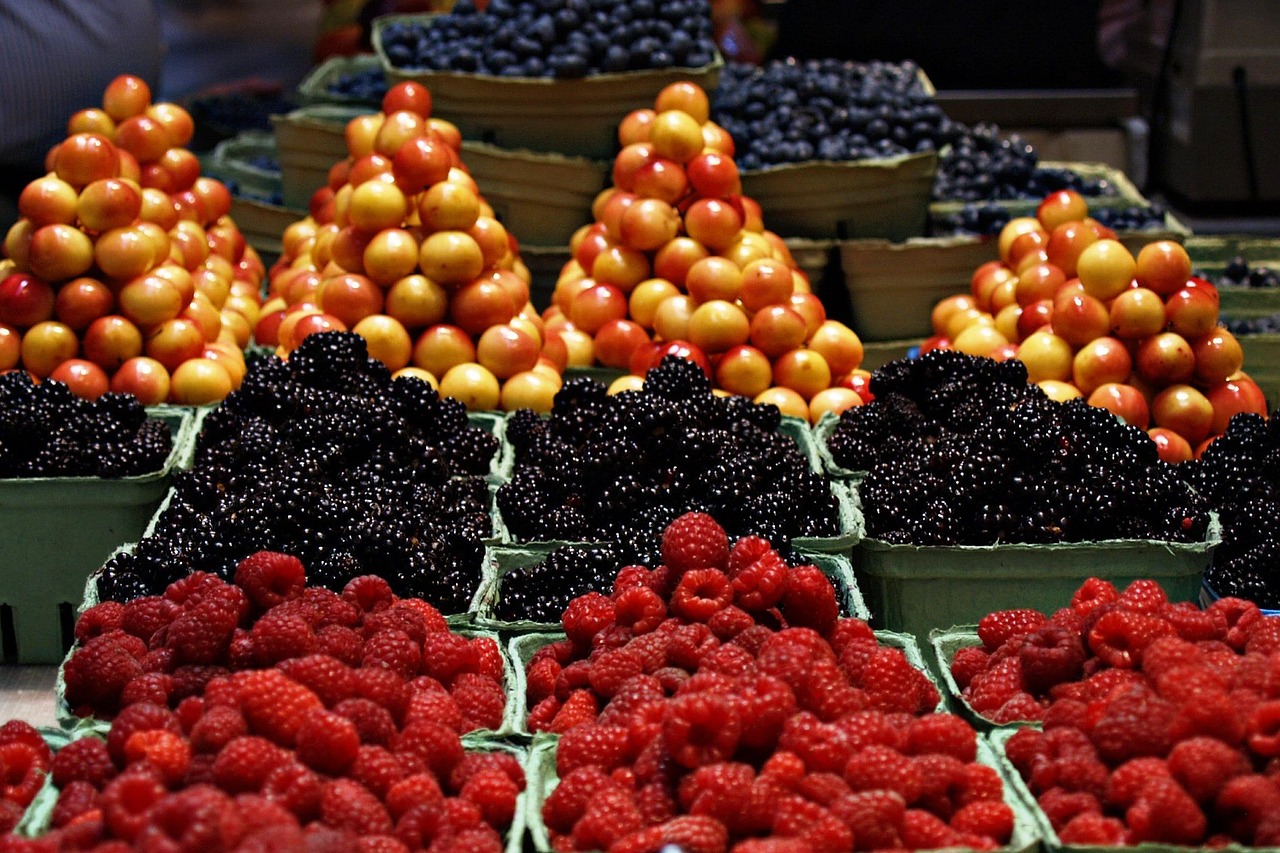
While the ground floor is a chaotic sea of seasonal produce—where you can find kilos of mountain-grown tomatoes for 50 TL (exactly 1 EUR)—the real treasures are on the upper levels. Look for signs marked ‘İhraç fazlası’ (export overstock). Turkey is a massive manufacturing hub for major European brands. When an order has a tiny stitch error or a surplus, the items end up here.
I recently picked up a heavy 100% cotton trench coat from a Spanish high-street label for 750 TL (15 EUR). In a boutique in Nişantaşı, that same coat would easily be 4,500 TL. The trick is to arrive by 9:30 AM before the “professional” resellers pick the racks clean.
Essential Purchases for the Discerning Shopper
- Export Overstock Basics: Look for 100% Turkish cotton tees for about 225 TL (5 USD). The quality beats anything you’ll find in a fast-fashion mall.
- Hand-Woven “Pestamel” Towels: These are thinner and more absorbent than standard towels. Expect to pay around 250 TL (5 EUR) for high-quality versions.
- Vintage Kitchenware: Navigate toward the back corners for stalls selling used copper “cezve” (coffee pots) or hand-hammered trays.
- Local “Ezine” Cheese: Ask for a block (around 450 TL per kg / 9 EUR) to take back to your rental. It’s the gold standard of Turkish white cheese.
- Seasonal Pickles (Turşu): Buy a small jar of mixed pickles to snack on. The brine is the perfect antidote to the afternoon heat.
2026 Produce Price Reality Check
Street markets remain the only place in Istanbul where your budget still commands genuine respect despite the shifting economy. While supermarket prices can feel unpredictable, the pazar remains a bastion of value, especially when you factor in the current exchange rate of 50 TL to 1 Euro (45 TL to 1 USD). For a traveler, this means your morning coffee money can literally buy a week’s worth of vitamins.
Navigating the Lira and the Euro
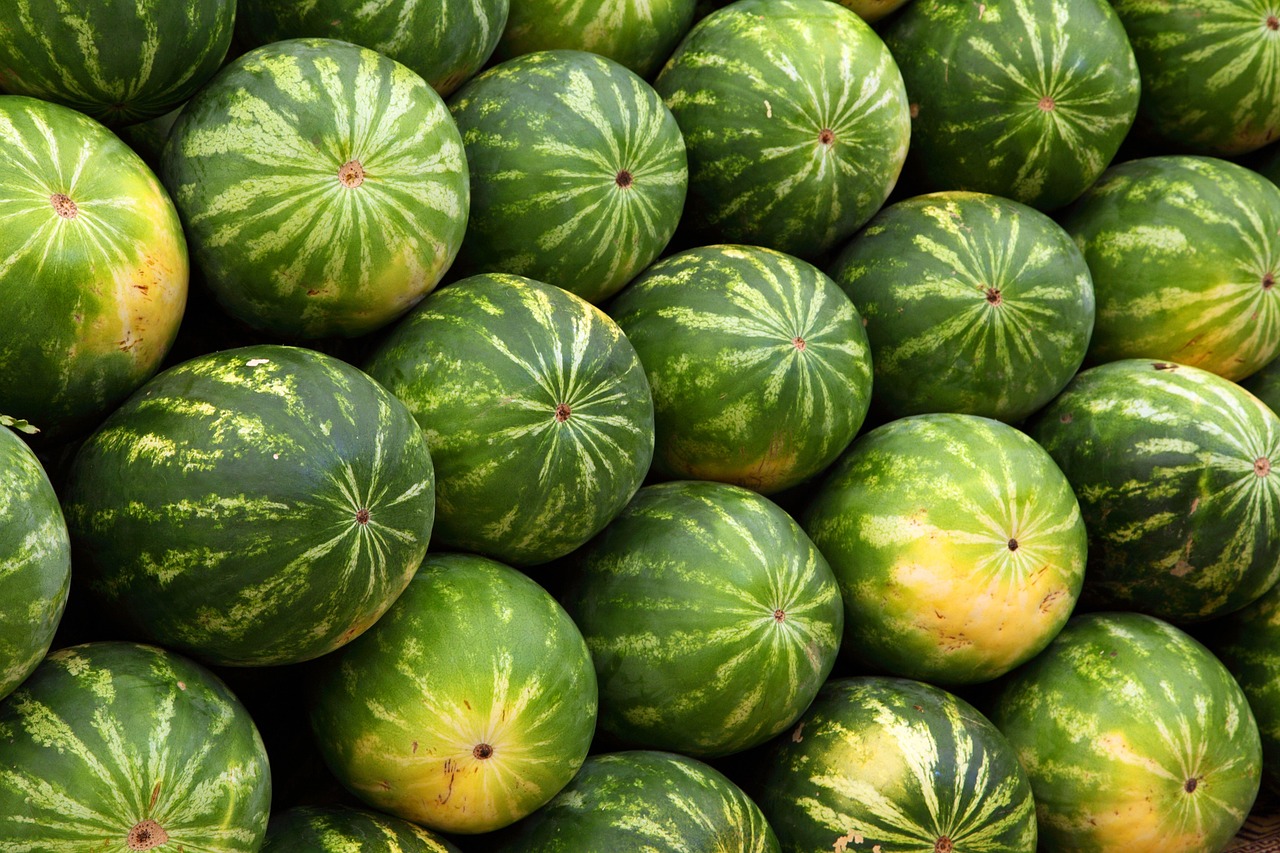
Don’t let the high numbers on the cardboard signs intimidate you. When you see a crate of prime vine tomatoes priced at 60 TL, remember that’s only 1.20 EUR. For that price, you’re getting volcanic-soil-grown produce that actually smells like a garden, not a plastic-wrapped imitation.
The real investment, however, should be in the deli section. I recently stood in line at the Feriköy market for exactly 22 minutes just to get my hands on a block of top-tier aged Ezine cheese. At 450 TL (9 EUR) per kilo, it’s a premium product that would cost triple that in a Parisian or London deli. It’s salty, creamy, and sharp—the literal gold standard of Turkish breakfasts.
The 6 PM “Akşam Pazarı” Strategy
If you want to see the market’s energy shift from a hum to a roar, arrive after 6:00 PM. This is the Akşam Pazarı (Evening Market) phenomenon. Vendors want to head home with empty crates rather than heavy trucks, so they slash prices by roughly 30% across the board.
Last Tuesday at the Kadıköy market, I watched a vendor drop his strawberry price from 100 TL to 70 TL just as the sun dipped behind the Marmara Sea. The downside? The produce is “picked over,” and the crowds are thick with locals hunting for those same deals. If you value personal space, shop at 11:00 AM. If you value your coins and want to witness the theatrical chaos of shouting vendors, go late.
| Produce Item | Price (TL) | Price (EUR) | Buying Logic |
|---|---|---|---|
| Vine Tomatoes (1kg) | 60 TL | 1.20 EUR | Look for deep red, firm skin. |
| Aged Ezine Cheese (1kg) | 450 TL | 9.00 EUR | Always ask for a taste (tadım) first. |
| Seasonal Greens (Bunch) | 25 TL | 0.50 EUR | Rocket and parsley are best in the morning. |
| Shelled Walnuts (500g) | 225 TL | 4.50 EUR | Great for snacking while you walk. |
Berk’s Insider Tip: If you see a long line of locals at a cheese or olive stall, join it. Turnover is key for freshness in dairy; the busiest stall has the newest stock. Don’t be afraid to point at what the person in front of you is buying—it’s usually the best stuff on the table.
Pazar Etiquette: How to Shop Like a Resident
The fastest way to get a “canım” (my dear) and a gentle scolding from a vendor is to start digging through a pile of tomatoes like you’re searching for buried treasure. In the Istanbul pazar, there is an unspoken contract between the buyer and the seller: if the sign says “Seçmece”, you can pick your own; if it doesn’t, keep your hands off the produce.
Smaller vendors take immense pride in their display. Last Tuesday at the Kadıköy Tuesday Market, I watched a visitor try to hand-pick a dozen cherries one by one. The vendor, an old man with hands stained by soil, politely but firmly swapped the visitor’s bag for a pre-packed one. It’s about preserving the quality of the pile. If you see something specific you want, just point to it. A simple “Şundan olsun” (let it be from that one) goes a long way.
Cash is King (and Small Change is Queen)
Don’t even think about pulling out a credit card unless you’re at a permanent shop on the periphery of the market. In the heart of the stalls, cash is the only language spoken. Always keep a stash of 50, 100, and 200 TL bills in an accessible pocket. Digging through a deep backpack for your wallet while a crowd of grandmothers pushes past you is a recipe for stress. I usually grab some breakfast from a bakery before I hit the stalls; it helps me break a larger bill so I have plenty of small change ready for the vegetable stands.
The Sturdy Bag Strategy
I never leave the house for a market run without my thick canvas tote. The thin plastic bags (poşet) provided by vendors are notoriously flimsy. I learned this the hard way when three kilos of potatoes ended up rolling down a steep hill in Kurtuluş because the bag handles snapped. If you’re buying heavy items like melons or potatoes, double-bag them or bring your own reusable gear. It’s better for the environment and saves you the embarrassment of chasing your dinner down the street.
Berk’s Insider Tip: Always carry a 1.5L bottle of water with you. The markets are covered but get incredibly humid and hot by midday, even in the shoulder seasons.
How to Navigate a Turkish Street Market
- Withdraw cash in advance and ensure you have plenty of 50 and 100 TL notes to avoid “no change” issues.
- Bring a heavy-duty canvas tote or a foldable trolley to handle the weight of fresh produce without plastic mishaps.
- Observe the “Seçmece” signs before touching any fruit or vegetables to ensure you aren’t violating the stall’s rules.
- State your quantity clearly using “kilo” or “tane” (piece)—if you only want two lemons, say “iki tane.”
- Accept the hustle by moving with the flow of the crowd; stopping abruptly in the middle of a narrow aisle is the quickest way to annoy local shoppers.
The Post-Market Feast: Where to Refuel
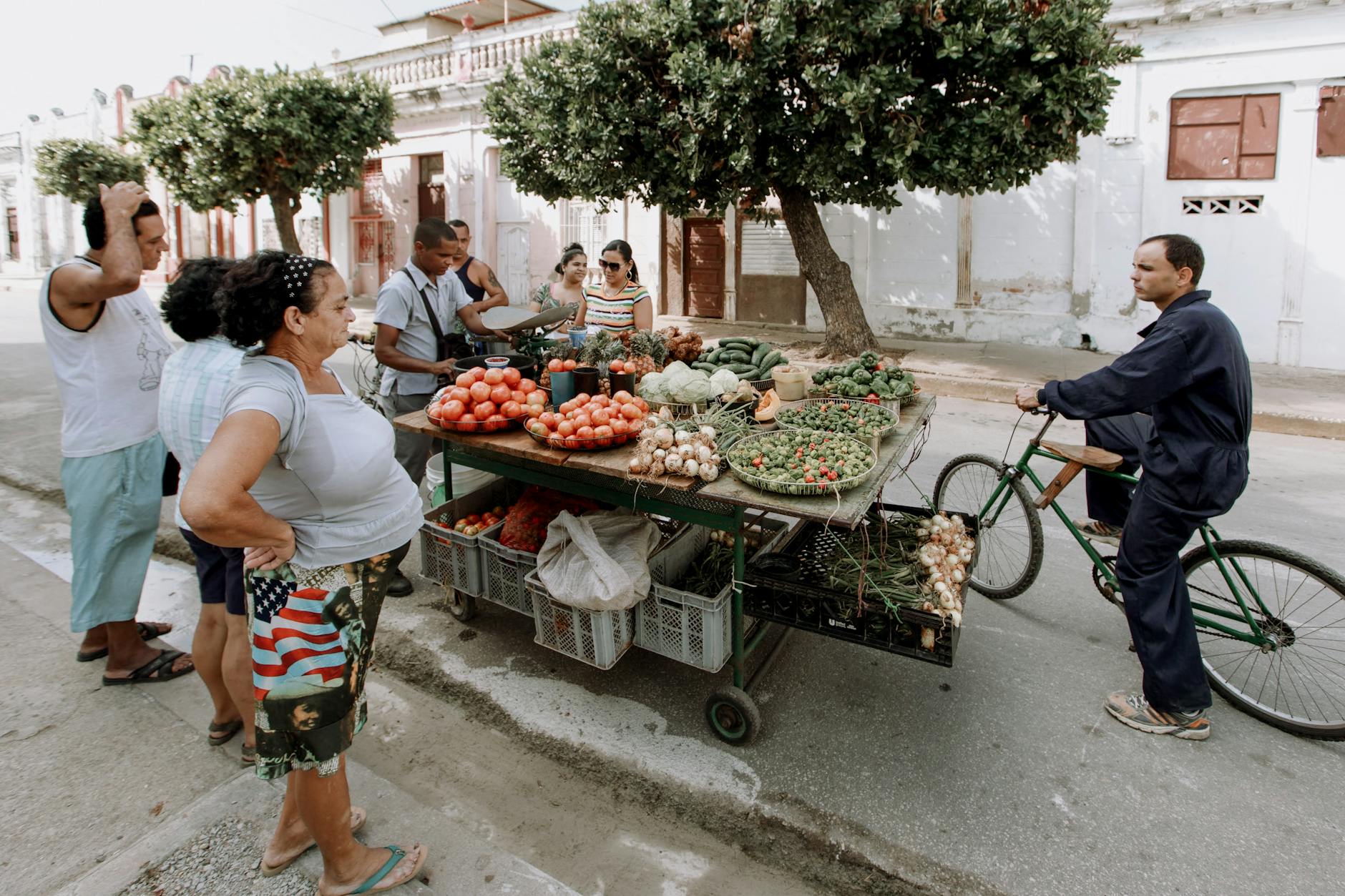
You haven’t truly experienced an Istanbul market until you’ve collapsed onto a tiny, mismatched plastic stool to claim your reward for navigating the crowds. Shopping here is an athletic event, and the recovery food is arguably better than the produce itself.
The Gözleme Ritual
The soul of every neighborhood market is the Gözleme stand. You’ll recognize it by the low circular griddles (sac) and the rhythmic thud-thud of rolling pins. Last Tuesday in Beşiktaş, I waited behind three locals for a spinach and white cheese version, and at 125 TL (2.50 EUR), it remains the best value lunch in the city. These thin, hand-rolled flatbreads are charred to perfection and served piping hot in a piece of paper. If the stand looks crowded, don’t walk away; a high turnover means your pancake is fresh off the heat.
While you eat, order a Çay. At 15 TL (0.30 EUR) a glass, it is the cheapest ticket to the best people-watching show in Istanbul. I like to sit at the very edge of the market flow, watching the chaotic symphony of porters with wicker baskets and grandmothers expertly quality-checking every single lemon.
Beşiktaş Recovery: Döner and Beyond
If a snack isn’t enough to compensate for the three kilos of peaches you’re hauling, Beşiktaş offers some of the city’s most legendary Döner spots just a five-minute walk from the market stalls. Look for the places where the meat stack is dwindling by 2:00 PM—that’s the sign of quality.
However, if the market humidity has you craving something comforting and sit-down, I always suggest pivoting to a classic bean stew. I often find myself heading toward the traditional Kuru Fasulye houses in Süleymaniye with Local Prices and Ordering Tips after a morning of shopping. There is a specific kind of magic in pairing a bowl of buttery Kuru Fasulye with a side of crunchy pickles after you’ve spent two hours wrestling with crowds. It’s the ultimate local “reset” button.
The Lasting Rhythm of the Street
Walking out of the Beşiktaş Saturday market with my fingers turning slightly purple from the weight of three kilos of heavy Çanakkale tomatoes—a steal at 150 TL (3 EUR)—is when I feel most connected to this city. In a world of sterile, air-conditioned malls and barcode scanners that have taken over so much of Istanbul, these weekly markets are the last place where the city’s heart actually beats at its original tempo. It’s loud, it’s crowded, and someone will inevitably clip your heel with a rolling market crate, but that’s the price of entry for something real.
If the shouting of the vendors starts to feel less like a song and more like a headache, don’t rush for the exit. Do what I do: find the small, improvised tea station usually tucked near the back entrance or under a flight of stairs. For 25 TL (about 0.50 EUR), you can grab a glass of dark tea, lean against a stack of empty lemon crates, and watch the theater of the neighborhood unfold. You aren’t just buying groceries here; you’re witnessing a social contract that has survived centuries. Buy the weird-looking herbs, let the local grandmothers nudge you out of the way, and take the chaos home with you. It tastes better than anything you’ll find in a plastic supermarket container.