
Navigating the Prince's Islands with ferry routes and electric shuttle tips for 2026
The long, mournful blast of a ferry horn at Kabataş is the sound of Istanbul catching its breath. It’s a physical sensation, that low-frequency vibration in your chest as the massive vessel detaches from the European side, leaving the relentless honking of taxis and the frantic pace of the city behind. Last Tuesday, I stood on the upper deck of the 9:30 AM Şehir Hatları steamer, nursing a glass of tea—now 30 TL—watching the Hagia Sophia and Topkapı Palace shrink into a hazy silhouette. Even after fifteen years of calling this city home, that transition from the concrete roar to the rhythmic slap of the Marmara Sea against the hull never gets old.
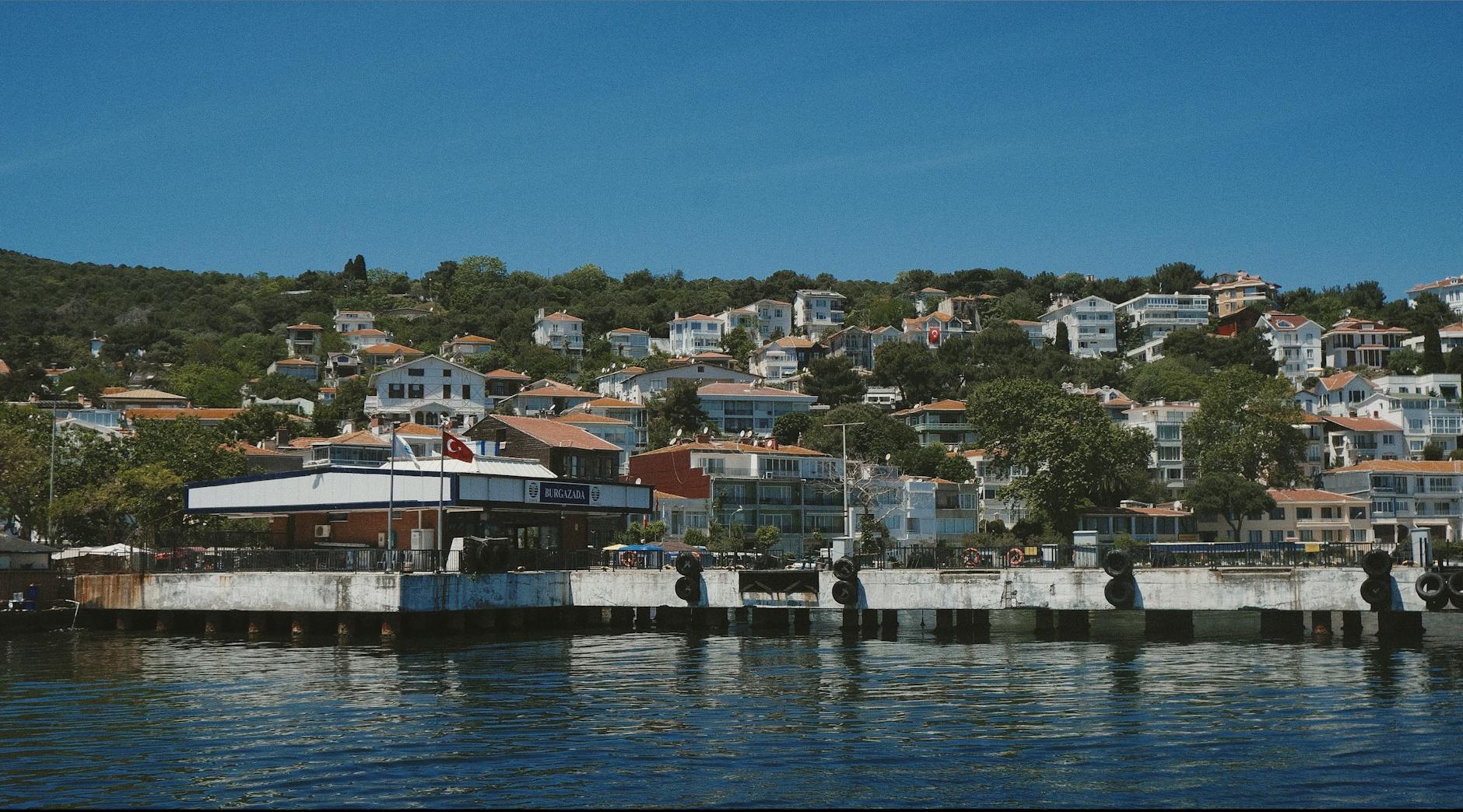
The Princes’ Islands, or simply Adalar to us locals, represent a slower version of Turkish life that feels increasingly rare. But navigating them in 2026 requires a bit more than just showing up at a pier with a sunhat. The days of the old horse-drawn carriages are over, replaced by a fleet of electric Adabüs shuttles and a ferry network that has become more efficient but also more prone to seasonal surges. If you find yourself standing in a forty-person deep queue at the Büyükada clock tower waiting for a shuttle under the midday sun, you’ve already missed the point of the islands. The secret lies in timing and choosing the right pier; while Büyükada gets the fame, the pine-covered hills of Heybeliada or the quiet, residential streets of Burgazada often offer the genuine serenity people come here looking for.
Paying 75 TL to cross the Marmara is still the best use of an Istanbulkart balance I can find. There’s a specific kind of stillness that hits you the moment you step off the gangway and realize the only sounds are bicycle bells and the wind through the mimosa trees. It’s a different world, provided you know which boat to catch and how to dodge the weekend bottlenecks that can turn a peaceful escape into a logistical headache.
Choosing Your Pier: Kabataş, Beşiktaş, or Bostancı
Your choice of pier determines whether your island trip starts with a frantic scramble or a calm tea on the deck. After 15 years of navigating the Bosphorus, I’ve learned that Eminönü is a trap for the uninitiated—it’s unnecessarily chaotic and the queues for the Adalar ferries can stretch into the main road. If you value your sanity and a seat with a view, you should be looking at Kabataş, Beşiktaş, or Bostancı instead.
Kabataş: The Central Hub
For those staying in Beyoğlu, Cihangir, or Nişantaşı, Kabataş is the logical choice. It’s the terminus for the T1 tram and the F1 funicular, making it incredibly accessible. Ferries here depart roughly every hour. However, because it’s a major hub, the 10:00 AM and 11:00 AM departures on weekends get packed fast.
Pro Tip: If you arrive and see a massive queue for the City Lines (Şehir Hatları) boat, don’t panic. The private Mavi Marmara engines right next door often have shorter lines and charge roughly the same—about 75 TL (1.50 EUR / 1.66 USD) on your Istanbulkart.
Beşiktaş: The Local Shortcut
Beşiktaş is my personal favorite and the “secret” I always tell friends. It lacks the tourist frenzy of Eminönü and offers a much more authentic vibe. I highly recommend arriving an hour early to enjoy some walking the student alleys and historic row houses of Beşiktaş with local breakfast tips in the nearby neighborhood before you board.
One mistake I see often: travelers get confused between the different piers in Beşiktaş. The “Beşiktaş-Adalar” pier is distinct from the main Bosphorus terminal. The walk from the main Beşiktaş ferry terminal to the specific island pier takes exactly 4 minutes, taking you right past the impressive naval museum. It’s a breezy walk, but keep an eye on the clock; these boats are punctual to the second.
Bostancı: The Fast Track
If you are staying on the Asian side or simply want to minimize your time on the water, Bostancı is king. Because it is geographically closer to the archipelago, the crossing to Kınalıada—the first stop—takes only about 30 minutes.
The downside? The Bostancı pier area can feel a bit industrial compared to the historic charm of the European side. But if the sea is choppy, this is your best bet for a shorter, more stable journey.
| Pier Name | Best For | Avg. Time to First Island | Vibe |
|---|---|---|---|
| Kabataş | Beyoğlu/Tram users | 55-60 Minutes | Busy but efficient |
| Beşiktaş | Breakfast & Local feel | 70-80 Minutes | Relaxed & Authentic |
| Bostancı | Shortest sea crossing | 30 Minutes | Functional & Fast |
| Eminönü | Direct Sultanahmet access | 75+ Minutes | High-energy/Crowded |
The Ferry Experience: Şehir Hatları vs. Private Turyol Boats
Choose the majestic, white Şehir Hatları steamboats if you value your soul over ten minutes of saved time. While private carriers like Turyol and Mavi Marmara are undeniably faster and more frequent, they often lack the cinematic grandeur that defines an Istanbul morning. In the peak of the 2026 summer rush, those smaller private boats can feel a bit like floating tin cans. Last Friday, I mistakenly boarded a Turyol boat at 11:15 AM instead of the public ferry; the lack of outdoor seating meant I spent 90 minutes breathing in engine fumes in a cramped cabin for 85 TL, missing the open-air views entirely.
For a one-way trip to the Büyükada ferry terminal or any of the other islands, you’ll tap your Istanbulkart for 75 TL (approx. 1.50 EUR). I’ve lived here for 15 years, and my ritual never changes: I aim for the upper rear deck of the public ferry. It is, quite simply, the best seat in the city. There is a specific moment, usually about twelve minutes after leaving the pier, where the silhouette of Topkapı Palace and the Maiden’s Tower begins to fade into the horizon haze. If you’re lucky enough to be on the 9:45 AM line from Eminönü on a Tuesday, the crowds are thinner, and the salt spray feels like a personal gift.
Finding Your Rhythm on the Water
If you find the main deck too loud with the chatter of excited day-trippers, head to the lower indoor cabin. It’s usually quieter and smells faintly of sea salt and nostalgia. Before you even board, I suggest grabbing some morning simit and savory pastries from the historic bakeries of Karaköy and Galata with current prices to enjoy during the 90-minute voyage. Sharing a few crumbs of your simit with the seagulls trailing the boat isn’t just a tourist cliché; it’s a local rite of passage.
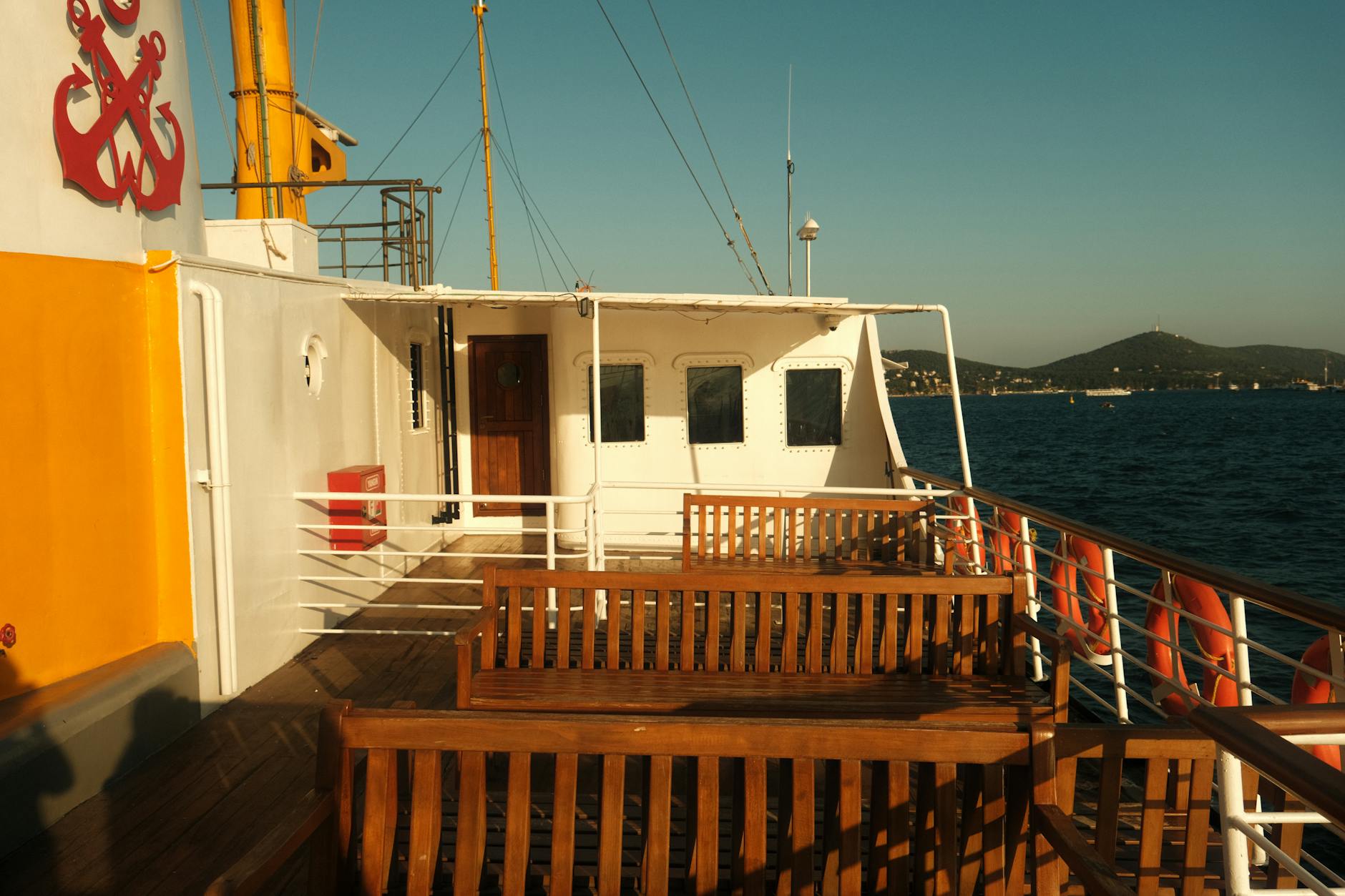
Berk’s Insider Tip: In 2026, the Şehir Hatları ferries often have a ‘Cafeteria’ on the middle deck. Skip the overpriced bottled water and ask for a ‘tavşan kanı’ (rabbit’s blood) tea—it’s the gold standard of ferry drinks and costs only 25 TL.
The Post-Carriage Era: Navigating Electric Shuttles (Adabüs)
The era of horse-drawn carriages in the Prince’s Islands is officially over, and frankly, both the horses and the island’s hygiene are better off for it. While some miss the “old world” aesthetic, the transition to the electric shuttle fleet known as Adabüs has turned island transportation from a chaotic, often pungent experience into a quiet, efficient municipal service. It feels less like a 19th-century period drama and more like a modern mountain transit system, though the vehicles do look a bit like oversized golf carts.
If you are heading to Büyükada, you need to understand that these shuttles are not “hop-on, hop-off” tourist buses; they are public transport. You must have an Istanbulkart to board. Cash is strictly not accepted, and there are no ticket booths at the shuttle stops. If you’ve been navigating the Marmaray and Metrobus with 2026 fares and transfer tips on the mainland, you already have the right tool in your pocket.
The flagship route is the BA-1 (the ‘Great Tour’) in Büyükada. For 60 TL (exactly 1.20 EUR), this shuttle takes you on a sweeping loop through the pine-scented hills, past the grand Ottoman-era mansions and up toward the island’s higher ridges. I remember my first trip after the horses were retired; the silence was the most striking part—no more whip cracks, just the low hum of electric motors and the sound of cicadas.
However, the biggest rookie mistake I see is visitors standing in the massive, sweltering queue right at the main clock tower near the ferry terminal. It can take 45 minutes to board there during peak hours. Instead, walk two blocks inland to the secondary stop near the local market (Çarşı). I did this last Tuesday at 1:00 PM; while the clock tower line had fifty people, I walked up to the inland stop and boarded the very next shuttle with a guaranteed seat.
How to use the Adabüs Shuttle System
- Verify your Istanbulkart balance at the ferry terminal kiosks; ensure you have at least 150 TL (3.00 EUR) for a round trip.
- Avoid the clock tower terminal to bypass the largest crowds of day-trippers.
- Walk two blocks uphill into the market area to find the secondary boarding points.
- Board the BA-1 route for the full island loop or the BA-2 for shorter residential stretches.
- Tap your card at the driver’s console upon entry; the fare is fixed regardless of your exit point.
Büyükada: Managing the Crowds and Finding the Quiet
If you step off the ferry at Büyükada after 11:30 AM on a weekend, you have already lost the battle for tranquility. The island is the largest and most famous of the archipelago, which makes it a magnet for thousands of day-trippers who congregate around the clock tower like a bottleneck. To actually enjoy the Belle Époque mansions and the pine-scented air, you must arrive by 10:00 AM. I always aim for the earliest possible ferry from Kabataş or Beşiktaş; that one-hour head start is the difference between a peaceful stroll and a shoulder-to-shoulder shuffle through the main bazaar.
The Climb to Aya Yorgi
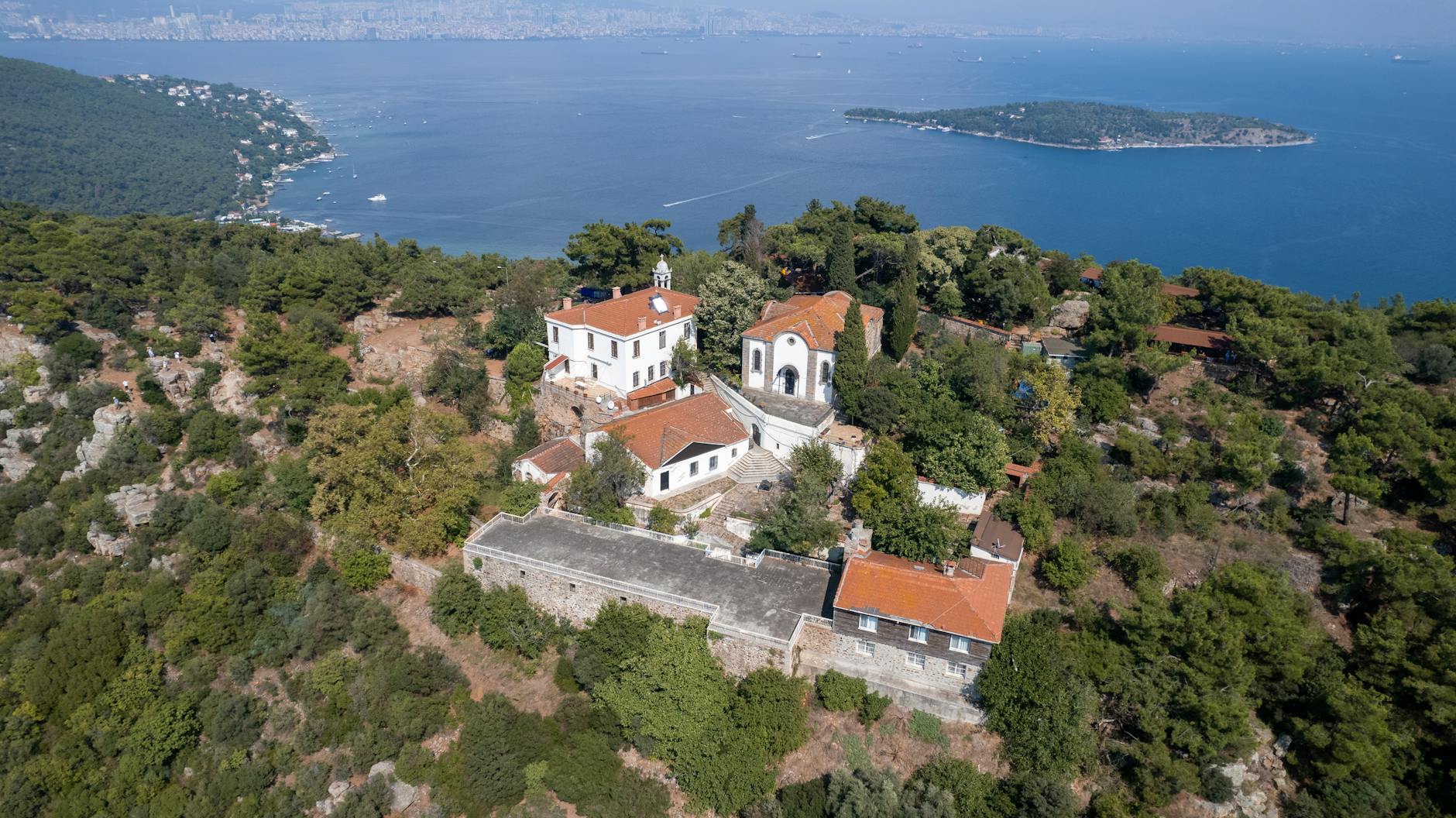
The 45-minute hike up to the Aya Yorgi Monastery is the island’s ultimate litmus test. It is a steep, unforgiving incline that can be brutal in the midday sun. I remember a specific Tuesday last July when I tried to hike to Aya Yorgi at 2:00 PM; the 34-degree heat turned the climb into a slog where I went through three 15 TL water bottles before even reaching the halfway point.
From the summit, the Marmara Sea stretches out until it meets the horizon, and the city’s skyline looks like a distant, silent miniature. Wear sturdy sneakers and bring a bottle of water. When you reach the top, reward yourself with a glass of house wine at the small cafe next to the monastery; the silence up there is a rare commodity.
Navigating the Streets and Local Rules
Since the retirement of the horse-drawn carriages, the island’s pulse is set by electric shuttles and bicycles. While cycling is a fantastic way to see the “Big Loop,” the local authorities have become significantly stricter. In 2026, police patrols have increased significantly to manage the flow of traffic. I recently saw a visitor get hit with a 500 TL (roughly 11 USD) on-the-spot fine simply for riding in a restricted pedestrian zone near the pier. Stay on the designated paths and keep your eyes peeled for the blue signs.
Eating Like a Local, Not a Tourist
The most common mistake I see travelers make is sitting down at the first fish restaurant they see on the waterfront. These spots are notorious for inflated prices and mediocre service; a standard grilled fish can easily set you back 1000 TL. For a meal that tastes like home, walk three streets back from the shore into the residential grid. Look for an esnaf lokantası—a traditional tradesman’s canteen. Here, you can point to silver trays of slow-cooked eggplant, lentil soup, or lamb stew. You’ll find that a satisfying, authentic lunch will cost you around 350 TL (7 USD), leaving you with more than enough to grab a dondurma (ice cream) for the ferry ride back.
Heybeliada and Burgazada: The Intellectual’s Alternatives
If you want to skip the frantic “tourist circus” of Büyükada, get off the ferry one or two stops early. Heybeliada and Burgazada are where the soul of the islands truly resides, offering a quieter, more contemplative atmosphere that feels like a living neighborhood rather than a seasonal attraction.
Heybeliada: A Living Neighborhood
Heybeliada has a distinct maritime gravity, largely because of the massive Naval Academy that greets you at the pier. Unlike the more commercialized islands, “Heybeli” (as we locals call it) feels like a place where people actually live, work, and study year-round. My favorite way to escape the midday sun is to head toward the Theological School of Halki. Perched atop the Hill of Hope, the silence in its gardens is a rare commodity in Istanbul.
The island is hilly, and while walking is great for the calves, it can be brutal in July. I usually spend about 35 TL (roughly 0.70 EUR) to hop on the BA-5 electric shuttle. It’s a quick, breezy ride that deposits you right near the pine-shaded picnic areas on the southern coast, saving your energy for the views instead of the asphalt.
Burgazada: The Writer’s Sanctuary
Burgazada is my personal sanctuary for a sunset drink. It’s smaller, rounder, and historically served as the home of Sait Faik Abasıyanık, one of Turkey’s most beloved writers who captured the lives of simple fishermen. The walk from the Burgazada pier to the Sait Faik Museum takes exactly seven minutes on a gentle incline—I’ve timed it multiple times while rushing to catch the museum before it closes at 5:00 PM.
Before heading to the islands, I often stock up on supplies. While there are small groceries on the docks, you’ll find much better value and variety at the mainland shops. Bringing a bag of fresh cherries or local figs (currently around 80-100 TL or 2 USD per kilo) makes a Burgazada picnic feel much more authentic.
Top Cultural Stops on the Middle Islands
- Theological School of Halki (Heybeliada): Visit for the historic library and the absolute serenity of the hilltop.
- Sait Faik Museum (Burgazada): Step into the preserved home of Turkey’s great storyteller; admission is free and the view from the balcony is lovely.
- BA-5 Electric Shuttle Route (Heybeliada): Use this for a 10-minute transit to the southern pine groves to avoid the steepest climbs.
- Kalpazankaya (Burgazada): Walk to this rocky cove at the far end of the island for the most unobstructed sunset in the Marmara Sea.
- Aya Yorgi Garibi Monastery (Burgazada): A smaller, less-crowded alternative to the famous one on Büyükada, featuring striking white-and-blue architecture.
Returning to the City
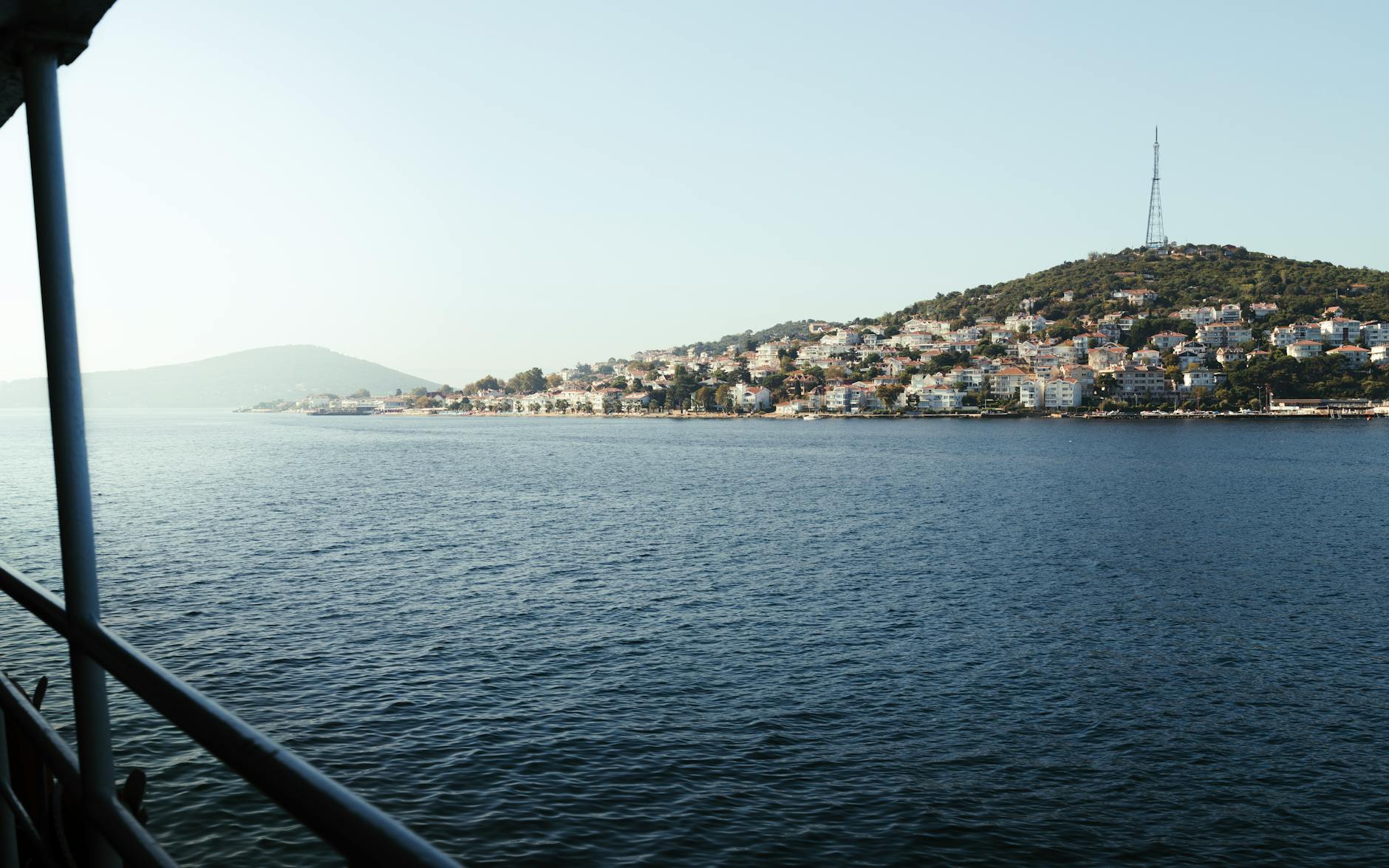
As the ferry pulls away from the pier, the hum of the electric shuttles fades, replaced by the rhythmic churning of the Marmara Sea. I always aim for the 6:45 PM boat back to Kadıköy; it’s the sweet spot where the sky turns a bruised purple and the silhouette of the Hagia Sophia begins to flicker on the horizon. Last Tuesday, I found myself leaning against the wooden railing of the upper deck with a small glass of tea—costing me exactly 30 TL (0.60 EUR)—watching a pair of seagulls track our wake with desperate precision.
The islands can be exhausting if you approach them as a checklist of sights to “conquer,” but their real value isn’t found in the logistics of the shuttle routes or the price of a rental bike. It’s in this specific moment of transit. You need this silence. You need to feel the salt spray strip away the frantic pace of the Grand Bazaar or the crowded trams of Sultanahmet. By the time the boat docks and the chaotic, beautiful energy of the city rushes back to meet you at the gangplank, you’ll realize you aren’t just returning to Istanbul—you’re returning to yourself, properly recalibrated by the sea.
Comments
Share your thoughts with us