
The rhythmic, metallic ‘thwack-thwack-thwack’ of a heavy cleaver hitting a wooden board is the unofficial anthem of Istanbul after midnight. It’s a sound that cuts through the humid air of Beyoğlu and the salty breeze of Kadıköy, signaling that the most divisive yet beloved street food—kokoreç—is ready for the post-bar crowd. Having lived here for fifteen years, I’ve learned that the city doesn’t really sleep; it just changes its appetite.
Field Note: Around 1:15 AM last Tuesday, I was standing outside a small stall near the Fish Market in Kadıköy, right where the nightlife energy starts to mellow into a hungry hum. The air was thick with the scent of rendered lamb fat, toasted sourdough, and a heavy dusting of dried oregano. I watched a group of locals polish off a tray of midye dolma—those spiced, herbed rice-stuffed mussels that are impossible to eat just one of. I grabbed a ‘yarım’ (half-loaf) of kokoreç, chopped extra fine and spicy, which set me back 275 TL. At the 2026 exchange rate, that’s a small price for a ritual that effectively resets your internal clock.
While some find the idea of grilled lamb intestines or street-side mussels intimidating, these are the true pillars of Istanbul’s late-night economy. The trick isn’t just knowing what to eat, but knowing which usta (master) to trust and how much you should actually be paying in a city where prices shift with the tides. If the stall is empty at 2 AM, keep walking. If there’s a queue of people leaning against parked cars with lemon juice dripping down their fingers, you’ve found the spot. In the narrow alleys of Beyoğlu or the bustling corners of Kadıköy Rıhtım, the quality is in the turnover. A single large mussel goes for 25 TL these days, and while the price has climbed over the years, the sharp hit of lemon and the warm, peppery rice remains the most authentic way to end a night.
Understanding the Kokoreç Craft
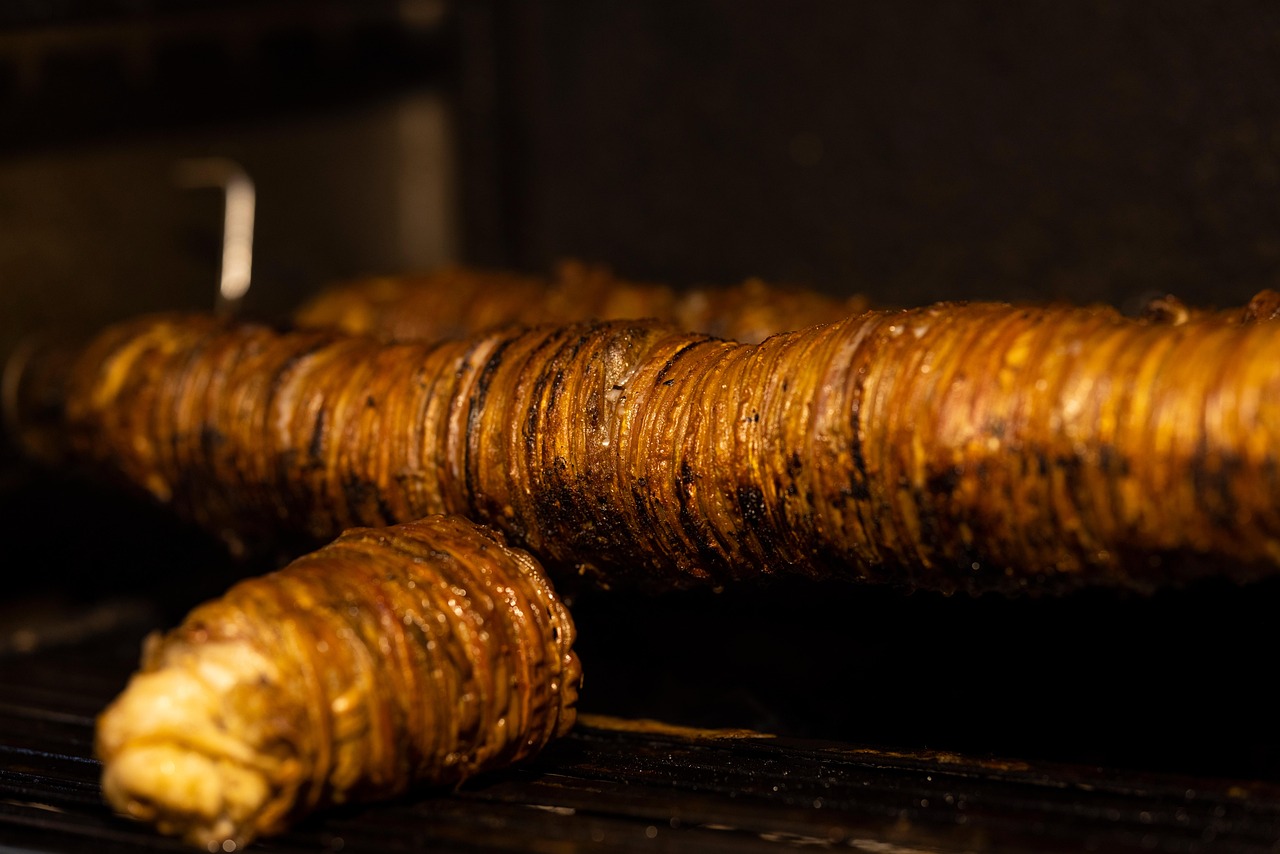
If it isn’t lamb (kuzu) and it isn’t cooked over horizontal charcoal spits, it simply isn’t kokoreç worth your time. For the uninitiated, the sight of giant spools of intestines rotating over a fire might be daunting, but for a local, that aroma is a siren song. While you might have tried a Street Food Crawl and Fish Sandwiches in Eminönü and Karaköy with Local Prices during the day, the city’s culinary soul shifts gears entirely after the sun goes down.
The Battle of Styles: Istanbul vs. İzmir
The most common debate you’ll hear while standing around a high table is whether to go finely chopped or chunky. The Istanbul style is a democratic mix: the master chops the meat on a hot metal plate, tossing in diced tomatoes and green peppers. It’s juicy and messy.
The İzmir style is for the purists. Here, the meat is sliced into thick rings directly from the spit and served with nothing but a dusting of pul biber (red pepper flakes) and kekik (oregano). In İzmir style, there’s nowhere for low-quality meat to hide. If you find the Istanbul style too “busy,” switch to chunky rings for a more concentrated hit of that smoky, grilled flavor.
The Golden Rule of Lamb
A “budget” kokoreç usually means they’ve mixed in beef or calf intestines. It’s a mistake you’ll regret. Beef is rubbery and lacks the delicate, melt-in-your-mouth fat that defines a true kuzu kokoreç.
I stood at the counter of Reks Kokoreç in Kadıköy around 1:00 AM—a peak time when the bars are emptying out. I watched the usta carefully rake the charcoal. He wouldn’t slice a single piece until the embers had turned a specific shade of silver-grey. “The heat must be steady,” he told me, charging 300 TL for a generous half-bread. That patience separates a tourist from a local who knows the craft.
Top 5 Late-Night Street Food Destinations
Based on local popularity, charcoal quality, and consistency, these are the highest-ranked institutions for a midnight feast:
- Mercan (Kadıköy) – The definitive local favorite for perfectly balanced seasoning and a classic market atmosphere.
- Reks Kokoreç (Kadıköy) – Best for those who prefer an intense, spicy Istanbul-style chop and a high-energy sidewalk crowd.
- Şampiyon Kokoreç (Beyoğlu) – The gold standard for consistency and speed in the heart of the European side’s nightlife.
- Midyeci Ahmet (Beşiktaş) – The top-ranked destination for massive, fresh batches of stuffed mussels and a dedicated fan following.
- Kral Kokoreç (Sirkeci) – Renowned for maintaining traditional wood-fired grilling methods and a purist approach to the İzmir style.
The Best Late Night Stops in Kadıköy
If you aren’t ending your night in Kadıköy standing on a crowded sidewalk with grease on your chin and the sound of the last ferries humming in the distance, you haven’t seen the Asian side. The stretch between the Kadıköy Fish Market and Mühürdar is the ultimate proving ground. While the rest of the city slows down, this neighborhood finds its second wind around midnight.

The Battle of the Giants: Mercan vs. Reks
The rivalry between Mercan and Reks is a local classic. Mercan is the institution everyone knows; it’s loud and occupies a prime corner in the heart of the market. I’ve stood there at 1:00 AM more times than I can count, watching the masters chop with rhythmic precision. Currently, a half-bread kokoreç at Mercan sits at 350 TL. It’s seasoned perfectly—crispy on the outside but still tender.
Just a short walk away, Reks offers a slightly different vibe. While Mercan is the go-to for many, Reks often wins over those who prefer a slightly more intense spice profile. If the chaos feels overwhelming, take your wrap and walk two minutes toward the waterfront. If you arrived here via the Bosphorus Ferry Routes to the Asian Side, you already know the food is the real reward for the journey.
Navigating Beyoğlu’s Balık Pazarı After Hours
The Fish Market (Balık Pazarı) tucked behind the historic Flower Passage is the epicenter of late-night recovery. While the daytime crowds hunt for fresh produce, the post-midnight scene belongs to those seeking the holy trinity of street food: grease, salt, and spice.
The Reliable Chaos of Şampiyon Kokoreç
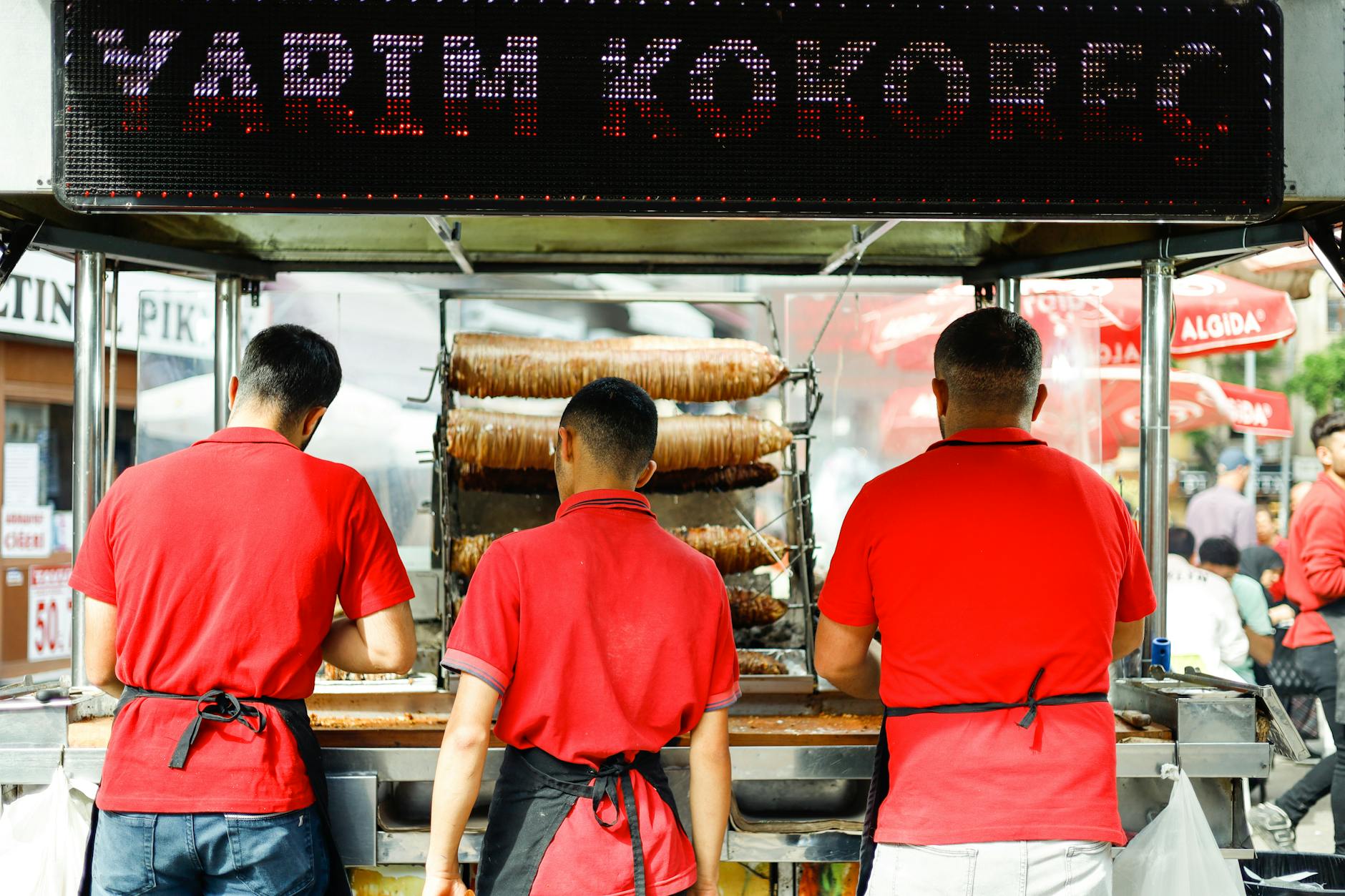
While purists often argue over which hole-in-the-wall serves the “realest” offal, Şampiyon Kokoreç remains the reliable heavyweight of the district. It’s a classic for a reason. Even with its expansion, the Balık Pazarı branch maintains a high-energy efficiency that smaller stalls can’t match.
Field Note: Last Saturday, I joined the 15-minute queue at 2:30 AM at Şampiyon, watching the masters chop the spiced lamb intestines. The atmosphere is thick with the smell of oregano and charred fat. If the noise feels overwhelming, focus on the grill; it’s a choreographed dance of knives and fire. In 2026, expect to pay around 450 TL for a well-prepared half-bread here.
Midye Dolma: The Lemon-Soaked Ritual
You haven’t truly experienced an Istanbul night until you’ve stood at a street corner, lemon juice dripping down your fingers. There is an unwritten law: nobody ever eats just one midye dolma. The combination of aromatic rice, black pepper, and the brine of the sea creates a compulsive snacking loop.
I recall an evening near the Kadıköy ferry pier around 11 PM. I watched a group of tourists hesitantly approach a vendor, only for one of them to end up in a friendly “mussel duel” with a local, seeing who could pile up more shells. I often prefer the lighter pace of an Anadoluhisarı and Kanlıca walking route with ferry tips and yogurt stops during the day to offset these heavy midnight calories, but when the moon is high, the mussels are non-negotiable.
2026 Pricing and Logistics
Inflation has touched everything, but midye dolma remains a relatively affordable indulgence. In 2026, a single small mussel costs 15 TL. If you’re going for the “jumbo” versions, which are meatier and hold more of that peppery rice, expect to pay 25 TL.
| Item | Price in Turkish Lira (TL) | Approx. USD / EUR |
|---|---|---|
| Midye Dolma (Large, Per Piece) | 25 TL | $0.50 / €0.50 |
| Kokoreç (Half-Bread) | 350 - 450 TL | $7.00 - $9.00 |
| Ayran (Open/Glass) | 75 TL | $1.50 / €1.50 |
| Full Midnight Meal (Total) | 650 - 800 TL | $13.00 - $16.00 |
How to Order Street Food Like an Istanbulite
Follow these steps to ensure you get a high-quality meal and navigate the ordering process like a local.
- Locate the charcoal spit by choosing a stall that uses real embers rather than electric heating elements to ensure a smoky flavor.
- Select your bread size by specifying “yarım” for a standard half-loaf or “çeyrek” for a smaller quarter-loaf snack.
- Choose your preparation style by asking for “İzmir” (chunky rings for purists) or “Istanbul” (finely chopped with tomatoes and peppers).
- Specify your spice preference by requesting “bol acılı” for extra heat or “acısız” if you prefer the meat without pepper flakes.
- Order your side items by requesting an “ayran” (salty yogurt drink) and signaling the mussel vendor to begin opening shells for you.
- Finalize the transaction by paying at the counter; rounding up the change is appreciated as a courtesy, though formal tipping is optional.
FAQ
Is it safe to eat stuffed mussels from street vendors?
While lone vendors are a classic sight, I recommend sticking to permanent shops like Mercan or Şampiyon which use industrial kitchens. Street trays exposed to the humid night air for hours are a gamble.
How do I know if the kokoreç is high quality?
Look at the charcoal. If the vendor is using real wood coal rather than an electric heater, the flavor is significantly higher. The meat should be glowing orange-red on the outside and chopped finely on a hot metal surface.
What is the proper etiquette for tipping at a street food stand?
At a stand or a small “hole-in-the-wall” shop, tipping is never mandatory, but rounding up the bill is common. If your meal comes to 335 TL, leaving 350 TL is the local way of saying thank you.
The 3 AM Reality
There’s a specific kind of magic that happens around those stainless-steel high tables at 3 AM. Just last Tuesday, I found myself leaning over a napkin-covered counter near the entrance of the Kadıköy Fish Market, the rhythmic tık-tık-tık of the blades providing the only soundtrack I needed. I was squeezed between a university student and a guy in a sharp suit, all of us united by the primal pursuit of toasted bread and spice.
I handed over 450 TL for my meal and a handful of those spicy, lemon-drenched mussels, and in that moment, the price felt irrelevant compared to the heat hitting my chest on a chilly night. Grab your own lemon, stay alert for your order, and don’t be afraid to rub shoulders with the person next to you. Istanbul thrives in the dark, fed by fire, spice, and the shared hunger of sixteen million people.