
PTT Post Office Services and International Shipping with 2026 Rates and Packing Tips
I’ve seen it a thousand times: a traveler standing in the middle of Sultanahmet, staring at a gorgeous 10-kilogram wool rug or a stack of Iznik-style plates, wondering how on earth they’ll get it through airport security. Forget buying an extra suitcase that you’ll have to drag across the uneven cobblestones of Galata; those bright yellow PTT signs are your best friend if you know how to navigate the local bureaucracy.
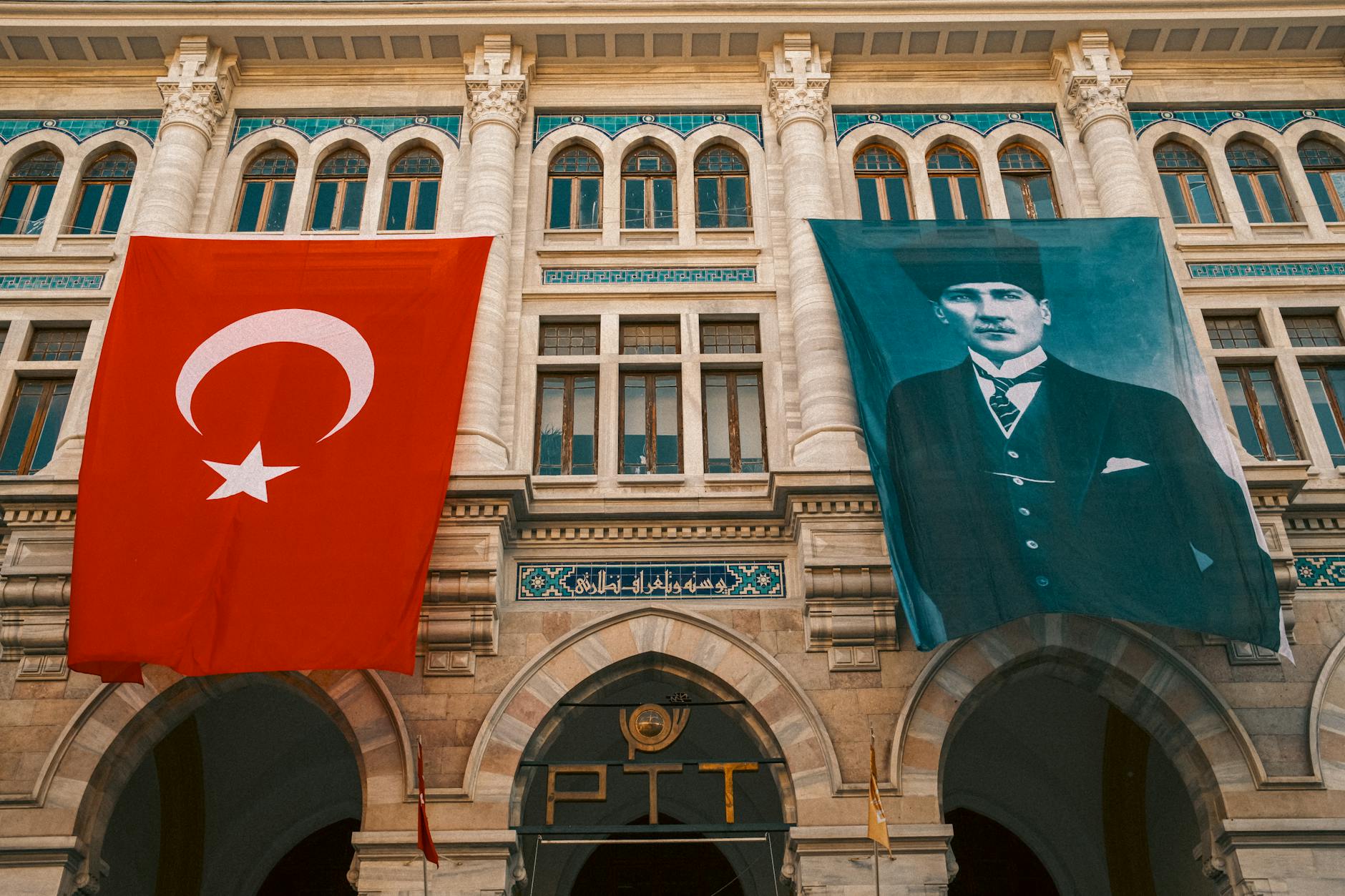
Last Tuesday, around 10:30 AM, I was sipping a tea near the Sirkeci Grand Post Office—an architectural marvel from 1905 that every traveler should see, even if they aren’t sending a parcel. I watched a couple from Berlin agonizing over a massive copper samovar they’d picked up in the Bazaar. They looked ready to give up and leave it at the hotel. I walked them inside, past the high vaulted ceilings, to the packing station. For about 150 TL (only 3 EUR at the current 50 TL exchange rate), the attendant wrapped that samovar in enough bubble wrap to survive a fall from the Galata Tower.
Navigating the PTT (Posta ve Telgraf Teşkilatı) involves a digital numbering system that sounds like a synth-pop concert every time a new ticket is called. But with the 2026 rates making shipping more logical than paying 60 USD (about 2,700 TL) for an overweight bag at Istanbul Airport, it’s worth the twenty-minute wait. The trick is to avoid the midday rush and head to a branch early—around 8:30 AM—with your passport in hand and a little bit of “sabır” (patience). Whether it’s a box of spices from the Mısır Çarşısı or a vintage lamp from Çukurcuma, getting it home doesn’t have to be the stressful finale to your trip.
The Grand Post Office and Finding Your Local PTT
Skipping the Sirkeci Grand Post Office (Büyük Postane) is a visual mistake, but entering it without a strategy is a logistical one. This building is a 1905 masterpiece of “First National Architecture”—all turquoise tiles and soaring ceilings—but it functions with the frantic energy of a 19th-century train station. If you’re here to ship something, don’t just stand in the first line you see near the entrance. Those are usually for people paying utility bills or collecting pensions.
I was there last Tuesday helping a traveler from Marseille who had spent twenty minutes in the wrong queue just to buy a stamp. Save yourself the frustration: walk past the central atrium and head directly to the desks marked “International” or “Yurtdışı.” The staff there are used to the complexities of customs forms and usually speak enough English to get your package moving. If you’ve spent the morning collecting treasures from the secret artisan workshops in the Grand Bazaar, this is where the real work of getting them home begins.
Neighborhood Branches and the ‘Kargo’ Rule
While Sirkeci is the flagship, it isn’t always the most efficient choice for a quick errand. For smaller items, I always prefer the neighborhood branches in Galata or Moda. They are significantly quieter and the atmosphere is much more “village-like.” Most local PTT branches open at 08:30 and close by 17:30, though they do take a sharp lunch break from 12:30 to 13:30. If you show up at 12:25, expect a polite but firm “come back later.”
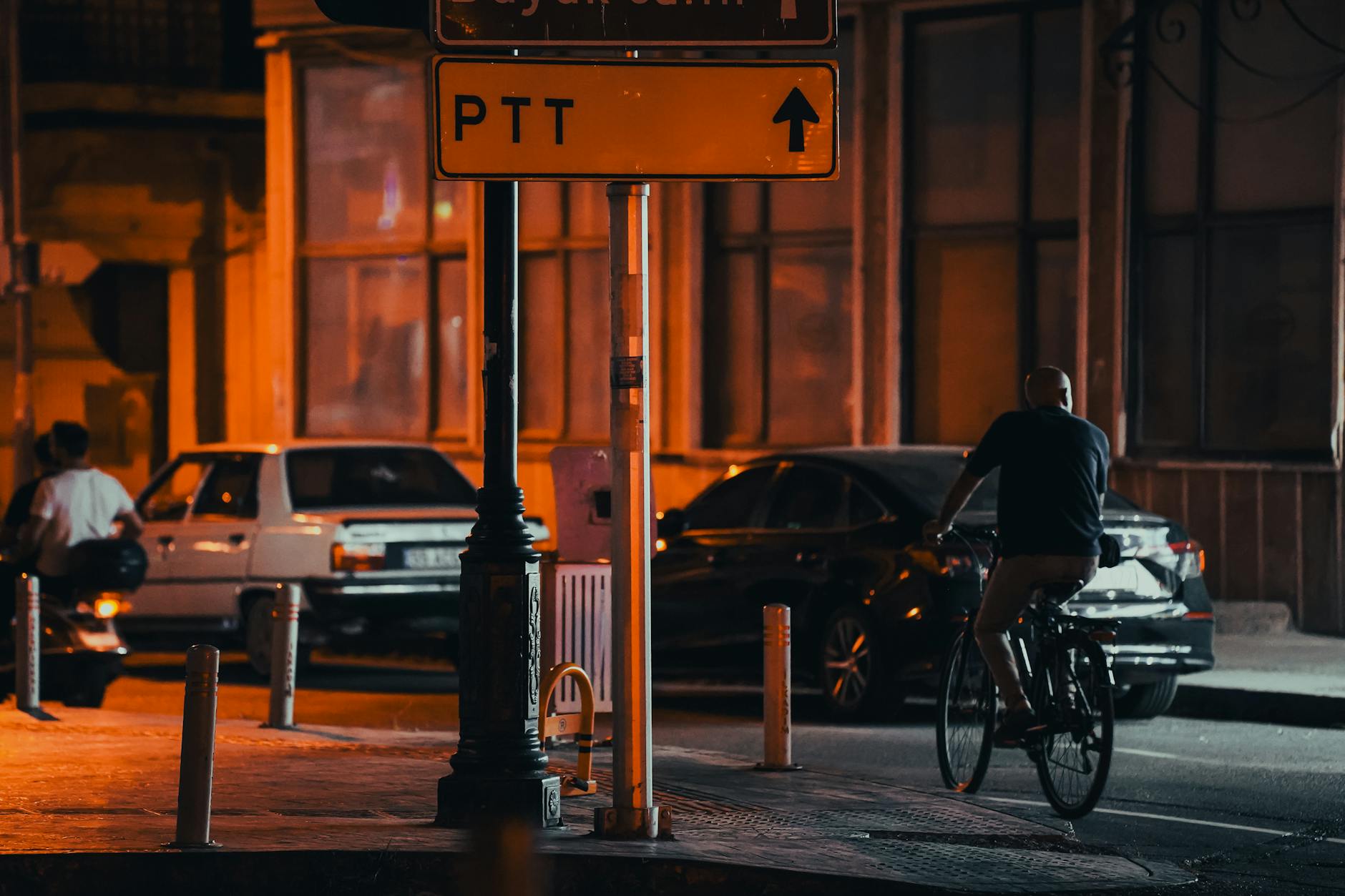
A crucial distinction to remember is that not every small PTT office is equipped for heavy lifting. You need to look specifically for the “PTT Kargo” sign, usually displayed in yellow. If you’re trying to ship a 10kg box of Turkish towels and the branch looks like a tiny hole-in-the-wall with only one clerk, they might send you to a larger hub. For a standard international envelope, expect to pay around 45 TL to 50 TL—which, at our current 2026 rates, is exactly 1 USD or 1 EUR.
Berk’s Insider Tip: If the queue at Sirkeci is too long, walk 10 minutes to the smaller PTT branch near the Spice Bazaar (Mısır Çarşısı) entrance. It’s often ignored by tourists and the staff there have seen every type of spice and ceramic known to man.
2026 Shipping Rates: What You’ll Actually Pay
Most travelers assume shipping a heavy Kilim or a box of Iznik ceramics home will cost more than the items themselves, but if you skip the fancy hotel courier and head to a PTT branch, it’s surprisingly affordable. The key is understanding that you aren’t just paying for weight; you’re paying for the “Zone” and the method of travel. For shipping purposes, Europe is categorized as Zone 1, while North America and much of Asia fall into Zone 2.
Last Tuesday, I was at the historic Sirkeci PTT around 10:30 AM—right before the lunch rush—and watched a frustrated traveler pay nearly double for a package to London. He simply said “fastest way,” and the clerk put him on a private express track. If he’d just asked for the standard international service, he would have saved enough for a very high-end dinner. Don’t make that mistake. Always specifically ask for “PTT Kargo Yurtdışı” rates. This ensures you stay within the postal service’s own network rather than being upsold to private partners like DHL or UPS, which PTT sometimes facilitates at a premium.
Surface Mail: The Budget Savior
If you aren’t in a rush, Surface Mail (Denizyolu/Karayolu) is your best friend. It takes longer—sometimes four to six weeks for North America—but the savings are massive. For example, shipping a heavy 10kg rug to the USA currently costs roughly 3,150 TL (70 USD) via surface mail. If you sent that same rug via air mail, you’d be looking at nearly double that price.
Air Mail Rates for Zone 1 and Zone 2
For smaller souvenirs or things you want to see within ten days, air mail is the standard. It’s calculated in tiers, and the jump from 2kg to 5kg is where most people feel the pinch. A 5kg parcel sent to Germany (Zone 1) currently runs about 1,500 TL (30 EUR). It’s reliable, trackable, and honestly, cheaper than paying for an extra checked bag at Istanbul Airport with most budget airlines.
| Destination | Weight & Service Type | Approx. Cost (TL) | Approx. Cost (EUR/USD) |
|---|---|---|---|
| Germany (Zone 1) | 5kg Air Mail | 1,500 TL | 30 EUR |
| USA (Zone 2) | 10kg Surface Mail | 3,150 TL | 70 USD |
| UK (Zone 1) | 2kg Air Mail | 850 TL | 17 EUR |
| Canada (Zone 2) | 20kg Surface Mail | 5,850 TL | 130 USD |
Step-by-Step Guide: How to Ship Your Treasures Home
If you’re ready to clear some space in your luggage, follow these action-oriented steps to navigate the PTT system like a local.
- Prepare your physical passport and items: Gather the treasures you want to ship and your original passport. PTT staff cannot process international shipments without seeing your physical passport; photocopies or digital images are typically rejected.
- Locate a designated “PTT Kargo” branch: Find a branch displaying the yellow “PTT Kargo” logo. While the Sirkeci Grand Post Office is the most famous, smaller neighborhood branches in Galata or Moda often offer shorter wait times and the same international services.
- Purchase a reinforced “Koli” (Shipping Box): Ask the clerk for a Koli in the size appropriate for your goods. These official PTT boxes are reinforced for international transit and provide better protection than standard cardboard boxes from a local shop.
- Present your items for inspection before sealing: Keep your box open. The clerk is legally required to inspect the contents for restricted items like liquids, perishables, or historical antiques before the package is taped shut.
- Complete the CP72 Customs Declaration form: Fill out the customs paperwork provided by the clerk. Describe your items simply (e.g., “Wool Rug” or “Cotton T-shirt”) and list them as “Gifts” or “Personal Effects” to help the recipient avoid excessive import duties.
- Select your shipping speed and pay the fee: Choose between Air Mail (approx. 10 days) or Surface Mail (cheaper, 4-6 weeks). Pay the shipping fee in Turkish Lira and ensure you receive a formal receipt.
- Secure your 13-digit tracking receipt: Keep the paper receipt containing your tracking number (starting with ‘C’ or ‘R’). You will need this to monitor the parcel’s progress on the PTT website and your home country’s postal service site.
The ‘Don’t Seal the Box’ Rule and Other Counter Logistics
If you show up to a PTT branch with a perfectly taped, gift-wrapped box, you’ve already lost the battle. The single most common mistake I see travelers make is assuming the post office works on an “honor system”—it doesn’t. In Istanbul, the clerk is legally required to inspect every single item you are sending abroad before it gets taped shut. If you bring a sealed box, they will hand you a blade, make you cut it open in front of a line of thirty people, and then you’ll be the one frantically trying to find a fresh roll of tape.
Last Tuesday, I was at the Sirkeci Grand Post Office right around 1:30 PM. The queue was a sprawling mess of roughly 40 people, and the wait time hit the 45-minute mark easily. I watched a frustrated couple spend ten minutes unboxing a set of lanterns because they hadn’t followed the inspection rule. My advice is simple: go at 09:00 sharp. At that hour, you can usually breeze through in ten minutes. If you are shipping delicate items bought after taking the Golden Horn ferry just to walk the quiet hills of Eyüp, keep them loosely wrapped in bubble wrap so the clerk can peek inside without a struggle.
Mastering the Paperwork and ID
You absolutely cannot ship a package without your Passport. The staff will not even look at your box if you only have a photocopy or a driver’s license. They need the physical document to enter your details into the system. Once your identity is verified, your next hurdle is the CP72 Customs Declaration form.
This form is your recipient’s best friend or worst enemy regarding import taxes. To help your friends back home avoid a massive tax bill, I always recommend listing items as ‘Gift’ or ‘Personal Effects’. Be honest about the contents, but keep the descriptions simple—“Cotton Shirt” is better than “Luxury Designer Textile.” If the declared value is high, the fees go up. For a standard 2kg box to Europe or the US, expect to pay around 1,250 TL (25 EUR) for standard airmail. If you’re paying in Lira, keep in mind our current 2026 rates of 1 USD = 45 TL and 1 EUR = 50 TL when budgeting your cash.

What You Can and Cannot Ship
Don’t assume that just because you bought it at a reputable shop, the PTT will let you put it in a box. The clerks are generally helpful, but they are also strictly bound by customs regulations that can feel like a brick wall. I once watched a traveler trying to pack a jar of artisanal honey they’d bought after following a Turkish Breakfast Guide into the PTT at 14:15 on a Wednesday. The clerk at the Beşiktaş branch didn’t even weigh it; he just pointed at the ‘No Liquids’ sign and went back to his tea.
The “No-Fly” List for Liquids and Perishables
Liquids are a hard no—don’t even try to ship that boutique olive oil or any syrups. Even if it’s double-wrapped in plastic, the PTT won’t touch it because of the risk of leakage ruining other mail. If you’re desperate to send these home, you’ll need to use a private courier like DHL or UPS. Food is also tricky; while you can get away with vacuum-sealed dried fruits or nuts, fresh cheeses and meats like sucuk will be rejected immediately due to hygiene and spoilage rules.
Antiques and Cultural Heritage
Turkish law is incredibly protective of its history. Anything over 100 years old is technically a national treasure and requires a museum certificate to leave the country. PTT clerks are surprisingly well-trained to spot Byzantine-style coins or old-looking Iznik tiles. If you’re near the Fatih Mosque courtyards and the tomb of the Conqueror, the local PTT branch there is tiny and often filled with locals paying bills. I went there at 09:15 AM to ship a small book; the queue was only 3 people, but the lack of English meant I had to use Google Translate for ‘Registered Mail’.
Essential Shipping Requirements
To avoid your package being held at the border, keep these rules in mind:
- The Rug Rule: If you bought a kilim or rug in the Grand Bazaar, the dealer must provide a fatura (official invoice). Tape a copy to the outside and put the original inside.
- No “Old” Goods: Items that look like antiques but are modern replicas should ideally come with a shop receipt stating they are “new.”
- Electronics: Avoid shipping items with large lithium batteries.
- Vacuum Seals: Always use professional vacuum-sealed packaging for tea, spices, or coffee to prove they are shelf-stable.
Packing for the Long Haul: The ‘Koli’ Strategy
The yellow PTT shipping boxes, or Koli, are the most reliable part of the entire postal experience. I’ve seen travelers try to save 50 TL (1 EUR) by taping up flimsy old grocery store boxes, only to have them disintegrate before the flight even leaves the tarmac. The official PTT boxes are reinforced and designed to be stacked high in cargo holds.
Where to Source Your Supplies
While you can buy boxes directly at most PTT branches, they do occasionally run out of the larger sizes during the afternoon rush. If you find a branch is out of stock, head to the Ambalaj (packaging) shops in the backstreets of Tahtakale, near the Spice Bazaar. You can pick up a heavy-duty, double-walled box there for about 90 TL to 135 TL (roughly 2 to 3 USD).
The “Pıt Pıt” Priority
If you’ve spent your morning on a Fener & Balat Walking Tour and walked away with a hand-painted ceramic plate or delicate glass lamps, you need pıt pıt. That’s the local slang for bubble wrap. Last month, I helped a friend pack a set of Iznik-style tiles she bought in Balat; we used an entire 5-meter roll of pıt pıt I bought in a side-alley shop for 100 TL (2 USD). It’s a tiny investment to ensure your treasures don’t arrive as expensive jigsaw puzzles.
Tracking and Peace of Mind
The most common mistake travelers make is tossing their PTT receipt into the nearest bin the moment they step out into the sunlight. Never lose that slip of paper. Your tracking number—usually a 13-digit code starting with ‘C’ for parcels or ‘R’ for registered small packets—is the only thing standing between you and a month of anxiety.
I once sent a heavy box of hand-painted ceramics from the Karaköy PTT branch around 11:00 AM on a Tuesday. The queue was only four people deep, and the clerk was efficient but silent. I paid 1,750 TL (which is exactly 35 EUR at the 1 EUR = 50 TL rate) for Air Mail. I watched that tracking number for three days until it hit the Istanbul Airport (IST) hub. Once it leaves Turkey, plug that same ‘C’ or ‘R’ code into your home country’s national provider, like USPS, Royal Mail, or Deutsche Post. They provide much more granular updates once the box clears your local customs.
FAQ
What should I do if my PTT tracking number isn’t working?
Don’t panic if the number doesn’t register in the system immediately. It often takes 24 to 48 hours for the initial scan at the branch to reflect on the website. If it still isn’t showing up after two days, take your physical receipt back to the branch where you sent it.
Is there a weight limit for international PTT Kargo shipments?
Yes, for standard international parcels, the limit is typically 20 kilograms or 30 kilograms depending on the destination country. If you are shipping something heavier, like a massive Anatolian rug, you might need to split the shipment into two boxes. Always weigh your items roughly before heading to the post office so you aren’t surprised by a 2,500 TL (approx. 50 EUR) bill at the counter.
How do I handle customs forms at the PTT counter?
You will be asked to fill out a small green CN22 or CN23 customs declaration. Be honest but brief. Instead of writing “souvenirs,” write “decorative cotton pillowcase” or “ceramic bowl.” This clarity helps customs officers in your home country process the package faster.
The Final Stamp
Standing in the Sirkeci Grand Post Office under those high, ornate ceilings, you might find yourself questioning if that vintage kilim was really worth the twenty-minute wait for a clerk who seems personally offended by your choice of packing tape. Trust me, it is. Dealing with the quirks of the PTT—the specific way they insist you tuck the customs form or the sudden “system update” that momentarily halts the queue—is just the small tax we pay for the privilege of bringing a real piece of this city home.
The last time I navigated the Sirkeci branch, I spent about 1,500 TL (roughly 30 EUR) to ship a bulky set of copper coffee pots to a friend in London. The process was a bit of a workout, but that heavy “received” stamp hitting the paperwork felt like a victory. Once you’ve wrestled your box onto the scale and the heavy lifting is finally out of your hands, don’t just rush back to the tourist crowds. Walk out those massive doors, head toward the side streets near the Spice Bazaar, and find a small stool at a local tea house. Order a çay, feel the weight off your shoulders, and watch the trams rattle past.
Comments
Share your thoughts with us