
Fatih Mosque courtyards and the tomb of the Conqueror with local visiting tips and etiquette
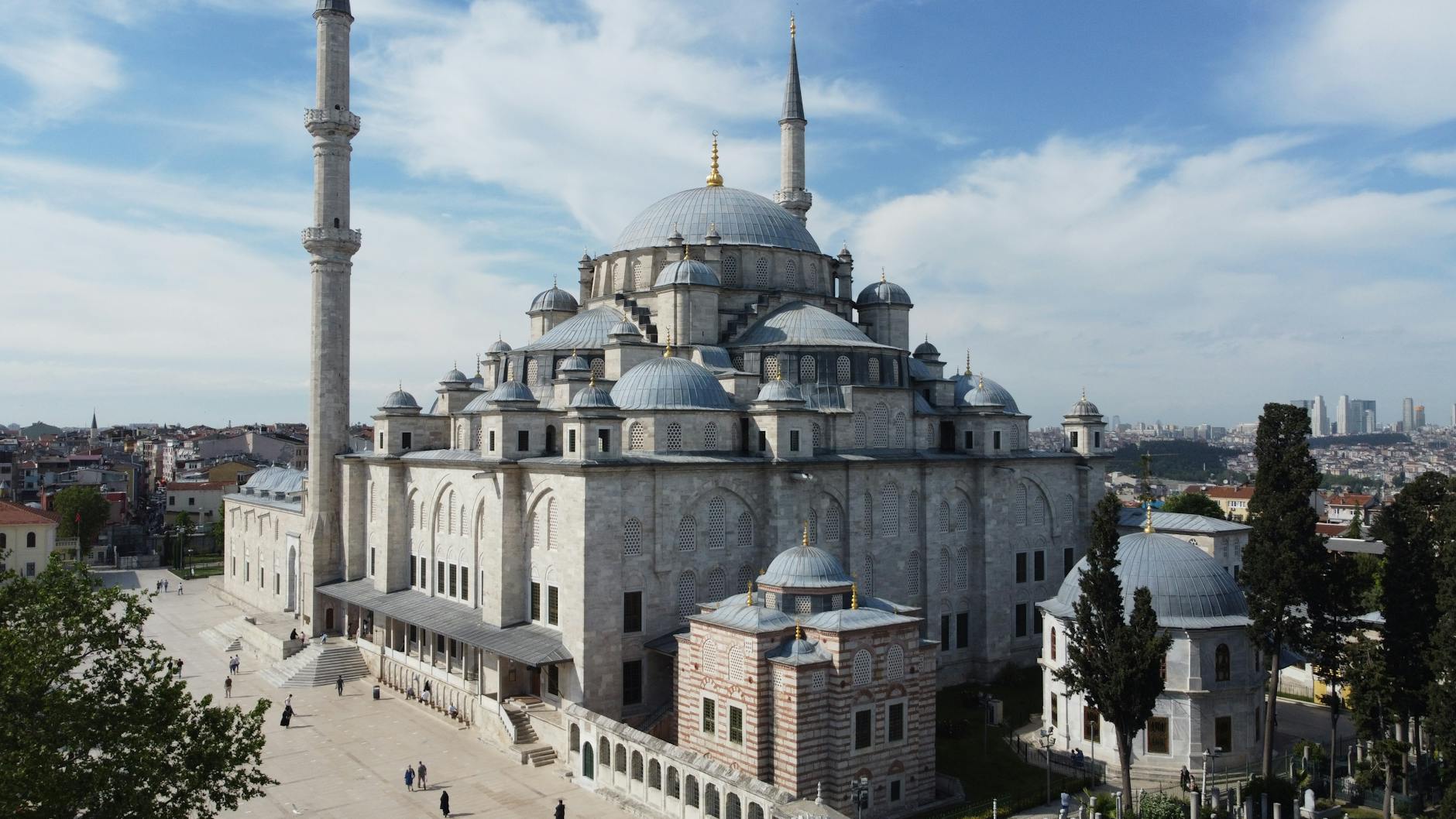
The first time I stood in the courtyard of Fatih Mosque, I realized that while Sultanahmet is for the postcards, Fatih is for the soul of the city; it’s where the echoes of the 1453 conquest meet the everyday clatter of the local tea house. After fifteen years of navigating these hills, I’ve found that the atmosphere here is fundamentally different from the frantic, staged energy of the Blue Mosque. It’s a place that demands a slower pace and a bit of humility. Last Tuesday, I arrived around 10:45 AM, just as the morning light was hitting the lead-covered domes, and headed straight for a small çay ocağı tucked behind the outer precinct wall. For just 15 TL (roughly 0.30 EUR), I had a steaming glass of tea while watching neighborhood elders debate the morning news. There was no queue to enter the tomb of Mehmed the Conqueror—just a quiet, respectful stream of locals.
The neighborhood is unapologetically traditional, and you’ll notice the shift in energy the moment you step off the bus from Eminönü. It’s one of the few places left where the “tourist gaze” feels entirely absent. Occasionally, visitors feel a bit intimidated by the conservative atmosphere, but the fix is simple: dress modestly and lower your volume. If you show up in shorts or sleeveless tops, you’ll likely feel out of place and might be asked to cover up before entering the spiritual areas. However, once you’ve swapped the camera-first attitude for a bit of local decorum, the neighborhood opens up. You aren’t just a spectator here; you’re a guest in Istanbul’s most historic backyard.
Standing on the Ruins of Emperors
You cannot understand the physical weight of Ottoman history until you realize that the Fatih Mosque is literally sitting on the bones of Byzantine emperors. When Mehmed II (the Conqueror) chose this site on the city’s fourth hill, he wasn’t picking a random plot of land; he was aiming for the Church of the Holy Apostles, the second most important structure in the Byzantine world. By clearing the ruins of that church—which housed the sarcophagi of Constantine and Justinian—and commissioning Atik Sinan to build his imperial complex, Mehmed was effectively declaring himself the new Caesar of Rome.
The Great Rebirth of 1766
The mosque you see today isn’t the one Mehmed walked through. The 1766 earthquake was a monster that leveled much of the original structure. While the foundation remains, the architecture shifted toward Ottoman Baroque during the reconstruction. It’s more graceful and light-filled than the original would have been, though some purists argue it lost its “warrior” edge.
I usually tell my friends to meet me at the northern gate around 9:30 AM. It’s early enough to beat the midday prayer crowds and the light hits the lower precinct walls perfectly. If you look closely at the masonry near the base of the outer courtyard, you’ll spot weathered, off-color stones that don’t match the 18th-century limestone. These are repurposed Byzantine fragments—spoils of war turned into structural support. It’s a bit of a hike if you are coming from the Theodosian Walls: Istanbul, but walking that distance is the only way to truly feel how the city’s power center shifted from the old gates to this massive complex.
One thing to watch out for: the courtyard is an absolute wind tunnel. Even on a sunny April day, the draft coming off the Golden Horn can be biting. Don’t make the mistake I see most tourists make—wear a light scarf or a windbreaker, or you’ll find yourself shivering before you even make it to the tomb.
The Etiquette of the Inner Sanctum
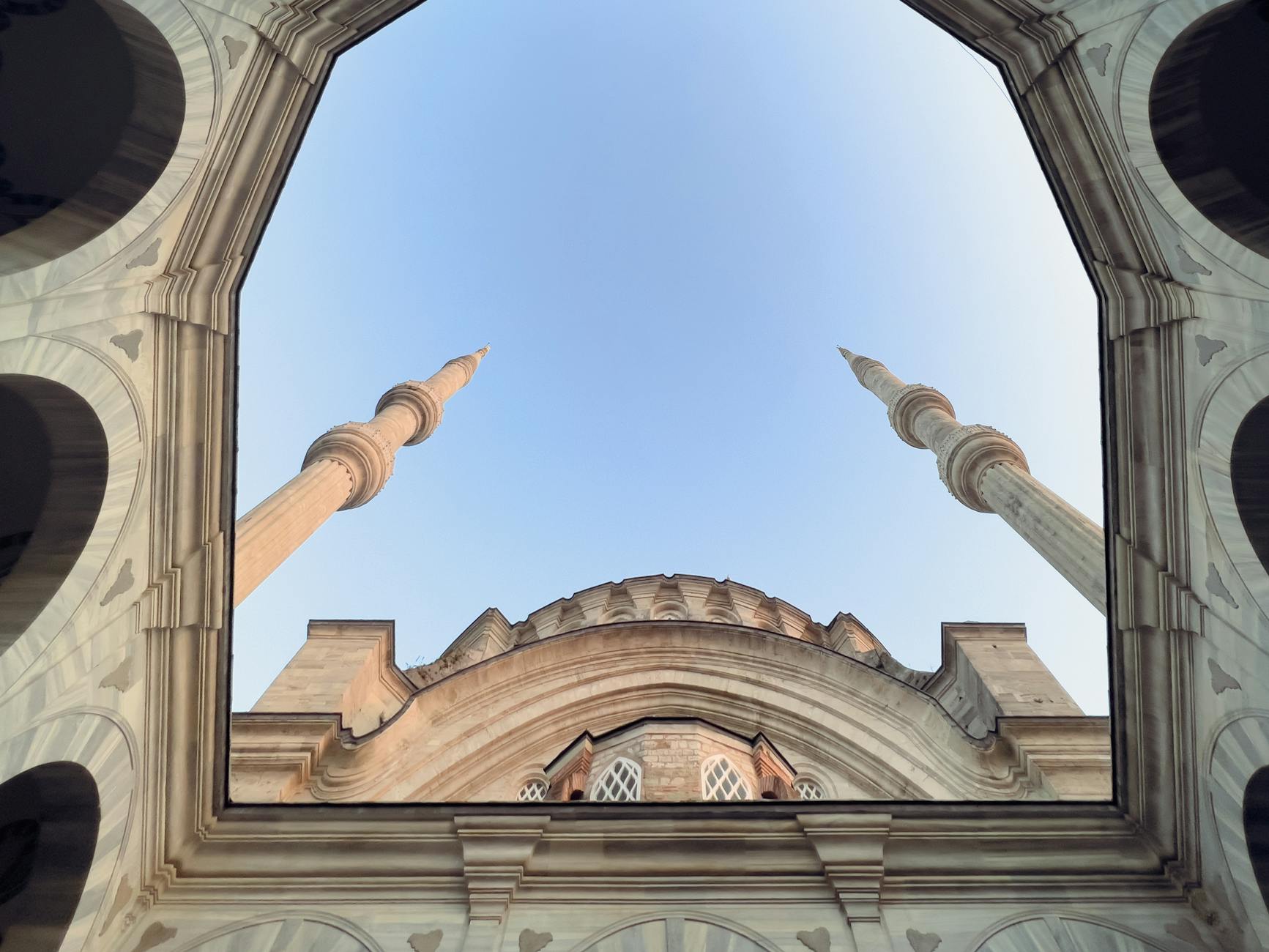
Fatih is not Sultanahmet; it is the beating heart of conservative Istanbul, and your attire is the first sign of respect you show to this community. While the Blue Mosque feels like a museum at times, Fatih is a living, breathing space where the local neighborhood comes to pray, mourn, and gather. If you show up looking like you’re headed to a beach club in Bodrum, you’re not just breaking a rule—you’re interrupting a sacred rhythm.
Respecting the Dress Code
The standards here are non-negotiable but simple to follow. For women, a headscarf covering the hair and shoulders is mandatory, along with clothing that hides the legs and arms. For men, shorts are a definite no-go. I once saw a traveler attempting to enter the inner courtyard in a gym tank top on a sweltering Tuesday afternoon. The security officer was incredibly polite—no shouting, just a firm shake of the head—and pointed him toward the booth that provides modest coverings.
To avoid wearing the “tourist uniform” of rented polyester robes, I’ve learned a trick over my 15 years here: I always carry a lightweight linen shirt or a thin cotton scarf in my bag during the summer. It takes two seconds to throw on over a T-shirt, and it keeps the interaction smooth and respectful.
Managing the Shoe Situation
When you reach the entrance of the mosque proper, you’ll encounter the “shoe situation.” You have two choices: use the wooden lockers provided or carry your shoes with you in a bag.
Personally, I recommend bringing a small, reusable drawstring bag. During peak hours or Friday prayers, the shoe racks can get chaotic, and there is nothing worse than wandering the marble courtyard in your socks trying to remember which cubby held your sneakers. On a particularly busy Friday last March, I spent 12 minutes searching for my boots because I forgot which row I used. Since then, I always take a photo of the locker number. If you find yourself needing to buy a basic tote bag nearby, expect to pay around 50 TL (1 EUR) at one of the small stalls outside the gate.
Quick Etiquette Reference
| Category | Requirement | Berk’s Pro Tip |
|---|---|---|
| Men’s Wear | No shorts or sleeveless tops. | Wear zip-off trousers or carry a linen shirt. |
| Women’s Wear | Hair and limbs must be covered. | Bring your own silk scarf to avoid the shared rentals. |
| Photography | Allowed, but never during prayer. | Focus on the architecture; avoid filming people praying. |
| Footwear | Must be removed at the door. | Carry a small plastic bag to keep your shoes with you. |
Timing Your Visit
The most important rule for the inner sanctum is to avoid entering during the five daily prayer times. Check a local prayer app or listen for the Ezan (call to prayer). You should wait at least 30 minutes after the call before attempting to enter as a visitor. The tomb of Mehmet the Conqueror (Fatih Sultan Mehmet) also follows these rhythms. It’s a place of intense pilgrimage, so keep your voice to a whisper and follow the circular flow of the crowd—usually entering from the right and exiting from the left.
Paying Respects at the Conqueror’s Tomb
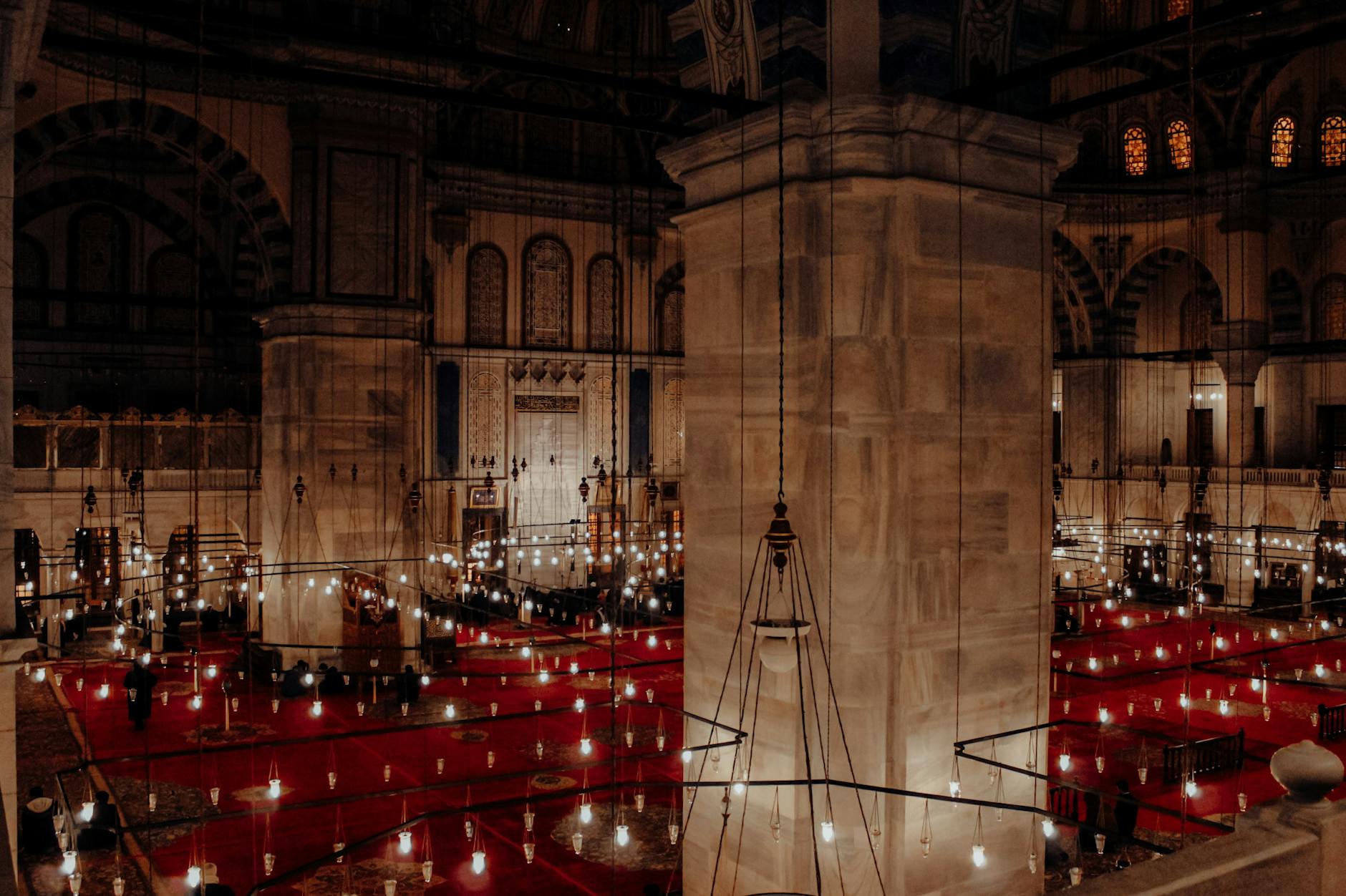
Stepping into the türbe of Sultan Mehmed II is the closest you’ll get to feeling the heavy pulse of Ottoman history without the museum-like sterility of Topkapı Palace. The air inside is thick with a distinct, cooling scent of rosewater and the quiet, rhythmic murmur of prayers—a stark contrast to the chaotic honking of Fatih’s traffic just outside the walls. On my last visit, I watched an elderly man spend nearly ten minutes simply resting his forehead against the green metal railing, eyes closed in deep contemplation. This isn’t a place for “aesthetic” selfies; it’s a living sanctuary where locals come to seek spiritual connection.
Wait times are usually a non-issue; you can typically shuffle in within five minutes on a Tuesday or Wednesday morning. However, if you make the mistake of arriving on a Friday shortly after the midday prayer, expect a 20-minute wait in a very dense, slow-moving queue. To avoid the crush, aim for the 10:00 AM window. While the intricate Islamic calligraphy and the towering turban at the head of the sarcophagus are visually stunning, keep your phone tucked away or your shutter silent. If you see someone engrossed in a pocket-sized Quran, give them a wide berth. After visiting the Sultan, I always walk over to the smaller, more modest tomb of Gülbahar Hatun nearby. It’s significantly quieter and offers a moment of genuine stillness, much like what I find when I am done with the Sultanahmet crowds so I go to Little Hagia Sophia instead. If you’re feeling parched afterward, the small tea stands nearby charge about 25 TL for a tea, though a proper Turkish coffee in a local side-street café shouldn’t run you more than 45 TL (1 USD).
How to visit the tomb with proper etiquette
- Remove your shoes before stepping onto the carpeted area and place them neatly in the wooden cubbies provided at the entrance.
- Silence your mobile phone completely and refrain from taking photos of people while they are in the middle of their prayers.
- Walk slowly around the perimeter of the sarcophagus, following the natural flow of the crowd to avoid bumping into those standing still.
- Maintain a respectful silence, as the acoustics of the dome carry even the slightest whisper throughout the entire chamber.
- Exit the chamber calmly, and if you wish to follow local tradition, avoid turning your back directly to the head of the tomb until you are near the doorway.
Beyond the Prayers: The Courtyard Life
The mosque courtyard is the literal living room of the district, and if you only step inside the prayer hall, you’ve missed half the story. I’ve spent countless Tuesday mornings sitting on the stone perimeter near the central fountain, just watching the neighborhood exhale. This isn’t a museum; it’s a social hub where the rhythm of the city slows down just enough to be observed.
The Architecture of Socializing
You’ll notice a small, unassuming building near the gate called the Muvakkithane. In the Ottoman era, this was the “atomic clock” of the neighborhood. It was the time-keeping house where astronomers used quadrants and clocks to ensure the call to prayer was perfectly timed with the sun. While we use smartphones now, the building remains a silent witness to a time when science and faith shared the same courtyard.
The atmosphere is thick with the “white noise” of hundreds of pigeons and the low hum of elderly men debating the latest political shifts over glasses of tea. To the uninitiated, these debates might sound like heated arguments, but it’s actually a local sport. If the flurry of pigeons gets a bit too chaotic for your liking, just move toward the shaded columns of the Madrasa (the old religious school) where it’s significantly quieter.
While exploring the area, you might feel the urge for a legendary local meal; I always suggest heading over to the Bosphorus Ferry Tour: Istanbul route back at Eminönü for a different perspective on the city’s scale, though the local Fatih eateries offer much more authentic, pepper-heavy Anatolian dishes.
Essential Courtyard Experiences:
- The Sadırvan (Ablution Fountain): Watch the rhythmic ritual of worshippers preparing for prayer under the ornate dome.
- Muvakkithane Windows: Peer at the building where the city’s time was once measured by the stars.
- Pigeon Feeding: Observe the local tradition of buying a small cup of grain to feed the “birds of the holy place.”
- The Stone Perimeter: Grab a spot on the ledge around 11:00 AM to see the district at its most authentic, before the midday prayer rush.
- The Outer Gate Tea Spots: Join the locals for a quick glass of tea just outside the walls to soak in the secular side of Fatih.
Berk’s Insider Tip: The best ‘Fatih Sarması’ (a local sponge cake with apricot) can be found at the small bakeries just 200 meters from the mosque gate for about 100 TL (2 EUR)—it’s the perfect sugar hit after the climb up the hill.
Getting to the Heart of Fatih in 2026
Forget taking a taxi to Fatih; you will spend your morning staring at the brake lights of a delivery van on Fevzi Paşa Avenue instead of the Sultan’s tomb. This neighborhood was built for walking and community, not for modern traffic, and the gridlock here is legendary even by Istanbul standards. If you want to arrive without a headache, your best bet is the M2 Metro line. I always get off at Vezneciler Station. From there, it’s a pleasant 15-minute walk past the Roman Valens Aqueduct and through the bustling student streets of the university district.
If you are staying near Sultanahmet, the T1 Tram to Pazartekke is a solid alternative, though it leaves you with a bit of a climb. For those staying on the Asian side, don’t even look at the bridges. Take the Marmaray to Yenikapı and transfer or walk from there. It’s the only way to bypass the Bosphorus traffic. In 2026, a single hop on your Istanbulkart costs roughly 40 TL (about 0.88 USD).
Last month, I ignored my own advice and hopped in a yellow cab from Eminönü at 2:00 PM. I ended up paying 150 TL for a ride that moved about 200 meters in twenty minutes. I eventually hopped out and walked, arriving at the mosque gates long before the taxi did. Trust your feet and the rails; they are your best friends in this part of the city.
Berk’s Insider Tip: Avoid visiting on Wednesday mornings unless you want to get caught in the massive Çarşamba market crowd; it’s culturally fascinating but makes reaching the mosque entrance a 30-minute ordeal.
Fatih Mosque Travel FAQ
What is the best time of day to visit the Fatih Mosque complex?
I always recommend arriving around 9:00 AM. You’ll beat the midday heat and the largest tour groups. Most importantly, you’ll avoid the heavy crowds that gather for the noon prayer. If you arrive early, the morning light hitting the courtyard’s white marble is spectacular for photography, and the atmosphere remains hushed and spiritual before the neighborhood truly wakes up.
Is there a fee to enter the Fatih Mosque or the Conqueror’s Tomb?
No, entry to the mosque and the tombs is free of charge, as they are active places of worship and pilgrimage. However, since there is no ticket booth, many visitors forget that these are functioning religious sites. If you feel moved by the experience, you can leave a small donation in the “sadaka” boxes near the exit, which helps with the upkeep of these Istanbul landmarks.
How should I dress when visiting the Fatih district?
Fatih is one of Istanbul’s most conservative and traditional neighborhoods. While you don’t need to dress in local attire, modesty is a sign of respect here. Men should avoid shorts, and women should have their shoulders and knees covered. You’ll need to remove your shoes before entering the mosque, and women must cover their hair with a scarf inside the prayer hall.
Final Thoughts on the Conqueror’s District
Fatih doesn’t put on a performance for anyone. While the rest of Istanbul often feels like it’s racing toward a glass-and-chrome future or polishing itself for a postcard, this neighborhood remains anchored by its own gravity. It is the city’s stubborn soul. I’ve spent fifteen years watching neighborhoods across the Bosphorus lose their character to trendy franchises, but the courtyard of the Conqueror feels exactly as it did when I first moved here—heavy with incense, history, and a certain unshakeable dignity. It’s one of the few places where you aren’t a “tourist” so much as a temporary witness to a centuries-old rhythm.
If the scale of the mosque or the intensity of the crowds at the tomb starts to feel overwhelming, don’t rush back to the tram. The best way to process Fatih is to let it settle. I always head two blocks behind the mosque complex toward the smaller side streets. There’s a humble, wood-fired bakery called Has Ekmek where the smell of toasted sesame and sourdough hits you before you even see the door. Grab a warm kıymalı börek for 75 TL (exactly 1.50 EUR) and find a small tea stool nearby. Sitting there, watching the local shopkeepers haggle over crates of peppers while the afternoon shadows stretch across the ancient stones, you realize this isn’t a museum. It’s a living, breathing machine that hasn’t stopped working since 1463. That’s the Istanbul that stays with you long after the flight home.
Comments
Share your thoughts with us