
Ottoman Royal Tombs and Calligraphy at the Sultan Mahmud II Cemetery with Entry Tips
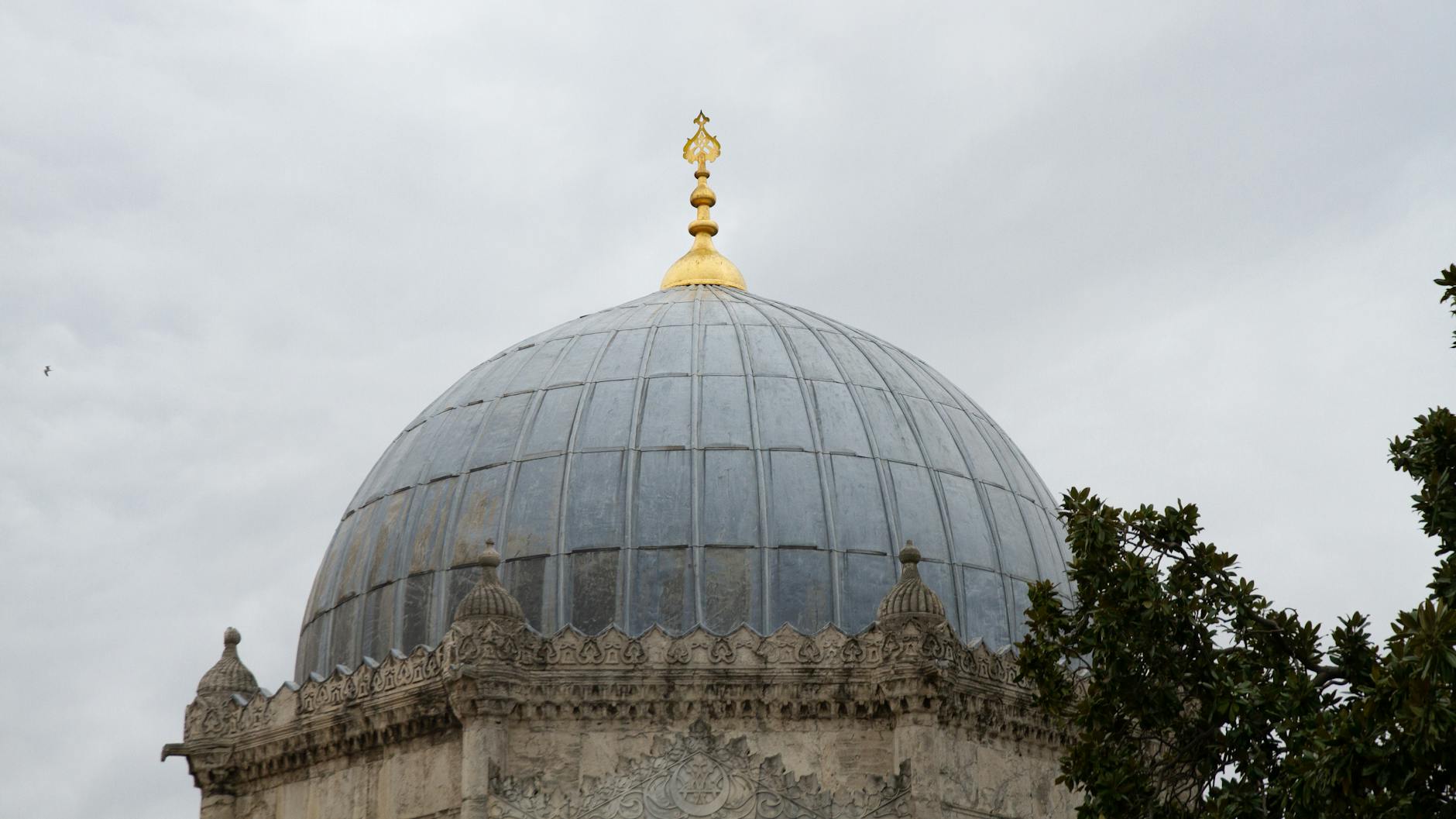
The T1 tram screeches to a halt at Çemberlitaş, dumping a sea of selfie-sticks into the path of an indifferent simit seller, but three steps away, behind a wrought-iron fence, the 19th century is still holding its breath. I’ve spent fifteen years navigating the organized chaos of Divan Yolu, and yet, every time I step into the garden of the Sultan Mahmud II Cemetery, the roar of the city simply vanishes. It’s a bit like a magic trick; one minute you’re dodging a delivery bike, and the next, you’re standing before the final resting place of the man who effectively dragged the Ottoman Empire into the modern age.
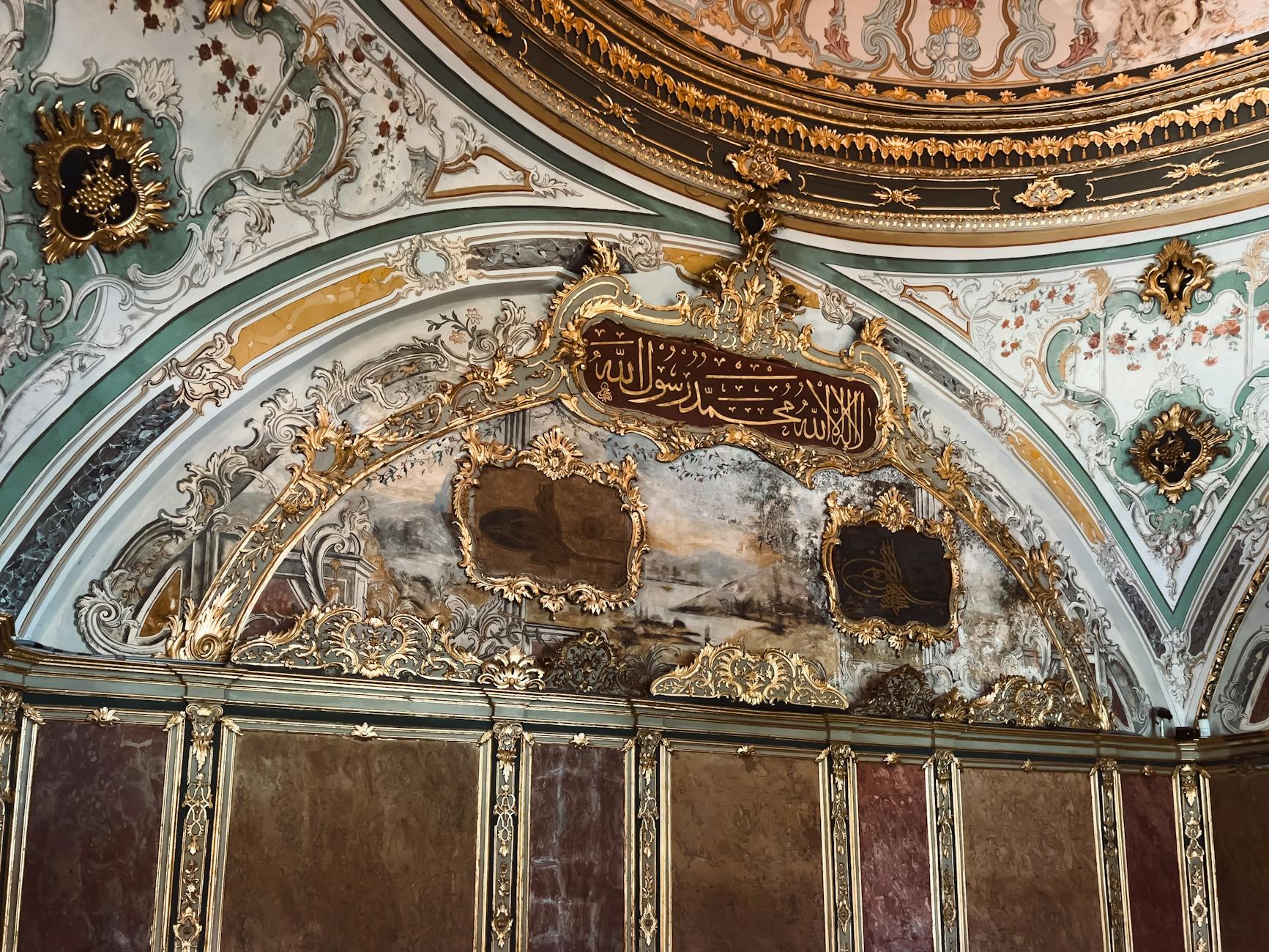
Last Tuesday at 10:15 AM—while the crowds further down the street were already bracing for a forty-minute queue at the Hagia Sophia—I was the only soul standing under the dome of this Imperial mausoleum. The silence here is heavy, thick with the scent of old stone and floor wax. If you look up, the calligraphy isn’t just decoration; it’s a masterclass in the Thuluth script, swirling across the ceiling in a way that makes your neck ache in the best possible way.
The best part? Entry won’t cost you a single kuruş, which is a rare win in a neighborhood where a mediocre coffee can easily set you back 150 TL (exactly 3 EUR or 3.30 USD). While the stones are impeccably kept, the uneven marble pavers near the entrance are notorious for catching the heels of the uninitiated—a small price to pay for a moment of genuine serenity. If you can ignore the faint vibration of the tram passing by every few minutes, you’ll realize this isn’t just a cemetery; it’s the quietest, most honest conversation you’ll ever have with the ghosts of the old city.
Escaping the Sultanahmet Slipstream
The stretch of Divan Yolu between Sultanahmet and Çemberlitaş is effectively the carotid artery of the Old City, and most afternoons, it feels like it’s about to have a stroke. It is a chaotic, beautiful mess where the clanging bells of the Navigating the T1 Tram through the Old City with 2026 Fares and Crowd-Dodging Tips compete with the “Where are you from?” chorus of persistent carpet hawkers. After fifteen years of living here, I’ve learned that the only way to survive a heavy morning of sightseeing is to know exactly where the emergency exits are.
My personal favorite “reset button” is a sharp left turn just a few meters past the Column of Constantine (Çemberlitaş). You’ll see the ornate iron railings of the Sultan Mahmud II Cemetery. Most people walk right past it, focused on their GPS or a melting ice cream cone, but the moment you step through that gate, the noise floor of Istanbul drops by about forty decibels.
A Sanctuary of Stone and Silence
The transition is jarring in the best way possible. Last Tuesday, after a particularly draining negotiation for a vintage kilim near the Grand Bazaar, I ducked into the cemetery grounds just to hear my own thoughts. It took exactly twelve steps to move from the frantic energy of a 15-million-person metropolis into a silent garden of marble turbans and overgrown roses.
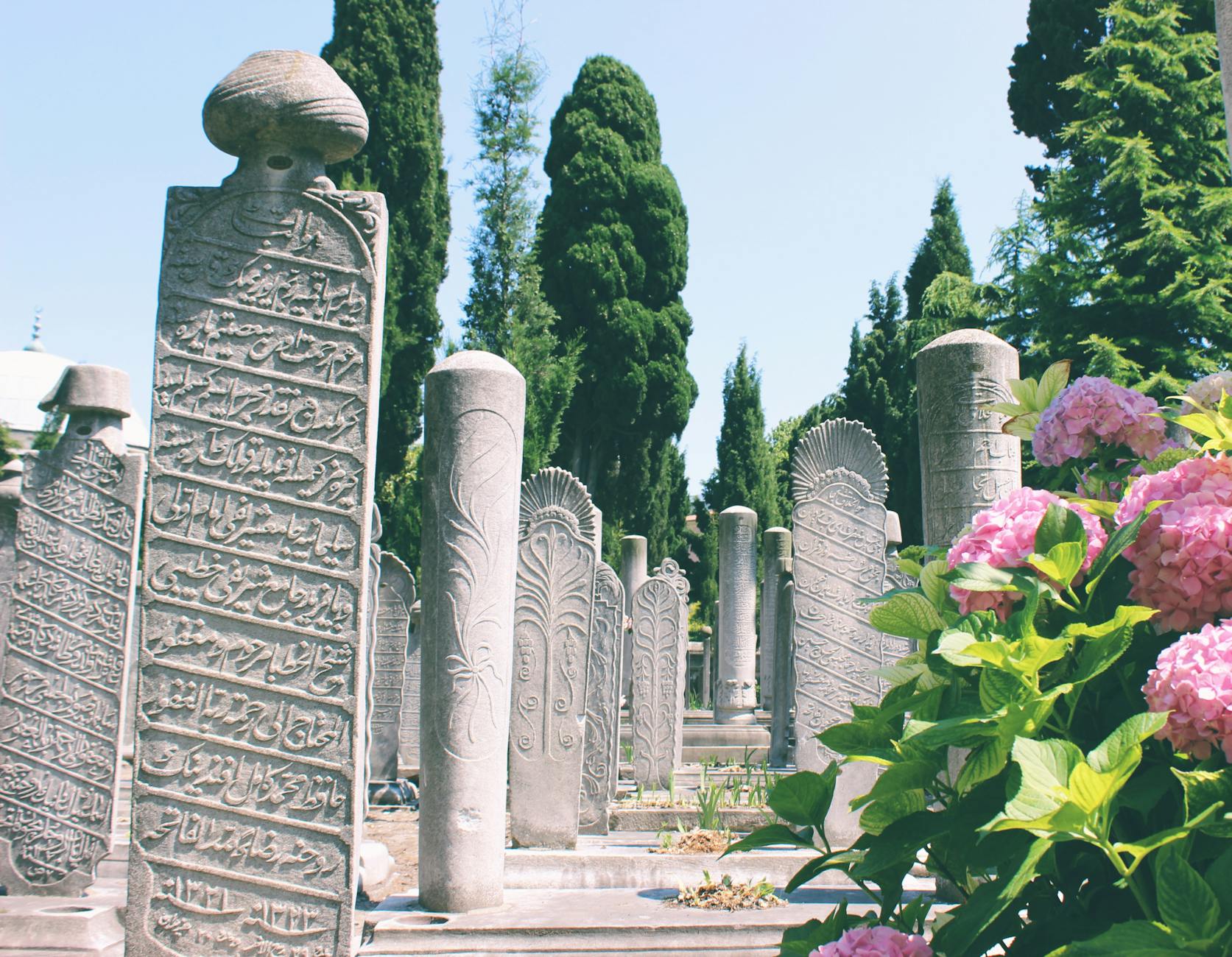
While the crowds are currently paying 35 TL (about 0.70 EUR or 0.80 USD) for a single tram ride to get away from the heat, you can stand here for absolutely nothing and soak in the history without a single selfie stick blocking your view. If the “Sultanahmet slipstream” starts to make your head spin, don’t keep pushing toward the next landmark. Slip into the cemetery, find a spot near the tomb of Sultan Abdülhamid II, and take five minutes. The only downside is the uneven Ottoman paving—it’s a bit of a literal ankle-breaker if you’re wearing flimsy sandals, so watch your footing as you admire the calligraphy.
The Big Three: An Imperial Roommate Situation
Walking into the Türbe of Mahmud II is like stepping into a velvet-lined time capsule where the 19th century refuses to end. You’re immediately hit by that distinct “imperial” scent—a heavy, nostalgic mix of aged cedar wood and the lingering sweetness of rosewater that seems to cling to the massive velvet drapes. It is a dense atmosphere, but not a claustrophobic one; the octagonal room is surprisingly airy, thanks to the high ceilings of the Empire style architecture.
It’s a bit of an “imperial roommate” situation in here. You have three of the most influential (and controversial) late Ottoman Sultans sharing the same floor space: Sultan Mahmud II, the reformer who famously abolished the Janissaries; Sultan Abdülaziz, the first Sultan to visit Western Europe; and Sultan Abdülhamid II, who held the empire together through its most turbulent final decades. I’ve always found it slightly ironic that these men, who spent their lives in the sprawling isolation of Dolmabahçe or Yıldız Palace, ended up in such close quarters.
The Weight of the Sarcophagi
The first thing that will catch your eye—aside from the sheer scale of the room—is the size of the sarcophagi. They are massive. I remember bringing a friend here who was shocked that the wooden caskets weren’t the actual “beds” but rather symbolic covers for the burial chambers below. The deep green velvet covers (palls) are embroidered with silver and gold calligraphy that glimmers even in the dim light.
One minor downside is that the lighting inside can be quite moody, which is great for the soul but terrible for your smartphone camera. If you find your photos looking grainy, don’t force the flash—it’s disrespectful and washes out the rich textures of the fabric. Instead, try to catch the natural light streaming through the lower windows.
What to Observe Inside the Mausoleum
- The Massive Crystal Chandelier: A gift from Queen Victoria, this centerpiece adds a touch of British Victorian flair to an otherwise somber Ottoman space.
- The Imperial Calligraphy Panels: Look for the gold-on-black inscriptions above the windows; they represent some of the finest Thuluth script ever produced in the city.
- The Turban Replicas: Each sarcophagus is topped with a headpiece indicating the rank and era of the Sultan; Mahmud II’s fez marks his break from the traditional turban.
- Silver-Threaded Embroidery: If you get close enough to the railings, you can see the intricate hand-stitching on the green covers, which took years to complete.
- The Marble Flooring: The patterns here are a perfect example of the “Westernized” Ottoman aesthetic, blending Parisian elegance with traditional geometry.
If you’re lucky enough to visit on a quiet Tuesday morning like I did last week, you might find yourself alone with the “Big Three.” The silence is only broken by the muffled clatter of the T1 tram passing by on Divan Yolu. It’s a surreal contrast—the modern city rushing past while these three giants of history sit in absolute, rosewater-scented stillness.
Calligraphy That Speaks from the Grave
If you think these headstones are just somber markers of the deceased, you’re missing the point: this is the ultimate 19th-century branding exercise. In the Ottoman era, how you decorated your final resting place was the last chance to tell the world exactly how important, wealthy, or pious you were. It wasn’t about “rest in peace”; it was about “look at my font choice.”
The undisputed king of the cemetery is the Celi Sülüs script. This isn’t the cramped, spindly writing you see in old ledgers; it’s a bold, monumental style of Ottoman calligraphy designed specifically to be read from a distance. Last October, I spent an hour here around 4:00 PM just watching the light. If you time it right, the low afternoon sun hits the gold leaf lettering at an angle that makes the marble look like it’s plugged into an electrical socket. It’s breathtaking, though the glare can be a bit much if you’re trying to snap a photo without a filter.
The men who carved these, the Hattats (master calligraphers), were the creative directors of their day. They didn’t just write names; they balanced every curve and dot with mathematical precision. If you find yourself inspired by the ink-and-paper history of the city, you should take a short walk uphill to the stationery shops and old printing houses of Cağaloğlu with Sirkeci lunch routes, where the descendants of this artistic tradition still linger.
What to Look for in the Marble
- The Hattat’s Signature: Look at the bottom corner of the main text block; master calligraphers often hid their own names there in tiny, humble script.
- Gendered Finials: You’ll notice headstones topped with stone turbans (for men) or intricate floral bouquets (for women)—the 19th-century version of a profile picture.
- Raised Lettering: Run your finger (carefully) over the gold; the best stones have letters carved in high relief, meaning the marble was chipped away around the script.
- The Chronogram: Many inscriptions are poems where the numerical values of the Arabic letters add up to the year the person died.
- The “Ah Min’el Aşk” Symbol: Occasionally, you’ll spot a teardrop-shaped composition representing a sigh of grief or divine love.
Reading the Hats: A Stone Fashion Show
Ottoman cemeteries are the 19th-century version of LinkedIn, where your headstone shouts your job title and social status to anyone walking by. If you think today’s brand obsession is new, wait until you see the competitive ‘stone fashion’ at the Sultan Mahmud II hazire. In this open-air gallery of the elite, what you wore on your head in life was permanently chiseled into your memory.
The headgear is the ultimate giveaway. When Sultan Mahmud II famously banned the turban in favor of the Fez, he wasn’t just changing hats; he was rebranding an entire empire. You’ll see plenty of stone fezzes here—these were the modernizing bureaucrats and civil servants of their day. Conversely, if you spot an intricate, multi-layered turban, you’re looking at a religious scholar or a judge who clung to the old-world prestige of the Ulema.
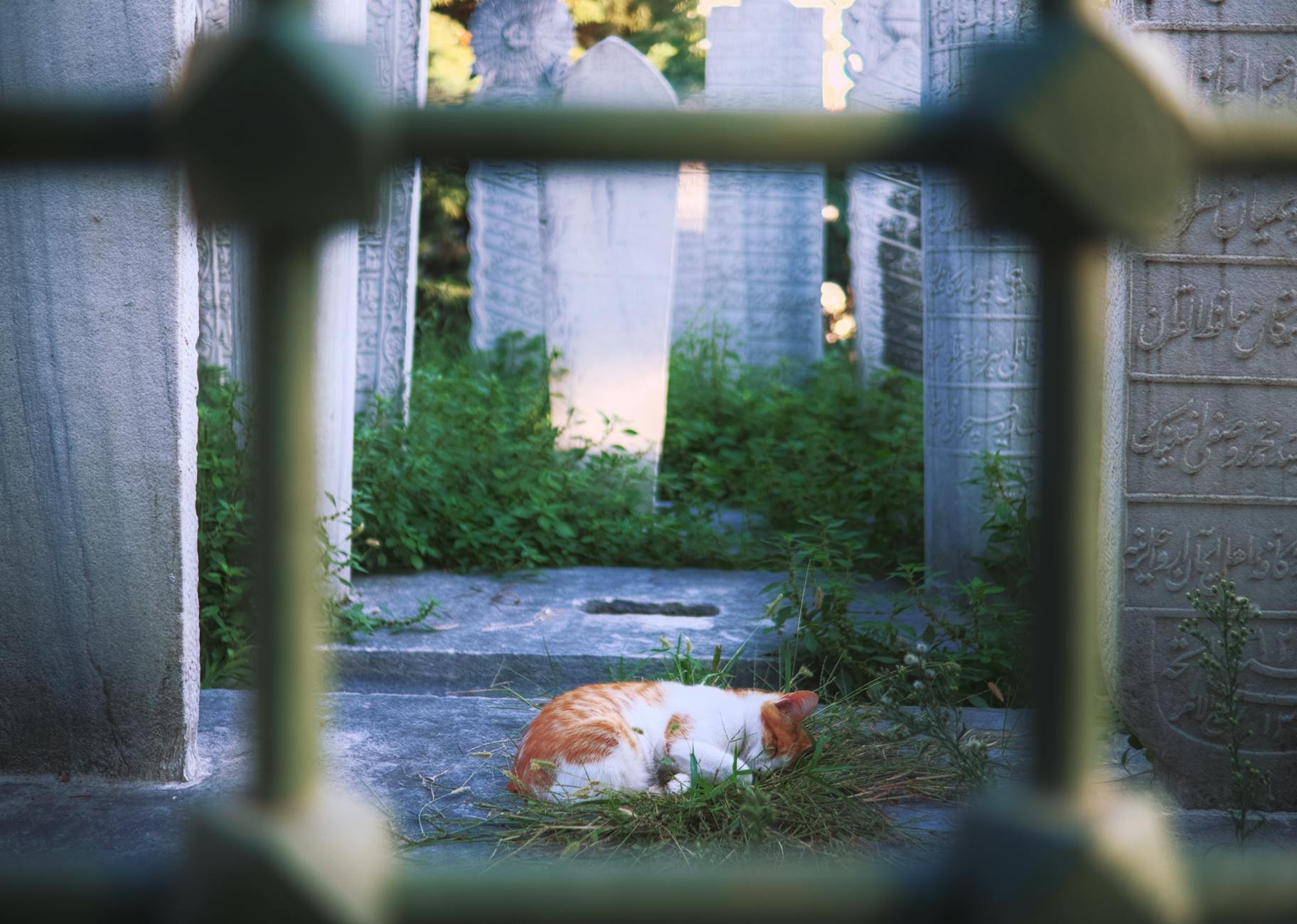
I stood there last Tuesday around 3:00 PM, watching a group of tourists rush toward the exit, completely oblivious to the fact that they were walking past a high-ranking Grand Vizier. Comparing this quiet, stony hierarchy to the frantic sweaty madness of my walk through Mahmutpaşa and Tahtakale is a trip. One is a chaotic scramble for modern textiles; the other is a frozen, permanent display of the finest status symbols history could buy.
Berk’s Insider Tip: Look for the graves with carved flowers—tulips, roses, and vines aren’t just decor; they often symbolize the gender or the ‘garden of paradise’ status of the deceased. A rose usually hints at a woman’s grave, while a tulip might signify the divine beauty of the soul.
Logistics for the Discerning Dead-Watcher
You don’t need a ticket to enter the Sultan Mahmud II Cemetery, but you do need a bit of situational awareness. I’ve spent countless afternoons wandering these paths, and the security guards here are remarkably “chill”—until they aren’t. They have a sixth sense for spotting tourists trying to lean on a 200-year-old grave for a “moody” selfie.
The gates are generally open from 09:00 to 17:00. If you want the “professional” shot, arrive at 16:00. The way the low sun filters through the trees creates deep, dramatic shadows. While there is no official entrance fee, there is a donation box. Keep a 50 TL note handy for this. If you started your morning with a heavy feast from the Turkish Breakfast Guide: Istanbul, this quiet walk is the best way to digest the honey and kaymak before hitting the next monument.
The Ghostly Neighbors of the T1
The T1 tram bell is the official soundtrack of historical whiplash in Istanbul. One minute you are tracing the gold-leafed calligraphy of a sultan’s final resting place, and the next, a bright blue tram car hurtles past the gates. While the T1 is convenient, it is often a claustrophobic experience compared to the relative calm of Navigating the Golden Horn on the T5 tram with 2026 cable car tips and transfer fares.
You aren’t just looking at royals here. Just a few meters from the imperial mausoleum lies Ziya Gökalp, the intellectual heavyweight whose ideas on nationalism paved the way for modern Turkey. Last Friday, I spent 180 TL on a simit and a juice that I accidentally dropped when the T1 tram doors slammed; I retreated here to the cemetery just to reset. I stood by Gökalp’s grave for ten minutes, watching commuters on the tram stare blankly at their phones while leaning against windows that reflect five centuries of history. They’re moving too fast to see the ghosts, but you shouldn’t.
FAQ
Is there an entrance fee for the Sultan Mahmud II Cemetery and Tomb?
No, entrance to the complex and the open-air cemetery is entirely free of charge. Unlike the nearby Hagia Sophia or Topkapı Palace, this site remains a functioning place of rest and reflection rather than a ticketed museum. Visit during daylight hours—generally between 09:00 and 17:00.
What is the best time of day to avoid the crowds on Divan Yolu?
To experience the cemetery without the constant jostling of tour groups, aim for the “golden hour” between 09:00 and 10:30 AM. Most of the heavy foot traffic from the Sultanahmet cruise ship crowds doesn’t migrate up the hill toward Çemberlitaş until later in the morning.
Are there any specific rules for photography inside the mausoleum?
While photography is generally permitted, you must turn off your flash and remain respectful. Avoid using tripods, as they block the narrow paths between the sarcophagi and will likely earn you a stern warning from the staff.
I spent forty minutes last Tuesday just watching the late afternoon light hit the heavy gilding on Sultan Mahmud II’s catafalque while a very determined tabby cat tried to claim my left shoe as a bed. It is the kind of heavy stillness you simply won’t find five minutes down the road at the Hagia Sophia, where you’re currently expected to pay 1,250 TL (exactly 25 EUR) to join a human snake that moves at the speed of a tectonic plate. If the main entrance on Divanyolu feels a bit intimidating, don’t assume it’s closed—the heavy iron often just needs a firm, confident shove. Don’t be one of those who mistakes the silence for a “keep out” sign.
Comments
Share your thoughts with us