Navigating the Golden Horn on the T5 tram with 2026 cable car tips and transfer fares
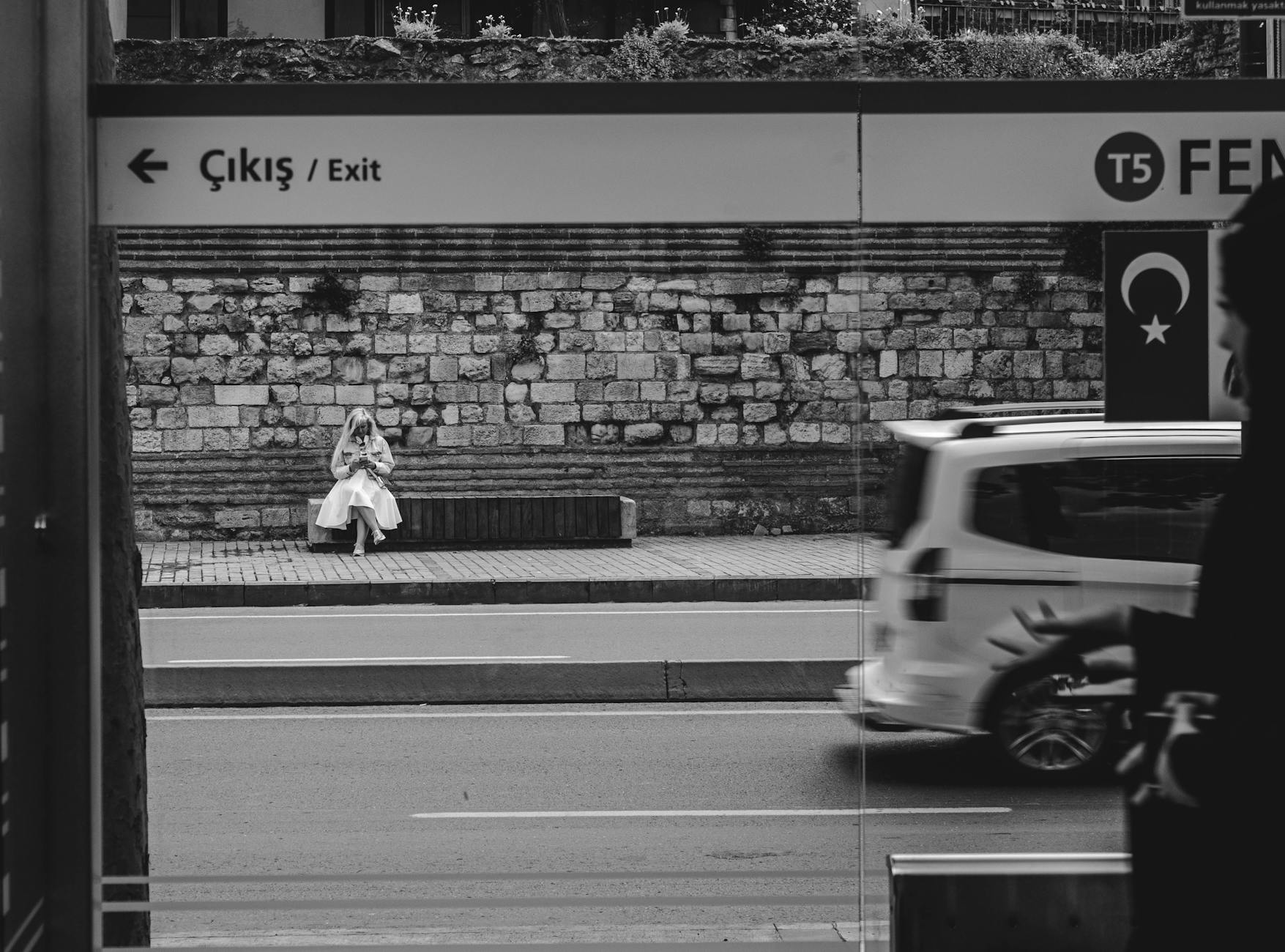
For fifteen years, my relationship with the Golden Horn was defined by the screeching brakes of the 99A bus and the heavy scent of diesel idling in Eminönü traffic. Getting to the backstreets of Balat or the shrines of Eyüp used to be an endurance test that even the most patient locals dreaded. But everything shifted when the T5 tramline finally sliced through that gridlock. Now, instead of staring at the rusted bumper of a delivery truck, I’m gliding past 1,600-year-old Byzantine sea walls behind floor-to-ceiling glass, watching the water ripple just a few meters away.
Last Tuesday, I found myself at the Eminönü terminal around 10:15 AM, just as the morning rush had exhaled. The platform was quiet, save for the rhythmic clicking of the turnstiles. I tapped my Istanbulkart, which now deducts 40 TL for a single journey—roughly 0.80 EUR or 0.88 USD under our 2026 rates—and stepped onto a carriage that feels like a private viewing gallery. At the Eminönü ticket machine, I watched a visitor struggle with a 200 TL note that the machine kept rejecting four times in a row. I showed him how to use the mobile app instead, saving us both from a growing queue of eight people as the clock ticked toward the 10:30 departure.
The T5 provides a tactical advantage. Most visitors still trap themselves in expensive taxis that get strangled by the narrow lanes of Fener, but the tram bypasses the chaos. It’s the way to reach the Pierre Loti cable car without losing an afternoon to traffic. However, the efficiency comes with its own rules—the transfer logic between the rails and the suspended cabins at Eyüp is where many waste their balance. Navigating this stretch requires local foresight, especially when the wind picks up off the Haliç and the ferry schedules fluctuate. If you are planning to cross the water later, you might want to check the Beylerbeyi Palace Entry Tips and Bosphorus Ferry Routes to the Asian Side to see how the transit network connects across the strait.
Finding the T5 Platform at Eminönü
The T5 Eminönü terminal is tucked behind the fortress of public buses and ferry queues. While the blue tracks of the T1 tram are the city’s backbone, the T5 is the gateway to the Golden Horn, situated on the western edge of the square. I’ve seen travelers get flustered because there isn’t an indoor connection between the two lines.
It takes exactly 4 minutes to walk from the T1 (Kabataş-Bağcılar) tram stop to the T5 terminal. You navigate the transition between the spice market area and the functional transport hub of the Haliç shoreline. The platform is exposed. If you are here in July, the lack of shade makes the wait feel twice as long. I once stood there at noon and felt like a piece of simit being toasted in an oven. My advice? Stay tucked under the small roof near the turnstiles until the tram pulls in.
Navigating the Terminal Transfer
Connecting to the T5 requires tactical walking through the Eminönü bus station. Since the terminal is behind the main ferry piers, commit to the walk along the water rather than heading into the crowds of the inner square.
How to transfer to the T5 Tram at Eminönü:
- Disembark from the T1 tram at Eminönü and head toward the waterfront.
- Walk past the Eminönü-Kadıköy ferry piers, keeping the Golden Horn on your right.
- Cross through the public bus terminal area, moving westward away from the Galata Bridge.
- Locate the modern T5 entrance gates situated behind the final row of bus stops.
- Prepare your Istanbulkart for the turnstiles; a single fare is 40 TL in 2026.
- Enter the platform and move to the far end to catch the breeze.
The Scenic Stretch through Fener and Balat
Sit on the right-hand side of the tram for the Golden Horn views. While the left side offers glimpses of city walls, the right side provides an unobstructed, water-level panorama. Because the T5 runs on a dedicated track along the shoreline, you are closer to the water here than on any other rail line.
Architectural Icons from the Window
As you glide past the Cibali stop, look for the Sveti Stefan (the Bulgarian Iron Church). It is an architectural anomaly made of prefabricated cast iron. Shortly after, the skyline is dominated by the red-brick silhouette of the Phanar Greek Orthodox College. I remember standing at the Fener platform last August at 2:15 PM; the digital display board was flickering, but the tram arrived exactly 3 minutes later, just as I was debating whether the 40-degree heat made the walk to the church impossible.
The tram decelerates significantly here to navigate the sharp curves of the historic embankment. This is a gift for photographers; last week, I timed the crawl at nearly 50 seconds through the scenic bend, enough time to get a steady shot of the church without motion blur.
Logistics and Local Detours
The Balat stop is consistently the most crowded point. If you find the platform overflowing with crowds, stay on for one more stop and get off at Ayvansaray. From there, it’s a ten-minute walk back along the water.
While the colorful stairs of Balat are a draw, I prefer the quieter area. If you seek a deeper cultural experience, consider the Architecture and Gardens of the Şehzade Mosque with Visiting Tips and 2026 Entry Prices. It offers a level of serenity you won’t find in the coffee shops down by the tracks.
Ayvansaray: Where the Walls Meet the Water
Ayvansaray is where the polished veneer of Balat’s coffee shops ends and the monumental weight of Byzantine history begins. You step off the T5 tram and the Theodosian Walls are right there—massive and crumbling. This is the northern terminus of the fortifications that held off sieges for a millennium.
The Hill to the Palace
The noise of the city softens, replaced by the somber energy of the approaching Eyüp district. I usually take the 10-minute uphill walk starting from the Ayvansaray stop. It’s a steep climb that leads to the remains of the Blachernae Palace complex.
Just a few minutes further along the fortifications, you can find sites that rival the Atik Valide Mosque architecture and 2026 visiting tips for the Üsküdar complex in terms of historical depth. The glass walkways inside the ruins allow you to hover over archaeological layers, and the view from the roof remains a secret.
A Quiet Transition
Ayvansaray feels suspended in time. You’ll notice fewer people posing for photos and more locals going about their day. The sidewalks near the walls can be narrow and uneven. Don’t try this walk in slick-soled shoes; the centuries-old stones are polished smooth and can be slippery. Take it slow and watch how the city’s character shifts from colorful chaos to historic reverence.
2026 Transit Costs and the Transfer Hack
I find it frustrating to see visitors tap their Istanbulkart multiple times and pay the full fee for every leg when the Aktarma (transfer) system rewards efficiency. In 2026, your card remembers where you’ve been. If you board the T5 at Eminönü and then hop on the TF2 cable car at Eyüp within 90 minutes, the system recognizes this as a single journey.
Last week, I stood behind a group at the Eyüp cable car entrance who were searching for a top-up machine because they thought they needed another 40 TL each. I explained that because they had just hopped off the T5 tram, the gate would only deduct 28 TL. That 12 TL difference pays for a glass of Turkish tea.
Decoding the 2026 Price Structure
Using 1 EUR = 50 TL and 1 USD = 45 TL benchmarks, here is how your transport budget breaks down:
| Trip Sequence | Lira Cost | Approx. EUR/USD | Strategy Note |
|---|---|---|---|
| First Boarding (Full) | 40 TL | €0.80 / $0.88 | The standard starting rate. |
| 1st Transfer (Aktarma) | 28 TL | €0.56 / $0.62 | Valid if you tap within 90 minutes. |
| 2nd Transfer | 22 TL | €0.44 / $0.49 | The price drops for your third connection. |
| Marmaray (Max) | 85 TL | €1.70 / $1.88 | Refund your card at the exit machines. |
Maximizing the 90-Minute Window
The 40 TL (0.80 EUR) initial fare is your entry fee. Once you’ve tapped into the T5, you have 90 minutes to hit the Eyüp cable car or a ferry to reach the 28 TL (0.56 EUR) discounted rate. If you linger too long over coffee in Balat, the clock resets.
Berk’s Insider Tip: Keep at least 150 TL on your Istanbulkart per person. There are no top-up machines at the small T5 stops like Ayvansaray, and walking to find one is a hassle.
The Pierre Loti Teleferik Ascent
The Pierre Loti Teleferik is a classic contradiction: a three-minute ride that often demands a forty-minute wait. While the aerial view is beautiful, standing in a stagnant queue at the Eyüpsultan station as humidity climbs is rarely ideal. Each cabin holds exactly eight people, and during peak hours—especially weekends—the system can’t keep up with demand.
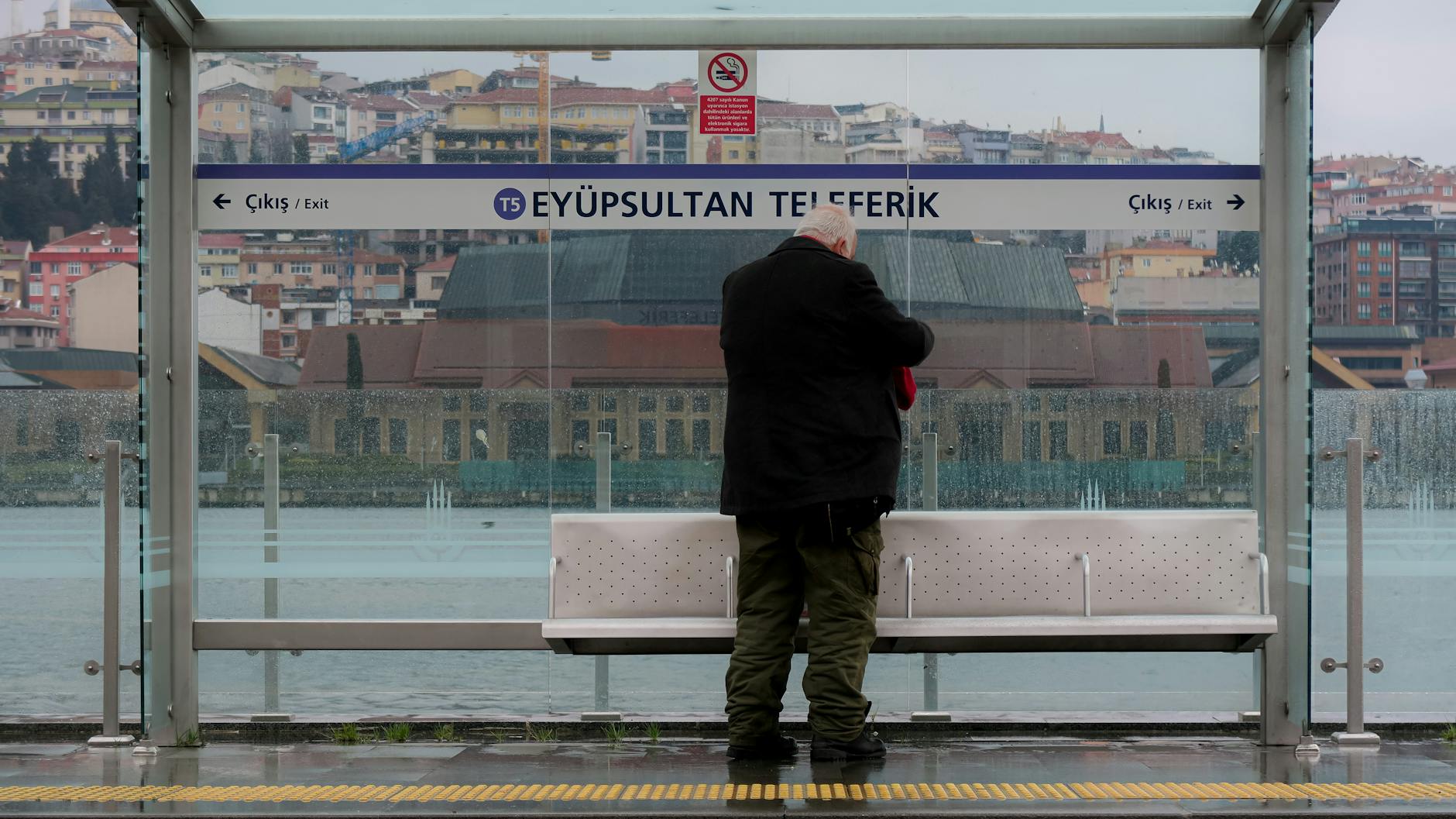
Last June, I stood by the turnstiles watching a group check their watches every two minutes. They had been there for half an hour, and the line hadn’t moved twenty feet. If you see that line snaking out toward the street, save your sanity. The alternative is the 15-minute walk through the Eyüp Cemetery. It is a steep but paved path shaded by towering cypresses. Once you reach the summit, you can reward yourself by using the Municipality Social Facilities for Prime Views and 2026 Prices, where tea won’t break your budget.
Berk’s Insider Tip: If the cable car queue is longer than the ‘Eyüp Sultan Camii’ courtyard, walk up. The path through the cemetery offers better photo angles than the scratched glass of the cabin.
FAQ: Navigating the Teleferik
How much does the Pierre Loti cable car cost in 2026?
The ride is integrated into the transit network, costing a single credit. As of 2026, a standard fare is 40 TL (about 0.80 EUR or 0.88 USD), with transfer discounts available.
Is the walk through the cemetery difficult?
Provided you stay on paved paths and maintain a quiet demeanor, it is not difficult. The path is steep—avoid flip-flops—but it is a standard route used by locals. It is well-lit and safe.
What are the operating hours?
In summer, the cable car typically operates from 08:00 to 22:00. In winter, it closes at 21:00. Check the digital signs at the station entrance before tapping your card.
Returning via the Haliç Ferry Lines
Taking the T5 tram back is a tactical error. The Haliç Hattı (Golden Horn Ferry) offers a different perspective of the city’s silhouette. It is the best budget cruise in Istanbul, turning a commute into a scenic highlight.
Timing and the Şehir Hatları App
The ferry usually runs once an hour. I learned this the hard way last month when I lingered over a second cup of coffee at Pierre Loti, only to see the boat pulling away from the pier. To avoid a 55-minute wait, download the Şehir Hatları app. During my last trip to the Eyüp pier at 3:30 PM, the ferry queue was already 40 people deep. I checked the digital board and saw the boat was delayed by 12 minutes. Instead of standing in the sun, I stepped into the nearby courtyard and sat on a stone bench that felt cool despite the 32°C afternoon. At roughly 45 TL (1 USD) for a ride, it’s a steal.
Why the Ferry Beats the Tram for the Return Leg
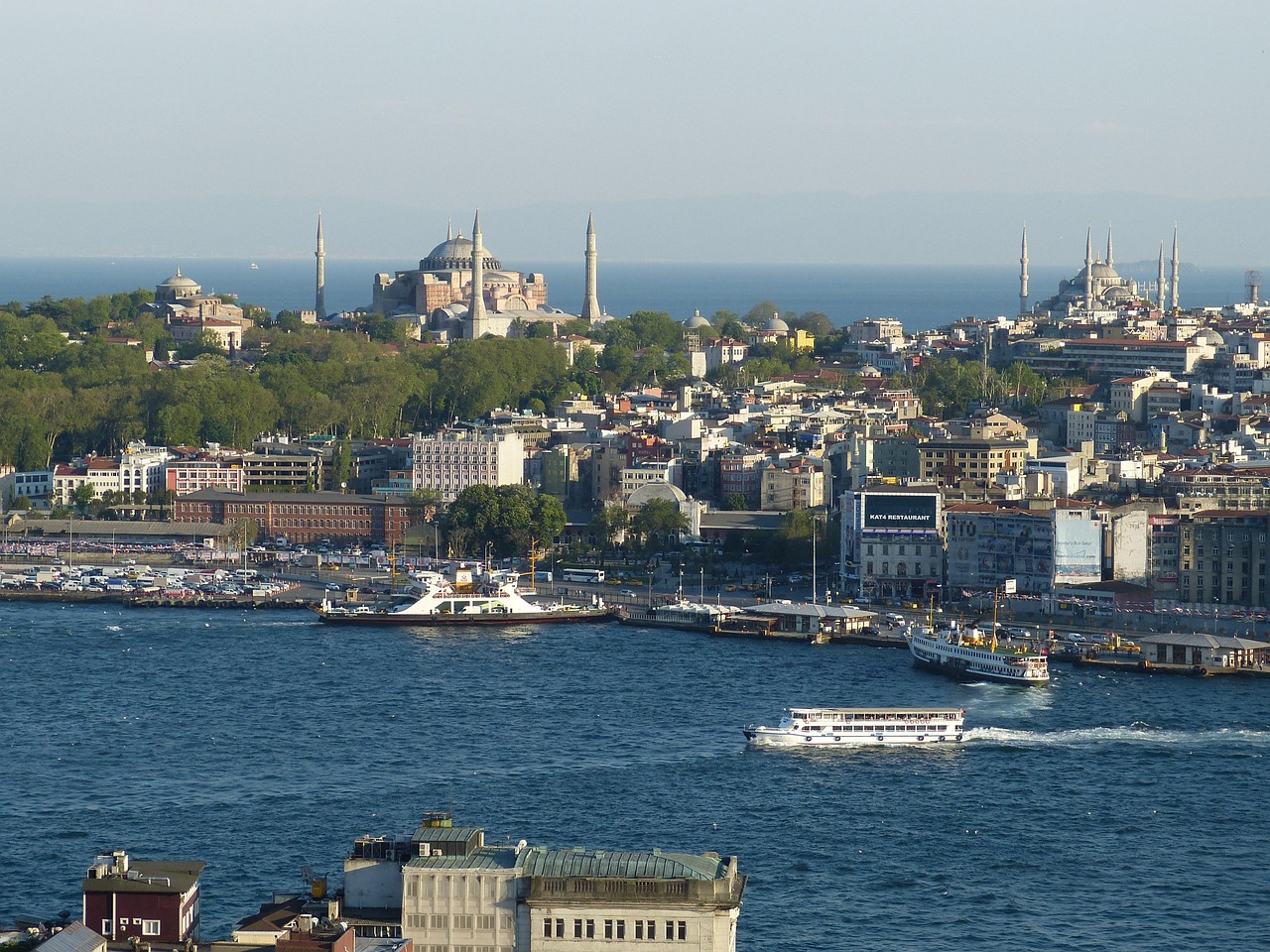
- Unrivaled Skyline Views: You get a 360-degree look at the minarets of Süleymaniye and the Galata Tower.
- Strategic Stops: The boat allows you to hop off for a Hasköy walking route through old synagogues and waterfront parks with 2026 ferry tips.
- Budget Friendly: At 45 TL, it costs about the same as a standard bus fare but offers better views.
- On-Board Comfort: Most Haliç boats have a small canteen for hot tea.
- Escape the Crowds: While the T5 tram can get cramped during the afternoon rush, the ferry remains spacious.
I’ve spent fifteen years navigating these hills, and I still look out the window of the T5 like it’s my first day. This route is a front-row seat to the Golden Horn’s evolution from industrial grit into a cultural artery. Last Tuesday, I stood at the Eminönü terminus and watched the 5:15 PM light hit the water; even with the increased 2026 traffic, that view makes the fare feel like a bargain. Before you tap your card, look for the older gentleman with the brass-trimmed cart by the ferry terminal. His simit are consistently the crunchiest in the area. Grab one and watch the history of Istanbul unfold through the glass.
Comments
Share your thoughts with us