
Hasköy walking route through old synagogues and waterfront parks with 2026 ferry tips
The sun was hitting the water at just the right angle last Tuesday morning as I waited for the Haliç Hattı ferry at the Karaköy pier. While the rest of the world is currently elbowing each other for a choreographed selfie among the colorful houses of Balat, I’m usually five minutes across the water in Hasköy, sitting in a waterfront tea garden where the only thing louder than the seagulls is the sound of a backgammon board being slammed shut. I tapped my Istanbulkart—the ferry fare is now 25 TL, which is a measly 0.50 EUR at our current 2026 rates—and stepped onto the wooden deck of the boat, leaving the frantic energy of the Galata Bridge behind.
Last Tuesday morning, I actually missed the 9:45 AM Haliç ferry by exactly thirty seconds because I stopped to buy a 20 TL simit from the cart outside the Karaköy tunnel. I watched the ramp pull up as I stood there with my hot tea in a cardboard cup, realizing the next boat wasn’t for another hour. It was a small mistake that gave me time to watch the cormorants dive near the bridge, but it reminded me that the ferry schedule is the only thing in this neighborhood that doesn’t move on “Istanbul time.”
Hasköy doesn’t perform for the cameras, and that is exactly why I’ve spent the better part of my fifteen years here retreating to its shores. It is a neighborhood of quiet, layered shadows where Jewish heritage isn’t a museum exhibit but a lived-in reality, tucked behind unassuming gates and the occasional industrial workshop. You might find some of the sidewalks a bit uneven or the shop signs a little faded, but that’s the trade-off for authenticity. If a street looks like a dead end, it’s usually just an invitation to find a hidden synagogue or a centuries-old tombstone peeking out from behind a garden wall. The trick to enjoying this place is understanding the rhythm of the Golden Horn; you have to be willing to trade the polished marble of the tourist districts for the scent of old wood, salt air, and the best-kept secrets of the city’s waterfront.
Getting There Without Losing Your Sanity
If you try to reach Hasköy by bus during the afternoon rush, you aren’t just traveling; you’re volunteering for a grueling masterclass in breathing exhaust fumes on the E-5 highway. The Golden Horn is meant to be seen from the water, not through the smeared window of a crowded midibus. Taking the ferry isn’t just a transport choice; it’s the only way to arrive with your mood intact.
Head directly to Karaköy Pier 2 to catch the Haliç (Golden Horn) line. Just last week, I had to physically steer a confused pair of travelers away from a “captain” trying to sell them a private “Golden Horn Experience” for 20 USD (about 900 TL). Don’t fall for the theater. In 2026, the reality is much simpler: a single ferry ride is 50 TL (1 EUR). You tap your Istanbulkart, you hear that satisfying beep, and you’re on your way.
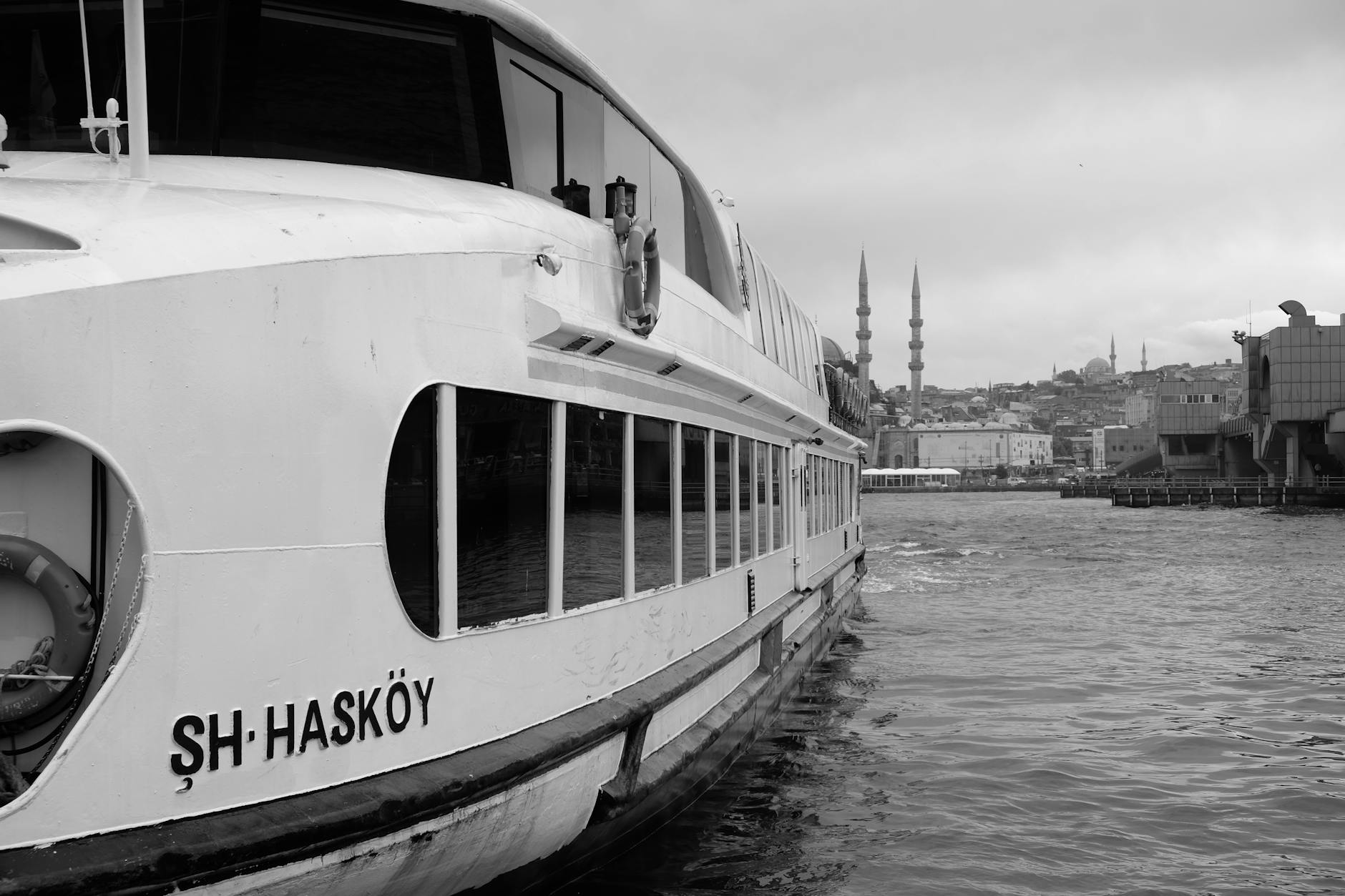
The ride itself is a highlight, not a chore. While the land route offers views of concrete barriers, the ferry glides past the massive, skeletal cranes of the old shipyards. It’s industrial, raw, and feels like the “real” Istanbul that tourists usually miss while staring at the Blue Mosque.
How to Master the Haliç Ferry
- Verify your departure gate by checking the latest Ferry routes and pier boarding tips for Eminönü and Karaköy.
- Refill your Istanbulkart at the yellow “Biletmatik” machines near the entrance; remember, the fare is now 50 TL per person.
- Ignore anyone outside the official turnstiles offering “faster” private boat trips for US Dollars.
- Position yourself on the left side of the vessel as you depart Karaköy to get the best views of the historic shipyards.
- Listen for the announcement for “Hasköy”—the pier is small, and the ferry won’t linger for more than a minute or two.
The Silent Stones of the Jewish Quarter
Hasköy is a place where history doesn’t scream for your attention; it whispers from behind heavy iron doors and crumbling brickwork, and frankly, it doesn’t care if you’re listening or not. This isn’t the sanitized version of history you’ll find in Sultanahmet; it’s a living, breathing, and occasionally decaying neighborhood that demands a bit of effort to appreciate. If you find the crowds at the main sites overwhelming, I am done with the Sultanahmet crowds so I go to Little Hagia Sophia instead to find a similar sense of peace.
The Fortress of Maalem
If you haven’t emailed the Grand Rabbinate of Turkey at least two weeks before your flight lands, your experience of the Maalem Synagogue will consist entirely of staring at a very sturdy, very locked gate. It is one of the most significant pieces of Sephardic heritage in the city, but security here is tighter than a drum. I once watched a couple spend twenty minutes trying to charm the security camera, hoping for a peek inside, only to be met with a polite but firm “No.”
The Fix: Don’t waste your breath at the gate. If you missed the email window, take a moment to appreciate the sheer scale of the exterior walls—it gives you a real sense of the neighborhood’s historical density—and then move on. There’s a small tea house nearby where a glass of tea will set you back about 25 TL (0.50 EUR). Sit there for five minutes and just watch the street life; it’s more informative than a closed door.
The Uphill Path to Peace
The Jewish Cemetery of Hasköy is a steep 15-minute climb from the waterfront, and I promise your calves will feel every bit of it. However, the reward is a silence so profound it feels alien in a city of 16 million. While tourists are currently elbowing each other for a photo of the Bulgarian Iron Church across the Golden Horn, you’ll likely have these ancient gravestones and the sweeping view of the water all to yourself.
A Neighborhood in Flux
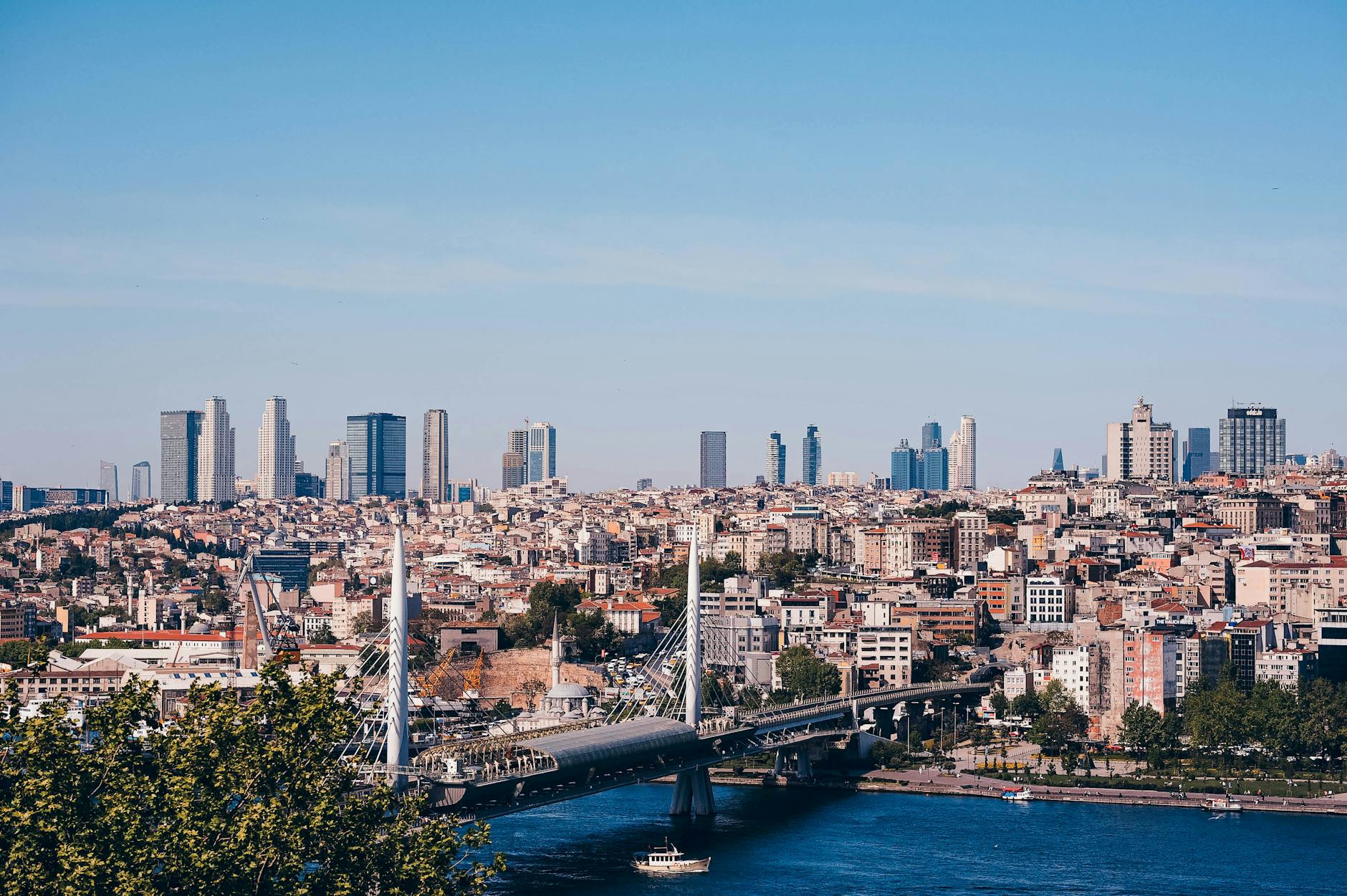
Walking through the backstreets, the bittersweet reality of Hasköy hits you. You’ll see 19th-century houses being ‘restored’ with questionable modern materials right next to buildings that are literally returning to the earth. It’s a mess, but it’s an honest one. If you see a building wrapped in green netting, it’s usually a coin flip whether it’s being saved or slowly demolished by neglect. My advice? Look up. The rooflines and window frames of the older structures still carry the DNA of the old Jewish Quarter, even if the paint is long gone.
Industrial Nostalgia at the Rahmi M. Koç Museum
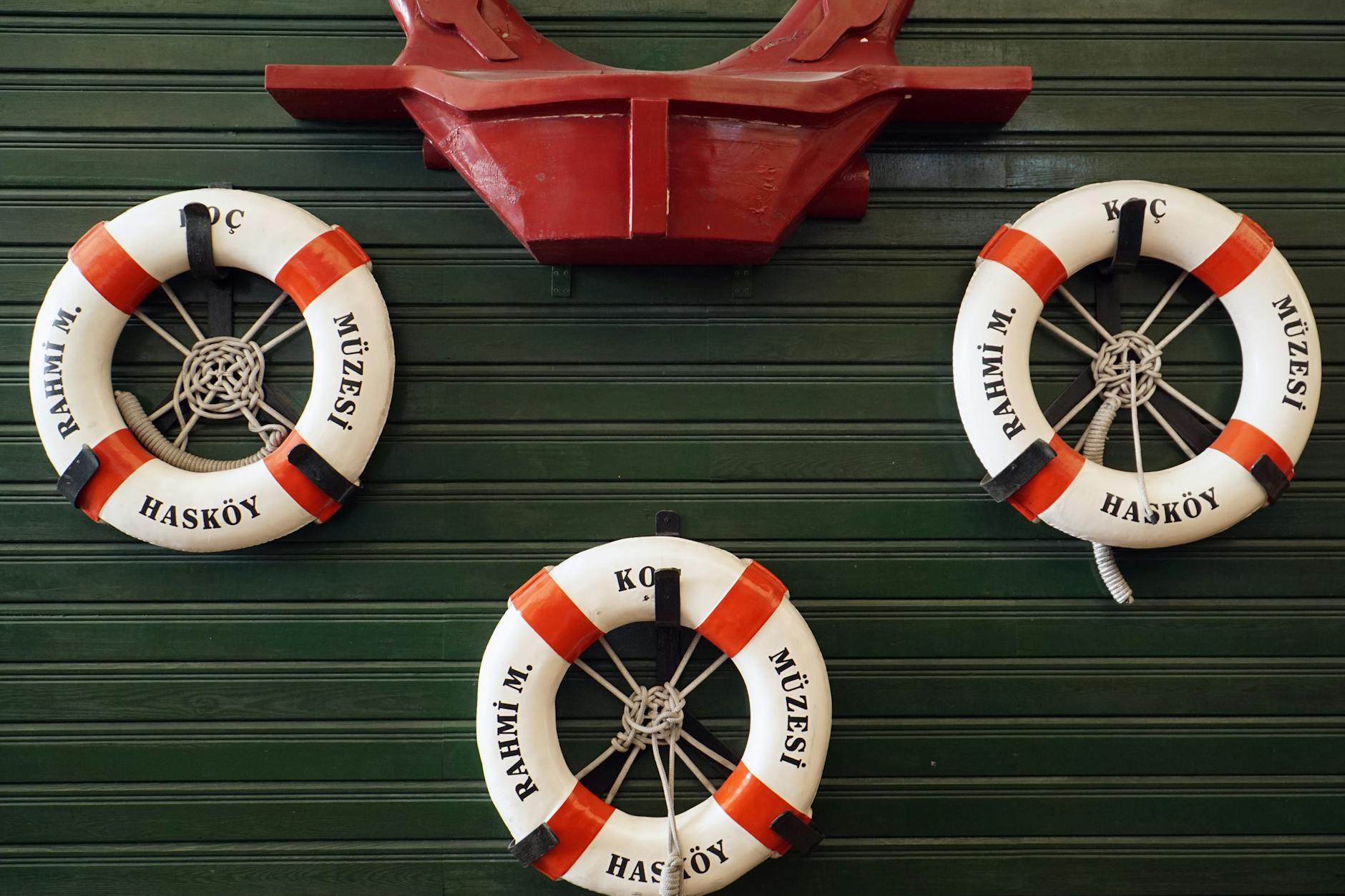
Most museums in Istanbul are obsessed with dusty tiles or Byzantine fragments, but the Rahmi M. Koç Museum is where the city’s actual mechanical heartbeat is stored. It’s a massive, sprawling shrine to everything that moves, clanks, or puffs steam. At 600 TL (12 EUR) for entry, it is one of the pricier tickets in town, but considering you’re getting access to both the historic Lengerhane (a 12th-century Byzantine foundation later used as an Ottoman anchor foundry) and the Hasköy Dockyard, it’s a bargain for the sheer volume of “stuff” on display.
When I visited the TCG Uluçalireis submarine last month, I made the mistake of showing up at the museum ticket booth at 12:15 PM without checking the tour schedule. The 12:30 PM slot only takes 10 people at a time and was already sold out. I ended up paying the 100 TL extra for the submarine-specific ticket but had to kill 90 minutes looking at steam engines before my 2:00 PM entry time. If you want the sub tour, buy that ticket first thing at the gate.
Tea on the Golden Horn
When your legs inevitably start to protest—and they will, because this place is deceptively giant—skip the modern cafeteria. Instead, walk the plank (literally) onto the Fenerbahçe ferry. This retired 1952 vessel is permanently docked here and serves as the ultimate nostalgic pitstop. A glass of tea will set you back roughly 60 TL (1.20 EUR). I spent an hour there last Tuesday watching the sunlight bounce off the Golden Horn, tucked into a velvet-upholstered seat that smelled faintly of old wood and salt air. It’s the most “Old Istanbul” moment you can have without a time machine.
Five Mechanical Marvels You Can’t Miss
- The TCG Uluçalireis Submarine: A 1944 ten-compartment behemoth. You’ll need a separate ticket and a lack of claustrophobia, but seeing the torpedo tubes up close is haunting.
- The 1917 Albion Dog-Cart: One of the rarest cars in the collection; it looks more like a motorized sofa than a vehicle.
- The Amphibious Cars: A quirky collection of vehicles designed to drive straight into the water—perfect for anyone who has ever been stuck in Istanbul bridge traffic and dreamt of swimming across the Bosporus.
- The Miniature Railway: Located in the basement of the Lengerhane, these models are incredibly detailed and far more relaxing than the actual Marmaray commute.
- The Douglas DC-3: A massive vintage aircraft parked right on the edge of the water that you can actually walk through.
Berk’s Insider Tip: The Rahmi Koç Museum is huge. If you’re short on time, skip the main building and head straight for the shipyard section across the street—that’s where the real machines are.
Aynalıkavak Pavilion: The Sultan’s Musical Retreat
If you’re tired of being treated like cattle in the endless, sweaty queues of Dolmabahçe or Topkapı, Aynalıkavak is your sanctuary. This is one of the few places in Istanbul where you can actually feel the atmosphere of the past without three hundred selfie sticks poking you in the ribs. It’s located just a 10-minute walk inland from the Rahmi M. Koç Museum, tucked away behind some unassuming naval shipyards.
Last Tuesday, I walked in at 2:00 PM and was literally the only person in the garden. Entry will set you back about 150 TL (exactly 3 EUR), which is arguably the best bargain in the city for a dose of imperial Ottoman history. While the massive palaces on the Bosphorus are all about showing off to foreign ambassadors, this place was built for Ottoman soul-searching and music.
The Basement’s Secret Symphony
Don’t just look at the ceilings and leave. The real treasure is tucked away in the basement. Sultan Selim III, who lived here, was a legendary composer and a master of the ney (reed flute). The basement houses a collection of traditional musical instruments that is weirdly captivating. You’ll see ancient ouds, tanburs, and flutes that look like they haven’t been touched in centuries.
Waterfront Tea and 2026 Logistics
You haven’t truly seen the Golden Horn until you’ve watched the sun dip behind the rusting cranes of the old shipyards with a steaming glass of tea in hand. The Çay Bahçesi (tea garden) right by the Hasköy pier is my favorite spot for this, mostly because it remains blissfully immune to the “tourist tax” found across the water in Eminönü. Last Tuesday, I sat there at 7:15 PM, paid my 25 TL (0.50 EUR) for a glass of tea, and watched the water turn a bruised purple.
Beating the 8:00 PM Deadline
Hasköy is poetic, but the City Lines ferry schedule is strictly prose. The last boat back toward Karaköy typically pulls away around 8:00 PM. If you miss it, prepare for a bit of a hike. Your best bet is to catch a local bus or a quick taxi to the Halıcıoğlu stop. If you’re planning more water-based travel, you might want to compare this to the Anadoluhisarı and Kanlıca walking route with ferry tips and yogurt stops for your next day out.
2026 Hasköy Cost Comparison
| Service / Item | Price in Lira (TL) | Price in EUR / USD |
|---|---|---|
| Glass of Tea (Pier) | 25 TL | 0.50 EUR / 0.55 USD |
| Istanbulkart Ferry Fare | 22 TL | 0.44 EUR / 0.49 USD |
| Local Börek Meal | 100 TL | 2.00 EUR / 2.22 USD |
| Metrobus (Full Trip) | 35 TL | 0.70 EUR / 0.77 USD |
The Final Ferry Out
Leaving the Rahmi Koç Museum always feels like a slight sensory comedown—stepping out from the polished brass of vintage submarines back into the dusty, unpretentious reality of the Golden Horn. But that’s the secret of this neighborhood. While the masses are currently elbowing each other for a “spontaneous” photo on a painted staircase over in Balat, you’re left with the silence of Hasköy’s backstreets and the ghost-stories of old synagogues.

I usually spend my last few minutes here sitting on one of the weathered benches at the waterfront park, watching the workshop lights flicker across the water. If you look toward the shipyard, you’ll see the “Şehir Hatları” logo glowing on the approaching ferry. Just a heads-up: that ferry doesn’t wait for anyone’s existential reflections. Before you get lost in the view, tap your Istanbulkart at the pier to make sure you aren’t short. A one-way trip is roughly 25 TL (about 0.50 EUR), and the reloading machine at the Hasköy dock is notorious for “resting its eyes” right when you need it most. Keep a bit of credit on the card so you can focus on the sunset hitting the minarets of the Old City as you sail back toward the chaos of Eminönü. It’s the perfect, quiet palate cleanser before the city swallows you whole again.
Comments
Share your thoughts with us