
I’ve spent fifteen years walking the backstreets of Üsküdar, and there is one specific moment that never gets old: stepping through the gate of Atik Valide and hearing the city’s roar vanish instantly into the shade of five-hundred-year-old plane trees. While the crowds in Sultanahmet are currently jostling for the perfect selfie angle, this Mimar Sinan masterwork remains a sanctuary for those of us who prefer our history served with a side of actual peace. Last Thursday, I arrived just after the mid-afternoon prayer—around 3:45 PM—and for twenty minutes, I was the only person in the courtyard besides a very sleepy ginger cat and the resident groundskeeper.
The climb up the Üsküdar hills can be punishing if you aren’t prepared. My own knees usually complain halfway up the steep incline from the ferry docks, but there’s a simple fix: skip the hike and take the M5 metro to the Bağlarbaşı station instead. From there, it’s a flat, easy ten-minute stroll through a neighborhood that feels like the Istanbul of thirty years ago. If you do catch a yellow taxi from the pier because the 2026 humidity is hitting hard, it shouldn’t cost you more than 135 TL (exactly $3 USD or €2.70 EUR). It’s a small price to pay to avoid arriving drenched in sweat at one of the most elegant külliye—or mosque complexes—in the world.
The surrounding Toptaşı neighborhood is conservative and deeply local, which means you won’t find tourist traps here, but you also won’t find many English menus. I stopped at a tiny esnaf lokantası (tradesman restaurant) just a block from the mosque gate where a bowl of steaming lentil soup and fresh bread cost me 80 TL ($1.77 USD). This complex functions as a neighborhood lung, providing a quiet rhythm to a city that rarely stops to catch its breath.
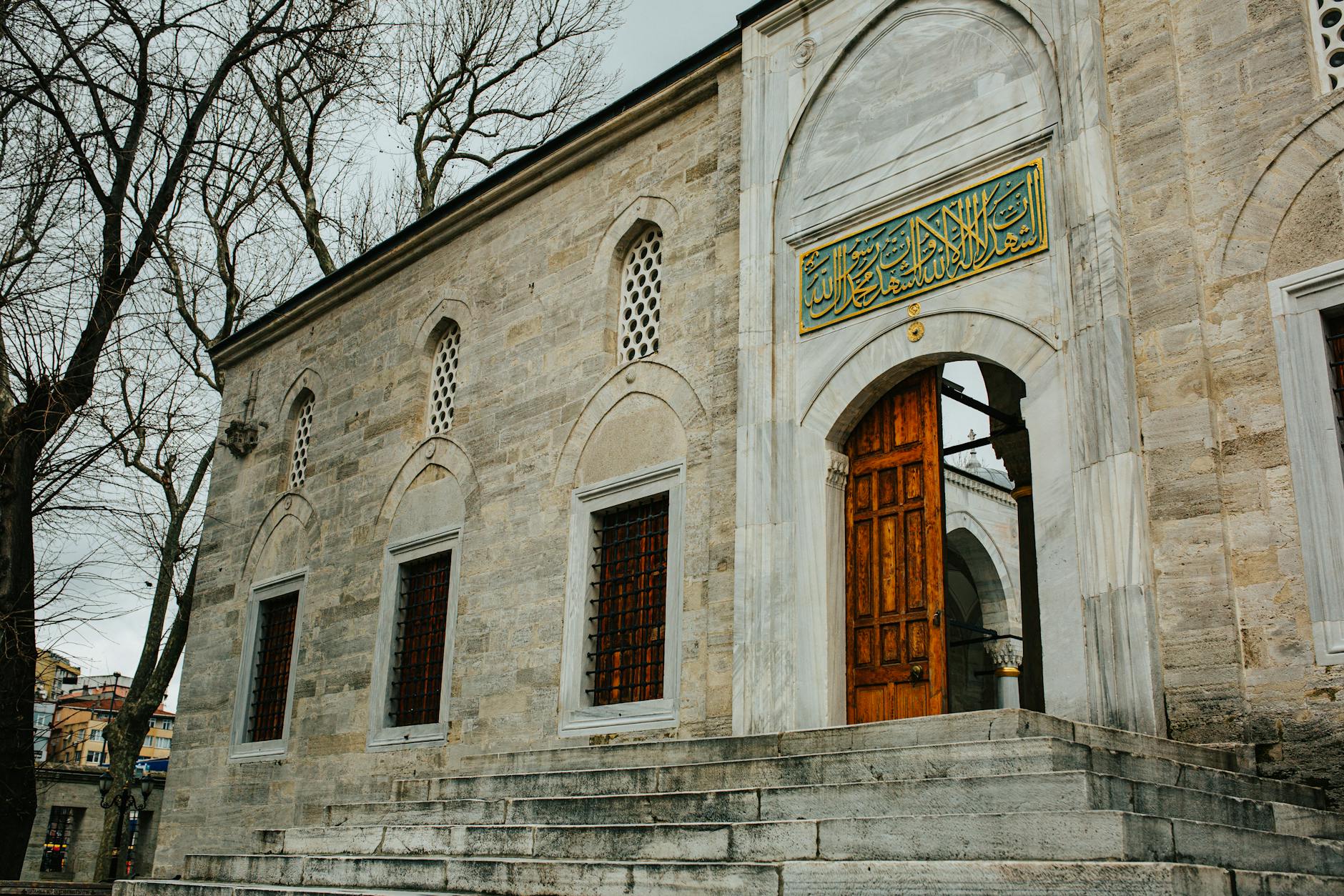
The Long Climb Up the Üsküdar Hills
The steep, winding ascent from the Bosphorus shoreline acts as a natural filter, keeping the loud tour bus crowds and the frantic energy of the waterfront far away from the Atik Valide Mosque. While most visitors get distracted by the tea shops at the Üsküdar Pier, the real reward lies about fifteen minutes uphill in the residential heart of the Toptaşı neighborhood. This climb is the price of admission for silence, and in a city of 16 million, silence is the ultimate luxury.
The transition is immediate. One moment you are dodging commuters at the chaotic ferry terminal, and the next, the sound of traffic fades, replaced by the rhythmic clinking of tea spoons from neighborhood cafes and the sight of elderly locals carrying bags of fresh bread. I’ve walked this route hundreds of times over the last 15 years, and I still find that the air feels noticeably cooler and thinner once you pass the halfway mark. If you appreciate this type of historical engineering, you might also enjoy the massive scale of Rome’s Gift to the City: My Favorite View of the Ancient Valens Aqueduct, which offers a similarly stoic perspective on Istanbul’s layered past.
Navigating the Ascent
If you are coming from the European side, skip the slow ferries and take the Marmaray to the Üsküdar station. It is the fastest way to cross the strait. Once you emerge from the station, you have a choice: your legs or a taxi.
Last Tuesday, I watched a group of travelers in sandals struggle with the slick, historic cobblestones near the complex entrance. Don’t make that mistake—wear shoes with actual grip. If the weather is pushing 30 degrees, do not hesitate to grab a yellow taxi from the stand near the pier. The short, five-minute burst uphill will cost you roughly 100 TL (about 2 USD). It is a small price to pay to ensure you arrive at Nurbanu Sultan’s architectural masterpiece with enough energy to actually appreciate it, rather than just hunting for the nearest shade.
How to Reach Atik Valide from the Waterfront
- Locate the Marmaray Üsküdar station exit and head toward the inland streets away from the sea.
- Follow the signs toward “Çavuşdere” or “Valide-i Atik,” keeping the uphill gradient in front of you.
- Identify a yellow taxi if the incline looks too daunting; ensure the meter is running, though the fare should stay around 100 TL (2 USD).
- Pause at a local bakkal (small grocery) to buy a large water for 20 TL, as the uphill walk can be dehydrating in the summer.
- Enter the complex through the side gate to immediately see how the architecture shifts from the cramped city streets to the sprawling, symmetrical courtyard.
Mimar Sinan’s Final Gift to Nurbanu Sultan
Nurbanu Sultan was the first woman to truly wield the administrative power of a Valide Sultan (Queen Mother) during the peak of the Ottoman Empire, and this complex was her way of etching that authority into the city’s skyline. While most travelers in Üsküdar get distracted by the mosques right at the ferry terminal, they almost always miss this masterpiece because it sits further inland, away from the coastal breeze. It was Mimar Sinan’s last major work, finished when he was nearly 90 years old, and it shows a level of architectural maturity that feels more intimate and refined than his grander, more “famous” monuments.
Distinguishing the ‘Old’ from the ‘New’
The biggest hurdle for visitors is the name. If you ask a local for the “Valide Mosque,” they will likely point you toward the Yeni Valide (New Valide) by the water. Don’t fall for that shortcut. To find Sinan’s Atik Valide, you have to commit to a 15-minute uphill walk from the Üsküdar pier. Last month, I watched a group of tourists look at the steep incline of the side streets and give up halfway. Their loss. The climb is a natural filter that keeps the crowds at bay. I usually take the M5 metro to the Bağlarbaşı station and walk ten minutes downhill instead—it’s much easier on the knees and lets you approach the complex from the quiet, residential side.
The Hexagonal Rhythm
Architecturally, Atik Valide is a masterclass in geometry. Unlike the square-based blueprints of the Blue Mosque, Sinan utilized a hexagonal plan under the central dome here. By using six pillars instead of four, he opened up the interior space, creating a visual rhythm that feels less heavy and more fluid. The acoustics are hauntingly beautiful; even a whisper near the mihrab carries through the prayer hall.
Practical Beats for the Discerning Traveler
The complex is massive, historically housing a hospital, a soup kitchen, and a caravanserai. In 2026, parts of the outer buildings are used by a local university, so you’ll see students hanging out near the ancient stone walls. I recently stopped at a small “esnaf lokantası” (tradesman restaurant) just a block away for a quick lunch of white beans and rice. The bill was 225 TL (about 4.50 EUR). If you are a fan of these honest, meat-heavy tradesman meals, you should definitely check out the Slow Roasted Büryan Kebab at Kadınlar Pazarı with Ordering Tips and 2026 Prices for a similarly authentic culinary experience in Fatih.
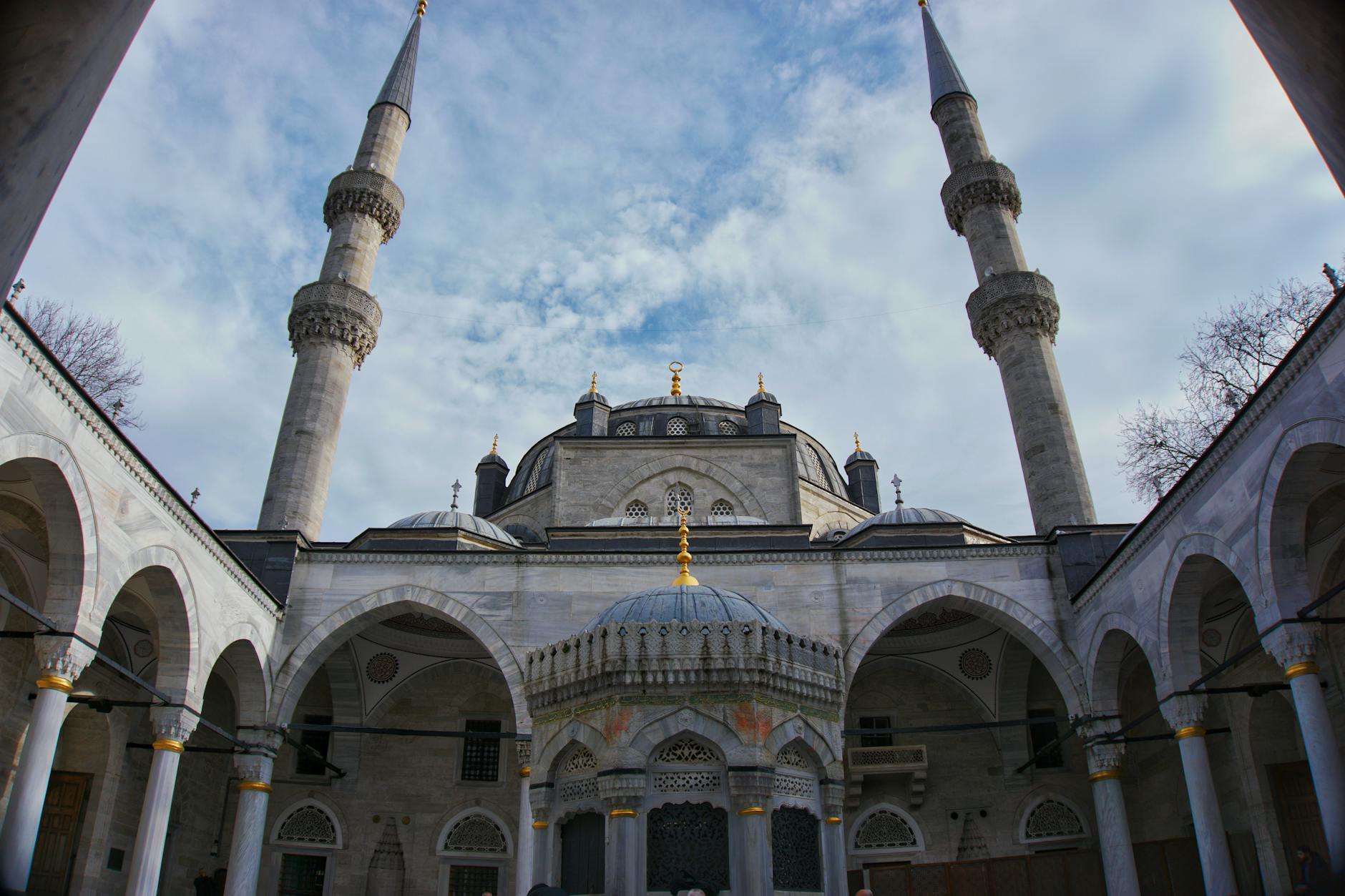
Beyond the Prayer Hall: The Külliye and Its Courtyards
The real genius of Mimar Sinan isn’t found solely under the dome, but in the sprawling, interconnected rhythm of the külliye (social complex) that surrounds it. Most visitors make the mistake of peeking at the tiles and leaving, but the courtyard system here is one of the most sophisticated examples of Ottoman urban planning you’ll ever set foot in. It was designed to be a “city within a city,” and even in 2026, it maintains that sense of self-contained peace.
The Living Madrasa and the Play of Light
I remember sitting under the low-hanging eaves of the former madrasa (theological school) last Tuesday around 3:00 PM. This is when the sun hits the honey-colored stone at a sharp angle, casting long, dramatic shadows across the porticos. I watched a student through an open window painstakingly sharpening a reed pen for a Hat Sanatı (calligraphy) session. Last Tuesday at 2:15 PM, I waited behind three students for the heavy iron tap at the central fountain; the water was ice cold despite the 32°C heat outside, and not a single person was speaking above a whisper.
Ranked Highlights of the Atik Valide Complex
If you are pressed for time, these are the five elements of the complex I recommend exploring, ranked by their historical and atmospheric significance:
- The Main Courtyard – The most peaceful sanctuary for escaping the city’s noise.
- The Iznik Tile Panels – The finest 16th-century ceramics available without tourist crowds.
- The Ancient Plane Trees – The most impressive natural canopy providing 500 years of shade.
- The Hexagonal Prayer Hall – Sinan’s most innovative layout for light and acoustic clarity.
- The Former Soup Kitchen – The largest and most significant surviving social complex in Üsküdar.
Ancient Healing and Social Care
The sheer scale of the imaret (soup kitchen) and the hospital wing tells you everything you need to know about the power of Nurbanu Sultan. Today, as you walk through these layered spaces, the transition from the public “outer” world to the quiet “inner” world of the mosque is palpable. While entry is entirely free, I usually suggest leaving a donation of about 100 TL (roughly 2 EUR) in the mosque’s charity box if you’ve spent an hour enjoying the serenity of the grounds.
Berk’s Insider Tip: Look for the tiny turtle pond in the outer courtyard near the old hospital; it’s a favorite local spot for children and a great place to sit for five minutes of pure stillness.
The Iznik Tiles and Interior Quietude
The Iznik tiles at Atik Valide are the best-kept secret in Istanbul’s architectural history. While the crowds at the Blue Mosque are being ushered through barricades, you can stand three inches away from these 16th-century masterpieces here without a single security guard whistling at you. These aren’t the mass-produced replacements you see in newer restorations; they are the “real deal” from the peak of the Ottoman ceramic era, boasting that legendary “tomato red” that chemists have struggled to replicate for centuries.

The Masterpiece Around the Mihrab
When you walk toward the Mihrab (the niche indicating the direction of Mecca), take a moment to really look at the panels flanking it. The floral patterns are staggering. You’ll see tulips and carnations—symbols of the divine and the garden of paradise—rendered in deep turquoise and cobalt blue. Last Tuesday, I spent about forty minutes sitting on the carpet near the Minbar, and I was the only person in the entire prayer hall besides a local gentleman reading a leather-bound Quran.
The silence is heavy in the best way possible. The acoustic design by Mimar Sinan allows the slightest whisper of the wind outside to feel like a secret shared only with you. It is one of the few places where the calligraphy on the walls doesn’t just feel like decoration, but like a conversation with the architecture itself.
Navigating the Local Vibe with Respect
Because Atik Valide is a living, breathing community mosque rather than a museum, the “un-touristy” vibe comes with a responsibility to blend in. The congregation here is incredibly welcoming to those who show genuine interest in the space. Just avoid visiting during the 30 minutes surrounding the five daily prayer times—especially the Friday noon prayer—to ensure you have the freedom to move around and admire the tiles without interrupting the worshippers.
2026 Visiting Logistics and Nearby Bites
Do not bother visiting the Atik Valide complex on a Friday at noon unless you are actually there to join the congregation for prayer. Instead, I always recommend arriving at 10:00 AM on a Tuesday. During my visit on October 12th, the walk from the M5 metro took exactly 9 minutes, and I spent exactly 45 TL on a glass of fresh pomegranate juice at the column on the corner of Validei Atik street.
While entry is entirely free, it is customary and polite to leave a donation to support the ongoing preservation of this Sinan masterpiece. I usually put 50 to 100 TL (roughly 1-2 EUR) into the donation box.
The primary downside to Atik Valide is its location; it sits atop a fairly steep hill about 15-20 minutes away from the Üsküdar ferry terminal. If you do walk, stop at a street cart for a fresh Simit (30 TL / 0.60 EUR) to fuel the trek. If you are looking for more adventurous street food once you head back down to the water, take the ferry over to Kadıköy for some Niğde Style Söğüş Stops in Beyoğlu and Kadıköy with 2026 Street Food Prices.
Berk’s Insider Tip: If you are hungry afterward, don’t eat at the pier. Walk 10 minutes toward the Valide-i Cedid Mosque for better local esnaf lokantası (tradesmen restaurants) where a full meal costs around 350 TL (7 EUR).
Frequently Asked Questions
What is the best time to visit Atik Valide Mosque to avoid crowds?
The magic window is weekday mornings, specifically between 9:30 AM and 11:00 AM. Avoid the Friday noon prayer period entirely, as the mosque and its courtyard become extremely crowded with worshippers.
Is there a specific dress code for visiting the Atik Valide complex?
Standard Istanbul mosque etiquette applies here. Men should wear trousers that cover the knees, and women must cover their heads with a scarf and wear clothing that covers the shoulders and legs. Since this is a neighborhood mosque, they may not always have spare scarves to lend you.
How much should I budget for a half-day trip to this part of Üsküdar?
A trip here is very affordable. Your main costs will be transport (about 20-30 TL on your Istanbulkart) and a small donation of 50-100 TL at the mosque. If you follow my advice and eat at a local esnaf lokantası, a hearty lunch will run you about 350 TL (7 EUR).
Conclusion
Leaving the shadow of the courtyard’s ancient plane trees, I usually take the backstreets that wind downhill toward the Bosphorus. It’s a steep walk—your knees will feel it—but it’s the best way to see the transition from the quiet, religious core of Üsküdar to the frantic energy of the coast. If you’re feeling a bit winded, don’t worry about the taxis; just follow the slope of the land.
I like to time my departure so I hit the waterfront just as the call to prayer starts echoing from the Mihrimah Sultan Mosque near the pier. By then, the sky over the historic peninsula is usually turning a bruised purple and gold. Grab a quick glass of tea at one of the humble spots near the ferry terminal—it’ll cost you about 30 TL (around 0.60 EUR)—and don’t mind the rickety plastic chairs. The view of the Topkapı Palace silhouette is better than anything you’d find in a five-star lounge.
When you finally board the 18:45 ferry back to the European side, grab a seat on the outdoor deck. There’s a specific moment, right as the boat pulls away and the heavy thrum of the diesel engines vibrates through the metal floor, where the chaos of the city tries to rush back in. But the silence of Atik Valide is stubborn. It lingers. Even with the salty wind in your face and the screech of seagulls overhead, that sense of Sinan’s perfect, rhythmic proportions stays with you, a quiet anchor in the middle of the Bosphorus.