
Stationery shops and old printing houses of Cağaloğlu with Sirkeci lunch routes
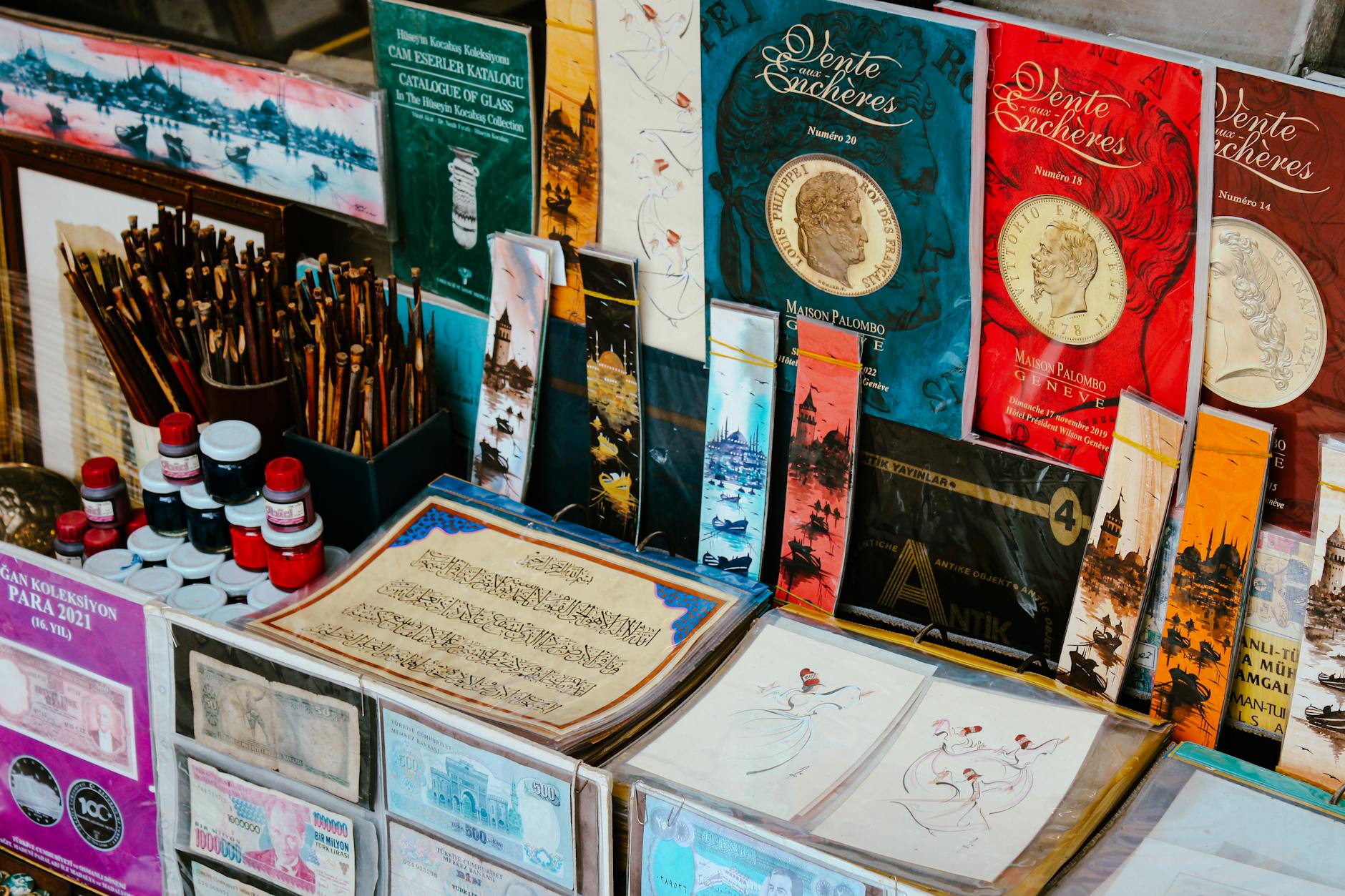
I always know I’ve crossed into Cağaloğlu when the scent of burnt coffee from the Sultanahmet cafes is replaced by the sharp, metallic tang of industrial ink and the rhythmic thumping of legacy offset presses. It’s a shift in frequency; the air feels heavier with the dust of reams of paper and the ghosts of a thousand headlines. For fifteen years, this neighborhood has been my shortcut between the tram line and the backstreets of Eminönü. You don’t rush here; you linger in the doorways of shops where men have been sharpening nibs and binding leather since before I was born.
Field Note (Tuesday, 1:30 PM): Last Tuesday, I ducked into a narrow passage near the old Governor’s Office to avoid a sudden downpour. I ended up at a tiny, nameless bookbinder’s workshop—a space no bigger than a walk-in closet smelling of wood glue and old parchment. The master, Ahmet Bey, was hand-stitching a journal with a precision that made my smartphone feel like a toy. He didn’t try to sell me anything; he just offered a glass of tea and pointed out the specific grain of the marbled paper he was using. It’s this quiet, unhurried pride that defines the district. You might find a high-end fountain pen for 4,500 TL, or you might just walk away with a 50 TL handmade envelope that feels like silk.
The hills here can be brutal on the knees, especially if you’re trekking up from the Sirkeci train station after a heavy lunch. The pavement is often uneven and slick with rain or tea-water, so skip the fancy loafers and wear something with grip. The transition from the chaotic, digital world outside to the muffled, tactile reality of Cağaloğlu is a sensory recalibration.
The Ink-Stained Backbone of Ankara Caddesi
Ankara Caddesi is the steep, literal incline of Istanbul’s intellectual history. If you aren’t slightly out of breath by the time you reach the top, you haven’t truly experienced the transition from the city’s belly to its brain. While most visitors get stuck in the syrup-soaked streets of Sirkeci below, the real soul of this district reveals itself the moment you start the climb toward Cağaloğlu. This was once Bab-ı Ali, our version of Fleet Street, where every major newspaper was born.
The 1985 Time Capsule
Walking up this road feels like stepping directly into 1985. Despite the glass-and-steel gentrification happening elsewhere, the architecture remains a stubborn mix of neoclassical facades and weathered mid-century office blocks. The air changes as you ascend; the smell of roasting lamb and diesel exhaust from the Marmaray Sirkeci Station exit fades, replaced by the faint, dry scent of wood pulp and ozone.
Nibs, Ink, and Precision
The magic is in the shopfronts. Field Note (Thursday, 11:00 AM): I spent twenty minutes in a shop no wider than a hallway looking for a specific drawing compass. The shopkeeper, a man who has likely occupied that stool since the Turgut Özal era, didn’t just sell me a tool; he gave me a five-minute lecture on German steel. I walked out with a professional-grade Rotring that cost me 900 TL, a price that feels like a bargain for something that will outlive me.
If you are looking for fountain pen nibs, specialized legal stamps, or thick, cream-colored drafting paper that holds ink without bleeding, this is your pilgrimage site. The owners can be brusque if they think you’re just a “window shopper.” Approach with a specific interest. Ask about a brand or a paper weight, and their professional pride will usually override their initial suspicion.
Artisan Paper and Legacy Stationery Picks
Most shops in Cağaloğlu today are shifting toward office supplies and plastic imports, but finding a real paper artisan here is still the highlight of any walk. If you want something that feels like it belongs in a writer’s study rather than a corporate cubicle, you have to bypass the flashy storefronts.
The Specialist’s Touch at Galeri Efem
My first stop is almost always Galeri Efem. It’s a sanctuary for those of us who still appreciate the tactile weight of a good page. I was there last Tuesday around 11:00 AM—just before the pre-lunch rush—and watched the owner carefully organize a new batch of hand-bound notebooks. These aren’t your typical souvenir shop journals; they feature high-quality paper that handles a fountain pen beautifully. A standard medium-sized notebook will run you about 450 TL.
Discerning Quality in a Mass-Produced Market
The biggest mistake visitors make is walking into any shop labeled “Kırtasiye” (Stationery) and expecting artisan crafts. Most of these are high-volume wholesalers. To find the legacy shops, look for textured cardstock and specialized binding tools in the windows. While Cağaloğlu feels like a relic, the Walking Route through the Murals and Workshops of Yeldeğirmeni in Kadıköy offers a more contemporary glimpse into Istanbul’s evolving creative scene for comparison.
Lost in the Hans: Where the Printing Presses Hum
You haven’t truly seen the heart of Cağaloğlu until you’ve felt the rhythmic thud of an offset press vibrating through the floorboards of a century-old han. The narrow corridors of Abalı Han remain a sanctuary for heavy machinery and ink-stained hands. This isn’t a curated museum experience; it’s a gritty, working ecosystem.
Descending into the Ink and Oil
To find the soul of the building, bypass the modern storefronts and head straight for the basement levels. The air changes as you go down—it gets cooler, heavier, and carries that intoxicating scent of industrial machine oil. Field Note (Friday, 3:15 PM): I once fumbled with a 200 TL note at a corner press shop while trying to buy a single hand-pressed envelope, and the owner just waved me away with a grin, telling me to bring him a tea next time instead.
Berk’s Insider Tip: If a shopkeeper offers you tea (çay) in a printing house, accept it. It’s not a sales tactic here; it’s genuine worker hospitality.
The Sirkeci Lunch Routine: No Tablecloths Allowed
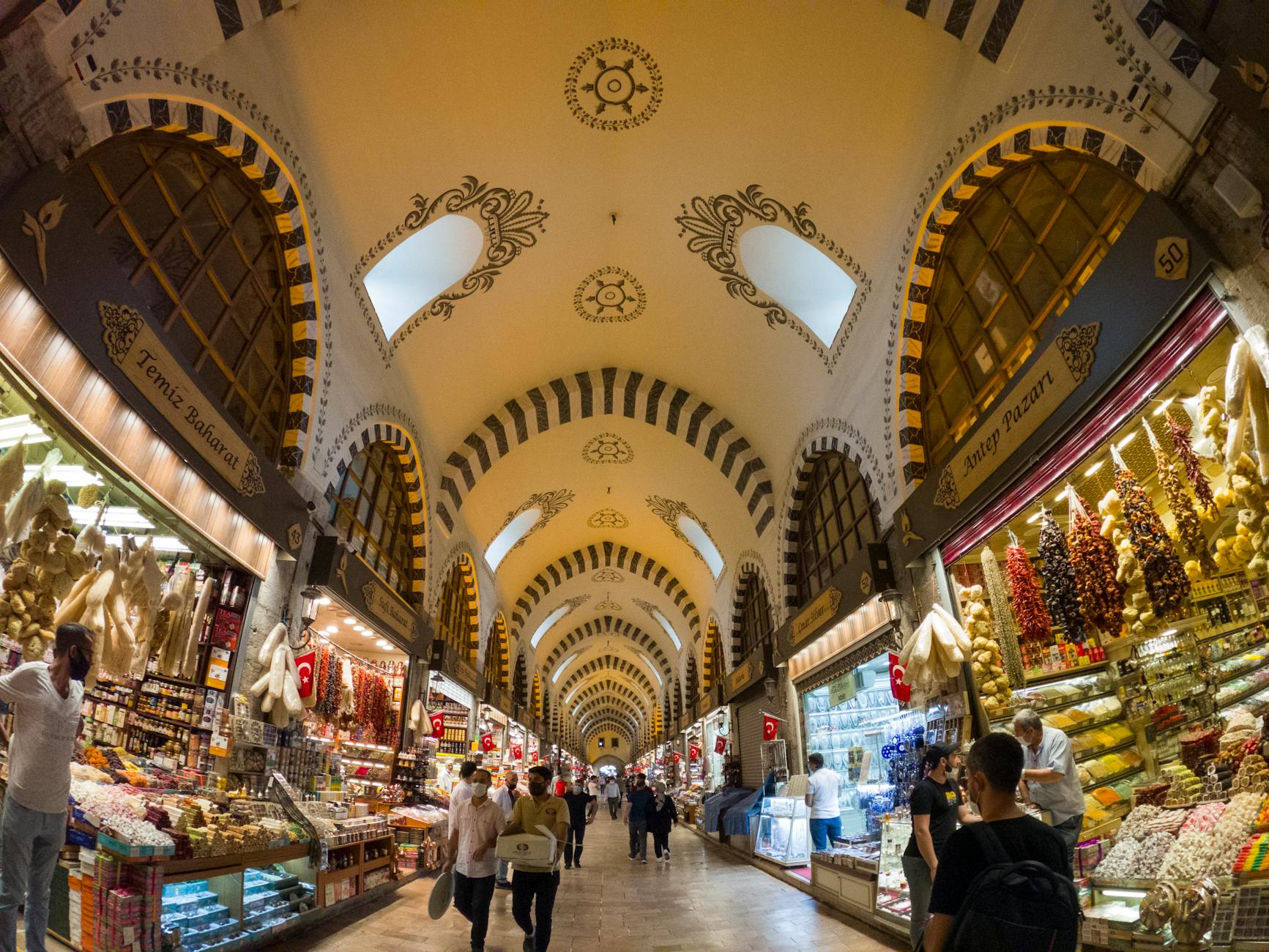
If you see a white tablecloth in Sirkeci, you are likely in the wrong place. This neighborhood doesn’t do “leisurely dining”—it does refueling. The real culinary soul of this district belongs to the printers, the stationery wholesalers, and the couriers.
Hocapaşa: Where the Printing Press Meets the Plate
Don’t be intimidated by the grit or the narrowness of the street. The rule is simple: the more crowded the place, the better the rotation of fresh ingredients. If you’ve already tried the Handmade Mantı and Garlic Yogurt Toppings in Kadıköy and Beşiktaş with 2026 Prices, you’ll find the Sirkeci lunch scene far more focused on speed and protein.
Bitat Lokantası: The Gold Standard
My personal sanctuary here is The Heart of the Neighborhood: My Favorite Esnaf Lokantası for a Real Taste of Home-Style Cooking. It is the quintessential esnaf lokantası, where the food is prepared in large pots. Field Note (Tuesday, 12:45 PM): I dropped in at the peak of the rush and managed to snag the last corner of a shared table. For a hearty bowl of white bean stew (kuru fasulye), a mountain of buttery pilaf, and a bowl of chilled yogurt, I paid exactly 350 TL.
| Lunch Type | Average Price | Vibe | Best For |
|---|---|---|---|
| Traditional Esnaf | 300 - 450 TL | Fast, shared tables | Authentic stews |
| Hocapaşa Kebab | 400 - 600 TL | Smoky, outdoor stools | Quick meat |
| Buffet Style | 250 - 350 TL | Self-service | Low budget |
Top 5 Essential Stops in Cağaloğlu
- Galeri Efem – Ranked best for high-quality, fountain-pen-friendly notebooks and specialized paper.
- Abalı Han – The top destination for experiencing the neighborhood’s rhythmic, industrial printing roots.
- Ankara Caddesi – The premier historic artery for sourcing professional-grade drafting tools and German nibs.
- Bitat Lokantası – The most authentic esnaf lokantası for a traditional, unpretentious printer’s lunch.
- Ahmet Bey’s Workshop – The finest hidden gem for witnessing the quiet mastery of traditional hand-bookbinding.
Cağaloğlu Logistics: Navigating the Slopes
Walking up from Sirkeci to Cağaloğlu is a vertical hike. These cobblestones turn into a literal skating rink when humid. To catch the district at its most vibrant, time your visit between Tuesday and Thursday, from 10:00 AM to 3:00 PM. Avoid Mondays, as the logistics traffic is a nightmare. While you are in the area, Using the Museum Pass to skip lines and manage your 2026 sightseeing budget is a smart move before heading toward the nearby archaeological museums.
Frequently Asked Questions
Is Cağaloğlu accessible for travelers with limited mobility?
It’s difficult. The sidewalks are narrow and often obstructed by delivery motorbikes. To experience the area without the climb, take a taxi to the top of the hill, near the Cağaloğlu Anadolu Lisesi, and walk downhill toward Sirkeci.
Do the shops and printing houses accept international credit cards?
Most established stores do. However, if you wander into a tiny printing atelier for a custom stamp, they will ask for cash. I always suggest keeping at least 500 TL in smaller bills. Field Note (Monday, 9:45 AM): I stood in a 12-person deep queue for the T1 tram at Sirkeci, realizing too late that the uphill walk is actually faster than waiting for a crowded carriage if you have your cash ready for a quick simit on the way.
Final Impressions
Walking out of these humid, ink-scented basements into the sharp sunlight of Sirkeci always feels like a time-traveler’s hangover. We spend so much of our lives tapping on glass screens, but there is an undeniable, grounding weight to a stack of ivory-colored paper.
One Last Note: Last Tuesday, I found myself in the back of a tiny shop near the Vilayet building, picking through stacks of heavyweight cardstock. I ended up paying 225 TL for a bundle of hand-cut notebooks, and the shopkeeper tucked a small, misprinted woodblock stamp into my bag for free just because I’d noticed the patina on his 1950s stapler.

As the heavy iron shutters start to rattle down around 6:00 PM, don’t fight the crowd toward the tram. Instead, take the five-minute stroll down to the Galata Bridge. Find a gap between the fishermen’s buckets on the western railing and watch the sun drop behind the dome of the Süleymaniye Mosque. When the sky turns that deep purple, you’ll realize that some textures simply cannot be captured on a screen.
Comments
Share your thoughts with us