
I’ve spent fifteen years watching Istanbul transform, but the rhythmic ‘thwack’ of a rolling pin against a floured wooden board in a Kadıköy side street remains the city’s most honest soundtrack. There is no hiding behind fancy plating with mantı; it’s just you, the dough, and a garlic hit that stays with you until the next morning. It’s the ultimate equalizer—the business executive from a Levent skyscraper and the student from Marmara University both find themselves hunched over the same porcelain bowl, seeking the comfort that only a tiny, meat-filled parcel drowned in yogurt can provide.
Last Tuesday, I found myself ducking out of a sudden Bosphorus downpour into Sayla Mantı, tucked away just off the busy Bahariye Avenue in Kadıköy. It was exactly 2:15 PM, and the small room was thick with the scent of sizzling butter and dried mint. I watched the women in the back, their fingers moving with a speed that defies physics, folding hundreds of these dumplings every hour. A generous portion there currently costs 450 TL—which is exactly 9 EUR or 10 USD. While you might find cheaper, mass-produced versions in the tourist traps of Sultanahmet, they lack the “bite” and soul of dough pinched by hand that very morning.
If you’re coming from the European side, skip the Marmaray tunnel for once and take the ferry from Beşiktaş. That twenty-minute crossing across the shifting blues of the Marmara gives you just enough time to build up the necessary appetite, and the salt air is the only proper appetizer for the garlic-heavy reward waiting on the other side. Just be prepared for a bit of a wait if you arrive after 7:00 PM; these local favorites don’t take reservations, and the line usually snakes out the door as soon as the workday ends. Bringing a little patience and a few lira for the ferry is all the preparation you really need.
The Geometry of the Perfect Handmade Dumpling
A proper plate of mantı should feel like a quiet act of devotion, not a product of industrial efficiency. In the heart of Anatolian culinary history, particularly in the city of Kayseri, the gold standard for these tiny beef-filled dumplings is the legendary “forty to a spoon” rule. If your spoon can’t hold a miniature army of these doughy pockets, someone in the kitchen is cutting corners.
The Art of the Pinch
Last Tuesday, I caught the 10:45 AM ferry from Kadıköy and ducked into a small shop in the backstreets of Beşiktaş at exactly 11:05 AM. This is the sweet spot—the calm before the lunch rush when the air is thick with flour and the rhythmic thump-thump of the oklava hitting the wooden table. I watched three teyzes (local aunties) sitting around a floured surface, their fingers moving with a speed that borders on the hypnotic.
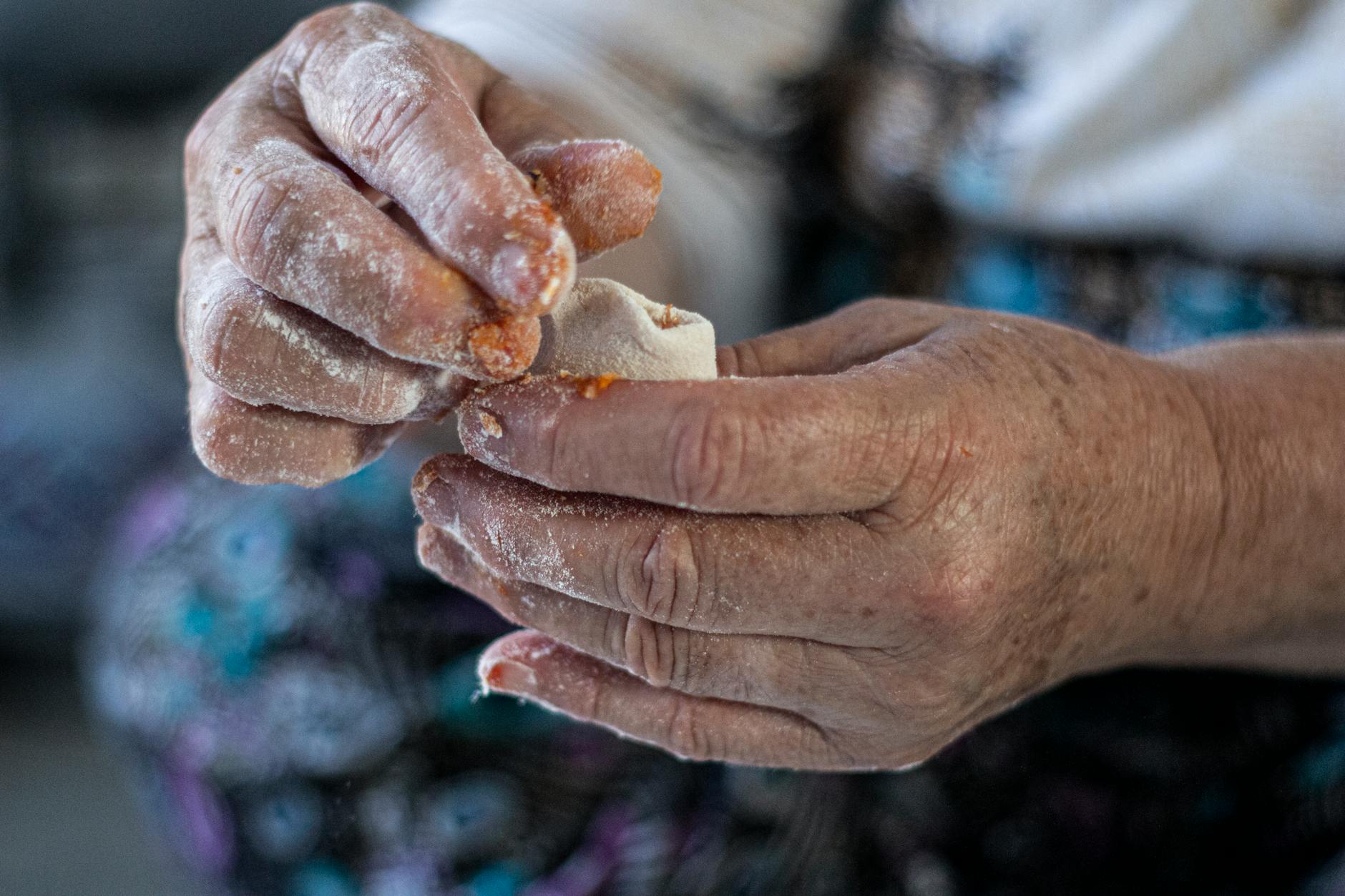
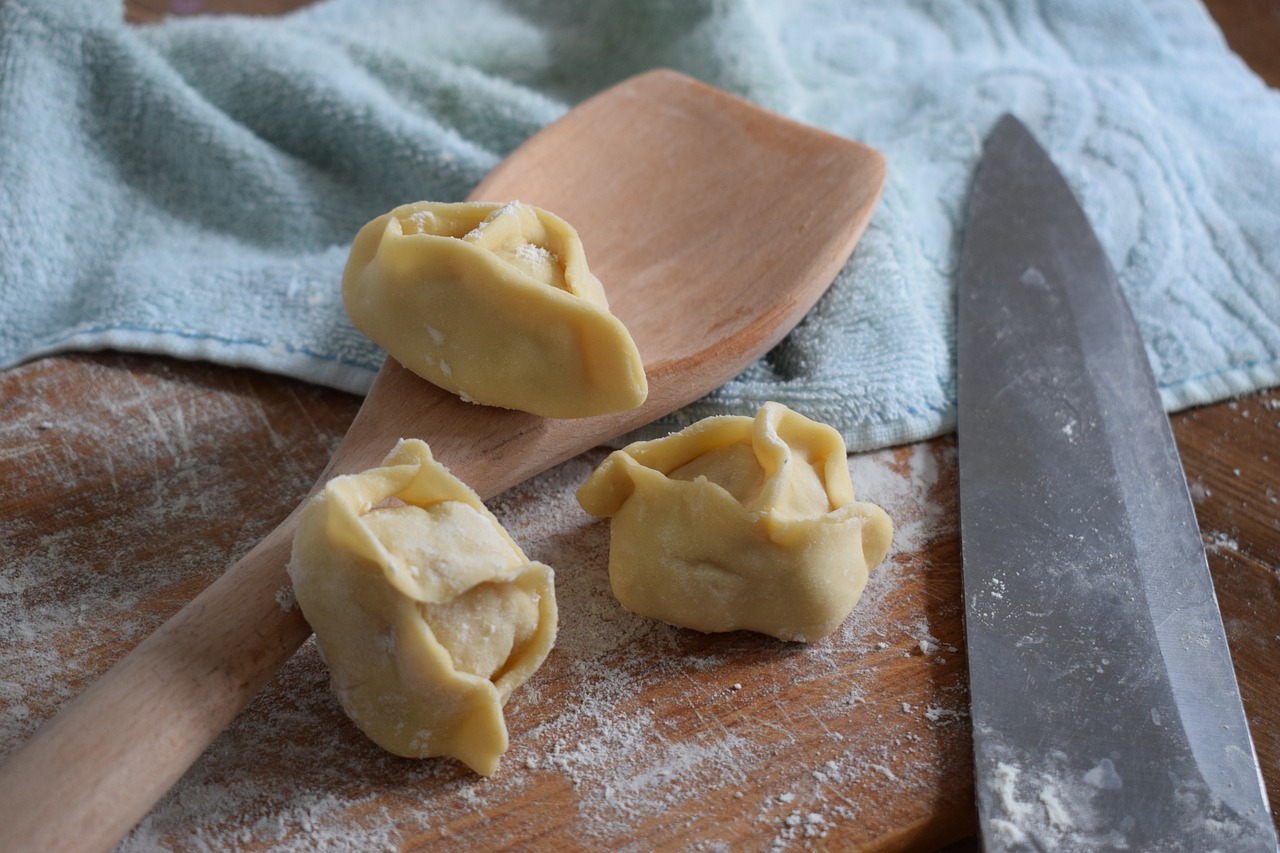
They take a sheet of yufka—dough rolled so thin it’s almost translucent—and slice it into tiny squares before placing a pinhead-sized bit of seasoned meat in the center. The difference between this and factory-cut mantı is the texture. Mass-produced squares are often thick and gummy, whereas these handmade versions have a delicate “tug” to the dough.
In 2026, a generous plate of this craftsmanship in a local Kadıköy or Beşiktaş eatery will set you back about 400 TL (which is exactly 8 EUR or about 9 USD). It might seem like a jump from previous years, but remember you aren’t just paying for flour; you’re paying for three hours of manual labor that happened while you were still finishing your first coffee. I’ve learned that if the place is empty at 11:00 AM, don’t be deterred; it just means the prep is fresh and the lunch rush hasn’t yet descended.
Berk’s Insider Tip: If you see a restaurant using a pasta machine instead of an ‘oklava’ (long rolling pin), walk away. The texture won’t be the same.
Sayla Mantı: Why I Still Cross the Sea for Kadıköy’s Best
Sayla Mantı is the only reason I’ll willingly squeeze onto a crowded ferry from the European side on a rainy Tuesday afternoon. While newer, “concept” restaurants in Kadıköy try to reinvent the wheel with truffle oil or fusion toppings, Sayla has stayed stubbornly, gloriously the same since 1969. Walking into their space in Bahariye feels like stepping into a curated memory of 1970s Istanbul—all warm wood, retro tiles, and the rhythmic clinking of metal spoons against ceramic bowls. It’s not just about the food; it’s about a level of consistency that is becoming dangerously rare in this city.
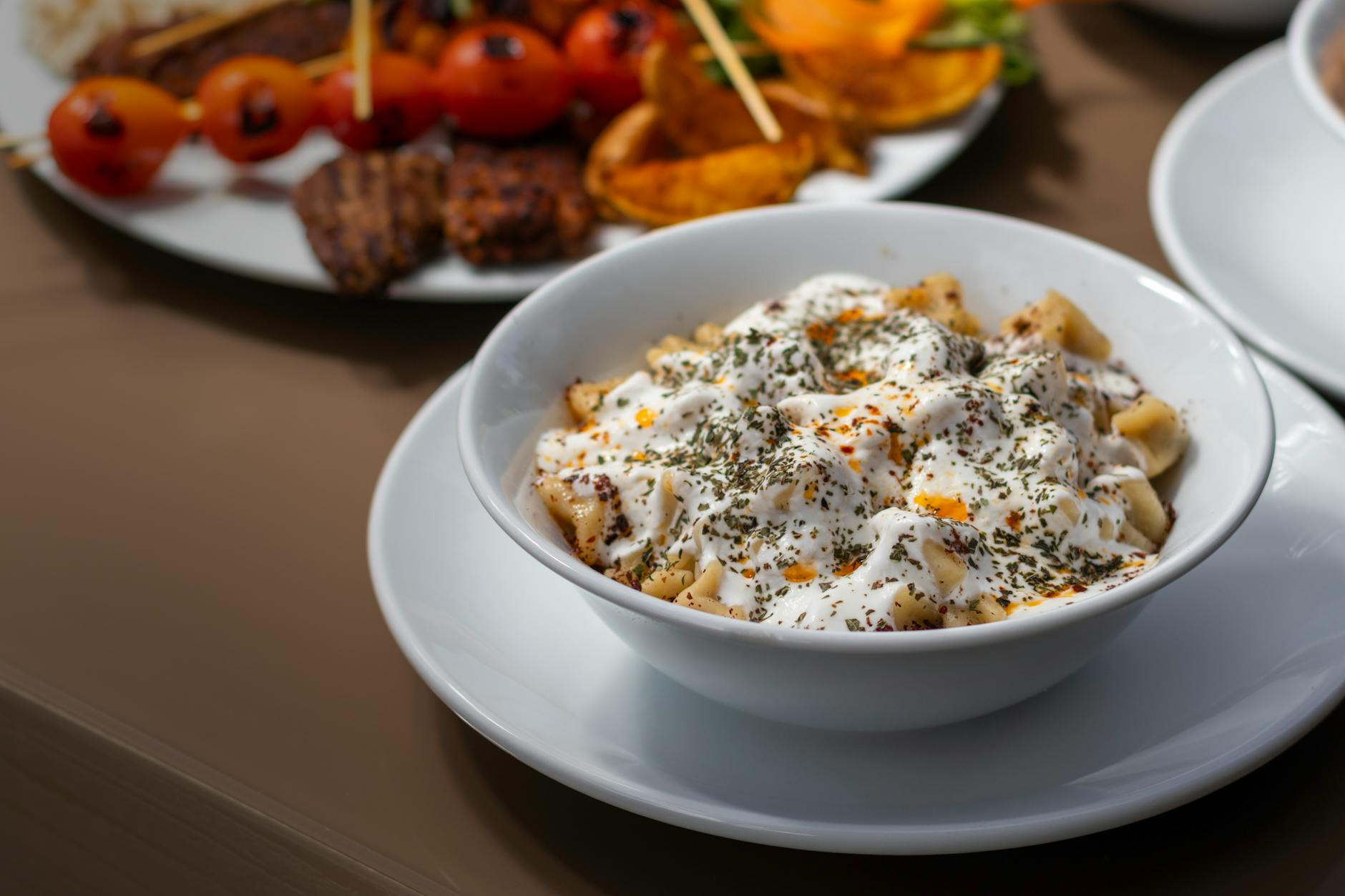
The Golden Ratio of Butter and Dough
The mistake most people make with mantı is focusing too much on the meat filling. In reality, the soul of the dish lies in the sauce and the quality of the süzme yogurt. At Sayla, the sauce isn’t that heavy, reddish-brown tomato sludge you find in tourist traps. Instead, it’s a translucent, shimmering pool of clarified butter infused with just enough red pepper flakes to give it a kick without masking the dough.
Last week, I sat by the window watching the rain hit the pavement on a quiet Bahariye side street, and my plate arrived in under six minutes. The texture is what separates the pros from the amateurs: the dough is thin enough to melt but firm enough to have a “bite.” A standard portion here currently runs about 450 TL ($10 or €9), which is a steal for the craftsmanship involved. If you’re feeling particularly hungry, go for the one-and-a-half portion; you won’t regret it until you try to walk up the hill afterward.
Surviving the Weekend Rush
If you show up at Sayla after 1:00 PM on a Saturday, be prepared for the “Sayla Stare”—that look the locals give you as they linger over their final bites while you hover near the door. The wait time is usually about 15 minutes during peak hours, but the staff runs the place with military precision. They don’t rush you out, but they don’t waste a second either.
To make the most of your visit, keep these five things in mind:
- Arrive by 12:15 PM to snag a window seat before the local families descend.
- Request “bol sarımsaklı” (extra garlic) if you don’t have a romantic date immediately afterward; the yogurt is better with a punch.
- Order a side of Çiğ Börek, which is a deep-fried turnover that Sayla does with a surprisingly non-greasy finish.
- Skip the soda and go for their open Ayran, which is served cold enough to frost the glass and cuts through the butter perfectly.
- Check the daily specials, though 90% of the regulars (myself included) never look at anything other than the mantı.
If the crowd is truly unbearable, there’s a small standing area, but honestly, the nostalgia of those wooden chairs is half the experience. Grab a seat, take your time, and forget about your step count for an hour.
The Sinop Style in Beşiktaş: Walnuts and Garlic Yogurt
If you think yogurt is the only acceptable topping for Turkish dumplings, your palate is living in a monochromatic world. The real “pro move” in Beşiktaş isn’t just finding mantı; it’s heading to Sinop Mantı Evi and ordering the half-and-half plate. This tiny spot near the Naval Museum serves Sinop Mantısı, a version where the dough is twisted into delicate, ear-shaped pouches.
The “Karışık” Strategy
Don’t choose between traditions—get the “Karışık” (Mixed) plate. One side is smothered in chilled, thick garlic yogurt and sizzling pepper butter, while the other side is topped with a mountain of finely crushed walnuts. At 2026 prices, a full portion will run you about 350 TL (7 EUR / 7.75 USD).
I was there last Tuesday around 2:00 PM, and even then, I had to hover near a stool for five minutes. The shop is cramped and the service is brisk, bordering on blunt. But that first bite of the earthy, crunchy Cevizli Mantı hitting the creamy yogurt is worth every second of the wait. If the lunch crowd is too intense, I usually take my appetite and Ancient sarcophagi and Tiled Kiosk ceramics at the Istanbul Archaeological Museums with entry tips and prices for a culture break until the rush subsides.
Don’t Skip the Garlic
The biggest mistake I see travelers make is asking for “no garlic” because they have a meeting later. I learned this the hard way during my first month in the city; the raw, sharp bite of the garlic is the essential bridge between the heavy dough and the rich walnuts. Without it, the dish feels unfinished. If you’re truly worried about your breath, grab a pack of gum at the corner kiosk afterward.
Deciphering the 2026 Mantı Menu
You aren’t just ordering dinner; you’re picking a side in a culinary debate: the soft, silky comfort of the classic boil versus the aggressive crunch of the deep-fry. While the traditional Kıymalı (ground meat) version is the soul of Turkish comfort food, the modern Çıtır Mantı (fried) has become a staple in the high-energy cafes of Beşiktaş. Personally, I find the fried versions can sometimes be a bit heavy on the oil if the kitchen is slammed during the 7:00 PM rush.
The Master’s Test: Tepsi Mantısı
If you want to judge a chef’s skill, look for Tepsi Mantısı on the menu. Unlike the standard boiled dough, these are meticulously arranged in a circular tray and baked until the edges are golden and crisp before being doused in hot tomato broth. Last Tuesday, I sat at a tiny family-run spot near the Kadıköy fish market and waited twenty minutes for a tray. The wait is the “tell”—if it comes out in five minutes, it wasn’t made to order. While I often crave a quick thin-crust lahmacun for lunch, Tepsi Mantısı is the slow-food reward you deserve after a long day.
Comparing Textures and 2026 Costs
For those skipping meat, Vegetarian options filled with spinach or spiced mashed potatoes are common. They are usually 50 TL cheaper than their meaty counterparts.
| Mantı Style | Best For… | Est. Price (2026) |
|---|---|---|
| Classic Kıymalı | Pure comfort and garlic-yogurt absorption | 450 - 550 TL |
| Çıtır (Fried) | Those who love texture and a “snack” feel | 475 - 575 TL |
| Tepsi Mantısı | A premium, oven-baked gourmet experience | 550 - 650 TL |
| Vegetarian | Lighter palates (Spinach/Potato/Cheese) | 400 - 500 TL |
Berk’s Insider Tip: Expect to pay around 500 TL to 600 TL ($11.10 - $13.30 USD) for a premium handmade plate in 2026. If it’s under 300 TL, it’s likely frozen.
The Art of the Topping: Beyond the Basics
The sauce on your mantı is not a suggestion; it is the soul of the dish. I’ve sat in cramped shops for fifteen years, and the most common mistake I see is a “naked” bowl. If your yogurt isn’t turning a vibrant orange-red from the infusion of burnt butter and spices, you aren’t doing it right.
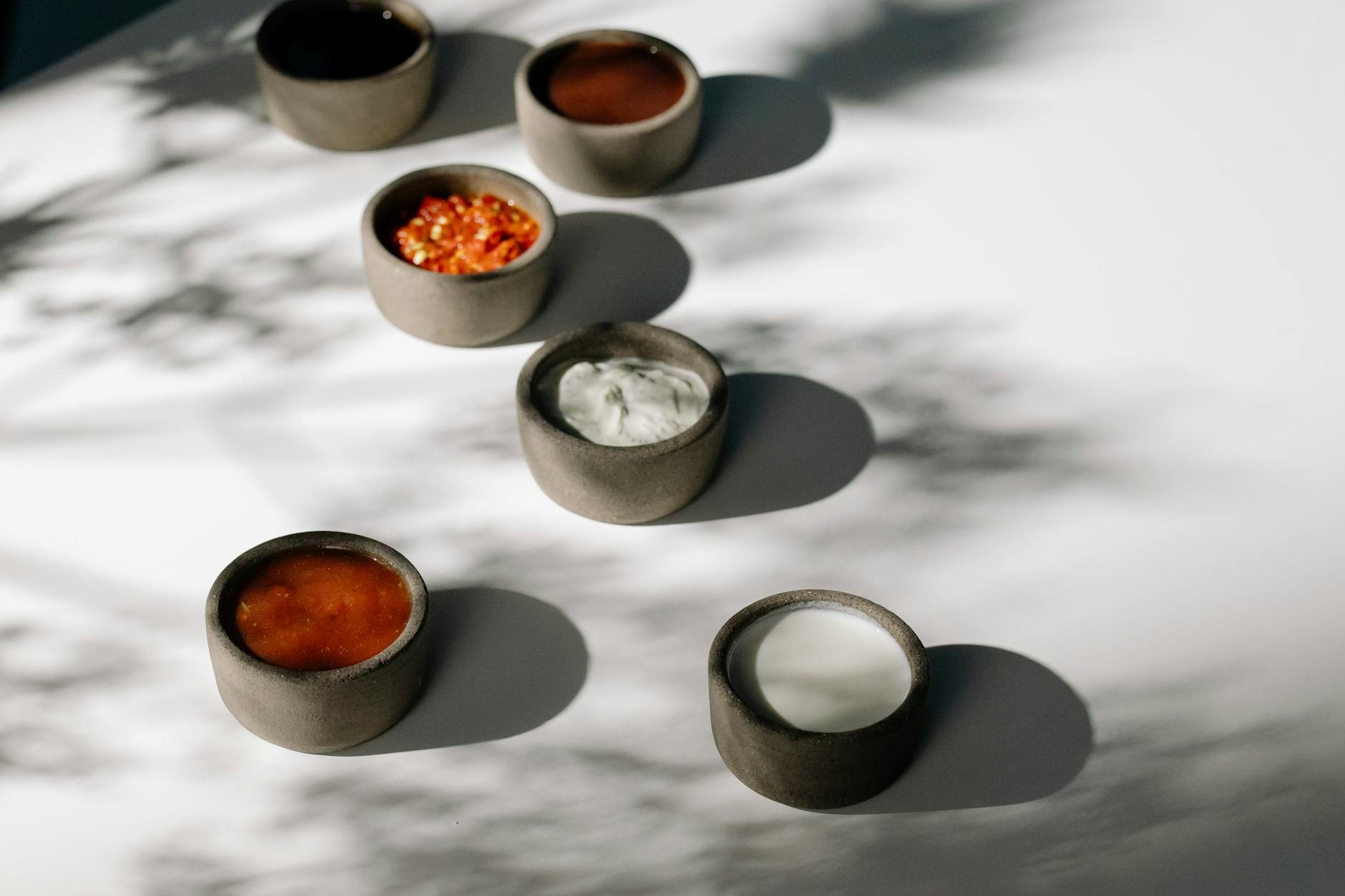
Last week, at a small family-run spot tucked behind the Beşiktaş fish market, I paid 450 TL ($10 or €9) for a plate that arrived steaming hot. The chef smothered it in garlic yogurt before it even hit the table. If you are worried about your breath, you might be tempted to ask for sarımsaksız (without garlic), but you’re missing the point.
The Spice Trinity: Sumac, Pul Biber, and Mint
You will always find three shakers on the table. Sumac provides a deep, burgundy tang. Then there is pul biber (Aleppo pepper), which offers a mild, oily heat. However, the real secret is the dried mint. It sounds counterintuitive, but that cooling herbal hit allows you to finish a massive bowl without feeling overwhelmed by the fat.
- Taste the base first to gauge the richness of the burnt butter already drizzled on top.
- Dust the surface with sumac until the white yogurt is flecked with deep purple.
- Add two pinches of pul biber into the pools of melted butter to wake up the oils.
- Generously sprinkle dried mint over the entire plate for an aromatic contrast.
Navigating the Crowds: Timing and Neighborhood Vibe
Timing is everything if you want to enjoy your meal without a backpack hitting your shoulder every thirty seconds. If you find yourself near Beşiktaş Square between 12:30 and 1:30 PM, my advice is to keep walking. This is the “student rush hour,” when thousands of young locals flood the narrow streets. I made the mistake of trying to squeeze into a favorite nook near the fish market last Tuesday at 1:00 PM; I spent twenty minutes standing in a drafty doorway just to get a stool. Instead, take a short detour to see A Gothic Secret in the Heart of Karaköy: Why I Love the Unique Arap Mosque and return when the energy settles.
The Kadıköy Evening Pace
For those who prefer a lingering meal, Kadıköy food spots are far superior in the evening. While Beşiktaş feels kinetic, the Kadıköy Market area transitions into a soulful, “slow food” rhythm after the sun sets. The lighting gets warmer, and the service feels less like a conveyor belt. It’s the kind of place where you can watch the dough being rolled behind the counter without feeling like you’re blocking traffic.
2026 Payment Realities
By 2026, even the tiniest mantı shop tucked in a back alley now expects a tap of your credit card. However, “small change is still king” for showing genuine appreciation. While your 400 TL plate (about 8 EUR) can be paid by card, tipping on the machine is still hit-or-miss. I always carry a few 20 TL or 50 TL notes. It’s a small gesture, but in a city that moves this fast, a physical tip and a “kolay gelsin” (may it come easy to you) go a long way.
Frequently Asked Questions about Istanbul Mantı
Is mantı traditionally served as a main course or a side dish?
In Istanbul, mantı is firmly a main event. A traditional “Mantıcı” focuses almost exclusively on this dish. A standard portion is quite filling, but if you are particularly hungry, look for “porsiyon buçuk” (a portion and a half), which usually costs around 550 TL (11 EUR) in 2026 prices.
How do I know if the mantı is actually handmade?
The “eye test” is your best friend. Look for slight irregularities in the shape; if every single one is a perfect, identical square, they were likely machine-cut. In authentic spots, you will often see a “Teyze” sitting in the window meticulously folding dough.
Do I need to make reservations?
For the most part, no. Mantı is traditionally a “walk-in” meal. In Beşiktaş, the high turnover means you’ll rarely wait more than fifteen minutes for a stool. If you are a group of four or more, arriving before 7:00 PM is a smart move.
The Garlic Digestif: A Final Observation
I was sitting at Sayla Mantı in Kadıköy last Tuesday, squeezed onto a small stool while the late afternoon sun hit the steam rising from the kitchen. The woman at the table next to me, a regular who didn’t even need to look at the menu, caught me staring at her extra serving of spicy butter. She just nodded and pushed the red pepper flakes toward me. That’s the thing about mantı—it’s inherently communal. You’re sharing a tradition that takes hours of painstaking folding but is gone in ten minutes of enthusiastic eating.
If you’ve just finished a bowl of the walnut-topped Sinop style in Beşiktaş—which should run you about 450 TL—don’t make the mistake of hopping straight onto a crowded bus. Instead, do what I do: let the garlic breathe. Cross the main road and walk the stretch toward Ortaköy along the Bosphorus. The salt air is the perfect digestif. There’s something about the scale of the sea that balances out the heavy, comforting intimacy of a mantı plate.