
Using the Museum Pass to skip lines and manage your 2026 sightseeing budget
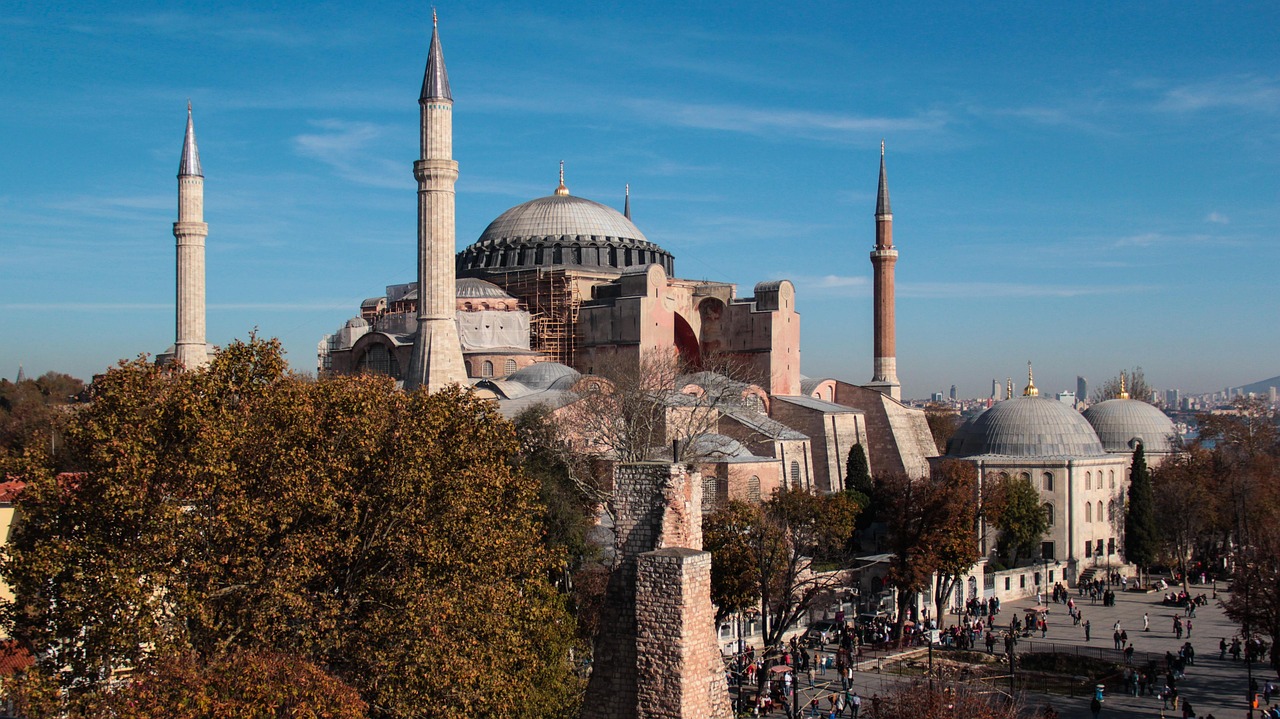
The midday sun bouncing off the ancient stones near the Bab-ı Hümayun gate is no joke, even in the shoulder season. I was leaning against a shade-dappled wall last Tuesday, finishing a glass of tea, when I watched a family of four realize the queue for Topkapı Palace stretched nearly back to the Fountain of Ahmed III. They looked defeated before they’d even seen a single diamond. Then, a solo traveler walked up, tapped a QR code on her phone at the turnstile, and vanished into the courtyard in under thirty seconds. She didn’t just save an hour of sweating in line; she saved herself from the sticker shock that catches most visitors off guard these days.
Istanbul has changed. In the fifteen years I’ve called this city home, I’ve watched it transition from a budget-friendly secret to a global heavyweight with prices to match. A single entry to the Palace now costs 1,500 TL—exactly 30 EUR or about 33 USD at our current rates of 50 TL to the Euro and 45 TL to the Dollar. When you realize that the Archeological Museums and the Galata Tower will set you back another 1,500 TL combined, the math starts to look a bit grim for the unprepared.
It’s easy to feel a bit cynical when a day of sightseeing costs more than a high-end dinner in Kadıköy, but there is a rhythm to navigating the city’s 2026 pricing. The Museum Pass isn’t just a convenience anymore; it’s a strategic necessity for anyone who wants to see the soul of the city without feeling like they’re being squeezed at every gate. Standing in those lines is a choice, and quite frankly, it’s one you don’t have to make if you know how to play the system.
The Brutal Math of 2026 Sightseeing
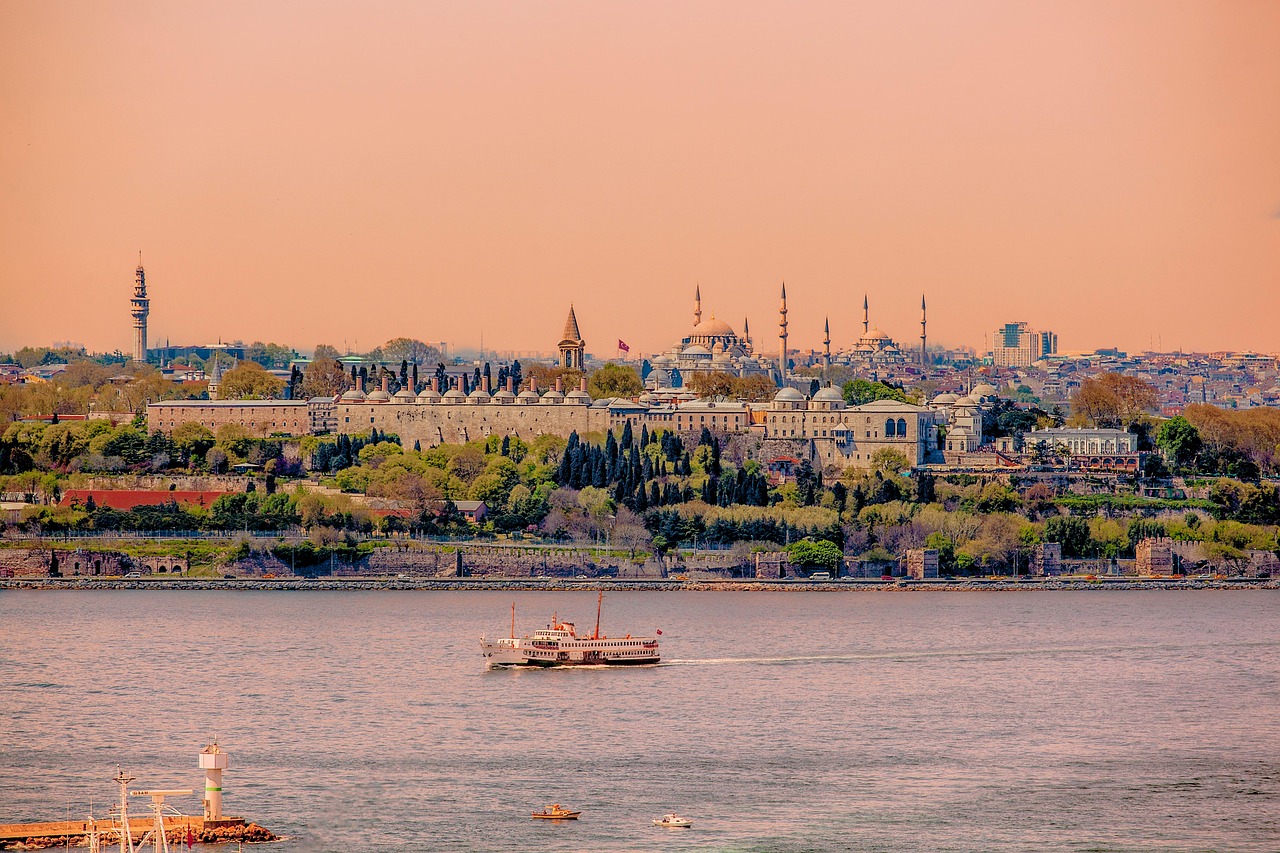
If you’re walking into Sultanahmet expecting the bargain prices of five years ago, you’re in for a cold shower. Istanbul is no longer a “cheap” destination for culture—it’s an investment. Last Tuesday, I stood near the Topkapı Palace gate around 10:30 AM and watched a couple from Lyon stare at the ticket kiosk in genuine shock. They hadn’t realized that a combined ticket for the Palace and the Harem now sits at €45 (2,250 TL). By the time you add a coffee and a simit, you’ve spent nearly 3,000 TL before noon.
The reality of 2026 is that the Ministry of Culture and Tourism has priced the city’s crown jewels for the global market. The Galata Tower, which used to be a casual sunset stop, now commands €30 (1,500 TL) just for the elevator ride and the view. If you are planning to hit the “Big Three”—Topkapı, Galata Tower, and the Archaeological Museums—you are already flirting with the €105 (5,250 TL) price tag of the Museum Pass Istanbul.
Breaking Down the 5-Day Investment
The math isn’t just about saving a few Lira; it’s about tactical survival. The Museum Pass is valid for five days, and while €105 sounds steep upfront, individual entry fees have climbed so aggressively that the pass usually pays for itself by your fourth major stop. I tell my friends visiting from abroad to stop thinking about “if” they will save money and start looking at the clock. The pass doesn’t just save cash; it buys you out of the ticket queues that stretch toward the Blue Mosque in the July heat.
| Site / Pass Type | Entry Price (EUR) | Entry Price (TRY) |
|---|---|---|
| Topkapı Palace & Harem | €45 | 2,250 TL |
| Galata Tower | €30 | 1,500 TL |
| Istanbul Archaeological Museums | €20 | 1,000 TL |
| Museum Pass Istanbul (5 Days) | €105 | 5,250 TL |
Ranked: The Top 5 Sites to Prioritize with Your Pass
To get the most out of your 105 Euro investment, you should prioritize these sites in order of their financial value and historical importance:
- Topkapı Palace & Harem – The essential royal residence and the pass’s most expensive single entry.
- Galata Tower – The premier destination for 360-degree panoramic views of the Golden Horn.
- Istanbul Archaeological Museums – A massive three-building complex housing the world’s most significant ancient sarcophagi.
- Rumeli Hisarı – The most impressive Bosphorus-front fortress for those willing to hike steep stone steps.
- Great Palace Mosaics Museum – The best-preserved examples of Byzantine floor artistry tucked away in Sultanahmet.
Berk’s Insider Tip: If the kiosk at Topkapı has a line, walk 5 minutes to the Archaeological Museum entrance. There is almost never a queue there to buy the same pass. I recall making the mistake of arriving at the Archaeological Museum at 11:15 AM on a Saturday last June, only to find a 45-minute queue just for the security scanner, which felt like standing in a toaster. Be the person who arrives at 8:45 AM instead.
What ‘Skip the Line’ Actually Means in Istanbul
“Skip the line” is the most misunderstood phrase in Turkish tourism, and believing the marketing hype blindly will only lead to a mid-morning meltdown in the heat. Let’s be clear: your Museum Pass allows you to bypass the ticket booth queue, which is often a chaotic, hour-long ordeal at places like the Archaeological Museums. It does not grant you a magical teleportation past the security check. Everyone, from local students to pass-holders, has to put their bags through the X-ray machine.
I witnessed this frustration firsthand last Tuesday at the Archaeological Museums. A group arrived at 10:00 AM, waving their digital passes like VIP cards, only to realize the security line already snaked toward the gate because three cruise ship buses had just unloaded. If you want to actually feel the “skip” benefit, you need to beat the surge. I always tell my friends to be at the gates by 8:30 AM. At that hour, the air is still crisp, the school groups haven’t arrived, and you can walk through security in under three minutes.
When the mid-day madness of Istiklal Avenue becomes too much to handle—and it will—the Galata Mevlevihanesi: Beyoğlu is your best escape route. While thousands of people are jostling for space just meters away, this dervish lodge remains a pocket of profound silence. Your pass gets you in instantly. Use it to sit in the courtyard and recalibrate your senses before diving back into the Beyoğlu swarm.
How to Maximize Your Museum Pass Efficiency
- Purchase your pass digitally via the official app before you even leave your hotel to avoid the initial kiosk line.
- Target major sites at 8:30 AM sharp, specifically the Archaeological Museums or Topkapi, to clear security before the tour groups arrive.
- Keep a screenshot of your QR code in your favorites folder; cellular data can be spotty inside thick stone Byzantine walls.
- Check the closing times for smaller venues like the Galata Mevlevihanesi, as they often shut earlier than the massive heritage sites.
- Budget for the “Museum Pass Türkiye” if you are traveling beyond Istanbul; at 165 EUR (approximately 8,250 TL), it pays for itself if you hit more than seven major sites across the country.
The Lesser-Known Sites That Make the Pass Profitable
Buying a pass solely for the “Big Three” in Sultanahmet is a rookie mistake that leaves your wallet lighter than it needs to be. To truly outsmart the Istanbul museum prices 2026, you have to venture into the spots where the crowds thin out but the historical value skyrockets. The math only works in your favor if you stop treating the pass as a ticket to the “must-sees” and start using it as a key to the city’s quieter, more atmospheric corners.
The Silent Splendor of the Great Palace Mosaics
Just a 15-minute walk from the chaos of the Blue Mosque, tucked behind the Arasta Bazaar, lies the Great Palace Mosaics Museum. While thousands of tourists are bumping shoulders in the main square, I often find myself virtually alone here among the 1,500-year-old floor decorations of the Byzantine Emperors. Last Thursday, I timed it: it took me exactly three minutes to get through the gate. If you were paying out of pocket, the 500 TL (10 EUR) entry might feel steep for a smaller site, but with the Museum Pass, it’s a “free” addition that provides some much-needed mental breathing room.
Rumeli Hisarı: The Best View for the Bold
If you want the most dramatic Bosphorus photo in the city, take the M6 metro line to Boğaziçi Üniversitesi and walk down the hill to Rumeli Hisarı. This fortress is a beast. Most people skip it because it’s “too far” from the center, but that’s their loss. Be warned: the stone steps are steep, uneven, and have no handrails—it’s a workout, not a stroll. I once saw a traveler trying to climb these in flip-flops; don’t be that person. Wear sneakers, bring water, and prepare to see the bridge and the sea from a perspective most tourists never get. The entry fee has climbed to 600 TL (12 EUR) this year, so having it covered by your pass is a major win.
Why the Archaeological Museums Need a Half-Day
The Istanbul Archaeological Museums used to be a bit of a dusty warehouse, but the 2026 curation and lighting upgrades have transformed it into a world-class experience. This isn’t a “quick stop” between lunch and coffee; it’s a 3-hour commitment. From the Alexander Sarcophagus to the Treaty of Kadesh, the sheer volume of history is staggering. If you’re feeling overwhelmed by the humidity and the noise of the streets, the garden cafe here is my favorite spot for a 75 TL (approx. 1.50 EUR) tea. It’s much calmer than the tourist traps near the tram line. If the lines at the more famous cisterns are too long, I always suggest checking out the Underground Echoes: Why the Theodosius Cistern is My Favorite Alternative to the Crowds for a more modern, immersive light show that feels like a hidden world.
When to Skip the Pass Entirely
Buying the Museum Pass is a tactical blunder if your Istanbul “must-see” list is short and focused on the atmospheric giants that aren’t even included in the price. I often see travelers clutching their €105 cards while standing in a separate, paid queue for the Basilica Cistern, and I can almost hear their wallets crying. If you are only in the city for a 48-hour layover, the pass is usually a weight rather than a wing.
The “Big Two” Exclusion
Most first-timers want two specific things: Hagia Sophia and the Basilica Cistern. Here is the catch—neither is covered by the Museum Pass. Just last week, I met a couple near Sultanahmet Square who were frustrated because they’d spent €105 (5,250 TL) each on passes, only to realize they still had to shell out another €25 (1,250 TL) for the Hagia Sophia visitor gallery and roughly €30 (1,500 TL) for the Cistern. If those two are your main priorities, skip the pass entirely, buy individual tickets online to manage Istanbul museum prices 2026, and keep your remaining cash for a proper experience.
Chasing Atmosphere for Free
You don’t need a expensive QR code to feel the weight of history. If you want that soaring, Gothic architecture usually reserved for European cathedrals, head over to the Karaköy side. You can visit the Arap Mosque for free. Originally a 14th-century Dominican church, its belfry-turned-minaret and wood-panelled ceilings offer a more intimate thrill than jostling with five hundred people at the Topkapı Palace ticket gate. It’s quiet, authentic, and costs exactly zero Lira.
The Samatya Trade-off
Think about what that €105 (5,250 TL) represents in the local economy. Instead of sprinting through stone ruins just to “get your money’s worth,” take the Marmaray train a few stops down to Samatya. This is one of the city’s oldest neighborhoods, famous for its historic square and incredible “meyhanes.” During my walk through Samatya last month, I sat at a table in the square and paid only 450 TL for a full spread of meze and tea, while just two kilometers away, tourists were paying three times that for a soggy kebab. I skip the museums and walk the fishy backstreets of Samatya instead because a three-hour conversation over food in a local square reveals more about Istanbul’s soul than any dusty sarcophagus ever could. If you aren’t a hardcore history buff, choose the lunch.
Strategic Logistics: Buying and Activating
Never buy your Museum Pass from a “helpful” stranger on the street, no matter how convincing their lanyard looks. I’ve stood near the fountains in Sultanahmet Square and watched tourists hand over 5,000 TL to guys claiming the official kiosks are “closed for prayer” or “out of stock.” It’s a classic hustle. The only way to secure a legitimate pass is through the official kiosks located outside major sites or via the Museums of Türkiye mobile app.
The clock is your biggest asset or your worst enemy. The 120-hour window doesn’t start when you buy the pass; it activates the very second you scan it at your first turnstile. I always tell my friends to activate the pass at 9:00 AM on a Tuesday. Why Tuesday? Because many of Istanbul’s state-run museums are closed on Mondays. If you scan that pass on a Sunday afternoon just to see one small site, you’ve effectively burned a full day of your 5,250 TL investment on a day when half the city’s treasures are behind locked doors.
While the app is convenient, I still carry the physical plastic card. Last month, I was guiding a friend through the lower gardens of Topkapı Palace, and the mobile data signal vanished completely near the outer walls. He spent ten minutes waving his phone in the air while a line of fifty people groaned behind him. The physical card never has a “low battery” or “no signal” issue. If you’ve spent the day marathon-touring the old city, you might want a change of pace; I usually recommend taking the ferry for A Local’s Secret: A Walking Tour of Kadıköy and the Moda Coastline to decompress where the vibe is more local and the coffee is better.
Berk’s Insider Tip: The pass does NOT include the Basilica Cistern or the Maiden’s Tower. You’ll need separate tickets for those, so don’t argue with the turnstile guards—they’ve heard it all before.
FAQ: Maximizing Your Museum Pass
Does the Museum Pass include public transport?
No, it is strictly for museum entrances. For the tram, ferry, and metro, you need an Istanbulkart, which you can buy and top up at the yellow “Biletmatik” machines at any major station. A single tram ride currently costs 20 TL (about 0.40 USD). Don’t confuse the two; the Museum Pass won’t get you through a subway turnstile, and an Istanbulkart won’t get you into the Harem.
Can I visit the same museum twice with one pass?
The pass allows for only one entry per museum. If you spend three hours in the Archaeological Museums, walk out for lunch, and try to go back in, the turnstile will reject you. Plan your visit so you see everything in one go. If you’re a real history buff, pack a snack and a bottle of water (which usually costs about 15 TL or 0.30 USD outside) so you don’t have to leave early.
Is the pass worth it if I only want to see the main sites?
If you only plan on seeing the Topkapı Palace and the Galata Tower, paying 5,250 TL (105 EUR) for the 5-day pass might not result in a direct discount. However, the “skip the line” benefit at the ticket windows is priceless during the peak season from April to October. You aren’t just buying entry; you are buying back the three hours you would have spent standing on hot pavement in a queue.
The Bottom Line
Deciding on the pass usually comes down to a bit of mental math over your first breakfast of sucuklu yumurta. If your itinerary hits four of the heavy hitters—think Topkapı, the Archaeological Museums, Galata Tower, and the Museum of Islamic Arts—you’ve officially broken even on the 105 Euro (5,250 TL) price tag. But honestly? The math is secondary to the feeling of walking past a hundred-meter queue in the midday heat. I did exactly that last Tuesday at the Archaeological Museum entrance; watching the cruise ship groups bake in the sun while I breezed through the turnstile in twenty seconds was worth every Lira of the “sanity tax.”
Just don’t let the pass turn you into a checklist hunter. Some of my favorite mornings involve skipping the “must-sees” entirely. If the crowds at the Basilica Cistern look like a protest march, pivot. Head down the side streets of Sultanahmet toward the Küçük Ayasofya (Little Hagia Sophia). There’s a tiny tea garden tucked behind the former madrasah there where the only “entry fee” is a 40 TL glass of tea and the company of a very plump calico cat. Use the pass to save your time, but use that saved time to get lost in the parts of Istanbul that don’t have a turnstile.
Comments
Share your thoughts with us