
Luggage Storage and Locker Locations at Transport Hubs with 2026 Prices
I once watched a traveler lose an entire wheel of his Samsonite to the unforgiving basalt cobblestones near the Camondo Stairs. It was about 2 PM on a humid Tuesday, and the plastic wheel gave up the ghost with a sickening crack that echoed against the Neoclassical facades. He spent the next twenty minutes dragging a three-wheeled carcass toward the Karaköy ferry pier, sweating through a crisp linen shirt while the afternoon crowds parted around him like a river around a very frustrated rock.
Trust me, Istanbul is a city meant for walking, but it is certainly not a city meant for dragging luggage. After 15 years navigating these seven hills, I’ve learned that paying for a locker isn’t an expense; it’s a direct investment in your sanity. This city’s topography is a vertical labyrinth of steep inclines, Byzantine-era shortcuts, and narrow sidewalks that seem to shrink the moment you extend a telescopic handle.
Last week, I was passing through the Sirkeci Marmaray station around 11:00 AM—that sweet spot after the morning rush when the terminal feels cavernous and cool. I noticed a solo traveler hesitating in front of the electronic locker bank, debating whether the 200 TL (4 EUR) for a large compartment was worth it for a four-hour layover. I told him what I’ll tell you: that 200 TL is the price of being able to weave through the Spice Bazaar or climb a minaret view-point without feeling like you’re towing a boat anchor. The queue was only two people deep, and within three minutes, he had scanned his QR code and headed toward the Eminönü docks with nothing but a camera and a look of pure relief.
Istanbul’s transport hubs have modernized significantly, but the “baggage struggle” remains a rite of passage for those who don’t know where to drop their gear. Between the historic stations of the Old City and the gleaming glass of the new airport, there are strategic pockets where you can offload your weight safely and get back to the business of actually seeing the city.
Istanbul Airport (IST): The High-Tech Safety Net
Istanbul Airport is an architectural marvel, but it’s also an endurance test for your feet, especially if you’re hauling luggage through the windswept plains of Arnavutköy. If you have a long layover and want to see the city without dragging a suitcase over Galata’s cobblestones, the Electronic Lockers at IST are the only sane option. I once watched a traveler try to navigate the M11 metro with two massive hardshell cases during rush hour; by the time he reached Kağıthane, he looked like he’d aged five years. Don’t be that person.
Navigating the Giant
The airport is massive, so don’t just wander around looking for signs. You need to head straight to the Arrivals level (Level 0). Specifically, look for the area near Gate 13. Last March, I spent nearly fifteen minutes backtracking because I took the wrong elevator bank near the international transfer desk. The walk from the far end of the terminal can take ten minutes alone, so factor that into your schedule if you’re rushing to catch a flight back out.
The system here is fully automated and remarkably sleek. However, the downside is the interface; it can occasionally be finicky with international chip-and-pin cards. If the kiosk rejects your card, don’t panic—there is usually a staffed desk nearby that can process the payment manually, though the queue there moves at a traditional “Turkish pace.”
IST Storage Essentials
- Exact Location: Level 0 (Arrivals), situated conveniently near Gate 13.
- Small Locker Rate: 450 TL (9 EUR) for a 24-hour period.
- Medium/Large Units: Expect to pay between 600 TL and 900 TL depending on the volume.
- Payment Policy: Strictly card-only at the automated kiosks; keep your Visa or Mastercard handy.
- Security Standard: These are high-security Electronic Lockers with 24/7 surveillance, far safer than leaving bags at an unverified hostel.
- Retrieval Tip: Keep your printed receipt! You’ll need the barcode to scan back in, and trying to explain a lost ticket to security at 3 AM is a headache you don’t want.
Sirkeci and Eminönü: Old World Transit with Modern Needs
Sirkeci Station is a masterpiece of Orientalist architecture, but trying to navigate the surrounding Eminönü square with a 20kg suitcase is a form of self-inflicted torture. I’ve lived here for 15 years, and even I get claustrophobic when the ferry crowds from Kadıköy collide with the afternoon spice market rush. If you arrive by train or ferry and plan to spend your final hours wandering the Golden Horn, ditch the bags immediately.
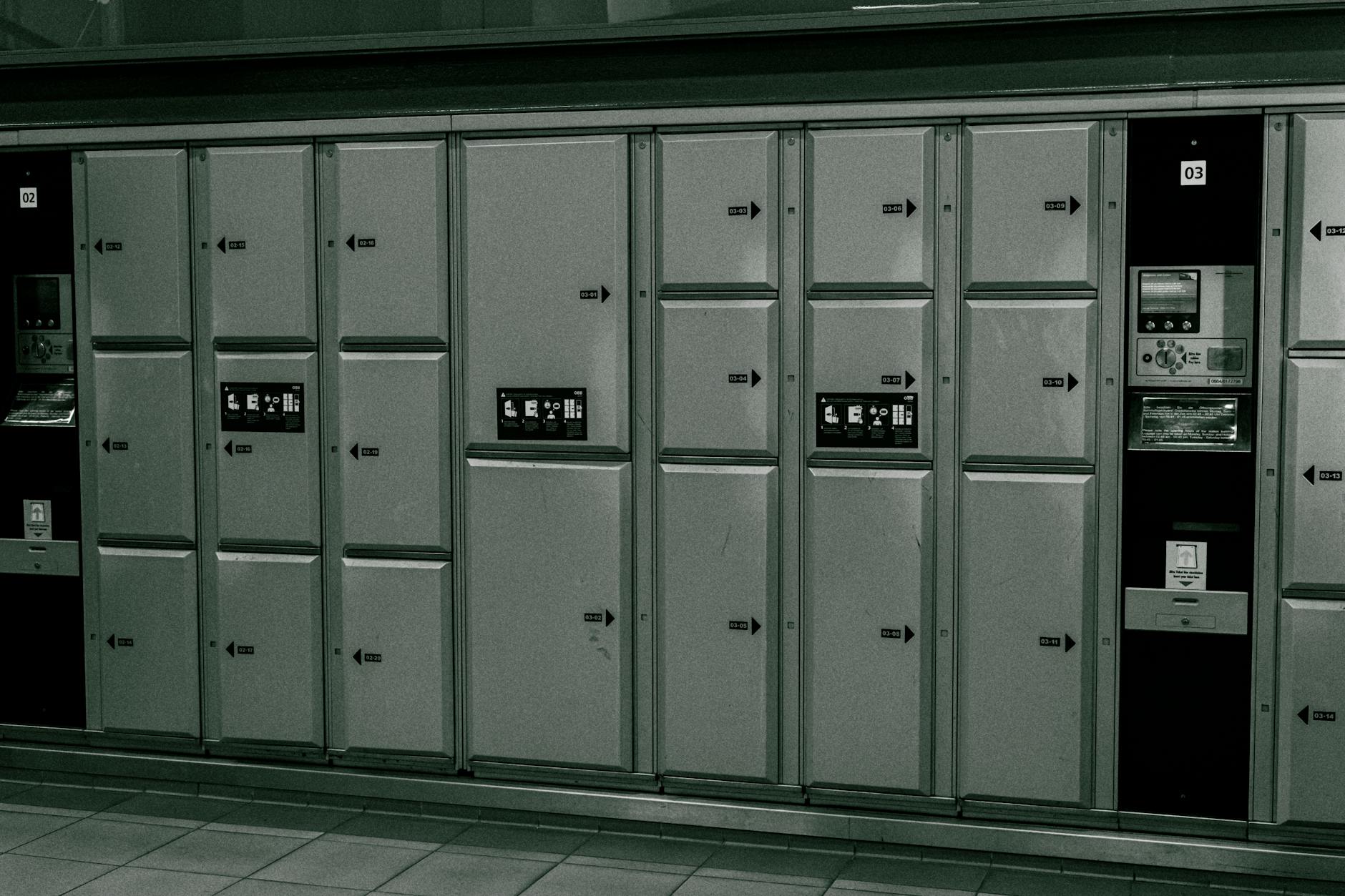
The historic station building still breathes Orient Express nostalgia, but for modern storage, you need to head toward the Marmaray (underground rail) section. I walked past there last Tuesday around 2:00 PM; the area was buzzing, but the lockers were surprisingly accessible. You will find the luggage lockers tucked away near the Marmaray entrance. A medium-sized locker, which comfortably fits a standard carry-on and a stuffed backpack, costs 350 TL (7 EUR) for the day. It’s a small price to pay to avoid the agony of dragging wheels over the uneven cobblestones of the Old City.
Trust me, you do not want to be “that tourist” stuck in the frantic sweaty madness of Mahmutpaşa while hauling luggage. Once you’re free of your bags, walk ten minutes up the hill to find the Traditional Wood Fired Leaf Döner and Authentic Meat Houses with Ordering Tips near the spice market. The alleys there are narrow, the incline is steep, and the local porters carrying towers of boxes on their backs won’t stop for your suitcase.
How to Use the Sirkeci Station Lockers
- Locate the Marmaray entrance within the historic Sirkeci Station complex, specifically the area near the international ticket office.
- Identify an available locker in the bank; green lights usually indicate vacancy while red means occupied.
- Follow the prompts on the central touchscreen terminal, which offers an English language toggle for ease of use.
- Pay the daily rate (currently 350 TL for medium) using a contactless credit card or exact change if the coin slot is behaving.
- Secure the printed QR code or PIN receipt, as you will need this exact slip to “unlock” your belongings later in the evening.
Taksim and Gümüşsuyu: The Metro Connection
If you find yourself in Taksim with a heavy suitcase, ignore the “Left Luggage” signs taped to the windows of dusty souvenir shops. These unofficial spots often lack proper security or insurance, and I’ve seen more than one traveler get into a heated argument over “hidden handling fees.” To keep your peace of mind, head straight underground. The M2 Metro station at Taksim is the most reliable choice, specifically the bank of lockers located in the long corridor leading toward the Atatürk Cultural Center (AKM) exit.
The Metro Locker Strategy
These lockers are tucked away near the ticket machines before you pass through the turnstiles. I was there last Tuesday around 10:30 AM; while the station was buzzing with commuters, there were still several large lockers available. In 2026, the Taksim luggage storage rate for a large suitcase is 400 TL (approx. $8.90 USD) for the day. It’s an automated system, but the touchscreens can be a bit finicky if you tap too fast.
Navigating the Hills
The real benefit of using the station lockers is the geography. Taksim and the neighboring Gümüşsuyu are notoriously steep. Once you’ve ditched the weight, you are perfectly positioned for walking the Gümüşsuyu staircases and art nouveau alleys without destroying your knees. If the metro lockers happen to be full—which occasionally happens on Saturday afternoons—don’t wander aimlessly. Open the LuggageHero or Stasher apps. They partner with vetted hotels in the Gümüşsuyu backstreets that provide secure rooms, usually for a similar price point, and it beats dragging a trolley bag over Ottoman-era cobblestones.
Berk’s Insider Tip: The Sirkeci lockers only take coins or specific transport cards sometimes—keep about 50 TL in small change just in case the card reader is ‘acting up’ as it often does in the humidity.
Galataport and Karaköy: For the Cruise and Ferry Crowd
Galataport is undeniably the most polished transit experience in Istanbul, but you will pay a premium for that sleekness. If you’re looking to drop a bag here, prepare for the highest rates in the city. It is the only place where I’ve seen travelers blink twice at the touchscreen before swiping their cards.
The Cruise Terminal Strategy
If you are arriving or departing on a cruise, do not bother with public lockers. The baggage storage system at the terminal is world-class. I recently watched a family from a Viking cruise drop four massive suitcases at the dedicated check-in desk in under three minutes. If your ship is docked, check your bags immediately at the terminal—it’s usually included in your service. It frees you up to walk the 1.2-kilometer promenade without dragging wheels over the expensive floorboards.
Underground Lockers and Pricing
For everyone else—day-trippers or those catching a ferry to the Asian side—head to the underground car park area. This is where the automated lockers are tucked away. They are modern, clean, and incredibly secure, but they will cost you 600 TL (12 EUR) for a full day.
Last month, I met a traveler named Marcus near the T1 tram station who was visibly sweating while trying to navigate his suitcase through the Karaköy crowds. I steered him toward the Galataport underground lockers. Yes, 600 TL is significantly more than you’d pay at a train station, but considering the alternative is dragging your luggage through the narrow, chaotic alleys of Karaköy’s hardware district, it’s a necessary investment.
Summary of 2026 Luggage Storage Rates
Choosing where to ditch your bags depends entirely on your next move. I’ve noticed that travelers often default to airport storage, only to realize later they’ve spent enough for a high-end dinner in Kadıköy just to keep a suitcase stationary for ten hours. In 2026, the smart play is using private locker networks in Taksim or Sirkeci, which usually undercut airport prices by at least 30%.
2026 Price Comparison Table
| Location | Daily Rate (TL) | Approx. Cost (EUR/USD) | Best For… |
|---|---|---|---|
| Istanbul Airport (IST) | 450 TL – 600 TL | €9.00 - €12.00 / $10 - $13 | Long layovers without leaving the airport. |
| Sabiha Gökçen (SAW) | 400 TL – 550 TL | €8.00 - €11.00 / $8.80 - $12 | Quick arrivals heading to the Asian side. |
| Sirkeci/Eminönü | 250 TL – 350 TL | €5.00 - €7.00 / $5.50 - $7.70 | Exploring the Old City (Sultanahmet). |
| Taksim/Beyoğlu | 300 TL – 400 TL | €6.00 - €8.00 / $6.60 - $8.80 | Shoppers and those using the M2 Metro line. |
Choosing Your Size: Cabin vs. Large Check-in
Don’t make the mistake of overpaying for a “Large” unit if you’ve only got a standard carry-on and a backpack. I was at Sirkeci last month and watched a couple struggle to fit two cabin bags into one small locker—it didn’t work, and they ended up paying 700 TL for two separate units.
If you’re visiting the Weekly Neighborhood Street Markets with 2026 Produce Prices and Shopping Tips, you’ll need the empty hands. I remember standing in the queue at the Kadıköy ferry terminal last Friday at 6:15 PM. The line for the automated lockers was six people deep, and the guy in front of me was frantically trying to get his 200 TL note accepted by a machine that clearly preferred the new 2026-issue coins or contactless cards. I lent him my transport card to tap, saving him a 15-minute trek to a kiosk while we both laughed at the price of a 15 TL simit compared to the 300 TL locker fee.
Logistics and Safety: A Local’s Warning
Trusting your life’s belongings to a metal box in a transit hub requires a bit of Istanbul street-smarts. While our major stations and airports are heavily policed and generally very safe, a simple mistake can turn a quick bag-drop into a two-hour ordeal.
I learned this the hard way last autumn at Sirkeci Station. I watched a traveler spend nearly an hour arguing with a security guard because their thermal paper receipt had spent too much time near a hot coffee cup and turned completely black. Without that legible code, security had to call a supervisor to manually verify the locker contents. Take a photo of your receipt and the locker number immediately.
Protecting Your Essentials
Never store your passport, credit cards, or high-value jewelry in a public locker. Public storage is designed for heavy coats and carry-ons, not your identity. If you are planning a detour to see the Suleymaniye Mosque: Insider Guide before a late flight, carry your valuables in a small cross-body bag.
Dealing with Tech Glitches
If a locker door feels jammed or the touch screen at Istanbul Airport (IST) freezes, do not force the mechanism. Look for the “Özel Güvenlik” (Private Security) officers nearby. They are usually professional and helpful, though they rarely move with a sense of urgency. If you lose your key or access code, expect to pay a “lost key fee”—usually around 250 TL (5 EUR / 5.50 USD)—and prepare for a rigorous identity check.
Frequently Asked Questions
Is it safe to leave a laptop in an Istanbul Airport locker?
While the lockers at IST are monitored by 24/7 CCTV, I generally advise against it if your laptop contains sensitive data. If you must, ensure it is powered down and hidden inside a non-descript bag. For short durations of 4–6 hours, it is standard practice.
What happens if I exceed the paid storage time?
Most automated lockers will simply refuse to open until you pay the “overtime” balance. You’ll need to scan your original receipt at the kiosk, and it will calculate the difference based on current hourly rates. Keep some spare change or a contactless card ready.
Can I pay for lockers with a credit card?
At Istanbul Airport and the new Galataport terminal, cards are the standard. However, at older hubs like Sirkeci, you might still encounter “old school” lockers that require small bills or specific tokens (jeton). I always recommend keeping a few 100 TL notes (approx. 2 EUR / 2.20 USD) in your pocket just in case the card reader is “out of service.”
The Reality of the Seven Hills
I’ve spent fifteen years watching travelers struggle with wheelie bags over the uneven granite blocks of Istiklal, and believe me, the city wins every time. Last Tuesday, I watched a couple try to drag oversized suitcases up the steep incline toward Galata Tower; they were so focused on their wheels not catching in the tram tracks that they completely missed the stunning Neoclassical moldings on the buildings lining Bankalar Caddesi.
That’s the hidden cost of carrying your luggage: you lose your eyes.
Dropping your gear at a hub like Sirkeci for 300 TL is the best investment you’ll make all day. It’s the price of a mid-range breakfast, but it buys you the agility to be spontaneous. Without that weight, you can suddenly decide to duck into a three-table çay ocağı tucked into a Cihangir alleyway or visit the Underground Echoes: Why the Theodosius Cistern is My Favorite Alternative to the Crowds. Istanbul is a vertical city, a maze of hills and hidden angles that only reveals itself when you aren’t anchored to the ground. Pay the fee, leave the bags behind, and actually look up.
Comments
Share your thoughts with us