Walking the Gümüşsuyu Staircases and Art Nouveau Alleys with Route Tips
Taksim Square is often a sensory assault of wet burgers and flickering neon, a place where the chaos of Istanbul feels like it’s vibrating at a frequency only a stray cat could truly love. But walk exactly three minutes toward the Bosphorus, leaving the pigeons and the megaphone-wielding tour leaders behind, and the air undergoes a sudden, miraculous transformation. The scent of grease-laden steam gives way to a faint, sea-salted breeze, signaling your entry into the architectural open-air museum that is Gümüşsuyu.
I remember ducking into a small, unnamed tea house tucked behind the German Consulate last Tuesday around 5:00 PM. While the rest of the city was stuck in the rhythmic honking of the evening rush, I was paying 75 TL (about 1.50 EUR) for a glass of tea and watching the light hit the curved ironwork of an Art Nouveau balcony across the street. There was no queue, no “I Heart Istanbul” t-shirts in sight—just the sound of a neighbor’s radio and the realization that this neighborhood is the city’s quiet sanctuary for those who prefer soul over spectacle.
The incline here is legendary; your calves will certainly have opinions about it by the end of the day, but the reward is a descent through a layer of history that most visitors blink and miss. These steep staircases and narrow alleys aren’t just shortcuts to the water; they are the arteries of a district that refused to modernize into boring glass and steel. If you find the main road a bit too crowded with consulate traffic, just veer right into the side streets. The sidewalk might be uneven—so please, leave the heels at the hotel—but the view of the Bosphorus framed by 19th-century stone carvings makes every slightly wobbling paving stone worth the effort.
Escaping the Taksim Vortex into Gümüşsuyu’s Quietude
Taksim Square is a sensory assault of police whistles, simit sellers shouting at the sky, and thousands of people looking for a Metro exit that seems to move every time you get close to it. If you value your sanity, pivot away from the crowds, walk past the glass-and-steel facade of the Atatürk Cultural Center (AKM), and slip onto İnönü Street. The transition is uncanny. One moment you’re in a blender of modern chaos, and the next, the city suddenly remembers its manners.
I have lived in Beyoğlu for 15 years, and my knees are very vocal about the fact that they are not the resilient shock absorbers they were in 2010. This is why I always start this route at the top of the hill. Attempting to see Gümüşsuyu by walking up from the Bosphorus level is essentially an uninvited gym session. By starting near the CVK Park Bosphorus entrance, you let gravity do the work while you focus on the details.
From Concrete to Curlicues
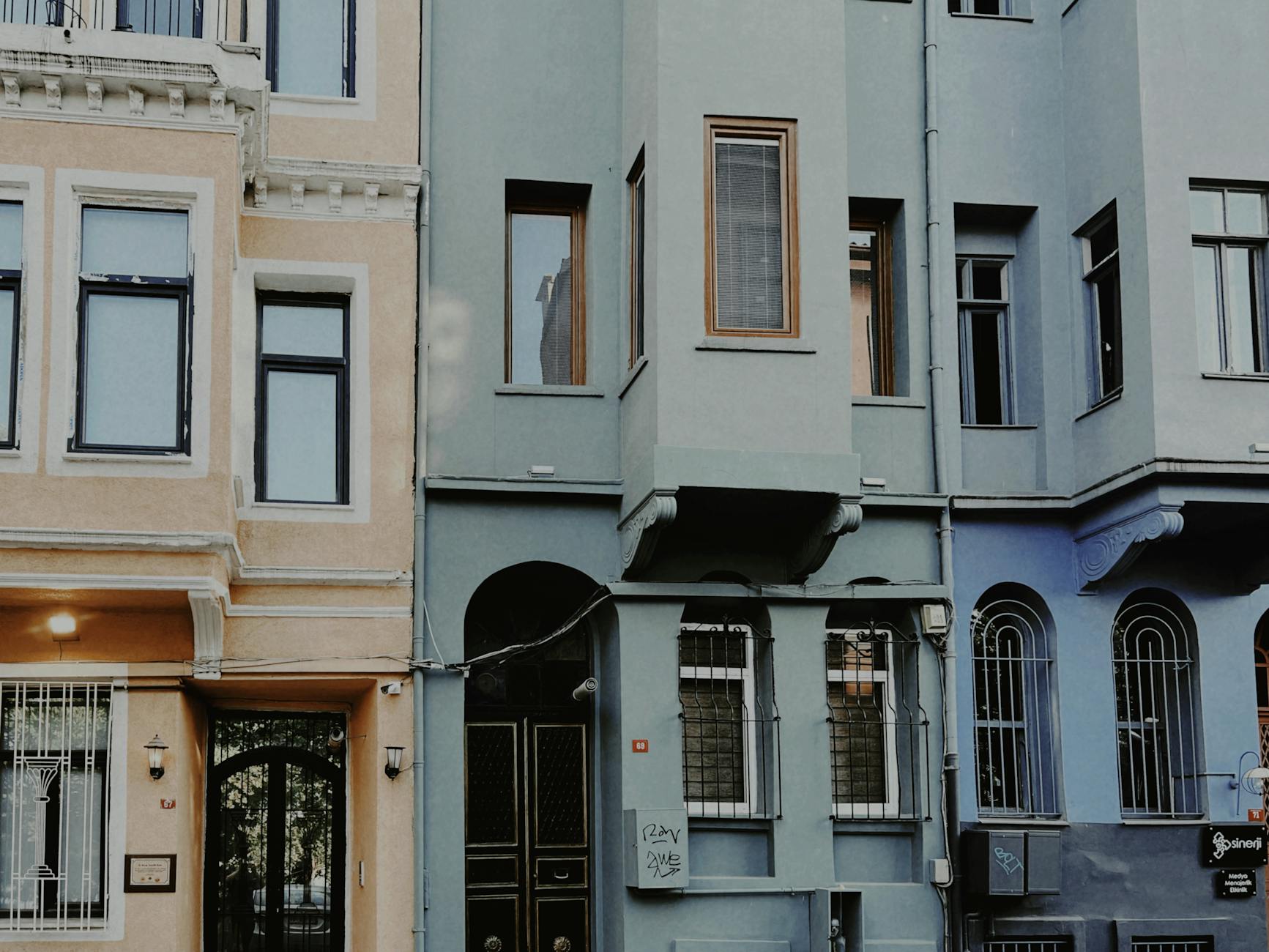
Just as you pass the CVK, look up. You will spot the first genuine Art Nouveau balconies—those elegant, wrought-iron floral motifs that managed to survive the “modernization” wrecking balls of the 1950s. While it lacks the high-fashion intensity of The Only Reason I Brave the Traffic to Spend an Afternoon in Teşvikiye, Gümüşsuyu offers a more dignified, quiet luxury.
The German Consulate acts as the neighborhood’s guardian of silence. Its massive, fortress-like stone walls seem to swallow the traffic noise from the square. Last Tuesday, I stood by the consulate gates around 2 PM; the crowd density dropped from “sardine can” to “solitary stroll” in the span of fifty meters. It is the architectural equivalent of a deep exhale.
Berk’s Insider Tip: The German Consulate has some of the best-kept garden greenery in the city; even if you can’t go in, the scent of the trees overhanging the wall is a free luxury on a hot July afternoon.
Curves, Ironwork, and Stucco: The Art Nouveau Heritage
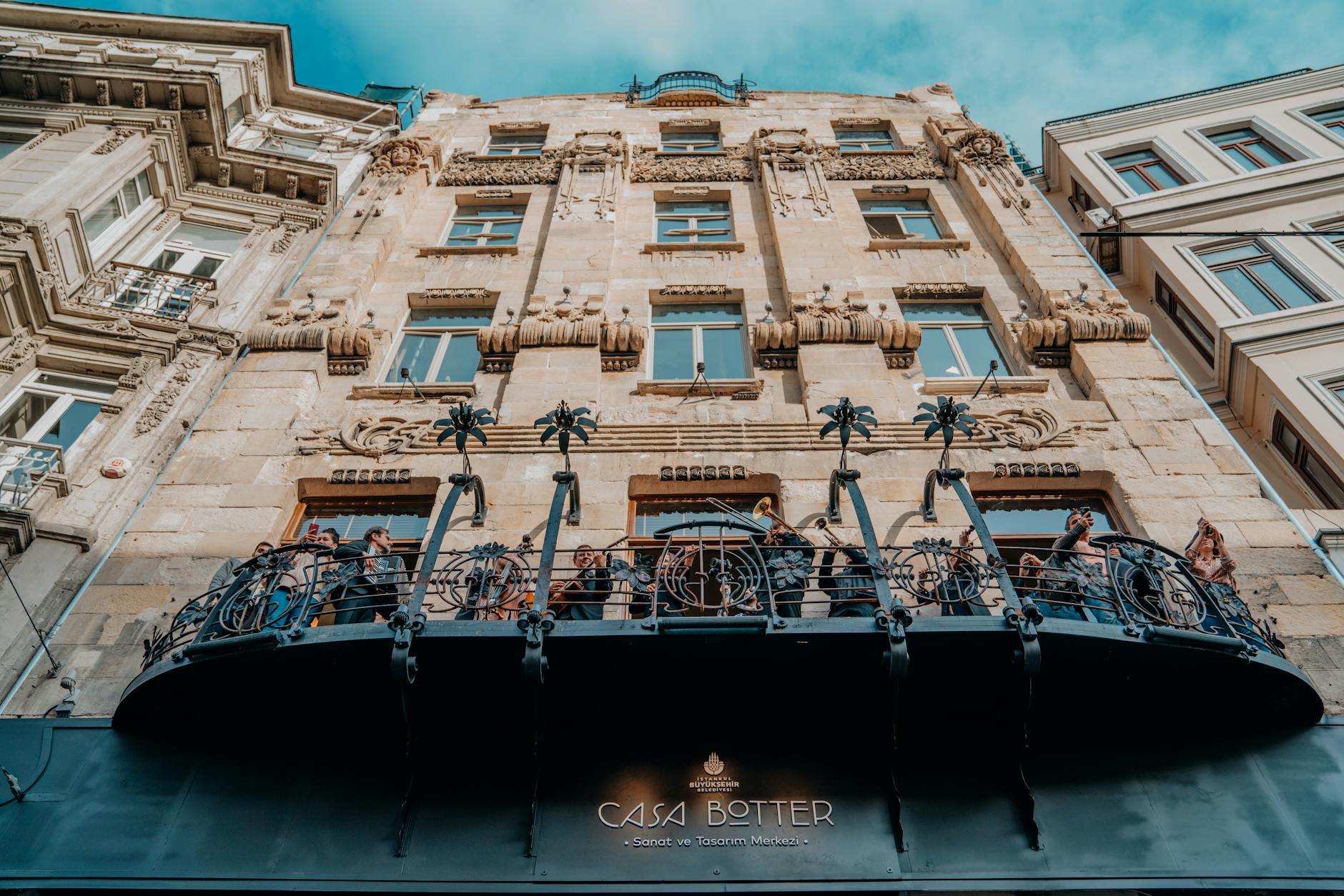
The Gümüşsuyu Palas isn’t just a building; it’s a silent protest against the architectural mediocrity of the 21st century. While modern developers seem obsessed with building vertical mirrors that reflect nothing but heat, this 19th-century masterpiece uses its facade to tell a story of sheer, unapologetic grandeur. Walking past it makes the nearby glass office boxes look like discarded shoe boxes left on the curb. If you look closely at the entrance, you can see the kind of craftsmanship that required time, patience, and a complete lack of “budget-cutting” meetings.
The Anatomy of an Alleyway
As you peel away from the main road and head toward the Istanbul Technical University (İTÜ) campus, the architecture begins to speak in curves. This is where you find the classic Art Nouveau ‘whiplash’ style in the wild. I once spent twenty minutes leaning against a dusty wall on a side street just to photograph a single balcony railing—only to realize I was blocking a delivery guy who was very politely waiting for me to finish my “artistic moment.” The ironwork here flows like liquid, mimicking vines and waves rather than rigid structural supports.
To truly appreciate this, you need a caffeine hit and a vantage point. Find a small corner cafe—there are plenty where the chairs are angled toward the street—and order a quick espresso. It will set you back 150 TL (3 EUR), which is a fair price for the “diplomatic theater” you get to witness. Since several consulates are tucked into these alleys, you’ll spend your break watching sleek black cars with tiny flags zip past, while students from the Technical University shuffle by with rolls of blueprints. If the service is slow, don’t sweat it; it just gives you more time to count the floral stucco motifs on the building across the street.
What to Spot on the Gümüşsuyu Facades
- Whiplash Iron Railings: Look for the dynamic, flowing curves on balconies that look more like plants than metal.
- Floral Stucco Reliefs: Many buildings feature stone carvings of lilies and irises, a signature of the 19th-century nature-obsessed aesthetic.
- Asymmetrical Doorways: Art Nouveau loved breaking the rules of symmetry; keep an eye out for doors that don’t quite mirror their surroundings.
- Ornate Door Knockers: You’ll often find heavy brass knockers shaped like hands or lions, though most now serve as decoration next to modern buzzers.
- Curved Corner Windows: Buildings on street corners often feature rounded glass, designed to give residents a panoramic view of the Bosphorus slopes.
Gravity is Your Best Friend: Navigating the Staircases
Walking down these stairs is a tactical choice; walking up them is a penance I wouldn’t wish on anyone but my worst enemies. In Istanbul, the topography doesn’t care about your step count, but the Mimar Sinan Fine Arts University stairs—often painted in defiant, fading rainbows—offer the most cinematic descent in the city. If you enjoy this neighborhood’s aging charm, you might find a similar spirit in the Walking Route through the Murals and Workshops of Yeldeğirmeni in Kadıköy.
As you head down toward Kabataş, you’ll share the space with art students who seem to have mastered the art of “brooding with a view.” They linger on the landings, chain-smoking and staring at the water as if the Bosphorus views are providing direct inspiration for their next gallery opening.
Last October, I made the mistake of trying to haul a 15kg suitcase up the stairs leading from Fındıklı to Gümüşsuyu at high noon. Three steps in, a local uncle sitting on a plastic stool pointed at the 20 TL funicular entrance 200 meters away and just shook his head. I learned that day that stubbornness in Istanbul costs exactly one bottle of 25 TL water and two days of sore hamstrings.
Keep an eye on the handrails, too. This isn’t just for your safety; it’s the secret “cat transit system” of Gümüşsuyu. The local felines use the flat tops of the railings as a high-speed bypass to avoid the humans on the steps. It’s a feline highway that runs parallel to your descent, and they definitely have the right of way.
Berk’s Insider Tip: If you see a small ‘Kapalı’ (Closed) sign on a staircase gate that looks public, it’s often just a local neighbor being hopeful. If there’s no padlock, the stairs are usually fair game for a shortcut, provided you’re quiet.
How to Conquer the Gümüşsuyu Descent
- Start at the top near the German Consulate to ensure gravity is working in your favor.
- Tighten your laces before the first flight to avoid “toe-crunch” against the front of your shoes.
- Yield to the cats traversing the railings; they won’t move for you, and they shouldn’t have to.
- Pause at the midpoint landing to catch the sunrise or sunset over the Asian side without the distraction of traffic.
- Watch for loose stones particularly on the lower third of the staircase where the MSGSÜ students congregate.
- Hydrate at the bottom by grabbing a water for 25 TL (0.50 EUR) at the Kabataş kiosks.
The Unofficial Balcony: Where to Stop for a View
Most tourists happily throw 500 TL (10 EUR) at a mediocre rooftop cafe just to see the water, but the real soul of Gümüşsuyu is found on the pavement for free. My favorite “unlicensed” VIP lounge is the narrow stone ledge near the tail end of the German Consulate wall. If you perch there, you get an uninterrupted frame of Üsküdar and the Asian coastline without a waiter hovering over you to order a second overpriced tea. It’s the best seat in the house, provided you don’t mind a little dust on your trousers.
The Maiden’s Tower Sweet Spot
While everyone crowds the Salacak coast for photos, the most evocative unobstructed Bosphorus views are actually found mid-slope on the Gümüşsuyu staircases. There is a specific angle—roughly two-thirds of the way down—where the Maiden’s Tower perfectly aligns between the ornate balconies of two crumbling Art Nouveau apartment blocks. Around 4:00 PM, when the sun starts its descent, the light hits the water at a 45-degree angle, turning the tower into a golden silhouette framed by 19th-century European architecture. It’s one of those Istanbul photo spots that feels like a private discovery every single time.
Finding Shelter in History
The weather here is as moody as a local shopkeeper before his first coffee. Last November, I got caught in a sudden downpour—the kind that turns these steep stairs into literal waterfalls within seconds. Instead of sprinting for a cab, I ducked under a heavy, century-old stone archway of a residential building. I spent fifteen minutes watching the gray mist roll over the Marmara Sea, listening to the rain drum against the ancient masonry. If you get caught in the rain, don’t panic; the deep doorframes of these old mansions offer a moment of quiet reflection that you simply won’t find in a crowded mall.
Frequently Asked Questions
Is walking down the Gümüşsuyu staircases difficult for seniors?
The descent is steep and the stone steps can be uneven, especially the sections closer to the bottom. If you have knee issues, I’d suggest taking the funicular from Taksim to Kabataş for 20 TL (less than 0.50 USD) and then walking only the flatter, upper parts of the neighborhood near the consulate. Always wear shoes with good grip; the historical stones are polished smooth by a century of footsteps and become incredibly slippery when damp.
When is the best time to visit these hidden viewpoints?
Late afternoon, about ninety minutes before sunset, is the “golden hour” for a reason. The sun sets behind you as you look toward the Asian side, illuminating the hills of Üsküdar and the Maiden’s Tower in a warm, amber glow. During the morning, you’ll be squinting directly into the sun, which makes for poor photos and a bit of a headache. Aim to be there by 5:00 PM in the summer or 3:30 PM in the winter.
Are there any public toilets or places to rest near the consulate wall?
Public facilities are scarce once you leave Taksim Square. Your best bet is to use the restrooms in one of the cafes near the top of Gümüşsuyu Caddesi before you start your descent. If you’re mid-slope and desperate, look for a small “büfe” (kiosk) to buy a bottle of water for 15 TL (0.30 USD); they are usually friendly enough to point you toward a nearby facility or let you catch your breath on a stool.
Landing in Fındıklı: From Hillside to Salt Air
If your knees aren’t trembling just a little by the time you hit the bottom of the Gümüşsuyu stairs, you’ve either got the cartilage of a professional athlete or you cheated and took the funicular. As you spill out onto the main coastal road, the ornate, swirling Art Nouveau ironwork of the heights is abruptly swapped for the stoic, mid-century marble and concrete of the Mimar Sinan Fine Arts University. It’s a bit of a stylistic cold shower, but it signals you’ve successfully transitioned from the “European” heights back to the sea-level pulse of the city.
The Reward at Fındıklı Park
Cross the street—carefully, as Kabataş drivers tend to treat red lights as mere suggestions—and head straight for the water at Fındıklı Park. This stretch is the perfect antidote to the polished, somewhat sterile luxury of Galataport just a few hundred meters away. Here, the vibe is strictly local and unpretentious.
I always look for the mobile tea seller patrolling the water’s edge with his silver thermos and stacked glasses. For exactly 25 TL (0.50 USD), you get a steaming glass of tea that tastes better than anything served in a five-star lounge because it comes with a side of salt air. Last Tuesday, I sat on one of the concrete ledges here for twenty minutes, watching a massive cargo ship glide toward the Marmara Sea so closely I could hear the hum of its engines. It’s the best “cheap seat” in Istanbul.
Connecting the Dots to Beşiktaş
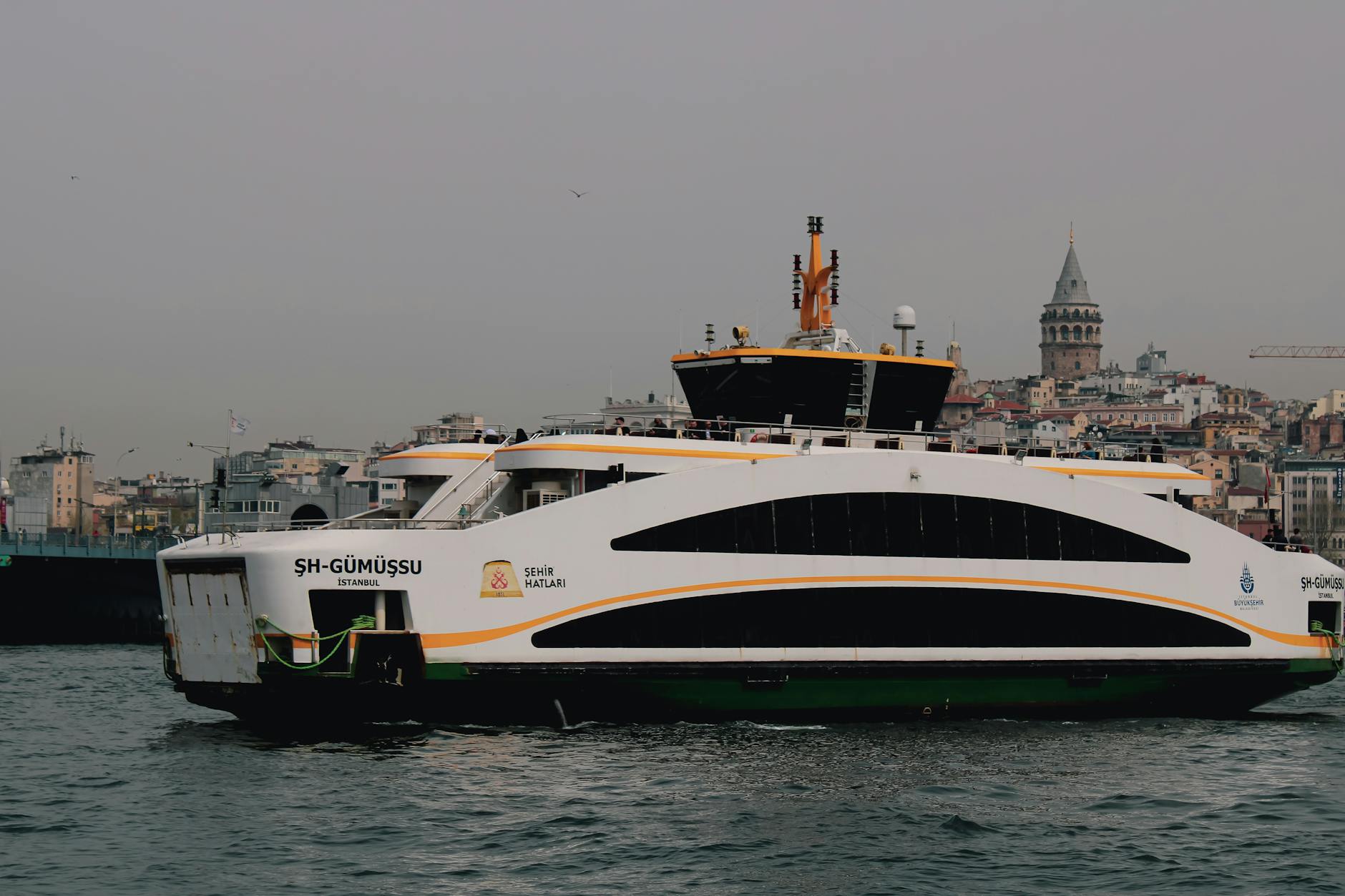
If your legs haven’t completely gone on strike, the transition from here is seamless. You’re only a short, flat walk away from the ferry docks. Keep the water on your right and continue north; you are perfectly positioned for a shift in scenery that is a world away from The frantic sweaty madness of my walk through Mahmutpaşa and Tahtakale. After the quiet, architectural descent of Gümüşsuyu, the buzz of the breakfast cafes and the shouting fishmongers is the logical next chapter for the day.
Finding the Soul of the Slope
Gümüşsuyu remains the city’s most honest compromise. It sits comfortably—or perhaps stubbornly—between the frantic, neon-lit exhaustion of Taksim and the curated, overpriced gloss of the Bosphorus waterfront. It’s a neighborhood that refuses to pick a side. Here, the 19th century isn’t a museum exhibit; it’s the cracked plaster on a decadent Art Nouveau balcony where someone’s laundry is currently dripping onto a sleeping stray cat.
If you’re worried about the steepness—and you should be, because my calves still haven’t forgiven me for a “shortcut” I took back in 2012—don’t attempt the descent in leather-soled shoes. These cobblestones have been polished to a mirror shine by a century of footsteps and are slicker than a carpet salesman in Sultanahmet. I once watched a very dapper traveler lose his dignity, his sunglasses, and half his latte on the stairs near the Japanese Consulate because he thought he could “power walk” the incline. Wear sneakers with actual grip, take the stairs at a geriatric pace, and keep your eyes on the architecture rather than your phone.
I usually find myself winding down at the small, unnamed bench near the top of the Mimar Sinan stairs around dusk. Last Tuesday, I grabbed a simple simit from the vendor near the funicular station for 30 TL (about 0.60 EUR or 0.66 USD) and just watched the sun hit the Topkapı Palace across the water. There was no queue, no “influencer” blocking the view, and the only sound was a neighbor shaking out a rug from a third-floor window. That is the soul of Gümüşsuyu. It offers you the grandest views in the city without the performance. It’s a place to stop being a tourist and start being an observer, tucked away in the cracks of a century that hasn’t quite finished yet.
Comments
Share your thoughts with us