
Beyazıt Book Market and University Backstreets Route with 2026 Tea Prices
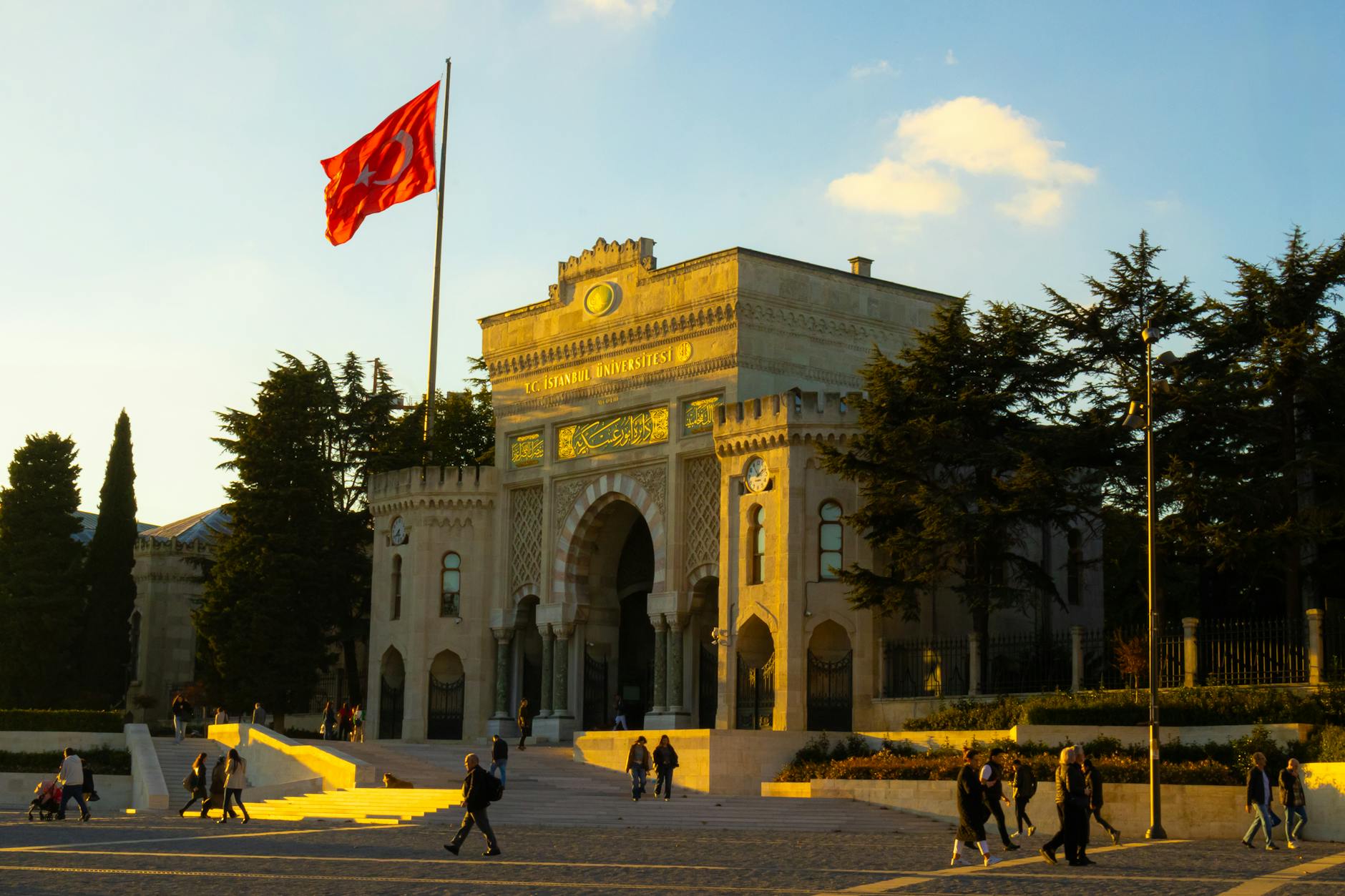
I’ve spent fifteen years walking these stones, and the smell of Beyazıt never changes—it’s a heady mix of roasted coffee, old paper, and the dry dust of the city’s intellectual heart. It’s 10:15 AM on a Tuesday, the exact moment the metal shutters of the Sahaflar Çarşısı finish their morning rattle. While the crowds on the T1 tram are usually busy elbowing their way toward the Grand Bazaar, the real pulse of the old city beats just a few hundred yards away, behind the monumental gates of Istanbul University.
Before heading here, I usually fuel up with a full spread of olives and honey; if you haven’t planned your morning meal yet, this Turkish Breakfast Guide: Istanbul covers the best spots to eat before the museums open. I remember my first year in the city, ducking into a narrow alleyway behind the Süleymaniye Library to escape a sudden downpour. I expected to find a dead end; instead, I found a tea garden where the grapevine canopy was so thick it functioned as a natural umbrella. That’s the thing about Beyazıt—it rewards the aimless. Today, a glass of tea in one of these backstreet student haunts will run you about 50 TL (exactly 1 EUR). If you find yourself in a place where they’re asking for 150 TL for a simple çay, you’ve stayed too close to the main square. A three-minute walk toward the backstreets doesn’t just save you money; it buys you a seat among the poets and professors who actually live the history others just read about.
The cobblestones here are brutal on anything but the sturdiest soles, a small price to pay for the lack of neon signs and pushy carpet hawkers. The air feels heavier here, thick with the silence of a million old books and the low hum of student debates. It’s a place that demands you slow down, tuck your map away, and let the scent of old parchment lead the way.
Starting Under the Pigeons of Beyazıt Square
If you arrive at the heart of Old Istanbul after 11:00 AM, you’ve already lost the battle against the crushing wall of tour groups. To actually see the city breathe, you need to step off the T1 Tramway at the Beyazıt-Kapalıçarşı stop no later than 10:00 AM. I stood behind a group of four at the ticket machine at 9:45 AM last Wednesday; it took exactly six minutes to top up my Istanbulkart because the touch screen was lagging in the direct morning sun. At this hour, the square belongs to the university students and the thousands of pigeons, not the selfie sticks.
The Morning Ritual and the 25 TL Tea
The square is massive, and it can feel dauntingly open. I always head straight for the small tea vendor tucked near the side gate of the Beyazıt Mosque. Last Tuesday, I stood there for five minutes just watching the vendor navigate a sea of birds with a silver tray balanced on three fingers—a masterclass in local physics. A glass of tea here costs exactly 25 TL (0.50 EUR). It’s a simple, honest price that grounds you before you dive into the more commercial chaos nearby.
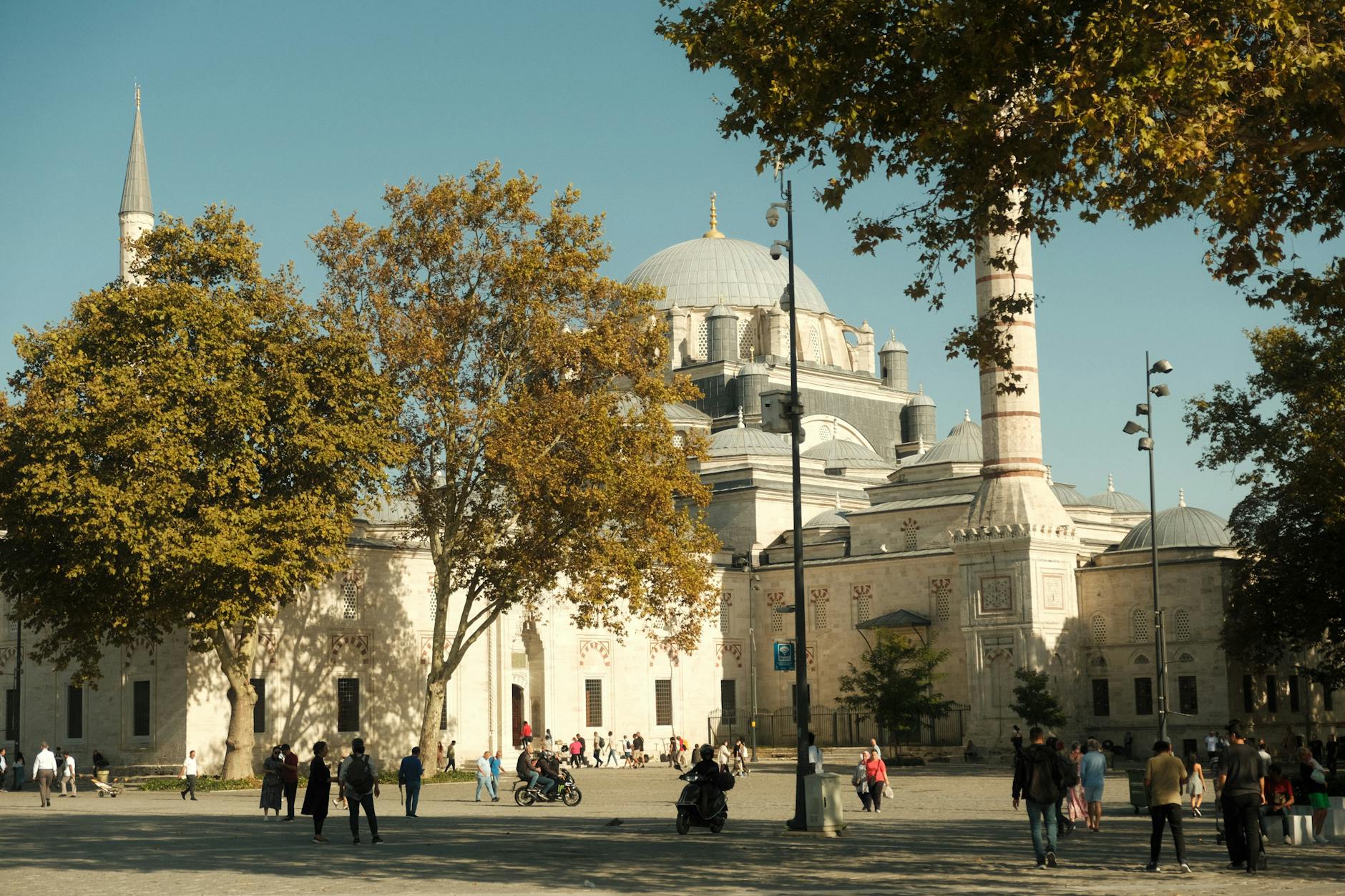
While many travelers use this square as a mere transit point after checking out ferry routes and pier boarding tips for Eminönü and Karaköy, the real soul of the district lies in these stationary moments. Don’t rush into the Grand Bazaar immediately. Instead, take your tea to the low stone wall, watch the elderly men feed the pigeons, and soak in the scent of roasted coffee drifting from the nearby roasters. This is the only way to begin a proper walking tour without feeling like just another number in a crowd.
Dust and Ink at the Sahaflar Çarşısı
The Sahaflar Çarşısı is the only place in Istanbul where the air actually tastes like history, a thick mixture of damp paper, old leather, and a hint of tobacco. Most travelers treat this 15th-century book market as a mere shortcut, but they’re missing the point. If you don’t stop to breathe in that specific, musty scent of second-hand stalls, you haven’t truly arrived in the intellectual heart of the Old City.
I’ve spent fifteen years wandering these narrow rows, and my favorite ritual is searching for 1970s Bosphorus maps. These relics show the shoreline before the modern skyscrapers took over, and they are becoming harder to find. Just last week, I spotted a beautifully preserved fold-out map in a corner stall for 675 TL (exactly $15). The seller, a man who has likely sat in that same chair since the bridge was built, didn’t even look up from his tea until I asked for the price in Turkish.
Top 5 Rare Finds at Sahaflar Çarşısı (Ranked)
Finding the “good stuff” requires patience and a willingness to get your fingers dusty. If you enjoy the hunt for unique finds here, you’ll also love exploring the weekly neighborhood street markets where the rewards are just as authentic.
- Vintage Bosphorus Maps (The Ultimate Collector’s Find): Ideally sourced from the 1960s, these serve as the perfect high-value, framable souvenirs.
- Hand-painted Miniatures (The Best Visual Gift): Look for modern recreations on aged paper that capture the vibrant colors of Ottoman court life.
- Ottoman Calligraphy Practice Sheets (The Most Authentic Relic): Known as meşk, these are often affordable and show the rhythmic beauty of the Arabic script.
- 1950s Turkish Poetry Editions (The Designer’s Choice): Even if you can’t read the language, the minimalist cover designs from this period are genuine works of art.
- Black and White Postcards (The Budget-Friendly Pick): Search for early 1900s depictions of the Galata Bridge to see how the skyline has shifted.
Berk’s Insider Tip: In Sahaflar, don’t just look at the English titles. The most beautiful items are often the vintage Turkish cinema posters tucked behind the counters. Expect to pay around 450-900 TL ($10-$20) for a decent original.
The Imperial Gate of Istanbul University
You’ll find that the grand archway of Istanbul University, often called the Gate of Knowledge, is less of a welcoming portal and more of a guarded fortress. While it’s the most iconic backdrop for a “scholarly” Istanbul photo, the reality is that the security guards are firm; unless you have a student ID or an official invitation, the inner gardens—shaded by massive, centuries-old trees—remain off-limits to the public.
Navigating the Student Rush
The transition from the quiet, dusty corners of the book market to the open expanse of the university wall is a sensory jolt. To get a clean shot of the Ottoman-style calligraphy above the entrance, don’t stand directly in the flow of traffic. I was there last Tuesday around 12:30 PM when the midday classes let out, and it was a sea of students moving with purpose. If you try to plant a tripod in the middle of the path, you’ll likely get a few frustrated sighs.
Practical fix: Walk about thirty meters back toward the area where the remnants of Constantine’s Forum once stood. From this distance, you can capture the scale of the gate without obstructing the 60,000 students trying to make their lectures.
Navigating the Commercial Chaos of Laleli
Laleli is where the polite silence of the university library goes to die, replaced by the screech of packing tape and the rumble of heavy cargo dollies. If you walk two blocks south from the Sultanahmet side, the atmosphere shifts instantly from academic contemplation to raw, high-octane wholesale trade. This isn’t the “boutique” shopping of Nişantaşı; it is a gritty, frantic engine room where millions of dollars in leather and textiles change hands daily.

A Sanctuary for Black Sea Flavors
When the noise of the street becomes too much, look for the steam rising from the smaller side streets. The best way to escape the chaos is to duck into one of the many Traditional Black Sea Pide Houses in Fatih and Beyoğlu with Menu Prices tucked between the leather wholesalers. These spots are often nothing more than a wood-fired oven and four tables, but the quality is lightyears ahead of the tourist traps on the main tram line.
Just yesterday, I grabbed a Kuşbaşılı-Kaşarlı pide (cubed meat and melted cheese) at a local spot near the Ordu Avenue intersection. The crust was charred to perfection, and the butter was authentic Black Sea gold. Expect to pay around 350 TL to 450 TL (roughly 7 to 9 EUR) for a generous portion that will fuel you for the rest of the climb back toward the Grand Bazaar. It’s a loud, fast-paced lunch, but it’s the most honest meal you’ll find in this part of town.
Refuge at the Süleymaniye Library Gardens
The uphill climb from the chaotic book market to the Süleymaniye Mosque complex is a physical demand that rewards you with the city’s most profound mental reset. While the stone here is massive and monochromatic, it serves as a great visual precursor to the unique metalwork found at the Bulgarian Iron Church: Balat. I prefer ducking into the side streets to find the Süleymaniye library. This isn’t just a building; it’s a sanctuary housing over 70,000 manuscripts that have survived fires and earthquakes.
I remember sitting in the courtyard last Tuesday, watching a scholar meticulously examine a digital scan of a 14th-century map while the call to prayer began to echo from the minarets designed by Mimar Sinan. The contrast is striking: the high-tech preservation happening inside and the timeless ritual outside. If you find the incline too punishing, my advice is to take the M2 Metro to the Vezneciler station and walk down towards the mosque; your knees will thank you.
The Golden Horn View and 2026 Pricing
Once you’ve soaked in the silence of the library, head to the perimeter walls for the payoff. The view of the Golden Horn from here is unmatched. You can see the Galata Tower poking through the skyline across the water. This is where you grab a seat at a local çay bahçesi (tea garden).
In 2026, the economy has shifted, but the ritual remains. Expect to pay around 45 TL (0.90 EUR) for a tea if you’re sitting in a garden with a direct view. If the climb has left you craving something more substantial, you are perfectly positioned to hunt down some traditional muhallebi shops nearby for a chilled milk pudding. If you want to trade these historic hills for the water’s edge later today, follow this guide to the Arnavutköy and Bebek coastline for a sunset walk by the Bosphorus.
2026 Budgeting: Tea and Rest Stops Near Süleymaniye
| Spot Type | Price (TL) | Experience Level |
|---|---|---|
| Sidewalk Stool (Tabure) | 25 TL | Authentic, fast, very local |
| Library Garden Cafe | 45 TL | Quiet, scholarly atmosphere |
| Terrace with Horn View | 80 TL | Premium for the photography |
| Laleli AC Cafe | 65 TL | Modern comfort, less character |
How to Navigate the Beyazıt Walking Loop
Starting your day at the bottom of the hill near the Golden Horn is a rookie mistake that will leave your calves screaming by noon. I’ve watched countless visitors trudge up the steep cobblestones of the Mercan slope, red-faced and exhausted, while I always opt for the gravity-assisted descent.
- Take the T1 Tramline to Beyazıt-Kapalıçarşı stop by 10:00 AM to beat the primary heat and the thickest of the afternoon tour groups.
- Enter the Sahaflar Çarşısı (Old Book Market) from the gate nearest to the square to browse the stalls while keeping the slope at your back.
- Walk toward the Istanbul University Main Gate to view the Ottoman calligraphy, then head northwest through the side streets toward the Süleymaniye Mosque.
- Descend the hill through the Laleli backstreets, keeping your belongings close in the narrow, high-traffic wholesale garment district.
- Board the M2 Metro at Vezneciler station to exit the district, which avoids a grueling uphill walk back to the tram line or the Grand Bazaar.
The Golden Hour at the Gate
Walking out of the Sahaflar Çarşısı, you feel that heavy shift from the silence of yellowed pages to the electric chaos of the tram line. It’s a strange friction that defines Beyazıt. On one side, you have the centuries of academic weight held within those university walls; on the other, the frantic energy of traders hauling cartloads of textiles.
I usually find myself lingering by the monumental gate of Istanbul University around 5:30 PM. The light at this hour turns the weathered stone into a warm, toasted gold. It’s also when the student rush hits its peak. My move is to avoid the main pedestrian flow and tuck into one of the smaller, unpretentious tea spots against the side of the Beyazıt Mosque.
I just sat down at a small wooden stool and paid 25 TL for a glass of tea—exactly 0.50 EUR. The vendor, a man I’ve seen in this exact corner for a decade, didn’t even need to ask; he just saw me looking at the gate and brought the glass. Sitting here, watching the sun dip low enough to catch the intricate calligraphy above the university entrance while the call to prayer begins to echo, the “hustle” of the city suddenly feels like a backdrop rather than a burden. Take that extra ten minutes before you jump back on the T1 tram. Let the tea get cold if you have to, but don’t miss that moment when the light hits the stone—it’s the most honest version of Istanbul you’ll find.
Comments
Share your thoughts with us