
The smell of burning oak and melting butter hits you long before you spot the sign for a true Karadeniz pide house in the backstreets of Fatih. It’s a heavy, comforting scent that hasn’t changed in the fifteen years I’ve called this city home, marking the sharp divide between a generic snack and a regional masterpiece. While the rest of the world might settle for a quick slice of something mass-produced, a Black Sea pide is an event—a boat-shaped vessel of crisp dough designed to carry an ungodly amount of local butter and slow-cooked fillings.
I found myself at a small, steam-filled shop near the Fatih Mosque last Thursday around 1:30 PM. The place was packed, the air thick with the sound of the usta slapping dough against a marble counter. You’ll see the usta’s brow dripping with sweat as he yanks the fourth tray of the minute from the woodfire; the turnover is incredibly fast because these aren’t places for lounging with a laptop—they are cathedrals of high-calorie efficiency. I ordered a Kıymalı (minced meat) pide, which arrived piping hot and glistening. It cost me 400 TL—exactly 8 EUR or about 9 USD—a price that reflects the rising cost of quality meat but remains a bargain for the sheer craftsmanship involved. It’s a greasy, glorious reminder of why the Black Sea region’s culinary grip on Istanbul remains unshakable.
The Anatomy of a Real Karadeniz Pide
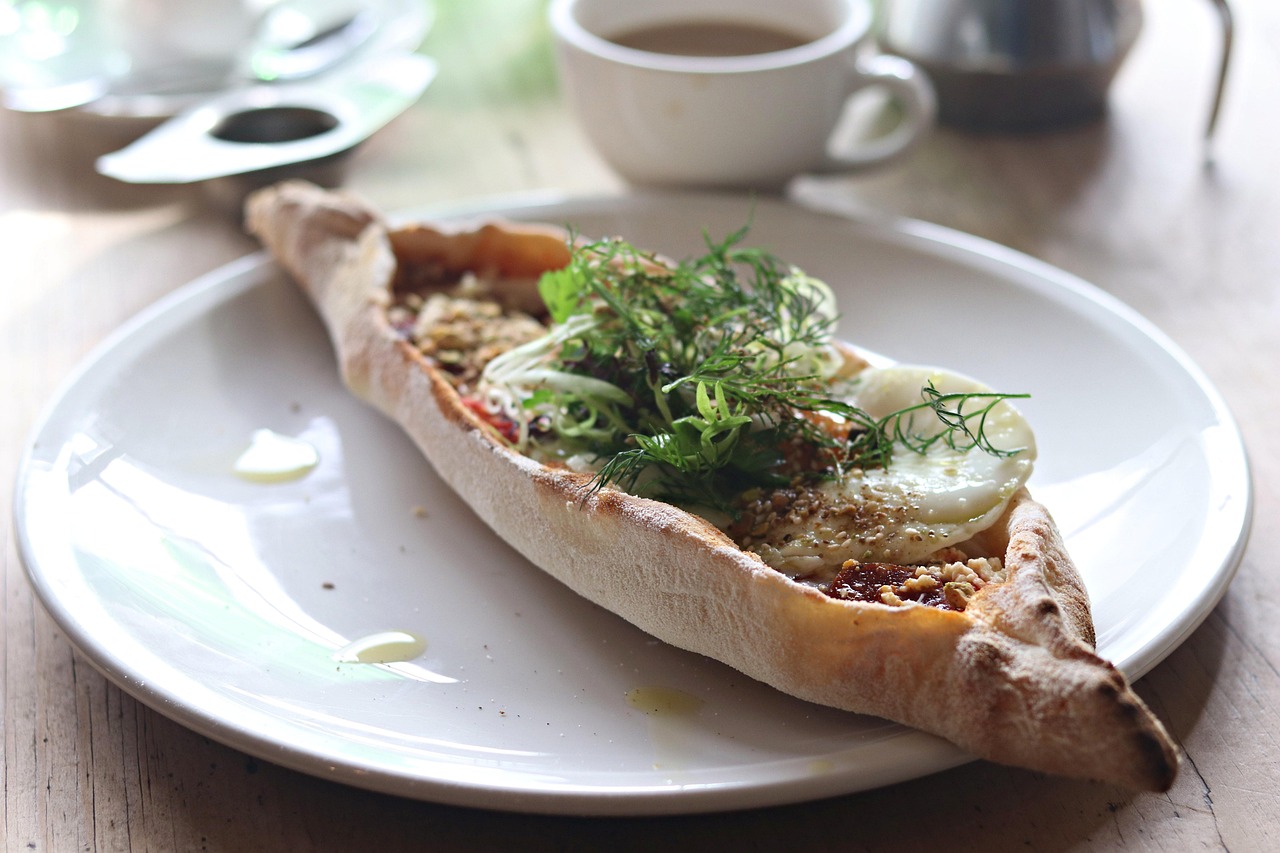
If your Karadeniz Pidesi doesn’t arrive swimming in a golden pool of melted butter, you have been misled by a tourist trap. After fifteen years of navigating the backstreets of this city, I have developed a zero-tolerance policy for the “bready” versions served in the Sultanahmet squares. A real Black Sea pide isn’t meant to be a fluffy loaf; it’s a thin, high-heat masterpiece that should crackle when you fold it. I remember dragging a friend to a tiny spot in Fatih last November; we waited 20 minutes for a table—queueing is a sign of quality here—and paid 450 TL (exactly 9 EUR) for a single ‘Kuşbaşılı’ that changed his entire perception of Turkish dough.
The Alchemy of Vakfıkebir and Kolot
The soul of this dish resides in the highlands of the north. You cannot replicate a Karadeniz Pidesi without Vakfıkebir butter, which is arguably the most prized dairy product in Turkey. It has a high fat content and a slightly fermented, nutty aroma that ordinary butter lacks. Then there is Kolot cheese. Unlike the rubbery, flavorless cheeses used in mass-produced snacks, Kolot is a high-protein, fatty cheese that melts into a stringy, rich lake. If the cheese doesn’t stretch at least thirty centimeters when you lift the first slice, it isn’t real Kolot.
Why the Crust Matters
The biggest mistake beginners make is accepting a thick, soft crust. In the authentic houses of Fatih and Beyoğlu, the dough is rolled incredibly thin and blasted in a wood-fired oven at temperatures that would make a conventional oven weep. The result is a texture that is crisp on the base but tender enough to absorb the meat juices. A proper crust should have “leopard spots”—tiny charred bubbles that provide a bitter contrast to the salty cheese.
The “Kapalı” vs. “Açık” Debate
Every local has a camp. Açık (open) pides are the photogenic ones, often topped with a raw egg yolk that cooks in the residual heat of the butter. However, many purists—myself included—often opt for the Kapalı (closed) version. By folding the dough over the meat or cheese, you create a steam chamber. This keeps the filling incredibly succulent and allows the fats to penetrate the dough from the inside out. If you find the open versions too dry, switch to a closed Kıymalı (minced meat) next time; it’s a tactical move that rarely fails.
The Fatih Legends: Where Tradition is Law
Fatih isn’t a place for casual grazing; it’s a neighborhood where recipes are guarded like state secrets and “innovation” is often viewed with deep suspicion. If you want the real deal, you go to the places that have been doing one thing perfectly for decades.
Fatih Karadeniz Pidecisi Ibrahim Usta
For me, Fatih Karadeniz Pidecisi Ibrahim Usta is the gold standard. I’ve been coming here for years, and the quality hasn’t budged an inch. This isn’t a place for a quiet, romantic candlelit dinner. It’s loud, fast-paced, and smells gloriously of charred flour and melted butter. After you’ve spent the morning navigating the Museum of Turkish and Islamic Arts Entry Tips and Hippodrome Terrace Views, head away from the tourist center and toward the smell of burning oak to find this spot.
The lunch rush reality here is no joke. Last Tuesday, I arrived at exactly 12:30 PM and spent 20 minutes waiting on the sidewalk just to get a stool. If you hate queues, show up at 11:30 AM or wait until 3:00 PM when the office workers have headed back to their desks.
My order never changes: the Kıymalı Yumurtalı (minced meat with egg). They use high-fat beef that crisps up beautifully in the stone oven, and they crack the egg over it at just the right moment so the yolk stays jammy. Pricing is fair for the quality; a standard pide here runs about 350 TL ($7.75 / €7). Given that they use heritage butter from the Black Sea region and slow-fermented dough, it’s a masterclass in Turkish soul food.
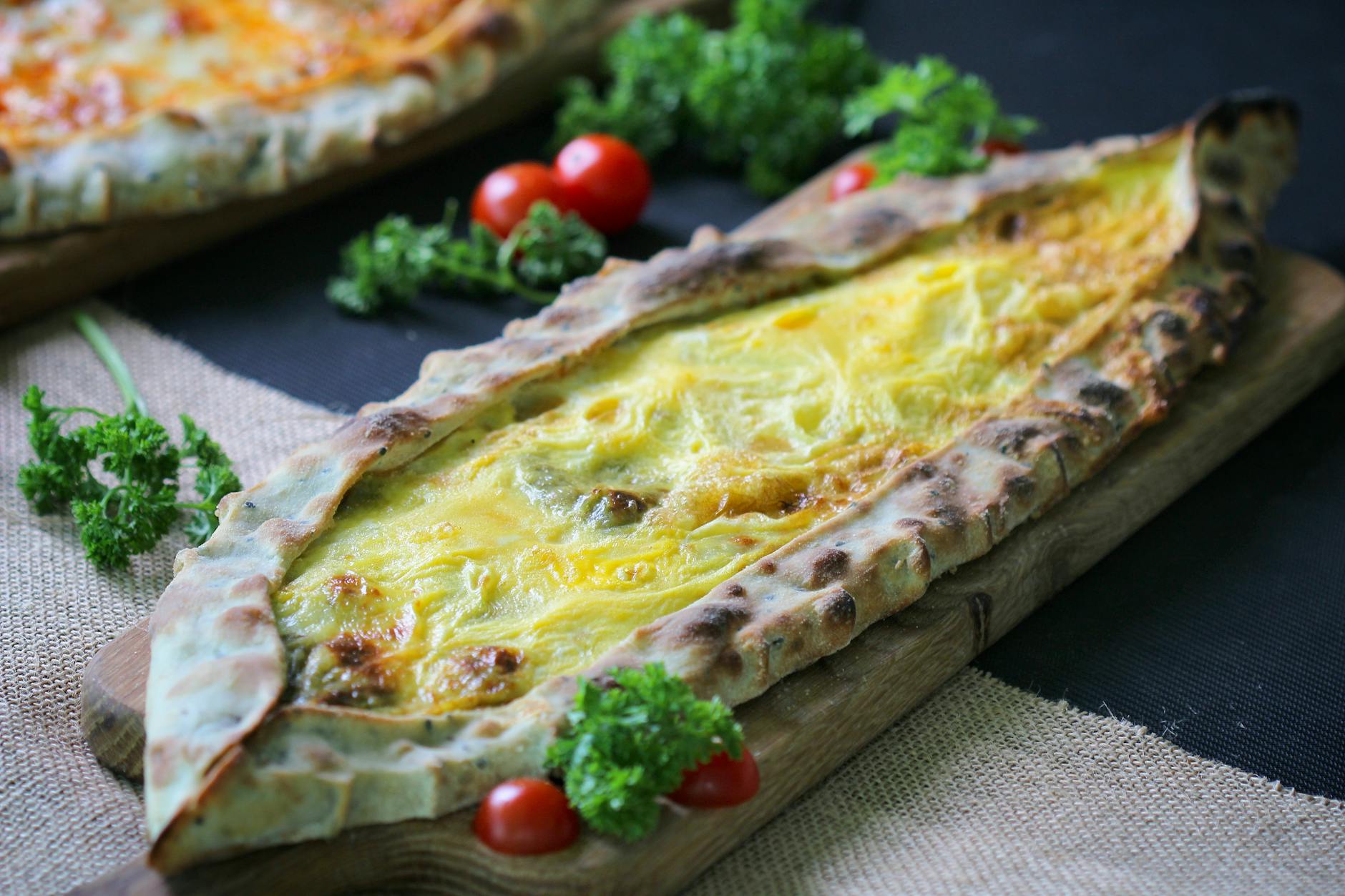
Berk’s Insider Tip: In Fatih, look for the ‘Sürmene’ style specifically if you want a round, pool-like pide filled with molten cheese and an egg in the center. It’s messy, glorious, and best eaten with your hands.
Beyoğlu’s Back-Alley Ovens: Pide Beyond the Istiklal Crowds
Most people walk right past the best dough in the city because they’re too distracted by the flashy ice cream sellers and chain cafes on Istiklal Avenue. If you want the real soul of this district, you have to follow the scent of charred oak wood into the side streets where the old-school ovens have been burning for decades.
Nizam Pide: The 1970s Gold Standard
Nizam Pide is an absolute institution that has anchored this neighborhood since the 1970s. While the rest of Beyoğlu changes every six months, Nizam stays stubbornly, gloriously the same. Their Kavurmalı Pide (topped with slow-cooked, braised beef) is the gold standard in Istanbul. I’ve sat at these tables at 3:00 PM on a rainy Tuesday—the perfect time to avoid the frantic lunch rush—and watched the masters stretch the dough with a speed that looks like a choreographed dance.
The beef is rich and tender, melting into the crust just enough to keep it soft on the inside while the edges remain shatteringly crisp. Expect to pay around 400 TL ($8.90 / €8) for a premium Kavurmalı pide here.
Pide Şimşek: No-Frills Mastery
For a grittier, more “back-alley” vibe, Pide Şimşek near the British Consulate is where I go when I’m in a hurry but refuse to compromise on taste. This place is tiny; the massive stone oven essentially is the room. Last October, I made the mistake of bringing a group of six to Pide Şimşek at 12:45 PM. The queue was spilling into the alley, and we spent 25 minutes standing next to a stack of flour sacks before a single stool opened up.
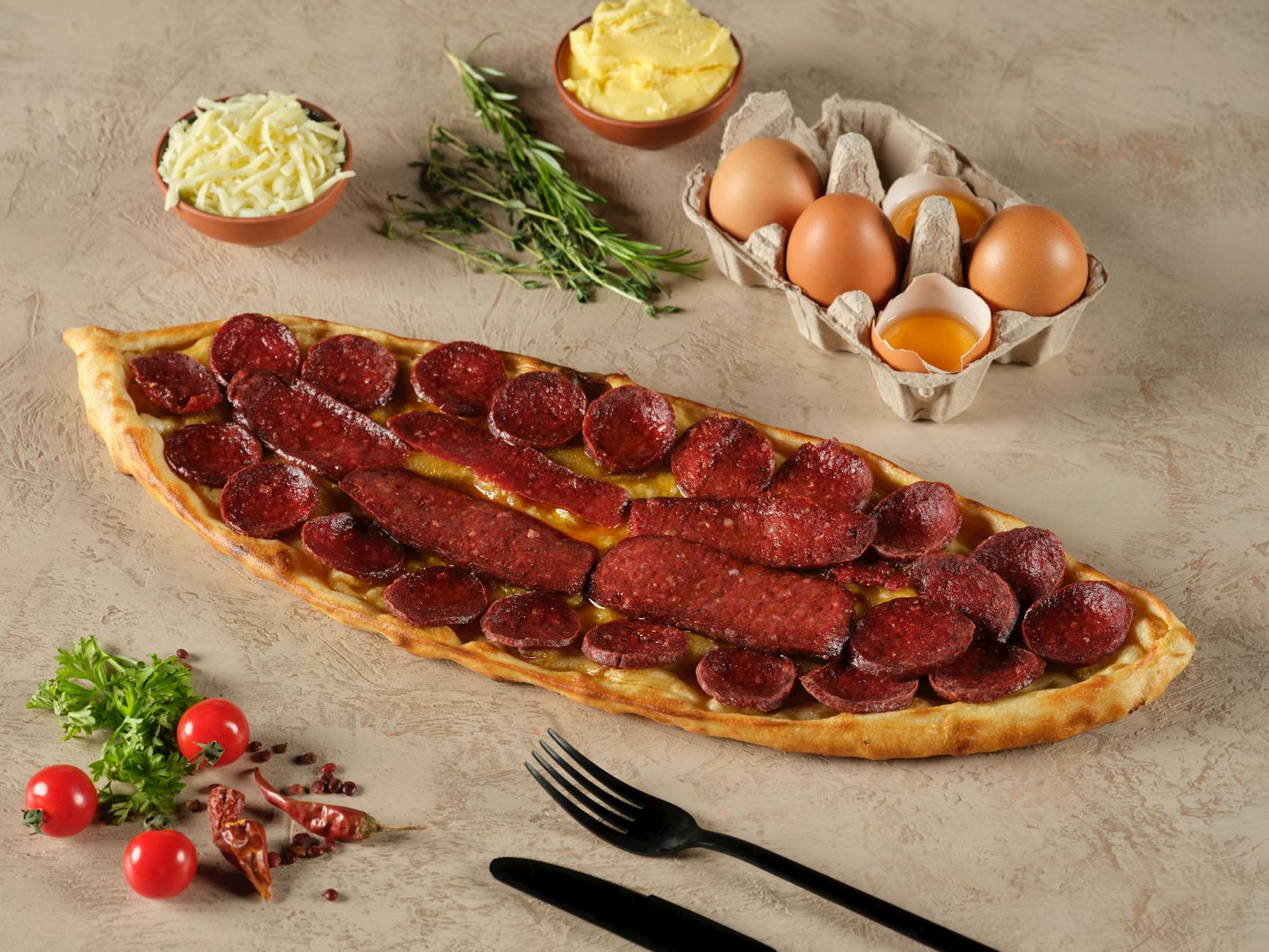
Ranked: The Best Pide Varieties to Try in Istanbul
Based on fifteen years of eating across Fatih and Beyoğlu, these are the essential orders ranked by their cultural importance and flavor profile:
- Kuşbaşılı Pide – The undisputed king, featuring hand-cut cubes of lean beef that render their fat directly into the thin crust.
- Kavurmalı Pide – A rich, heavy-hitter topped with slow-braised beef; the ultimate luxury choice for meat lovers.
- Kıymalı Yumurtalı – The savory local favorite that balances minced meat with a jammy, wood-fired egg cracked on top.
- Peynirli (Kolot) Pide – A premier vegetarian option using high-protein Black Sea cheese that creates a legendary 30-centimeter stretch.
- Kapalı Kıymalı – A specialized “closed” version that uses a dough lid to trap steam and keep the filling incredibly succulent.
Deciphering the Menu: What to Order and What it Costs
You should never order the Karışık (Mixed) pide if you actually want to taste the ingredients. Piling sucuk, pastırma, minced meat, and cheese onto one strip of dough results in a muddy flavor profile where nothing stands out. I’ve spent fifteen years eating my way through Fatih, and my rule is simple: stick to one topping for better flavor clarity. If you want variety, go with a group and share different single-topping pides.
The “Yumurtalı” Upgrade
If you want to eat like a local from Rize or Trabzon, you have to ask for your pide “Yumurtalı”. About thirty seconds before the pide comes out of the wood-fired oven, the usta (master) cracks a fresh egg over the center. The whites set just enough to bind the meat, but the yolk stays runny. Last month, at a tiny spot near the Fatih Mosque around 1:30 PM, I watched a visitor try to eat this with a fork and knife—don’t do that. Break off a piece of the crispy crust, dip it into that golden yolk, and enjoy the richness. It usually costs an extra 50 TL (1 EUR), and it’s worth every kuruş.
| Menu Item | Price (TL) | Price (Approx. EUR/USD) | Berk’s Verdict |
|---|---|---|---|
| Kuşbaşılı Pide | 500 TL | 10 EUR / 11.10 USD | The undisputed king. Lean meat, high flavor. |
| Kıymalı Pide | 450 TL | 9 EUR / 10 USD | Classic minced meat; great for a quicker bite. |
| Kaşarlı Pide | 400 TL | 8 EUR / 8.90 USD | Simple melted cheese; perfect for vegetarians. |
| Açık Ayran | 100 TL | 2 EUR / 2.20 USD | Mandatory. Don’t skip the froth. |
Pide Etiquette: The Unwritten Rules of the House
The fastest way to confuse a Black Sea usta (master) is to ask for your pide “light on the butter” or to arrive after the sun has set expecting a fresh bake. In these traditional Fatih restaurants, the rhythm of the oven dictates the rhythm of your meal.
The Butter Ritual and Timing
If a waiter approaches your table with a large spoon and a bowl of melted, golden yellow fat, do not wave him away. In Black Sea culture, extra butter is a gesture of hospitality. I once tried to decline a second dollop at a crowded spot near the Edirnekapı walls, and the waiter literally paused, spoon mid-air, to explain that the dough would “catch a cold” without it. Accept the ritual.
Furthermore, you need to treat pide as a lunch or early dinner game. These wood-fired ovens take hours to reach the right temperature and are rarely kept roaring late into the night. By 8:00 PM, most of the top-tier houses in Fatih are cleaning their paddles. If you see a place claiming to serve “traditional” pide at midnight, they are likely using a generic electric oven, and the crust will suffer for it.
The Post-Pide Reset
A proper Kıymalı (minced meat) or Peynirli (cheese) pide is heavy. To avoid the inevitable food coma, I always make it a point to walk it off immediately. From the dense cluster of shops in Fatih, it’s a scenic fifteen-minute uphill stroll to reach A Masterpiece of Light: Why the Mihrimah Sultan Mosque is My Favorite Spot at the City. Standing in that courtyard is the perfect palette cleanser after the intense, smoky atmosphere of a pide house.
FAQ: Eating Pide in Istanbul Like a Local
What is the best time to visit a traditional pide house in Fatih?
You should aim for between 12:30 PM and 3:00 PM for the freshest dough. Most authentic spots fire up their wood ovens early in the morning and begin winding down by early evening. If you arrive after 7:30 PM, you risk the kitchen being out of specific toppings.
Can I customize my pide toppings like a pizza?
Traditional Black Sea houses stick to a specific menu: Kuşbaşılı (cubed meat), Kıymalı (mince), Peynirli (cheese), or Karışık (mixed). Don’t ask for pineapple or corn; it’s considered an affront to the usta.
Is it okay to eat pide with a knife and fork?
In upscale restaurants, you might see cutlery, but in the heart of Fatih, pide is finger food. Pick the strips up, fold them slightly to keep the butter from dripping, and enjoy.
The Final Verdict: Pide Over Kebab
Most visitors leave Istanbul thinking the kebab is the city’s undisputed king. It’s a flashy story, but for those of us who have spent decades navigating these hills, the true heartbeat of the working class is found in the flour-dusted corners of a pide salonu. Kebab is an event; pide is a ritual. When that long, canoe-shaped crust comes out of the oven, shimmering with melted butter from the Black Sea highlands, you aren’t just eating lunch—you’re tapping into the grit and soul of the city’s trade roots.
I remember ducking into a tiny spot near the Valens Aqueduct last Tuesday around 1:30 PM. I paid 400 TL (exactly 8 EUR) for a Kuşbaşılı—tender cubes of hand-cut beef—that was better than any steakhouse meal triple its price. If you find these spots a bit intimidating because of the lack of English menus, just point toward the oven. The usta will understand.
Don’t rush back to the Sultanahmet tram. Instead, take a slow, deliberate walk through the backstreets of Fatih toward the Zeyrek Mosque. The incline is just enough to wake up your digestion. By the time you reach the viewpoint overlooking the Golden Horn, that heavy, satisfied warmth in your stomach will feel less like a burden and more like a badge of honor. You’ve eaten like an Istanbullu; now you’re walking like one.