
I’ve stood in Sultanahmet Square more times than I can count, usually weaving through the throngs of people following bright yellow umbrellas and dodging the same three carpet shop pitches. Most visitors have their necks craned toward the minarets of the Blue Mosque, completely oblivious to the fact that the real soul of the city is sitting right behind them, encased in the cool, dark stone of the Ibrahim Pasha Palace. After 15 years of navigating these streets, I’ve learned that the best way to appreciate Istanbul’s grandest monuments isn’t by joining the crush of the crowd; it’s by finding the right side-door.
The Museum of Turkish and Islamic Arts is that side-door. While the heat outside bakes the pavement of the old Hippodrome, the thick walls of this 16th-century palace offer a silence that’s hard to find elsewhere in the Sultanahmet district. It’s a place where you can actually breathe. You move from the noise of the street into a world of massive, centuries-old Seljuk carpets and illuminated manuscripts that make the modern world feel a bit thin.
But the real draw, the secret I always share with friends who want that “perfect” shot without the elbowing, is the terrace. From up there, the Blue Mosque doesn’t just look like another landmark on a checklist. You’re elevated, level with the domes, looking down at the ancient Egyptian obelisk and the crowds that look like ants from your private perch. It’s the best seat in the house, and half the people in the square don’t even know it exists. Finding your way in takes a bit of local rhythm, but once you’re standing on that stone balcony with the breeze coming off the Marmara, the chaos of the city finally starts to make sense.
A Palace That Survived the Sultans
The Ibrahim Pasha Palace is the only reason I still tolerate the madness of Sultanahmet Square on a weekend. While the rest of 16th-century Istanbul was built of wood—and subsequently vanished in the city’s legendary Great Fires—this place was built like a tank. It is a rare, hulking survivor of Ottoman Architecture that wasn’t built for a Sultan, but for a man who eventually grew too powerful for his own good.
A Grand Vizier’s Fortress
Pargalı Ibrahim Pasha was Suleiman the Magnificent’s closest confidant, brother-in-law, and eventually, his most famous cautionary tale. Walking through these gates, you can feel the sheer ego it took to build this. Most high-ranking officials kept their homes modest to avoid the Sultan’s jealousy, but Ibrahim went big with stone and mortar. The result is a structure that feels more like a citadel than a private residence. I often wonder if these thick walls were built for protection or as a silent challenge to the Topkapı Palace across the way. It’s one of the few places left where you can touch the actual, unpolished grit of the Ottoman History elite.
The Sound of Silence
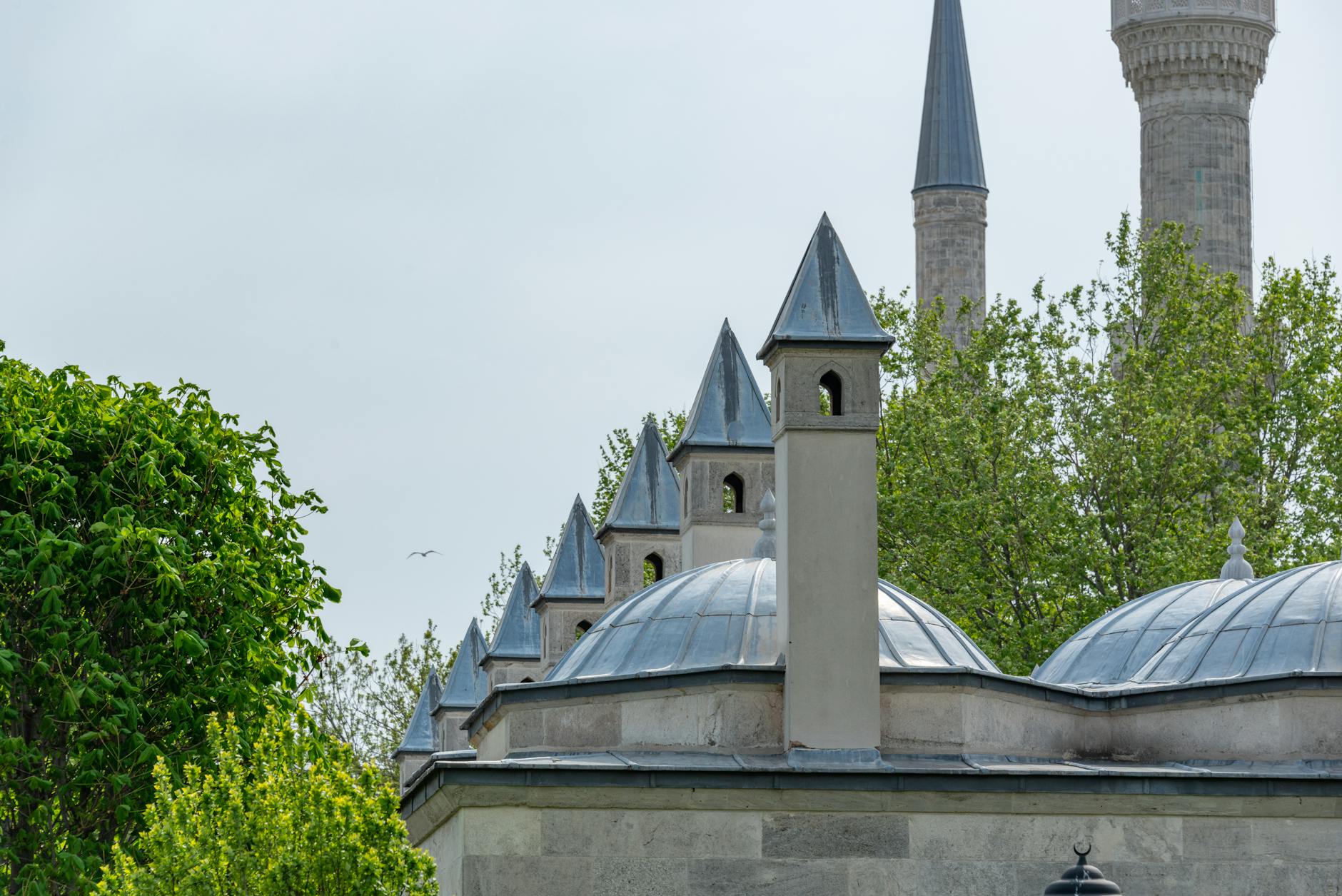
The real trick to enjoying this place is the transition. One minute you’re dodging selfie sticks and the chaotic energy of the Hippodrome; the next, you’re standing in a courtyard where the air feels ten degrees cooler and the city noise just… vanishes. It’s a sensory reset. If you’ve spent your morning navigating the crowds after waking up in one of the authentic neighborhoods for locals, this courtyard is your sanctuary. The contrast is jarring, but it’s exactly what you need before diving into the collection. Just watch your ankles on the original stone flooring—the 16th century didn’t care much for level surfaces.
Beating the Queue: Entry Tips and Costs
Standing in line is for people who didn’t do their homework. While the masses are melting into the pavement across the square at the Blue Mosque, you can usually stroll right into the Museum of Turkish and Islamic Arts with zero drama. At 850 TL (roughly 17 EUR), the entry fee isn’t exactly pocket change anymore, but the sanity you preserve by avoiding the crowds makes every Lira worth it.
Maximizing Your Time and Lira
If you’re planning to hit the Topkapı Palace or the Archaeological Museums during your stay, don’t even think about paying individual entry fees. Grab the MuseumPass Istanbul. It costs 105 EUR, and while that sounds steep, the real currency here is time. You skip the ticket booth shuffle, scan your card, and walk into the cool shadow of the palace walls while others are still fumbling for their wallets.
Timing is everything in Sultanahmet. The cruise ship groups usually swarm the square between 10:30 AM and 2:00 PM—avoid this window like the plague. I always tell my friends to be at the gate by 9:00 AM. If you aren’t a morning person, show up after 4:00 PM. The light hits the central courtyard much better then anyway, and the tour buses have usually cleared out.
Berk’s Insider Tip: If you are visiting in summer, the thick stone walls of the palace make it one of the naturally coolest places in Sultanahmet. It’s my favorite ‘air conditioning’ in the city.
Quick Access Comparison
| Entry Method | Cost (Approx.) | Best For… | Wait Time |
|---|---|---|---|
| Single Ticket | 850 TL (17 EUR) | One-off visitors | Moderate |
| MuseumPass Istanbul | 5,250 TL (105 EUR) | Hardcore explorers | Minimal (Fast Track) |
| Guided Group | Varies (Pricey) | Context seekers | Scheduled |
| Children (Under 12) | Free | Families | Instant (w/ ID) |
The World’s Oldest Carpets and Sacred Script
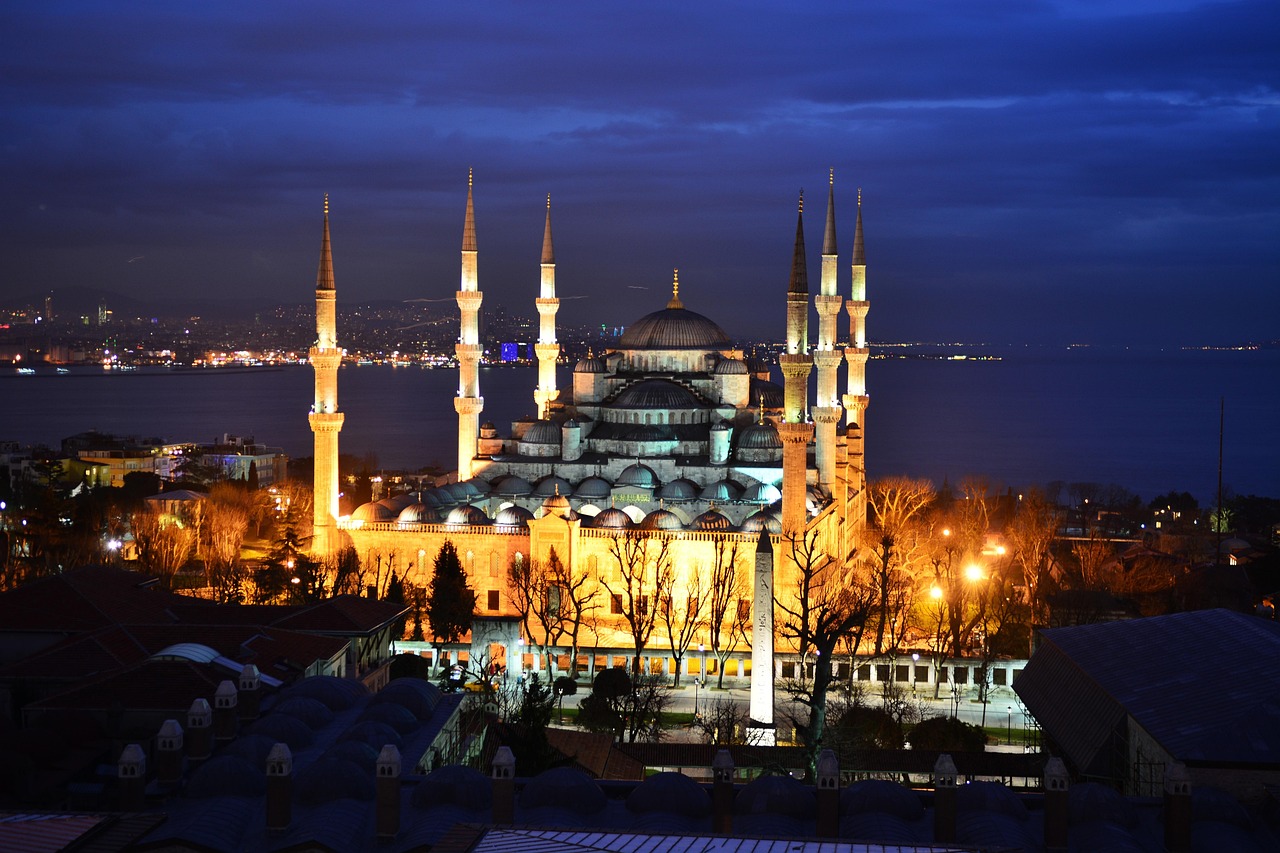
The carpet collection here isn’t just a bunch of old rugs; it is the single most important assembly of its kind on the planet, period. While most tourists scurry past to find the “big” monuments, I’ve spent countless hours in these halls just trying to wrap my head around the Seljuk carpets from the 13th century. These are the “holy grails” of the textile world. Found in mosques in Konya and Beyşehir, they represent a raw, geometric power that makes modern minimalism look like a weak imitation.
From Nomadic Looms to Renaissance Paintings
What I find fascinating is the “Holbein” and “Lotto” carpets. They aren’t named after Turkish weavers, but after the European painters who were so obsessed with them that they featured them in their portraits to signal wealth and status. It’s a bit of a trip to see the actual 15th-century originals here and realize that these patterns were the height of global luxury five centuries ago. The transition from these bold, tribal patterns to the refined floral elegance of Ottoman History is visible right on the walls.
The Power of the Pen
If you think calligraphy is just “pretty writing,” the manuscript section will set you straight. You’ll see the evolution from the heavy, angular Kufic script—which looks like it was carved with a chisel—to the fluid, graceful lines of the Ottoman masters. The massive Quran manuscripts on display are the real showstoppers. Some are so large they make modern coffee table books look like pocket diaries. The gold leaf work and the deep lapis lazuli blues are still vibrant, centuries later. If you appreciate the way script and light interact to create a spiritual atmosphere, you should also make time for the Mihrimah Sultan Mosque, which is my favorite spot for seeing how Ottoman architecture breathes.
Berk’s Insider Tip: Don’t just look at the carpets; look at the wooden doors and window shutters inlaid with mother-of-pearl. The precision is terrifyingly beautiful.
5 Must-See Masterpieces in the Galleries
- 13th-Century Seljuk Fragments: These are the oldest surviving carpets in the world, featuring bold, archaic patterns you won’t see anywhere else.
- Holbein Type II Carpets: Look for the small-patterned octagons that became a sensation in the Renaissance art world.
- The Damascus Documents: A massive collection of early Islamic scrolls that survived a fire in the Umayyad Mosque, offering a rare glimpse into early parchment work.
- Giant Ilkhanid Qurans: These 14th-century works are masterpieces of scale, featuring calligraphy so large it was meant to be read from a distance.
- Imperial Edicts (Fermans): Check out the Sultan’s Tughra (official seal) at the top of these scrolls; the intricate illumination around the signature is peak Ottoman craftsmanship.
The Secret Terrace: The Best View of the Hippodrome
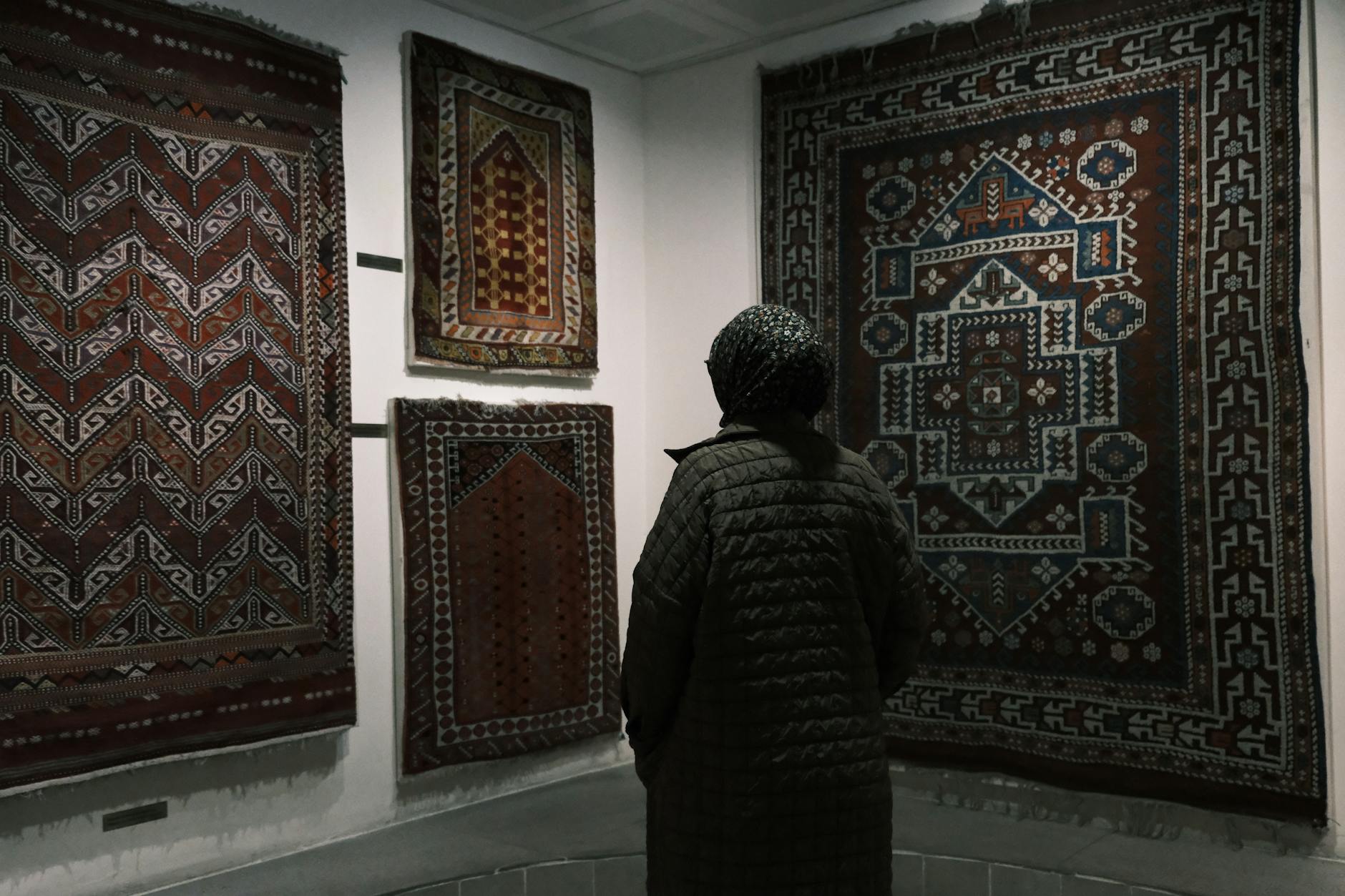
You haven’t actually seen the scale of the Hippodrome until you’re standing on the second-floor balcony of the Ibrahim Pasha Palace. Most tourists are down on the ground, dodging selfie sticks and getting a crick in their necks looking up at the Egyptian Obelisk. From up here? You’re at eye level with history. It’s easily the best-kept secret in Sultanahmet for anyone who hates crowds but loves a vantage point that actually delivers.
A Different Perspective on the Obelisks
The balcony juts out right over the ancient racecourse. I remember standing here last October, watching the low sun hit the pink granite of the Obelisk of Theodosius while the call to prayer started echoing between the minarets of the Blue Mosque. It’s surprisingly quiet. You get this rare moment of zen while the frantic energy of Istanbul hums right beneath your feet. If you want a photo that isn’t blocked by a tour group’s neon umbrella, this is your spot. You get the perfect alignment of the ancient monuments and the sprawling square without the elbowing.
Why It Beats the Street Level
Down there, you’re just a number in a crowd. Up here, you can actually trace the curve of the old chariot track in your mind. It’s the only place where the Hippodrome of Constantinople feels like an actual arena rather than just a busy public park. Why rush through the galleries and head straight for the exit? Take ten minutes. Put the phone down after you get that one perfect shot. Just breathe in the salt air coming off the Marmara and watch the city move.
Berk’s Insider Tip: The museum café has a decent view, but skip the overpriced toast. Walk five minutes toward the Küçük Ayasofya neighborhood for a real tea and a more local price tag.
Nomads and Tents: The Ethnography Section
Skip the gift shop for ten more minutes and head to the lower floor; the basement is where the high-brow calligraphy of the Sultans meets the gritty reality of the Central Asia steppes. Most visitors are so dazzled by the carpets upstairs that they miss the actual soul of the museum. This is where the Yörük (nomadic) heritage of Turkey is laid bare, and honestly, it’s the most human part of the building.
From Steppe to City
The recreation of nomadic life isn’t just a collection of dusty artifacts; it’s a survival kit. You’ll see black goat-hair tents and sheepskin butter churns that tell a story of a disappearing world. These objects explain how a group of people transitioned from the harsh life of the plains to the “imperial grandeur” of Ottoman History. It’s a bit of a shock to the system—seeing the humble wool bags used by a tribesman just a few rooms away from the gold-leafed Korans of a Sultan.
The lighting down here can be a bit moody (read: occasionally too dark to see the fine embroidery), but that adds to the atmosphere. It feels less like a sterile gallery and more like peering into a private, ancient attic. While the upper floors are about power and religion, this section is about blood and grit. If you appreciate this kind of unvarnished look at the past, the Yedikule Dungeons are the only honest place left in the city to see history without the polished tourist filter. Don’t just look at the weaving looms; think about the hands that moved them. It’s a masterclass in how Istanbul Museums can still surprise you if you’re willing to go below the surface.
Common Questions About Visiting
You don’t need a headscarf to enter, but don’t mistake the museum for a beach club. While there is no strict religious dress code like at the Blue Mosque across the square, showing up in a tank top and short-shorts feels a bit tone-deaf given the sacred nature of the calligraphy and ancient Qur’ans on display. Stick to smart-casual. Most importantly, wear decent socks; you might want to step into the ethnographic rooms where the vibe is more intimate.
How much time should I set aside for a visit?
Give yourself at least 90 minutes to two hours to do the place justice. If you’re the type who actually reads the history of every Seljuk carpet, you could easily spend three hours here. I usually breeze through the early Islamic ceramics to save my energy for the ethnographic section downstairs—the reconstructed nomadic tents and regional costumes are a masterclass in Turkish heritage. It’s a dense collection, so don’t rush the finale on the terrace.
Can I take photos inside the museum?
Photography is allowed, but for the love of history, keep your flash off. The lighting is kept low to protect 1,000-year-old textiles and delicate pigments, and security will jump on you if you start blinding the artifacts. Save your battery for the Hippodrome terrace. It offers one of the most unobstructed views of the Blue Mosque in the city. Just remember that visiting hours usually end around 5:30 PM or 6:30 PM depending on the season, so plan your “golden hour” shots accordingly.
Conclusion
It’s easy to get lost in the sheer scale of the Blue Mosque or the glitter of the palace jewels, but if you want to understand the actual DNA of what made this city an empire, this museum is your ground zero. It’s the intellectual heart of the Old City, tucked away in a palace that feels intimate and heavy with history rather than just being another crowded monument.
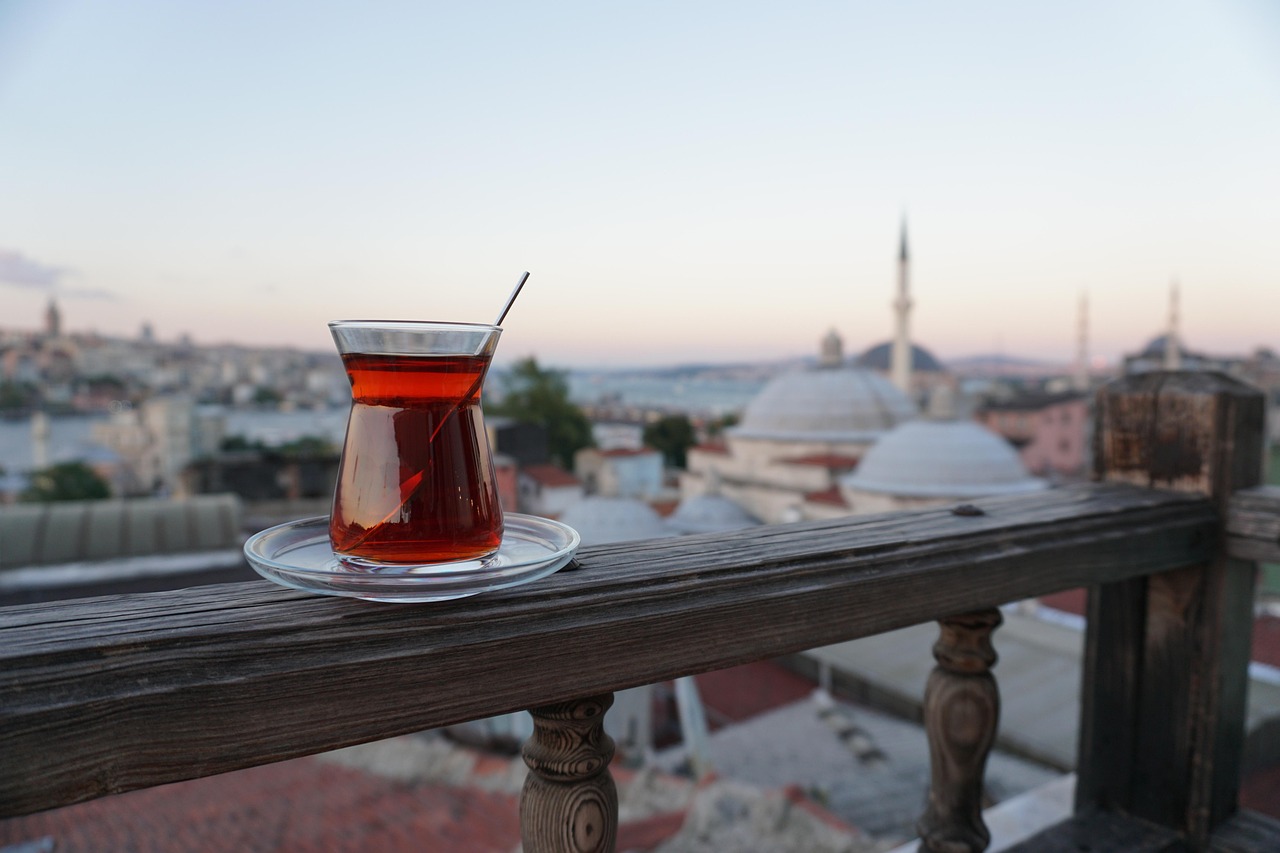
Once you’ve caught your breath on that terrace overlooking the Hippodrome, do yourself a favor: keep moving. Don’t just loop back into the same three tourist streets. Head down the slope toward the water, cross the Golden Horn on foot, or follow a Walking Route through the Old Markets and Mosque Courtyards of Üsküdar to see the Asian side. Let the salt air and the chaos of the bridge sharpen your senses. Sultanahmet holds the memories, but the city’s pulse is strongest when you’re navigating the steep backstreets of the opposite shore. Go find a spot where the tea is served in cracked glasses and the conversation is louder than the traffic. That’s where you’ll finally start to see the Istanbul I know.