
The metallic, percussive clatter of a tantuni master’s spatula hitting the large, circular sac pan is the rhythmic heartbeat of Beyoğlu’s side streets at 2 AM. It’s a sound I’ve followed more times than I care to admit after a long night out. That “tık-tık-tık” against the iron is a promise: paper-thin shavings of beef, flash-fried with cotton oil and paprika, tucked into a wrap that’s been pressed firmly against the pan to soak up every drop of spicy, orange-hued “jus.”
Last Tuesday, I ducked into a favorite haunt tucked just behind the Flower Passage around 11:30 PM. The steam-fogged windows were the only invitation I needed. I watched the master—a man who’s likely flipped more lavaş than I’ve had hot meals—toss a handful of pre-boiled beef onto the sizzling metal, dousing it with a splash of water and oil to create a cloud of fragrant steam. A single wrap here now runs about 220 TL, and while the prices have climbed with the rest of the city, the soul of the dish remains untouched. There was a five-minute wait for a stool, but standing on the sidewalk with a wrap in one hand and a cold ayran in the other is part of the local experience.
The Anatomy of a Perfect Mersin Tantuni
Real tantuni isn’t just another meat wrap; it’s a high-heat chemistry experiment involving steam, oil, and a very thin metal tray. If you walk into a shop and don’t see a cloud of vapor rising from a shallow, dimpled metal pan—the Sac—the authenticity is questionable. The secret isn’t just the meat; it’s the constant misting of water and cotton oil by the chef. Without that rhythmic splash, the beef dries out in seconds, losing the soul of its Mersin origins.
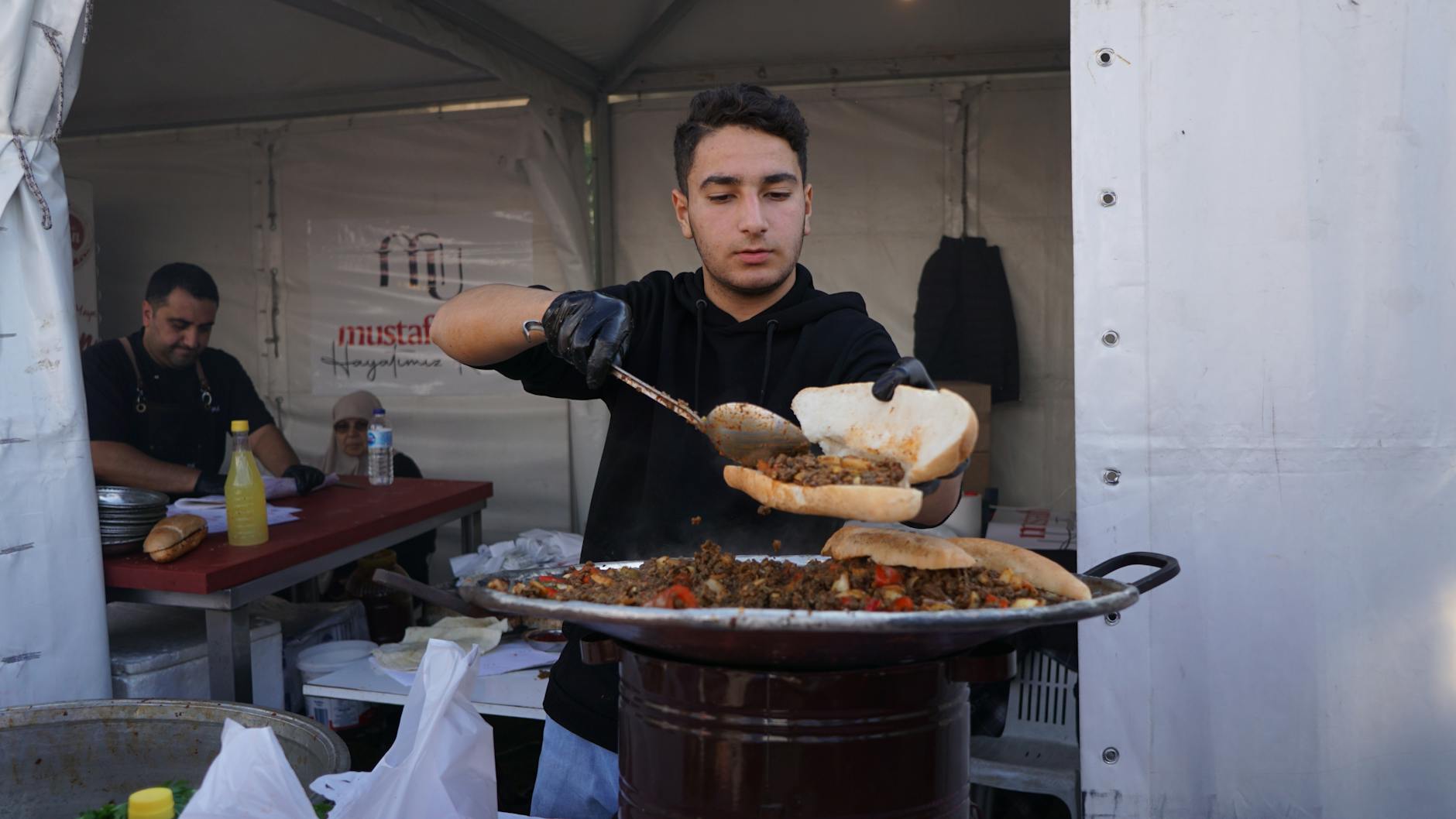
You’ll always be asked for your preference: Biftek or Tantuni. This is the first test of a local. If you want lean, finely diced steak, ask for Biftek. However, if you want the authentic experience, order the standard Tantuni. It includes a small amount of lamb tail fat which carries the flavor of the paprika and sumac much better. While some might prefer the heavy char of traditional wood fired leaf döner and authentic meat houses with ordering tips, tantuni relies on quick searing and hydration.
Top Spots in Beyoğlu: Where the Masters Gather
Beyoğlu is the spiritual home of the late-night tantuni. If you aren’t eating it standing up on a side street near Taksim Square, you’re missing the pulse of the city. For a true taste of Mersin in the heart of Istanbul, Suat Usta 33 Mersin Tantuni remains a non-negotiable first stop. The turnover is so high that the meat never sits on the pan for more than a minute, ensuring every bite is tender rather than chewy.
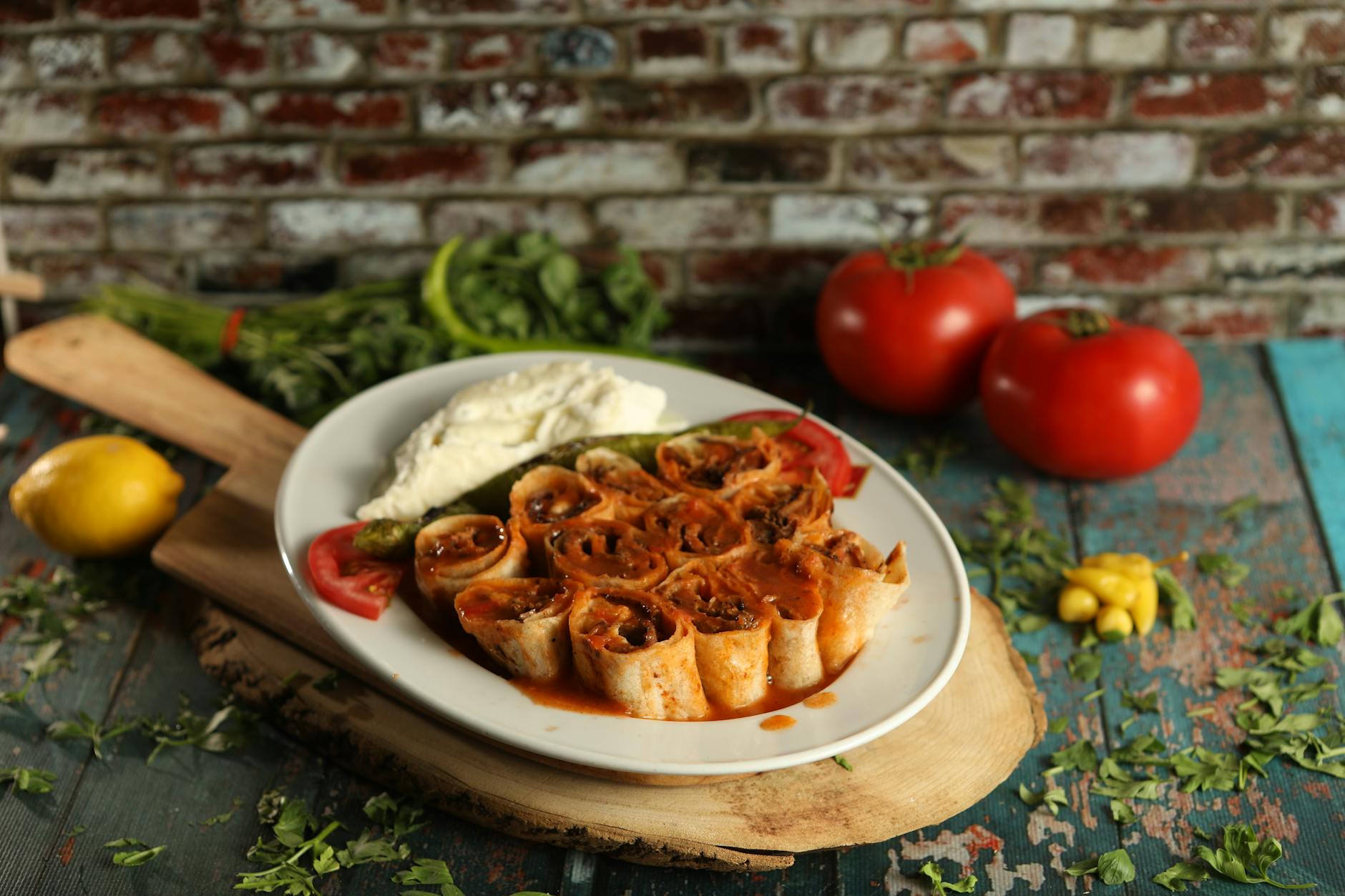
If you’re looking for a seated meal, Memoş Tantuni offers a more deliberate experience. I specifically recommend their Yoğurtlu Tantuni (yogurt-topped version). They take the chopped meat, place it over bite-sized pieces of bread, and smother it in thick strained yogurt and sizzling butter. It usually costs around 450 TL in early 2026. Give your name to the waiter and walk to a nearby shop for ten minutes; the wait is justified once that butter hits the yogurt.
Crossing the Bosphorus: The Kadıköy and Yeldeğirmeni Contenders
If you haven’t stood on a Kadıköy sidewalk with oily pepper-juice dripping down your wrist while a ferry horn blasts in the background, you haven’t truly experienced the street food soul of the Asian side. The legendary Kadıköy Tantuni, located just a short walk from the Beşiktaş-Adalar pier, is a masterclass in high-turnover excellence. The steam rising from the massive circular sac pans blends with the salty Bosphorus breeze.
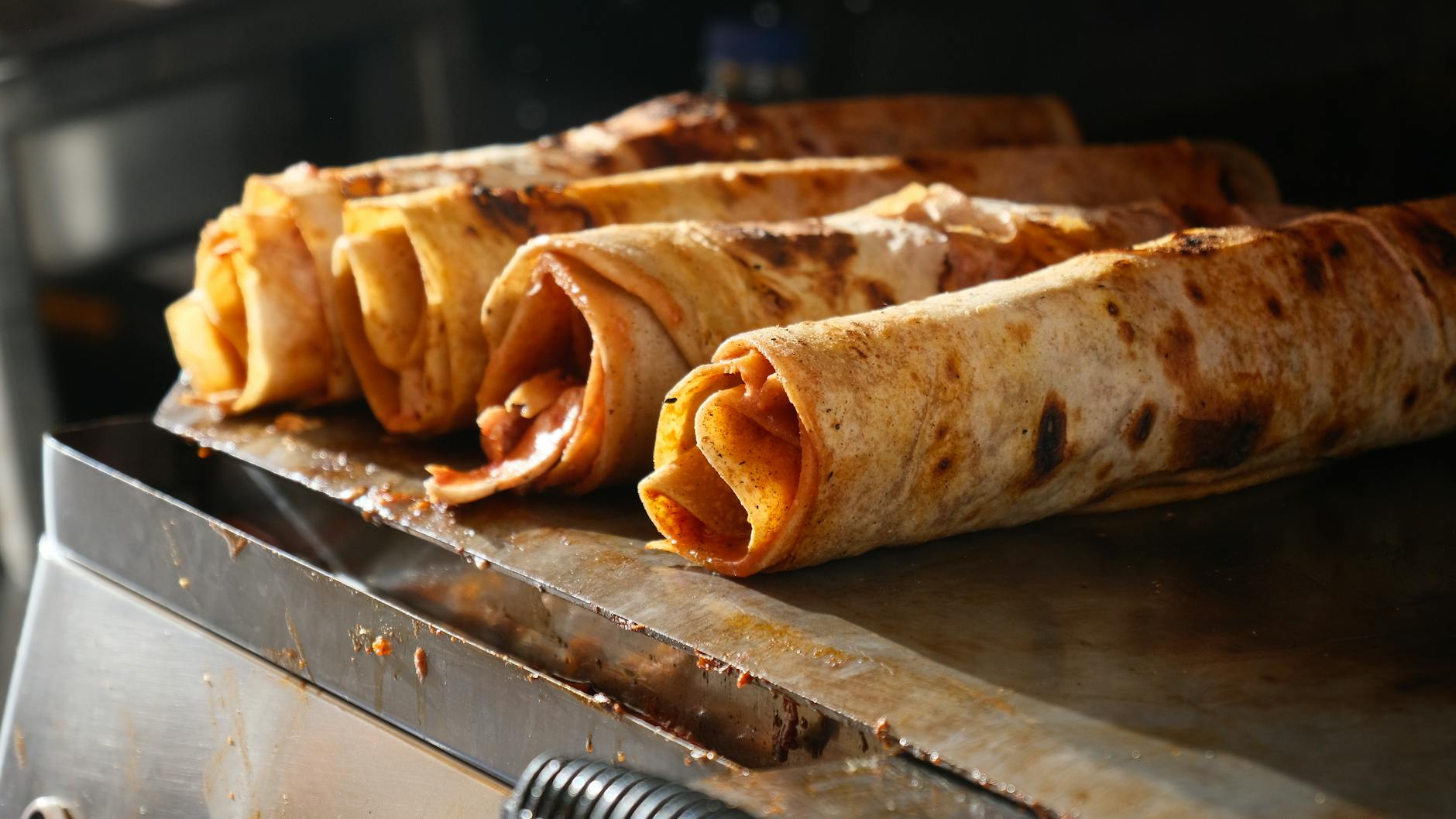
On Saturday afternoon around 3 PM, I braved the swarm of shoppers near the Kadıköy bazaar. Despite the 15-person deep crowd at the counter, the flow was surgical. I grabbed a beef wrap for 325 TL and found a spare inch of a wooden bench outside. The meat was notably spicier here than in Beyoğlu, heavily dusted with a dark, smoky isot-style pepper. While planning your day after a Tarabya and Yeniköy waterfront walking route with Levantine mansions and 2026 ferry tips, consider that the Asian side offers a much grittier, faster food walk.
Ordering Tips: Don’t Just Say ‘Tantuni’
Walking up to a crowded tantuni counter without a specific plan is the quickest way to end up with a default meal that might not suit your palate. The first choice is the meat. If you ask for a standard Tantuni, you are getting a mix of beef and rendered tail fat. If you prefer a leaner protein hit, you must ask for Biftek. Expect to pay a small premium—usually around 350 TL for the steak version.
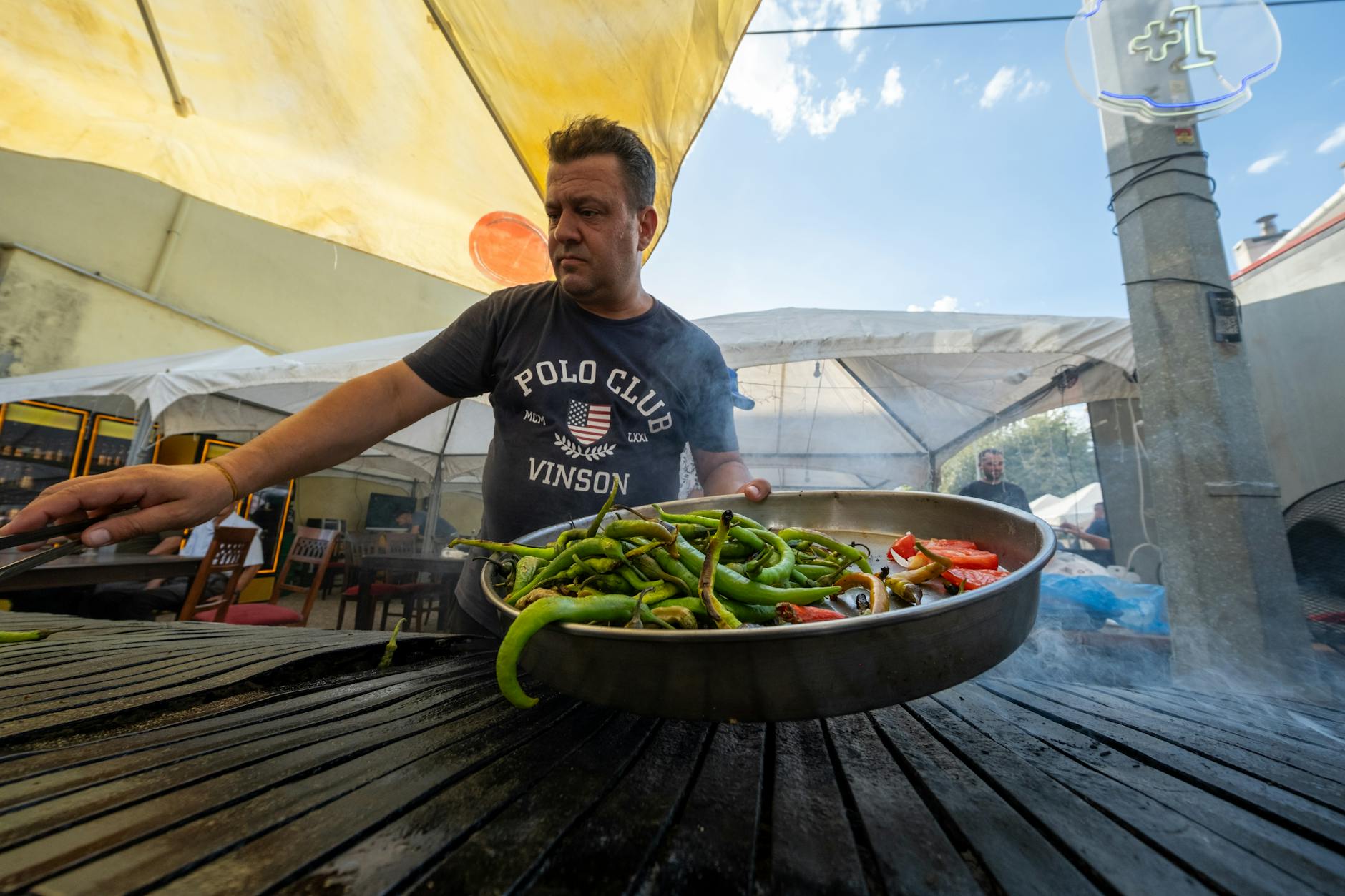
Then comes the “vessel.” While Ekmek Arası (half a loaf of bread) is filling, the Dürüm (thin lavash wrap) is the connoisseur’s choice. The lavash is thin enough to let the meat shine and, more importantly, the master will press the bread onto the hot rim of the pan to soak up the spicy oil. When navigating local grocery stores and supermarkets in Istanbul with 2026 price tips, you’ll notice the raw ingredients are simple, but the execution at these stalls is impossible to replicate at home.
The 2026 Tantuni Price Index
Tantuni is an equalizer in Istanbul, but you shouldn’t be overpaying. If you find yourself in a shop where the bill for a single wrap exceeds 600 TL, you’ve wandered into a tourist trap zone.
| Item Type | Avg. Price (TL) | Est. Price (USD/EUR) | Decision Guide |
|---|---|---|---|
| Standard Beef Wrap | 325 TL | $7.20 / €6.50 | The classic local choice. |
| Double Meat (Duble) | 520 TL | $11.55 / €10.40 | For when you’ve skipped lunch. |
| Yogurtlu Tantuni | 450 TL | $10.00 / €9.00 | Plated version; more filling. |
| Chicken Tantuni | 225 TL | $5.00 / €4.50 | Budget-friendly alternative. |
Ordering a soda with tantuni is a mistake. To truly manage the heat and the richness of the cottonseed oil, you need açık ayran—the salty, house-made frothy yogurt drink served in a chilled metal bowl. After finishing, I usually head five minutes away to one of the traditional tea gardens and Turkish coffee houses with Bosphorus views and local prices to grab a glass of black tea, which acts as a digestive.
Frequently Asked Questions
Is tantuni too spicy for someone with a low heat tolerance? The traditional style has a kick from red pepper flakes and infused oil, but it isn’t overwhelming. If you are sensitive, ask for your wrap “acısız” (without spice).
How much should I expect to pay for a tantuni meal in 2026? In Beyoğlu or Kadıköy, a single beef wrap usually goes for around 325 TL. If you add a side of ayran, you might spend closer to 400 TL.
Are there vegetarian versions available? Tantuni is traditionally meat-heavy. While some modern Kadıköy spots experiment with mushroom tantuni, the dish remains centered on beef or chicken prepared in the signature sac pan.