Fifteen years ago, I moved into a drafty apartment in Kurtuluş and spent my first morning staring blankly at three different storefronts on the same corner. I tried to pay for a single lemon at the neighborhood bakkal—the quintessential corner shop—and the owner, a man with hands that smelled of parsley and tobacco, just waved me away with a gruff smile, insisting I pay “later” because I was the new neighbor. Fast forward to 2026, and while the digital hum of contactless payments and the reality of rising costs have sharpened the city’s edges, that neighborhood pulse remains the only way to truly feed yourself here.
Navigating an Istanbul grocery run today is an exercise in strategy. Just yesterday, I was at the CarrefourSA Mini near the Pangaltı metro exit around 6:30 PM. The queue was five people deep, mostly commuters grabbing a 1.5-liter bottle of water for 15 TL (about 0.30 EUR) and a loaf of fresh bread. If you’d bought that same water at a tourist kiosk in Sultanahmet, you’d likely pay 40 TL. It’s a small gap, but when a decent block of aged Ezine cheese is hitting 350 TL (7 EUR), those small wins at the checkout counter start to dictate the quality of your breakfast spread.
The Discount Trinity: BİM, A101, and Şok
BİM, A101, and Şok are the gritty, crowded, and unapologetically functional backbone of Istanbul’s neighborhood economy. These three chains are everywhere—literally tucked into the basements of Ottoman-era apartments and modern complexes alike—and they are your best friends for keeping your daily spending under control. While the layouts can feel like a claustrophobic puzzle, the price difference compared to a tourist-trap “mini-market” in Sultanahmet is staggering.
The strategy here is simple: they stock high volumes of “private label” products and a few big brands to keep overhead low. I always tell my friends visiting for more than a couple of days to head straight here for their heavy staples. You shouldn’t be paying premium prices for a 5-liter jug of water at a kiosk when you can grab one here for around 25 TL (roughly $0.55 USD or 0.50 EUR). It’s the same story for toilet paper, basic snacks, and cleaning supplies.
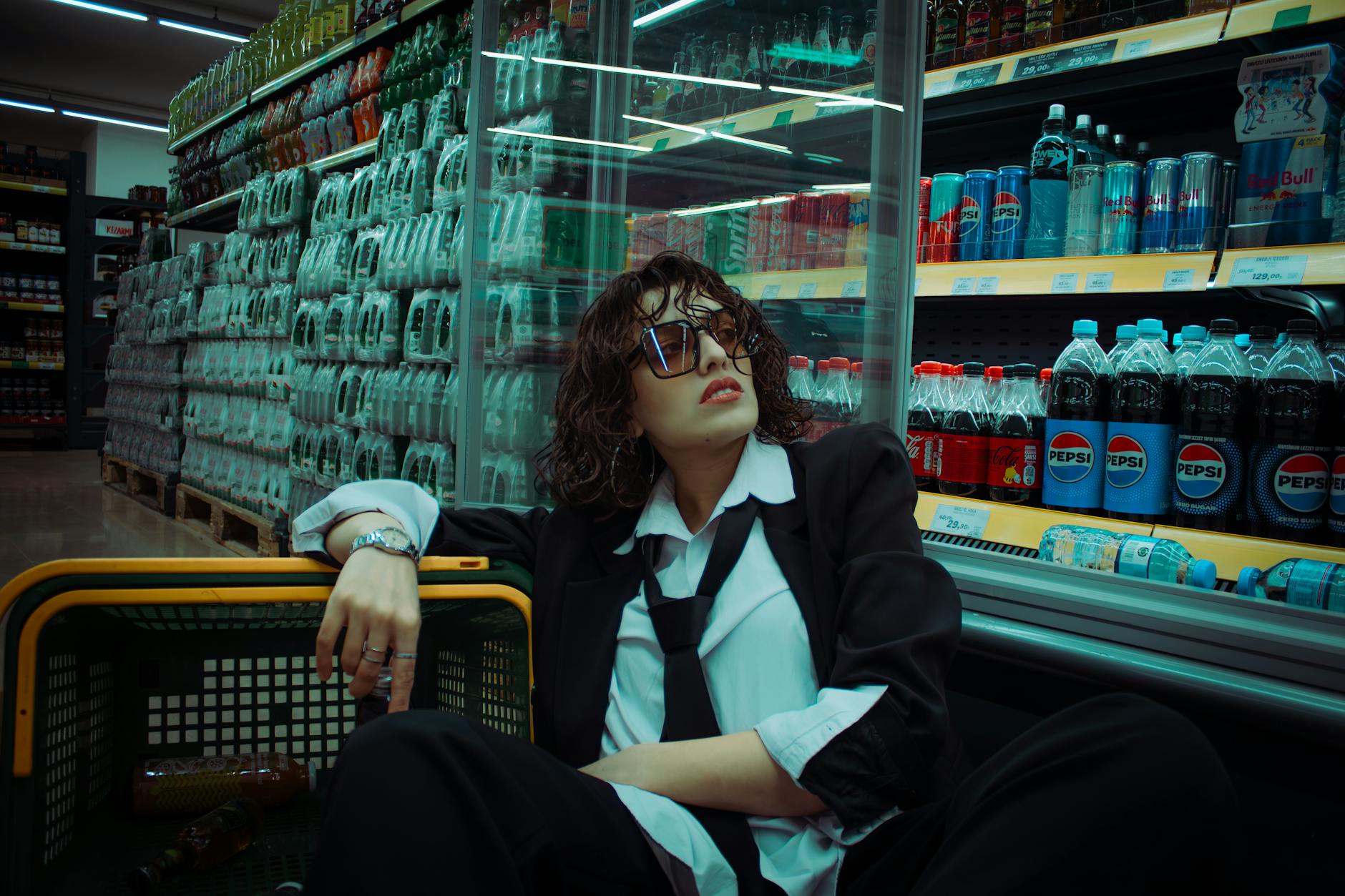
Field Note: I learned this the hard way during a humid July evening last year. I was squeezed into the Şok Market near the Galata Tower right at the 7 PM rush hour. The store is basically a subterranean cave, and I was stuck between a stack of discounted watermelons and a shelf of Dost brand yogurt while a delivery driver navigated a pallet jack through a space clearly meant for a cat. It was chaotic, loud, and sweaty, but I walked out with a full bag of groceries for less than 200 TL ($4.45 USD).
Deciphering the Migros Hierarchy
If you see an orange sign in Istanbul, you’re likely looking at a Migros, but don’t assume they are all created equal. The number of ‘M’s on the storefront tells you exactly what kind of experience—and stock—to expect. A Jet Migros is your neighborhood convenience store, perfect for a quick water or a pack of biscuits, but useless for a full grocery run. As you move up to M, MM, and MMM, the aisles multiply, the cheese selection gets serious, and you start seeing non-food items like kitchenware.
The 5M Migros is the final boss: a massive hypermarket usually tucked inside malls like Cevahir or Akasya, where you can buy anything from a sourdough loaf to a television. The absolute best part of a large Migros (MM or higher) is the refrigerated meze counter. I’ve spent fifteen years living here, and I still think their prepared salads rival many mid-range restaurants.
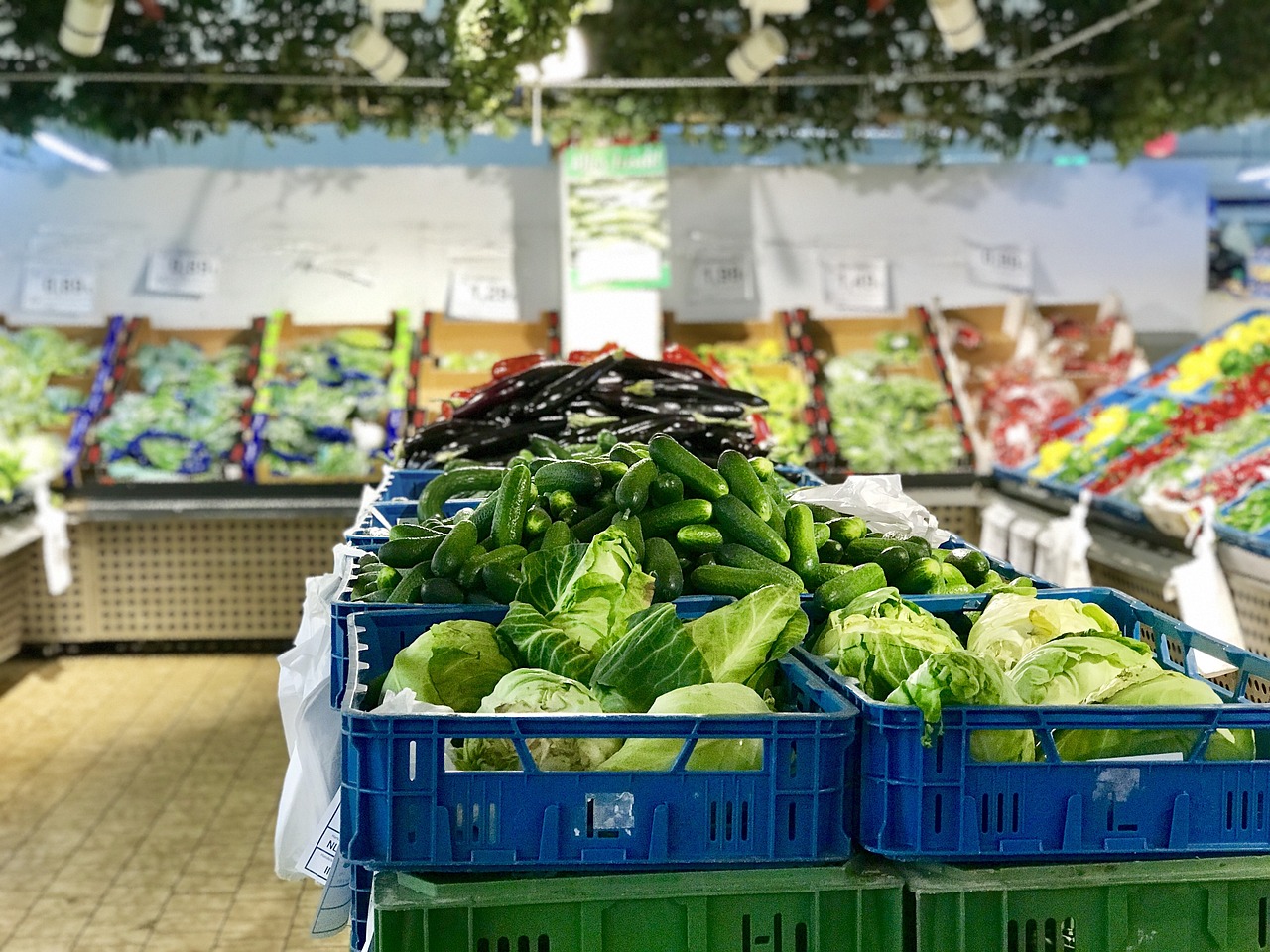
On a warm evening, I usually head to the large Migros near the Galata Bridge before starting a Beyoğlu passages and historical architecture walking route with 2026 cafe prices. The queue at 6:00 PM can be five people deep, but it moves fast. Grab a few plastic tubs of meze, a fresh loaf of bread, and head to the rocks by the sea.
Essential 2026 Price Checklist
If you think Istanbul is still the bargain-basement destination of a decade ago, your first trip to a Migros Jet will be a rude awakening. While inflation has stabilized slightly in 2026, you have to be strategic. Most travelers get caught in the “convenience trap,” buying basic staples at high-end “Gurme” markets and paying double what a local would pay three blocks away.
Field Note: Last Tuesday, I stood behind a group of students in a Beşiktaş A101 who were shocked that a 30-pack of eggs cost 150 TL (exactly 3 EUR). They thought they were being scammed, but that is simply the 2026 baseline for discount markets. If you head to a premium spot like Macrocenter for organic, pasture-raised eggs, you’ll easily drop 350 TL for a much smaller pack. The fix is easy: buy your bulk staples at discount chains like BIM, ŞOK, or A101.
| Grocery Item | Discount Price (TL) | Premium Price (TL) | Berk’s Local Insight |
|---|---|---|---|
| Eggs (30-pack) | 150 TL (3 EUR) | 350 TL+ (7 EUR) | Buy the bulk pack at BIM on Monday mornings. |
| Milk (1L UHT) | 40 TL (0.80 EUR) | 75 TL (1.50 EUR) | “Dost” or “Birşah” brands are perfectly fine. |
| Turkish Tea (500g) | 110 TL (2.20 EUR) | 220 TL (4.40 EUR) | Avoid fancy tins; look for standard Çaykur Rize. |
| Local White Cheese | 200 TL (4 EUR) | 450 TL (9 EUR) | Buy from the deli counter (Şarküteri) by weight. |
The Neighborhood Bakkal: The Soul of the Street
The real heart of the city beats in the Bakkal, the tiny corner shop that has survived decades of urban transformation. It’s a cramped, chaotic space where the scent of fresh bread mingles with laundry detergent. The primary reason to visit your local Bakkal is ekmek. Every morning around 7:00 AM, and again in the late afternoon, white plastic crates are delivered, overflowing with warm, crusty loaves.
Beyond the morning bread, these shops are your tactical reserve. While the big corporate chains usually shutter their doors by 9:00 PM or 10:00 PM, the Bakkal is the lone light on the street. If you’ve just spent the evening checking PTT Post Office Services and International Shipping with 2026 Rates and Packing Tips and realize you’re out of water or milk, this shop is your savior. They are often open until midnight or whenever the owner decides he’s had enough tea for the night.
Macro Center and High-End Imports
Macro Center is where the “other” Istanbul shops when they realize they can’t live another day without real Dutch Gouda or that specific bronze-die Italian pasta. It is the closest you’ll get to a high-end European grocery experience, and stepping into the branch at Kanyon Mall feels like you’ve been teleported straight into a boutique market in London.
The experience is premium, but it comes with a “gourmet tax” that catches many off guard. I popped into the Kanyon location last Tuesday around 6:30 PM, dodging frantic tech executives grabbing pre-made quinoa salads. I only picked up four items: a small wedge of aged Manchego, a box of artisanal crackers, a jar of sun-dried tomatoes, and a decent bottle of olive oil. The total came to 1,420 TL—roughly 28 EUR. You have to be careful here; a small basket can easily hit 1,500 TL.
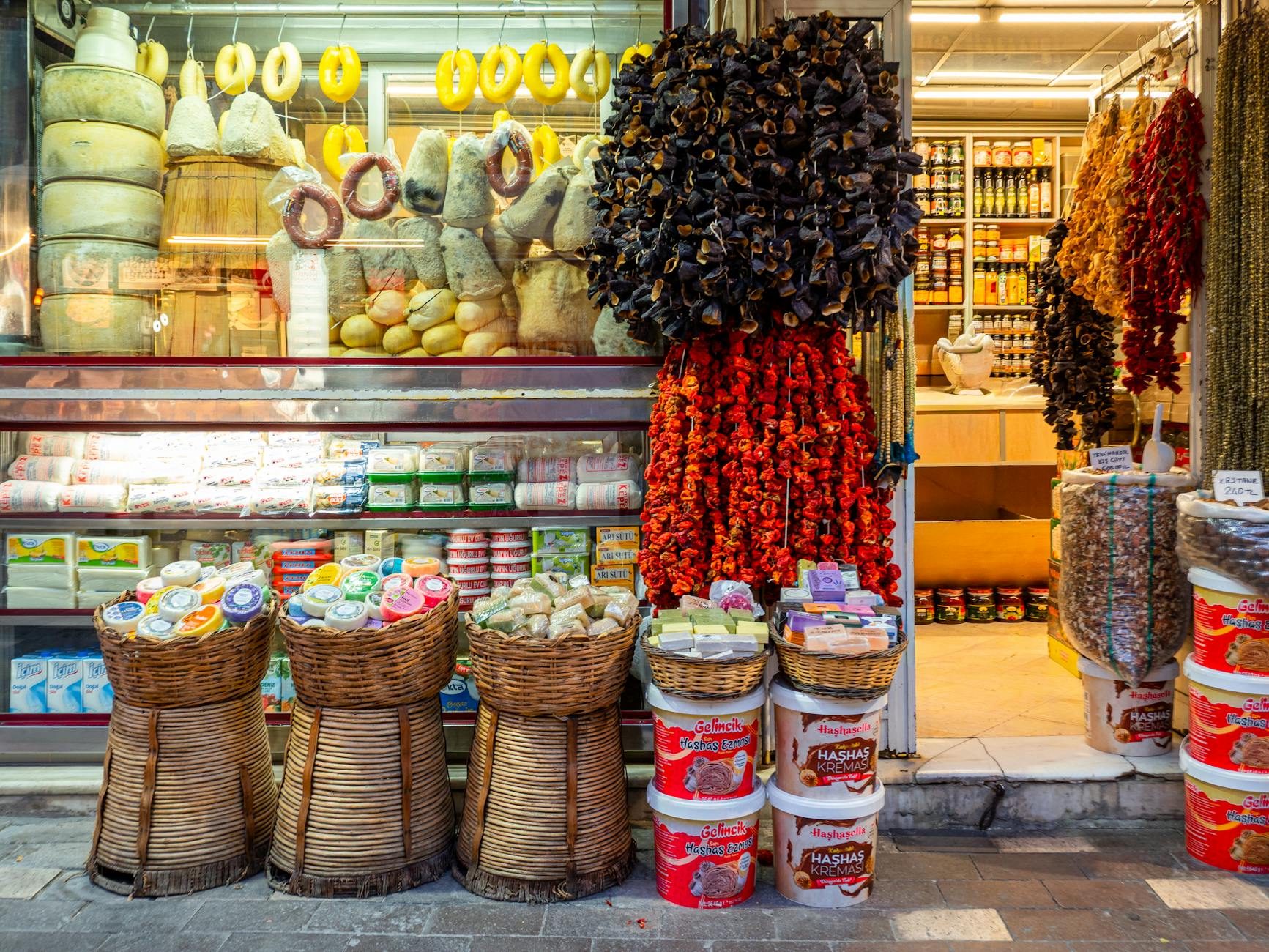
If you want to replicate high-quality meals in your own rental kitchen, this is your resource. You will find items here that simply don’t exist in standard supermarkets: perfectly ripe avocados and genuine San Marzano canned tomatoes. Grab your Belgian chocolates and your French brie here, then walk five minutes to a nearby Şok for your heavy basics like water and soap.
Checkout Etiquette and Logistics
Grocery checkouts in Istanbul are a high-speed sport. Unlike in some Western countries where the cashier might wait for you to bag each item delicately, Turkish cashiers scan with Olympic-level speed. They expect you to be bagging as the items fly toward you. Last Tuesday at a crowded Şok in Cihangir around 6:00 PM, I watched a traveler try to meticulously bubble-wrap a jar of honey while a line of ten impatient locals stared holes into the back of his head. If you can’t keep up, just throw everything back into your basket and move to the small counter near the exit.
By 2026, the mandatory government fee for plastic bags has risen to 10 TL (about 0.20 EUR) per bag. Payment is almost exclusively digital now. Contactless (temassız) is the standard; even for a single loaf of bread, nobody will blink if you tap your phone. If you are navigating the city and find yourself short on cash after Navigating Istanbul Taxis and Ride Hailing Apps with 2026 Pricing Tips, remember that your Istanbulkart is a valid payment method at major chains like Migros and A101.
Grocery Shopping FAQ
Can I use my foreign credit card at small neighborhood markets?
Yes, almost every Bakkal and all major supermarkets accept international Visa and Mastercard. Most terminals are contactless-enabled. However, ensure your bank doesn’t charge a foreign transaction fee.
Do Turkish supermarkets provide free packing assistance?
No. You are responsible for bagging your own groceries. The cashier’s job is to scan and collect payment. To avoid holding up the line, have your tote bags open and ready before the first item is scanned.
Are there public toilets inside Istanbul grocery stores?
Generally, no. Except for massive supermarkets inside shopping malls, neighborhood grocery stores do not have customer restrooms. If you find yourself in need, you’ll have better luck finding facilities near the Nusretiye Mosque and the Tophane Waterfront with Practical Visiting Tips.
Staying Savvy at the Checkout
Stepping into a crowded supermarket here can feel like a sensory overload, especially when the person behind you is nudging your heels with their basket, but that’s the moment you stop being a guest and start being a neighbor. It’s in these aisles—between the towers of sunflower oil and the endless rows of tea—where you actually see how the city lives.
Do yourself a favor and ditch the generic hotel breakfast tomorrow. Instead, find the nearest bakery for hot bread, then hit a local Şok or A101 for a jar of sour cherry jam and some aged kaşar cheese. You’ll spend less than 250 TL (5 EUR) and have a feast that actually tastes like the city. I was standing in the tiny Migros Jet on Sıraselviler Street last Friday around 6:00 PM, watching a traveler panic because they didn’t have a shopping bag for their haul of yogurt and fruit. Don’t be that person. Just grab one of the empty cardboard boxes usually piled near the checkout; it’s free and earns you a quick nod of respect from the cashier.